




Marseille is noisy, sunny, salty, surprising and, with the right plan, genuinely fun for families. One minute your children are watching fishing boats in the Vieux-Port; the next they are climbing toward a basilica, stepping into a prehistoric cave, or taking a boat toward an island fortress.
As a French family and former travel planners specializing in France, we know that the best family trips are not the ones with the longest checklist. They are the ones that balance wonder, movement, rest, good views and simple logistics. This guide shows you how to do exactly that in Marseille.
You will also find the practical shortcuts parents need most: which sights to group together, when to slow down, and where a simple boat ride beats another complicated transfer altogether.
Marseille with Kids at a Glance: The Best Picks for Families
- Best first-time experience: combine the Vieux-Port, the ferry boat and the Petit Train to Notre-Dame de la Garde.
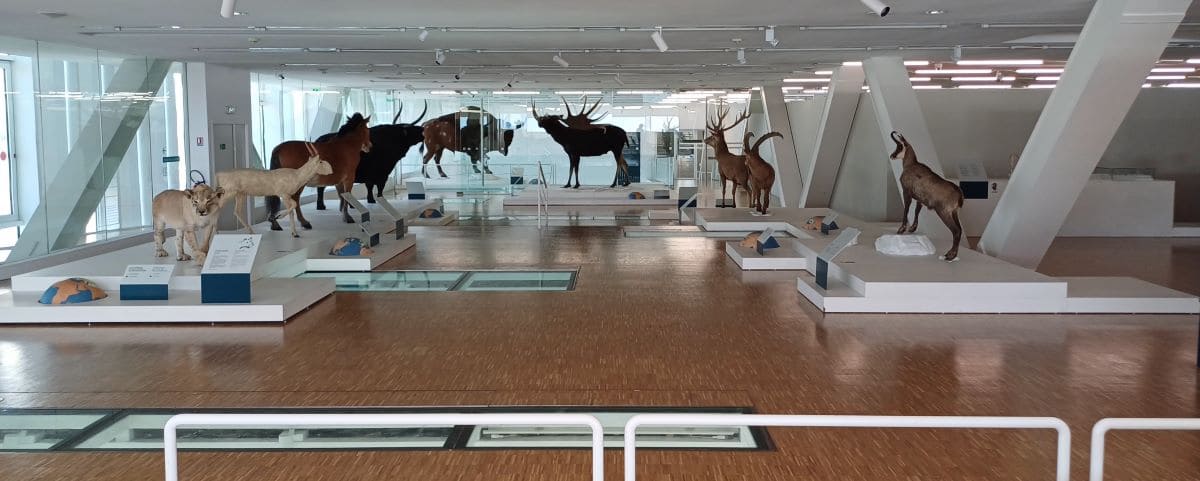
- Best indoor activity: choose Cosquer Méditerranée for an immersive visit that works especially well with school-age children.
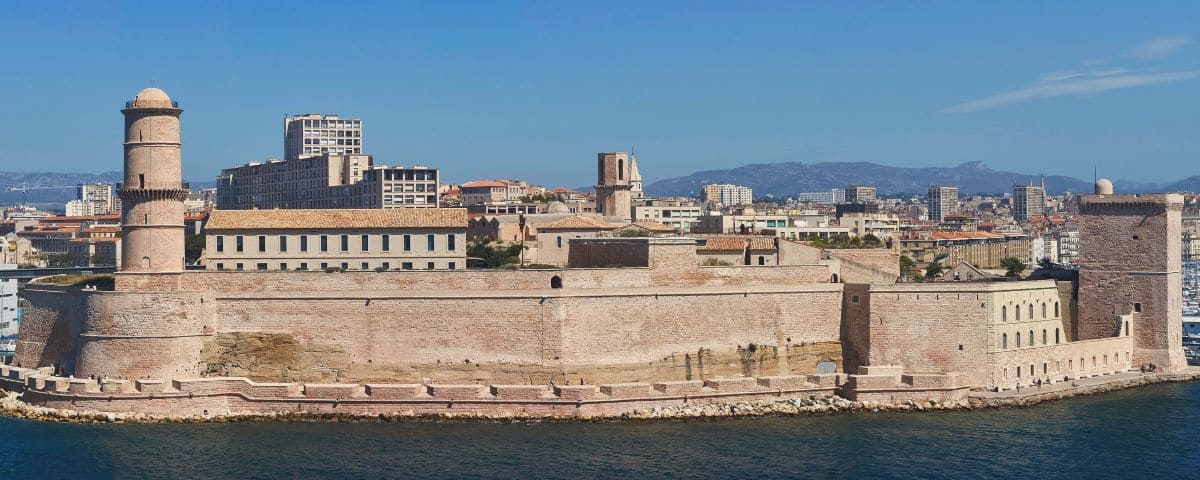
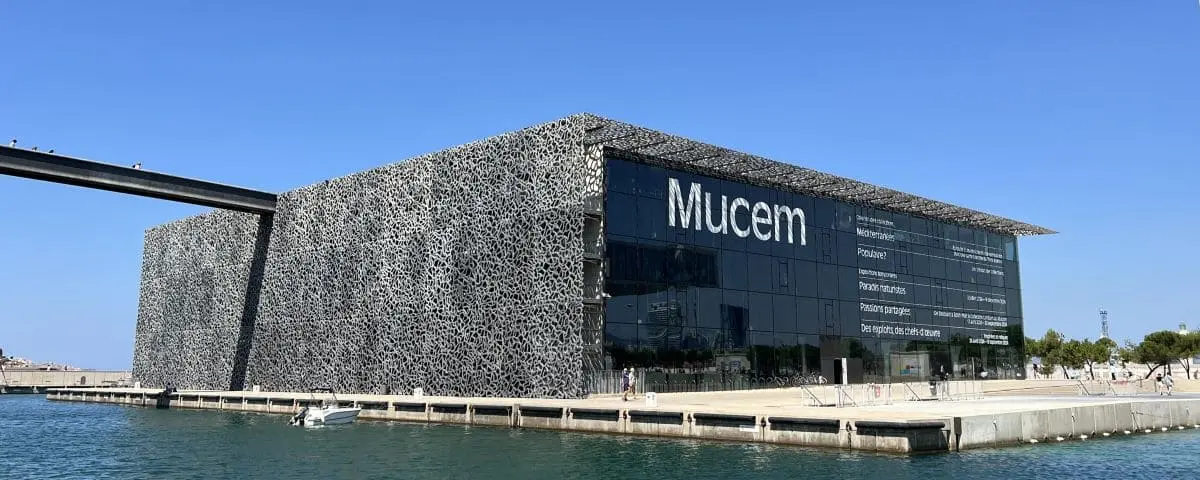
- Best culture stop: visit the MUCEM and Fort Saint-Jean, where architecture, sea views and family activities soften the usual museum fatigue.
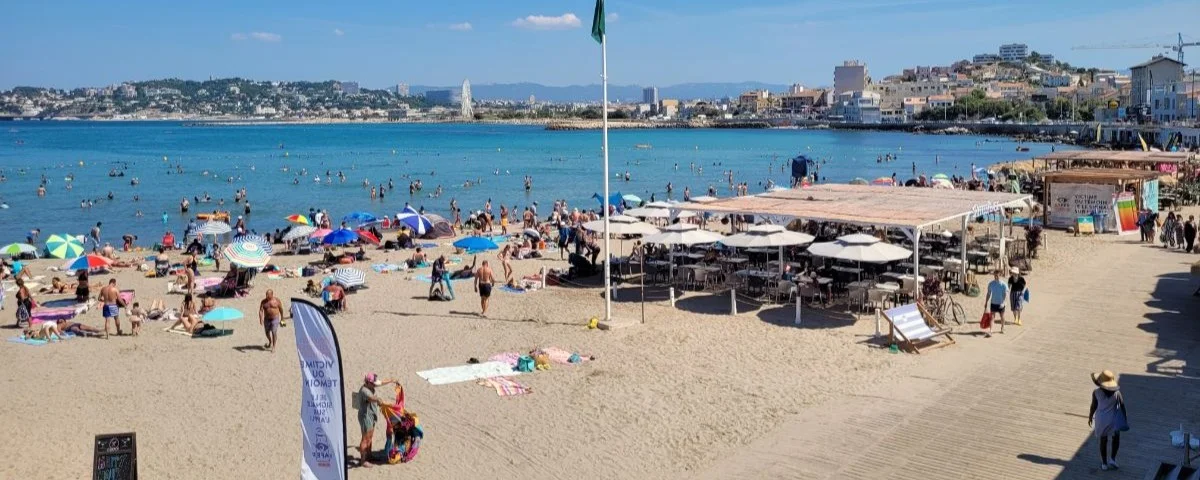
- Best outdoor day: head to the Prado Beaches and Parc Borély for space, swimming and an easy family rhythm.
- Best adventure: sail to Château d’If and the Frioul Islands, or explore a carefully chosen section of the Calanques.
- Best planning rule: do not pack too much into one day. Marseille rewards families who alternate one major visit with one open-air experience.
Before choosing activities, open our Marseille tourist map and group places by area. For an even wider selection, our guide to the best things to do in Marseille helps you compare the city’s main sights.
Best Things to Do in Marseille with Kids
Explore the Vieux-Port and Ride the Famous Ferry Boat
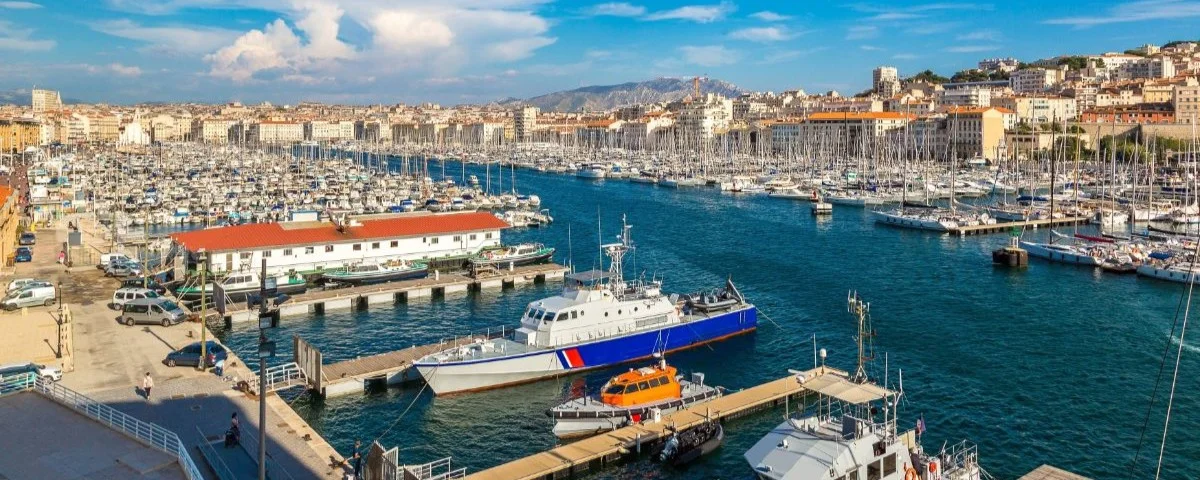
The Vieux-Port is the obvious starting point, and for once the obvious choice is the right one. Boats come and go, gulls provide the soundtrack, and the city rises around the water like a giant amphitheater. Children have something to watch, adults have coffee within reach, and nobody needs an explanation of why Marseille is a port city.
Start here on your first morning in Marseille. Walk along the quays, look for the fish market when it is operating, then take the tiny ferry boat across the harbor if service conditions allow. The crossing is short, almost comically so, but that is part of the charm. For young children, a boat is a boat, even when the voyage is over before anyone asks for a snack.
Take the Petit Train to Notre-Dame de la Garde
Notre-Dame de la Garde sits high above Marseille, and the climb can test family harmony before the view has a chance to repair it. With children, the Petit Train is often the smarter answer. It turns the ascent into part of the attraction and avoids spending your energy on a steep uphill walk.
At the top, the panorama is one of the best geography lessons in southern France. You can point out the Vieux-Port, the islands, the coast and the dense city below. The basilica itself is worth seeing, but the real family moment is outside, when Marseille suddenly makes sense as a city built between hills and sea. Keep hats secure on windy days.
Walk Through Le Panier, La Major and Fort Saint-Jean
Le Panier is Marseille in miniature: narrow lanes, stairs, small squares, colored shutters, street art and sudden views. It is not a theme park disguised as an old quarter. People live here, which is precisely why the neighborhood keeps its character.
For families, the best route is downhill and toward the sea. Begin higher in Le Panier, wander without trying to inspect every lane, then continue toward La Major cathedral and Fort Saint-Jean. This sequence avoids unnecessary backtracking and gives children regular changes of scenery. Stop for a drink or an ice cream when the mood begins to slide. In Marseille, tactical snacks are a respectable form of urban planning.
Discover Family-Friendly Exhibits at the MUCEM
The MUCEM is one of those museums where the building can be as memorable as the exhibitions. Its dark concrete lattice, footbridges and waterfront position give children plenty to look at before anyone enters a gallery.
Choose the MUCEM when your family wants culture without feeling trapped indoors. The museum offers activities for children and families, while the outdoor spaces around Fort Saint-Jean provide room, views and a change of pace. Do not try to read every panel. Pick one exhibition, let the architecture do some of the work, then walk the footbridges. That mix usually works better than a long, dutiful museum marathon.
Step Into Prehistoric Marseille at Cosquer Méditerranée
Few family attractions have a better opening line: the original cave is partly submerged beneath the Mediterranean. Cosquer Méditerranée recreates this prehistoric site in an immersive journey that brings cave art, animals and rising sea levels into the same story.
This is our top indoor pick for curious school-age children. The visit is visual and theatrical enough to hold attention, yet it gives adults plenty to think about. It also works beautifully after a hot morning outside or on a rare rainy day. For many families, the combination of mystery, darkness and prehistoric animals is easier to sell than another room of framed paintings.
Sail to Château d’If and the Frioul Islands
A boat trip changes the scale of a city. From the water, Marseille becomes a wide sweep of limestone, hills, islands and buildings, and children suddenly understand why the sea matters so much here.
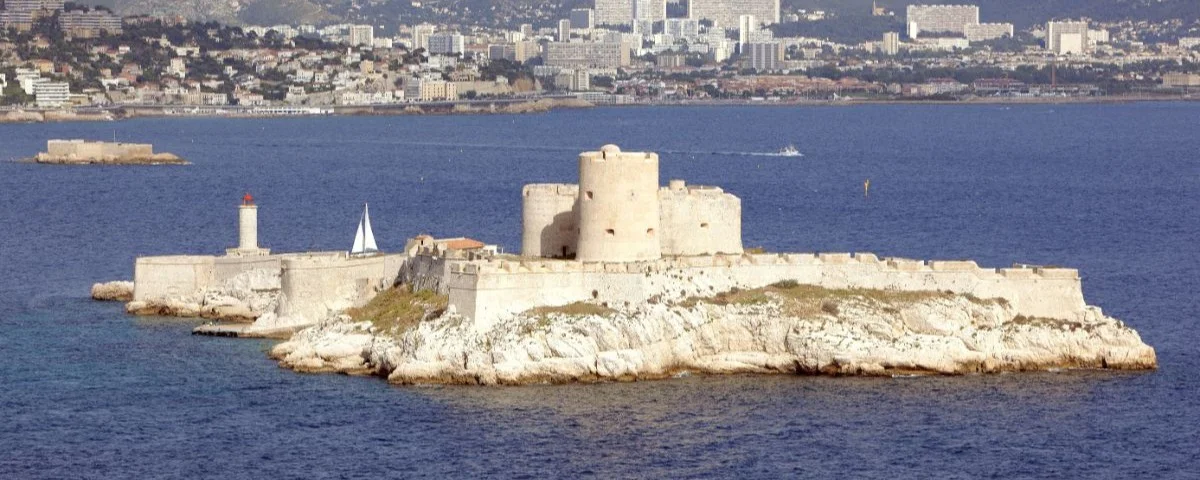
Choose Château d’If for story and history; choose the Frioul Islands for space and nature. The fortress has the irresistible literary shadow of The Count of Monte Cristo, while Frioul offers rocky landscapes, coves and broad views back toward Marseille. Families with younger children may prefer one main objective rather than trying to squeeze both into a rushed day. Bring water, sun protection and something to eat.
Enjoy the Prado Beaches and Parc Borély
After churches, museums and old streets, children often need something gloriously uncomplicated. The Prado seafront and nearby Parc Borély provide exactly that: room to move, places to pause and a break from formal sightseeing.
This is one of the easiest half-days in Marseille with kids. You can combine beach time with a walk, a picnic or a relaxed visit to the park. The area suits families who want flexibility because there is no fixed sequence to follow. Stay longer if everyone is happy. Leave earlier if the wind picks up. A successful family afternoon sometimes means refusing to turn leisure into another schedule.
Explore the Calanques by Boat or on a Family-Friendly Hike
The Calanques are Marseille’s great escape: white limestone, deep blue water and a landscape that feels astonishingly wild beside a major city. But they are not a casual playground. Trails can be rocky, shade is limited, and summer access can be restricted because of fire danger.
With younger children, a boat trip is usually the safer and easier choice. With older children who genuinely enjoy walking, choose a realistic route, check current access conditions, carry plenty of water and wear proper shoes. Do not begin with the most famous or difficult hike simply because social media says you should. Our Provence hikes guide can help you think beyond the postcard.
Spend a Relaxed Family Day at Palais Longchamp
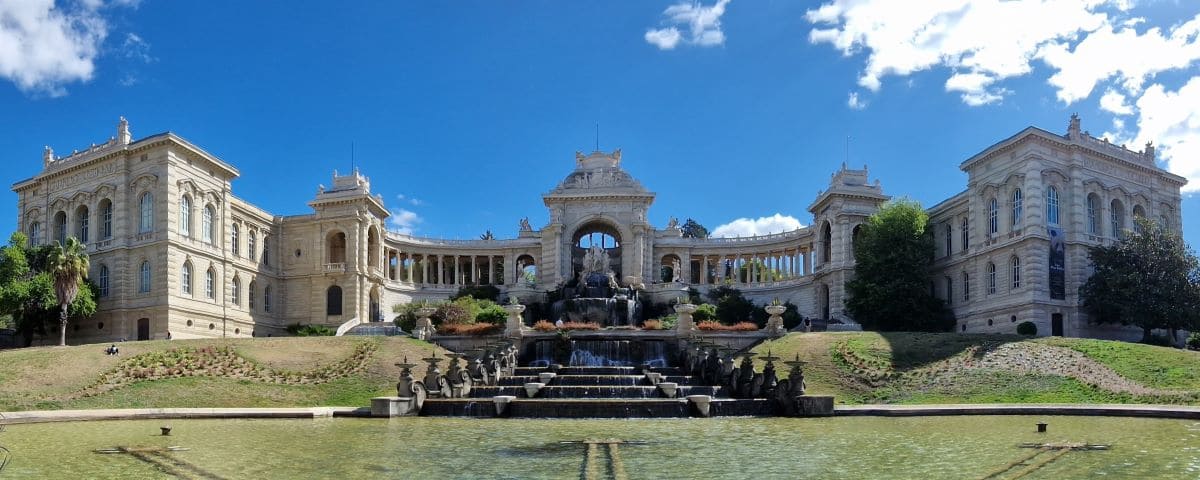
Palais Longchamp is a useful antidote to an overfilled city itinerary. Its monumental architecture feels grand enough for adults, while the surrounding park and museum options give families different ways to use the stop.
Come here when your children need space more than another must-see monument. Some families will focus on the Natural History Museum, others on the Fine Arts Museum, and many will simply enjoy the gardens and fountains. That flexibility is the strength of Longchamp. It is also a good backup when the weather is mixed because you can move between indoor and outdoor time without redesigning the whole day.
Tour the Orange Vélodrome with Football Fans
For a football-loving child or teenager, the Orange Vélodrome may outrank half the historic monuments in Provence. There is no point pretending otherwise. Marseille’s relationship with football is part sport, part identity and part local mythology.
Add the stadium only if someone in the family genuinely cares about football. For fans, it can become a trip highlight. For everyone else, use the time for the sea, Le Panier or an extra swim. This is an important family travel rule: not every famous attraction belongs in every itinerary. A personalized day almost always beats a complete one.
How to Choose the Right Marseille Activities for Your Family

The right plan depends less on your children’s exact ages than on their travel temperament. A toddler may happily ride boats and trains all day. A ten-year-old may want caves and castles. A teenager may prefer street art, football and swimming.
As former travel planners, we use a simple filter: choose one “wow” activity, one easy outdoor break and no more than one demanding transfer per half-day. Toddlers usually do best with the Vieux-Port, Petit Train, Prado and parks. School-age children often love Cosquer, Château d’If and boat trips. Teenagers may respond better to the Calanques, the Vélodrome and neighborhoods with a strong atmosphere.
Budget matters too. Marseille offers free pleasures in abundance: sea views, Le Panier, Fort Saint-Jean’s outdoor areas, beaches, parks and viewpoints. Save paid tickets for experiences your children will actually remember.
How to Plan a 1-, 2- or 3-Day Family Trip to Marseille
Marseille is large, hilly and spread along the coast, so geography matters. The secret is to group nearby sights instead of crossing the city repeatedly. Use our Provence tourist map if Marseille is part of a wider regional trip, and our Provence travel guide to connect the city with the rest of southern France.
One Day in Marseille with Kids
With one day, resist the temptation to prove how efficient your family can be. Begin at the Vieux-Port, ride the Petit Train to Notre-Dame de la Garde, then return toward the waterfront for lunch.
In the afternoon, choose either the MUCEM area or Cosquer Méditerranée, depending on weather and your children’s interests. Finish around Fort Saint-Jean or the harbor rather than adding a distant attraction. This route gives you boats, views, culture and the Mediterranean without turning the day into a transport exercise.
Two Days in Marseille with Kids
Keep the first day focused on central Marseille: Vieux-Port, Notre-Dame de la Garde, Le Panier, La Major and the MUCEM area. You can adjust the order according to heat and energy.
On day two, make the sea the main event. Choose Château d’If and Frioul for a boat adventure, or head toward the Prado Beaches and Parc Borély for a slower family day. Older active children may prefer the Calanques, provided conditions and access rules are suitable. Two days are enough to understand Marseille’s character without feeling that you have merely changed trains between attractions.
Three Days in Marseille with Kids
Three days allow the city to breathe. Use day one for the historic center and Notre-Dame de la Garde. Use day two for museums, Le Panier and the waterfront. Keep day three for a larger outdoor experience.
Our favorite three-day balance is city, culture, then nature. That final day can mean Frioul, the Calanques or a generous stretch of beach time. Do not be afraid to repeat the Vieux-Port in the evening. Children often enjoy familiar places more the second time, when they no longer feel like destinations and start to feel like part of the trip.
Practical Tips for Visiting Marseille with Children
Marseille is not difficult with kids, but it rewards preparation. The city is spread out, pavements can be uneven, summer heat is real, and a badly chosen route can involve more climbing than expected.
The good news is that a few practical decisions make a dramatic difference: stay near useful transport, carry water, build in shade and avoid scheduling the hardest outdoor activity at the hottest time of day.
Getting Around Marseille with Kids
You do not need a car for a city-focused family stay. Metro, tram and bus services cover the main urban areas, and boats are part of the transport story too. A car can become more burden than freedom when parking and traffic enter the equation.
Use public transport for distance, then walk in compact zones. That means one cluster around the Vieux-Port and Le Panier, another around the Prado coast, and a separate plan for the Calanques. Check routes and real-time information before leaving, especially with a stroller or tired child. The goal is not to avoid walking, but to save family energy for places worth exploring.
Visiting Marseille with a Stroller or Toddler
A stroller is useful in Marseille, but not everywhere. The Vieux-Port, Prado seafront and many modern waterfront areas are manageable. Le Panier’s stairs and steep lanes are less forgiving, and Calanques trails are not stroller territory.
For toddlers, plan by surfaces as much as by attractions. Use a stroller for central waterfront days, consider a baby carrier for hilly neighborhoods, and never assume that the shortest route on a map is the easiest. Schedule playgrounds, parks or open spaces between formal visits. A toddler who has spent twenty minutes running freely may tolerate the next museum far better.
The Best Time to Visit and How to Handle the Summer Heat
Spring and autumn are especially comfortable for family sightseeing because outdoor days are easier to manage. Summer brings swimming, long evenings and holiday energy, but also stronger heat, bigger crowds and greater pressure on natural sites.
In hot weather, do the demanding activity first, rest around midday and return outside later. Carry water, hats and sun protection, and choose museums or lunch for the hottest hours. For the Calanques, always check current access conditions because closures can occur during the summer fire-risk period. Good family travel is not about defeating the climate. It is about working with it.
Where to Stay in Marseille with Kids for Easy Sightseeing
For a first family trip, convenience usually beats romantic isolation. Staying near the Vieux-Port gives quick access to central sights and transport, while areas toward the Prado coast can suit families prioritizing beaches and a quieter evening rhythm.
Choose your accommodation according to your main daily cluster. A beautiful apartment far from transport can become exhausting with children. Check the walking route, hill gradient, nearby food options and access to metro or bus stops before booking. Families debating whether the city fits their travel style can also read our honest guide to whether Marseille is worth visiting.
FAQs About Visiting Marseille with Kids
Is Marseille Safe for Families?
Yes, Marseille can work well for families when you use normal big-city awareness. Watch belongings in crowds, choose accommodation carefully and know how you are getting home after dark.
The best safety strategy is practical, not fearful. Stay attentive in busy transport areas, avoid unfamiliar streets late at night and do not judge the whole city by one chaotic corner. Many families find Marseille’s energy part of its appeal.
How Many Days Do You Need in Marseille with Kids?
Two days cover the essentials, but three days give families the best balance. One day works for the Vieux-Port, Notre-Dame de la Garde and one cultural stop. A second day adds beaches or a boat trip.
With three days, you can include nature without sacrificing rest. Families touring Provence may stay two nights; sea-loving families can easily stay longer.
What Are the Best Free Things to Do in Marseille with Kids?
Marseille’s best free family experiences are simple: walk around the Vieux-Port, explore Le Panier, enjoy viewpoints, cross the outdoor areas of Fort Saint-Jean, visit parks and spend time by the sea.
Our top free route is Le Panier, La Major and the waterfront. It combines atmosphere, architecture and open space without constant ticket buying. Parc Borély and the beaches make another easy low-cost half-day.
What Can Families Do in Marseille on a Rainy Day?
Start with Cosquer Méditerranée, then consider the MUCEM or the museums at Palais Longchamp. A wet day is also a good excuse for a long lunch.
Do not rescue bad weather by overbooking museums. One strong indoor attraction, one meal and one flexible extra usually work better than six hours of galleries. If the sky clears, return to the harbor for fresh air.
Which Marseille Attractions Should Families Book in Advance?
During busy periods, consider booking timed attractions such as Cosquer Méditerranée and organizing important boat plans early. For a specific Calanques hike, check current access rules before departure because summer restrictions can affect natural sites.
Book what could ruin the plan if unavailable, but keep the rest flexible. Wind, heat and children’s energy can change the best itinerary. A little structure helps; too much turns a holiday into project management.
Wrap-up: Plan Your Perfect Family Trip to Marseille with Kids
Marseille with kids works because the city offers contrast. Boats follow museums, stone lanes open onto blue water, and a simple train ride can end at one of Provence’s finest views.
That is the real secret: plan the essentials carefully, then give your family enough freedom to discover the city together, slowly, at its own Mediterranean pace naturally.
- For a first trip, prioritize the Vieux-Port, Notre-Dame de la Garde and one major museum or immersive attraction.
- For younger children, choose boats, trains, beaches and parks over long walking days.
- For older children and teenagers, add Cosquer, the Calanques, Frioul or the Vélodrome according to their interests.
- For the smoothest itinerary, group sights by area and protect time for food, shade and rest.
- Above all, leave room for Marseille itself: the harbor, the light, the noise, the sea and the moments nobody scheduled.