


PRESENTATION
A varied landscape, from coast to countryside
When you think of northern France, do you picture one industrial town after another under grey skies? Think again. Between the Belgian border and the outskirts of Paris, the scenery is constantly changing. Sometimes, just a few kilometres are enough to take you from a vast beach to a dense forest, or from a village of brick houses to a lush green valley.
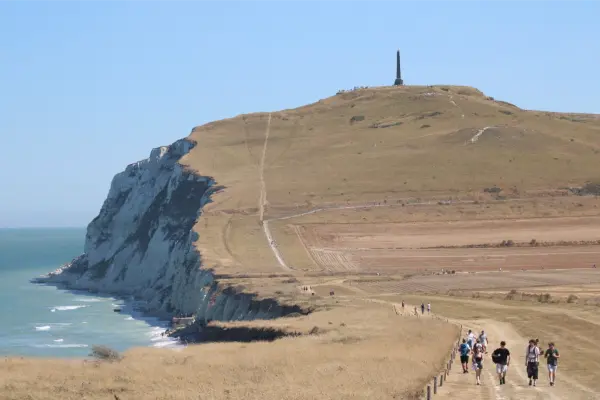
Along the coast, the sea sets the scene. Long sandy beaches, windswept dunes and white cliffs create spectacular landscapes, a world away from the crowded beaches of southern France. At low tide, the sea can retreat an astonishing distance, revealing huge stretches of sand where the sky seems to meet the land.
The Bay of Somme reveals another side of the coastline. Here, the light, tides and clouds constantly reshape the scenery. Migratory birds find shelter in the marshes and dunes, while seals rest on the sandbanks.
Head inland and you’ll find meadows bordered by hedgerows, peaceful rivers and fields stretching as far as the eye can see. In the south, vast oak and beech forests offer miles of shady trails. Further east, the hills close in around wooded valleys, with little villages tucked away here and there along the riverbanks.
And what about the weather? The wind can mess up your hair, sudden showers can catch you off guard, and the clouds don’t always play along. But that ever-changing light is also part of northern France’s charm, especially along the coast.
A land steeped in history, with an extraordinary heritage
It’s hard to travel around northern France without coming across history at every turn! Located between Paris, Belgium and the sea, this region was a strategic crossroads for centuries, fought over by Europe’s kings and armies. Borders shifted, towns changed hands, and every era left its mark on the buildings and monuments.
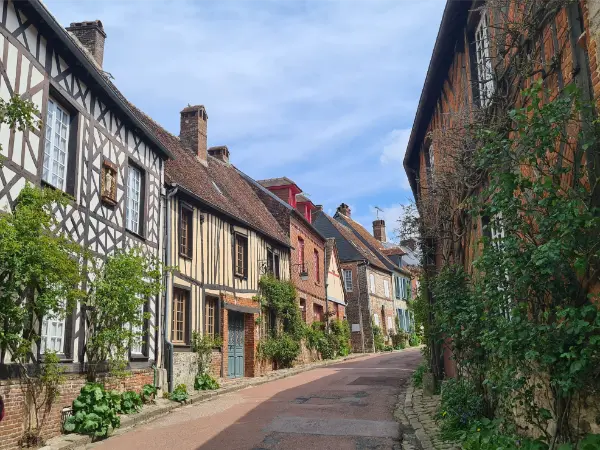
In the historic town centres, red-brick houses stand alongside grand squares lined with richly decorated façades. Elegant belfries, once symbols of the townspeople’s freedoms, still tower over some towns. Elsewhere, enormous cathedrals impress visitors with their soaring vaulted ceilings, stained-glass windows and intricate sculptures. Amiens Cathedral is one of the great masterpieces of medieval architecture.
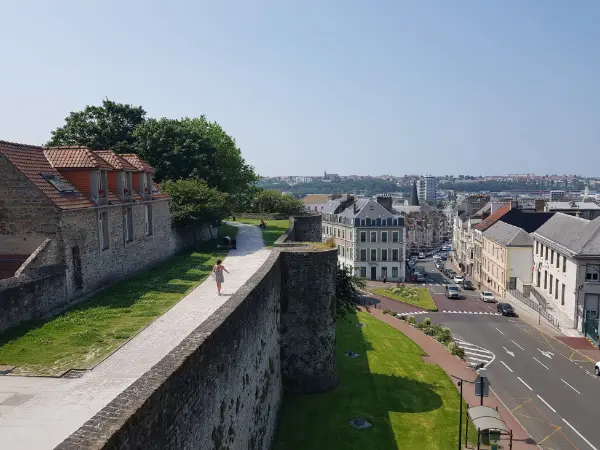
The castles tell a different story, one of kings, princes and wars fought over borders. Some reveal lavish rooms and beautifully landscaped gardens, while others still raise their towers and defensive walls above the valleys. If you love historic buildings, you’ll find plenty to keep you busy for days, from fortified towns to beautifully preserved villages.
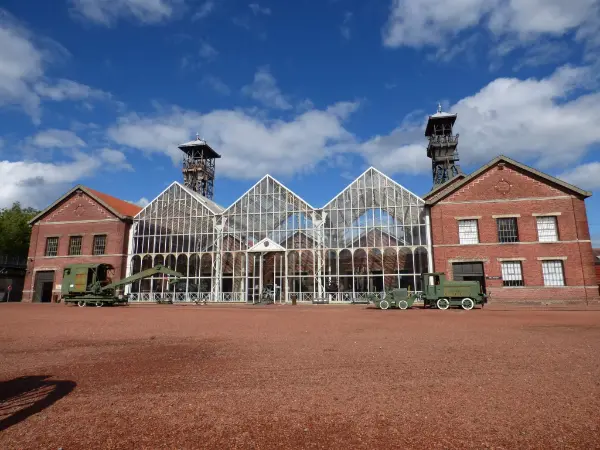
Then there’s the industrial past, which is impossible to ignore. Coal mining shaped much of the region. Former steel mine headframes, workers’ houses and artificial hills made from mining waste all bear witness to that history. The textile industry also left behind huge factories, some of which have now been turned into museums or cultural spaces.
There are also the scars left by the two World Wars. Between 1914 and 1918, devastating battles tore through the countryside. Between 1939 and 1945, several towns and ports suffered terrible destruction. Military cemeteries, memorials to the missing and the remains of trenches serve as reminders of these tragedies. Visiting these places is a moving experience, bringing history to life in a way that textbooks never quite can.
A strong local identity and traditions that are still going strong
People in northern France have a reputation for being warm and welcoming. Accents change from one town to the next, some words come from local languages or neighbouring Belgium, and humour, often with a healthy dose of self-deprecation, is a big part of everyday conversation.
That friendly spirit really comes alive during local festivals. In some towns, enormous giant figures carried by local people parade through the streets to the sound of music. Elsewhere, carnival turns the crowds into a joyful chaos of costumes, singing and marching bands. These traditions aren’t just museum pieces. They’re still very much alive, passed down from one generation to the next.
Food is another big part of the local identity. Forget the idea that French cuisine always has to be fancy and light. Here, people love slow-cooked dishes, generous portions, strong-flavoured cheeses and perfectly crispy chips. Beer has a long history too, especially near the Belgian border. Simple recipes, often passed down through working-class families, tell their own story of life in the region.
But northern France isn’t stuck in the past. Major university cities, bold museums and reinvented industrial sites show just how vibrant its cultural scene is today. Contemporary art and creativity have found their place among the old façades, without erasing the scars of history. This mix of working-class heritage and fresh ideas gives the region’s towns and cities a character all their own.
OVERVIEW
Map
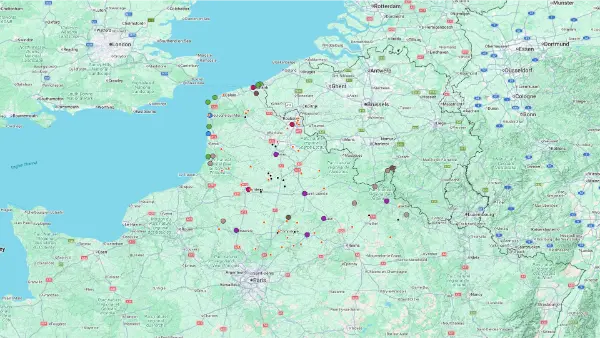
Interactive Map
Interactive Map
Click on the icon  in the top-left corner to display the map legend.
Show/Hide layers as needed.
Click on the arrow icons (v) to display the sublayers.
Top Picks