



PRESENTATION
Paris, an Iconic Capital on a Human Scale
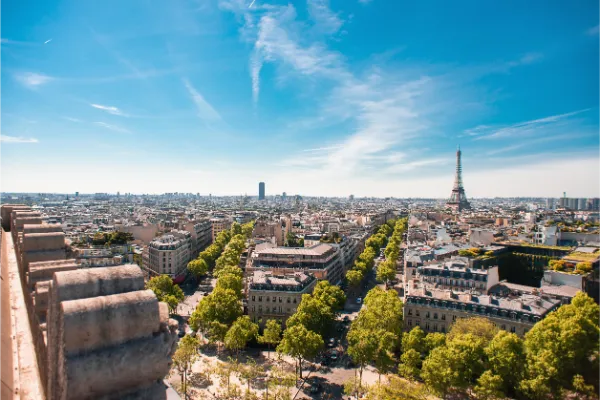
People usually discover Paris through images that have become iconic around the world, the Eiffel Tower rising above the rooftops, the silhouette of Notre-Dame along the river, the Louvre Pyramid, the Arc de Triomphe, or Sacré-Cœur overlooking the city from the top of Montmartre. These landmarks give the French capital its instantly recognizable look, but they’re only one part of a city that’s far more diverse.
Paris has more than 2 million people living within its city limits, at the heart of an urban region that’s home to over 12 million. That high population density explains the city’s constant energy, yet Paris is still fairly compact. You can walk across a large part of it, and it’s easy to get between the main neighborhoods using public transportation.
A capital shaped by more than two thousand years of history
The story of Paris begins on the banks and islands of the Seine. Before the Roman conquest, a Celtic tribe known as the Parisii lived in the area. After the Romans arrived in the 1st century BC, the city, then called Lutetia, grew mainly on the southern bank of the river.
The Romans built roads, bridges, public baths, a forum, and an arena. By the end of Antiquity, the name Paris had gradually replaced Lutetia, and the city went on to become a major political and religious center.
During the Middle Ages, Paris expanded around its central island, both riverbanks, and its first fortified walls. Churches, markets, and centers of learning attracted a growing population. Sainte-Chapelle, with its enormous stained glass windows, remains one of the most spectacular reminders of that period.
The French monarchy later turned Paris into the country’s political and artistic capital. The Louvre, originally built as a fortress to defend the northern bank of the Seine, gradually became a royal residence, then eventually a museum. The older neighborhoods also preserve many aristocratic mansions built during the 16th and 17th centuries.
The French Revolution placed Paris at the center of events that dramatically changed the country’s history. The storming of the Bastille in 1789, popular uprisings, and repeated changes of government reinforced the image of Paris as a political capital where streets, squares, and public buildings could become the stage for history.
In the 19th century, the city was completely reshaped. Wide boulevards were opened, new apartment buildings were constructed, and water, sewer, and transportation systems were modernized. Much of the cityscape people now associate with Paris dates from this transformation, light stone façades, continuous balconies, grand intersections, and long, elegant vistas.
The 20th century brought new upheavals. Paris experienced both World Wars, the German occupation, the Liberation in 1944, and the student and social protests of May 1968. Later on, major projects like the Centre Pompidou, the Louvre Pyramid, the National Library in eastern Paris, and the modern opera house at Place de la Bastille added new layers to the city’s historic landscape.
A city of neighborhoods shaped by the Seine
The Seine is Paris’s main geographical landmark. It runs through the heart of the city and traditionally divides it into two halves. More than just a river, it shapes the city’s views, connects many of its most famous landmarks, and creates some of the most recognizable urban scenery in the French capital.
In the middle of the river, the Île de la Cité forms the historic heart of Paris. It’s home to Notre-Dame, Sainte-Chapelle, and the former royal palace, now the courthouse. Nearby, Île Saint-Louis has a quieter, more residential feel, with orderly streets and buildings that mostly date back to the 17th century.
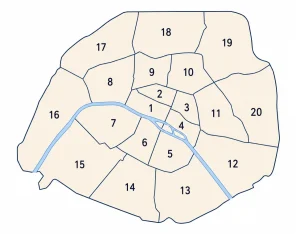
Paris is divided into twenty administrative districts known as arrondissements. They’re numbered in a spiral that starts in the historic center and winds outward clockwise. It’s a useful system for finding your way around, but it doesn’t tell the whole story, since every arrondissement contains several neighborhoods with their own history and personality.
The city center has an especially high concentration of landmarks, museums, and historic buildings. Le Marais is known for its aristocratic mansions, hidden courtyards, and one of the oldest monumental squares in Paris. Across the river, the Latin Quarter reflects the city’s long academic tradition. Nearby, Saint-Germain-des-Prés still carries the legacy of the writers, artists, and philosophers who made it one of Paris’s great cultural centers.
Farther west, broad avenues, official buildings, and elegant residential neighborhoods create a more monumental and affluent image of the city. To the east, the landscape has traditionally been more working class and industrial. Areas like Belleville, Ménilmontant, Bastille, and the Canal Saint-Martin have changed rapidly in recent years, with new cultural spaces and an increasingly diverse population.
Montmartre is something of a special case. This former independent town, perched on a hill, became part of Paris in the 19th century, yet parts of it still feel like a village. Its steep streets, staircases, small houses, and sweeping views over the city stand in sharp contrast to the orderly boulevards of central Paris.
Other parts of the city reveal completely different sides of Paris as well, colorful houses and street art in the east, modern architecture in the southeast, former railway lines turned into walking paths, and quiet residential pockets surrounded by gardens.
A living heritage shaped by architecture, culture, and urban change
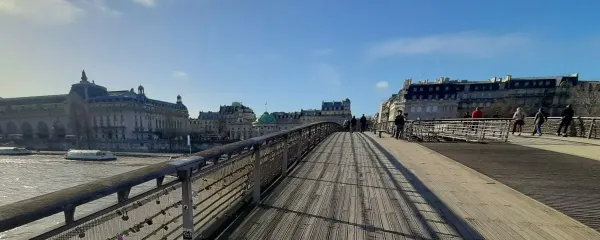
Parisian architecture is like an open history book. Roman remains stand alongside medieval buildings, classical mansions, 19th century apartment blocks, and contemporary architecture. You can see these different layers in places as varied as Sainte-Chapelle, the mansions of Le Marais, the Musée d’Orsay, and the Centre Pompidou.
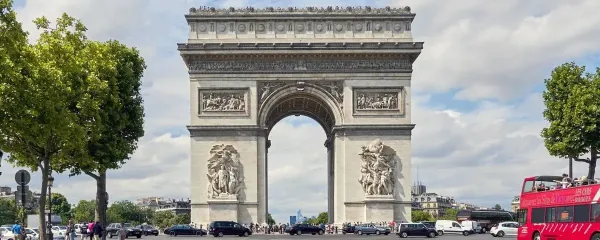
The city’s great landmarks aren’t isolated monuments. They’re part of carefully designed avenues, squares, and visual alignments. From the gardens in front of the Louvre, your eye can follow a straight line through Place de la Concorde, the Champs-Élysées, the Arc de Triomphe, and much farther away, the towers of the western business district.
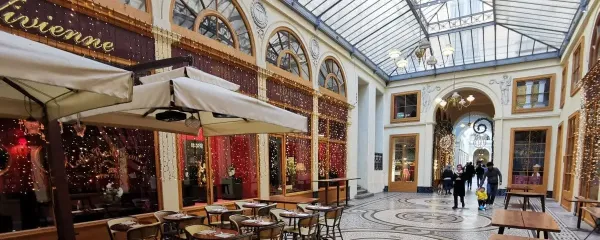
Paris also has a quieter heritage that’s just as important to its identity. The covered passages built during the 19th century form small indoor streets protected by glass roofs. Old canals, hidden courtyards, the stairways of Montmartre, and narrow streets lined with houses all remind you that the city grew gradually over time, rather than being built according to a single master plan.
Culture plays a central role in the city’s landscape. The Louvre spans several thousand years of art history, while the Musée d’Orsay, housed in a former railway station, showcases many of the major artistic movements from the second half of the 19th century. Modern and contemporary art can be found not only inside boldly designed buildings, but also on walls and in public spaces across several neighborhoods.
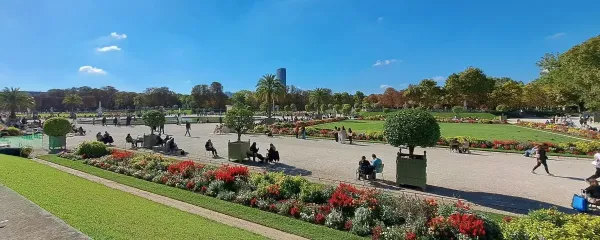
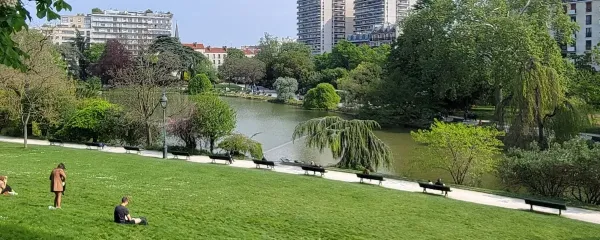
Nature is present too, despite the city’s density. Large historic gardens provide carefully designed green spaces in the heart of Paris, while hillier parks occupy former quarries and redeveloped land. The two vast woodlands on the eastern and western edges of the city extend Paris into expansive green spaces.
Today’s Paris is also working to reduce its dependence on cars. Some roads along the Seine have been turned into pedestrian and cycling areas, while the city’s growing bike lane network continues to reshape the way people get around.
Even so, the contrasts remain. Paris is both monumental and everyday, one of the world’s most visited cities while still being home to millions of residents, deeply historic while constantly evolving.
THINGS TO SEE
By Type
Map
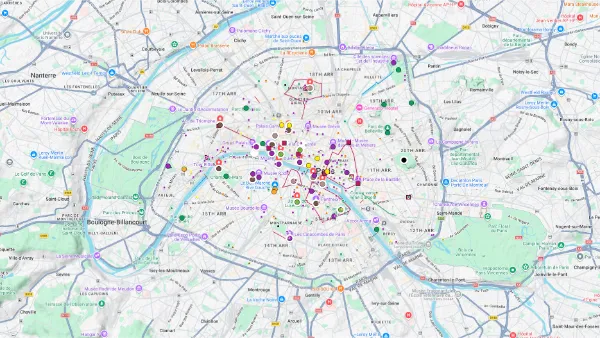
Interactive Map
Top Picks
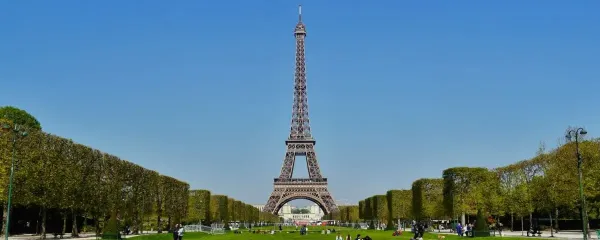
30 Top
Including 12 Top+
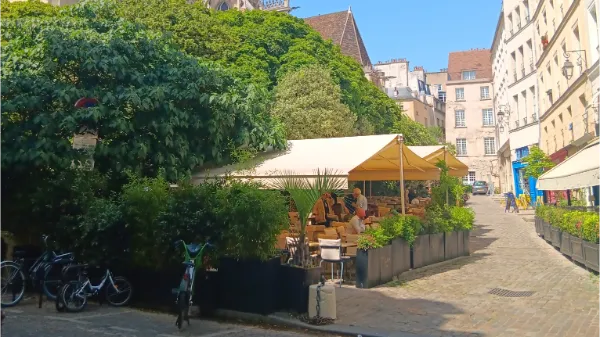
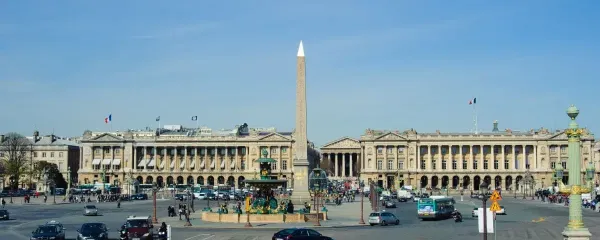
Landmarks
6 Landmarks
Churches
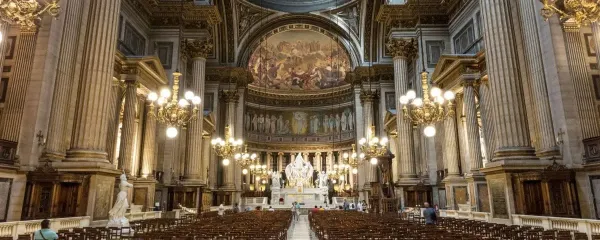
46 Churches
Museums
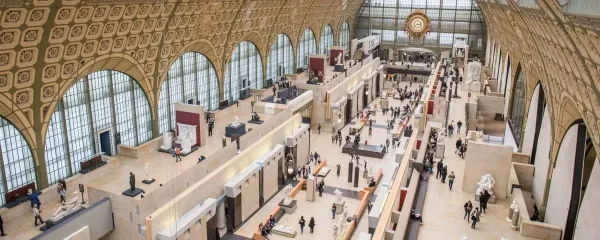
38 Art Museums
Mostly Permanent Collection
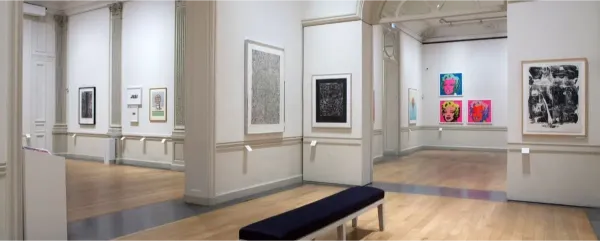
16 Art Venues
Mostly Temporary Exhibitions
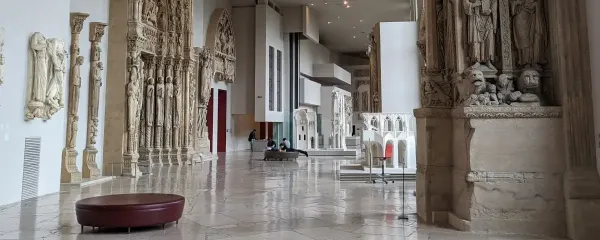
34 History Museums

14 Science Museums
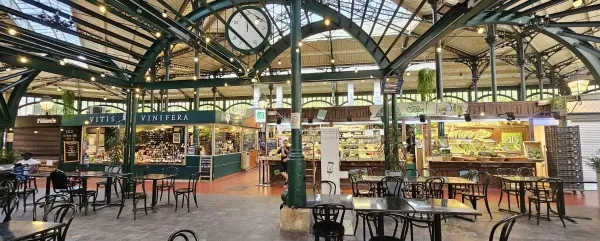
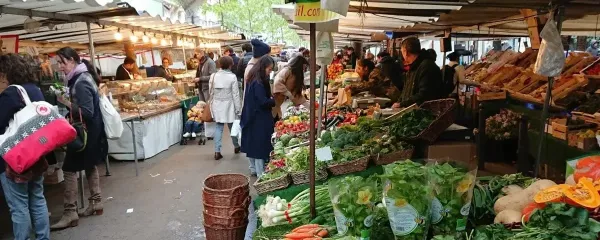
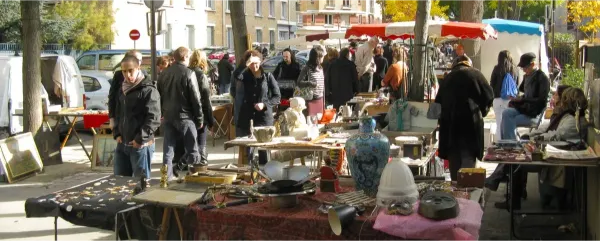
Views
11 Viewpoints
THINGS TO SEE
By Arrondissement
FOOD & DRINK
PRACTICAL INFO
For practical information about France & Paris check our dedicated page:
Be sure to check at least the following sections (shortcut links):