




Marseille opens onto far more than the Mediterranean. Within hours, you can exchange the Old Port for limestone coves, Roman arenas, ochre villages, lavender plateaus or Camargue wetlands.
The only difficulty is choosing wisely. Some of the best day trips from Marseille are effortless by train, while others genuinely require a car. This guide compares both options with realistic travel times, distances and recommendations.
Explore our guide to the best things to do in Marseille. Our Provence travel guide brings together the landscapes, towns and experiences that define the region.
Best Day Trips from Marseille at a Glance
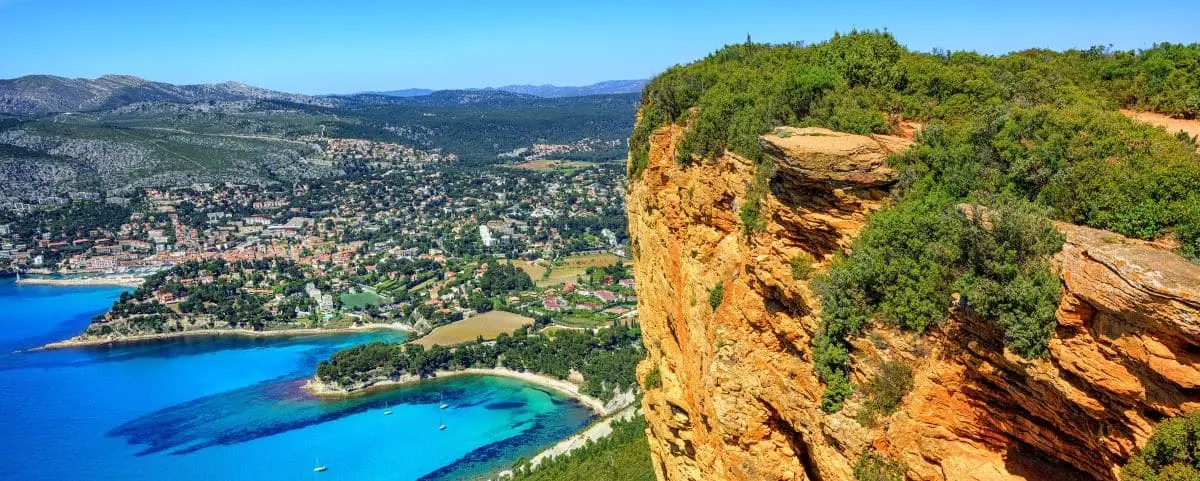
- Best overall day trip: Cassis and the Calanques, for a compact mix of harbor scenery, boat trips and Mediterranean landscapes.
- Best easy train escape: Aix-en-Provence, reached directly from Marseille Saint-Charles without needing a car.
- Best scenic rail journey: Côte Bleue, where the train runs above coves, viaducts and small fishing ports.
- Best for Roman history: Arles for variety, or Nîmes for the most concentrated collection of major monuments.
- Best road trip: Gorges du Verdon and Moustiers-Sainte-Marie, provided you leave early and accept a long day.
- Best for classic Provence villages: Gordes and Roussillon in the Luberon, ideally explored by car.
- Best seasonal excursion: Valensole Plateau during the lavender flowering period, usually from late June into July.
- Best wildlife experience: The Camargue, where wetlands, birds, horses and broad horizons replace the urban coast.
Train times vary, so check schedules before departure. Our interactive France train map explains the main connections, while the Provence tourist map helps compare road-trip destinations.
Coastal Day Trips from Marseille
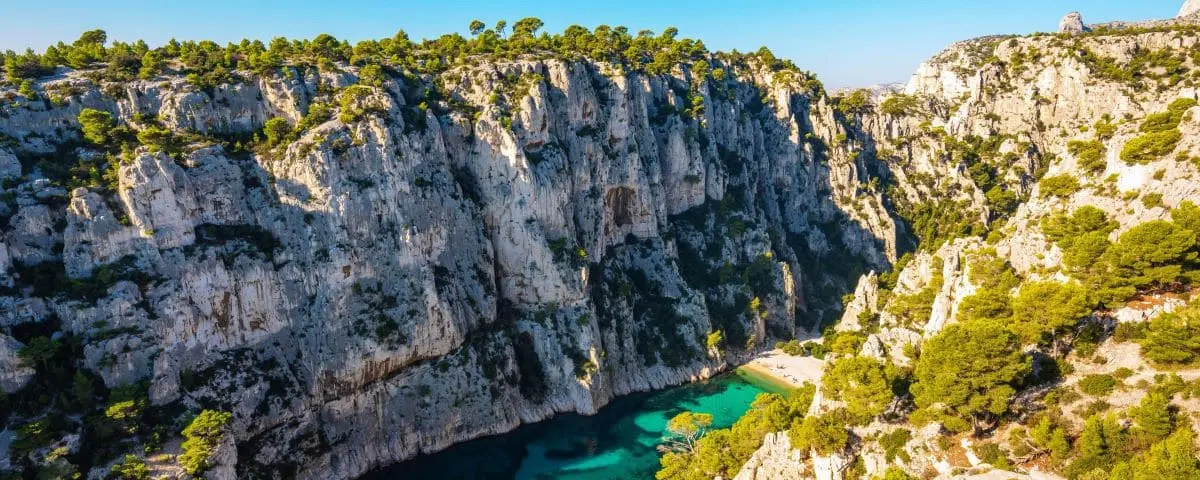
1. Cassis and the Calanques: A Colorful Harbor and Dramatic Coastal Scenery
Cassis is the most complete first day trip from Marseille. The harbor is framed by terraces and pastel facades, but the real attraction lies beyond it: limestone cliffs falling into blue water.
Direct trains from Marseille to Cassis cover about 30 km, or 19 miles, in as little as 16 minutes, with an average journey of roughly 17 minutes. The station sits outside the harbor, so allow additional time for the local bus or a downhill walk. By road, the journey is around 31 km, or 19 miles, and normally takes 30 to 45 minutes, depending heavily on Marseille traffic.
Spend the morning around the port, then take a boat tour beneath the cliffs or follow a marked trail into the Calanques. Choose the train if your priority is the harbor and a boat trip. Choose a car only if you need flexibility beyond central Cassis.
Summer changes the experience. Roads and parking fill quickly, walking routes can be exposed to severe heat, and access restrictions may apply because of fire risk. An early train is often the least stressful solution.
2. Côte Bleue: Fishing Villages and a Scenic Mediterranean Train Ride
The Côte Bleue is quieter and more fragmented than Cassis. It offers small ports, rocky creeks and hillside villages west of Marseille.
The train is not merely transport here, it is part of the day trip. Direct services reach Niolon, around 18 km or 11 miles by rail, in as little as 25 minutes. Carry-le-Rouet is around 25 km, or 16 miles, from Marseille by rail and can be reached in about 30 minutes on the fastest service. The line repeatedly opens onto sea views as it crosses the rugged coast.
Niolon suits walkers who want a compact fishing port and steep surrounding paths. Carry-le-Rouet offers an easier waterfront stroll and more places to pause. Ensuès-la-Redonne is another gateway to the creeks.
Do not attempt to see every stop in one day. Select one village, check the return timetable carefully and build the excursion around swimming, walking or a long waterside lunch. Train frequency is lower than on the Cassis line, especially later in the day.
3. Camargue: Flamingos, Salt Marshes and Wild Landscapes
The Camargue feels remote despite lying between major Provençal cities. Flat wetlands stretch toward the horizon, crossed by canals, salt lagoons and roads where the sky seems larger than the land.
For the clearest day-trip experience, drive toward Saintes-Maries-de-la-Mer. The road journey from Marseille is around 122 to 127 km, or 76 to 79 miles, and generally takes about 1 hour 30 minutes. A car is strongly recommended because the best landscapes are dispersed and public transport limits your freedom.
Begin with a nature reserve or birdwatching area, where flamingos may gather in shallow water, then continue through the open countryside. Saintes-Maries-de-la-Mer provides a practical coastal base for walking and reaching the beach.
The Camargue rewards patience more than checklist sightseeing. Stop when the light changes, birds collect beside a lagoon or white horses appear beyond a field. Spring and autumn provide wildlife, softer temperatures and fewer visitors.
Historic City Day Trips from Marseille

4. Aix-en-Provence: Markets, Fountains and Elegant Provençal Streets
Aix-en-Provence offers the easiest contrast with Marseille. The atmosphere is calmer, and the historic center invites slow exploration between fountains, squares and honey-colored facades.
SNCF lists the rail distance at about 38 km, or 24 miles, with the fastest trains taking around 39 minutes and average services about 44 minutes. Driving usually takes 30 to 45 minutes outside severe traffic. The train is the better choice for a simple city day, since you arrive within walking distance of the center.
Start at the broad central avenue, then move into the narrower old streets where food, flower and antique markets animate the morning. The city carries the memory of Paul Cézanne, whose surrounding landscapes remain central to Aix.
If you have already explored the city, our guide to the best day trips from Aix-en-Provence opens the door to the Luberon, Sainte-Victoire and other nearby landscapes. For a first visit, however, resist overplanning and give Aix time to unfold on foot.
5. Arles: Roman Heritage, Art and Provençal Character
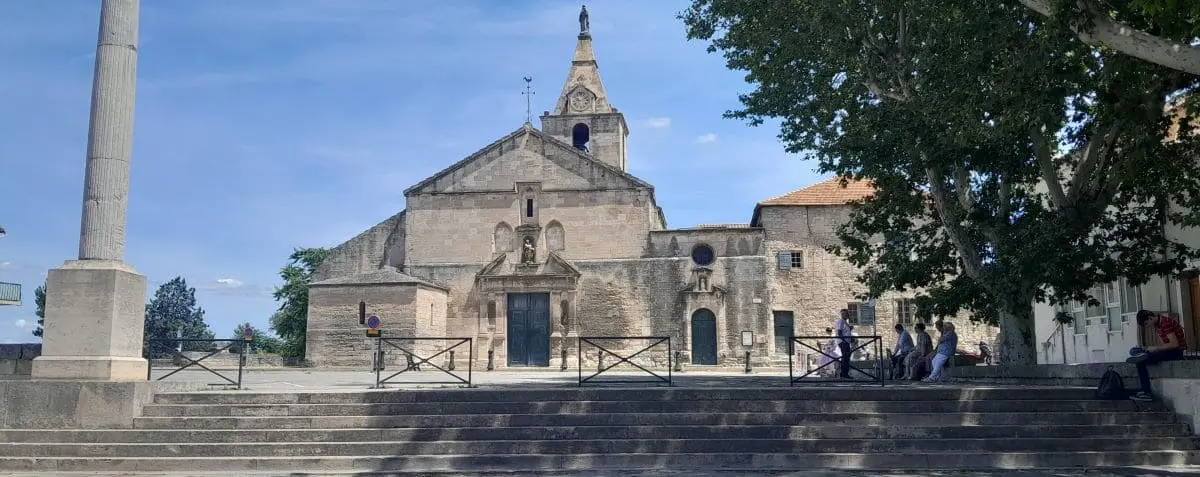
Arles combines monumental history with a lived-in atmosphere. Roman remains rise inside a compact center of pale stone streets, shaded squares and houses shaped by centuries of adaptation.
Trains cover approximately 86 km, or 53 miles, between Marseille and Arles. The fastest direct journeys take about 45 minutes, while the average is close to one hour. By car, expect around 93 km, or 58 miles, and roughly one hour in normal conditions. Train is the clear winner unless Arles forms part of a broader Camargue or Alpilles road trip.
The Roman amphitheater provides the obvious starting point, but Arles should not be reduced to a single monument. Walk through the old center, notice ancient stone absorbed into later buildings, and leave space for the city’s artistic heritage.
Those staying longer can use our guide to the best day trips from Arles to explore the Camargue and Alpilles. For one day from Marseille, concentrate on the historic center and avoid adding distant rural stops.
6. Avignon: Medieval Walls and the Palace of the Popes
Avignon presents history theatrically. Ramparts surround the center, narrow streets converge on lively squares, and the vast papal palace dominates the city with deliberate authority.
The rail journey covers about 98 km, or 61 miles. Fast direct services can take roughly 41 to 53 minutes, although average journeys are longer and some trains arrive at Avignon TGV outside the center. Driving covers approximately 95 to 105 km, or 59 to 65 miles, and usually takes 1 hour 10 minutes to 1 hour 30 minutes. Choose a train arriving at Avignon Centre whenever possible.
Visit the Palace of the Popes early, before spending the afternoon among the lanes and squares within the walls. The famous bridge is striking, but the city’s real pleasure comes from moving between monumental spaces and intimate streets.
Avignon also makes an excellent base for northern Provence. Our guide to the best day trips from Avignon covers nearby Roman sites, vineyards and villages. From Marseille, keep this excursion urban and let the train remove the burden of parking.
Roman Heritage and Hilltop Village Day Trips from Marseille
7. Nîmes: Roman Monuments on an Easy Rail Escape
Nîmes lies beyond Provence’s modern administrative boundary, but culturally and geographically it belongs naturally in a Marseille day-trip itinerary. Its Roman monuments are prominent and easy to combine on foot.
Direct trains cover about 127 km, or 79 miles. The fastest journeys take approximately 1 hour 7 minutes, though average services can be considerably slower. Driving covers around 115 to 121 km, or 71 to 75 miles, and usually takes 1 hour 20 minutes to 1 hour 35 minutes. The train makes Nîmes a realistic cultural escape without a car.
The arena immediately establishes the city’s Roman scale. From there, continue through the center to the remarkably preserved temple and landscaped public gardens. This concentration makes Nîmes satisfying on a limited schedule.
Our guide to the best day trips from Nîmes is useful for travelers using the city as a base. From Marseille, prioritize the central monuments rather than attempting to add the Pont du Gard on the same day.
8. Les Baux-de-Provence and the Alpilles: Hilltop Views and Stone Villages
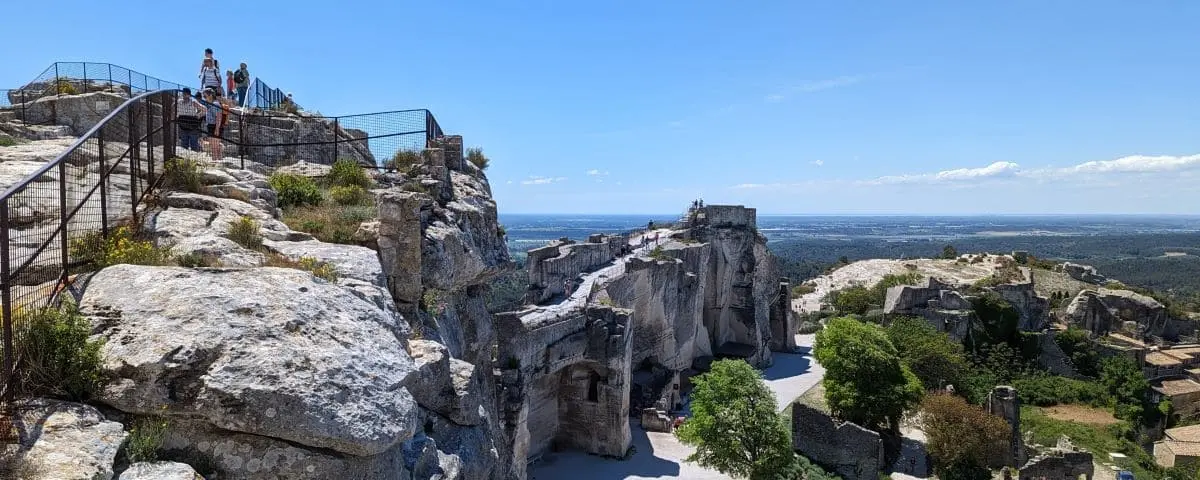
Les Baux-de-Provence occupies a rocky spur in the Alpilles, where pale houses appear to merge with the limestone beneath them. The setting is dramatic, especially along roads bordered by olive groves and jagged ridges.
The official local tourism site places Marseille about 90 km, or 56 miles, away, with a drive of roughly 1 hour 15 minutes. Public transport is possible through combinations of trains and buses, but it is inefficient for a single day. A car turns Les Baux into a smooth excursion and allows you to explore the wider Alpilles.
Arrive early to walk through the village before tour groups fill the lanes. The ruined fortress opens onto broad views, while the surrounding area contains quieter roads and villages.
Pair Les Baux with one nearby stop, not three. Saint-Rémy-de-Provence or a short drive through the olive-growing countryside is enough. The strongest day balances the spectacular hilltop site with a calmer taste of the Alpilles below.
9. Luberon Villages: Gordes, Roussillon and Classic Provence Scenery
The Luberon delivers hilltop silhouettes, dry-stone walls, ochre earth and winding rural roads. Gordes appears almost sculpted from the hillside, while Roussillon glows in shades of orange and red.
Marseille to Gordes is around 90 to 91 km, or 56 to 57 miles, with a typical drive of approximately 1 hour 15 minutes. Travel between villages adds time, and summer parking can slow the day. This is a car-only itinerary if you want to see more than one village properly.
Begin in Gordes before the busiest hours, then continue to Roussillon for its colored streets and nearby ochre paths. If time remains, choose one additional stop based on geography rather than fame. A rushed loop through five villages gives you less than two visited well.
Use our Provence tourist map to plot a coherent route. For a first Luberon day trip, Gordes and Roussillon form the clearest and most rewarding pairing.
Mountain and Nature Day Trips from Marseille

10. Montagne Sainte-Victoire: Hiking and Cézanne Landscapes
Sainte-Victoire rises east of Aix as a long wall of white limestone. Its changing light and sharp profile explain why the mountain became inseparable from Cézanne’s work.
The massif is about 43 km, or 27 miles, from Marseille by road, with a drive of roughly 45 minutes to an hour depending on your chosen access point. The mountain reaches 1,011 meters and contains routes ranging from gentle outings to demanding climbs. A car is the practical choice because trailheads are spread around the massif.
Choose the walk according to heat, wind and fitness rather than chasing the highest point automatically. A picnic near a reservoir or shorter pine-wood path can beat a strenuous ascent in harsh sun.
Access to forest massifs may be restricted during periods of extreme summer fire risk. Check conditions on the morning of departure, carry more water than you expect to need and avoid exposed midday hiking.
11. Valensole Plateau: Lavender Fields and Wide-Open Landscapes
Valensole is spacious. Roads run between broad agricultural fields, distant hills and isolated farm buildings, while summer lavender creates the purple geometry seen in countless photographs of Provence.
The plateau is around 100 km, or 62 miles, from Marseille and the drive normally takes about 1 hour 10 minutes to 1 hour 30 minutes. A car is essential because the fields and viewpoints are scattered across the plateau.
Lavender is seasonal, and flowering dates vary with altitude, weather and harvest schedules. Late June and the first half of July are often the safest period, but you should verify conditions before building the whole day around purple fields.
Outside lavender season, Valensole remains peaceful, though it loses the spectacle many visitors expect. During peak bloom, leave Marseille early, respect private farmland and never enter cultivated rows without permission.
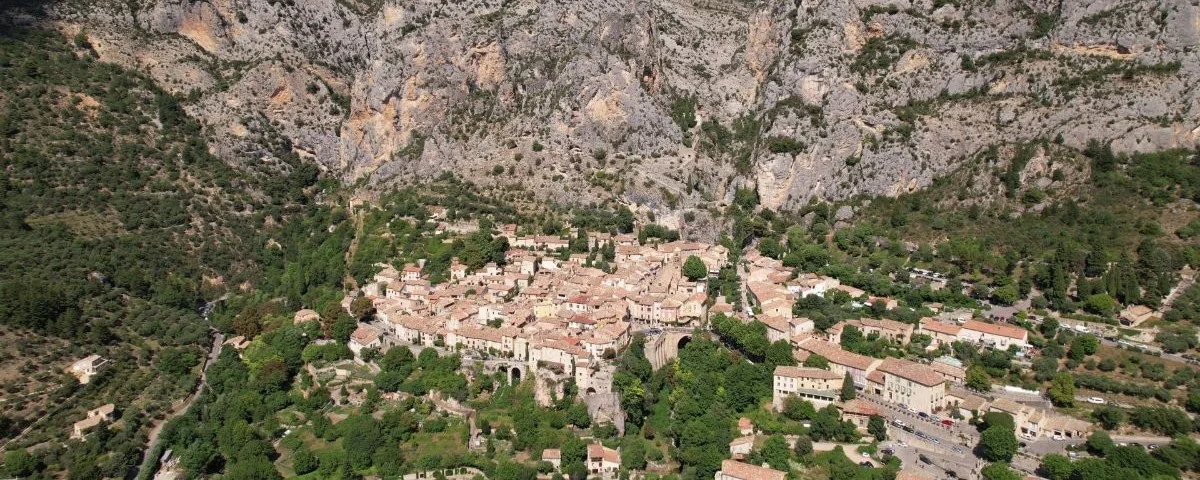
12. Gorges du Verdon and Moustiers-Sainte-Marie: Provence’s Grandest Road Trip
The Verdon is this guide’s most ambitious excursion. Deep limestone walls surround turquoise water, while Moustiers-Sainte-Marie clings to the mountain near the western entrance to the gorge.
Driving from Marseille to Moustiers covers approximately 119 km, or 74 miles, and takes around 1 hour 40 minutes before seasonal traffic and stops. Reaching viewpoints deeper around the gorge extends the journey substantially. Allow at least two hours each way for a realistic full-day road trip.
Start very early, visit Moustiers before lunch, then choose between the lake, a short waterside activity or a scenic driving circuit. Combining a major hike, the full gorge loop, the village and hours on the water is exhausting.
This day trip works best from late spring to early autumn, but July and August bring traffic and crowded parking. For maximum freedom, travel outside peak summer and decide on one main activity before leaving Marseille.
How to Plan a Day Trip from Marseille by Train or Car
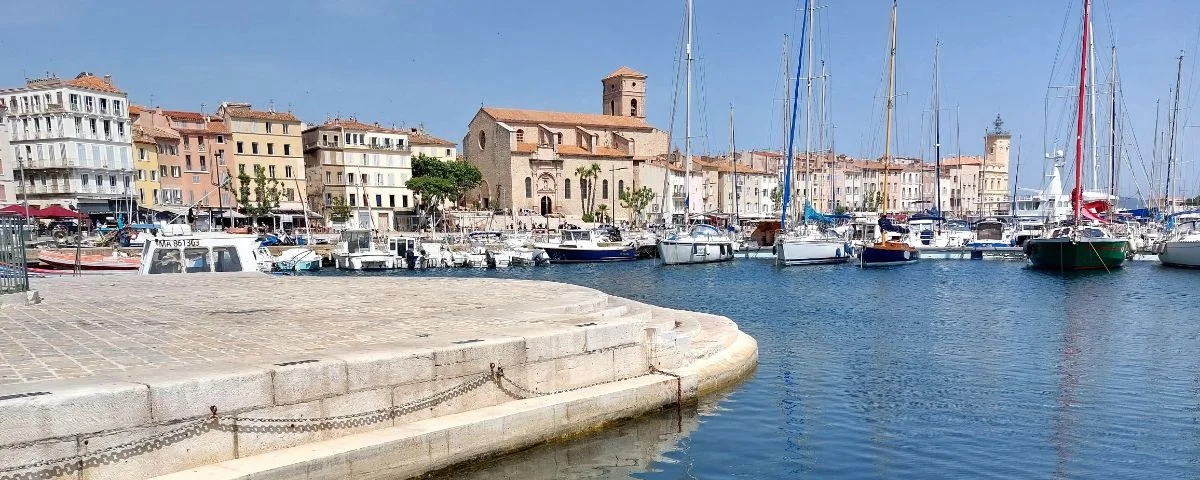
Choosing Between the Train, a Rental Car and a Guided Tour
Use the train for compact cities and established rail corridors. Cassis, Aix-en-Provence, Arles, Avignon and Nîmes all work without a car, and rail removes the stress of traffic, tolls and central parking.
Choose a rental car for landscapes made of dispersed stops: the Camargue, Alpilles, Luberon, Sainte-Victoire, Valensole and Verdon. A guided tour helps when you need rural access without driving, particularly in the Luberon or Verdon.
As a French family and former travel planners specializing in France, we favor the option that protects time on the ground rather than the one that merely looks fastest on paper. A direct train is usually best for one city; a car is best for one coherent rural area.
Travel Times, Distances, Tolls and Parking
Treat every journey time as a baseline, not a promise. Marseille traffic can be slow at the beginning and end of the day, while summer congestion affects Cassis, major villages and roads around the Verdon.
Motorway routes toward Avignon, Arles, Nîmes and parts of the Luberon may involve tolls. Rural drives add slower roads after the motorway. Add at least 20 to 30 minutes of margin for parking, walking from the car and unexpected traffic.
For trains, compare the arrival station carefully. Avignon Centre is more convenient than Avignon TGV for sightseeing, while Cassis station requires a transfer or walk to the harbor. Always check the final return service before committing to dinner or a late activity.
The Best Time of Year for Marseille Day Trips
Spring is the most versatile season. Temperatures are generally comfortable for cities and walks, landscapes are green, and the heaviest crowds have not yet arrived. Autumn offers similar advantages, with warmer sea water and softer light.
Summer is ideal for swimming and lavender, but it demands earlier starts, advance reservations and more caution around heat and wildfire restrictions. Winter suits Aix, Arles, Avignon and Nîmes, though rural days become shorter and some seasonal services may be reduced.
Choose the destination according to the season, not only according to fame. For more regional ideas, see our guide to the best things to do in Provence.
Frequently Asked Questions About Day Trips from Marseille
What Is the Best Day Trip from Marseille?
Cassis is the best all-round choice for most first-time visitors. It is close, accessible by direct train and combines an attractive harbor with immediate access to the Calanques and boat excursions.
Aix-en-Provence is better for markets, architecture and relaxed urban wandering. Arles wins for Roman heritage and artistic atmosphere, while the Luberon is the strongest choice for classic hilltop Provence. The answer depends on whether you want coast, culture, villages or wilderness.
What Are the Best Day Trips from Marseille Without a Car?
The easiest car-free day trips are Cassis, Aix-en-Provence, Arles, Avignon and Nîmes. Each has a practical rail connection and a center explored mainly on foot.
The Côte Bleue is also excellent without a car, although you need to organize the day around a less frequent regional timetable. Avoid relying on public transport for ambitious Luberon, Camargue or Verdon itineraries, where connections consume too much of a single day.
Wrap-Up: Choosing the Best Marseille Day Trip for Your Itinerary
- Choose Cassis for the strongest combination of easy transport, harbor atmosphere and coastal scenery.
- Choose Aix, Arles, Avignon or Nîmes when you want a simple train journey and a full day of culture on foot.
- Choose the Côte Bleue for an underrated rail escape with fishing ports and Mediterranean views.
- Choose the Camargue, Alpilles or Luberon when you have a car and want landscapes rather than a single urban center.
- Choose Valensole only with seasonal expectations, especially if lavender is the main reason for traveling.
- Choose the Verdon for a long, memorable road trip, not for a relaxed half-day excursion.
- Keep the itinerary focused: one city, one rural area or two nearby villages usually produces the best day.
Marseille is not simply a destination at the edge of Provence. It is one of the region’s most flexible bases, with railways to historic cities and roads toward southern France’s distinctive landscapes.