




Marseille does not reveal itself politely. It arrives in a rush of fishing boats, limestone hills, scooter noise, sea wind, street art and dazzling Mediterranean light. Give it three days, however, and the apparent chaos begins to form a remarkably coherent city.
This Marseille 3-day itinerary combines the historic center, the Calanques, the southern coastline, local neighborhoods and an island escape. The route is designed to minimize backtracking while leaving enough time to enjoy the atmosphere, because Marseille is better experienced than merely checked off a list.
Start each day early to enjoy cooler streets and quieter viewpoints, but do not schedule every hour. Marseille rewards pauses: coffee beside the port, an unexpected market stall or ten minutes watching boats can become as memorable as a formal attraction.
3 Days in Marseille at a Glance
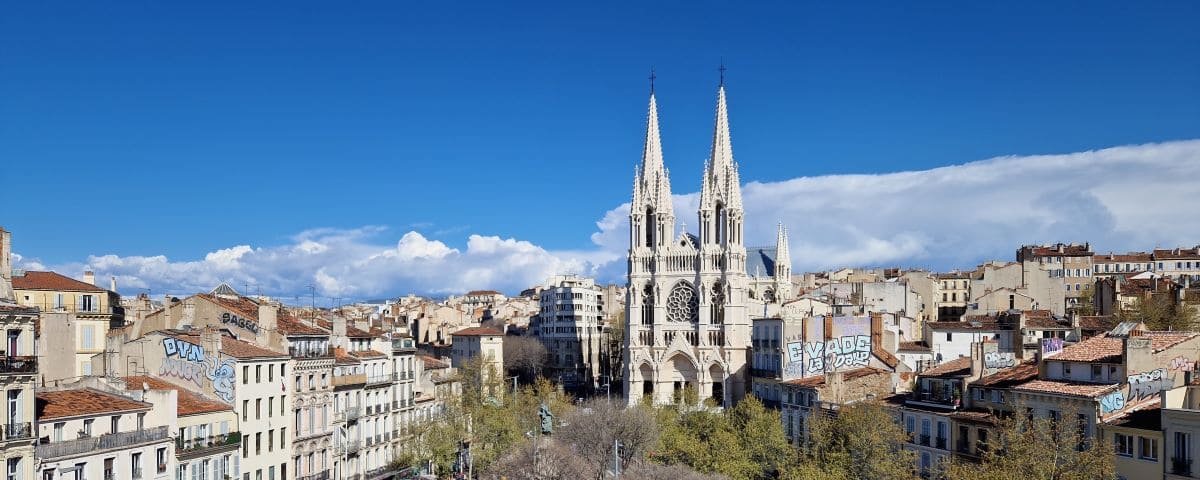
Three days are enough for a rewarding first visit, provided you group places geographically. The first day belongs to old Marseille, the second to the coast and the Calanques, and the third to panoramic views, markets and the Frioul archipelago.
For a broader overview before choosing optional stops, browse our guide to the best things to do in Marseille and keep our interactive Marseille tourist map open on your phone.
- Day 1: Explore the Vieux-Port, Le Panier, La Major, the Mucem and Fort Saint-Jean, then finish beside the entrance to the harbor.
- Day 2: Dedicate the morning to the Calanques, choosing either a hike or a boat trip, before following Marseille’s southern coastline.
- Day 3: Climb to Notre-Dame de la Garde, taste multicultural Marseille in Noailles, then sail toward Château d’If and the Frioul Islands.
- Stay near the Vieux-Port, Opéra or lower Canebière for the easiest logistics, especially on a first visit without a car.
- Check weather, museum closing days and Calanques access before fixing the order, since sea conditions and fire risk can change the program.
Day 1: Vieux-Port, Le Panier and Marseille’s Historic Waterfront
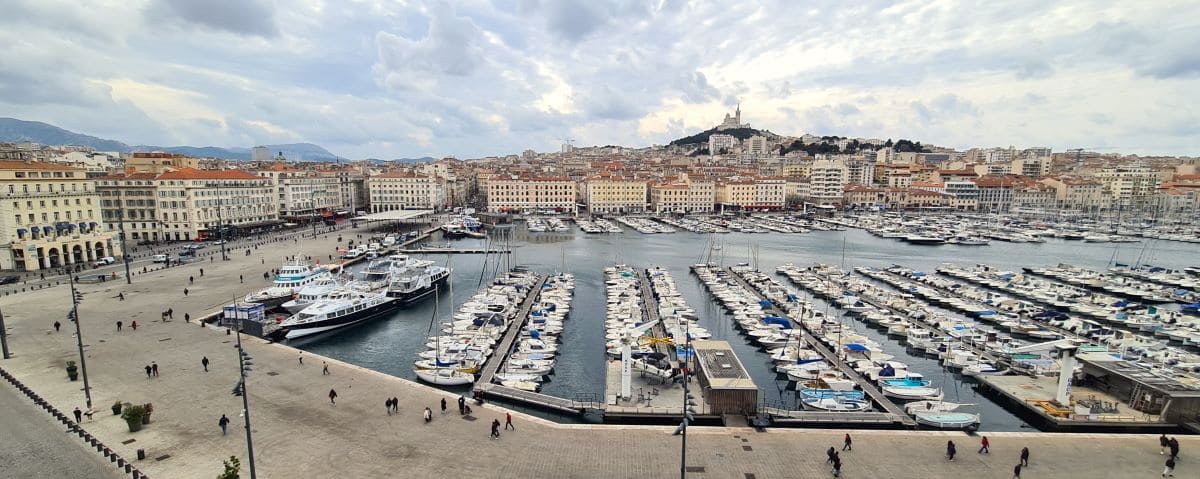
Your first day follows the natural curve of Marseille’s old harbor. Almost everything fits into a compact area, so you can walk between the major sights and understand how the city grew from the ancient port toward its modern waterfront.
This order also follows Marseille’s light. Le Panier is pleasant before the midday heat, while the Mucem terraces and Fort Saint-Jean become increasingly dramatic during the afternoon. By sunset, the opposite side of the harbor gives you a clear view back toward everything already explored.
Morning: Explore the Vieux-Port and Fish Market
Begin around 8:30 or 9:00 at the Vieux-Port, preferably on the Quai des Belges. Fishing boats, commuters, café terraces and excursion vessels all share the same stage.
The best first move is simply to walk the entire head of the harbor before doing anything complicated. Look toward Notre-Dame de la Garde above the roofs, watch the reflections beneath Norman Foster’s mirrored canopy, and listen for the unmistakable local accent around the fish stalls.
The morning fish market preserves a direct link between central Marseille and the sea. The catch and number of stalls vary, which is part of its unpolished charm.
Cross the harbor on the tiny Ferry Boat if it is running, then continue toward the northern quay.
Late Morning: Walk Through Le Panier and Vieille Charité
From the northern side of the Vieux-Port, climb toward Le Panier. Marseille’s oldest neighborhood is a tangle of steps, sloping lanes, little squares and façades that look particularly cheerful in the morning sun.
Do not follow a rigid street-by-street route through Le Panier. Its pleasure lies in turning into passages that appear too narrow to matter, then emerging beside a mural, a workshop or a terrace hidden between tall houses.
Successive communities linked to the port have shaped Le Panier, giving it more depth than its colorful photographs suggest.
Aim for the Vieille Charité, whose arcaded courtyard offers calm after the busy lanes. Visit the museums or simply admire the architecture.
Allow around two hours for Le Panier. Rushing the neighborhood in forty minutes misses its real attraction, which is not one monument but the succession of views, voices and small discoveries.
Afternoon: Visit Cathédrale de la Major, Mucem and Fort Saint-Jean
Have lunch around Le Panier or the lower Rue de la République, then walk to Cathédrale de la Major. The striped stonework and monumental domes announce a city facing the Mediterranean rather than a discreet Provençal town.
Step inside if the cathedral is open, then continue toward the Mucem. The transition is striking: nineteenth-century domes give way to Rudy Ricciotti’s dark concrete lattice.
Reserve at least two hours if you want to see a Mucem exhibition properly. Travelers more interested in architecture can spend less time inside and focus on the exterior walkways, terraces and connections with Fort Saint-Jean. The museum closes on Tuesdays, so reverse Days 1 and 3 when necessary.
The footbridge to Fort Saint-Jean carries you from a contemporary museum into a historic fortress above the harbor.
Explore the fort’s gardens and viewpoints slowly, because architecture, history and open sea work together as one experience.
Evening: Watch the Sunset from Palais du Pharo
Leave Fort Saint-Jean and follow the waterfront around the Vieux-Port. Continue toward the Palais du Pharo gardens on the southern side of the harbor entrance.
The Pharo is one of the easiest sunset viewpoints in Marseille. From the gardens, the city unfolds across the water: Fort Saint-Jean, the Mucem, La Major, ferries and port traffic compose a view that becomes warmer and more theatrical as the light drops.
For dinner, return toward the Vieux-Port, Rue Sainte or Opéra. Walk one or two streets inland rather than choosing solely by the harbor view.
After dinner, take one last circuit around the harbor. Daytime Marseille is energetic; at night, the reflections soften it. You have now seen the city’s historical backbone without wasting time crossing from one end of Marseille to the other.
Day 2: Calanques National Park and the Marseille Coast
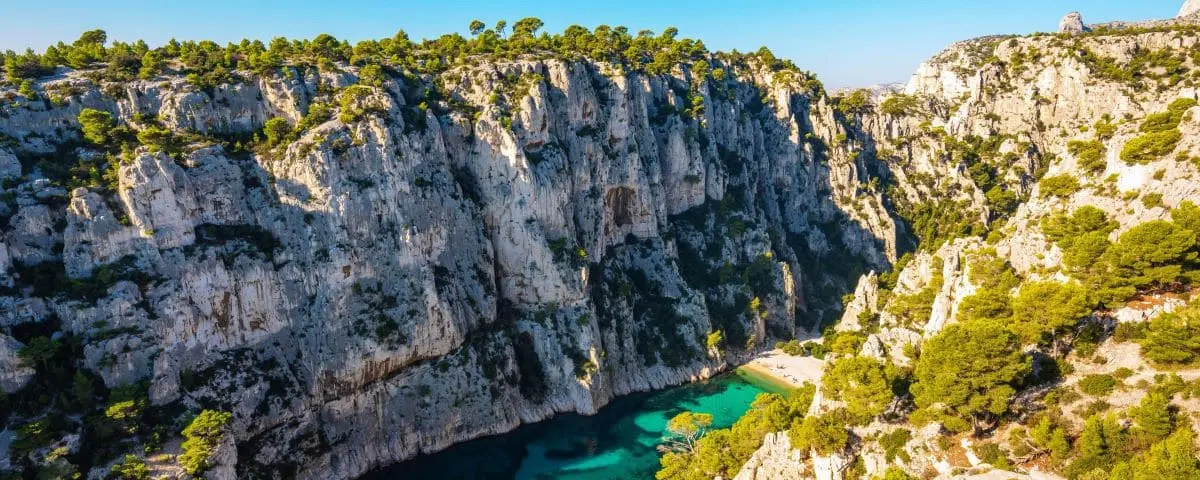
The second day follows Marseille toward its limestone wilderness. The Calanques are part of the city’s identity, beginning almost at the edge of urban neighborhoods.
Morning: Hike or Take a Boat Trip Through the Calanques
Choose according to fitness, season and weather. Hiking offers silence and elevation; a boat trip reveals the cliffs without the physical effort.
For hiking, Luminy is a practical starting point. Buses connect it with central Marseille, and marked trails lead toward Sugiton across exposed, rocky ground.
Allow roughly half a day for the hike, including bus travel, pauses and the return climb. Do not plan a fixed lunch reservation immediately afterward. Trail time depends on heat, crowds and your pace, and the descent to the water is always easier than the climb back toward Luminy.
Start early, carry more water than you think you need, wear proper shoes and avoid treating the Calanques like an urban park. Shade is limited, phone reception can be uneven, and limestone polished by thousands of feet becomes slippery.
From June through September, access can be restricted or closed because of fire danger. Sugiton also requires a free reservation on selected high-season dates, including extended periods in summer 2026. Always check the National Park’s official conditions shortly before leaving.
A boat excursion suits families, travelers with limited mobility and hot days. Choose a trip that states its duration, route and whether swimming is included, because cruises do not all enter the same coves.
Afternoon: Swim, Explore Les Goudes or Relax by the Sea
After a hike, keep the afternoon flexible. A late lunch and swim are wiser than adding Cassis or another long route.
After a boat trip, head toward Les Goudes if energy remains. The neighborhood feels like Marseille dissolving into rock, fishing cabins and open water.
Les Goudes is worth the journey for atmosphere, not for a checklist of attractions. Walk, look back toward the bay, have a drink, and resist the temptation to squeeze every nearby cove into the same afternoon.
Pointe Rouge and the Prado beaches offer easy swimming. In summer, seasonal maritime shuttles may connect the Vieux-Port with coastal stops.
Carry a light layer even in warm weather. Marseille’s mistral can turn a hot afternoon into a surprisingly fresh evening, particularly on exposed waterfronts.
Evening: Follow Corniche Kennedy to Vallon des Auffes
Finish the day along Corniche Kennedy, Marseille’s great balcony above the Mediterranean. Use a bus for part of the long road and walk its most scenic section.
The Corniche mixes traffic, apartment buildings and immense sea views. Its appeal comes from ordinary city life facing an extraordinary horizon.
Descend to Vallon des Auffes before sunset. The tiny fishing port is tucked beneath the road, framed by an arched bridge and tightly packed houses. It can feel almost theatrical, yet traditional boats and nets remind visitors that this is not merely a postcard set.
Book ahead for a specific waterfront restaurant, or have an aperitif and eat later in Endoume. Keep sunset unhurried, because the changing light is the real event.
Day 3: Notre-Dame de la Garde, Noailles and the Frioul Islands
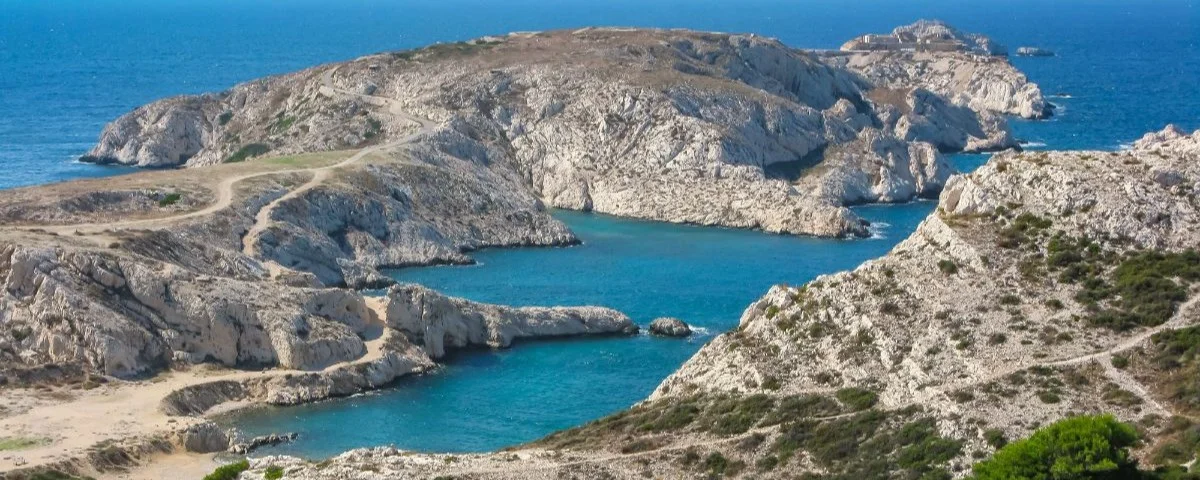
Day 3 combines Marseille’s finest panorama, multicultural central streets and a final maritime escape. Check boat departures before leaving your hotel.
Morning: Visit Notre-Dame de la Garde
Reach Notre-Dame de la Garde early, before tour groups and midday heat. The basilica rises above Marseille, its golden statue visible from much of the city.
You can walk from the Vieux-Port, but bus 60 is more practical and stops close to the entrance. Admission is free.
Walk around the exterior terraces before going inside. The view explains Marseille’s geography: dense center, working port, limestone massifs, Corniche, islands and open Mediterranean.
Inside, mosaics, model ships and ex-votos reveal its relationship with sailors. La Bonne Mère remains Marseille’s protective figure and emotional landmark.
Allow around ninety minutes including transport and viewpoints. Come early for clearer light and a calmer interior, then descend before the hill becomes crowded.
Late Morning: Discover Noailles and Cours Julien
Return toward the center and enter Noailles behind La Canebière. Produce stalls, spice shops and small restaurants evoke Marseille’s history of migration and trade.
The Marché des Capucins is compact, noisy and colorful. Come here to observe everyday Marseille and eat, not to search for a sanitized gourmet market. Prices, aromas and conversations matter as much as the individual stalls.
Choose lunch from the neighborhood’s North African, Comorian or Middle Eastern kitchens. Couscous, grilled fish or falafel often feels more local than another harbor terrace meal.
After lunch, climb toward Cours Julien, where murals, painted staircases, record shops and cafés reveal an alternative Marseille.
Noailles and Cours Julien belong together in this itinerary because they reveal contemporary Marseille through food, creativity and neighborhood life rather than monumental architecture.
Afternoon: Explore Château d’If and the Frioul Islands
Return to the Vieux-Port for the boat to Château d’If and the Frioul archipelago. RTM operates regular links to Frioul, but routes and sailing conditions vary, so confirm the timetable.
Château d’If occupies a rocky island offshore. The former fortress and prison became famous through Alexandre Dumas and The Count of Monte Cristo.
Treat Château d’If as weather-dependent, not guaranteed. The monument closes when conditions prevent safe access, and it is normally closed on Mondays from October through March. If the stop is unavailable, continue directly to Frioul rather than abandoning the afternoon.
Frioul replaces dense streets with pale rock, low vegetation, military remains and intensely blue water. Walk toward a cove, but watch the return time.
Bring water, sun protection and shoes suitable for rough paths, even if you only plan a short walk from the harbor. There are places to eat and drink near the village, but the archipelago remains exposed and services are limited once you leave the main arrival area.
Visiting both islands takes most of the afternoon. Do not book an early dinner. Sea travel follows conditions, not your restaurant reservation.
Evening: Enjoy a Final Dinner in Marseille
Back at the Vieux-Port, choose what previous meals missed: Provençal dishes, Italian-influenced cooking, North African food, bistronomy or seafood.
If bouillabaisse is your goal, reserve a reputable restaurant and expect a serious meal at a serious price. Authentic versions require several fish, careful preparation and separate service of broth and fish. A suspiciously cheap bouillabaisse beside the harbor is rarely the bargain it appears to be.
For a relaxed evening, return to Cours Julien, Rue Sainte or Endoume. Try pastis slowly diluted with cold water if you enjoy anise.
End with a waterfront walk. After three days, Marseille should feel less like a collection of attractions and more like a city shaped by arrivals, departures and the constant presence of the sea.
How to Plan Your 3-Day Marseille Itinerary
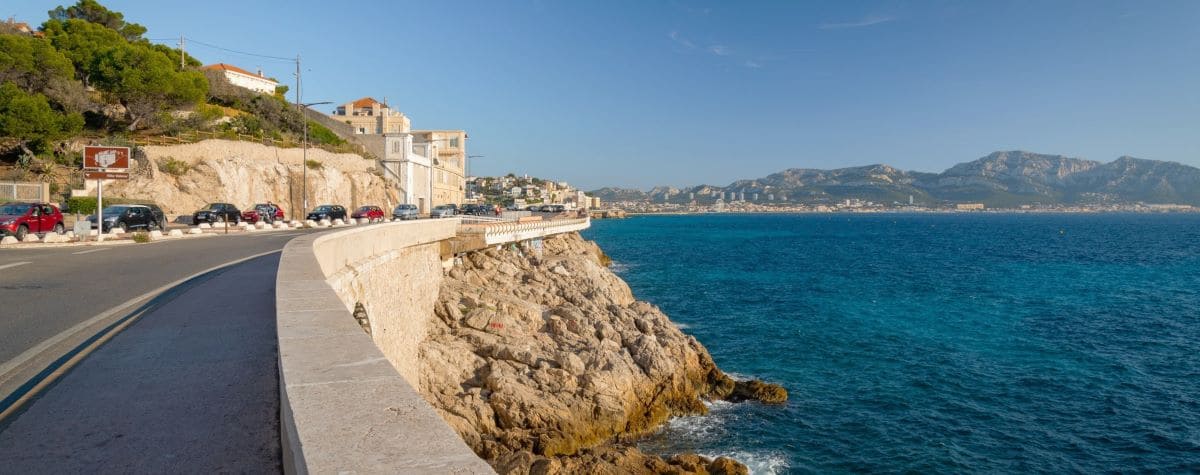
Marseille is large and hilly, but its essential sights become manageable when accommodation, transport and daily geography work together.
Where to Stay in Marseille for 3 Days
For a first trip, the Vieux-Port is the most convenient base, with boats, metro, buses and walkable connections to major sights.
Choose the Opéra side for restaurants, or the northern harbor side for Le Panier and Mucem. Waterfront rooms can be noisy or expensive.
Noailles and lower Canebière often offer better value. Cours Julien suits travelers prioritizing nightlife and independent restaurants.
The Prado is calmer but less efficient for this route. Saint-Charles is convenient for trains, though accommodation should be chosen carefully.
How to Get Around Marseille Without a Car
You do not need a car for this three-day Marseille itinerary. Parking, traffic and one-way streets can waste time, while metro, tram, buses, boats and walking cover the proposed route.
Use the metro for central jumps and buses for Notre-Dame, Luminy, the Corniche and southern neighborhoods.
Marseille rewards walking, but hills are unavoidable. Wear comfortable shoes and use transport before everyone is exhausted.
The Vieux-Port Ferry Boat is mainly fun; Frioul boats and coastal shuttles serve real transport roles. Check RTM for disruptions.
How Much to Budget for Three Days in Marseille
Marseille can be affordable when you prioritize free neighborhoods, viewpoints and coastal walks.
A moderate daily budget should cover public transport, one paid cultural visit, a casual lunch and a good dinner, while boat trips, premium seafood and private Calanques excursions raise costs quickly.
Save with bakery breakfasts, lunch in Noailles and one major paid activity daily. Spend on experiences that genuinely change the trip.
Accommodation is usually the largest expense, particularly on summer weekends and during major events. Booking early matters more than chasing a distant bargain. A cheaper room far from the center can quickly lose its advantage once you add repeated journeys, late taxis and valuable sightseeing time.
The Marseille CityPass can make sense when you plan several included museums, transport journeys and activities within consecutive hours. It is available in 24, 48 and 72-hour versions, so calculate your actual itinerary rather than buying automatically.
When Is the Best Time to Visit Marseille?
April to June and September to early October usually balance pleasant weather, daylight and manageable crowds.
July and August deliver heat, busy beaches and the greatest pressure on the Calanques. Summer visitors must build flexibility into Day 2, because fire restrictions, reservation systems and extreme temperatures can alter access.
Winter suits museums, food and dramatic light, though mistral, boat disruption and shorter days require flexibility.
Whatever the month, check the forecast for wind as well as rain. In Marseille, wind can affect comfort, boat departures and fire conditions more decisively than temperature alone.
What to Eat During Three Days in Marseille
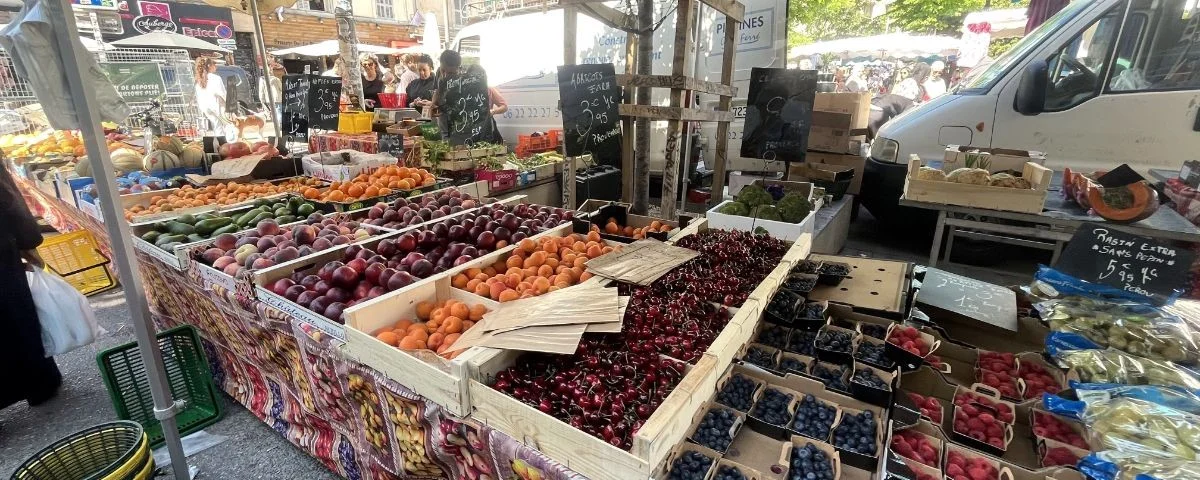
Marseille’s cuisine reflects Provence, fishing and Mediterranean migration. Aim for seafood, a market lunch, a neighborhood dinner and small specialties.
Marseille Specialties You Should Try
Bouillabaisse is elaborate, expensive and best ordered from a specialist. Choose one excellent version rather than several mediocre imitations.
Try crisp chickpea panisses, orange-blossom navettes and, for adventurous eaters, slow-cooked pieds paquets.
Pizza belongs to Marseille’s Italian-influenced identity, and modest neighborhood pizzerias often outperform fashionable dining rooms.
Seafood, couscous, Comorian cooking and Provençal vegetables complete the picture. Follow the city’s communities, not one supposedly pure cuisine.
Best Neighborhoods for Lunch, Dinner and Drinks
Noailles excels for affordable lunches and North African food. Le Panier offers picturesque terraces of variable quality.
Cours Julien works best for casual dinner, vegetarian choices, bars and nightlife. Rue Sainte and the streets behind Opéra provide a wide range of central restaurants without keeping you directly on the tourist-heavy quay.
Endoume and Vallon des Auffes suit seafood and sunset dining. L’Estaque remains classic for panisses.
Examine the menu, not only the view. Freshness and specialization matter more than proximity to the water.
How to Adapt This Marseille Itinerary
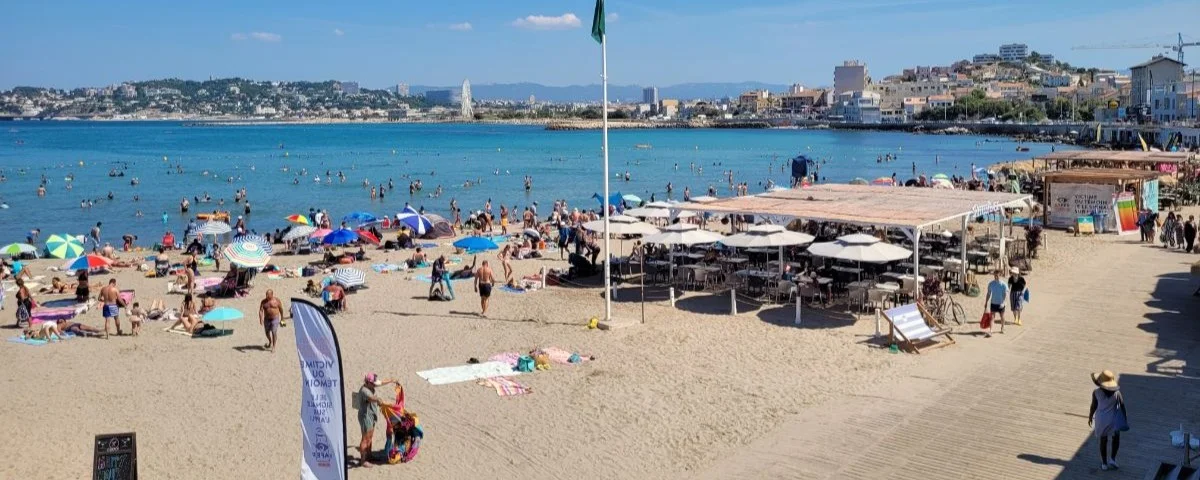
Preserve the geographical logic when replacing activities for weather, closures or traveling style.
What to Do If the Calanques Are Closed
When land access is closed for fire danger, do not cross barriers or improvise on unofficial paths. Replace the hike with a legal coastal experience, such as a boat trip if sailings are operating, the Prado beaches, Corniche Kennedy or a visit to museums.
Alternatives include Palais Longchamp, La Friche, Cosquer Méditerranée or a longer coastal day around Endoume and the beaches.
Check local conditions before heading elsewhere. For broader alternatives, consult our best day trips from Marseille.
The important decision is simple: never make the Calanques your only possible plan for an entire day in high summer.
How to Adapt the Itinerary for Bad Weather or Less Walking
For rain, prioritize the Mucem, Vieille Charité and Cosquer Méditerranée, then save viewpoints for clearer breaks.
For less walking, take bus 60, choose a Calanques cruise, use the metro and shorten the Corniche. Reducing distance does not reduce quality when the right viewpoints remain.
Families can choose the Ferry Boat, beaches, Frioul or Cosquer Méditerranée. See our guide to Marseille with kids for age-specific ideas.
Travelers with only part of the schedule should use our one-day Marseille itinerary or two-day Marseille itinerary rather than compressing all three days into a frantic checklist.
Frequently Asked Questions About Spending 3 Days in Marseille
Is Marseille Safe for Tourists?
Marseille is a major city with busy stations and visible contrasts. Normal urban awareness is essential.
Watch phones and wallets around transport hubs, markets and crowded waterfronts. Avoid displaying valuables unnecessarily, use well-lit routes late at night and ask accommodation staff about the immediate neighborhood.
The areas in this itinerary remain busy and accustomed to visitors, particularly during daylight and early evening. As in any large port city, situations can change quickly from one street to the next. Trust your instincts, avoid deserted shortcuts after dark and use licensed transport when returning late.
Its rough reputation can overshadow everyday hospitality. Read our guide on whether Marseille is worth visiting for a balanced view.
Is Marseille a Walkable City?
Central Marseille is walkable around the Vieux-Port, Le Panier, Mucem, Noailles and Opéra; hills and distance complicate the wider city.
Think of Marseille as several walkable zones connected by public transport. Walk within each zone, then use metro or bus for Notre-Dame, Luminy, the Corniche and southern beaches.
This avoids turning scenic afternoons into endurance tests.
Should You Visit Cassis During a 3-Day Marseille Trip?
Cassis is beautiful but not essential during a first three-day stay. Adding it removes time from Frioul, Noailles or the coast.
Choose Cassis only if a Provençal harbor matters more to you than one full Marseille day. It works best as a replacement for Day 2, not as an extra stop squeezed between the Calanques and dinner.
With four or five days, Cassis becomes an easy addition.
Is the Marseille CityPass Worth Buying?
The CityPass suits travelers using included transport and several attractions. It is less useful for free neighborhoods, hiking and long meals.
List the paid activities you genuinely intend to complete, compare their individual prices, then decide. Do not count attractions that are closed on your chosen days or visits you are unlikely to fit between boats and transport.
The 72-hour version may be convenient, but independent booking also works.
Wrap-Up: Making the Most of 3 Days in Marseille
- Keep Day 1 around the historic harbor, linking the Vieux-Port, Le Panier, La Major, Mucem and Pharo on foot.
- Protect Day 2 for the Calanques and southern coast, but keep a legal backup plan for heat, wind or fire restrictions.
- Use Day 3 for Notre-Dame de la Garde, Noailles and Frioul, checking boat conditions before committing to exact times.
- Stay central and rely on public transport rather than renting a car, since each daily route is built around connected neighborhoods.
- Eat across Marseille’s cultures, from seafood and panisses to couscous, pizza and creative Mediterranean cooking.
- Leave breathing room for markets, viewpoints and sunsets, because Marseille’s atmosphere is as important as its monuments.
- Adapt rather than overpack the schedule, and three days will feel complete without becoming exhausting.
Accept Marseille’s contrasts, stay flexible around sea and weather, and three days will reveal history, food, limestone wilderness and a powerful urban coastline.