




Marseille is not the kind of city that tries too hard to please you. It does not smooth every edge, polish every street, or wrap itself in postcard-perfect elegance. And that is exactly why some travelers fall for it.
So, is Marseille worth visiting? Yes, if you want a city with real character, sea views, history, food, noise, sunlight, and a strong Mediterranean soul. Marseille is worth it for travelers who enjoy places that feel alive rather than staged.
But it is not for everyone. If you are looking for a spotless, quiet, luxury-focused French escape, Marseille may feel too intense. This is a working port city, a multicultural city, a city of hills, markets, boats, street art, basilicas, beaches, and contradictions.
This honest guide will help you decide whether Marseille deserves a place in your South of France itinerary.
Is Marseille Worth Visiting? The Short Answer
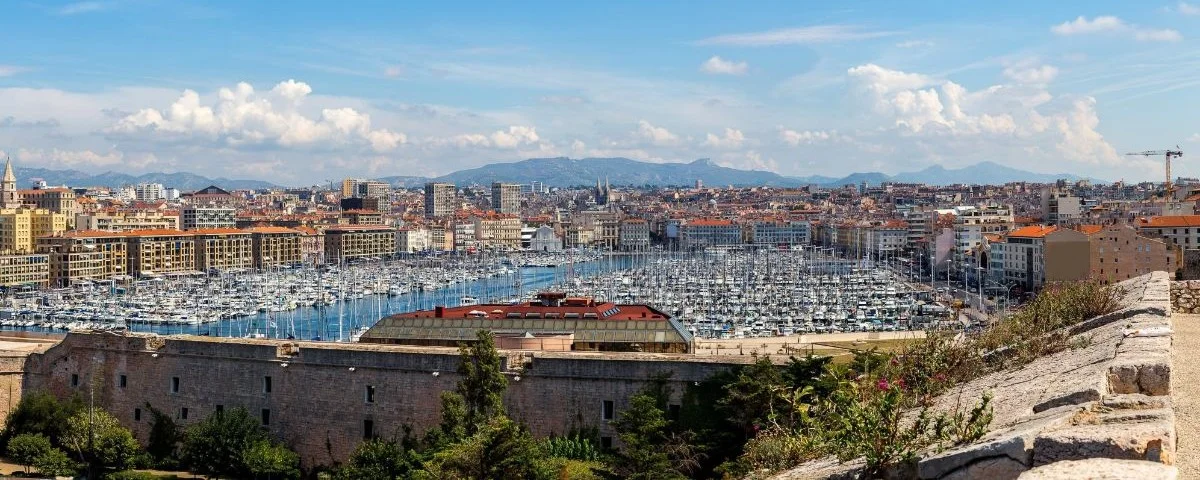
Yes, Marseille is worth visiting, especially if you want to discover a more authentic, energetic, and coastal side of France. It has the Vieux-Port, Le Panier, Notre-Dame de la Garde, the Mucem, the Calanques, local markets, boat trips, and a food scene that feels deeply Mediterranean.
Marseille is best for travelers who like cities with personality. It is not as polished as some other French destinations, but it offers something more memorable: atmosphere.
If you only have one day, Marseille can still give you a strong first impression. If you have two or three days, it becomes much easier to understand why people either love it or misunderstand it.
For a deeper practical overview, you can also check this France practical information guide before planning your trip.
Why Marseille Is Worth Visiting
Marseille Feels More Authentic Than Many Tourist Cities
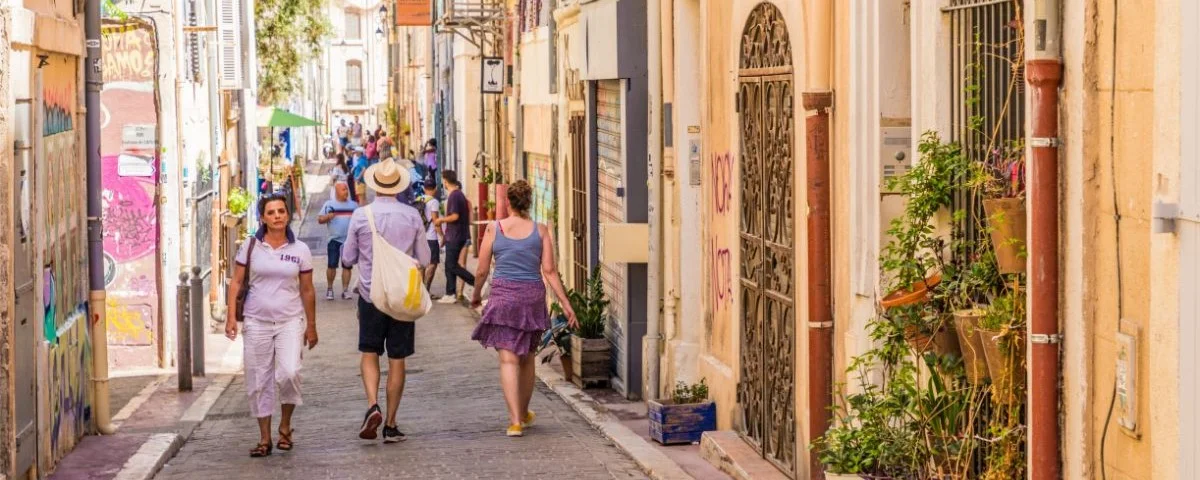
Marseille does not feel like a city built only for visitors. People live loudly here. Fishermen still sell their catch near the Vieux-Port. Locals argue, laugh, drink coffee, rush for buses, and meet friends on sunny terraces. The city has tourism, of course, but it has not lost its everyday rhythm.
That is one of the main reasons Marseille is worth visiting. You are not just walking through a pretty historic center. You are stepping into a city with layers: Greek origins, maritime history, immigration, working-class neighborhoods, grand monuments, and small streets full of life.
For first-time visitors, this can be refreshing. Marseille gives you France, but not the expected version. It feels less controlled, less curated, and more human.
The City Has a Unique Mediterranean Atmosphere
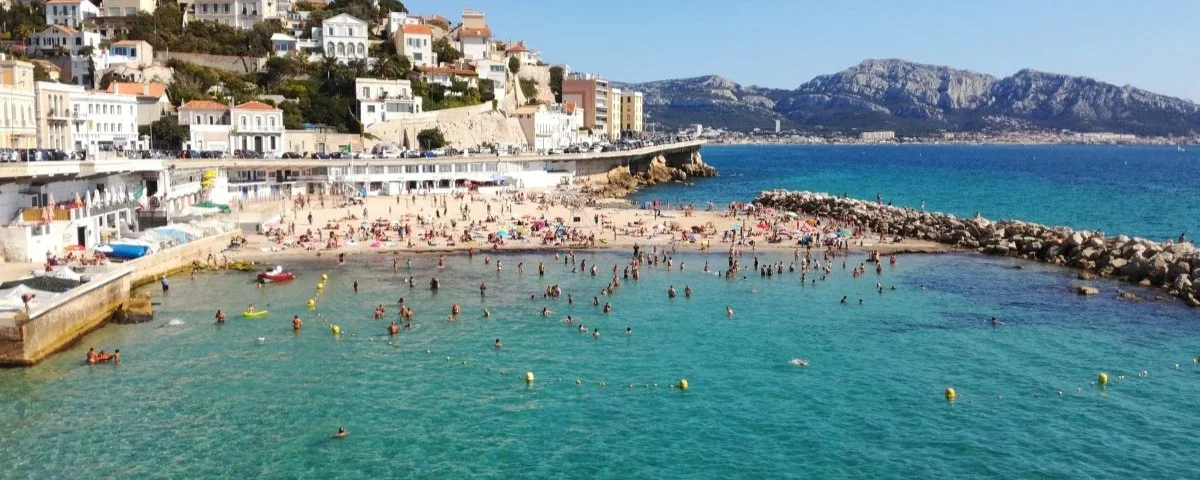
Marseille is a city of light, limestone, blue water, and steep streets. The Mediterranean is never far away. Even when you are deep in the city, there is often a glimpse of the sea, a salty breeze, or the feeling that a boat could take you somewhere wild in less than an hour.
The Vieux-Port is the natural starting point. It is touristy, yes, but it still works. Boats move in and out, Notre-Dame de la Garde watches from above, and the city seems to open itself around the harbor.
This Mediterranean atmosphere is what makes Marseille different. It has the energy of a big city, but also sudden moments of escape: a coastal road, a rocky cove, a terrace at sunset, a ferry to the islands.
The Weather Is Pretty Good Year Round
Another reason Marseille is worth visiting is the weather. The city gets a lot of sunshine, and even outside summer, the light can be beautiful. Spring and autumn are especially pleasant, with milder temperatures and fewer crowds.
Summer is hot, lively, and ideal for beaches or boat trips, although it can also be busy. Winter is quieter and sometimes windy, but still far from the grey mood many travelers associate with northern Europe.
This makes Marseille a flexible destination. You do not need to wait for peak summer to enjoy it. A spring weekend, an autumn city break, or a winter escape can all work well, depending on what you want from the trip.
Marseille Is Great for Long or Short Trips
Marseille works surprisingly well whether you have one day, a weekend, or a longer stay. With one day, you can focus on the Vieux-Port, Le Panier, Notre-Dame de la Garde, and the waterfront. With two days, you can add the Mucem, Fort Saint-Jean, markets, and a boat trip.
With three days or more, Marseille becomes an excellent base for exploring the coast, the Calanques, or nearby Provence. It is a city that can be sampled quickly, but it rewards travelers who slow down.
If you are building a wider itinerary in the region, this Provence travel guide can help you connect Marseille with other places in the South of France.
Marseille Offers a Mix of Culture, Sea Views and Local Life
Few cities combine urban energy and coastal scenery like Marseille. In the same day, you can visit a museum, climb to a basilica, eat near the port, walk through an old neighborhood, and end with a sea view.
The city is also culturally rich without feeling frozen in the past. The Mucem and Fort Saint-Jean show Marseille’s modern and historic sides. Le Panier gives you narrow streets, colorful facades, and a village-like feel. Noailles and local markets bring a more intense, multicultural energy.
Marseille is worth visiting because it offers contrast. It is not one simple thing. It is old and new, rough and beautiful, chaotic and peaceful, local and international.
Why Marseille Might Not Be Worth Visiting for Everyone
Marseille Can Feel Gritty and Chaotic
Marseille has a reputation, and part of it comes from the fact that the city can feel messy. Traffic, noise, graffiti, busy streets, uneven pavements, and intense neighborhoods are part of the experience.
Some travelers love that. Others do not.
If your ideal trip to France involves calm streets, elegant boutiques, silent squares, and perfect facades, Marseille may feel too raw. The city is not always easy at first glance. It asks you to look beyond the surface.
It May Disappoint Travelers Looking for a Polished French City
Marseille is not the classic romantic image of France. It is not a museum-city. It is not a place where every corner looks designed for Instagram. Some streets are beautiful. Others are ordinary. A few can feel neglected.
That contrast is important to understand before visiting Marseille for the first time. The city has magnificent views, historic neighborhoods, and world-class coastal scenery, but it also has the imperfections of a large urban port.
If you arrive expecting a flawless Riviera-style destination, you may be disappointed. If you arrive expecting a real Mediterranean city, you may enjoy it much more.
It Is Not Ideal If You Prefer Quiet or Luxury-Focused Destinations
Marseille can be elegant in places, but it is not mainly a luxury destination. It is better suited to curious travelers than to travelers seeking a perfectly controlled resort atmosphere.
The city has good hotels, good restaurants, and beautiful views, but its best moments often come from walking, observing, eating simply, and letting the atmosphere do its work.
In other words: Marseille is not always relaxing in the conventional sense. It is stimulating. For some visitors, that is the whole point.
Some Visitors May Feel Uncomfortable in Certain Areas
Like many large cities, Marseille has areas where visitors may feel less comfortable, especially at night or around certain transport hubs. This does not mean tourists should avoid Marseille. It means you should visit with normal city awareness.
Stay alert with your belongings, avoid empty streets late at night, use official transport or taxis when needed, and choose accommodation in a convenient area for a first stay.
For many travelers, the main tourist areas feel manageable, especially during the day. Still, it is better to be realistic than to pretend Marseille is as smooth as a small seaside village.
Things to Do in Marseille That Make It Worth Visiting
Start at the Vieux-Port to Feel the City’s Energy
The Vieux-Port is the heart of Marseille. It is the obvious starting point, and for once, the obvious choice is the right one. This is where the city opens up: boats, cafés, fish stalls, reflections on the water, and the basilica high above.
It is a good place to understand Marseille quickly. You see the sea, the hills, the traffic, the tourists, the locals, and the old maritime identity of the city all at once.
To plan your route more easily, use this Marseille tourist map before you start exploring.
Walk Through Le Panier for Marseille’s Historic Side
Le Panier is one of the best areas for first-time visitors. It feels like a small village above the port, with narrow streets, colorful walls, small squares, staircases, shops, and cafés.
It is not just pretty. It also tells part of Marseille’s story: old, popular, mixed, rebuilt, lived-in. Walk slowly here. Do not treat it only as a photo stop. The charm of Le Panier is in the details: shutters, corners, street art, balconies, and sudden views.
Visit Notre-Dame de la Garde for the Best View of the City
Notre-Dame de la Garde is one of the places that makes Marseille worth visiting even for skeptical travelers. From up there, the whole city makes sense. You see the port, the islands, the sea, the hills, the dense urban fabric, and the coast stretching away.
The basilica itself is striking, but the view is the real lesson. Marseille is not just a city beside the sea. It is a city shaped by the sea.
Go early or late in the day if you can. The light is softer, and the city looks less chaotic from above.
See the Mucem and Fort Saint-Jean for Culture and Sea Views
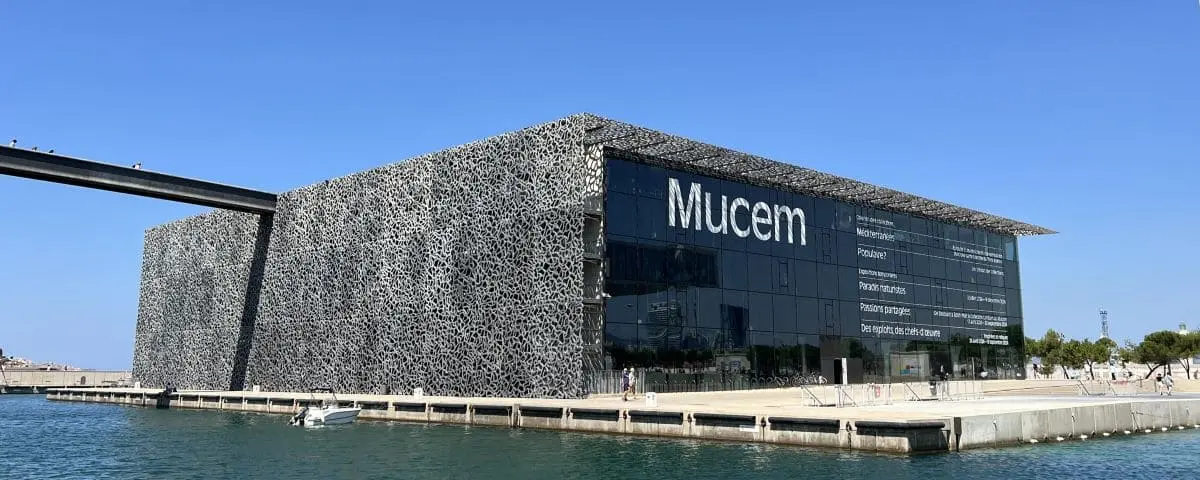
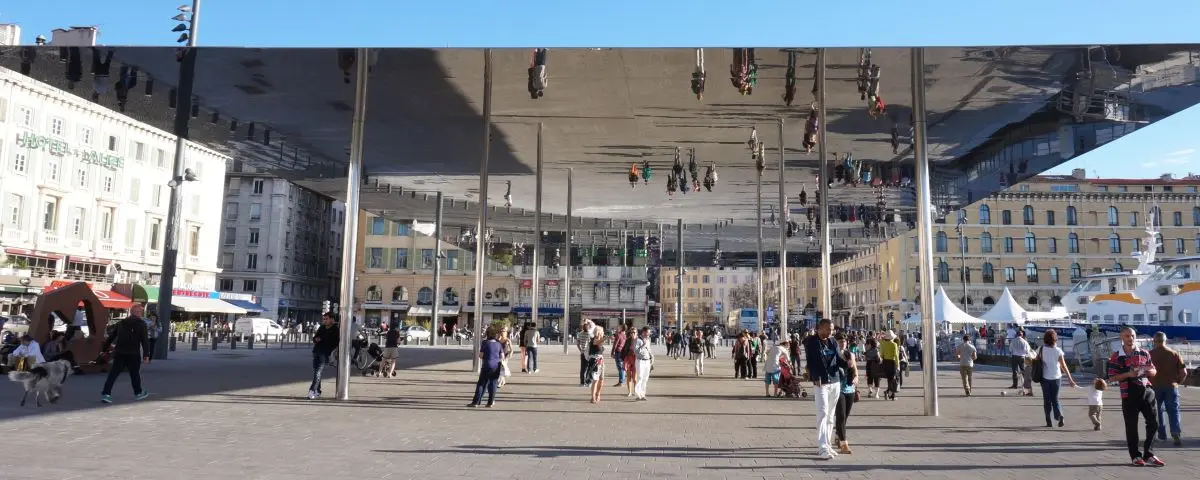
The Mucem is one of Marseille’s strongest cultural stops. Its architecture, dark lace-like exterior, walkways, and position by the water make it worth seeing even if you do not spend hours inside.
Next to it, Fort Saint-Jean adds history and some of the best sea-facing viewpoints in the city. Together, they show a more modern, ambitious side of Marseille.
This is also a good area for travelers who want Marseille to feel accessible. You can walk from the Vieux-Port, enjoy the views, visit exhibitions, and continue toward the waterfront.
Take a Boat Trip to Château d’If or the Frioul Islands
If the weather is good, a boat trip can change your opinion of Marseille. From the water, the city looks dramatic: white stone, hills, towers, islands, and the basilica above everything.
Château d’If is famous for its literary connection to The Count of Monte Cristo, while the Frioul Islands offer a more open, rocky, wind-swept escape. Both remind you that Marseille is not only an urban destination. It is also a gateway to the sea.
Explore the Calanques for Nature and Coastal Scenery
The Calanques are one of the strongest arguments for visiting Marseille. These rocky inlets, cliffs, and turquoise waters feel far from the city, even though they are part of the same coastal world.
Depending on the season and conditions, you can discover them by hiking, boat, or kayak. Access can be regulated, especially in hot months, so planning matters.
If you want the full list of places and ideas, this guide to the best things to do in Marseille will help you go further.
Try Marseille’s Food Scene, from Seafood to Local Markets
Marseille’s food scene reflects the city: Mediterranean, popular, mixed, generous, and sometimes surprising. Bouillabaisse is the famous dish, but you do not need a formal seafood meal to enjoy eating here.
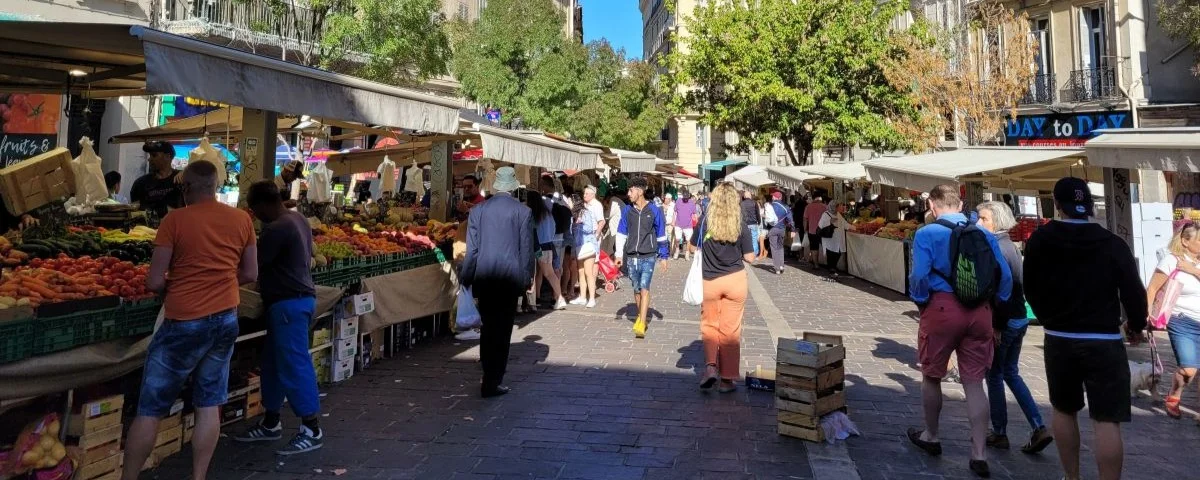
Look for markets, bakeries, North African flavors, simple fish dishes, terrace cafés, and neighborhood restaurants. Food is one of the easiest ways to understand Marseille’s identity.
The city tastes like a port: olive oil, spices, fish, bread, coffee, herbs, and sun.
Is Marseille Safe Enough to Visit?
What Tourists Should Realistically Expect
Marseille is generally visitable for tourists, but it is not a city where you should switch off completely. The main risks for visitors are usually petty theft, pickpocketing, scams, and feeling uncomfortable in certain areas rather than serious danger.
Most first-time visitors spend their time around the Vieux-Port, Le Panier, the Mucem, Notre-Dame de la Garde, the Corniche, beaches, and organized routes to the Calanques. These areas are commonly visited and usually fine with normal precautions.
The best approach is simple: enjoy the city, but behave as you would in any large Mediterranean city.
Areas Where First-Time Visitors Usually Feel Comfortable
For a first visit, staying near the Vieux-Port is practical. You are close to transport, restaurants, museums, boat departures, and many major sights. Le Panier can also work well if you like charm and atmosphere.
Areas around the waterfront, the Mucem, and central tourist routes are often the easiest for newcomers. They let you experience Marseille without adding too much logistical stress.
Marseille is a city where location matters. Choosing a convenient base can make the trip feel much smoother.
Common Safety Tips for Visiting Marseille
Keep your phone and wallet secure in crowded areas. Be careful around train stations and busy transport zones. Avoid wandering alone through unfamiliar empty streets late at night. Use a taxi or rideshare if a route feels uncomfortable after dark.
Do not leave bags visible in a car. Do not flash valuables. Check walking routes before heading out at night. These are not Marseille-only rules. They are basic city travel rules.
With that mindset, many travelers enjoy Marseille without problems.
How Long Should You Spend in Marseille to Know If It’s Worth It?
Is One Day Enough to Get a Feel for Marseille?
One day in Marseille is enough to get a first impression, but not enough to understand the whole city. With limited time, focus on the Vieux-Port, Le Panier, Notre-Dame de la Garde, and the Mucem or Fort Saint-Jean.
This gives you the basics: port, history, view, culture, and atmosphere. You will know quickly whether Marseille’s energy works for you.
Why Two Days Is Better for First-Time Visitors
Two days is much better. It gives you time to slow down and include the coast, a boat trip, a market, or the Calanques. Marseille often needs a little patience. The first few hours can feel intense. The second day is when many visitors start to enjoy it more.
With two days, the city becomes less confusing. You begin to connect the neighborhoods, the sea, the hills, and the rhythm.
When Marseille Is Worth a Longer Stay
Marseille is worth a longer stay if you enjoy coastal nature, local neighborhoods, museums, food, and day trips. It also works well as a base for exploring Provence, especially if you want a bigger city rather than a small village stay.
Three or four days allow you to include the Calanques properly, visit nearby coastal spots, spend more time in markets, and enjoy the city without rushing.
Marseille rewards travelers who leave space in the schedule. Not every good moment here is a monument. Sometimes it is a coffee, a view, a street, or a swim.
FAQ About Visiting Marseille
Is Marseille expensive to visit?
Marseille can be more affordable than some other popular destinations in the South of France, especially if you eat casually, use public transport, and avoid luxury hotels. Prices vary by season, but budget-conscious travelers can usually find simple meals, central walks, and free viewpoints.
Is Marseille easy to visit without a car?
Yes, Marseille can be visited without a car, especially if you stay near the center. The metro, tram, buses, walking routes, taxis, and boats cover many useful areas. A car can be helpful for wider Provence, but it is not necessary for a first city-focused visit.
Is Marseille suitable for families?
Marseille can work for families who enjoy active, urban travel. Boat trips, sea views, the Mucem area, parks, beaches, and simple walks can be enjoyable with children. Families should choose accommodation carefully and avoid making the schedule too packed.
Can you enjoy Marseille without speaking French?
Yes, you can enjoy Marseille without speaking fluent French, especially in hotels, museums, major restaurants, and tourist areas. Still, learning a few basic phrases helps. Marseille is direct and lively; a simple bonjour, merci, and s’il vous plaît can make interactions easier.
What mistakes should first-time visitors avoid in Marseille?
The biggest mistake is expecting Marseille to be a polished resort city. Another is rushing through it too quickly or staying in an inconvenient area. Do not ignore basic safety habits, do not skip the views, and do not judge the city only by your first street corner.
Final Verdict: Is Marseille Worth Visiting?
So, is Marseille worth visiting? Yes, but with the right expectations.
Marseille is worth visiting if you want authenticity, Mediterranean views, history, culture, local food, boat trips, and a city that feels genuinely alive. It is one of the most distinctive cities in France, and that alone makes it memorable.
It might not be worth it if you want a polished, quiet, perfectly clean destination with no rough edges. Marseille can be chaotic, gritty, and uneven. But it can also be beautiful, generous, sunny, and unforgettable.
The best way to enjoy Marseille is not to ask it to behave like another city. Let it be Marseille: loud, blue, mixed, proud, imperfect, and full of life.