




Marseille and Nice both promise Mediterranean sunshine, old streets, lively markets and beautiful coastlines. Yet they offer very different trips.
Nice is the easier choice for a polished Riviera break. Marseille is stronger for raw character, culture and dramatic nature. The best city depends on the trip you want.
At Culture Francia, we approach this as a French family and former travel planners specializing in France. We favor clear, practical comparisons built around field knowledge, traveler feedback and local expertise, so you can decide quickly and travel with confidence.
Marseille or Nice: the quick answer
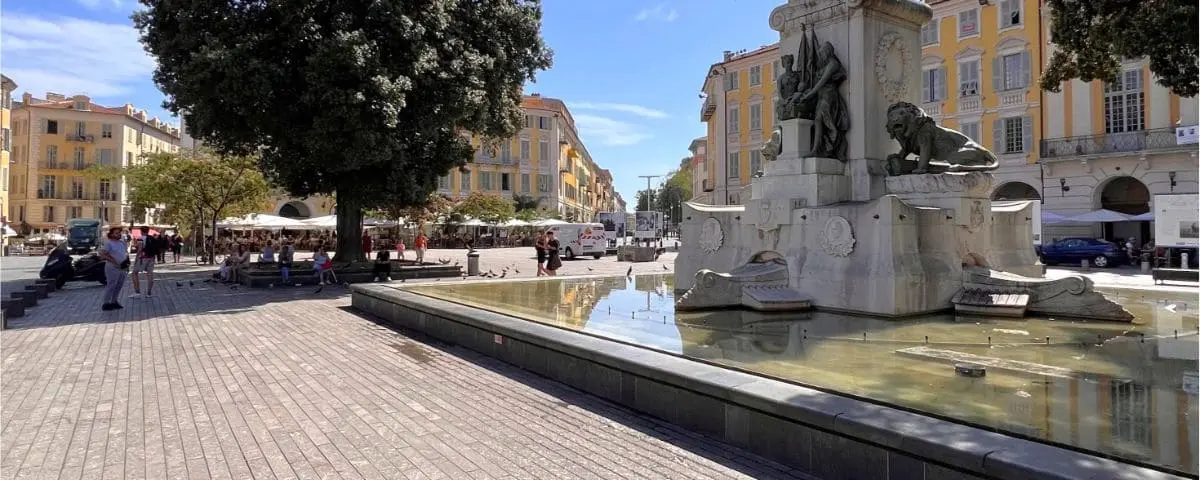
- Choose Nice for a first trip to the French Riviera, an easy weekend, elegant seaside scenery, strong public transport and simple day trips without a car.
- Choose Marseille for a more intense city, deeper contrasts, major museums, lively neighborhoods, cheaper everyday options and direct access to the Calanques.
- For beaches, Nice wins on convenience, while Marseille wins on variety and spectacular natural settings.
- For food, Marseille is more multicultural and wide-ranging, while Nice has the more distinctive local culinary identity.
- For couples and short stays, Nice is usually the safer recommendation. For curious repeat visitors to France, Marseille is often the more memorable one.
Our overall verdict? Nice is better for most first-time visitors. Marseille is better for travelers who want a city with more edge, more contrast and a stronger sense of discovery.
Look beyond the postcard. Nice gives you a beautiful coast immediately accessible from the center. Marseille makes you work a little harder, then rewards you with tiny ports, hills, street life and limestone coves.
This is the essential difference. Nice is a destination you can understand almost immediately. Marseille reveals itself in layers. One is easier to organize. The other often creates the stronger story afterward.
How do Marseille and Nice compare?
Atmosphere and overall city feel
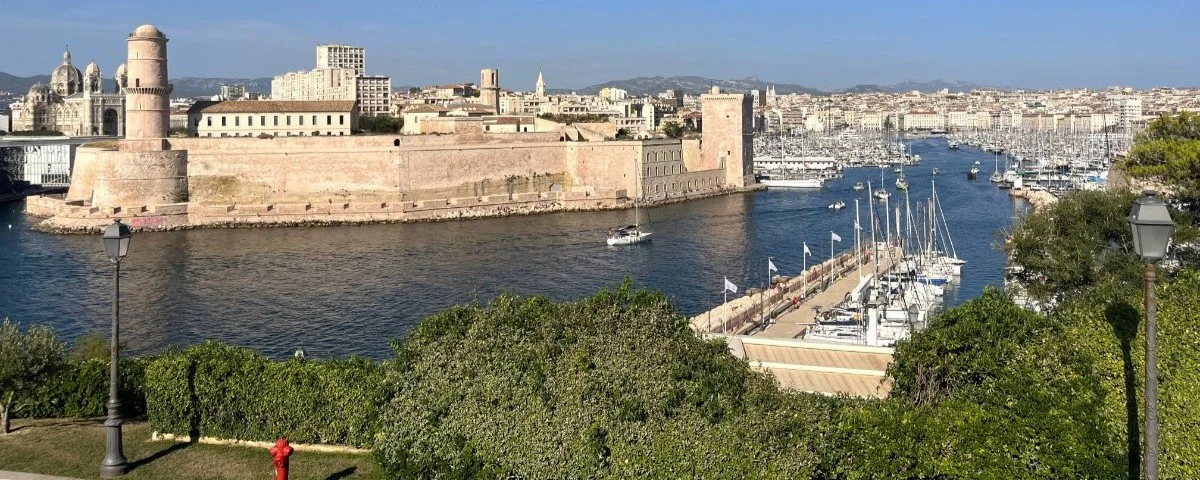
Marseille does not whisper. It changes mood from one street to the next and rarely tries to look perfect. Around the Vieux-Port, the city opens to the horizon. Le Panier climbs through narrow lanes, while Cours Julien brings murals, bars and an alternative rhythm.
Choose Marseille if you want a city that feels lived-in before it feels curated. It is proudly Mediterranean, deeply multicultural and sometimes rough around the edges. That is precisely why many travelers fall for it. The city has long looked outward through its port, to its popular neighborhoods, mixed populations and maritime identity particularly well.
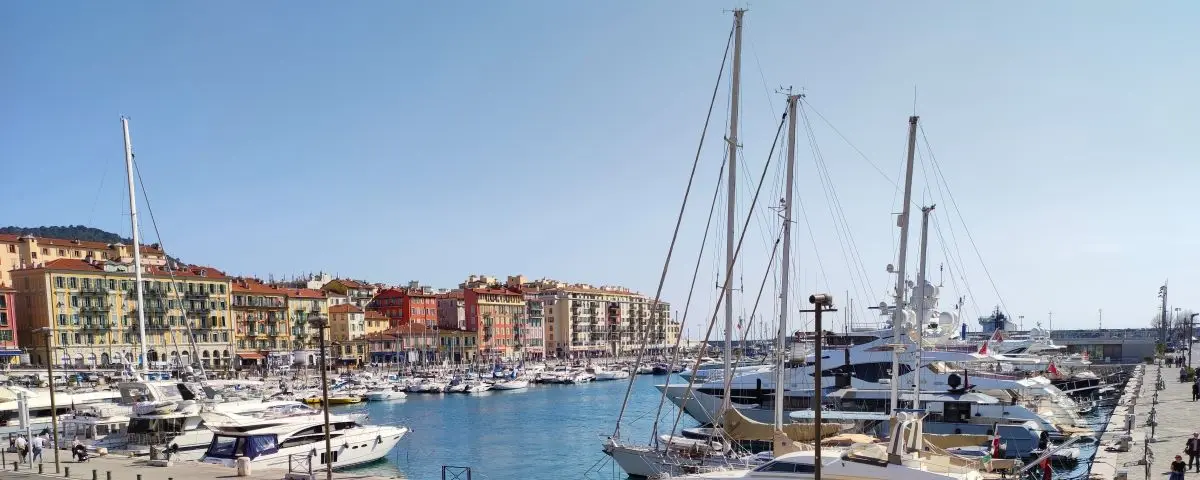
Nice is gentler on arrival. The curve of the Baie des Anges, the Promenade des Anglais, the ochre and red facades around Place Masséna, the lanes of Vieux Nice and the blue sea create an immediate sense of place. Nice feels more elegant, more orderly and more obviously designed for strolling.
Do not mistake polish for blandness. Vieux Nice is still busy and popular, Italian influence runs through the architecture and food, and the city has serious artistic depth. The transition from center to beach can take only minutes, while Belle Époque buildings, museums and hilltop neighborhoods add texture behind the famous waterfront.
Our advice is simple: pick Nice when you want ease and beauty from the first hour. Pick Marseille when you enjoy cities that become more interesting as you learn how to read them.
Things to do and cultural attractions
For sheer variety, Marseille has the advantage. Start at the Vieux-Port, walk into Le Panier, visit the Mucem, climb to Notre-Dame de la Garde, cross to the Frioul Islands or Château d’If, then spend the evening in a different neighborhood.
Marseille is better for travelers who want several types of city break in one place. The historic port, contemporary museums, street art, religious monuments, markets and seafront districts do not feel like variations on the same theme. They feel like separate chapters.
For a practical starting point, our guide to the best things to do in Marseille helps you prioritize the major sights, while the Marseille tourist map makes the city’s spread much easier to understand.
Nice is more compact. A first day almost writes itself: Promenade des Anglais, Cours Saleya, Vieux Nice, Castle Hill, the port and Place Garibaldi. That simplicity is a strength on a short trip.
Nice wins for effortless sightseeing, but Marseille wins for range. Nice also has excellent museums, especially for modern and 20th-century art, with strong links to artists drawn by the light and landscape of the region. Cimiez adds Roman remains, gardens and museums above the center.
You can plan the essentials with our guide to things to do in Nice and keep the geography clear with the Nice tourist map.
If you have only one full day, Nice is easier. With three or four days, Marseille gives curious travelers more room to keep discovering.
Beaches and access to nature
This is where the Marseille or Nice question becomes more complicated.
Nice has the obvious advantage: the beach is right there. You can leave the old town, cross a road and be beside the Mediterranean. The long urban shoreline makes swimming easy to combine with sightseeing, lunch or a museum. For beach convenience, Nice is the clear winner.
The catch is underfoot. Nice’s central beaches are mostly pebbly, and the sea can become deep quickly. Water shoes help, especially if you plan to swim often.
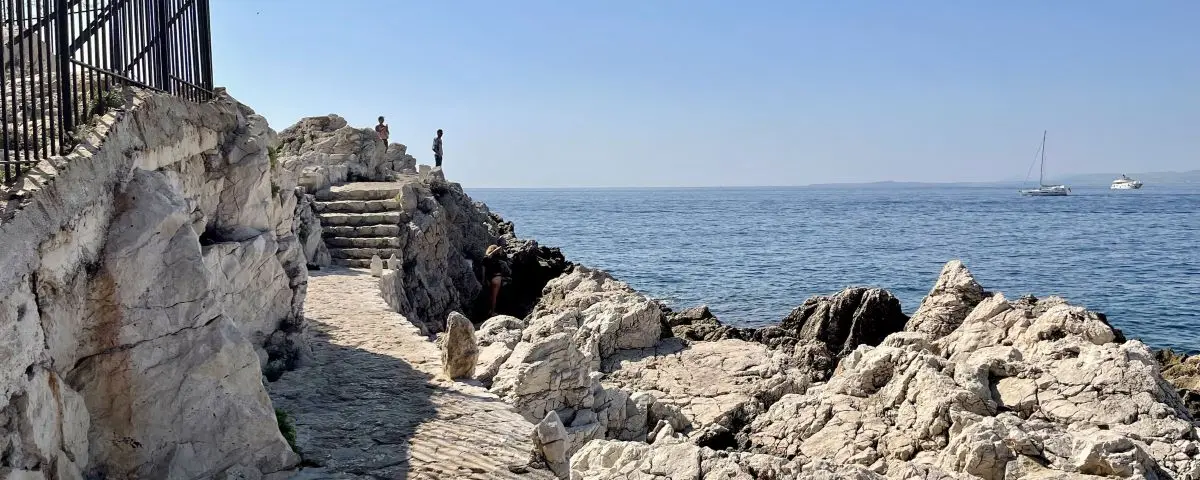
Marseille offers a more scattered beach experience. Plage des Catalans is close to the center, the Prado area offers larger spaces, and the southern coast hides swimming spots, small ports and rocky inlets. Then there are the Calanques.
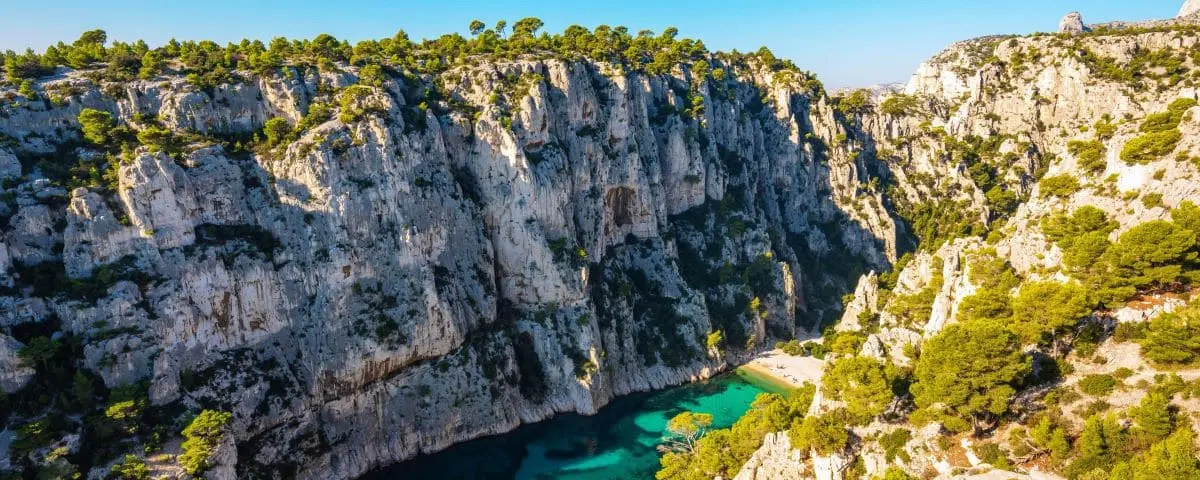
For dramatic nature, Marseille wins decisively. The limestone cliffs and narrow turquoise coves between Marseille and Cassis turn a city trip into a hiking and swimming adventure. Access can be regulated or restricted during periods of high fire risk, particularly in summer, so planning matters.
Nice still has nature: Castle Hill, Mont Boron, coastal paths, perched villages and Alpine valleys. Yet the Calanques are a more singular experience.
So the decision is clean: choose Nice for a beach you can reach between breakfast and sightseeing. Choose Marseille for beaches and coves that can become the main event of the day.
Food and local specialties
Marseille eats like a port. Bouillabaisse gets the headlines, but stopping there would miss the city. You also find pizza traditions, North African cooking, West African canteens, seafood, panisse, Provençal dishes and a new generation of chefs working with local produce.
Marseille is better for culinary variety and low-cost discovery. One day might bring fish by the port, another couscous near the center, another pizza with generations of local history behind it.
Nice, however, has the stronger set of dishes that belong unmistakably to the city. Socca, pissaladière, petits farcis, pan bagnat and salade niçoise are not just tourist-menu labels when you find the right addresses. Nice is better if you want to taste a coherent local cuisine with a strong identity.
The Niçoise table sits between Provence and Italy without simply belonging to either. Olive oil, garlic, vegetables, anchovies and herbs appear again and again, yet the combinations are distinctly local. The city’s officially recognized Cuisine Nissarde tradition underlines how seriously Nice takes its food heritage.
Our verdict is a draw, for different reasons. Marseille feeds curiosity. Nice rewards a focused appetite for local specialties. In both cities, step one street away from the most obvious tourist terrace before choosing where to eat.
Nightlife and evening atmosphere
Marseille’s evenings are more varied. The Vieux-Port has the obvious terraces, but the city becomes more interesting when you move toward Cours Julien, La Plaine, Endoume or the Vallon des Auffes. Some places are stylish, others proudly scruffy, and the best nights often feel spontaneous rather than packaged.
Choose Marseille for alternative bars, mixed crowds and a less predictable night out. The city’s size and neighborhood culture create more scenes, from sunset drinks above the port to music venues and late bars.
Nice is easier to navigate after dark. Vieux Nice and the central areas offer bars, restaurants and terraces within a compact zone. You can dine, walk, stop for a drink and return to your hotel without planning a cross-city journey.
Choose Nice for a polished evening that is simple to organize. It is especially comfortable for couples or weekend visitors who want atmosphere without researching neighborhoods. In summer, however, central Riviera nightlife can feel more tourist-oriented and prices can climb in the most obvious areas.
Marseille wins for depth. Nice wins for convenience. For most travelers under 35 seeking nightlife as part of the trip, we would lean Marseille. For relaxed drinks after sightseeing, we would lean Nice.
Cost of accommodation, food, and transport
Neither city is a bargain in peak summer, and both can become expensive during major events. Still, Marseille generally offers more room to control the budget.
Marseille is usually the better choice for budget-conscious travelers. Its larger, more varied urban fabric creates more affordable restaurants, casual food and accommodation outside the postcard zones. You can eat very well without turning every meal into a special occasion.
Nice has plenty of affordable bakeries, markets and local snacks, but central accommodation is often the pressure point. Staying near the Promenade des Anglais or in the most desirable parts of the old town can be costly, especially in summer.
The smartest budget strategy in Nice is to stay slightly away from the seafront while remaining near a tram stop. You do not need a sea-view room to enjoy the sea. In Marseille, staying near a metro station can give you better value without cutting you off from the Vieux-Port.
For both cities, book early for July and August. Spring, early summer and autumn often give a better balance between weather, availability and price.
Safety and comfort for visitors
Marseille’s reputation often arrives before the traveler does. That reputation is one reason some people choose Nice without looking further. We think that is too simple.
Marseille requires more street awareness, but most visitors spend their time in busy central, cultural and coastal areas. As in any major city, keep valuables controlled, avoid displaying your phone carelessly in crowded transport zones, and pay attention late at night when moving through unfamiliar streets.
Nice usually feels easier and more immediately comfortable to first-time visitors. The tourist center is compact, the seafront is busy, and movement between major sights is straightforward. For travelers who prioritize a low-friction experience, Nice has the advantage.
That does not mean you should switch off your attention. Crowded promenades, stations, markets and public transport are exactly where petty theft can happen in many tourist cities.
The more useful question is not “Which city is safe?” but “Which environment makes you comfortable?” Choose Nice if urban rough edges make you anxious. Choose Marseille if you are used to large cities and do not mind a little disorder.
Walkability, public transport, and airport access
Nice is the easier city without a car. The center is walkable, the tram connects key zones, and the wider public transport network reaches neighborhoods beyond the core. Walking works well in Vieux Nice, while buses and trams are useful for more distant or elevated sights such as Cimiez.
Nice is better for a car-free city break. Its airport is close to the urban area, and regional rail makes the coast unusually easy to explore. This is one of the biggest reasons we recommend Nice to first-time visitors.
Marseille’s central sights are also walkable in clusters, but the city is much larger and more spread out. Metro, tram and buses are useful, while boats add a particularly Marseille-style way to move toward islands or coastal districts. Still, a trip that mixes city sights, beaches and the Calanques needs more planning.
Marseille rewards travelers who organize by neighborhood. Do not zigzag across the city several times a day. Group the Vieux-Port, Le Panier and Mucem together, then handle the southern coast or higher districts separately.
For longer journeys, use our interactive France train map to see how both cities fit into a wider itinerary.
Weather, crowds, and the best time to visit
Both cities have hot summers and generally mild conditions outside winter, but the travel experience changes sharply with the season.
For most travelers, May, June, September and early October offer the best balance. You get long days and a strong chance of beach weather without the most intense summer crowds.
Nice can feel especially busy during peak Riviera season. Its most famous attractions are concentrated, so crowds are visible: on the Promenade, in Vieux Nice, at viewpoints and on coastal trains. The benefit is that the city remains easy to understand even when busy.
Marseille spreads visitors over a larger area, but its natural sites create their own pressure points. Summer heat can make hiking unpleasant, and access to the Calanques may be restricted because of fire risk. For hiking and active exploration, Marseille is often better outside the hottest months.
Winter works for culture, food and quieter streets, though the beach-holiday feeling fades. Nice has a long winter tradition, while Marseille remains a working city year-round.
Our seasonal verdict: choose late spring or early autumn for either city. Choose midsummer only when swimming matters more to you than quiet streets.
Which city is better for your travel style?

For first-time visitors and weekend trips
For a first trip to southern France, Nice is usually the easier recommendation. It looks and feels immediately different from Paris or northern France, and it delivers the classic Riviera elements quickly: sea, colorful old streets, markets, viewpoints and day trips.
For two or three nights, choose Nice. You lose less time understanding the city, and the main attractions fit naturally into a compact itinerary. A weekend can feel complete rather than rushed.
Marseille can absolutely work for a weekend, but it benefits from preparation. You need to know which neighborhoods interest you and whether the Calanques are part of the plan. Otherwise, the city’s scale can make a short stay feel fragmented.
That said, experienced travelers often find Marseille more surprising. If you have already seen the classic French destinations and want something less polished, Marseille may be the better first choice for you personally. Our separate article on whether Marseille is worth visiting goes deeper into that decision.
For couples and families
Nice is a strong couples’ destination. Morning coffee in Vieux Nice, a market visit, a swim, sunset from Castle Hill and dinner in the old town create an easy romantic rhythm without much transport or planning.
For couples seeking beauty, convenience and relaxed evenings, Nice wins. It also works well for an anniversary trip or a short break where the destination should feel special from the start.
Families need a more nuanced answer. Nice is easy to navigate, but the pebbly beaches and quickly deepening water may not suit every young child. Marseille offers larger beach areas in places and more varied activities, but distances are greater.
For families without a car and with limited time, choose Nice. For active families who want islands, boats and nature, consider Marseille. In either city, build the day around one major outing rather than trying to collect sights from morning to night.
For solo travelers and budget trips
Solo travelers can enjoy both cities, but for different reasons. Nice is easy to navigate alone. You can walk, use the tram, take coastal trains and build days around clear landmarks without complicated logistics.
Choose Nice for solo travel when confidence and simplicity matter most. It is particularly suitable for a first solo trip to France.
Marseille can be more rewarding for an experienced solo traveler who likes observing city life, exploring neighborhoods and eating casually. There is more room for improvisation and often more affordable food.
Choose Marseille for a lower-cost, more independent and more urban trip. The city does not require you to turn every evening into a restaurant reservation or every attraction into a polished experience.
Backpackers and long-term travelers may prefer Marseille’s texture. Short-stay solo travelers often prefer Nice’s efficiency. Your confidence in large cities should be part of the decision.
Which city is the better base for day trips?
Choose Marseille for Provence, Cassis, and the Calanques
Marseille is the natural base when your dream trip includes Provence rather than the Riviera. From here, the geography opens toward Cassis, Aix-en-Provence, Arles, the Luberon and other Provençal landscapes, depending on your time and transport.
Choose Marseille if the Calanques are non-negotiable. You can approach the national park as a major hiking day, a boat excursion or part of a wider coastal itinerary. Cassis adds a smaller harbor setting and another gateway to the cliffs.
Aix-en-Provence brings a completely different mood: elegant streets, fountains, markets and a more composed Provençal atmosphere. Combining it with Marseille shows how varied the region can be within a short distance.
For a broader plan, use our Provence travel guide and Provence tourist map to decide whether Marseille should be one stop or your main base.
Marseille is best for travelers who want the city to be part of a larger Provence story. The trade-off is that some of the region’s best outings are easier with a car or require more planning than Riviera train hops.
Choose Nice for Monaco, Antibes, Cannes, and the Riviera
Nice is one of the best car-free bases in France for day trips. The railway follows the coast, linking famous destinations in both directions. That makes it possible to sleep in one hotel and still experience several versions of the French Riviera.
Choose Nice if easy day trips are a top priority. Monaco offers density and spectacle, Antibes combines an old town with coastal charm, Cannes brings film-festival glamour, Èze sits dramatically above the sea, and Menton adds color near the Italian border.
The strength is not only the number of choices. It is the simplicity. You can leave after breakfast, spend a full day elsewhere and return for dinner without turning the outing into an expedition.
Use our French Riviera travel guide for regional planning and the French Riviera tourist map to understand where the main coastal stops sit relative to Nice.
Nice is the clear winner for travelers who want to explore the Riviera without renting a car. For many first-time visitors, this advantage alone settles the Marseille vs Nice debate.
Can you visit Marseille and Nice in the same trip?
How to travel between Marseille and Nice
Yes. The two cities make an excellent contrast, and train travel is usually the most practical option for visitors who do not want to drive.
Do not treat Marseille and Nice as interchangeable stops. That is exactly why combining them works. Marseille gives you a large, intense Mediterranean port and access to Provence. Nice gives you a compact Riviera base and easy coastal exploration.
A rental car can help for rural Provence, but inside either city center, parking and traffic may be more trouble than the car is worth.
For a city-to-city trip, train is the default choice. Check schedules for your dates and use the journey itself as a transition between two different regions and moods.
How to split your time between the two cities
For a one-week trip, a balanced split is three nights in Marseille and four nights in Nice. This gives Marseille enough time for the historic center, a major cultural day and a coastal or Calanques outing, while Nice gets extra time because of its day-trip potential.
With only four or five nights total, choose one city rather than rushing both. Two nights in each place creates a lot of packing and transit for very little depth.
With eight to ten nights, four nights in Marseille and five in Nice works well, especially with one Provence excursion and two Riviera day trips.
Another good approach is to choose based on flight or train logistics, then build the route in one direction. The best combined itinerary is not about equal time. It is about giving each city enough time to reveal what makes it different.
Wrap-up: Marseille or Nice, which should you choose?
- Choose Nice if this is your first trip to the South of France and you want the easiest mix of sea, sightseeing, food and day trips.
- Choose Marseille if you want a more authentic, multicultural and unpredictable city with major cultural sights and exceptional nature nearby.
- Choose Nice for a weekend, a couples’ trip, a car-free itinerary or a polished French Riviera experience.
- Choose Marseille for a longer urban stay, a budget-conscious trip, nightlife, the Calanques or a wider Provence itinerary.
- Choose both only when you have enough time to spend at least three nights in each place.
The final answer to “Marseille or Nice: which is better for your trip?” is not a universal winner. Nice is easier to recommend. Marseille is harder to forget.
For most first-time travelers, we would start with Nice. For travelers who already know France, enjoy big cities, value cultural contrast and do not need every street to be postcard-perfect, we would choose Marseille.