




Nice and Cannes share the same dazzling Mediterranean coast, yet they offer very different holidays. One is a lively city with a local identity. The other is a polished resort where sandy beaches, cinema and Riviera glamour take center stage.
So, Nice or Cannes? The right answer depends less on which city is “better” than on the experience you want. Here is the honest comparison, without the postcard fog.
Nice or Cannes: The Quick Answer
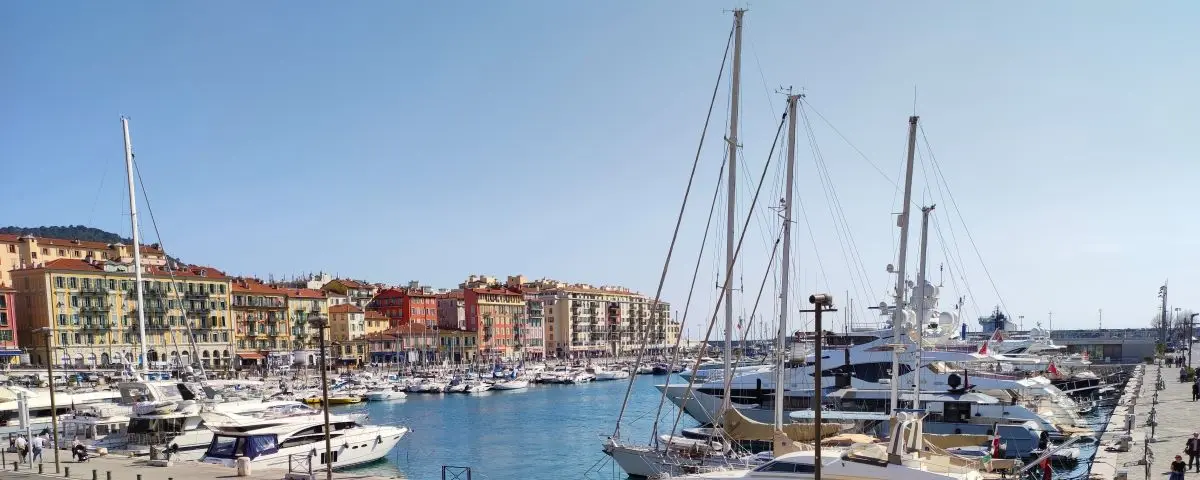
Choose Nice for variety, culture, local life and easy exploration without a car. Choose Cannes for sandy beaches, a compact resort atmosphere and a glamorous seaside break.
Nice usually suits first-time visitors better. It combines a large old town, important museums, a busy port, broad public spaces and a famous seafront. It feels like a genuine Mediterranean city that happens to have a beach, rather than a resort designed mainly for visitors.
Cannes is stronger when the beach is central to your trip. Its fine sand, elegant Croisette, old quarter and boat trips to the Lérins Islands form an attractive, easy-to-understand package.
As a French family and former France travel planners, we recommend Nice as the most versatile base, while Cannes wins for a slower and more polished coastal stay.
- Best overall choice for a first French Riviera trip: Nice, thanks to its sights, neighborhoods and day trips.
- Best choice for sandy beaches: Cannes, where long beach days feel more natural.
- Best for culture and local atmosphere: Nice, especially around Old Nice, Cimiez and the port.
- Best for glamour and couples: Cannes, with La Croisette, luxury hotels and evening walks by the bay.
- Best without a car: Nice, because its airport, trams and trains simplify the journey.
- Best plan when time allows: visit both, giving each city at least one full day.
Nice vs Cannes at a Glance
| Travel criterion | Nice | Cannes |
|---|---|---|
| Overall atmosphere | Energetic Mediterranean city | Elegant seaside resort |
| Beaches | Mostly pebbles | Fine sand |
| Old town | Large, colorful and lively | Small, steep and picturesque |
| Culture | Strong museums and heritage | More compact cultural offer |
| Nightlife | Broad and varied | Polished and upscale |
| Walkability | Central districts are walkable, but the city is large | Very easy around the center |
| Public transport | Excellent regional base | Good rail access |
| Best for | First visits, culture, active trips | Couples, beach time, luxury |
| Main drawback | Urban bustle and pebble beaches | Can feel image-conscious |
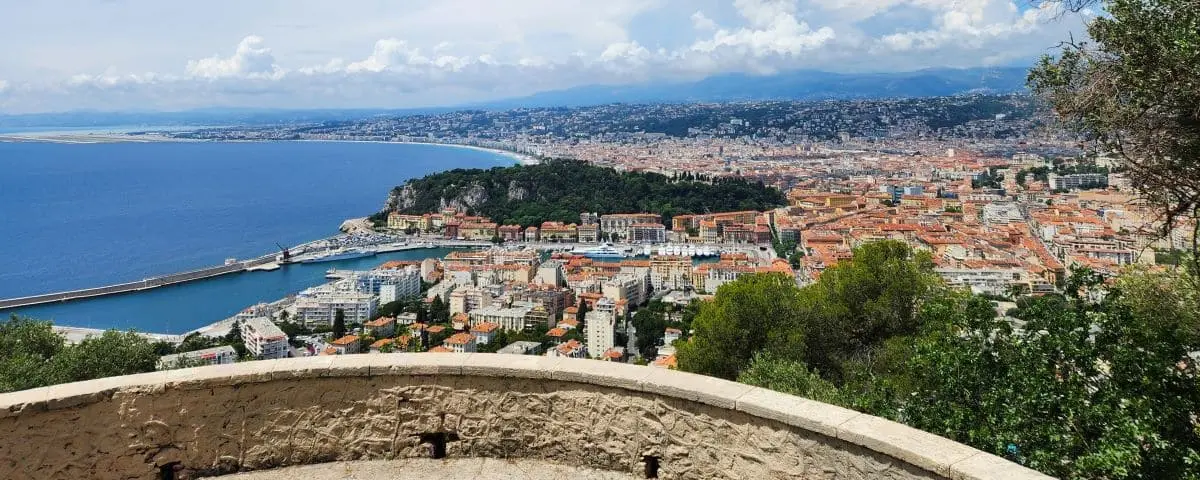
| Signature view | Baie des Anges from Castle Hill | Bay and islands from Le Suquet |
The basic Nice vs Cannes difference is scale. Nice keeps unfolding through squares, museums, hills and neighborhoods. Cannes is easier to grasp, with its main sights gathered around the station, old port, Le Suquet, Palais des Festivals and La Croisette.
That compactness is delightful for a relaxed weekend. During a longer stay, Nice provides more variety without requiring daily excursions. Our French Riviera travel guide explains how both cities fit into the region, while the French Riviera tourist map shows their position along the coast.
Atmosphere and Overall Travel Experience
What Is Nice Like for Visitors?
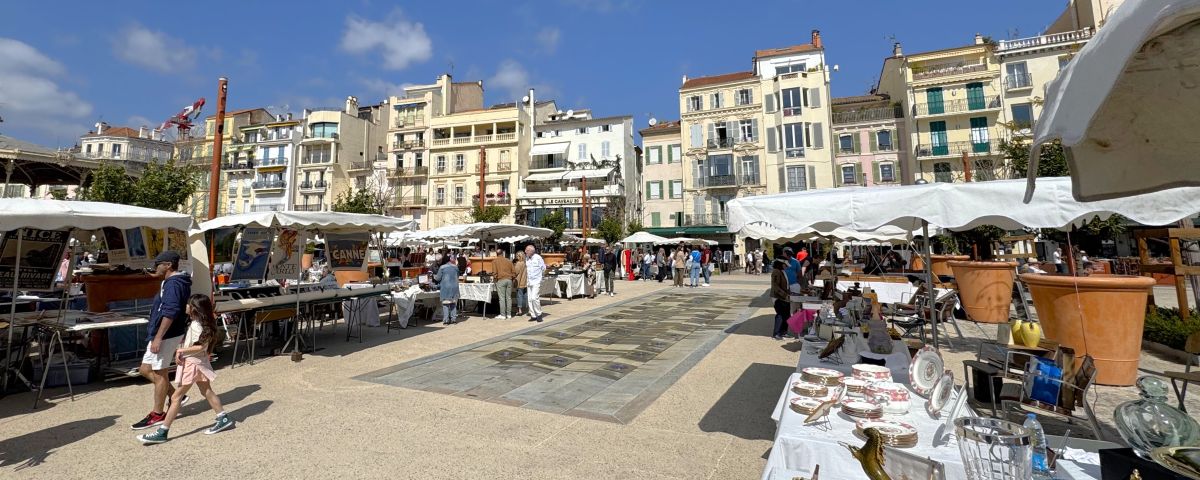
Nice is not shy. It spreads around the Baie des Anges, presses against the hills and mixes grand façades, palm trees, crowded lanes, traffic, markets and sea air in one cheerful jumble. Choose it when you want the French Riviera to feel lived in, not staged.
The city changes character within a few streets. The Promenade des Anglais is open and monumental. Old Nice is dense and shadowy, with ochre walls and green shutters. Around Place Masséna, the city becomes formal and spacious. Near Port Lympia, it relaxes again, with boats, terraces and a faint Italian flavor.
Retirees, students, families, travelers and early-morning swimmers share the same urban stage. Nice remains active beyond summer, so a spring, autumn or winter visit still feels complete.
Do not expect every corner to be pretty. Noise, busy roads and modern development belong to the picture. Yet those imperfections give Nice its texture. It’s a city of contrasts, balancing glamour and authenticity, tradition and modern energy.
What Is Cannes Like for Visitors?
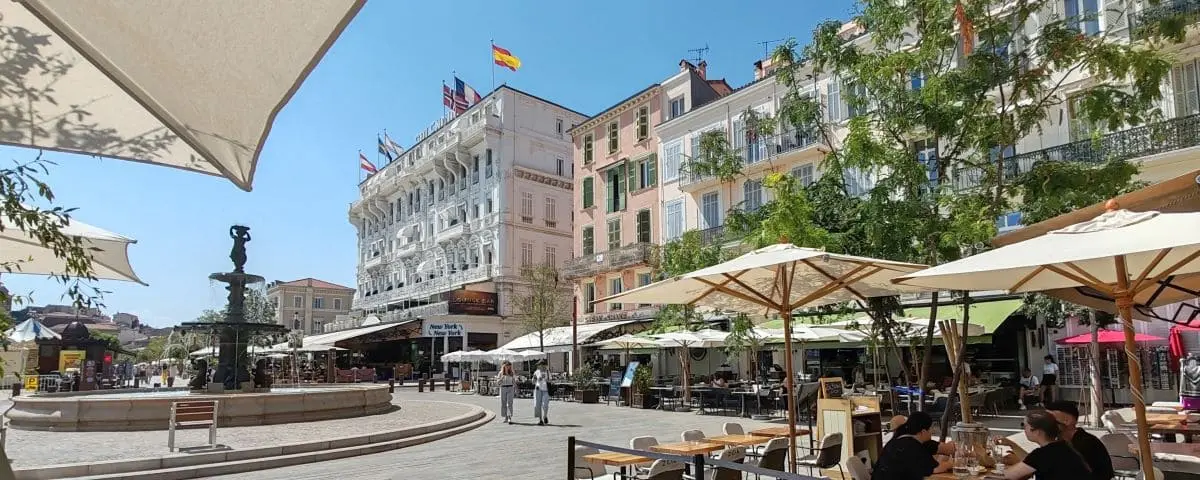
Cannes makes a more immediate entrance. The bay, old port, Palais des Festivals, luxury shops, beaches and palm-lined Croisette form a clear central scene. Cannes is easier to read, easier to walk and easier to enjoy slowly.
Its famous image is real. Yachts gleam in the harbor, palace hotels face the sea, and film-festival mythology lingers even when no stars are in town.
The cure is simple: climb to Le Suquet. Above the old port, narrow lanes, stone walls and modest houses recall the older fishing town beneath the international brand. Cannes becomes warmer and more convincing once you see both faces.
The Lérins Islands offer another escape, with pine shade, coves and quiet horizons just offshore. Cannes works best when you alternate elegance with simplicity, perhaps La Croisette in the evening and an island walk the next morning. It emphasizes this double identity, glamorous at first glance and more varied beyond the obvious show.
Beaches and Seafront
Nice: Pebble Beaches and the Promenade des Anglais
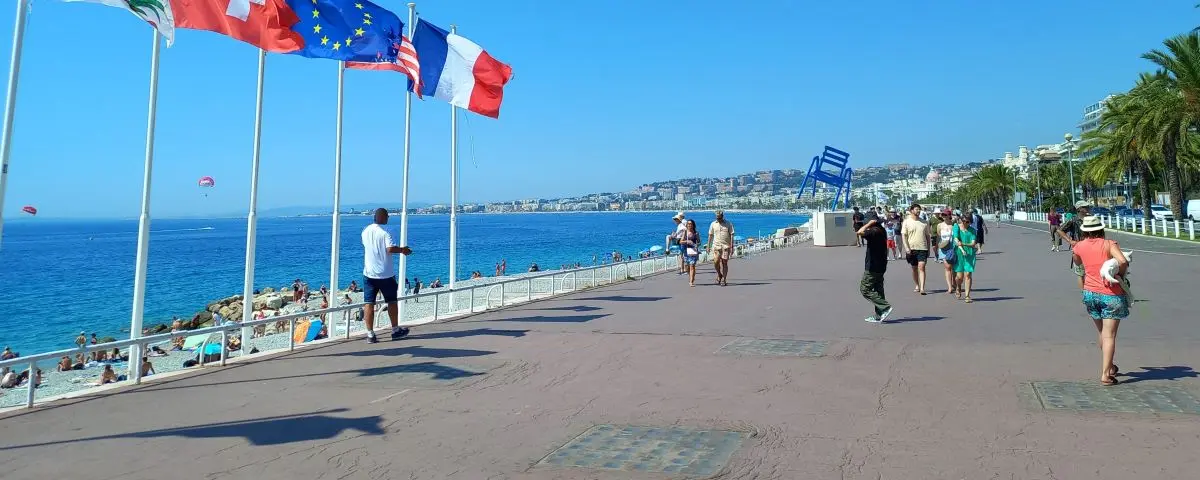
Nice has one of Europe’s most recognizable seafronts, but its beaches divide opinion. The water can be brilliantly blue, the bay is magnificent and the mountain-backed horizon adds drama. The shore, however, is covered with large pebbles rather than soft sand.
Choose Nice for the seafront experience, not for classic sandy-beach comfort. A mat and water shoes help, and entering the sea can be awkward when waves shift the stones. Families with very young children may prefer Cannes.
What Nice lacks in softness, it gains in spectacle. The Promenade des Anglais acts as a grand Mediterranean balcony, busy with cyclists, runners, walkers and people doing gloriously little. Its blue chairs invite you to watch the changing light over the Baie des Anges.
Public sections and private beach clubs alternate along the coast. The setting is urban rather than intimate, but you can leave a museum and reach the water within minutes. Explore the route in our guide to the best things to do in Nice and on the Nice tourist map.
Cannes: Sandy Beaches and La Croisette
Here Cannes lands a clean punch. When the Nice or Cannes choice depends mainly on the beach, Cannes usually wins. Its central shores have fine sand, gentler water access and a more conventional resort atmosphere.
La Croisette combines public stretches with private beach clubs, where loungers, parasols and restaurant tables continue the city’s polished style right to the water. The bay lies on one side, Belle Époque hotels on the other. It is glamorous, but also genuinely pleasant for a morning swim or sunset walk.
For a less ceremonial day, look west of Le Suquet toward the Boulevard du Midi or farther east around the bay. Cannes lets you choose between a simple towel-on-the-sand afternoon and full-service beach comfort.
Summer brings pressure on space, and private concessions occupy substantial sections of the shore. Arrive early or walk beyond the first inviting strip. Our Cannes things to do guide compares the main beaches, while the Cannes tourist map helps you locate them.
Things to Do, Culture and Sightseeing

What to See and Do in Nice
Nice has the deeper sightseeing bench. For museums, architecture, street life and several full days of exploration, Nice comes first. The city rewards both careful planning and wandering without a map.
Begin in Old Nice, where lanes twist between baroque churches, local shops and tall buildings painted in warm Mediterranean colors. Cours Saleya opens the quarter toward the sea, while Place Rossetti gathers café tables, voices and colorful façades beneath a church dome.
Then climb Castle Hill. The castle has disappeared, but the panorama remains. From the top, the curve of the Baie des Anges sweeps westward, while the old town, port and red roofs gather below. This view explains Nice in a single glance.
The cultural range continues in Cimiez and in museums associated with artists such as Matisse and Chagall. Add Belle Époque architecture, the Russian Orthodox cathedral, Place Garibaldi and Port Lympia, and the city feels almost inexhaustible.
Plan one or two anchors each day, then leave room for small discoveries: a piece of socca, an old doorway or a bench facing the sea.
What to See and Do in Cannes
Cannes has fewer major sights, but its best experiences fit together beautifully. It suits travelers who prefer one attractive, coherent day to a dense cultural marathon.
Start at the old port, where working boats and pleasure craft sit beneath Le Suquet. Climb through the old quarter slowly. Its streets are steep, its façades modest and its atmosphere far removed from La Croisette. At Place de la Castre, the view opens across the bay and Lérins Islands.
Back at sea level, the Palais des Festivals supplies the cinema mythology. The red-carpet steps look surprisingly ordinary in daylight, which is part of the fun. Continue along La Croisette for palms, hotels, beaches, gardens and excellent people-watching.
The finest excursion is the boat to the Lérins Islands. Sainte-Marguerite offers forest paths, coves and a historic fort, while Saint-Honorat has a quieter monastic character. The islands reveal the calm side of Cannes.
Cannes is also a useful gateway to Antibes, Grasse, Mougins and the Estérel. Our selection of the best things to do on the French Riviera and guide to French Riviera cities and towns place those outings in context.
Food, Nightlife and Evening Atmosphere
Nice for Local Food and a More Varied Night Out
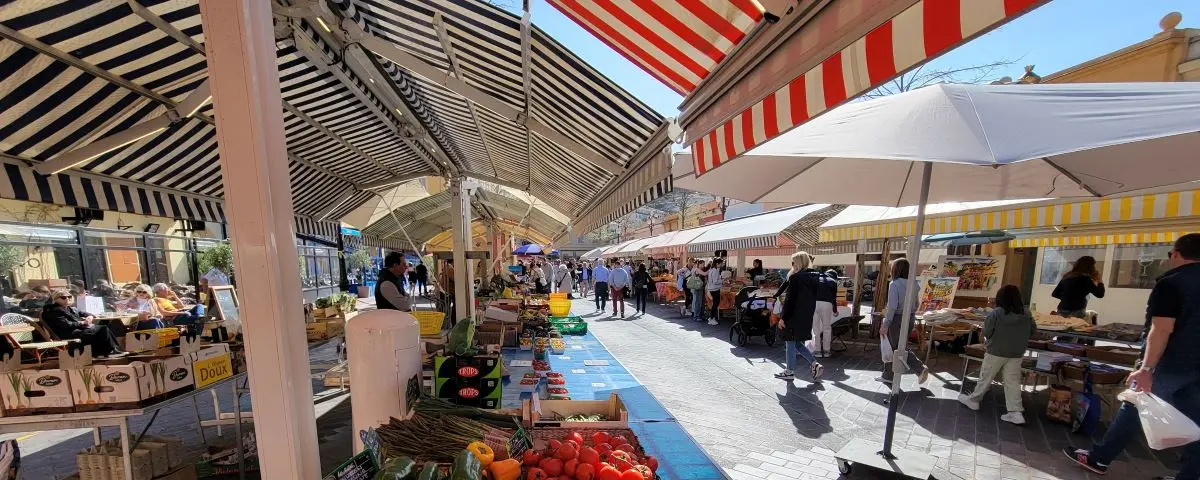
Nice has the stronger local food identity. Socca, pissaladière, pan bagnat and stuffed vegetables belong to the city rather than merely decorating tourist menus. Eating in Nice can become an introduction to local culture.
The choice is broad. You can grab something near a market, settle into a traditional old-town dining room, explore contemporary addresses around the port or choose a polished restaurant in the center. The city’s size allows different moods and levels of ceremony.
After dark, Old Nice becomes busy and sociable. The port offers a more mixed scene, while central districts provide cocktail bars, live music and late restaurants. Nice feels less uniformly glamorous than Cannes, but more spontaneous.
One of its finest evening rituals is also the simplest: walk the promenade after dinner, when the heat fades and the bay turns dark blue. Choose Nice for nightlife options without making nightlife the entire purpose of the trip.
Cannes for Glamorous Dining and Upscale Nightlife
Cannes dresses for dinner. Around La Croisette and the center, restaurants, hotel bars and terraces lean toward a refined international style. Choose Cannes when an elegant evening is part of the experience you want.
The city excels at polished settings. Begin with a drink facing the bay, continue to dinner near the seafront and finish with a walk past illuminated hotels and yachts. During major events, the atmosphere becomes more exclusive and energetic.
Cannes is not only champagne and velvet ropes. Le Suquet and the streets around the market feel more grounded, while the shore west of the port is less formal.
Nightlife is concentrated, so changing scene rarely requires a long journey. The range is narrower than in Nice, and the dominant tone is more upscale. Cannes is better for a romantic or celebratory night; Nice is better for choice.
Transport, Airport Access and Day Trips
Which City Is Easier to Reach and Explore Without a Car?
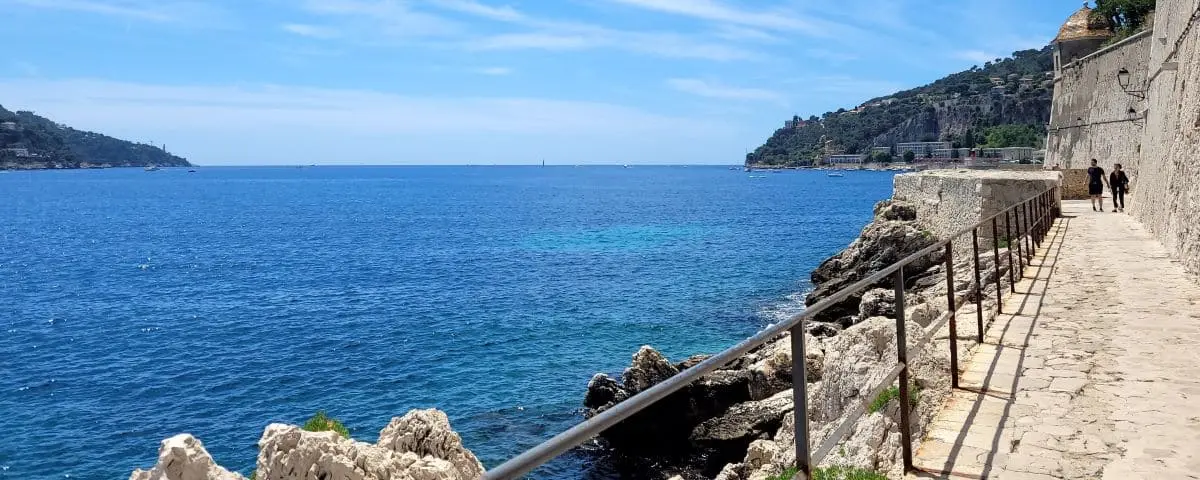
Nice is the easier destination without a car. Its airport sits beside the city, the tram serves central districts, and the railway station provides direct coastal connections. Buses and trams also link the old town, port, center and outer neighborhoods.
The main sightseeing areas are walkable, although Nice is large enough for distances to become noticeable. Public transport fills the gaps, allowing you to avoid parking searches and congested coastal roads.
Cannes is simpler once you arrive. The station, shopping streets, Palais des Festivals, old port, Le Suquet and Croisette lie within a compact zone. Central Cannes may feel easier than Nice because almost everything essential is walkable.
The difference lies in arrival and regional mobility. International travelers commonly pass through Nice before continuing to Cannes. Both cities work without a car, but Nice offers the more complete transport network.
Is Nice or Cannes a Better Base for the French Riviera?
For most travelers, Nice is the best base for exploring the French Riviera. It favors trips east toward Villefranche-sur-Mer, Saint-Jean-Cap-Ferrat, Èze, Monaco and Menton, while Antibes and Cannes remain straightforward train journeys west.
The range of nearby outings is exceptional. You can climb a hilltop village, walk beside a rocky cape, visit Monaco or continue toward the Italian-influenced streets of Menton. Back in Nice, the city still has enough energy for dinner and an evening walk.
Cannes is the better base for Antibes, Grasse, Mougins, Mandelieu, the Estérel and the Lérins Islands. Choose Cannes when your itinerary leans west and beach time matters as much as excursions.
Our rule is simple. For a first regional trip, stay in Nice. For a return visit focused on sand, islands and the western coast, stay in Cannes. Their rail connection means choosing one does not exclude the other.
Which City Is Best for Your Travel Style?
Best Choice for First-Time Visitors and Active Travelers
Nice is the stronger first-time choice. It presents several Riviera faces in one place: grand seafront, old Mediterranean quarter, museums, markets, hills and easy coastal excursions.
Active travelers gain variety. A day can combine an early swim, Castle Hill, a museum, the port and an evening in Old Nice. The next morning, a train can carry you toward Èze, Monaco, Menton, Antibes or Cannes without changing hotels.
This abundance makes Nice forgiving. Bad beach weather does not ruin the day, and a closed attraction does not collapse the itinerary. There is nearly always another worthwhile plan nearby.
Cannes suits active travelers who favor island walks, swimming and compact sightseeing. For a two-night weekend, that may be perfect. For four or five nights with few excursions, Nice usually holds attention better.
Best Choice for Couples and Luxury Travelers
Cannes has the romantic advantage for travelers drawn to elegance. Its sandy bay, palm-lined promenade and evening atmosphere create a naturally cinematic setting for couples. The city makes it easy to slow down and enjoy doing less.
A couple can spend the morning on the sand, lunch by the water, wander through Le Suquet and step out again for a polished evening. The holiday feels contained and deliberate.
Luxury travelers will find Cannes especially coherent. High-end hotels, private beaches, designer shops, yachts and refined dining belong to the city’s central identity rather than a separate enclave.
Nice can also be romantic, particularly around the port, Castle Hill and seafront at dusk. Its mood is more urban and mixed. Choose Cannes for a luxury bubble; choose Nice for romance with more cultural texture.
Best Choice for Families and Solo Travelers
Families face a split decision. Cannes has the easier beach, while Nice has the broader range of activities. Younger children may prefer Cannes because sand is simpler for playing and the water is easier to enter than on Nice’s pebbles.
Nice becomes more attractive with older children or teenagers. The old town, parks, viewpoints, museums, trams and day trips create variety, although parents should expect the pace of a large city.
For solo travelers, Nice generally wins. It offers more neighborhoods, casual dining, nightlife variety and everyday local life. You can be alone in Nice without feeling isolated, joining the city’s flow before retreating to a museum, hill or seafront bench.
Cannes suits solo travelers seeking calm, comfort and beach time, but its couple-oriented atmosphere may feel less spontaneous. For a longer independent trip, Nice provides more social and cultural freedom.
Can You Visit Nice and Cannes on the Same Trip?
Yes, and in many cases you should. Nice and Cannes differ enough to justify both, yet they are close enough to combine easily. Regular coastal trains connect them through a string of Mediterranean towns.
From Nice, take an early train to Cannes, walk to the old port, climb Le Suquet, continue along La Croisette and spend part of the afternoon on the beach. Add Sainte-Marguerite only when you are comfortable with a full day.
From Cannes, focus a Nice day trip on Old Nice, Cours Saleya, Castle Hill and the Promenade des Anglais. Add a museum only if you enjoy a brisk pace. Nice rewards lingering, so one day is an introduction rather than a complete visit.
Do not treat the cities as interchangeable. Their contrast is what makes the combined trip worthwhile. One shows the Riviera as a living Mediterranean city; the other presents it as an elegant seaside stage.
How Many Days Should You Spend in Each City?
For a first visit, allow three full days in Nice and one full day in Cannes. Nice then has room for its old town, seafront, viewpoints, museums and perhaps one nearby outing, while Cannes receives more than a hurried photo stop.
With five to seven nights, consider a split stay: three or four nights in Nice, followed by two in Cannes. You will experience the evening mood of both cities and can visit the Lérins Islands without rushing.
Culture-focused travelers may prefer four or five nights in Nice and a Cannes day trip. Beach-centered couples can reverse the balance. The right division follows your priorities: more Nice for variety, more Cannes for sand and slow coastal pleasure.
Wrap-up
- Pick Nice for a first trip, cultural depth, local food, nightlife variety and the strongest car-free regional base.
- Pick Cannes for sandy beaches, compact sightseeing, couples’ travel and polished Riviera glamour.
- Pick Nice when you want each day to feel different.
- Pick Cannes when you want the holiday to feel easy, elegant and centered on the sea.
- Visit both when you have at least four full days, because their contrast tells the Riviera’s story better than either city alone.