




Intro: Discover the Monaco Most Visitors Never See
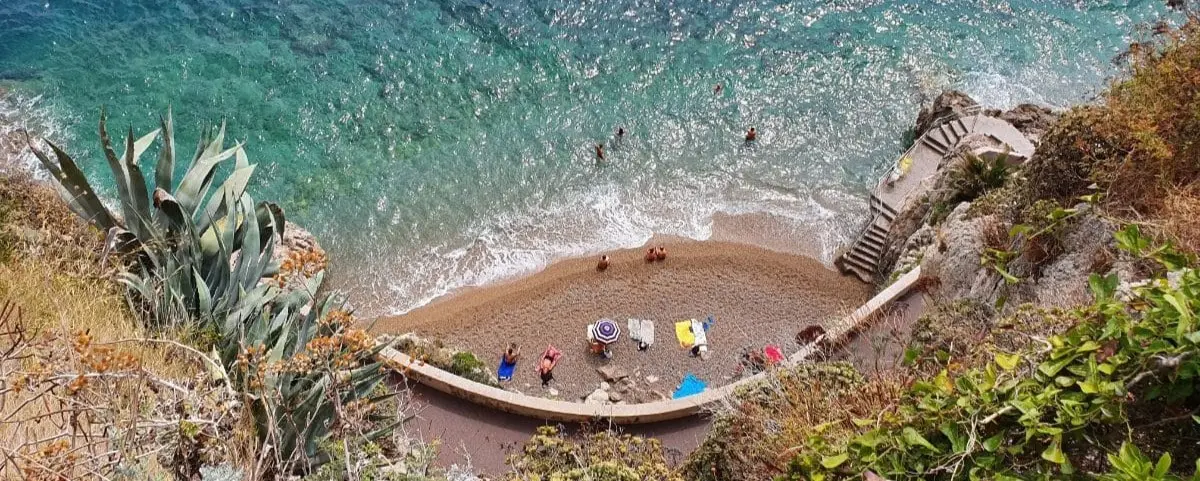
Monaco is famous for its Casino, royal palace, superyachts and Formula 1 circuit. All worth seeing, of course. But squeeze between the headline attractions and another Monaco appears: tiny chapels, curious museums, waterfront paths, quiet gardens and swimming spots that many visitors simply walk past.
That is the Monaco we are exploring here. We have selected 20 unusual things to do in Monaco for travelers who want to look beyond the standard checklist, whether you have a few extra hours or are returning to the Principality for a second visit.
The Best Unusual Things to Do in Monaco
- For coastal walks: try the Promenade Prince Jacques, Chemin des Pêcheurs, Jetée Lucciana and Digue de Fontvieille.
- For hidden heritage: step inside the Chapelle de la Visitation, Chapelle de la Miséricorde and Monaco’s lesser-known churches.
- For unusual museums: the Museum of Stamps and Coins and Museum of Prehistoric Anthropology are two of Monaco’s most unexpected collections.
- For contemporary art: Villa Sauber and Villa Paloma are far quieter alternatives to Monaco’s headline attractions.
- For a peaceful break: Parc Princesse Antoinette and the Princess Grace Rose Garden provide welcome pockets of greenery.
- For swimming somewhere different: seek out Crique des Pêcheurs or the wonderfully simple Solarium beside the Mediterranean.
- For something genuinely unexpected: the Princess Grace Irish Library and Stade Louis II show two very different sides of Monaco.
- Our advice: do not try to race through all 20. Choose a handful in the same area and combine them with the classic sights.
If you are still deciding how much time the Principality deserves, our guide to whether Monaco is worth visiting explains what type of traveler tends to enjoy it most.
Hidden Coastal Walks and Waterfront Spots in Monaco
Monaco may be one of the most densely built places in Europe, yet the Mediterranean is never far away. Walk beyond the marinas and glamorous terraces and you will find surprisingly quiet pedestrian routes, jetties and sea-facing corners where the Principality suddenly feels much less hectic.
1. Walk Along the Promenade Prince Jacques
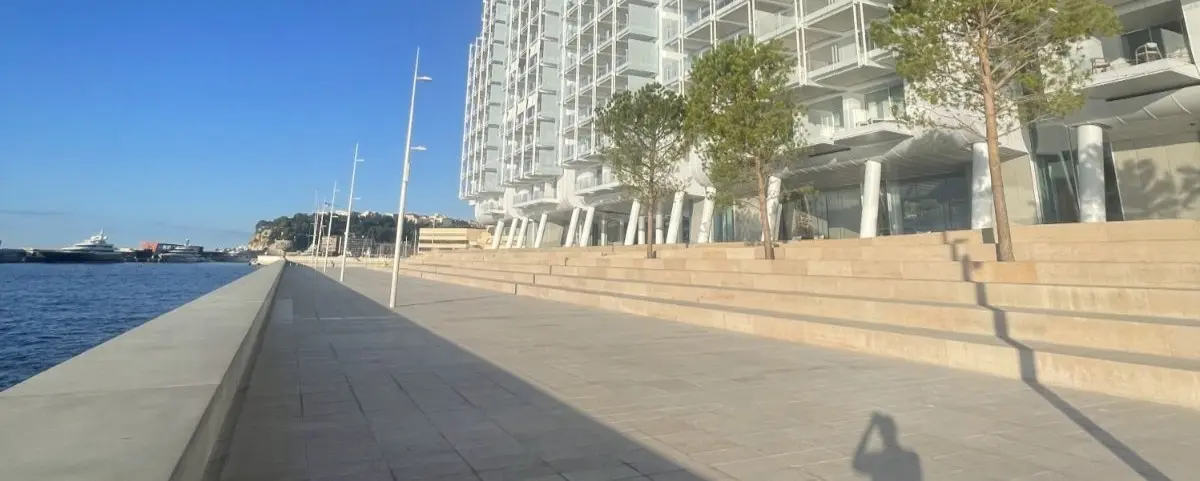
The Promenade Prince Jacques is exactly the sort of place that disappears from a first-time Monaco itinerary. There is no monumental palace waiting at the end, no famous casino façade and usually no tour group marching behind an umbrella.
That is precisely the appeal. This is a Monaco for walking rather than sightseeing, with open views, Mediterranean light and a much more relaxed atmosphere than around the Carré d’Or.
Take your time. The pleasure here comes from watching how the Principality meets the sea: apartment blocks stacked against steep slopes, landscaped spaces squeezed into improbable corners and the blue horizon constantly reappearing between buildings.
We like this kind of walk particularly in the morning or toward the end of the afternoon, when the light softens and Monaco becomes less of a succession of attractions and more of a place in which people actually live.
Come here when you want fresh air and views rather than another ticketed attraction.
2. Follow the Chemin des Pêcheurs Below the Rock
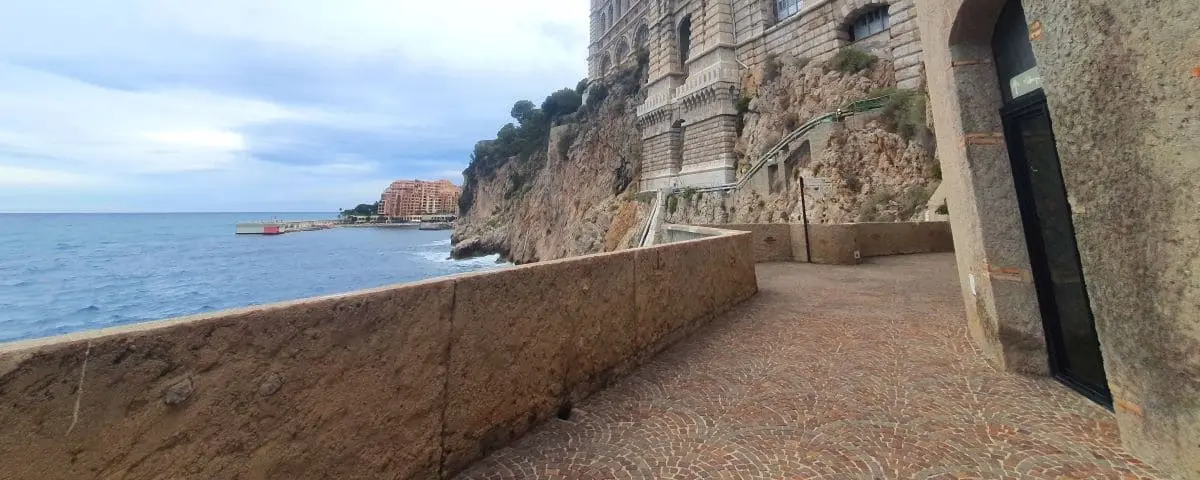
Monaco-Ville looks almost theatrical from above, with the Prince’s Palace, cathedral and narrow lanes sitting high on the Rock. The Chemin des Pêcheurs shows you a rougher edge of that same landscape.
The path runs beneath the monumental side of Monaco, where cliffs, fortifications and the Mediterranean replace polished squares and luxury boutiques. Look upward and the scale of the Rock suddenly makes much more sense.
This is one of those walks we recommend precisely because it changes your perspective. Monaco is so compact that visitors often assume every interesting route must lead directly from one attraction to another. Not here. The pleasure is in the transition itself.
Wear comfortable shoes and avoid treating the route as a shortcut to be rushed. There are inclines and stairs in this part of the Principality, but that vertical geography is part of Monaco’s character.
If the palace district feels too polished, the Chemin des Pêcheurs reveals its more rugged underside.
3. Walk Out onto Jetée Lucciana in Port Hercule
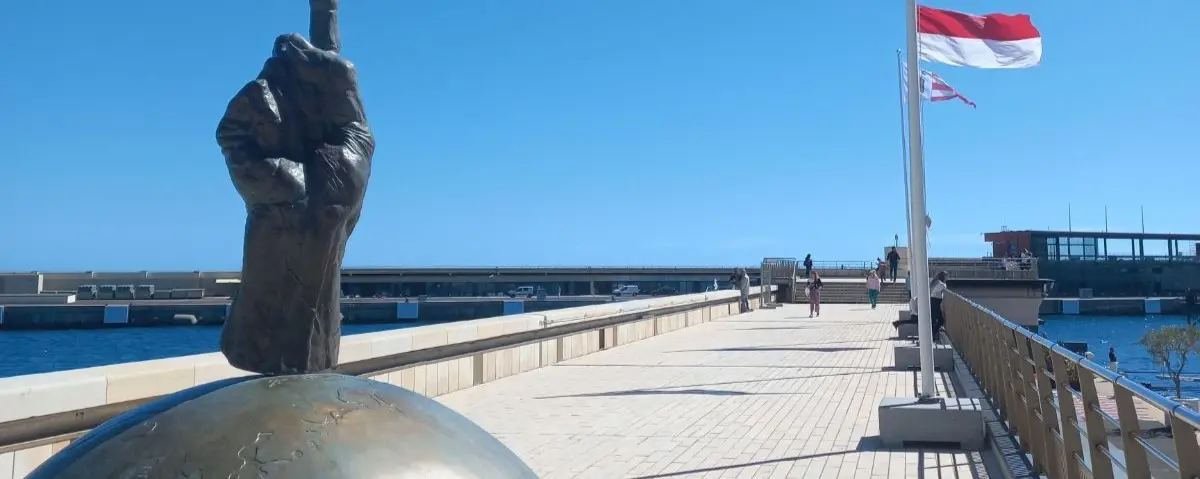
Port Hercule is hardly a secret. Its forest of masts, immaculate yachts and waterside buildings forms one of the classic images of Monaco.
Jetée Lucciana, however, offers a different way of experiencing it. Walk toward the edge of the harbor and the city begins to rearrange itself behind you. Instead of looking at the yachts from Monaco, you look back at Monaco from the water’s edge.
That simple reversal is what makes the jetty worthwhile.
From this side, you notice how tightly everything has been compressed between mountain and sea. Monte-Carlo rises on one side, the Rock dominates another and the harbor sits between them like an oversized Mediterranean drawing room.
It is particularly enjoyable when Port Hercule is calm and you have no schedule to keep. Access close to harbor infrastructure can occasionally vary, so respect any barriers or temporary restrictions you encounter.
The best reason to come is the perspective, not the jetty itself.
4. See Monaco-Ville from the Digue de Fontvieille
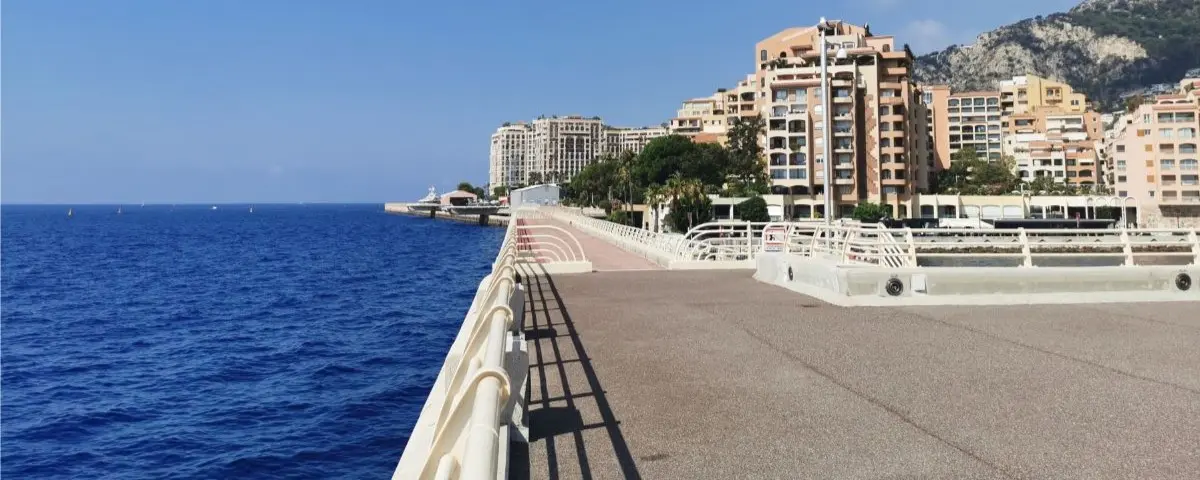
Fontvieille is one of Monaco’s great exercises in defying geography. Much of the district was built on land reclaimed from the sea, yet it feels surprisingly settled today, with gardens, apartments, a marina and the Louis II Stadium tucked beneath the cliffs.
Walk toward the Digue de Fontvieille and the urban backdrop gradually gives way to open water. The reward is a fine angle on the Rock and the Mediterranean coastline, particularly when the sun starts dropping westward.
This is not Monaco at its grandest. It is Monaco from the edge, which is exactly why we like it.
The breakwater also fits easily into a Fontvieille walk combining the rose garden, stadium and smaller museums. Rather than making a special cross-town trip simply to tick it off, use it as the natural end point of an afternoon in the district.
For orientation before you start linking these lesser-known corners together, our Monaco tourist map helps make sense of the Principality’s compact but surprisingly layered geography.
Visit the Digue for space, sea air and one more unusual angle on the Rock.
Lesser-Known Churches and Chapels in Monaco
Catholic heritage remains deeply woven into Monegasque history, but most visitors see only the cathedral in Monaco-Ville. Look a little further and small chapels and neighborhood churches reveal a quieter, older Principality, often only a few minutes from streets dominated by luxury shops and modern towers.
5. Step Inside the Chapelle de la Visitation
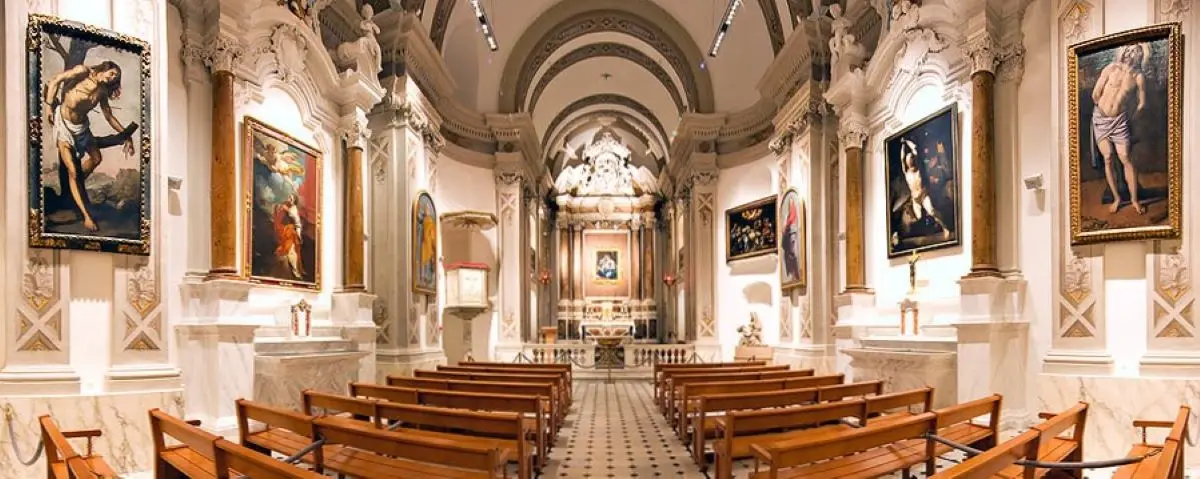
Hidden in Monaco-Ville, the Chapelle de la Visitation is easy to miss amid the better-known attractions of the Rock. Its modest scale is part of the charm.
This is not the place for architectural bombast. Instead, the chapel offers an intimate encounter with Monaco’s religious and artistic heritage, far removed from the crowds gathering outside the palace.
The building has historic monastic roots and has long been associated with sacred art. Even if you are not particularly interested in churches, it is worth slowing down here simply for the contrast with the busy lanes outside.
Monaco-Ville rewards precisely this sort of curiosity. Turn away from the obvious viewpoints, follow a side street and suddenly there is a small historic interior that many day-trippers never notice.
We would not plan an entire morning around it. Combine it with the Prince’s Palace, cathedral and the nearby old streets.
Allow a short visit, but do not skip it if you enjoy small heritage sites with atmosphere.
6. Discover the Chapelle de la Miséricorde
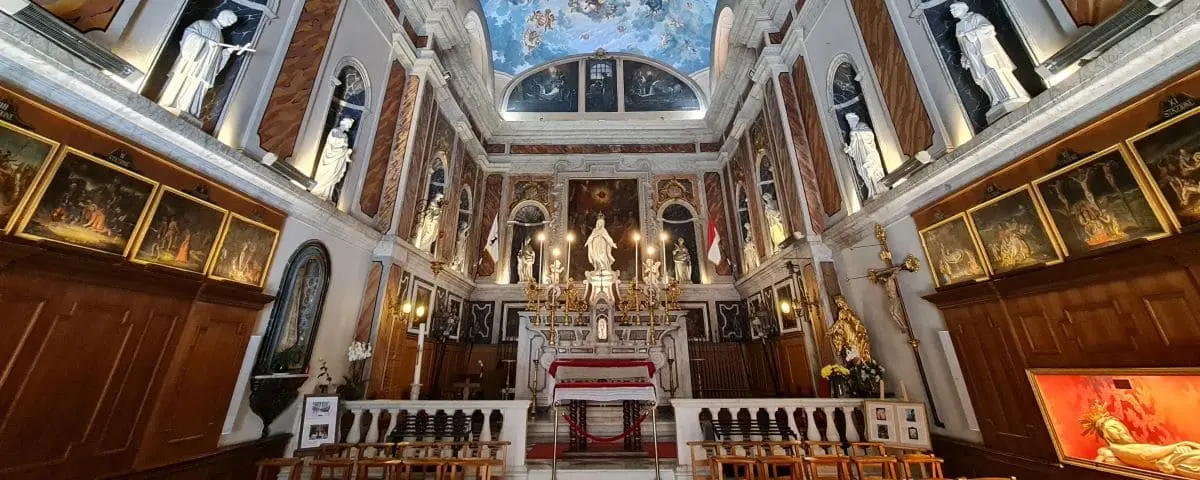
The Chapelle de la Miséricorde is another small Monaco-Ville site that proves size has very little to do with interest.
Its story is connected with the historic brotherhoods and religious traditions of the Principality, giving the chapel a sense of continuity that feels rather distant from Monaco’s modern image of casinos, racing cars and penthouses.
Inside, look for the details rather than expecting a grand spectacle. Decoration, devotional objects and the intimacy of the space matter more here than sheer architectural scale.
That makes it particularly suitable for travelers who like places carrying traces of local life. You may spend only a few minutes inside, yet those minutes add another layer to the Rock.
The chapel is also a useful reminder that Monaco-Ville was a functioning settlement long before it became one of the Riviera’s most photographed destinations.
This is one of the easiest hidden gems in Monaco to combine with the famous sights without adding much walking.
7. Visit the Église du Sacré-Cœur in Moneghetti
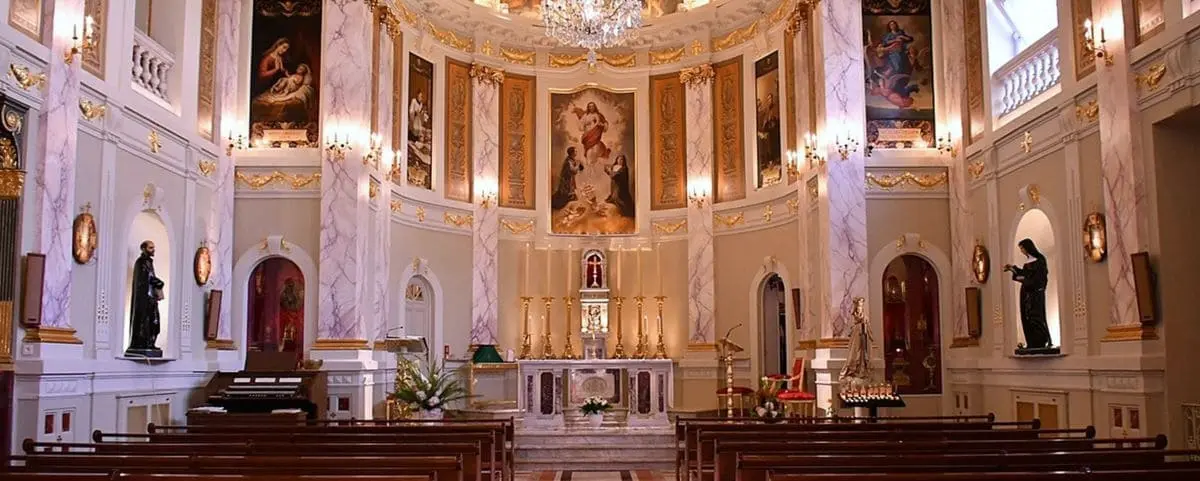
Moneghetti receives very little attention from first-time visitors. It has no Casino Square and no royal palace, which is exactly why walking through the district can be refreshing.
The Église du Sacré-Cœur belongs to this everyday Monaco. Come here less for a blockbuster monument than for a glimpse of neighborhood life away from the tourist circuit.
Its position also gives you an excuse to explore a part of the Principality where residential streets, steep slopes and practical city infrastructure dominate the scenery. Monaco begins to look like a real urban organism rather than a luxury resort.
That change of atmosphere is valuable if you have already visited the main landmarks.
We particularly recommend Sacré-Cœur to repeat visitors and travelers who enjoy churches as part of a broader neighborhood walk. If your time is limited to only a few hours, prioritize Sainte-Dévote or the chapels of Monaco-Ville instead.
Sacré-Cœur works best as part of an off-the-beaten-path walk through Moneghetti.
8. See Monaco’s Patron Saint at Sainte-Dévote
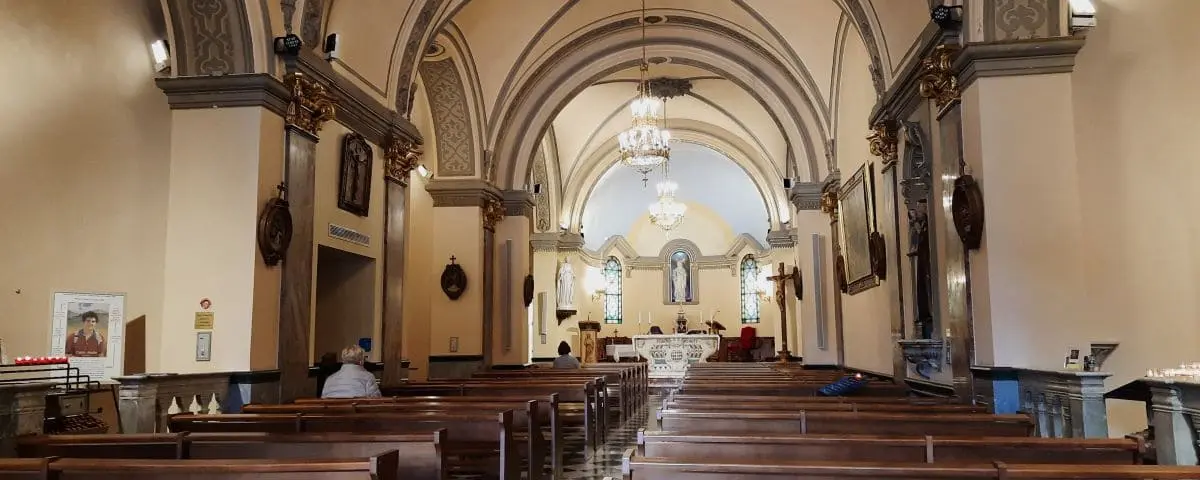
Sainte-Dévote is not completely unknown, but surprisingly few visitors stop properly when passing between the station, Port Hercule and Monte-Carlo.
That is a pity because this little church is tied directly to Monaco’s patron saint and one of the Principality’s most important traditions.
According to tradition, the young Christian martyr Devota was brought to this part of the coast, and devotion to her became deeply associated with Monaco. Each January, celebrations include the symbolic burning of a boat, recalling an episode in the saint’s story.
The building itself occupies a striking position beneath Monaco’s modern infrastructure. Roads, railway connections and steep urban slopes crowd around a small religious site carrying centuries of meaning.
It is this juxtaposition we find most memorable.
Sainte-Dévote is also extremely easy to incorporate into a walking day because it sits close to major routes through central Monaco.
If you visit only one lesser-known church in the Principality, Sainte-Dévote should be high on the list.
9. Discover the Église Saint-Charles Away from the Casino
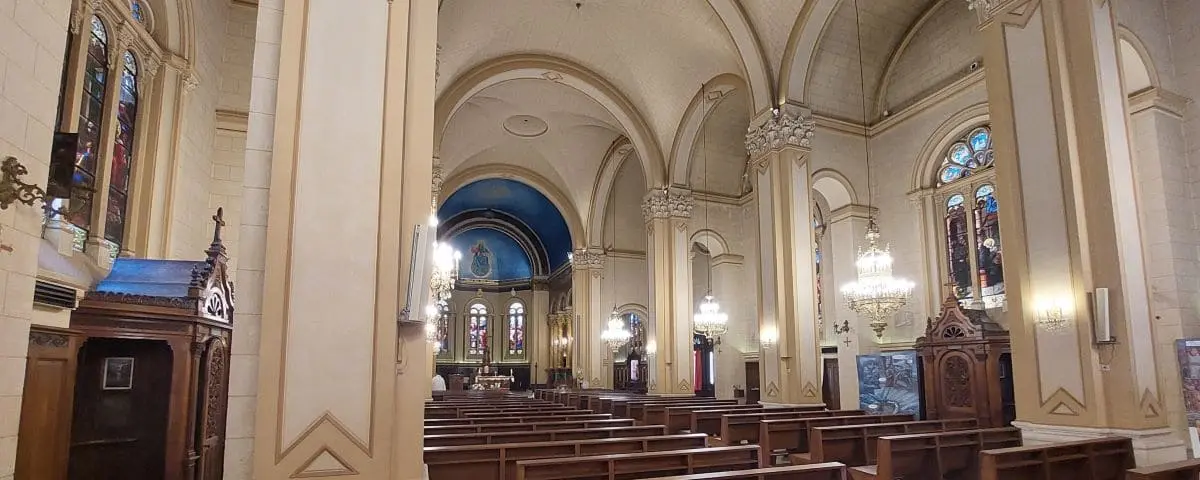
Walk north from Monaco’s glamorous center and the Église Saint-Charles offers a change of register. Monte-Carlo is still all around you, but the mood is decidedly different from Casino Square.
The church dates from the period when Monaco was expanding rapidly in the nineteenth century. Its architecture reflects the ambitions of that era, yet Saint-Charles feels like a neighborhood church rather than a tourist monument.
That is what makes the visit appealing.
Step inside, enjoy the relative calm and then continue exploring this upper part of Monte-Carlo on foot. The contrast can be striking: within a short distance you move from designer boutiques and luxury hotels to a functioning parish church.
Travelers often ask us whether there are non-touristy things to do in Monaco. Sometimes the answer is not a secret attraction at all. It is simply somewhere local residents still use for its original purpose.
Saint-Charles is worth the detour when you want to see Monte-Carlo beyond its luxury image.
Small Museums and Alternative Cultural Places in Monaco
Monaco’s Oceanographic Museum understandably gets most of the attention. But the Principality also maintains collections dedicated to stamps, coins, prehistory and contemporary art. These smaller cultural stops are excellent choices when you want something genuinely different or need an escape from summer heat.
10. Explore Monaco’s Museum of Stamps and Coins
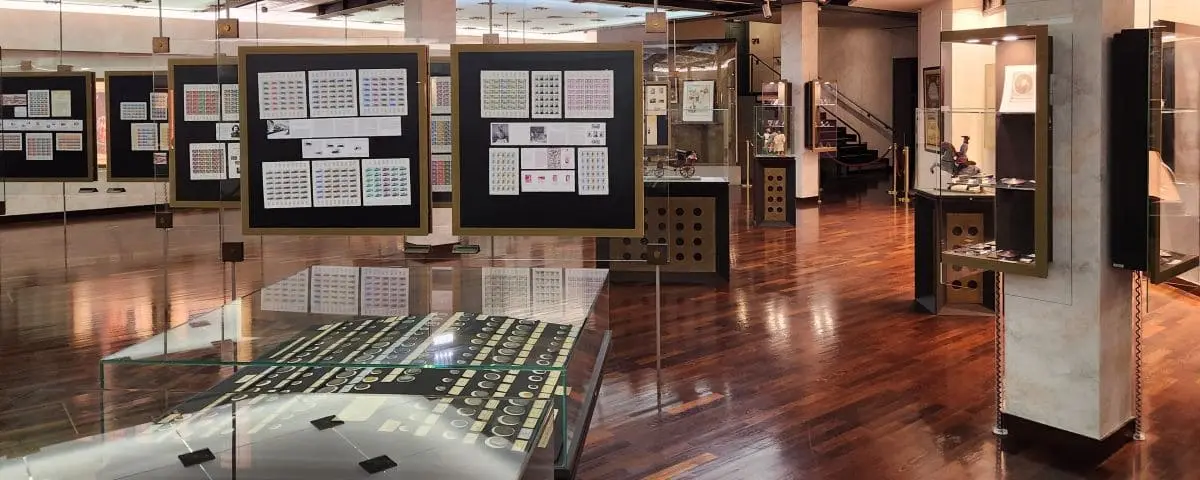
A museum devoted to stamps and coins does not sound like an obvious Riviera highlight. Good. That is precisely why it belongs on a list of unusual things to do in Monaco.
Monaco has issued its own stamps for generations, and philately here is closely connected with the history and identity of the Principality. The collection traces Monegasque postal history through stamps, designs and materials connected with their production.
There is also a numismatic side, with coins, banknotes and medals illustrating how Monaco has represented itself through money as well as postage.
You do not need to be a dedicated collector to enjoy the visit. Think of these objects as miniature pieces of political history and graphic design.
The museum is relatively compact, making it easy to combine with the rest of Fontvieille.
Our advice: visit for curiosity rather than completeness. An hour or less is enough for most travelers.
11. Go Back in Time at the Museum of Prehistoric Anthropology
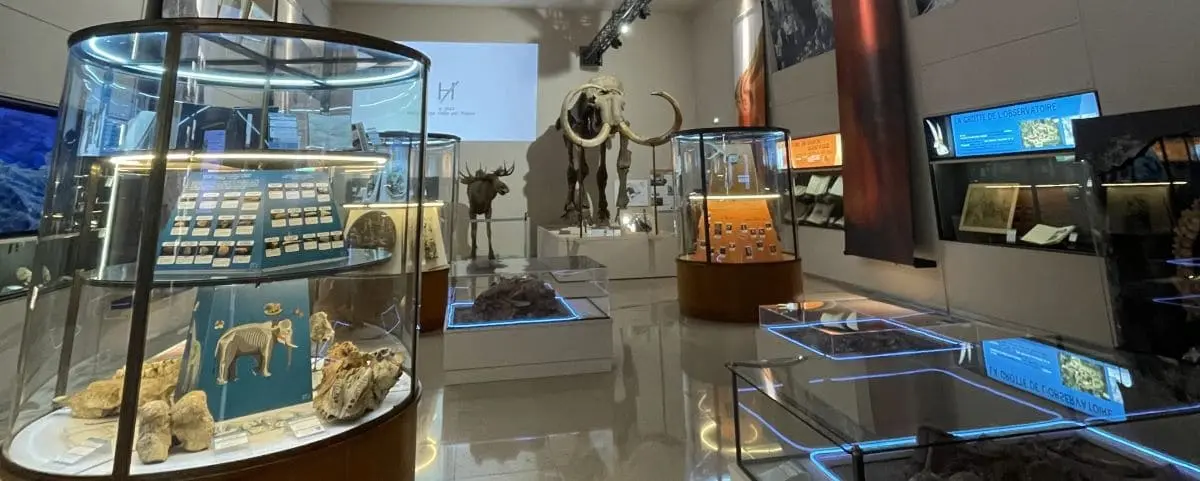
Few people arrive in Monaco expecting prehistoric bones. Yet high above the Mediterranean, the Museum of Prehistoric Anthropology takes the story of this corner of Europe back thousands of years before casinos and princes.
The collection includes archaeological material connected with prehistoric occupation of the region, including discoveries from caves around Monaco and the neighboring Riviera.
It is a fascinating change of scale. One minute you are looking across one of the world’s most intensely developed city-states; the next you are considering humans who lived in this landscape long before anything resembling Monaco existed.
That contrast gives the museum much of its charm.
It also works particularly well for families with curious older children or travelers interested in archaeology, geology and early human history.
Do not expect the sheer scale of a major national museum. This is a focused collection, and that is an advantage if you prefer smaller museums where an hour can feel satisfying.
For something completely different from glamorous Monte-Carlo, this is one of our favorite choices.
12. Check What’s On at the Grimaldi Forum
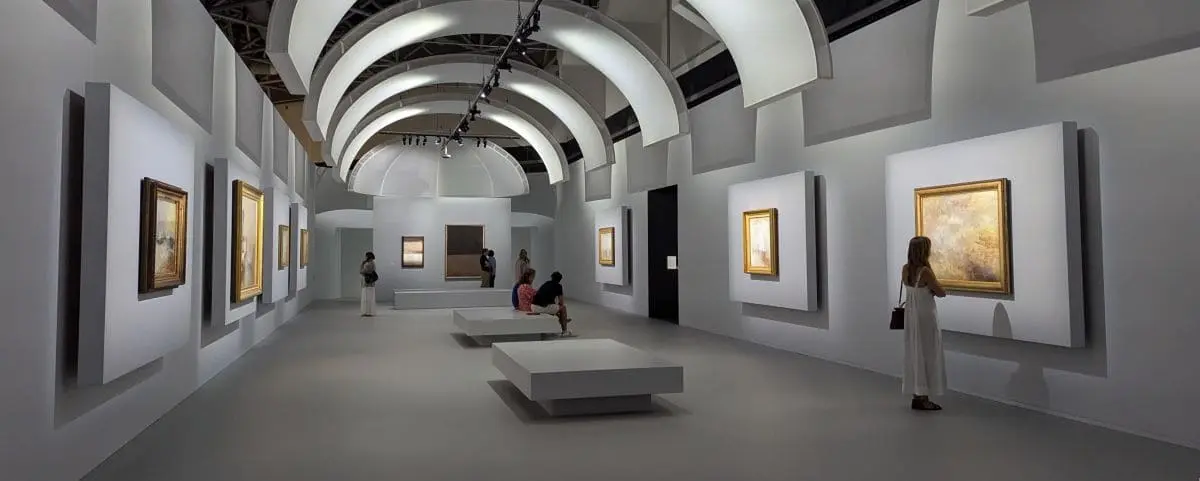
The Grimaldi Forum is hardly hidden physically. The modern glass and steel complex occupies a prominent position near the sea, yet many visitors simply walk past because they assume it is only a conference center.
That misses half the story.
The Grimaldi Forum regularly becomes one of Monaco’s most interesting cultural venues, hosting major temporary exhibitions, performances, concerts and events. What you find depends entirely on when you visit.
That element of surprise is the reason it belongs here. Instead of adding the building automatically to your sightseeing list, check the program before arriving. A strong temporary exhibition can easily become a highlight of the trip.
Architecturally, the venue also shows Monaco’s modern face, a useful counterpoint to Belle Époque Monte-Carlo and the old lanes of the Rock.
If you are comparing Riviera bases before your trip, our guides to Nice or Monaco and Cannes or Monaco explain how Monaco’s cultural offering differs from its larger neighbors.
At the Grimaldi Forum, the calendar matters more than the building itself.
13. See Contemporary Art Inside Villa Sauber
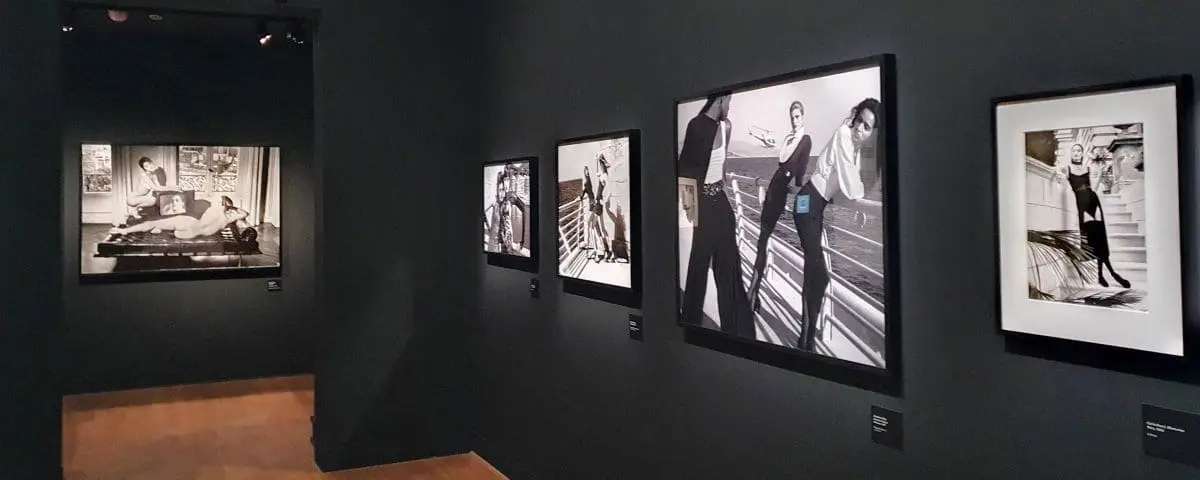
Villa Sauber looks almost delightfully out of place beside the modern city around it. Its elegant Belle Époque architecture immediately creates a different mood.
The villa forms part of the Nouveau Musée National de Monaco and hosts changing exhibitions. The combination of contemporary art and an old Riviera residence is often more memorable than either element would be on its own.
Do not arrive expecting a conventional museum with a fixed collection arranged chronologically from room to room. The experience depends on the current exhibition, so two visits can feel completely different.
We like Villa Sauber particularly for travelers who have already seen Monaco’s main monuments and want somewhere quieter, slower and more thoughtful.
It also pairs naturally with the Grimaldi Forum and the eastern side of Monaco, so there is no reason to cross the whole Principality solely for the villa.
Check what is showing before you go, then allow the architecture to be part of the visit.
14. Visit Villa Paloma and Its Panoramic Terrace
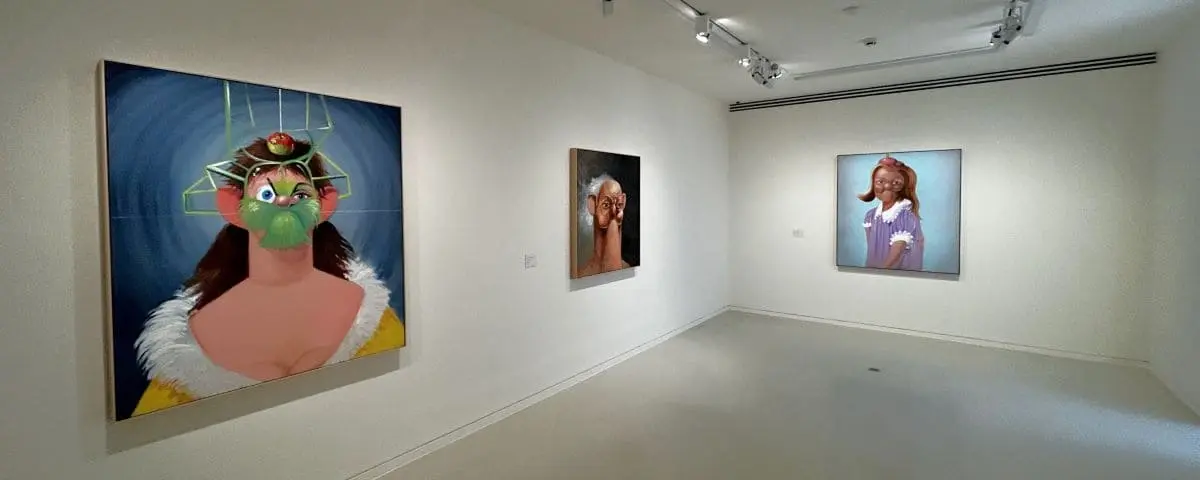
Villa Paloma sits on the opposite side of Monaco’s cultural geography from Villa Sauber, close to the heights of the Jardin Exotique district.
Another home of the Nouveau Musée National de Monaco, it combines contemporary exhibitions with one of those elevated settings that constantly reminds you how extraordinary Monaco’s geography is.
The villa itself has the slightly improbable elegance of an old Riviera residence surviving amid a city that has spent decades building upward and outward.
Inside, changing exhibitions provide the cultural reason to visit. Outside, the surroundings and views complete the experience.
Of the two villas, Paloma is particularly easy to appreciate as part of a broader exploration of Monaco’s upper western districts, perhaps combined with the Museum of Prehistoric Anthropology before dropping down toward Fontvieille.
The location does involve climbing if you ignore Monaco’s lifts and buses, so plan the route intelligently.
Villa Paloma offers art, architecture and views in one compact stop, without the crowds of Monaco’s headline museums.
Quiet Parks and Gardens Away from Monaco’s Main Sights
For such a densely developed place, Monaco is remarkably fond of gardens. These are not wilderness areas, of course, but carefully landscaped pockets where palms, roses, olive trees and Mediterranean planting soften the Principality’s concrete and stone.
15. Take a Break in Parc Princesse Antoinette
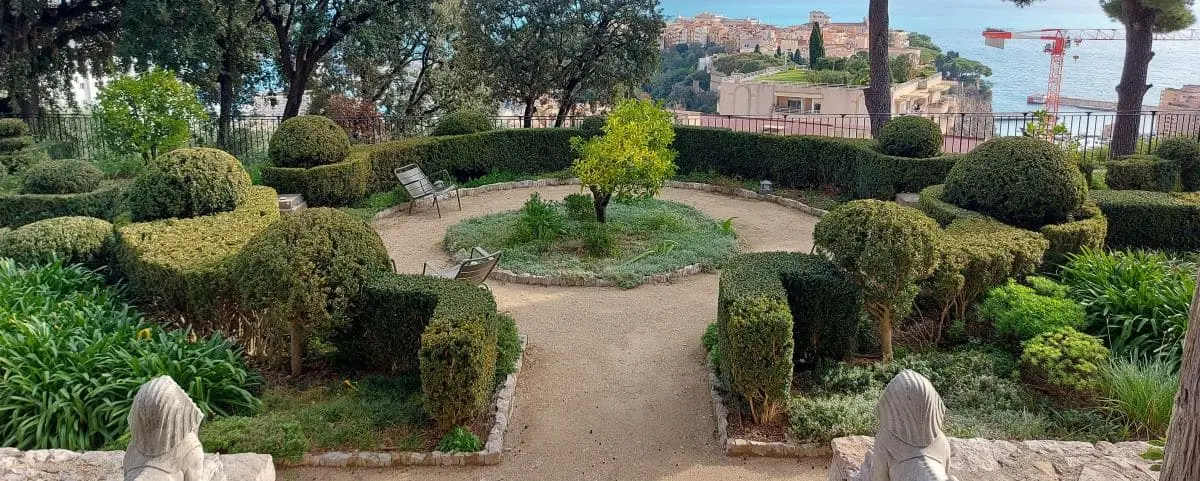
Parc Princesse Antoinette feels a long way from the postcard Monaco of casinos and supercars, even though the Principality is too small for anything to be very far away.
The park is built around old olive trees and has a relaxed, family-oriented atmosphere. This is somewhere to stop rather than somewhere to conquer, particularly if you are traveling with children or simply need a break from sightseeing.
There are places to sit, greenery, play areas and enough shade to make the park appealing on a warm day.
What we like most is the normality of it. Monaco has a reputation for displaying wealth at every turn, yet here the pleasures are wonderfully straightforward: trees, benches, families, a little space and a slower pace.
It also provides a useful pause if you are exploring the higher western side of the Principality.
Do not come expecting a formal botanical masterpiece. Come because this is one of Monaco’s most pleasant everyday green spaces.
16. Wander Through the Princess Grace Rose Garden
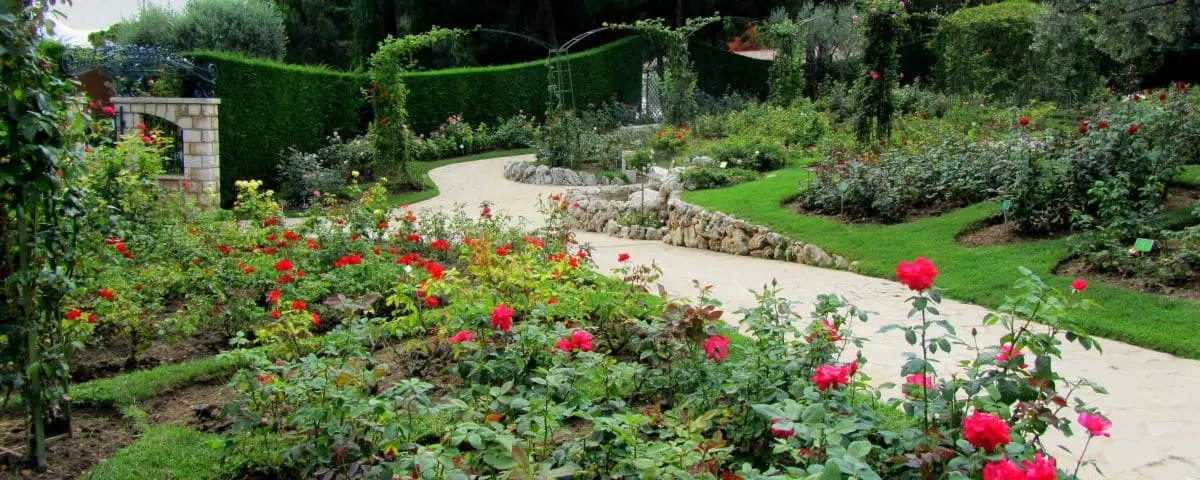
The Princess Grace Rose Garden brings a more romantic atmosphere to Fontvieille. Created in memory of Princess Grace, it forms part of a landscaped area that feels surprisingly peaceful given the density of Monaco around it.
As the name suggests, roses are the stars. Different varieties fill the beds, with sculptures and carefully designed pathways creating an elegant memorial garden.
Visit when the roses are in bloom and the garden becomes one of the prettiest quiet places in Monaco. Outside peak flowering periods, the atmosphere remains pleasant, but the experience is naturally less dramatic.
We often recommend the garden because it combines so easily with other unusual attractions nearby. The Museum of Stamps and Coins, Stade Louis II and Fontvieille waterfront are all logical companions.
This is also an excellent example of why walking Monaco by district works better than zigzagging between attractions.
Allow yourself time to sit. The garden is most enjoyable when treated as a pause, not another item to tick off.
Hidden Places to Swim and Relax by the Sea
Larvotto is Monaco’s obvious beach, but it is not the only place where the Principality meets the water. Two much smaller spots provide a more unusual Mediterranean experience, with fewer of the trappings associated with a classic Riviera beach day.
17. Find the Tiny Crique des Pêcheurs Below Monaco-Ville
Crique des Pêcheurs feels almost rebellious in a place as controlled and manicured as Monaco.
Tucked beneath the Rock near the Oceanographic Museum, this tiny strip at the foot of the cliffs is about as far from a broad sandy resort beach as you can imagine.
The setting is the attraction: rock above, Mediterranean ahead and monumental Monaco somewhere overhead.
Conditions matter here. Space is limited, the sea can be lively and access may not always suit everyone. This is not where we would send a family looking for an easy all-day beach with every facility at hand.
Instead, think of it as a curious coastal corner to discover while walking around Monaco-Ville.
On a calm day, when access is suitable, it can feel wonderfully removed from the streets above. When conditions look unfriendly, admire rather than insist.
Crique des Pêcheurs is for adventurous curiosity, not conventional beach comfort.
18. Swim Like a Local at Monaco’s Solarium
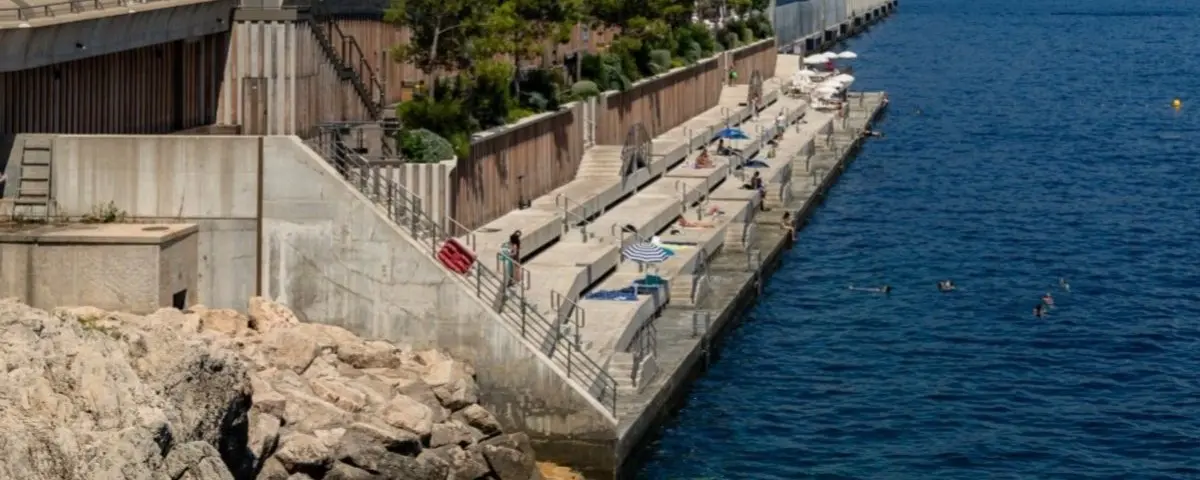
No sand? No problem.
Monaco’s Solarium is essentially a straightforward place to sit beside the Mediterranean and get into the water, without pretending to be a glamorous private beach.
That simplicity is exactly what we like about it. You exchange umbrellas and rows of loungers for concrete, open sea and a more local style of swimming.
The spot works best in suitable weather and calm sea conditions. As always along rocky Mediterranean waterfronts, pay attention to access, waves and any local restrictions.
For travelers accustomed to classic beaches, the idea of sunbathing on a purpose-built platform may sound odd. Spend a summer afternoon on the Riviera, however, and it quickly makes perfect sense.
It is also a good antidote to the idea that every enjoyable activity in Monaco comes with a luxury price tag.
Bring what you need, keep things simple and enjoy Monaco’s relationship with the sea without the ceremony.
Two Unexpected Places for Literature and Sport
Our final pair could hardly be more different. One celebrates Princess Grace’s connections with Ireland and literature; the other is a huge sports complex squeezed into Fontvieille. Both reveal sides of Monaco that disappear completely from the usual casino-and-palace itinerary.
19. Discover the Princess Grace Irish Library
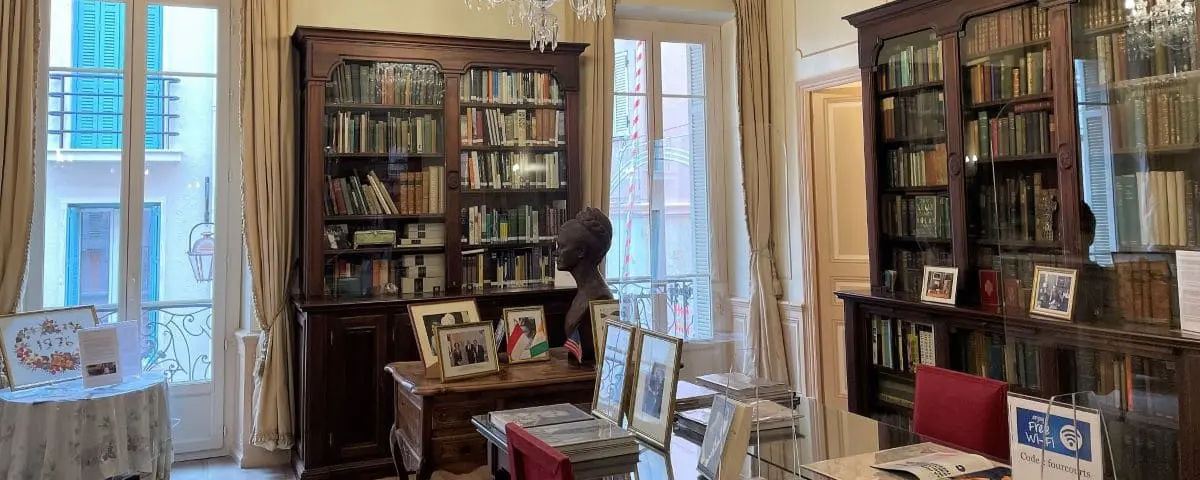
An Irish library in Monaco is precisely the sort of unexpected detail that makes travel interesting.
The Princess Grace Irish Library was created in memory of Princess Grace, whose family had Irish roots and whose connection with Irish culture remained important throughout her life.
Its collections bring together Irish literature, books and cultural material in an intimate setting. This is less a conventional tourist attraction than a specialized cultural institution, which is why visitors interested in literature often find it particularly rewarding.
Do not expect crowds or a flashy multimedia experience. The attraction lies in the specificity of the place and the story behind it.
The library also adds another dimension to Monaco’s fascination with Princess Grace. Instead of focusing only on the Hollywood star who became a princess, you encounter her through family heritage, reading and cultural interests.
For book lovers and anyone interested in Grace Kelly beyond the familiar photographs, this is a genuinely unusual Monaco stop.
20. Go Behind the Scenes at Stade Louis II

You cannot miss Stade Louis II once you start exploring Fontvieille, although at first glance you may wonder exactly where the stadium ends and the surrounding city begins.
That is part of its architectural curiosity. Inaugurated in the 1980s, the complex was designed for Monaco’s exceptionally restricted geography, incorporating far more than a simple football pitch.
It is best known as the home of AS Monaco, but the site also accommodates athletics and other sporting facilities. Few football stadiums feel so thoroughly integrated into the fabric of a tiny city-state.
When tours or public access are available, they offer the chance to understand the scale of the complex from inside. Even without a tour, sports fans will want to include the exterior on a Fontvieille walk.
The setting is wonderfully Monaco: major sporting infrastructure, apartment buildings, sea and cliffs all compressed into a remarkably small area.
For football fans, this is the clear sporting highlight among Monaco’s lesser-known attractions.
How to Explore Monaco Off the Beaten Path
Monaco looks tiny on a map, and geographically it is. That can be misleading. The challenge is not distance but height. Streets climb, tunnels disappear through the rock and different levels of the city can sit almost directly above one another.
Planning intelligently makes these unusual places far more enjoyable.
Combine the Sights by Neighborhood
The biggest mistake is crossing Monaco repeatedly because two attractions look close on a flat map.
Instead, group them.
In Monaco-Ville, combine the Chapelle de la Visitation, Chapelle de la Miséricorde, Chemin des Pêcheurs and Crique des Pêcheurs with the classic palace and cathedral sights.
Around Monte-Carlo and the eastern waterfront, Saint-Charles, Villa Sauber and the Grimaldi Forum fit together naturally.
In Fontvieille, group the Princess Grace Rose Garden, Museum of Stamps and Coins, Stade Louis II and Digue de Fontvieille.
The western heights can combine Villa Paloma, the Museum of Prehistoric Anthropology and Parc Princesse Antoinette.
For a visual overview of the central districts, use our Monaco city tourist map. If your day is centered more specifically around Monte-Carlo, our Monaco Monte-Carlo tourist map gives you a more focused reference.
Group by area first, then decide how many stops you genuinely want to visit.
Allow Enough Time for Monaco’s Hills and Elevators
Distances that look laughably short can involve a serious climb.
Fortunately, Monaco has public elevators, escalators and pedestrian passages that make moving between levels much easier. Learning to use them is one of the great secrets of an enjoyable day here.
Do not assume the shortest-looking street on a map is the easiest route. Sometimes walking a little farther to an elevator saves considerable effort.
Comfortable shoes remain essential, particularly if you intend to explore Chemin des Pêcheurs, Monaco-Ville and the upper districts during the same day.
If this is your first visit and you still want to cover the essential attractions alongside a few hidden gems, follow our Monaco one-day itinerary as the backbone of your day, then add one or two unusual places nearby rather than attempting all 20.
Check Opening Hours Before Visiting Museums and Cultural Sites
Walks, viewpoints and gardens give you flexibility. Museums, villas, libraries and churches do not always do the same.
Temporary exhibitions change, religious buildings may close around services and specialized institutions can have more restricted hours than major tourist attractions.
Check current access shortly before your visit, especially for Villa Sauber, Villa Paloma, the Princess Grace Irish Library and any stadium tour.
This matters even more outside the main summer season.
We also suggest leaving some unstructured time. Monaco’s lesser-known side is best experienced when you can follow an interesting staircase, stop at an unexpected viewpoint or linger beside the harbor without worrying about the next reservation.
FAQ About Unusual Things to Do in Monaco
What Are the Most Unusual Things to Do in Monaco?
For a first exploration beyond the famous sights, we would prioritize Chemin des Pêcheurs, the Museum of Prehistoric Anthropology, Villa Paloma, the Princess Grace Irish Library and Monaco’s Solarium.
Together they cover several completely different sides of the Principality: coastal scenery, archaeology, contemporary art, literature and local Mediterranean life.
If you prefer history, replace the Solarium with Sainte-Dévote or the Chapelle de la Visitation.
What Are the Best Hidden Gems in Monaco?
The definition of a hidden gem is relative in a country this small, but Crique des Pêcheurs, Parc Princesse Antoinette, the Chapelle de la Miséricorde and the Digue de Fontvieille are far less prominent on typical first-visit itineraries.
The best hidden gems are not necessarily invisible. They are simply places overshadowed by much more famous neighbors.
Are There Non-Touristy Things to Do in Monaco?
Yes. Head away from Casino Square and the busiest section of Monaco-Ville.
Neighborhood churches, local parks, waterfront walks and simple swimming spots provide a much less tourist-oriented experience. Moneghetti and parts of Fontvieille are especially useful if you want to understand how Monaco functions beyond its luxury image.
That said, Monaco is exceptionally compact, so nowhere is truly remote from the visitor circuit.
What Unusual Things Can You Do in Monaco for Free?
Many of the best options cost nothing.
Walk the Chemin des Pêcheurs, explore the waterfront, visit public gardens, see Sainte-Dévote, discover Monaco’s smaller churches or relax beside the sea.
Free places are particularly useful if you want to balance Monaco’s expensive reputation with a more economical day.
Museums and exhibitions can have admission charges, so check current conditions before visiting.
Can You See Monaco’s Hidden Gems in One Day?
You can see several, but trying to cover all 20 would turn the day into a race.
For one day, combine Monaco’s essential sights with three to five unusual places located along the same route.
A returning visitor could devote an entire day to the lesser-known locations and skip the palace, casino and Oceanographic Museum altogether.
If Monaco is only one stop on a wider Riviera trip, you may also want to compare it with Monaco or Saint-Tropez or explore our selection of the best day trips from Monaco before deciding how many days to base yourself here.
Wrap-Up: Monaco Is More Interesting Beyond the Checklist
- For the strongest first impression: mix the famous Monaco sights with two or three lesser-known places rather than avoiding the classics completely.
- For coastal atmosphere: prioritize Chemin des Pêcheurs, Jetée Lucciana, Digue de Fontvieille, Crique des Pêcheurs and the Solarium.
- For culture: choose Villa Sauber, Villa Paloma, the Museum of Prehistoric Anthropology and the Princess Grace Irish Library.
- For local heritage: Sainte-Dévote and Monaco-Ville’s small chapels reveal a much older side of the Principality.
- For a slower day: build your route around Fontvieille’s gardens, waterfront and smaller museums.
- Most importantly, look beyond the obvious. Monaco becomes considerably more interesting once the Casino, palace and superyachts stop being the entire story.