




Menton sits at the eastern edge of the French Riviera, where pastel facades climb above the Mediterranean and France takes on a distinctly Italian accent. Smaller and quieter than Nice, less polished than Monaco, it has a charm of its own.
So, is Menton worth visiting? Yes, especially if you enjoy colorful old towns, gardens, sea views, local character, and a slower Riviera atmosphere. It works beautifully as a day trip, but staying overnight reveals a gentler side of the town once many day-trippers have left.
Here are the reasons we think Menton deserves a place on a French Riviera itinerary, plus the drawbacks you should know before deciding how long to stay.
Is Menton Worth Visiting? The Quick Answer
- Yes, Menton is absolutely worth visiting for its Old Town, Mediterranean setting, gardens, lemon culture, and Franco-Italian atmosphere.
- Menton is particularly good for travelers who prefer charm and scenery to nightlife, luxury shopping, or big-city energy.
- One full day is enough to see the main highlights, including the Old Town, Saint-Michel, the seafront, and at least one garden or cultural stop.
- Two days are better if you want to enjoy Menton slowly, spend time on the beach, visit several gardens, and experience the town in the evening.
- The main drawbacks are summer crowds, steep streets in the historic center, and a quieter nightlife scene than Nice or Cannes.
- You do not need a car to visit Menton. The center is walkable and the town is easy to include in a rail-based French Riviera trip.
10 Reasons Menton Is Worth Visiting
1. Menton Has One of the Most Beautiful Old Towns on the French Riviera
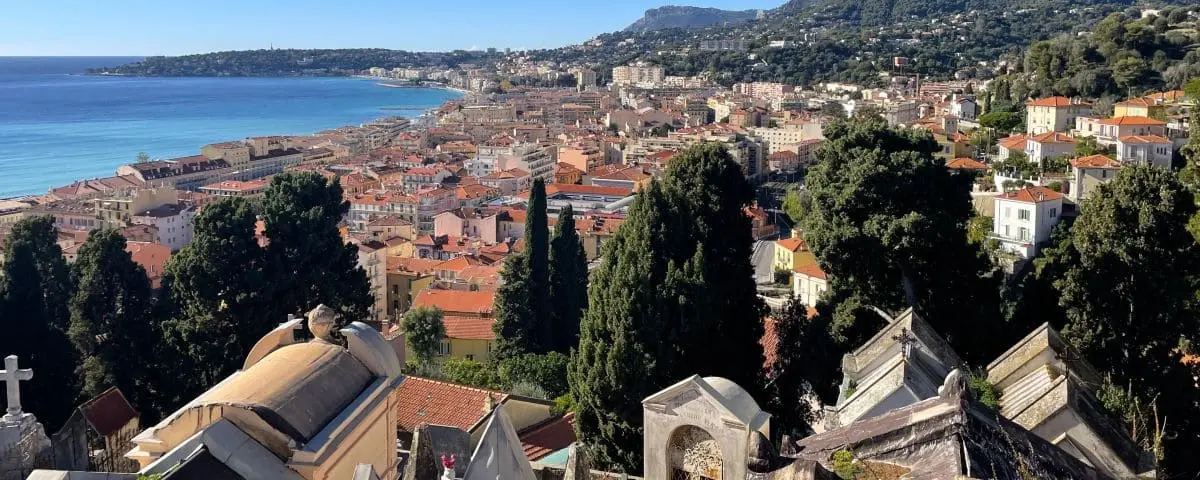
The first reason to visit Menton is the simplest: its Old Town is exceptionally photogenic, but it is more than a pretty backdrop. Tall houses painted ochre, peach, yellow, and dusty pink rise one above another between the sea and the hills, creating a townscape that feels closer to Liguria than to the grand boulevards of Nice.
Walk uphill without trying to follow the most efficient route. Narrow lanes turn into stairways, vaulted passages open onto little squares, and laundry, shutters, plants, and faded facades add everyday life to the historic setting. Menton is at its best when you allow yourself to get slightly lost.
The climb eventually leads toward the Basilique Saint-Michel-Archange and the monumental steps below it. From here, the tiled roofs and Mediterranean seem to stack on top of each other. If you only have a few hours in Menton, the Old Town should be your priority.
For a more detailed sightseeing plan, see our guide to the best things to do in Menton.
2. Its Mediterranean Seafront and Beaches Invite You to Slow Down
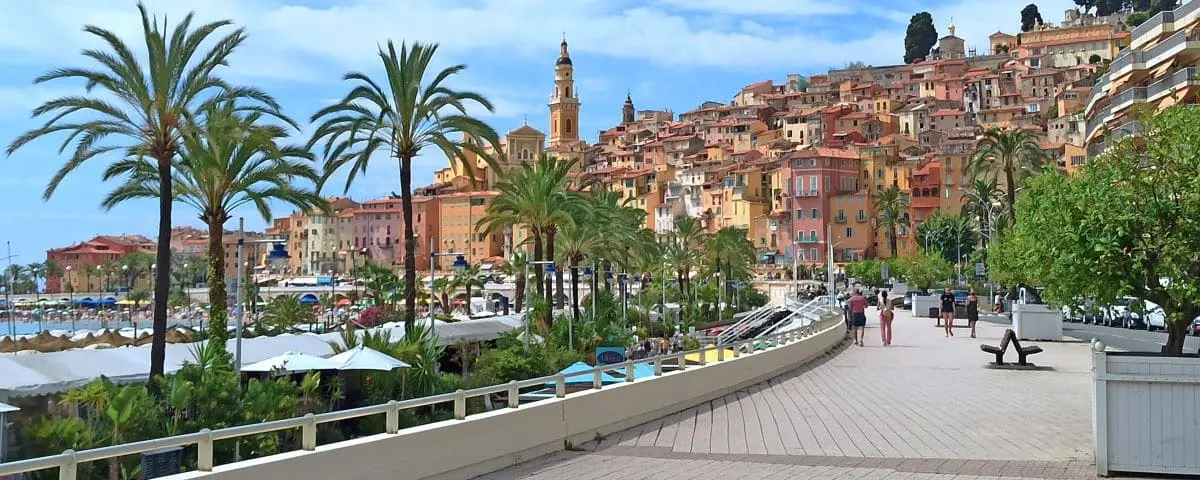
Menton is not a destination where sightseeing needs to fill every minute. Part of the pleasure is simply being beside the Mediterranean, walking along the waterfront, sitting on a bench in the sun, or stopping for a coffee with the sea in front of you.
Plage des Sablettes is particularly attractive because it sits beneath the Old Town. From the beach and nearby waterfront, Menton’s colorful historic center forms one of the most recognizable views on this part of the Riviera. The combination of pastel buildings, church towers, mountains, and blue water is hard to beat.
The beaches are not the huge sandy stretches some travelers imagine when they think of the south of France. Menton offers a more compact Riviera experience, with urban beaches and promenades woven directly into the town.
Come here if you like combining a swim with sightseeing rather than choosing between a beach day and a cultural day. That balance is one of Menton’s strongest qualities.
3. Menton Is Famous for Its Exceptional Gardens
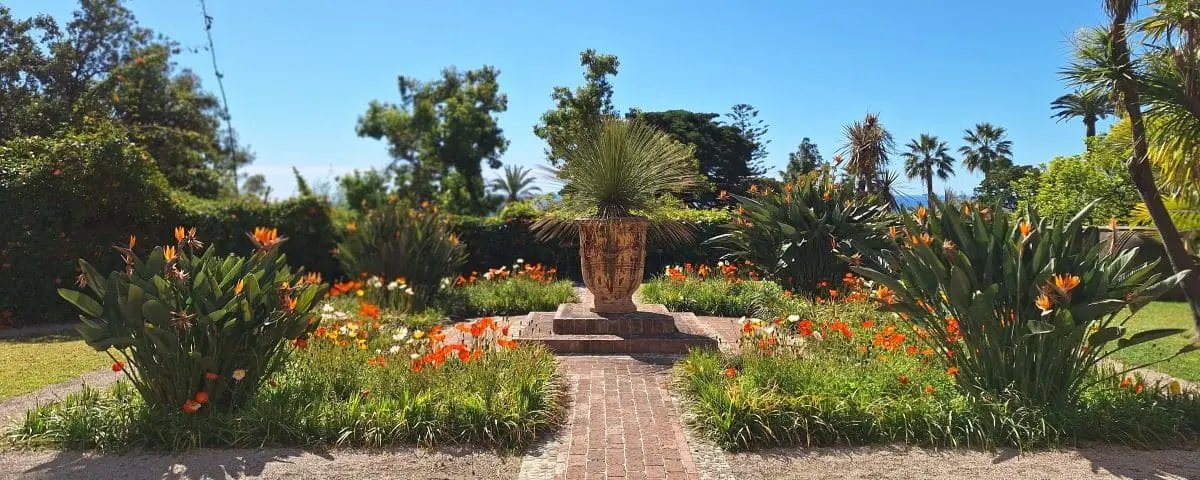
Menton has a particularly mild climate, and generations of botanists, collectors, and wealthy winter residents took advantage of it. The result is one of the town’s most distinctive attractions: a remarkable collection of Mediterranean and subtropical gardens.
Val Rahmeh is among the best-known, with lush vegetation that makes parts of the garden feel surprisingly far removed from an urban Riviera resort. Serre de la Madone offers a different atmosphere, more secluded and romantic, with terraces, rare plants, and the feeling of an old private estate slowly revealing itself.
Other green spaces range from formal public gardens to villas surrounded by exotic vegetation. You do not need to be a passionate gardener to enjoy the contrast between palms, citrus trees, mountain slopes, and the Mediterranean.
If gardens are an important part of your trip, Menton is not just worth visiting. It is one of the strongest stops on the eastern French Riviera.
4. The Views from Saint-Michel Are Worth the Climb
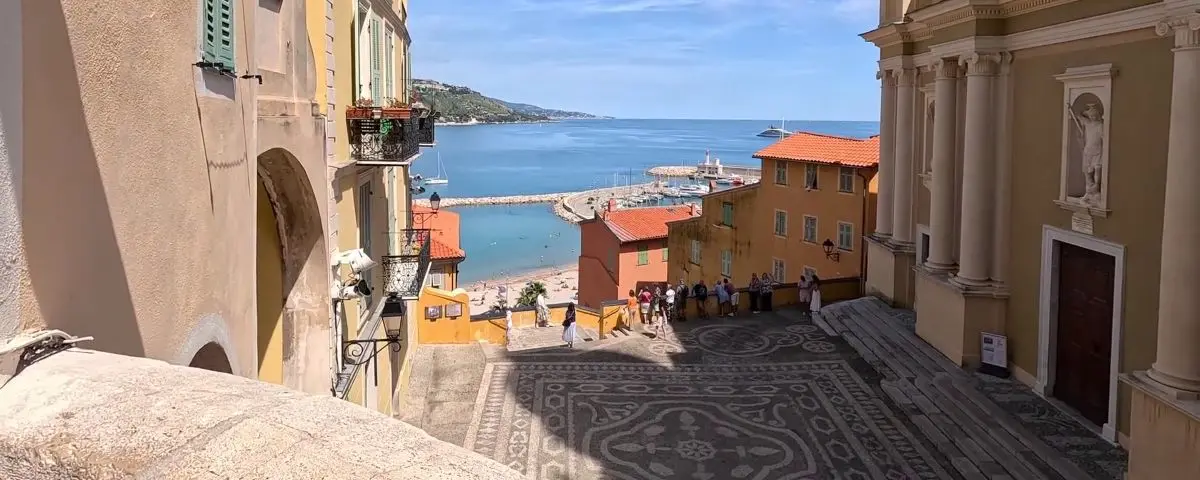
Menton’s Old Town rises steeply, and your legs will notice. Fortunately, the higher you climb, the better the views become. The area around the Basilique Saint-Michel-Archange gives you one of the classic panoramas over the town and coast.
The basilica itself is a major landmark, but the experience is also about its setting. The grand stairway, surrounding facades, tiled roofs, and glimpses of blue water give this part of Menton a theatrical quality. Continue upward through the historic streets and the town gradually unfolds below you.
This vertical layout sets Menton apart from flatter seaside resorts. The historic center seems to cascade toward the Mediterranean.
For travelers who enjoy viewpoints, allow enough time to wander above the waterfront rather than staying only on the promenade. A Menton tourist map is useful for understanding how the Old Town, beaches, gardens, station, and main sights fit together.
5. Menton Blends French Riviera Charm with Italian Influence
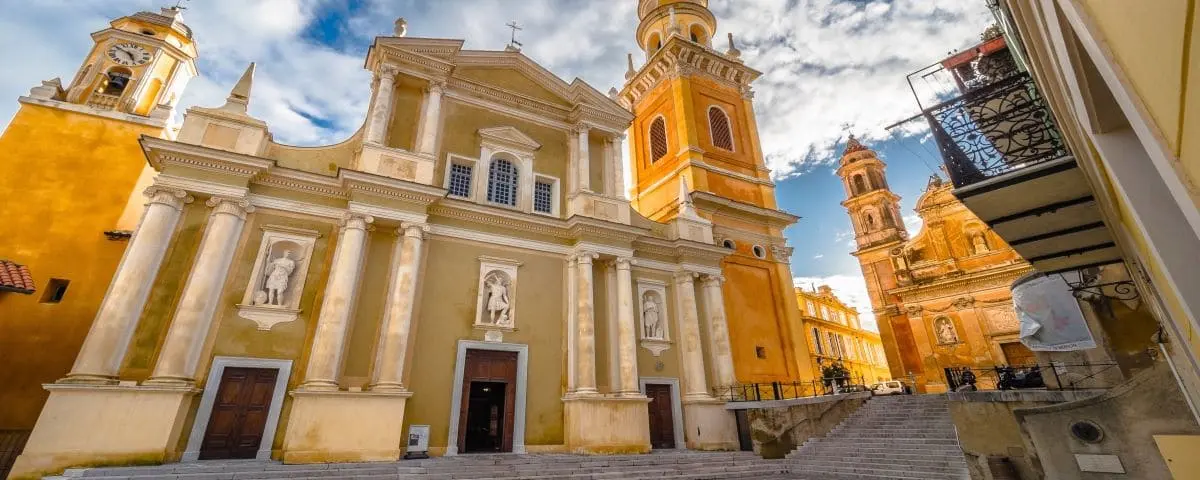
Few places on the Côte d’Azur make the meeting of France and Italy feel as natural as Menton. The Italian border is close, but the influence is not just geographical. You notice it in the architecture, colors, food, rhythm of the streets, and general atmosphere.
The Old Town’s tightly packed facades and church towers could easily make first-time visitors think of Liguria. Restaurant menus shift naturally between French Mediterranean cooking and Italian flavors. Even a simple walk can feel like a transition between two cultural worlds rather than a stay in a purely French resort.
That gives Menton an identity of its own. Nice is larger, Monaco more glamorous, and Antibes more strongly associated with its ramparts and port. Menton feels softer and more borderland in character.
If you want a French Riviera destination with a genuine Italian accent, Menton is one of the best choices.
6. Menton’s Lemon Culture Gives the Town a Unique Identity
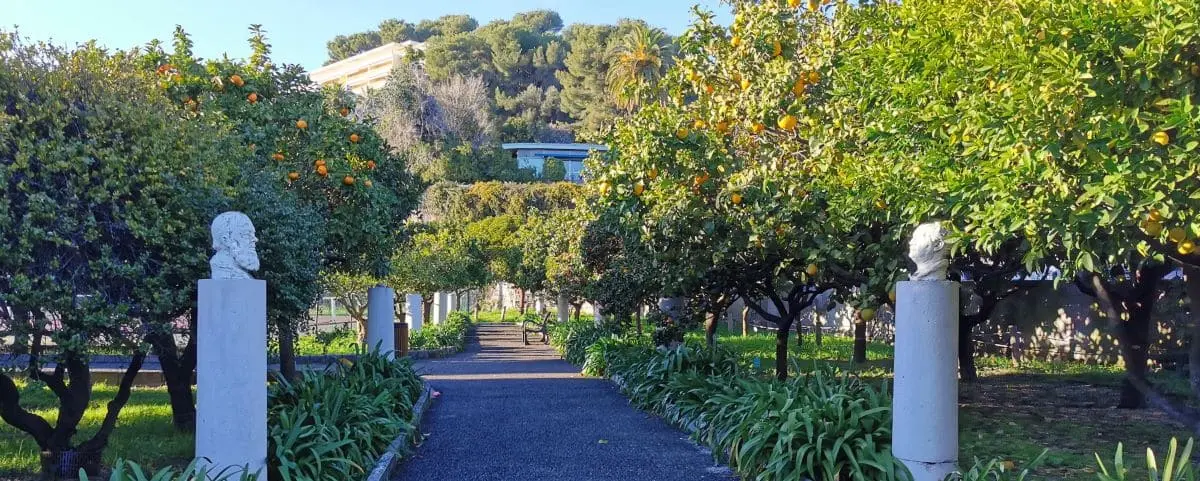
Ask what Menton is famous for and lemons quickly enter the conversation. Citrus trees thrive in the area’s mild conditions, and the Menton lemon has become part agricultural product, part local symbol, and part cultural identity.
You see lemon imagery in shops, gardens, food products, sweets, preserves, drinks, and souvenirs. This could easily feel gimmicky in another destination, but here it is tied to a long local tradition and to the climate that shaped the town’s gardens and winter-resort history.
The connection becomes especially visible during the Fête du Citron, when Menton celebrates citrus through large decorative displays and events. The festival creates a very different experience from a normal visit, with more activity, more visitors, and a much stronger festive atmosphere.
Even outside festival season, lemon culture gives Menton a memorable identity that distinguishes it from neighboring Riviera towns. Try local citrus products, visit the market, and look beyond the obvious souvenir shops to see how deeply the fruit is woven into the town’s image.
7. Jean Cocteau Left Menton a Fascinating Artistic Legacy

The French Riviera has long attracted painters, writers, filmmakers, and designers, and Menton has its own important artistic connection. Jean Cocteau left a lasting mark on the town, adding a cultural layer that many first-time visitors do not expect.
His relationship with Menton can be explored through works and places associated with him, including the Bastion by the waterfront and the decorated wedding hall at the town hall. Together, they show that Menton’s appeal is not limited to beaches and colorful facades.
It also lets you alternate outdoor beauty with cultural stops. Walk through the Old Town, pause by the sea, then explore a place connected with one of twentieth-century France’s most distinctive creative figures.
Travelers interested in art should leave room for Menton’s Cocteau heritage rather than treating the town as a quick photo stop. It fits naturally into the broader artistic story of the Côte d’Azur.
8. Menton Feels More Relaxed Than Nice or Monaco
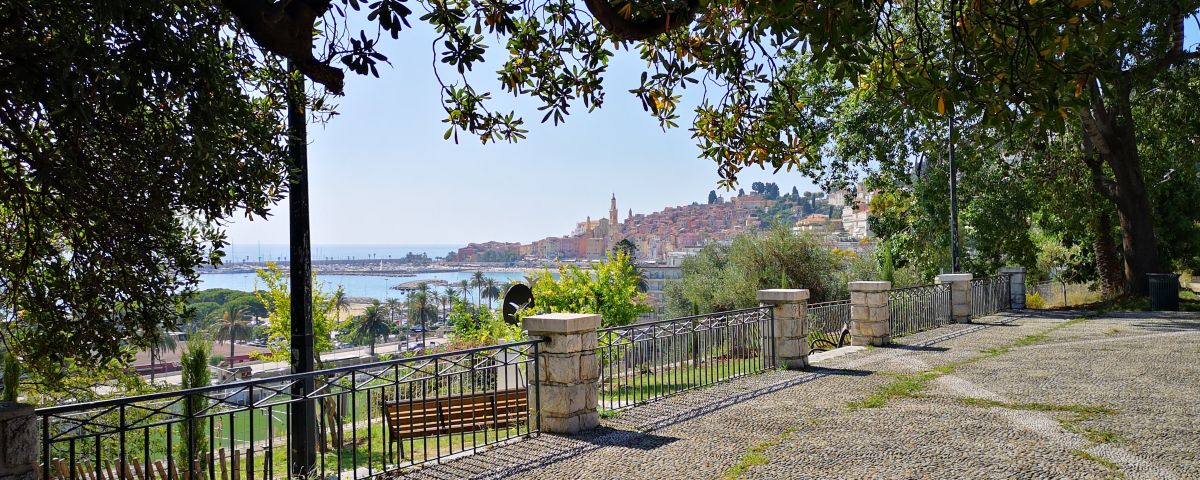
One of Menton’s biggest strengths is not a monument or museum. It is the pace. Menton generally feels calmer and more intimate than the Riviera’s larger or more glamorous destinations.
Nice offers far more restaurants, museums, neighborhoods, shopping, and nightlife. Monaco delivers spectacle, luxury, architecture, and a very different urban density. Menton is smaller. You can walk from the station toward the sea, cross the center, enter the Old Town, and still have time to sit rather than rush to the next attraction.
That makes Menton especially attractive in a busy French Riviera itinerary. After several days of major sights and packed promenades, a slower town can feel like a luxury.
Choose Menton if atmosphere matters as much as the number of attractions. If you are deciding between the region’s larger city and its quieter eastern neighbor, our Nice or Menton comparison goes deeper into the trade-offs.
9. Menton Is Compact, Walkable and Easy to Visit Without a Car
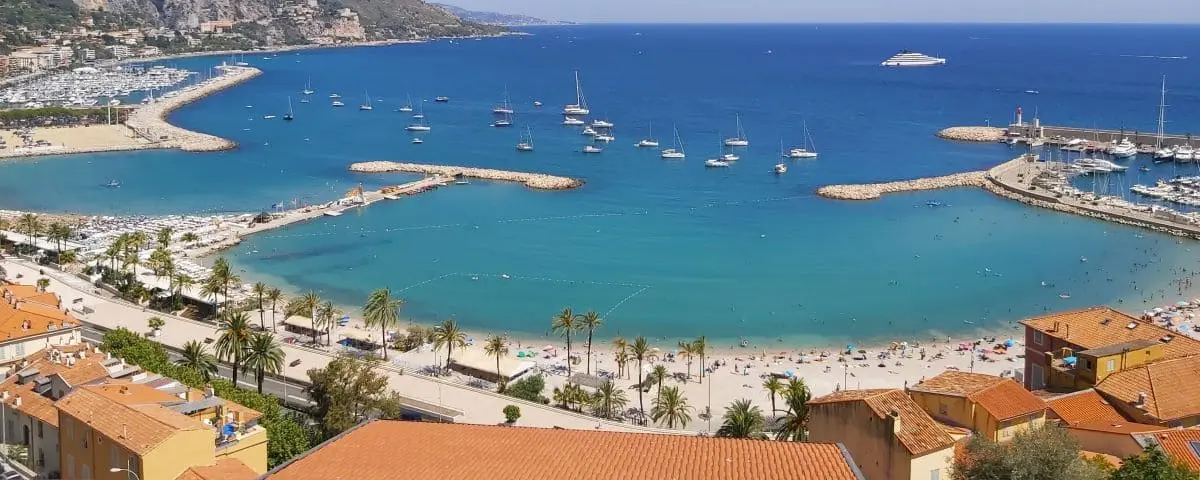
For a destination on a coastline where parking and summer traffic can become tedious, Menton has a major practical advantage: you can enjoy the core of the town without a car.
The railway station, central streets, waterfront, market area, Old Town, and main urban sights are all reasonably connected on foot. The important qualification is elevation. Menton is walkable, but the historic center includes stairs and steep slopes, so comfortable shoes are far more useful than elegant Riviera footwear.
Arriving by train also makes Menton easy to combine with Nice, Monaco, and other coastal stops. You can step off the train, explore for the day, and continue your journey without worrying about where to leave a vehicle.
For a day trip to Menton, the train is usually the most natural way to organize the visit. If you prefer planning visually, our French Riviera tourist map helps show how Menton fits into the wider coastline.
10. Its Location Makes Menton a Great Stop on a French Riviera Trip
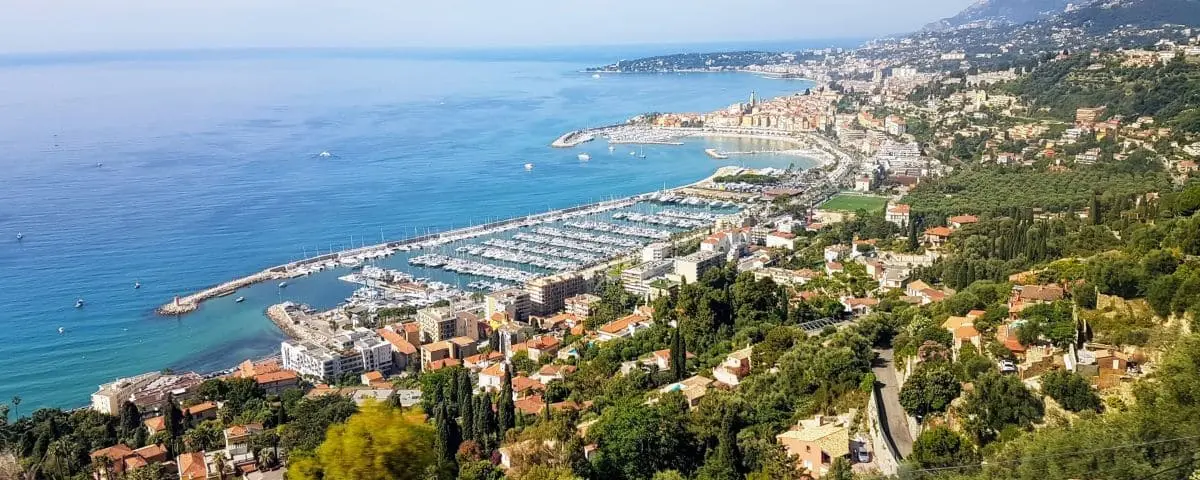
Menton sits close to the Italian frontier at the eastern end of the Côte d’Azur, giving it an excellent position for travelers moving along the Riviera. It works both as a destination in its own right and as a natural final stop on a coastal itinerary.
From Menton, Monaco is nearby, Nice is easily connected, and Italy feels tantalizingly close. This location helps explain the town’s cultural blend, but it also makes practical trip planning easier. You do not have to dedicate an isolated detour to Menton if you are already exploring the eastern Riviera.
We particularly like Menton as a contrast stop. Pair it with Monaco for glamour versus old-town charm, or with Antibes for two compact historic Riviera towns with very different personalities. If that second pairing interests you, see our Antibes or Menton guide.
For a broader route, our French Riviera travel guide can help you decide where Menton fits among the coast’s major towns, villages, beaches, and day trips.
What Are the Downsides of Visiting Menton?
Menton has plenty going for it, but a useful travel recommendation should also explain who may not love it. The town is best for scenery, walking, culture, gardens, and a relaxed Mediterranean atmosphere. Travelers seeking constant entertainment or major-city variety may prefer a different base.
Menton Can Get Busy During Peak Season
Menton is quieter than Nice, but that does not mean empty. In summer and during major events, the Old Town, waterfront, beaches, and central streets can feel busy, particularly in the middle of the day.
The compact size of the historic center makes crowds more noticeable. Narrow lanes and stairways that feel atmospheric in the morning can become congested when many visitors arrive at once.
If possible, explore the Old Town earlier in the day and leave the beach, gardens, or a long lunch for later. Staying overnight also changes the experience because you can enjoy Menton before and after the busiest day-trip hours.
If avoiding crowds is a priority, spring and early autumn usually suit Menton better than the height of summer.
The Town Is Quieter at Night Than Nice or Cannes
Menton’s relaxed character is a strength until you want a big night out. This is not the Riviera destination we would choose primarily for nightlife, clubs, or a huge evening entertainment scene.
There are restaurants, bars, terraces, and pleasant places for an evening drink, but the atmosphere tends to be gentler. For couples, slow travelers, and anyone who enjoys dinner followed by a waterfront stroll, that can be ideal.
Younger travelers looking for late-night energy may find Nice or Cannes more suitable as a base, then visit Menton during the day.
Choose Menton for evenings that feel Mediterranean and unhurried, not for an intensive nightlife itinerary.
Parts of the Old Town Are Steep
The layered Old Town creates Menton’s best views, but it also creates its main physical inconvenience. Expect stairs, slopes, and uneven historic streets when exploring above the waterfront.
For most visitors this is simply part of the experience, but it matters for anyone with reduced mobility, a stroller, or difficulty walking uphill. A route that looks short on a map can feel longer once elevation enters the equation.
Take your time, wear comfortable shoes, and structure the day so that you are not repeatedly climbing and descending the same streets. The waterfront and central areas are easier, while the upper historic center requires more effort.
Do not let Menton’s compact size fool you into assuming every walk is flat or effortless.
Is Menton Worth Visiting Compared with Nice or Monaco?
Yes, but for different reasons. Menton should not be judged by how many attractions it can compete with on a checklist. Its advantage is character, intimacy, and atmosphere.
Choose Nice if you want a larger city with major museums, extensive nightlife, more neighborhoods, a broad restaurant scene, and an excellent base for multiple Riviera day trips. Nice can comfortably fill several days, while Menton is much easier to understand in one or two.
Choose Monaco if you are drawn to grand architecture, the palace, superyachts, luxury, gardens, and the unusual experience of visiting one of Europe’s smallest states. Monaco feels dense, polished, and theatrical. Menton feels softer, more lived-in, and less focused on prestige.
Choose Menton if you want a colorful historic center, seaside walks, botanical gardens, French-Italian character, and a slower rhythm. It is also an excellent complement to the other two rather than a substitute. A Riviera itinerary can easily include Nice as the main base, Monaco as a day trip, and Menton as another day or overnight stop.
How Many Days Do You Need in Menton?
The answer depends on Menton’s role in your itinerary. For most first-time visitors, one to two days is the sweet spot.
One Day in Menton Is Enough for the Main Highlights
A well-planned day lets you see why Menton is worth visiting without feeling that you merely passed through. One full day is enough for the Old Town, Saint-Michel, the waterfront, the market area, and one additional garden or cultural attraction.
Start with the historic center while the streets are relatively calm. Walk up toward Saint-Michel, enjoy the viewpoints, then descend toward the seafront and Plage des Sablettes. After lunch, choose one deeper experience rather than trying to collect every attraction.
Garden lovers can devote the afternoon to one of Menton’s botanical estates. Art lovers can focus on Cocteau-related sites. In warm weather, you may simply prefer a swim and a slower walk along the coast.
A day trip to Menton works best when you accept that the atmosphere is part of the sightseeing. Do not overfill the schedule.
Stay Two Days If You Want to Experience Menton at a Slower Pace
Two days change the character of the visit. An overnight stay gives you time for Menton’s gardens, beaches, culture, and evening atmosphere without turning the town into a race between attractions.
On the first day, concentrate on the Old Town, waterfront, Saint-Michel, and central Menton. On the second, visit a major garden, explore another part of the coast, spend time at the beach, or simply enjoy a long lunch and repeat your favorite streets when the light changes.
Evening and early morning are valuable too. Menton’s compact center rewards aimless walking when you are not watching the clock for a return train.
We would choose two days if Menton is one of the places you are most excited about, but one day remains sufficient for a first taste.
When Is the Best Time to Visit Menton?
Menton works across much of the year, but the experience changes by season. For pleasant weather, manageable crowds, and comfortable sightseeing, spring and early autumn are particularly attractive.
Spring suits the town beautifully. Gardens become a major focus, temperatures are generally comfortable for climbing through the Old Town, and the Mediterranean setting feels lively without necessarily having the intensity of peak summer.
Summer is the obvious choice if swimming and long beach days matter most. It is also when you should expect more visitors, stronger heat, and a busier waterfront. Start sightseeing early, then use the hottest part of the day for lunch, shade, or the sea.
Early autumn can offer a rewarding compromise, with warm coastal conditions and a slightly calmer rhythm. Winter is quieter and reveals Menton’s long-standing appeal as a mild Riviera retreat. The Fête du Citron brings a completely different kind of energy, so travelers interested in the festival should plan around it deliberately rather than expecting a normal low-season visit.
There is no single bad season for Menton, but the best period depends on whether you prioritize gardens, swimming, festivals, or quieter streets.
Wrap-Up: So, Is Menton Worth Visiting?
- Yes. Menton is one of the most rewarding smaller towns on the eastern French Riviera, especially if you appreciate beauty without needing a packed list of blockbuster attractions.
- Visit for the Old Town first: its colorful facades, steep lanes, Saint-Michel, and Mediterranean views provide the strongest sense of place.
- Make room for at least one garden or cultural stop so your visit goes beyond the waterfront and postcard views.
- One day is enough for the essentials, but two days are better for a relaxed stay with gardens, beach time, and an evening in town.
- Menton is a strong choice without a car, making it easy to combine with Nice, Monaco, Antibes, and other Riviera destinations.
- Choose Menton over a larger Riviera city if you value atmosphere, walkability, Franco-Italian character, and a slower pace more than nightlife or endless attractions.
- Our verdict: Menton is worth visiting, and it works best when you resist the temptation to rush it. Walk uphill, look back at the sea, sit somewhere pleasant, and let this colorful corner of the Côte d’Azur do what it does best.