




Monaco may be tiny, but its position is remarkably convenient. Within an hour, you can trade Monte Carlo’s marble for a medieval village, an Italian market, a coastal path or the Promenade des Anglais.
The best day trips from Monaco are not necessarily the farthest ones. Choose a destination that changes the atmosphere without sacrificing half the day to transportation. Here are the ten excursions we recommend.
Best Day Trips from Monaco at a Glance
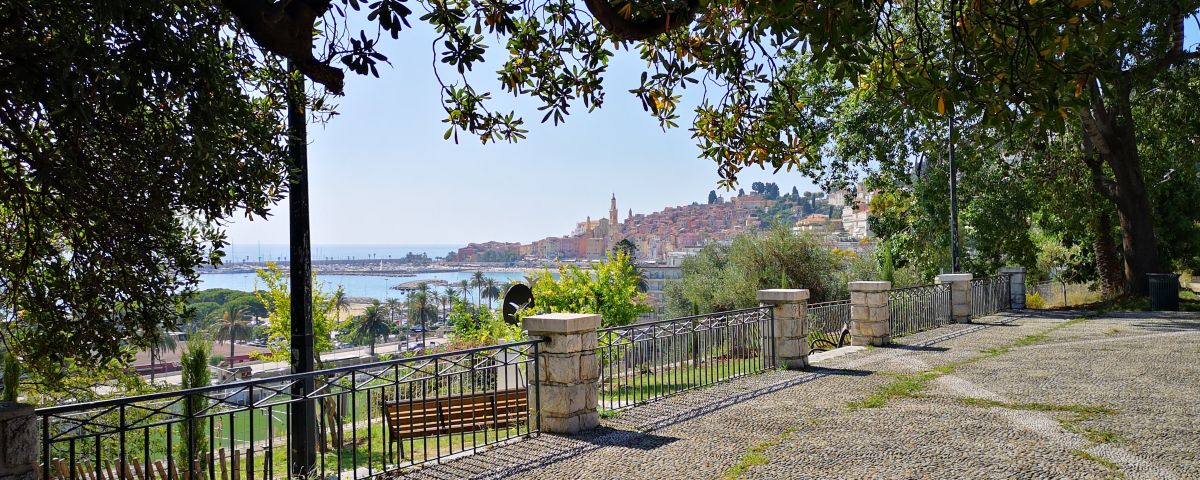
- Choose Èze for medieval lanes and the most dramatic views, but travel by bus or car if you want to arrive directly in the hilltop village.
- Choose Menton for the best all-round easy escape, with colorful streets, gardens, a beach and a direct train journey of about 14 to 20 minutes.
- Choose Nice when you want the widest range of museums, food and city life, all about 23 to 25 minutes away by direct train.
- Choose Villefranche-sur-Mer for a slow seaside day, especially if swimming and lunch beside a small harbor sound better than ticking off monuments.
- Choose Saint-Jean-Cap-Ferrat for gardens, villas and coastal walking, with Beaulieu-sur-Mer serving as the most useful rail gateway.
- Choose Antibes for Picasso, ramparts and sandy beaches, a particularly balanced option for couples and families.
- Choose Cannes for cinema glamour, shopping and the Lérins Islands, provided you are happy with just over an hour on the train.
- Choose Saint-Paul-de-Vence for art and fortified-village atmosphere, but favor a car or guided tour because public transportation is less direct.
- Choose Ventimiglia for the easiest taste of Italy, only around 30 to 32 minutes from Monaco by direct train.
- Choose Sanremo for a fuller Italian Riviera experience, combining an atmospheric old quarter, shops, food and seaside elegance.
Monaco Day Trips Comparison: Travel Time, Transport and Best For
Distances below are approximate rail or road distances from central Monaco. Travel times can change with the service, season and traffic, so always check the timetable for your exact date.
| Destination | Approximate distance | Typical travel time | Best transport | Best for |
|---|---|---|---|---|
| Èze Village | 9 km / 5.6 mi by road | 20 to 30 minutes | Bus or car | Medieval atmosphere and views |
| Menton | 9 km / 5.6 mi by rail | 14 to 20 minutes | Direct train | Color, gardens and an easy beach day |
| Nice | 19 km / 11.8 mi by rail | 23 to 25 minutes | Direct train | Food, museums and urban energy |
| Villefranche-sur-Mer | 14 km / 8.7 mi by rail | 14 to 15 minutes | Direct train | Harbor scenery and swimming |
| Saint-Jean-Cap-Ferrat | About 16 km / 10 mi by road | 30 to 45 minutes | Train plus bus, or car | Villas and coastal walks |
| Antibes | 41 km / 25.5 mi by rail | 51 to 54 minutes | Direct train | Art, history and sandy beaches |
| Cannes | 53 km / 32.9 mi by rail | 1 hour 4 to 1 hour 6 minutes | Direct train | Glamour, shopping and islands |
| Saint-Paul-de-Vence | About 47 km / 29.2 mi by road | 50 to 75 minutes | Car or guided tour | Art galleries and medieval lanes |
| Ventimiglia | 21 km / 13 mi by rail | 30 to 32 minutes | Direct train | Markets and an easy Italian escape |
| Sanremo | 31 km / 19.3 mi by rail | 54 minutes to 1 hour 23 minutes | Train with one change | Italian food and Riviera atmosphere |
For a wider view of the coastline and inland villages, use our French Riviera tourist map alongside this comparison. It makes the geography much clearer: Monaco sits between two excellent day-trip corridors, one running west through Nice toward Cannes, the other running east through Menton into Liguria.
The 10 Best Places to Visit Near Monaco
1. Èze: Best for a Medieval Village and Panoramic Views
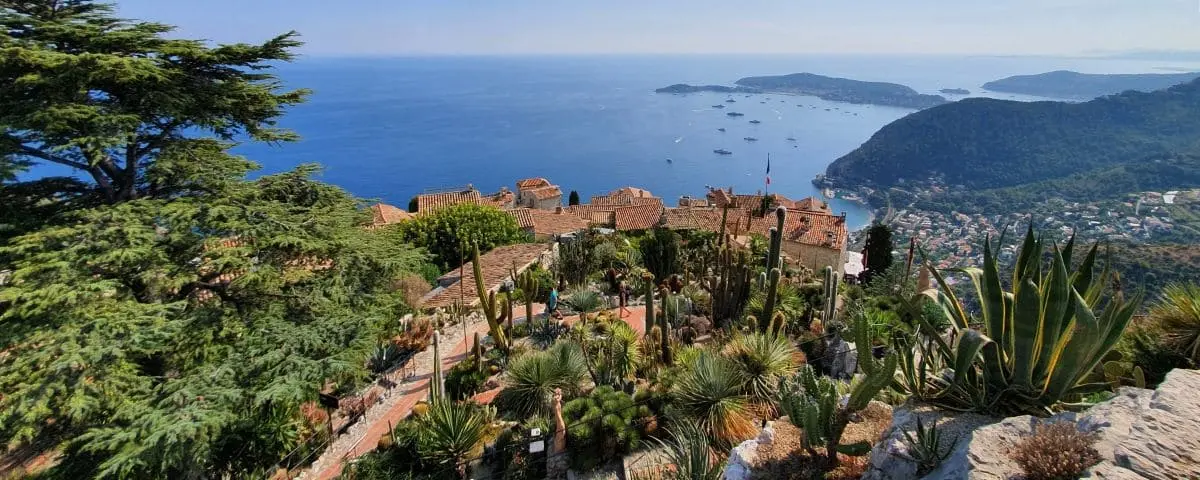
Èze looks as though it grew directly from its rocky summit. Stone houses, narrow passages and vaulted lanes climb toward a garden suspended high above the Mediterranean. It is undeniably popular, yet the setting remains powerful enough to justify the crowds.
This is our first choice for travelers who want a compact excursion with a spectacular visual payoff. Arrive early, before the small lanes fill, and walk straight to the Jardin Exotique at the top of the village. Succulents and sculptures decorate the old castle ruins, but the real attraction is the view tumbling down toward the blue sea.
Èze Village is approximately 9 km (5.6 miles) from central Monaco by road, with the trip generally taking 20 to 30 minutes outside heavy traffic. A bus or taxi is more practical than the train because Èze railway station is down on the coast, far below the medieval village. From the station, you must continue by bus or tackle the steep Nietzsche Path on foot.
Leave time to wander without a checklist. Peer into tiny courtyards, admire the ochre stone and visit the church before lunch. The village is at its best in the first half of the morning or late afternoon, when the light softens and the main tour groups thin out.
Èze works well as a half-day trip. Wear shoes with a firm grip after rain.
2. Menton: Best for Colorful Streets, Gardens and Beaches
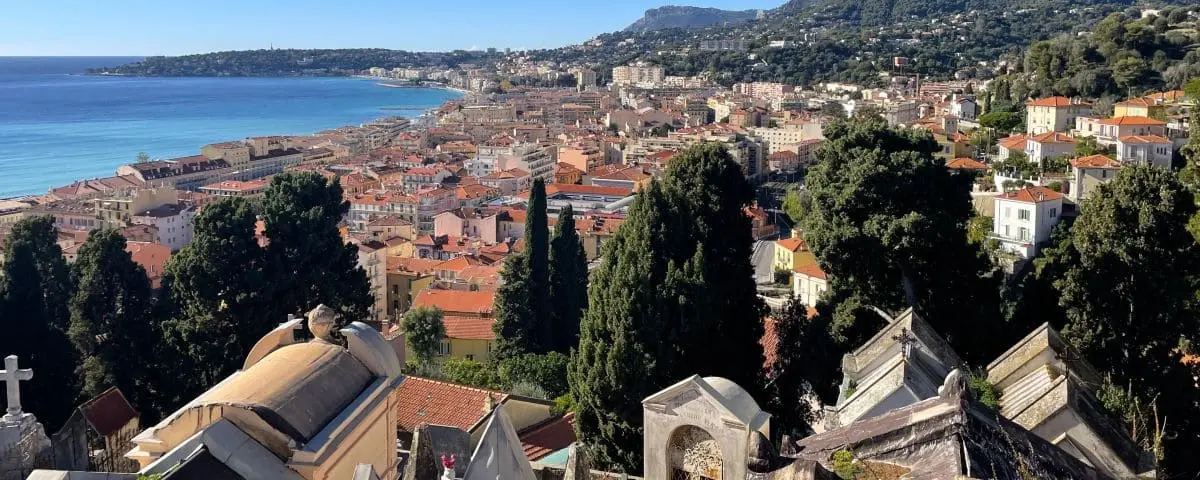
Menton is often introduced as the Pearl of France, but the nickname says little about its delightful mixture of French order and Italian warmth. Lemon, apricot and rose-colored facades rise above the sea, while steep lanes twist toward the Basilica of Saint-Michel-Archange.
For most first-time visitors, Menton is the best all-round day trip from Monaco. It is close, simple to reach and varied enough to fill a day without exhausting you. Direct regional trains cover the approximately 9 km (5.6 miles) in 14 to 20 minutes.
Start in the old town before the heat builds. Climb the Saint-Michel ramps, cross the basilica square and continue toward the Old Château Cemetery for a broad view over tiled roofs, the port and the Italian border. Then return slowly through the lanes rather than racing back down.
Afterward, choose between the covered market, the Jean Cocteau collections, Les Sablettes beach and a garden such as Val Rahmeh. Our guide to the best things to do in Menton helps you choose, while the Menton tourist map keeps the uphill sights and waterfront stops in a sensible order.
Do not treat Menton as merely a prettier place to have lunch. Its streets, gardens and borderland identity deserve several unhurried hours.
3. Nice: Best for Art, Culture and a Lively Old Town
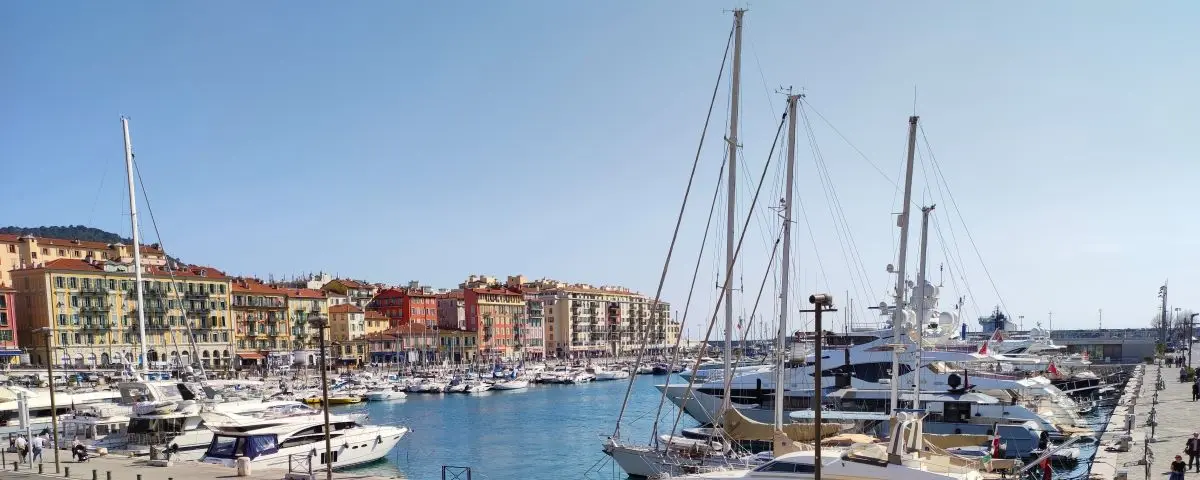
Nice is a plunge into a larger, louder Mediterranean city. Markets spill across squares, Baroque churches hide in shadowy lanes, and the Baie des Anges opens beside a famous promenade.
Direct trains travel the roughly 19 km (11.8 miles) from Monaco to Nice in about 23 to 25 minutes. They arrive at Nice-Ville, from where you can walk or take the tram toward Place Masséna and Vieux Nice. The train is faster and less troublesome than driving for most visitors, particularly once parking and coastal traffic are considered.
Begin at Cours Saleya while the market is active, then disappear into the old town. The lanes smell alternately of coffee, soap, spices and socca, the local chickpea-flour specialty best eaten hot. Climb Castle Hill for the classic view over the red roofs and curved beach, using the elevator if you want to save your legs.
Nice also suits art lovers, but resist crossing the city for three museums in one day. Choose one and give the rest of the day to the city itself. Our guide to things to do in Nice provides more options, and the Nice tourist map will help you avoid needless zigzags.
Nice is the strongest choice when different travelers in the same group want different things. Food, architecture, shopping, museums and sea views all fit into one day, although the city easily rewards a much longer stay.
4. Villefranche-sur-Mer: Best for a Relaxed Seaside Escape
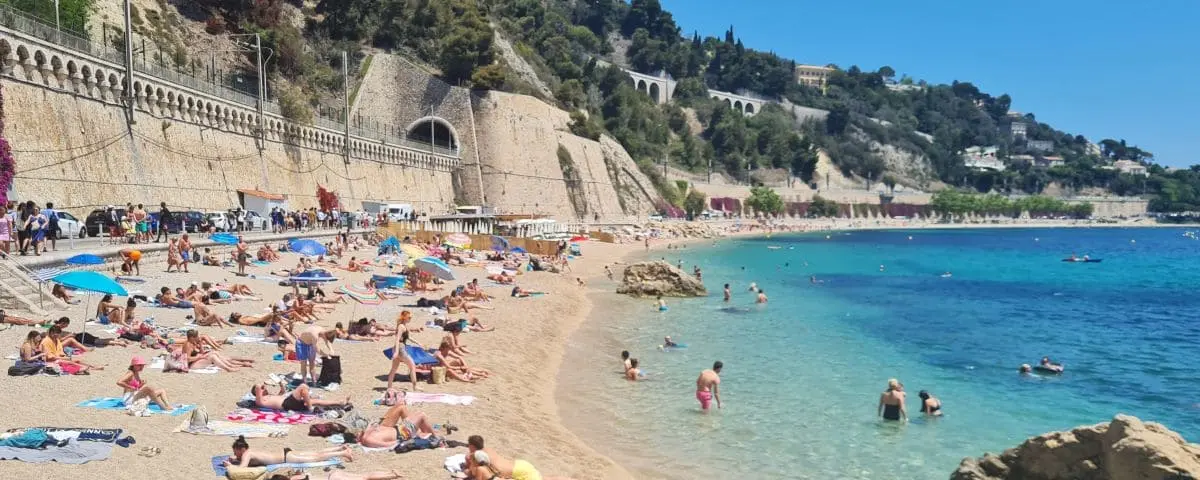
Villefranche-sur-Mer curls around a deep natural harbor between Monaco and Nice. Pastel houses crowd behind the waterfront, fishing boats nod beside pleasure craft, and the bay often seems improbably calm compared with the bustle of the neighboring cities.
The direct train is wonderfully convenient: approximately 14 km (8.7 miles) and 14 to 15 minutes from Monaco. The station stands just above Plage des Marinières, so you can be beside the water within minutes of arriving. Few easy day trips from Monaco offer such an immediate change of rhythm.
Follow the waterfront toward the old town, then climb into the maze around Rue Obscure, a covered medieval street running beneath the houses. The Citadel and Saint-Pierre Chapel, decorated by Jean Cocteau, add enough history and art to stop the day becoming only lunch and sunbathing.
That said, Villefranche is a place where doing less is often the correct plan. Swim in the morning, linger over lunch by the port and explore the steep lanes afterward. The beach is largely pebbly, so water shoes make entering the sea more comfortable.
We recommend Villefranche after several busy sightseeing days. Combining too many towns defeats its slow, salty charm.
5. Saint-Jean-Cap-Ferrat: Best for Coastal Walks and Elegant Villas
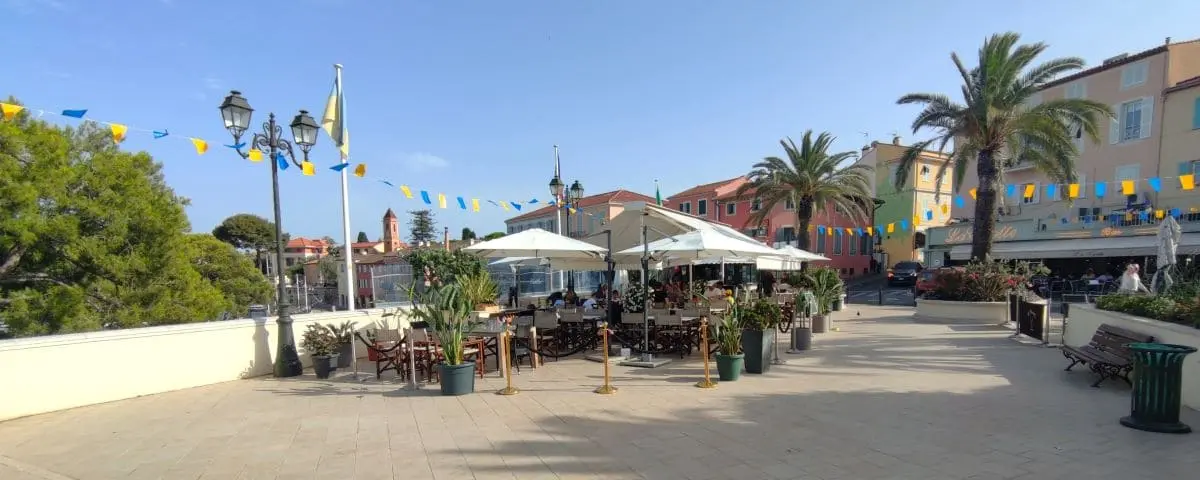
Cap Ferrat is the Riviera dressed in linen rather than sequins. Pine trees shade rocky coves, discreet gates conceal extraordinary estates, and walking paths follow the sea around one of the coast’s most elegant peninsulas.
Saint-Jean-Cap-Ferrat is about 16 km (10 miles) from Monaco by road, usually 30 to 45 minutes away depending on traffic and your exact destination. Without a car, take the train from Monaco to Beaulieu-sur-Mer in roughly 10 to 15 minutes, then continue by local bus or on foot. The train-and-bus combination is easy enough, but it requires more planning than Villefranche or Menton.
The star attraction is Villa Ephrussi de Rothschild. Its pink Belle Époque mansion stands between two bays, surrounded by themed gardens ranging from formal French parterres to Japanese and exotic plantings. Allow at least two hours if you want to see the interiors and gardens without charging through them.
For a more natural day, follow part of the coastal path. The full circuit is long and exposed, so choose a section matching your time and fitness. Bring water, sun protection and proper shoes. The path is beautiful precisely because it remains rocky and open to the elements.
This excursion suits walkers, garden enthusiasts and anyone curious about the Riviera’s grand-villa era.
6. Antibes: Best for History, Art and Sandy Beaches
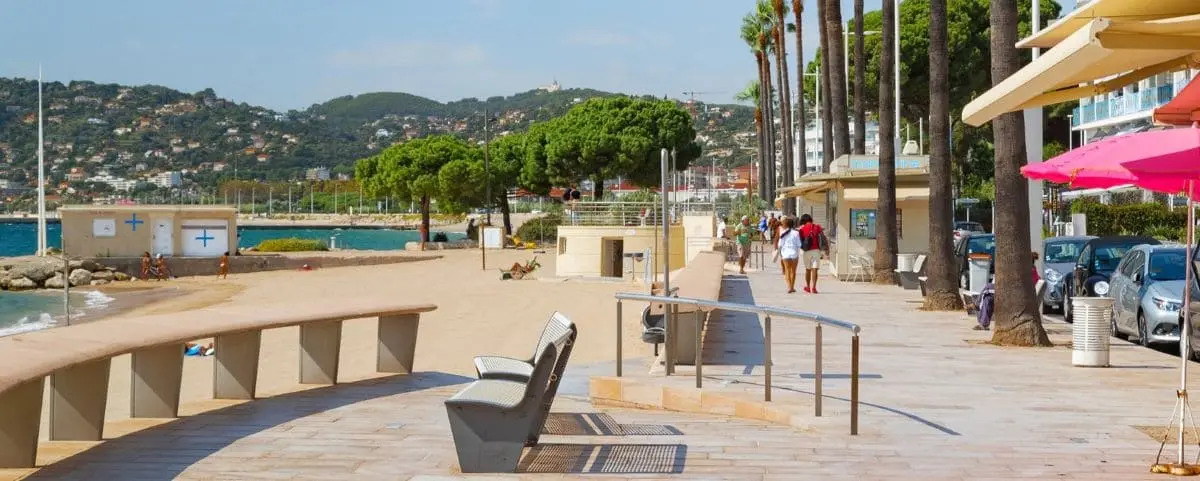
Antibes has the rare good manners to offer serious culture without losing the atmosphere of a seaside holiday. Ramparts face the Mediterranean, the old town gathers around a Provençal market, and sandy beaches begin within walking distance of the station.
Regional trains cover the approximately 41 km (25.5 miles) from Monaco in 51 to 54 minutes. Services are often direct, making Antibes one of the easiest longer day trips from Monaco by train. It provides more variety than a small village while feeling calmer and more compact than Nice.
Walk first to Port Vauban and the monumental yachts below Fort Carré. From there, follow the ramparts toward the old town and Château Grimaldi, home to the Picasso Museum. Picasso worked here in 1946, and the exuberant paintings and ceramics suit the sunlit building remarkably well.
The Marché Provençal is the natural lunch zone. Afterward, choose between a swim or more time in the old lanes. Our guide to things to do in Antibes explains the main choices, while the Antibes tourist map connects the station, port, market and museum efficiently.
Antibes is our favorite western excursion for families and mixed-interest groups. It combines ramparts, art and a genuine sandy beach without scattered sights.
7. Cannes: Best for Glamour, Shopping and Island Excursions
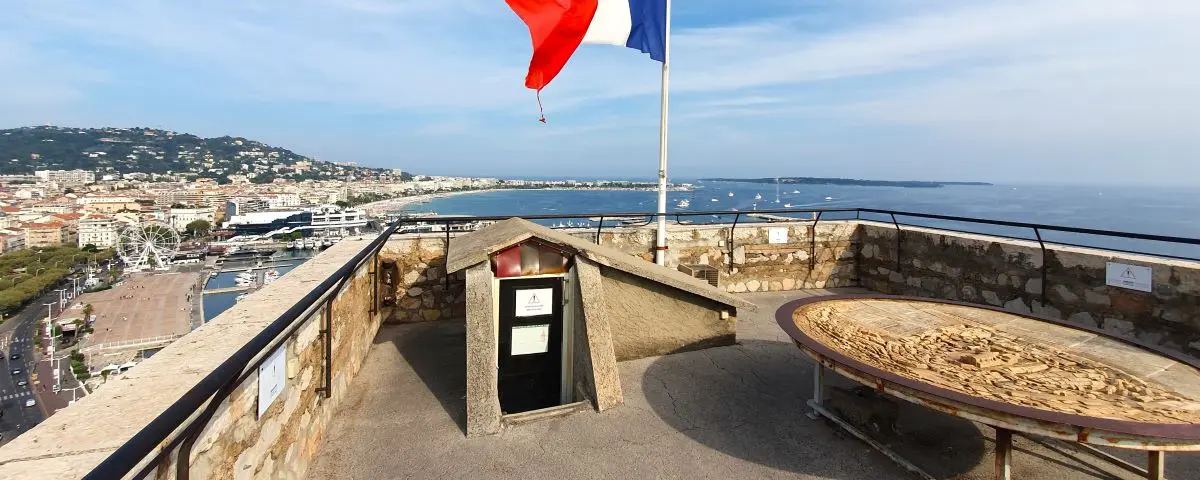
Cannes knows that people have come to look, and it gives them a show. The Croisette parades grand hotels along the bay, luxury stores polish their windows, and the Palais des Festivals keeps the mythology of cinema alive even when no red carpet is in sight.
The rail journey from Monaco covers about 53 km (32.9 miles) in 1 hour 4 to 1 hour 6 minutes on the fastest direct services. That makes Cannes a full-day commitment rather than a casual outing. Leave early if you want to include an island, because the boat schedule matters more than the shopping streets.
Begin with Le Suquet, the old hill district that predates the film-festival image. Its lanes climb toward Notre-Dame d’Espérance and a viewpoint over the port. Descend through the Forville Market, then walk along the Croisette once the day has properly awakened.
For us, the most rewarding Cannes itinerary goes offshore. Sainte-Marguerite offers forest paths, rocky swimming spots and the Fort Royal. Saint-Honorat is quieter, with a monastery and vineyards. Choose one island, not both.
Use our guide to the best things to do in Cannes to decide between city and island time. The Cannes tourist map links Le Suquet, the market, port and Croisette.
Cannes is worth the distance when you want glamour plus a real activity, particularly an island excursion. If luxury storefronts and film history leave you cold, Antibes or Menton will probably suit you better.
8. Saint-Paul-de-Vence: Best for Art Lovers and Medieval Charm
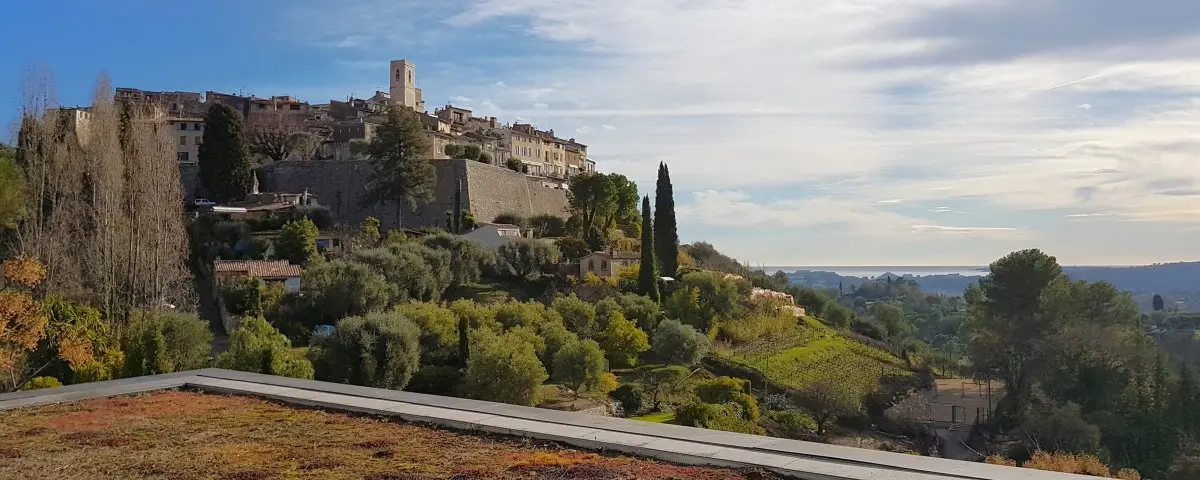
Saint-Paul-de-Vence sits behind stone ramparts on a hill scented with pine and warmed by southern light. Painters, writers and actors turned it into a legend during the 20th century, but the fortified village was photogenic long before celebrities arrived.
It lies approximately 47 km (29.2 miles) from Monaco by road. Driving usually takes 50 to 75 minutes, though summer congestion can stretch the journey. Public transportation requires connections and considerably more time. A car or well-designed guided tour is the practical choice for this excursion.
Once through the gate, follow Rue Grande between galleries, stone houses and small squares. Look for carved lintels, old wells, bougainvillea and sudden openings toward the hills. Stop at the cemetery, where Marc Chagall is buried, then walk the walls.
The Fondation Maeght is the essential complement. Set among pines outside the historic core, it brings modern art, architecture and landscape together through works by artists including Miró, Giacometti, Braque and Chagall. Art lovers should reserve at least two hours for the foundation rather than treating it as an optional extra.
Arrive before 10 a.m. if possible. By midday, the main lane can feel like a gallery corridor. Early morning reveals a gentler village, still touristy but worthy of its reputation.
9. Ventimiglia: Best for an Easy Day Trip from Monaco to Italy
Ventimiglia does not perform an idealized version of Italy. It is a working border town, a little rough around some edges, with a lively commercial center, an old quarter on the hill and the everyday pleasures of Ligurian food.
Direct trains travel the approximately 21 km (13 miles) from Monaco in 30 to 32 minutes. This is the easiest day trip from Monaco to Italy and requires no car. Choose Ventimiglia if crossing the border, browsing a market and eating well matter more than polished resort scenery.
The famous Friday market draws crowds, but quality varies. Keep an eye on your belongings and do not make it your only reason to visit. The covered food market near the modern center is often more appetizing, with cheese, cured meats, pasta and fragrant pesto.
Cross the Roya River to reach Ventimiglia Alta. The old town climbs steeply through arched passages toward the Romanesque cathedral and baptistery. It feels older, quieter and more mysterious than the busy streets around the station.
For one relaxed day, combine the market, a Ligurian lunch and the old town rather than trying to cover every outlying sight.
Ventimiglia is not the prettiest destination here. Its strength is an easy change of country and cuisine within half an hour.
10. Sanremo: Best for Italian Food, Markets and Riviera Atmosphere
Sanremo is the more elegant Italian alternative. Palms line the seafront, Liberty-style buildings recall the city’s resort heyday, and La Pigna, the old quarter, folds upward in a maze of lanes, stairways and little squares.
The railway distance from Monaco is about 31 km (19.3 miles). The fastest connections take around 54 minutes, but the average is closer to 1 hour 23 minutes because you generally change trains in Ventimiglia. Check both legs before leaving Monaco and allow a comfortable transfer, particularly on the return journey.
Start in La Pigna while your legs are fresh. Its steep lanes climb toward the Madonna della Costa sanctuary, where the view opens above the rooftops. Then descend toward Via Matteotti, the pedestrian shopping street, and the Teatro Ariston, home of Italy’s famous song festival.
The seafront and old railway cycle path provide space to walk away from traffic. Lunch should be Ligurian: look for trofie with pesto, focaccia, stuffed vegetables or fresh fish rather than an international menu beside the busiest square.
Choose Sanremo over Ventimiglia when atmosphere and beauty matter more than simplicity. It feels like a complete Italian Riviera excursion rather than a brief border hop.
Which Day Trip from Monaco Should You Choose?
For one recommendation, choose Menton for the best balance of convenience and variety. It has an old town, gardens and a beach, yet the train barely interrupts the day.
For pure scenery, choose Èze. For art, Saint-Paul-de-Vence or Antibes. For a lazy swim and lunch, Villefranche-sur-Mer. Nice wins for urban energy, while Cap Ferrat is the better escape into gardens and coastal nature. Cannes suits travelers drawn to cinema, luxury and islands.
Ventimiglia is easier and more everyday; Sanremo is prettier and more complete. Go for Ligurian markets, food and a different rhythm, not simply to collect another country.
Families generally do best in Antibes, Menton or Villefranche. Couples may prefer Èze, Cap Ferrat or Saint-Paul-de-Vence. Nice is the safest compromise for mixed interests.
Our broader French Riviera travel guide can help you compare the coast’s cities, villages, hikes and islands before committing to a route.
How to Plan a Day Trip from Monaco
Taking Day Trips from Monaco by Train
Monaco-Monte-Carlo station is built into the rock and has exits at different levels. Allow extra time on your first departure because the wrong exit can add an uphill walk.
Regional trains run west toward Cannes and east toward Ventimiglia. They beat scarce parking and heavy summer traffic. The interactive France train map places these routes within the national network.
TER tickets do not generally reserve a seat, but conditions vary. Trains can be crowded during Monaco’s commuter hours and major events. Travel after the morning rush when possible, but not so late that you lose the quietest hours at your destination.
Check the final return before setting off, especially when traveling into Italy or during engineering work.
Reaching Hilltop Villages by Bus or Car
Trains do not reach hilltop Èze or Saint-Paul-de-Vence. A bus serves Èze Village, while Saint-Paul usually requires a connection. Route numbers change, so plan from the stop, not just the town name.
A car becomes worthwhile when the destination sits inland or when you want to combine two places. Èze and La Turbie make a logical pair; Saint-Paul-de-Vence can be combined with the Fondation Maeght or nearby Vence. Avoid forcing together towns on opposite sides of Monaco merely because each looks close on a map.
Roads are steep and winding, traffic thickens quickly, and village parking fills early. Arrive before 9:30 a.m. in high season and use official parking.
When a Guided Tour from Monaco Makes Sense
A tour helps when public transportation requires several connections. Saint-Paul-de-Vence is the clearest case where a driver saves meaningful time. Tours can also link inland viewpoints and villages efficiently.
Read the itinerary closely. Some full-day tours spend little more than an hour at each stop or include Monaco itself. Choose one that devotes its time to places beyond the principality.
Independent travel remains better for Nice, Menton, Antibes, Cannes, Villefranche and Ventimiglia. The train is frequent, the centers are walkable and you keep control of lunch, museum time and the return journey.
Crossing the Border Between Monaco, France and Italy
Monaco is not a Schengen signatory, but its open border with France places it within the practical Schengen travel zone. Routine border booths do not interrupt most journeys into France or Italy. However, you should still carry a valid passport or national identity card, as police checks can take place on cross-border trains and roads.
All three destinations use the euro. Monaco is not an EU member, however, so confirm your provider’s mobile roaming terms.
When changing trains in Ventimiglia, verify whether an Italian regional ticket needs validation before boarding. Digital tickets can have different check-in rules. Never assume that the ticketing habits of the French TER network automatically apply in Italy.
The Best Time of Year for Monaco Day Trips
April to June and September to October offer the best balance of warm weather, long daylight and manageable crowds. Gardens are especially appealing in spring, while the sea often remains comfortable for swimming into early autumn.
July and August bring heat, busy trains, expensive parking and crowded old towns. If summer is your only option, leave early, reserve major attractions and build a swim or shaded lunch into the day. The coast is far more enjoyable at 9 a.m. than during the mid-afternoon crush.
Winter brings clearer streets and a more local atmosphere, but also reduced opening hours, fewer boat services and less reliable weather.
Also examine Monaco’s event calendar. The Grand Prix, the Monte-Carlo Masters and major conferences can affect transport, road access and accommodation. During such periods, the train is not merely convenient; it is often the only sensible choice.
Frequently Asked Questions About Day Trips from Monaco
What Is the Easiest Day Trip from Monaco?
Menton and Villefranche-sur-Mer are the easiest complete day trips. Both have direct trains, short journeys and sights within walking distance of the station. Menton offers more variety, while Villefranche is better for swimming and a slow waterfront lunch.
Èze is geographically closer, but reaching the hilltop village is less straightforward because the coastal train station sits far below it.
What Are the Best Day Trips from Monaco Without a Car?
Menton, Nice, Villefranche-sur-Mer, Antibes, Cannes and Ventimiglia are all excellent car-free choices. Direct regional trains connect Monaco with each destination, and their main attractions are walkable from the arrival station.
Sanremo also works without a car, though most journeys require a change in Ventimiglia. Cap Ferrat is possible by train and bus, while Saint-Paul-de-Vence is considerably slower by public transportation.
Can You Take a Day Trip from Monaco to Italy?
Yes. Ventimiglia is around 30 to 32 minutes away by direct train, making it the simplest Italian day trip. Sanremo takes roughly 54 minutes on the fastest connection and about 1 hour 23 minutes on average, usually with a change in Ventimiglia.
Carry valid identification, check the return timetable and review the rules attached to any Italian regional ticket you purchase.
Is Cannes Worth Visiting on a Day Trip from Monaco?
Cannes is worth the journey if you are interested in the Lérins Islands, cinema history, luxury shopping or grand resort architecture. The fastest direct trains take just over an hour each way, so leave early and decide in advance whether your priority is the city or an island.
Travelers seeking medieval character or an intimate harbor will find Antibes or Villefranche more rewarding and closer.
Can You Visit Saint-Tropez from Monaco in One Day?
It is possible, but we do not rank Saint-Tropez among the ten best day trips from Monaco because the journey is too vulnerable to traffic and seasonal transport. Driving can take around two hours each way in favorable conditions and much longer during busy summer periods.
Visit Saint-Tropez only when a direct seasonal boat or carefully timed transfer makes the journey part of the experience. Otherwise, save it for an overnight stay or approach it from a base farther west.
Choosing the Best Monaco Day Trip for Your Travel Style
- Best overall: Menton combines an easy journey with old streets, gardens, food and a beach.
- Best for views: Èze delivers the most dramatic panorama, especially before the midday crowds.
- Best for culture: Nice offers the widest choice, while Antibes provides a more compact mix of art and history.
- Best for relaxation: Villefranche-sur-Mer is made for swimming, lunch and an unhurried harbor walk.
- Best for nature: Saint-Jean-Cap-Ferrat pairs Mediterranean coastal paths with exceptional gardens.
- Best for art lovers: Saint-Paul-de-Vence and the Fondation Maeght justify the less convenient journey.
- Best for families: Antibes balances sandy beaches, a walkable old town and the Picasso Museum.
- Best for glamour: Cannes combines the Croisette with the option of escaping to the Lérins Islands.
- Best easy trip to Italy: Ventimiglia offers a direct train, lively markets and a genuine border-town atmosphere.
- Best full Italian experience: Sanremo rewards the extra travel time with La Pigna, Ligurian food and seaside elegance.
Our simplest advice is to match the excursion to your interests, not to its fame. Monaco gives you an unusually rich choice of coastal cities, hilltop villages and Italian escapes, but the best day is usually the one that leaves enough time to sit, look around and enjoy where you have arrived.