




Antibes and Menton share the same Mediterranean light, but they offer surprisingly different versions of the French Riviera. One has ramparts, sandy beaches, Picasso, yachts and the lively pull of Juan-les-Pins. The other leans toward Italy, all pastel façades, subtropical gardens, lemon trees and slow afternoons by the sea.
So, Antibes or Menton: which one should you choose? The answer depends less on which town is prettier and much more on how you want your Côte d’Azur trip to feel.
Antibes or Menton at a Glance
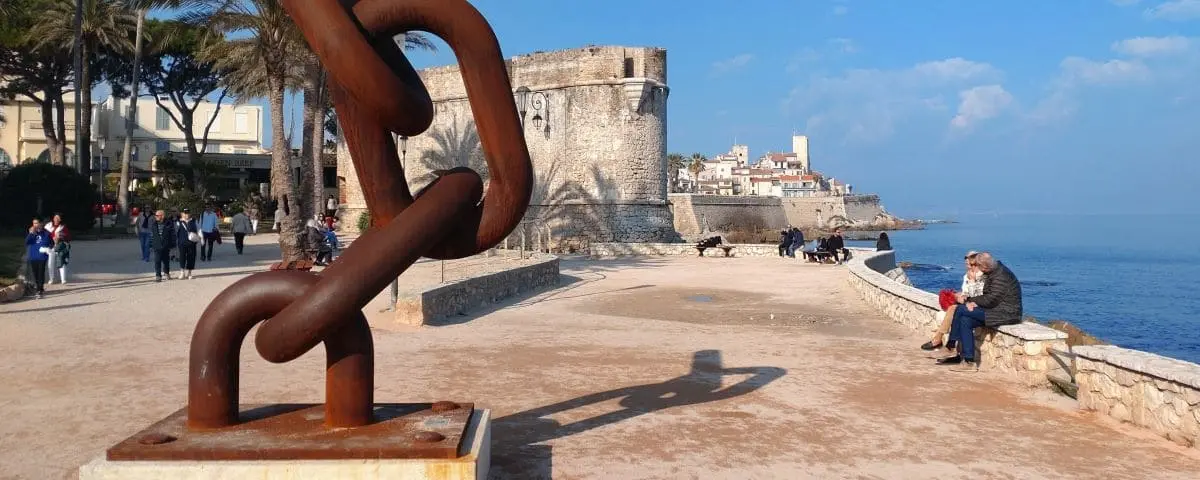
- Choose Antibes for the most versatile trip: beaches, history, art, restaurants, nightlife and easy access to both Cannes and Nice make it an excellent all-round French Riviera base.
- Choose Menton for a quieter and more romantic atmosphere: its colorful old town, gardens and Italian influence give it a distinctive personality.
- Antibes has the edge for sandy beaches and families, particularly around La Gravette, Ponteil and La Salis.
- Menton is our pick for slow travel and beautiful scenery, especially if your ideal day involves gardens, old streets and a long lunch rather than a packed sightseeing schedule.
- Antibes works better for exploring the western and central French Riviera, while Menton is better positioned for Monaco, Roquebrune-Cap-Martin and Italy.
- You do not necessarily need to choose: if your itinerary is long enough, Antibes and Menton reveal two very different sides of the Côte d’Azur and combine beautifully.
If you’re still mapping out the region, start with our French Riviera travel guide and our overview of the best cities and towns on the French Riviera. Antibes sits roughly in the middle of the classic coastal itinerary, while Menton occupies its far eastern end, almost touching Italy.
| Category | Antibes | Menton |
|---|---|---|
| Overall atmosphere | Lively, Provençal, varied | Relaxed, colorful, Italian-influenced |
| Beaches | Excellent choice, including sand | Scenic, generally less sandy |
| Old town | Historic, compact, energetic | Steep, atmospheric, very photogenic |
| Art and museums | Excellent | Good |
| Gardens | Good | Outstanding |
| Nightlife | Better, especially Juan-les-Pins | Quiet |
| Families | Excellent choice | Good, but hillier |
| Couples | Excellent | Excellent, with a romantic edge |
| Without a car | Very easy | Very easy |
| Western Riviera day trips | Excellent | Less convenient |
| Monaco and Italy | Possible | Excellent |
| Slow travel | Good | Excellent |
For a first trip, Antibes is the safer all-round choice. For atmosphere and a slower escape, Menton can be the more memorable one.
Which Has the Better Atmosphere: Antibes or Menton?
Antibes: Lively Provençal Charm With Two Distinct Personalities
Antibes occupies a superb position between two stretches of coast. The old town presses against the Mediterranean behind surviving ramparts, while Port Vauban opens beside it in a forest of masts. You can spend the morning among narrow streets and market stalls, swim after lunch, then walk past yachts before dinner.
What makes Antibes particularly appealing is its variety. Vieil Antibes feels historical and unmistakably Mediterranean, but it is not preserved in amber. People live here throughout the year, cafés fill the squares and the streets retain a rhythm beyond tourism.
Then there is Juan-les-Pins on the other side of the peninsula. Its identity is more resort-like and outgoing, with beaches, bars and a long association with jazz. Between the two lies Cap d’Antibes, where pine trees, villas and rocky coastline bring another mood entirely.
That range makes Antibes difficult to tire of. If you want to dive deeper into the town before deciding, see our guide to the best things to do in Antibes and use our Antibes tourist map to understand how the old town, beaches, port and cape fit together.
Menton: Colorful, Relaxed and Strongly Influenced by Italy
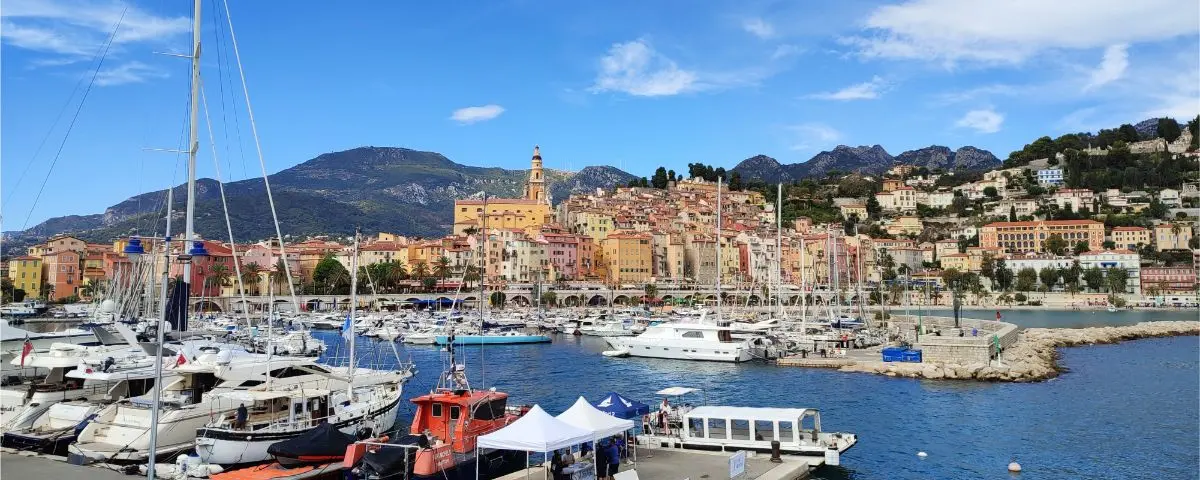
Menton feels different almost as soon as you arrive. The mountains seem to crowd closer to the Mediterranean, Italy lies just beyond the next stretch of coast, and the old town rises in warm shades of ochre, apricot and yellow above the sea.
Menton is the better choice if you want your Riviera stay to feel unhurried. Its charms reveal themselves through wandering rather than rushing: a staircase climbing between pastel houses, a church appearing above tiled rooftops, a shady garden, the market, then a terrace facing the water.
The Italian influence is part of the pleasure. Architecture, food and the general rhythm of the streets give Menton a borderland identity that separates it from much of the rest of the Côte d’Azur.
There is elegance too, but it is often slightly faded around the edges. Belle Époque buildings and grand villas recall the winter visitors who once came for the exceptionally mild climate. Add lemon trees and subtropical vegetation, and Menton can occasionally feel like a little world of its own.
For a closer look at the destination, our guide to things to do in Menton covers the main sights, while the Menton tourist map helps visualize the old town, beaches and Garavan area.
Atmosphere verdict: Antibes for variety and energy; Menton for character, calm and romance.
Which Has the Better Beaches: Antibes or Menton?
Beaches in Antibes
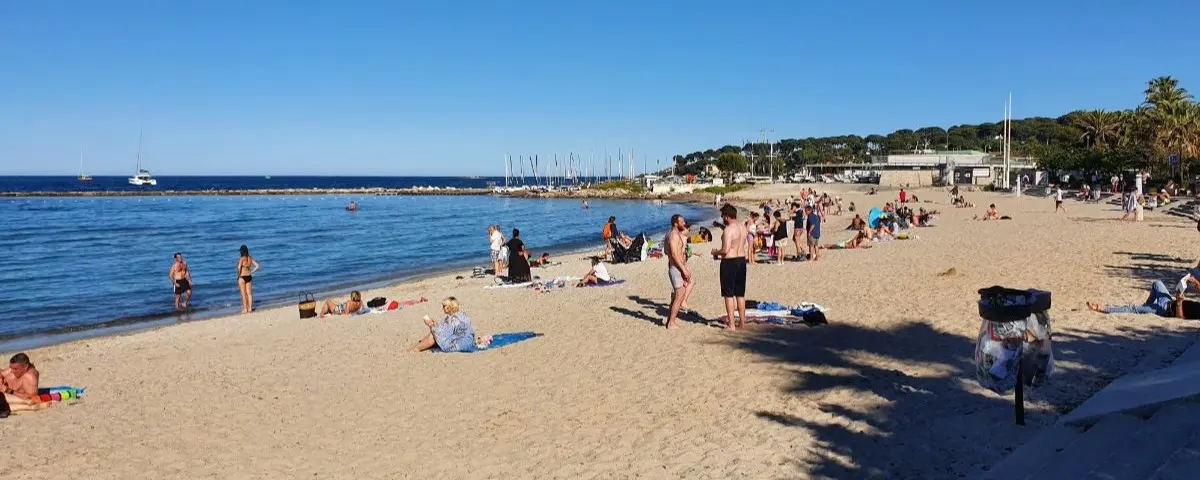
Antibes wins this comparison if sandy beaches are a priority. Several beaches sit close enough to the center that sightseeing and swimming can easily share the same day.
La Gravette is tucked beside the old town and ramparts, making it particularly convenient. Ponteil and La Salis stretch farther south toward Cap d’Antibes and provide more space, with lovely views across the bay and toward the mountains.
Juan-les-Pins adds another substantial beach zone on the opposite side of the cape. This is useful for families who want a traditional beach holiday but still want an old town and cultural attractions nearby.
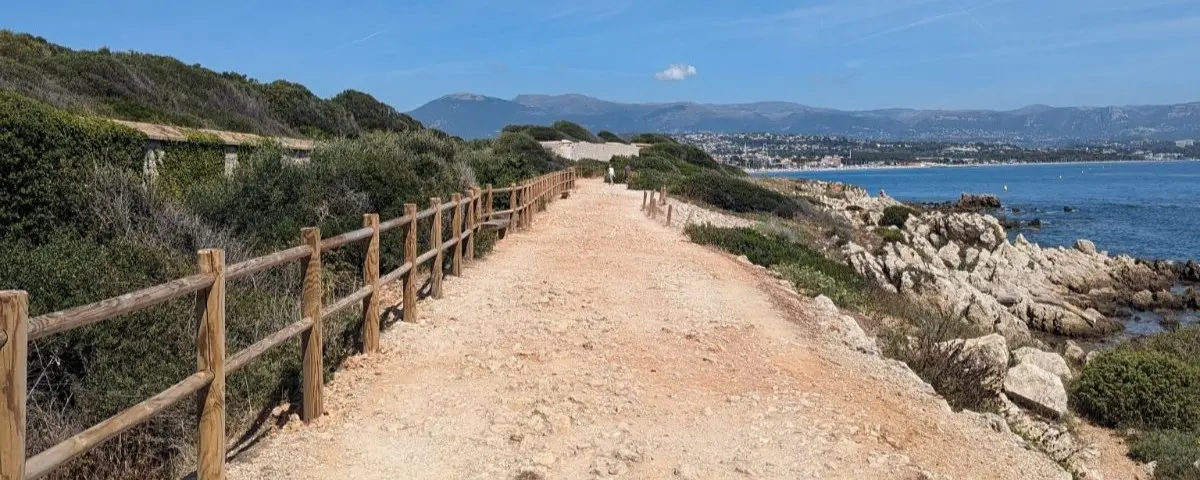
Antibes also rewards walkers. Head around Cap d’Antibes and the coastline becomes rockier, greener and more exclusive in appearance, with the Mediterranean flashing between pines and villas.
For travelers who want to combine a French Riviera beach holiday with sightseeing, Antibes is one of the strongest choices on this part of the coast.
Beaches in Menton
Menton’s coastline has a different appeal. Do not come expecting the same concentration of soft sandy beaches as Antibes. Instead, expect clear Mediterranean water, mountain backdrops and one of the Riviera’s prettiest urban seafront settings.
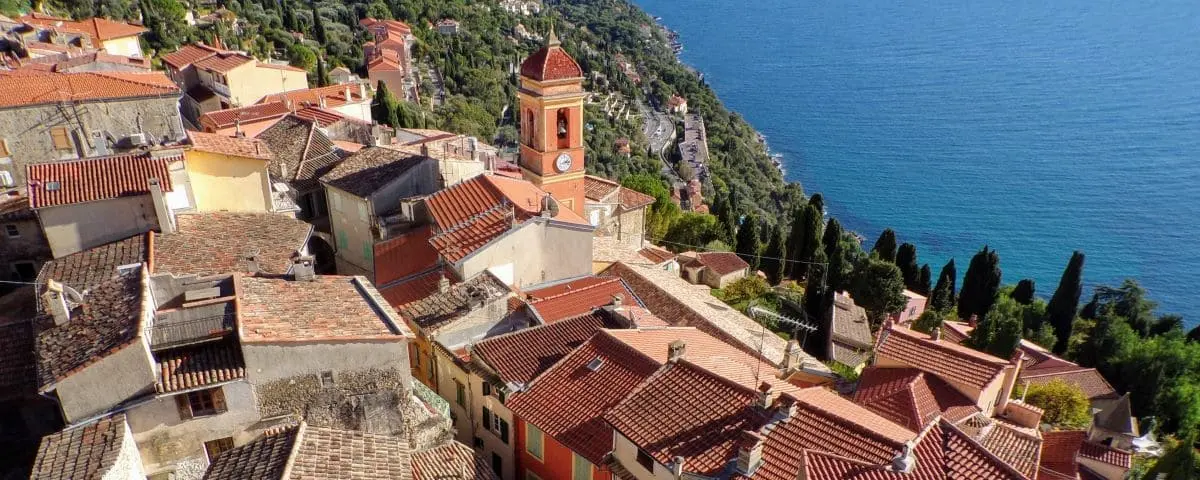
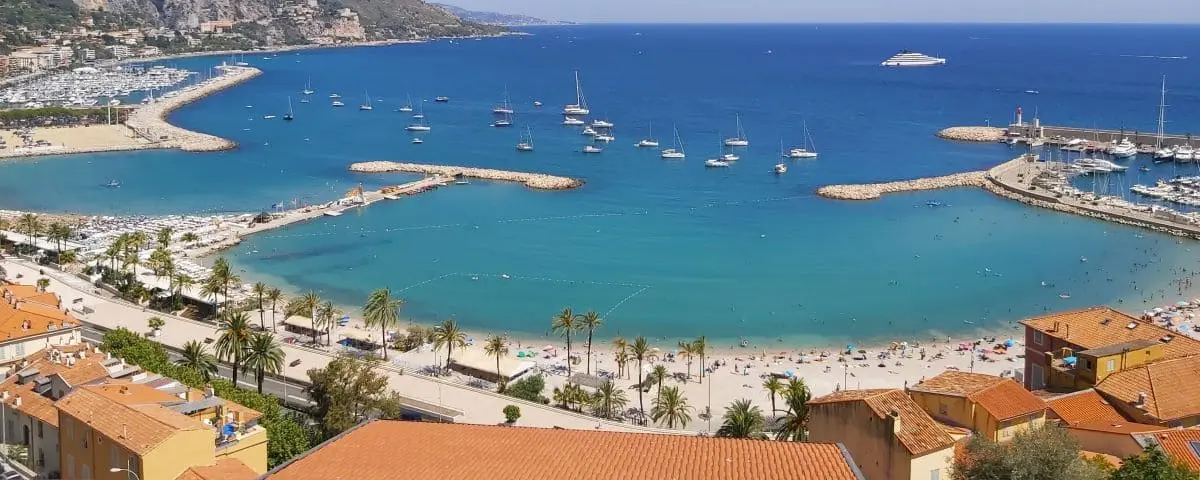
The Plage des Sablettes area is the obvious favorite for many visitors because it sits beneath the old town. Look back from the waterfront and Menton’s stacked pastel façades rise behind you, with the basilica higher still. It is one of those views that makes putting the phone away rather difficult.
Other beaches continue along Menton’s waterfront and toward Garavan. They work beautifully for swimming and sunbathing, but Antibes remains our pick for travelers choosing primarily on beach quality and variety.
Choose Menton instead if the setting matters more than the sand itself.
Which Has More Things to Do: Antibes or Menton?

Culture, History and Sightseeing in Antibes
Antibes carries considerably more history than its glamorous marina might suggest. Ancient Antipolis existed here long before the modern resort era, and the town later became an important fortified position.
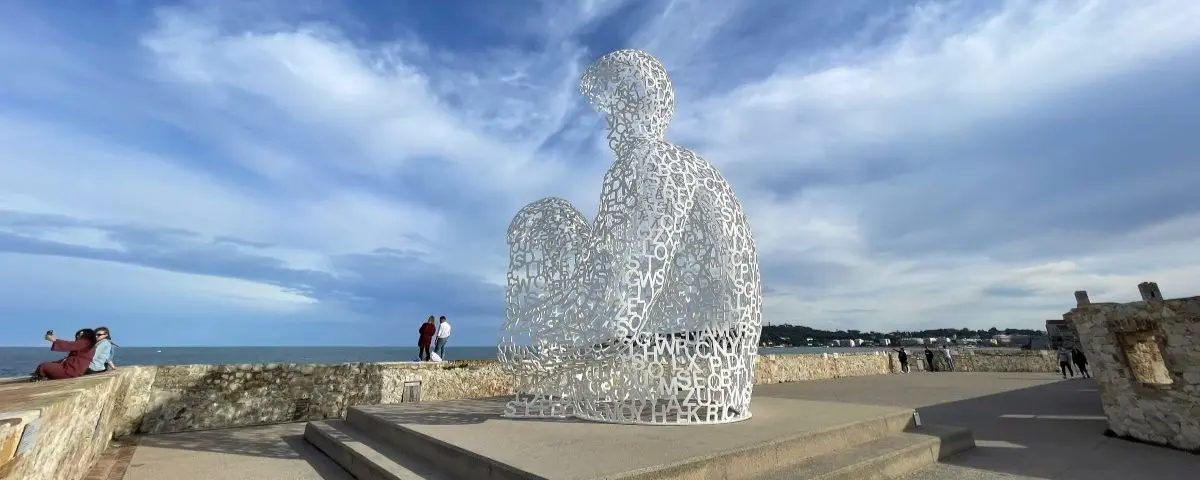
The remaining seaward ramparts provide one of the great walks in the old town. From them, the view travels over blue water toward the Alps, while below, waves meet stone walls that have watched centuries pass.
The Musée Picasso is Antibes’ cultural heavyweight. Picasso worked in the Château Grimaldi in 1946, and seeing his art inside the building where he created some of it gives the collection an unusually strong sense of place.
Beyond that, you have the Provençal market, the Safranier quarter, Fort Carré, Port Vauban and the coastal landscapes of Cap d’Antibes. There is enough here to fill several days without forcing the itinerary.
Antibes therefore wins for travelers who want a classic mix of old town, major art, architecture, beaches and coastal walks.
Culture, Gardens and Sightseeing in Menton
Menton cannot match Antibes for artistic firepower, but competing with it on those terms rather misses the point.
Menton’s great specialty is the marriage of architecture and gardens. Start in the old town, climbing through narrow streets toward the Basilica of Saint-Michel. Continue higher and the views begin to open magnificently over roofs, beaches and the Mediterranean.
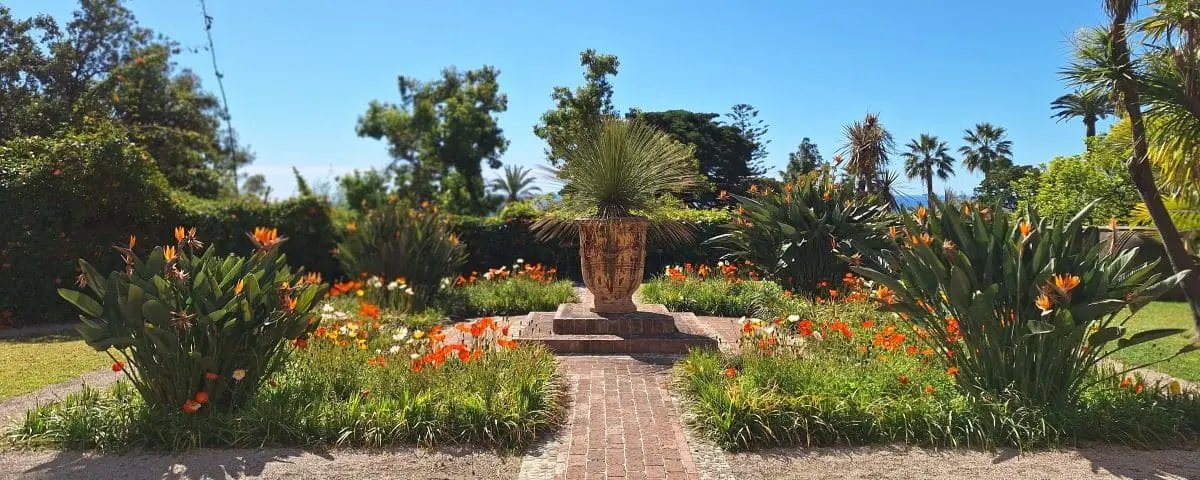
Then make time for the gardens. Menton’s protected position and mild climate encouraged collectors and wealthy residents to cultivate plants from across the world. Val Rahmeh and Serre de la Madone are among the most rewarding places to explore this botanical legacy.
Jean Cocteau also left a strong mark on the town, while Menton’s lemon-growing identity reaches its most exuberant expression during the famous Fête du Citron.
If you like to accumulate famous monuments quickly, Antibes probably offers more immediate variety. If gardens, architecture, photography and leisurely exploration excite you, Menton is exceptional.
For broader inspiration beyond either town, browse our guide to the best things to do on the French Riviera.
Which Is Better for Food, Cafés and Nightlife?

Eating and Going Out in Antibes
Antibes has the stronger overall restaurant and nightlife scene. The old town packs terraces, restaurants and cafés into a relatively compact area, and the Provençal market adds color and appetite to the center.
Choose Antibes if you like your evenings to continue naturally after dinner. Vieil Antibes remains animated after sunset, while Juan-les-Pins offers a more overtly nightlife-oriented atmosphere during the warmer months.
The food identity is firmly Mediterranean: seafood, Provençal produce, olive oil, vegetables, market ingredients and long terrace lunches. The audience is varied too, ranging from beachgoers and families to yacht crews and people dressed for an expensive night out.
You can keep things relaxed or dress up. That flexibility is one of Antibes’ strengths.
Eating and Going Out in Menton
Menton’s food scene fits its geography. Provence meets Liguria here, so Italian flavors feel completely at home beside French Mediterranean cooking.
The covered market is an excellent place to absorb that mix, surrounded by produce, cheese, fish and the kind of ingredients that make you reconsider a rushed lunch. Lemons naturally appear everywhere, sometimes wonderfully, sometimes rather enthusiastically.
Evenings are noticeably quieter than in Antibes. That is not necessarily a weakness. A table outdoors, a bottle of wine, warm façades glowing after sunset and no pressure to go anywhere afterward can be exactly the point.
For nightlife, pick Antibes. For slow dinners and quieter evenings, Menton is easy to love.
Which Is Better for Hotels and Your Travel Budget?

Where to Stay in Antibes
Antibes offers a broader variety of areas to stay in, but choosing the right one matters.
Stay in or near Vieil Antibes if sightseeing, restaurants and train access come first. It is the most convenient option for a car-free trip and puts the historic center at your doorstep.
Choose Juan-les-Pins if beaches and evening activity matter more. Cap d’Antibes suits travelers seeking a quieter, more exclusive atmosphere, although accommodation here can climb rapidly in price.
Peak summer naturally pushes demand upward, so booking earlier matters if location is important. Antibes is not inherently cheap, but the range of neighborhoods gives you more ways to balance convenience and budget.
Where to Stay in Menton
Menton is more compact in personality. Staying around the central waterfront or between the station and old town makes most everyday sightseeing straightforward.
Garavan is attractive if you prefer a more residential, garden-filled atmosphere near the eastern side of town. It also places you tantalizingly close to Italy.
Menton can sometimes feel less aggressively expensive than the Côte d’Azur’s most glamorous resorts, but do not assume it will always be a bargain. Summer dates and major events can alter accommodation prices significantly.
The essential question is not only price. In Menton, paying a little more for a walkable location can remove the need to think about transport almost entirely.
Which Is the Better Base for Exploring the French Riviera?
Choose Antibes for Cannes, Nice and the Western Riviera
Geography gives Antibes a major advantage for travelers who want to explore widely. It sits between Cannes and Nice on the coastal rail corridor, which makes both cities natural day trips.
Antibes is one of the most balanced bases for a first French Riviera itinerary. Cannes lies to the west, Nice to the east, while places such as Biot, Vallauris, Grasse and Saint-Paul-de-Vence can be worked into a broader itinerary with the appropriate train, bus or car connections.
If Cannes is central to your plans, our Cannes or Antibes comparison will help you choose between them. If Nice is the real alternative, see Nice or Antibes.
This central position matters more than it appears on a map. On a multi-stop vacation, shaving friction from repeated day trips can make the entire journey feel easier.
Choose Menton for Monaco, Èze and the Italian Border
Menton’s position is less central but far more interesting if your attention is focused eastward.
Choose Menton if Monaco is high on your list. Roquebrune-Cap-Martin is nearby, Monaco lies farther along the same coast, and Èze and Nice fit naturally into the western direction of travel.
Turn east and the border with Italy is almost immediate. Ventimiglia makes an easy extension into Liguria, giving your holiday a genuinely cross-border flavor.
This is where Menton stops feeling like the end of the French Riviera and starts feeling like a gateway between two Mediterranean worlds.
Still wondering whether Nice might offer a more flexible eastern base? Our Nice or Menton guide examines exactly that choice.
For visual planning across the whole coastline, keep our French Riviera tourist map open while building your itinerary.
Which Is Easier Without a Car: Antibes or Menton?
Getting Around Antibes
Antibes is extremely workable without a car. The train station sits within walking distance of the old town, Port Vauban and central accommodation, and the coastal railway makes Cannes and Nice particularly straightforward excursions.
Within the historic center, walking is not merely practical but preferable. Cars would only get between you and the pleasure of wandering through narrow streets.
Juan-les-Pins has its own rail access, although reaching every corner of Cap d’Antibes requires a little more planning.
For a first-time traveler depending entirely on public transport, Antibes is one of our favorite compromises between convenience and holiday atmosphere.
Getting Around Menton
Menton also works very well car-free. The central area, seafront and old town can all be explored on foot, while trains connect the town with Monaco, Nice and destinations across the Italian border.
There is one catch: Menton’s old town climbs. Those beautiful stairways and elevated viewpoints require more effort than Antibes’ relatively easy central wandering.
That matters for travelers with limited mobility, small children in strollers or anyone who dislikes repeated uphill walks. The waterfront itself is much easier.
For public transport overall, however, there is no compelling reason to rent a car simply to enjoy Menton.
Antibes or Menton: Which Should You Choose for Your Travel Style?
For a First Trip to the French Riviera
We would choose Antibes for most first-time visitors. It gives you a little of almost everything associated with the Riviera: a historic old town, Mediterranean beaches, art, a marina, markets and easy rail excursions.
Its central location also gives you room to change plans. One day Cannes, another Nice, another spent doing absolutely nothing beside the sea.
Menton is wonderful, but its appeal is more specific. Antibes is the more versatile introduction.
For Couples and a Romantic Trip
This one swings toward Menton.
Choose Menton for romance if you prefer quiet beauty to glamour. Climb through its pastel old town in the late afternoon, linger above the basilica as the light changes, then return to the waterfront for dinner.
Antibes can certainly be romantic, especially around the ramparts and Cap d’Antibes. It also suits couples who want more evening activity.
But for a dreamy two-person escape with nowhere urgent to be, Menton has the edge.
For Families With Children
Antibes is our preferred option for families. Sandy beaches are a major advantage, and the ability to combine a morning of sightseeing with an easy afternoon swim keeps schedules flexible.
The old town is compact, restaurants are plentiful and excursions by train are simple.
Menton remains family-friendly, particularly for children who enjoy beaches and gardens, but the steep sections of the historic center can make logistics more tiring with toddlers.
For Beaches and Swimming
Choose Antibes if the beach is a central part of your holiday.
La Gravette is convenient for the old town, while Ponteil and La Salis provide easy access to sandy stretches farther around the bay. Juan-les-Pins expands the choice again.
Menton’s water and scenery are lovely, but Antibes gives beach-focused travelers more options.
For Culture, Art and Sightseeing
Antibes wins for art lovers, largely thanks to the Musée Picasso and the relationship between artists and this part of the Riviera.
There is also more obvious military and ancient history, from the ramparts to Fort Carré and archaeological remains.
Menton should instead tempt travelers whose idea of culture includes baroque architecture, historic gardens, Belle Époque atmosphere and Jean Cocteau.
For a Relaxed, Slow-Paced Vacation
Choose Menton.
Few Riviera towns make doing very little feel quite so legitimate. Walk to the market, choose a garden, climb a few old streets, swim, order lunch, repeat tomorrow.
Antibes can be relaxed too, particularly outside midsummer, but there are more attractions and neighboring destinations constantly tempting you to fill the schedule.
Menton is particularly good at persuading you not to.
For Day Trips Around the Côte d’Azur
Your itinerary decides this category.
Choose Antibes for Cannes, central Nice and the western Riviera. Choose Menton for Monaco, the eastern Riviera and Italy.
If you have no firm day-trip priorities and simply want maximum flexibility, Antibes wins because of its more central position.
If Monaco is essential and you like the idea of crossing into Liguria, Menton becomes the smarter base.
Can You Visit Antibes and Menton on the Same Trip?
Absolutely, and this may be the best answer if you have enough time.
The towns lie on the same coastal rail axis, with Nice between them, so you can include both without renting a car. Technically, one could be visited as a day trip from the other, but that is not how we would design the best itinerary.
They are different enough to deserve separate time.
Spend a few nights in Antibes for its old town, sandy beaches, Picasso Museum and access to Cannes. Then shift east to Menton and slow the pace, using it for gardens, Monaco and perhaps an excursion across the Italian border.
This approach also prevents the French Riviera from becoming one continuous blur of waterfront promenades. Antibes feels Provençal and outward-looking; Menton feels intimate, mountainous and almost Ligurian.
That contrast is precisely why visiting both works so well.
Antibes or Menton: Our Final Verdict
There is no universal winner, but there is usually a clear winner for your particular trip.
- Best overall choice: Antibes. Its combination of sandy beaches, old-town character, major cultural sights, restaurants and central location makes it exceptionally versatile.
- Best for a first French Riviera vacation: Antibes. You get more variety without having to move accommodation constantly.
- Best for couples and slow travel: Menton. Its gardens, pastel old town and quieter Mediterranean rhythm create a wonderfully romantic base.
- Best for beaches and families: Antibes. The choice of accessible sandy beaches gives it a practical advantage.
- Best for nightlife: Antibes. Juan-les-Pins and the old town keep evenings noticeably livelier.
- Best for gardens and atmosphere: Menton. Few places on the Côte d’Azur combine mountains, subtropical vegetation, Belle Époque echoes and Italian influence quite so gracefully.
- Best for western French Riviera day trips: Antibes. Cannes and Nice are natural extensions of your stay.
- Best for Monaco and Italy: Menton. Its location near the eastern edge of France becomes a strength rather than a limitation.
- If we had to recommend just one to the widest range of travelers, we would choose Antibes. If you already know you want peace, beauty and a slower rhythm, choose Menton without hesitation.
The real pleasure is that neither feels like a lesser version of the other. Antibes gives you a Riviera with more movement; Menton gives you one with more time. Choose the rhythm that sounds most like your vacation.