




Avignon is one of those cities that can look almost too famous on paper: a colossal palace, a broken bridge, medieval walls, a world-known theatre festival. Yet the real question is simpler: is Avignon worth visiting when your time in Provence is limited?
Our answer is yes because few cities in southern France combine major history, a walkable old town, good food, cultural energy, and such useful access to the rest of Provence.
Is Avignon Worth Visiting? The Short Answer

Yes, Avignon is worth visiting, especially if you enjoy history, medieval architecture, cultural cities, Provençal food and wine, or traveling through southern France without a car.
The city works particularly well for first-time visitors to Provence. What is Avignon famous for? Above all, the Palais des Papes, the Pont Saint-Bénézet, its walled historic center, and the Festival d’Avignon. You can see major sights by day, look across the Rhône in the evening, and use the city as a base for very different day trips. That combination of sightseeing value and convenience is Avignon’s greatest strength.
At Culture Francia, we are a French family and former travel planners specializing in France. We look at destinations as parts of a real itinerary, not as isolated postcards. A city is worth your time when the experience, logistics, and atmosphere all justify the place it takes in your trip. By that standard, Avignon is one of the strongest choices in western Provence.
- Visit Avignon for the Palais des Papes, the medieval old town, and one of the strongest historic identities in Provence.
- One day is enough for the main highlights, but two days give Avignon the time it deserves.
- Avignon is a very good choice without a car because the center is compact and the city is useful for regional connections.
- The city is especially worth visiting for history lovers, cultural travelers, wine lovers, and first-time visitors to Provence.
- Avignon may disappoint you if your priority is beaches, major nightlife, or a quiet village atmosphere.
- For the best balance of weather and crowds, choose spring or early autumn. Choose July for the festival at full intensity.
For the wider picture, start with our Provence travel guide, then use this article to decide how much time Avignon deserves in your own route.
10 Reasons Avignon Is Worth Visiting
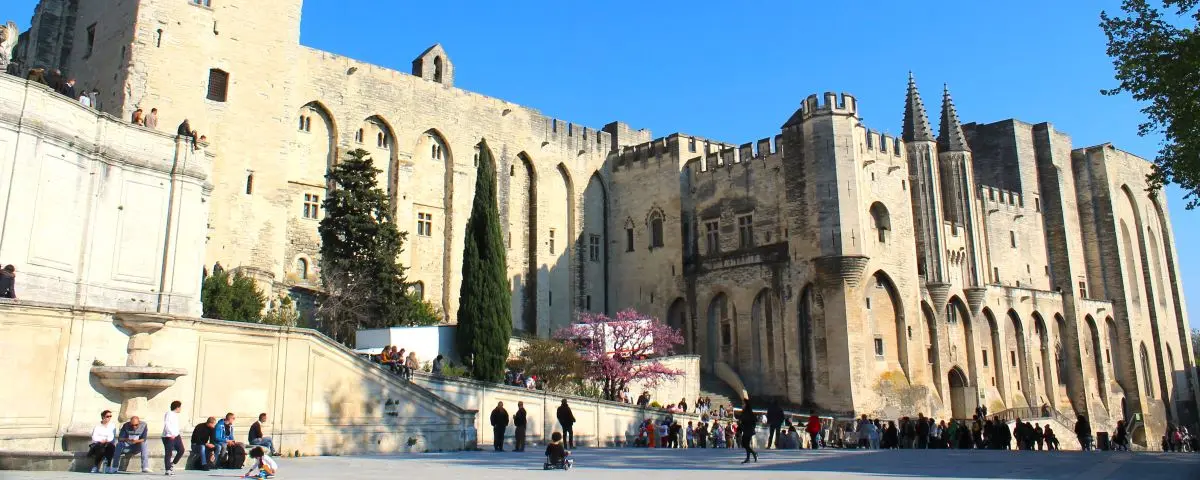
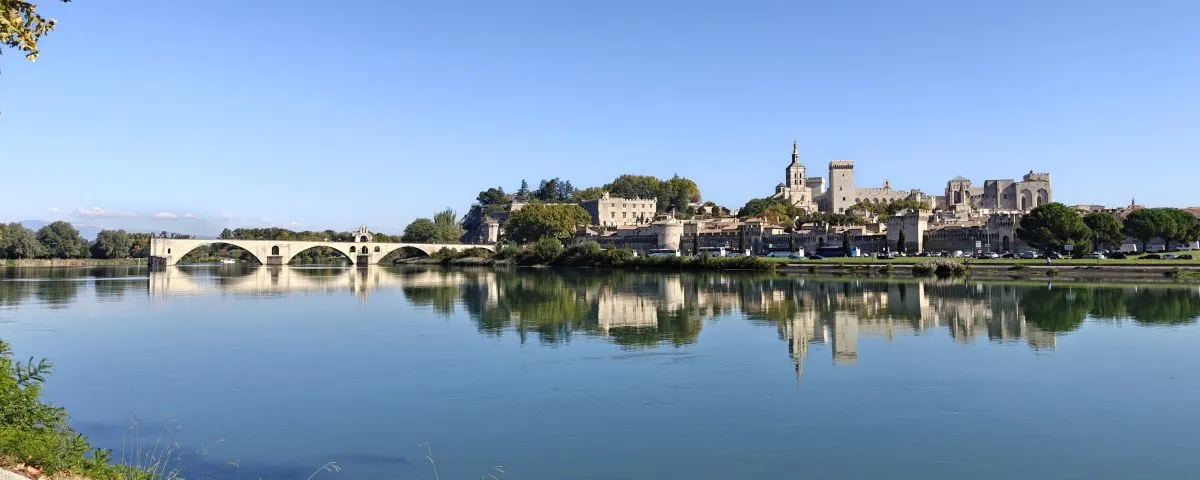
Avignon is not a city that needs twenty weak arguments. Ten good reasons are enough, and they explain why the city continues to earn a place in Provence itineraries.
1. The Palais des Papes Brings Avignon’s Papal History to Life
The Palais des Papes does not greet visitors gently. It rises above the old town like a fortress, all pale stone, towers, walls, and medieval confidence. This is the single strongest reason Avignon is worth a visit.
During the 14th century, Avignon became a center of papal power, and this UNESCO-listed historic ensemble still gives the city a historical weight that is difficult to match elsewhere in Provence. Inside, the scale matters as much as any individual room. You move through halls, chapels, courtyards, and passages built for a world of religion, politics, ceremony, and authority. The palace is widely presented as the largest Gothic palace in the world.
Do not expect a château filled with furniture and decorative comfort. The pleasure is different. You come for the architecture, the sense of scale, and the strange feeling of standing inside a medieval power center. Even travelers who normally tire of historic monuments often find the exterior alone unforgettable.
Our advice is simple: give the palace proper time. Rushing through it just to say you have been there rather misses the point.
2. The Medieval Old Town Is Full of Atmosphere
Avignon’s monuments may bring you to the city, but the old town is what fills the hours between them. Behind the ramparts, streets bend, narrow, widen into a square, then slip away again. A busy shopping street can turn into a quiet lane within minutes.
The historic center is compact enough to understand on foot, but layered enough to reward aimless wandering. Look beyond Place de l’Horloge and the most obvious route to the palace. There are old façades, carved doors, churches, small squares, hidden courtyards, cafés, and streets where the city feels less like a monument and more like a place people actually use.
This is one of Avignon’s best qualities. You can do serious sightseeing without spending the whole day inside museums. Walk for twenty minutes, stop for coffee, find another church, lose the route slightly, continue. Avignon rewards curiosity more than strict scheduling.
For a fuller list of places to see after the main landmarks, use our guide to the best things to do in Avignon.
3. The Pont d’Avignon Is an Iconic Sight on the Rhône
Yes, the bridge stops in the middle of the river. No, that is not a reason to skip it. The unfinished shape of the Pont d’Avignon is exactly what makes it so memorable.
Officially known as the Pont Saint-Bénézet, the medieval bridge once linked Avignon across the Rhône. Flood damage repeatedly weakened it, and the structure eventually remained in the partial form seen today. You can walk onto the surviving section, but the best experience is broader than simply ticking off the bridge itself.
Go down toward the river. Cross to the opposite bank if time allows. Look back at the old city, the ramparts, the palace, the rooftops, and the bridge reaching into the water. That wider view is one of Avignon’s most beautiful scenes.
The Rhône gives the city something many inland Provençal towns do not have: space. After the enclosed lanes and heavy medieval stone, the open river feels like a release.
4. Avignon Is Compact and Easy to Explore on Foot
Travelers often ask, is Avignon walkable? Very much so, especially where visitors spend most of their time. The main sights inside the historic center sit close enough together that you can move from the Palais des Papes to the old town, the bridge, restaurants, and squares without turning the day into a transport puzzle.
That convenience changes the experience. There is no need to plan every movement. You can visit a major monument, return to your hotel, go out again for dinner, and take an evening walk without checking timetables each time. For a short stay, that efficiency is valuable.
The old town is not perfectly flat, and summer heat can make even a modest walk feel longer by mid-afternoon. Still, Avignon lets you spend your energy on the city rather than on getting around it.
Our usual recommendation for a first visit is to stay inside the ramparts when possible. You gain the pleasure of stepping outside in the morning and already being where the day begins.
5. The City Has a Lively Food and Market Scene
Avignon is not the first city many travelers name when talking about French food. That can be an advantage. You can eat very well here without the entire trip becoming a hunt for one famous dish.
The city brings together Provençal ingredients and the appetite of a busy regional center: olives, vegetables, herbs, cheeses, charcuterie, pastries, local wines, and produce from across the Rhône Valley and Vaucluse. Markets and food halls add color, but some of the best moments are simpler: a shaded lunch, a glass of wine before dinner, a bakery stop that becomes breakfast the next day.
Les Halles d’Avignon is the obvious food-market reference, while the streets inside the walls offer restaurants ranging from casual to ambitious. For travelers who like to alternate monuments with meals, Avignon keeps the day pleasantly balanced.
A small warning, born of experience with tourist cities everywhere in France: the most visible terrace is not automatically the best table. Walk one or two streets farther. Hunger can wait five minutes.
6. Avignon Is a Great Destination for Wine Lovers
Avignon sits in a region where wine is not a decorative extra. Vineyards shape the countryside, restaurant lists, day trips, and conversations. If wine is part of how you travel, Avignon gives you an excellent base for exploring the southern Rhône Valley.
Châteauneuf-du-Pape is the name most international visitors recognize, but the broader wine country around Avignon offers much more than one prestigious appellation. Depending on your itinerary, you can build a day around vineyards, villages, tastings, or a combination of all three.
The great practical advantage is that you can enjoy wine country without making your entire holiday about wine. Spend one day in medieval Avignon, another exploring the region, then return for dinner. This works especially well for mixed-interest trips.
If you are driving, appoint a driver and keep tastings sensible. Better still, consider an organized excursion when wine is the main purpose of the day.
7. The Festival d’Avignon Gives the City a Unique Cultural Energy
In July, Avignon changes character. Posters multiply. Performers take over the streets. Courtyards, theaters, schools, and unexpected spaces become stages. For cultural travelers, the Festival d’Avignon can make the city feel like nowhere else in France.
The famous festival and the wider performance scene bring theatre, experimentation, comedy, movement, debate, and a certain joyful disorder. Even choosing what to see can become an activity in itself. During festival season, the spectacle spills into the streets and the city becomes a stage beyond the official venues.
Of course, energy has a price. Rooms are harder to find, the center is busier, and tranquility becomes a rare local species. Come in July because you want the festival atmosphere, not because you hope to ignore it.
Outside festival season, Avignon is still cultural. July simply turns the volume all the way up.
8. There Is More Cultural Depth Beyond the Famous Landmarks
A common mistake is to reduce Avignon to two attractions: palace, bridge, finished. That is efficient, certainly. It is also a little unfair.
Avignon has enough museums, churches, historic buildings, gardens, and cultural spaces to support a slower visit. The city’s appeal comes partly from accumulation. One grand Gothic monument would already be impressive. Add medieval streets, religious architecture, private mansions, theatre history, collections, and the river, and the city begins to feel much richer.
This is where a second day helps. On a day trip, you naturally chase the famous sights. With more time, you can choose one smaller museum, sit in the Rocher des Doms garden, look at details rather than facades, and let the old town reveal itself at a calmer pace.
The difference between visiting Avignon and experiencing Avignon is often a few unscheduled hours. That is why we are cautious about treating the city as a three-hour stop between trains.
9. Avignon Is an Excellent Base for Exploring Provence
Avignon becomes even more valuable when you look beyond the ramparts. As a base for Provence, the city can save time, hotel changes, and unnecessary backtracking.
From Avignon, travelers often build trips toward Arles, Nîmes, the Pont du Gard, Villeneuve-lès-Avignon, Saint-Rémy-de-Provence, Les Baux-de-Provence, L’Isle-sur-la-Sorgue, Châteauneuf-du-Pape, and the Luberon. Not every place is equally easy without a car, but the range is exceptional.
This is especially useful on a first trip. Instead of moving luggage every night, you can explore during the day and return to a city with restaurants and evening atmosphere. Use our Provence tourist map to see how the main towns, villages, and landscapes fit together.
Still choosing your base? Our comparisons of Avignon or Aix-en-Provence and Arles or Avignon will help. Avignon usually wins on practical sightseeing value; the alternatives may win on atmosphere for certain travelers.
10. Avignon Is Easy to Visit Without a Car
Many beautiful places in Provence become complicated the moment you remove the car keys. Avignon is different. It is one of the best Provence destinations for travelers relying on trains, walking, tours, and regional connections.
Once you reach the center, your feet do most of the work. The main monuments are concentrated inside or near the ramparts, and the city functions well as a place to sleep, eat, and sightsee without daily driving. Avignon also has strong rail value compared with many smaller destinations in the region.
This does not mean every hilltop village suddenly becomes easy by public transport. Provence remains Provence, and some of its loveliest corners are stubbornly inconvenient. But you can build a rewarding Avignon trip without renting a car, especially if you combine the city with train-friendly destinations or organized day tours.
When Avignon May Not Be Worth Visiting

A useful travel guide should also tell you when to go elsewhere. Avignon is worth visiting for many travelers, but it is not the universal answer to every Provence trip.
You Want Beaches, Major Nightlife, or a Big-City Atmosphere
Avignon is inland, historic, and compact. That is the attraction. It is also the limitation.
Do not choose Avignon as your main destination if your dream trip revolves around beaches, late-night clubs, or the energy of a major metropolis. The city has bars, restaurants, performances, and busy evenings, but it is not Marseille. Nor is it a Mediterranean resort where the sea appears at the end of the street.
You may also prefer somewhere else if your idea of Provence is entirely rural. Avignon feels like a real city, and a tourist city at that. For fountains, markets, elegance, and slower daily pleasure, Aix-en-Provence may suit you better. For Roman heritage and a more atmospheric, less polished feel, Arles may be the stronger choice.
Choose Avignon for history, convenience, and cultural sightseeing. Choose another base when a different travel mood matters more.
You Dislike Heat, Crowds, and Festival-Season Buzz
Avignon can be glorious under southern light. It can also be hot, crowded, and noisy. If you dislike intense summer cities, think carefully before visiting at the height of the season.
Is Avignon touristy? Yes, especially in peak summer. July is the obvious example. The festival atmosphere is extraordinary for travelers who want theatre and street energy. For everyone else, it can mean fuller accommodation, busy public spaces, and a city moving at a very different rhythm from quiet, romantic Provence.
Peak summer heat can also change the day. A pleasant walk at 9 a.m. may feel heroic in mid-afternoon. Plan major visits early, take lunch seriously, and do not be ashamed of a slow hour in the shade. The best Avignon itinerary works with the climate, not against it.
If crowds bother you more than cool weather, shoulder season is usually the better compromise.
How Many Days Do You Need in Avignon?
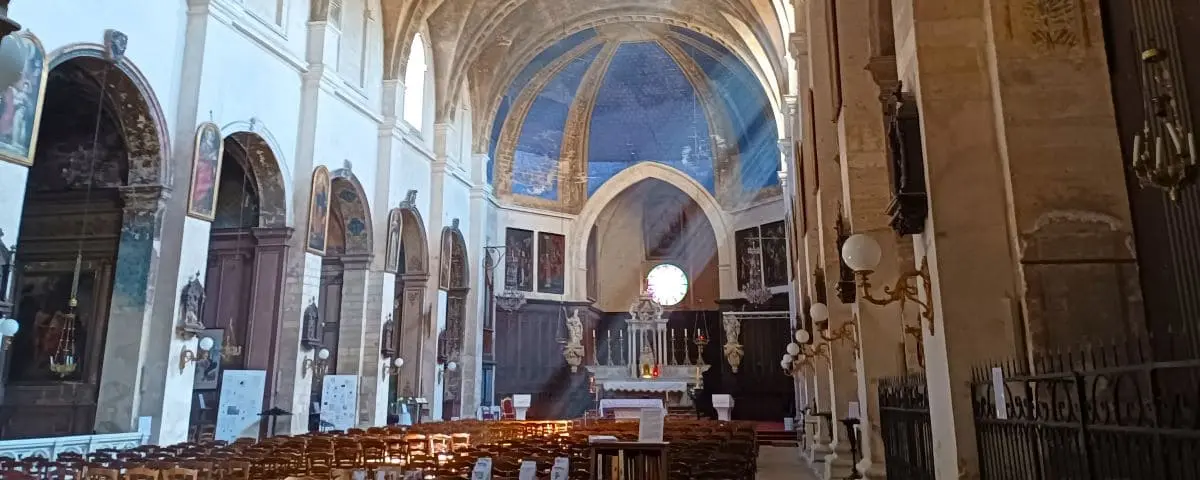
The practical question after “should I visit Avignon?” is usually “how long should I stay?” For most travelers, one to two days in Avignon is the right answer.
One Day: Enough for the Main Highlights
Yes, one day in Avignon is enough to see the headline sights. Is Avignon worth a day trip? Also yes, provided you start early. Visit the Palais des Papes, continue through the historic center, see the Pont d’Avignon, then leave time for a meal and an evening walk.
A one-day visit works best if you are staying nearby, traveling efficiently, and happy to focus on the essentials. It is less successful when half the day disappears into arrival logistics or when you try to add three museums, a long lunch, and a day trip for good measure.
The key is discipline. In one day, choose Avignon itself. Do not turn the city into a waiting room between other destinations.
You will leave having understood why Avignon is famous, even if you have not uncovered every quieter corner.
Two Days: Better for a More Relaxed Visit
Two days is our preferred length for a first visit to Avignon. Day one can carry the major landmarks. Day two gives you the old town at a slower pace, a smaller museum or church, the river, a market, and meals that are not squeezed between tickets.
This is also when the city becomes more than a checklist. You see the center in different light, notice quieter streets, and have time to change plans because a square looks inviting or lunch takes longer than expected.
For most travelers asking “how many days in Avignon?”, two days gives the best balance of depth and efficiency. It is enough to enjoy the city properly without using too much of a longer Provence itinerary.
Three or More Days: Best If Avignon Is Your Base in Provence
Three days in the city alone may be more than some first-time visitors need. Three or more days based in Avignon is a different story.
Stay longer when Avignon is doing double duty as both destination and Provence base. Explore the city for one or two days, then use additional days for wine country, Roman cities, villages, or landscapes around western Provence.
This approach is especially good for travelers who dislike changing hotels. You unpack once, learn the route back to your room, find a favorite breakfast stop, and let day trips provide the variety.
With four or five nights, you can create a much broader trip without making every morning a departure day. Avignon earns longer stays through what surrounds it as much as through what sits inside the walls.
When Is the Best Time to Visit Avignon?
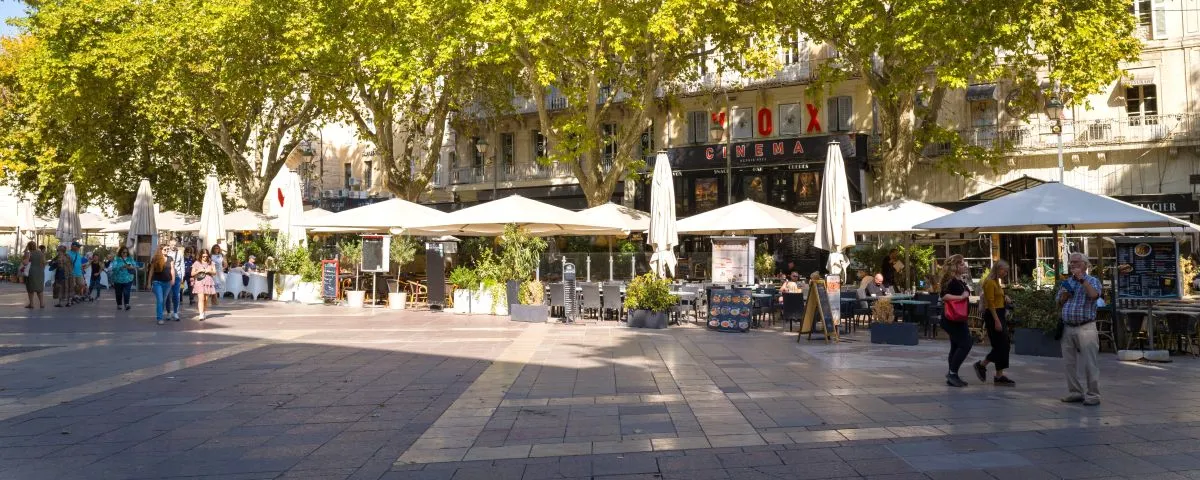
There is no single best month for everyone. The best time to visit Avignon depends on whether you value comfortable sightseeing, cultural intensity, or the warmest weather.
Spring and Early Autumn for the Best Balance
For most travelers, spring and early autumn offer the best balance of weather, atmosphere, and manageable sightseeing. The city is lively, terraces are appealing, and walking the old town is usually more comfortable than during the hottest part of summer.
These seasons also suit a wider Provence itinerary. Avignon can be one stop among villages, vineyards, Roman sites, and landscapes without every day being shaped by peak heat.
We particularly like these periods for first-time visitors because they let the city behave more normally. You can admire the palace without planning your entire day around the sun, and dinner outdoors still feels like part of the trip rather than an endurance test.
Choose shoulder season if you want Avignon to feel cultural and alive, but not overwhelming.
July for the Full Festival d’Avignon Experience
July is not simply another month in Avignon. Choose July when the festival is one of your reasons for coming. The city becomes louder, busier, more theatrical, and much more intense.
For some travelers, this is Avignon at its absolute best. The streets feel charged with performance, conversation, posters, and possibility. For others, it is exactly the wrong time to visit a medieval city they hoped would be calm.
Book accommodation well ahead and accept that spontaneity has limits when thousands of other people have also had the same brilliant idea. Festival season is unforgettable when you embrace the chaos and frustrating when you fight it.
Outside July, the city loses some of that feverish energy but becomes easier to experience as a historic destination.
Final Verdict: Is Avignon Worth Visiting?
Yes, Avignon is worth visiting. For most first-time travelers to Provence, we would give it at least one full day and preferably two.
The city’s strength is the combination: a monumental papal palace, medieval walls, a famous bridge on the Rhône, a walkable historic center, food and wine, cultural life, and value as a base for the region.
Avignon is not the softest or most romantic version of Provence. It can be busy. It can be hot. In July, it can feel as if the entire city has decided to put on a show at once. But that is part of its character. Avignon has weight, presence, and purpose in an itinerary.
Our final recommendation:
- Visit for one day if you want the Palais des Papes, the bridge, and the essential old-town experience.
- Stay for two days if you want to understand why Avignon is more than its two famous landmarks.
- Stay three nights or longer if you plan to use Avignon as a base for exploring Provence.
- Choose spring or early autumn for the easiest first visit, and choose July only if you want the festival energy.
- Skip Avignon only when beaches, major nightlife, or a quiet village atmosphere matter more to you than history and sightseeing.
So, should you visit Avignon? For history lovers, first-time Provence travelers, wine enthusiasts, cultural travelers, and anyone exploring without a car, the answer is a confident yes.