




Marseille does not reveal itself all at once. It is noisy, sunlit, imperfect, and intensely attached to the sea. Give it two days and you can move from fishing boats and ancient streets to bold museums, hilltop views, limestone cliffs, and tiny harbors hidden beneath the coastal road.
As France travel planners, we designed this Marseille 2-day itinerary for first-time visitors who want the essentials without racing across the city. Day 1 follows the historic waterfront, while Day 2 opens onto the Calanques and southern coast. The route is practical, memorable, and easy to adapt.
Marseille 2-Day Itinerary at a Glance
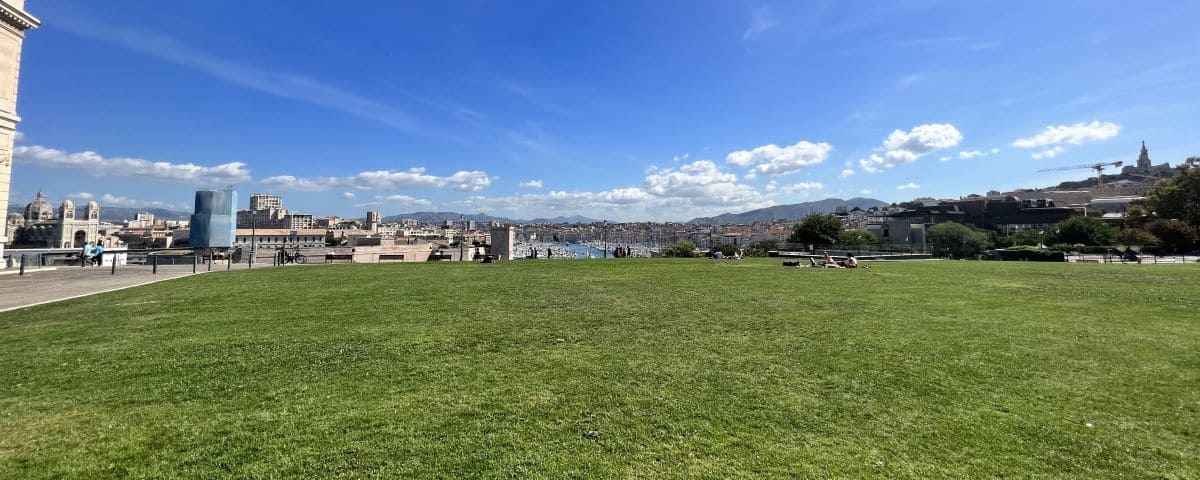
- Day 1 morning: begin at the Vieux-Port, explore Le Panier, visit La Vieille Charité, then continue to Marseille Cathedral, the Mucem, and Fort Saint-Jean.
- Day 1 afternoon: have lunch near the harbor, cross to Saint-Victor and the Pharo, climb to Notre-Dame de la Garde, and finish at Vallon des Auffes.
- Day 2 morning: choose between a hike from Luminy into the Calanques or a boat trip along the limestone coast.
- Day 2 afternoon: visit Cité Radieuse, enjoy the Prado waterfront, then spend your final evening around Cours Julien.
- Best base: stay near the Vieux-Port for the simplest first visit, and use public transport rather than a car for most of the weekend.
This plan covers Marseille’s port, historic center, Mediterranean coast, and Calanques. For a broader overview before choosing optional stops, browse our guide to the best things to do in Marseille.
Day 1 Morning: Vieux-Port, Le Panier and the Historic Waterfront
Start at the Vieux-Port and Fish Market
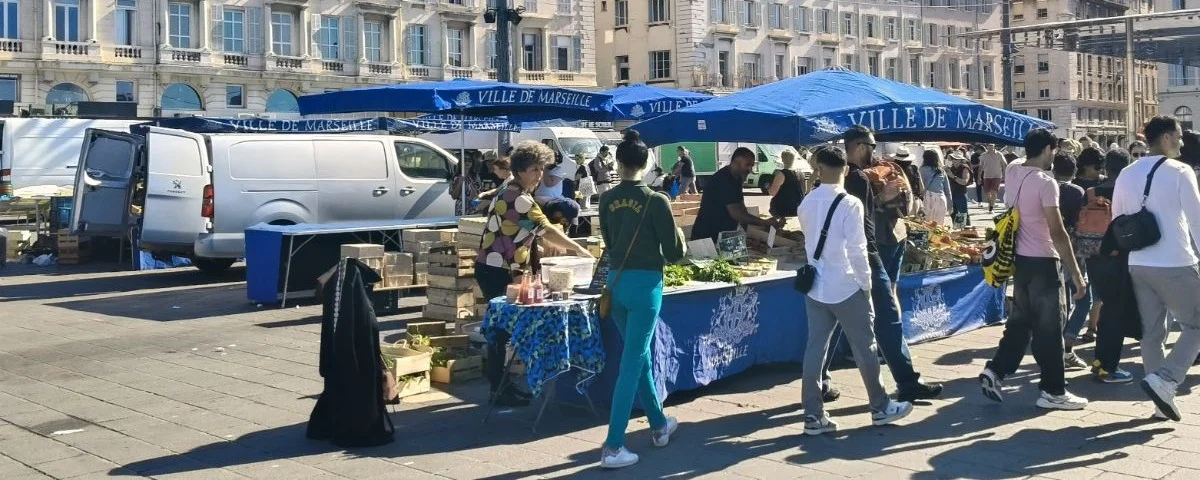
Begin around 8:30 or 9:00 at the Vieux-Port, where Marseille seems to wake directly beside the water. Fishing boats, pleasure craft, ferries, buses, terraces, and pedestrians all meet here.
The Vieux-Port is the best introduction to Marseille because it brings the city’s history and present life together in one view. Walk beneath the mirrored canopy, look toward Notre-Dame de la Garde, and watch the fish sellers. A coffee and pastry are enough before the climb into Le Panier.
Our Marseille tourist map is useful here because the first morning is compact but full of small streets, stairways, and connecting passages.
Explore the Historic Streets of Le Panier
Cross toward the Town Hall and climb behind it into Le Panier. This is old Marseille: sloping lanes, laundry, painted shutters, workshops, murals, and hidden squares.
Do not treat Le Panier as a checklist. Its charm lies in wandering slowly for about an hour. Follow the lanes uphill, pause around Place de Lenche, and take a few unplanned turns. Its popular, migrant, and maritime history remains visible despite gentrification.
Morning light suits the colorful facades and avoids the busiest groups. Wear comfortable shoes, since the route includes steep streets and uneven steps.
Visit La Vieille Charité
At the heart of Le Panier, La Vieille Charité offers a calmer rhythm. The former charitable institution surrounds an elegant arcaded courtyard and oval chapel.
Allow 30 to 60 minutes, depending on whether you enter the museums or simply admire the courtyard. With two days, there is no obligation to see every exhibition. The building itself is a rewarding pause.
Check the program before committing to a museum visit. When an exhibition strongly interests you, stay longer and shorten your later lunch. Otherwise, continue downhill toward the monumental waterfront.
Walk to Marseille Cathedral
From La Vieille Charité, descend toward La Major, Marseille’s immense striped cathedral. Its striped stone, domes, arches, and Byzantine-inspired decoration create a striking silhouette.
The cathedral deserves a short interior visit, but its position above the port is just as important as the building itself. Stand back to appreciate its scale and the ferries beyond. The contrast between monument, working port, and modern waterfront captures Marseille well.
Plan about 20 to 30 minutes here.
Discover the Mucem and Fort Saint-Jean
Continue along the esplanade to the Mucem, whose dark concrete lattice has become one of modern Marseille’s signatures. The museum explores Mediterranean civilizations through collections and temporary exhibitions.
Even without visiting every gallery, walk through the exterior spaces and cross the footbridges to Fort Saint-Jean. Its architecture, sea views, gardens, and ramparts are central to the experience. It presents Marseille as both French city and Mediterranean crossroads.
Allow at least 90 minutes for a selective visit, or longer for a major exhibition. The Mucem normally closes on Tuesdays, while its exterior areas can follow separate access conditions, so verify the official schedule before your trip.
Day 1 Afternoon: Saint-Victor, Notre-Dame de la Garde and the Coast
Have Lunch Around the Old Port
Return toward the Vieux-Port for lunch, either by walking around the harbor or using the tiny ferry when it is running. Choose a side-street restaurant rather than paying only for a waterfront view.
For a two-day itinerary, lunch should be enjoyable but efficient, ideally lasting about one hour. Seafood, panisses, Mediterranean vegetables, or Marseille pizza suit the day better than a formal meal. Authentic bouillabaisse is expensive and deserves advance planning.
After lunch, continue along the southern side of the port.
Walk Through Saint-Victor and the Pharo Gardens
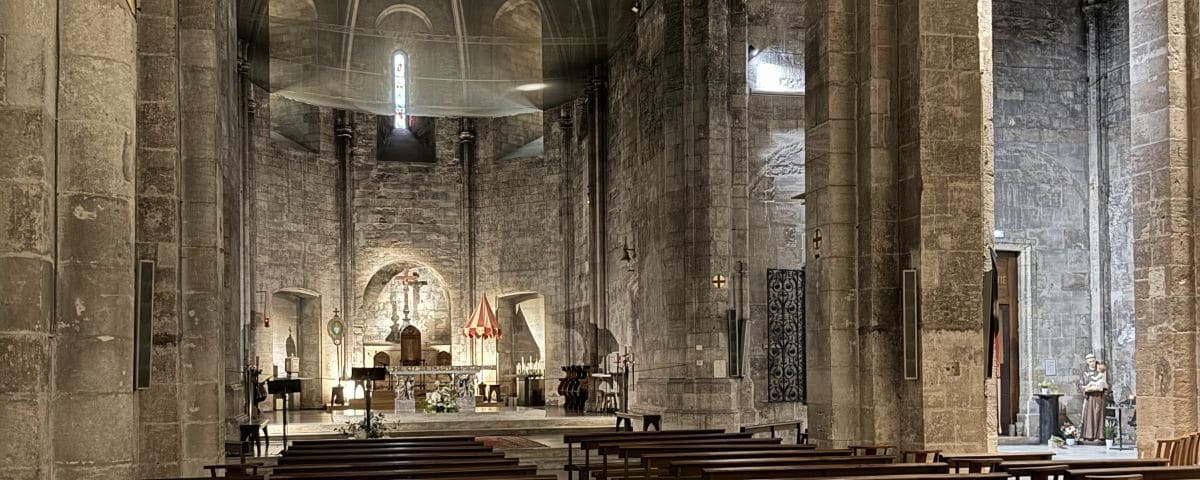
Climb briefly to Saint-Victor Abbey, a massive stone landmark associated with Marseille’s early Christian history. Its severe exterior contrasts with the harbor, while the crypts reward religious-history enthusiasts.
Combine Saint-Victor with the Pharo Gardens rather than viewing it as an isolated monument. Continue toward the gardens above the harbor entrance. The terraces overlook Fort Saint-Jean, the Mucem, the port, and island ferries.
This section should take around an hour.
Climb to Notre-Dame de la Garde
Notre-Dame de la Garde stands on the hill above Marseille, visible from much of the city. Reach it by bus, tourist train, taxi, or a demanding walk. After a full morning, public transport is generally the sensible choice.
Do not skip the basilica, because its terrace gives the clearest overview of Marseille’s geography. The city spreads between hills, port, islands, beaches, neighborhoods, and limestone massifs. Inside, mosaics, ex-votos, and model ships recall sailors and the sea.
Allow about one hour on site.
Watch the Sunset at Vallon des Auffes
Descend toward the Corniche and finish at Vallon des Auffes, a tiny fishing harbor tucked below the road. Stone arches frame boats, fishermen’s houses, nets, steps, and restaurants. It feels like a village apart.
Vallon des Auffes is the best ending to Day 1 because it replaces sightseeing with atmosphere. Walk around the harbor or order a drink as the light softens. Sunset is beautiful, but the small port remains appealing even under cloudier skies.
For dinner, stay after reserving or return toward the center. Book well ahead for famous seafood addresses.
Day 2 Morning: Explore the Calanques
Option 1: Hike into the Calanques from Marseille
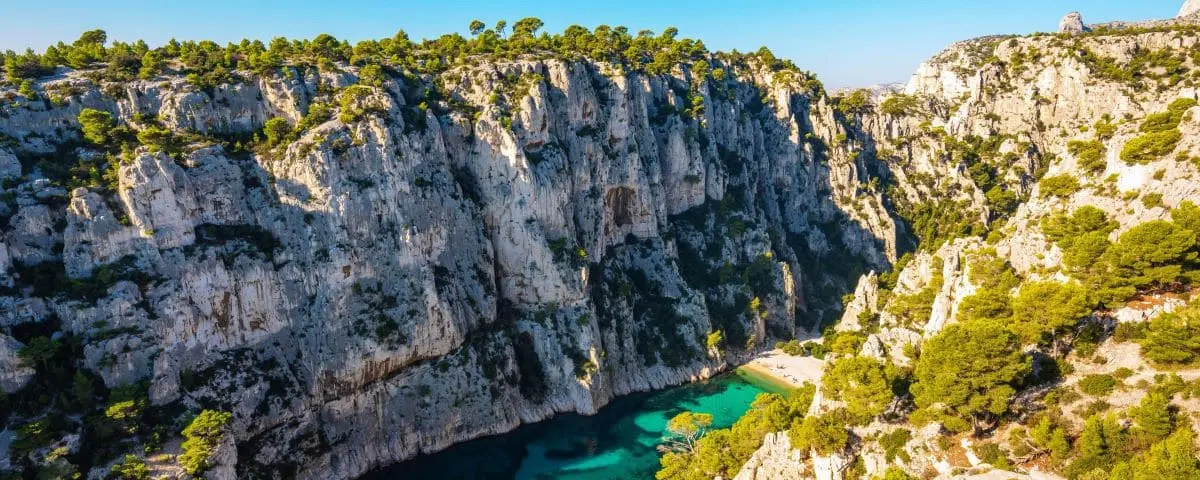
For active travelers, take public transport to Luminy and walk toward Sugiton. The landscape shifts from pine trees to limestone, blue water, and rocky paths.
Choose the Sugiton viewpoint for a shorter outing, or continue to the calanque only when conditions and your fitness allow. The descent and return are steep, especially in heat. Bring proper shoes, water, and sun protection; there are no services near the shore.
Sugiton access is regulated on selected busy dates, and the wider massif can close during the summer fire-risk period. In 2026, free reservations are required on specified high-season dates, while daily access status must also be checked before departure.
Option 2: Take a Calanques Boat Trip
A boat trip is the easier choice for travelers who want the cliffs and coves without a rocky hike. Excursions from the Vieux-Port reveal limestone cliffs rising abruptly from the sea.
Choose the boat option when time is limited, walking conditions are poor, or you want a broad coastal overview. It is less intimate than hiking, but the water views reveal the park’s scale. Select an authorized operator and compare routes, commentary, and swimming options.
Wind and sea conditions can affect departures. Boat activities inside the national park are regulated.
Day 2 Afternoon: Cité Radieuse, the Prado Coast and Cours Julien
Visit Cité Radieuse
After returning from Luminy or the harbor, head toward Cité Radieuse. Le Corbusier conceived this residential block as a vertical neighborhood with internal streets.
Visit primarily for the architecture and rooftop, not as a conventional museum stop. Access is limited, and guided visits best explain the design. Raw concrete, bold colors, and modular proportions contrast sharply with Day 1.
Allow 45 to 75 minutes. Architecture enthusiasts may stay longer, while other travelers can treat it as a distinctive stop between the Calanques and the coast.
Continue Along the Prado Coast
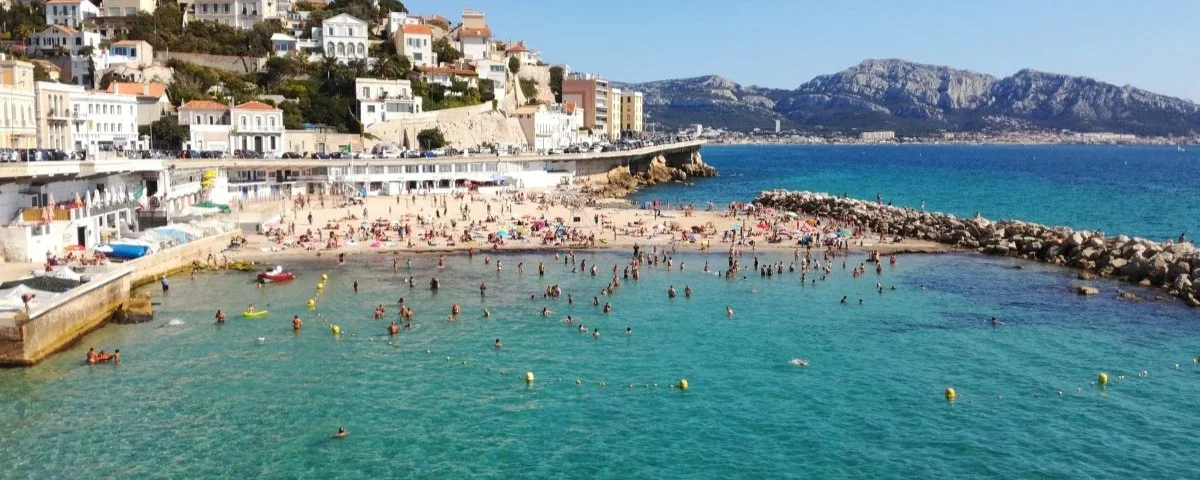
From Cité Radieuse, continue toward the Prado beaches and the southern seafront. These urban beaches offer sea air, lawns, paths, and space to slow down.
Use the Prado coast as flexible time rather than another compulsory attraction. Swim, walk beside the water, or rest after the morning’s activity. This pause is especially valuable in summer.
Families may prefer spending longer here; our guide to Marseille with kids includes additional ideas for a more relaxed schedule.
End Your Weekend in Cours Julien
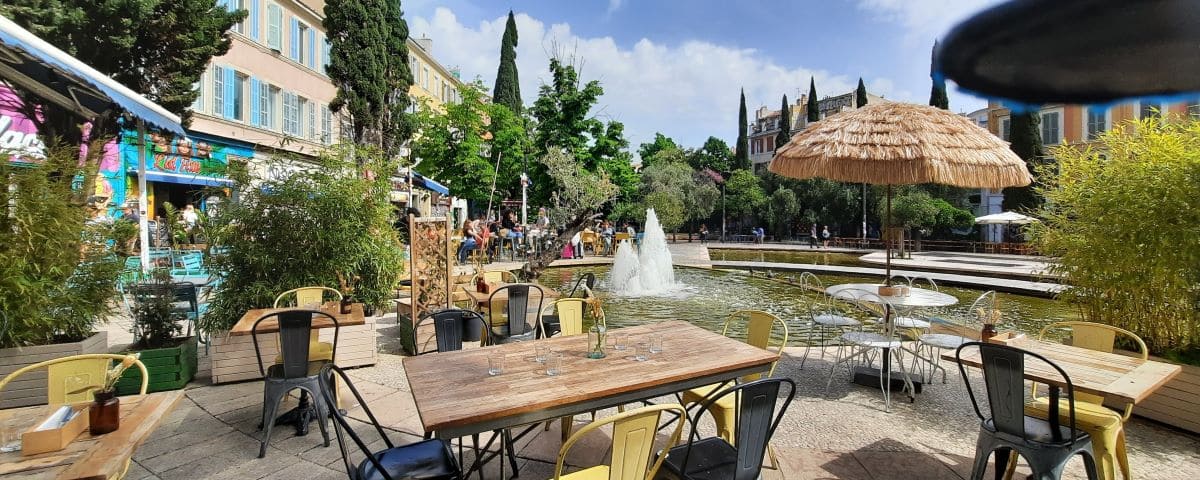
Finish around Cours Julien, Marseille’s creative and alternative district. Murals, painted stairs, shops, cafés, bars, and restaurants contrast with the monumental waterfront.
Cours Julien is the right final stop because it shows contemporary Marseille rather than another historic landmark. Arrive before dinner to see the street art, then choose a terrace or restaurant. The atmosphere grows busier later in the week.
You have now moved through several Marseilles in one weekend: fishing port, historic quarter, museum city, hilltop sanctuary, national park, modernist architecture, beach district, and nightlife neighborhood.
Alternative Plans for Your Second Day
Visit the Frioul Islands and Château d’If
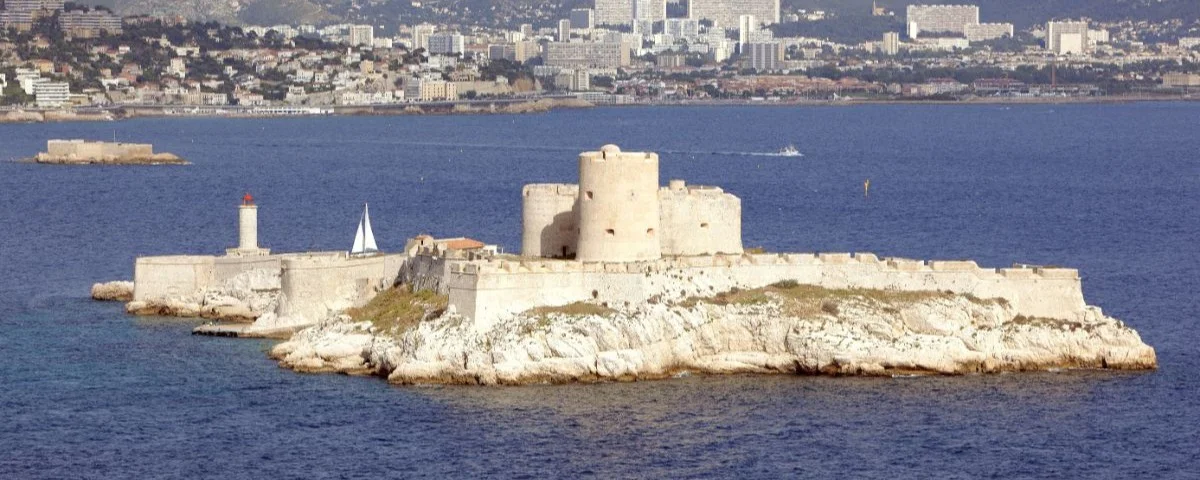
When hiking conditions are unsuitable, take a boat from the Vieux-Port to Château d’If or the Frioul archipelago. The fortress offers literary history, while Frioul provides paths, inlets, and windswept views.
Choose either a focused Château d’If visit or several hours on Frioul rather than rushing both. Schedules, wind, and demand shape the day, so check departures early. Carry water and sun protection because shade is limited.
It also works well for repeat visitors who have already explored Luminy.
Stay in the City for Palais Longchamp and the Museums
Bad weather does not ruin a two-day Marseille itinerary. Start at Palais Longchamp, where fountains and colonnades frame museums and gardens.
A city-based second day is best when rain, strong wind, or summer closures make the coast impractical. Continue to the Mucem, Cosquer Méditerranée, a fine arts collection, or Noailles market.
When two days feel too short, compare this route with our one-day Marseille itinerary to identify the truly essential stops.
Where to Stay for 2 Days in Marseille
Vieux-Port: Best for First-Time Visitors
The Vieux-Port is the most convenient base for this itinerary. Day 1 begins outside your door, boats leave nearby, and metro links are convenient.
Stay within a short walk of the harbor if simplicity matters more than neighborhood quiet. Look one or two streets back for better value and less noise. Check recent reviews for noise, air conditioning, and late-night surroundings.
It suits weekend rail travelers and visitors avoiding taxis after dinner.
Le Panier and La Joliette: Best for Historic Atmosphere
Le Panier offers old streets and character, while La Joliette has modern hotels, transport links, shops, and quick access to the northern waterfront. Both are close to La Major and the Mucem.
Choose Le Panier for charm, but choose La Joliette for easier luggage handling and more straightforward transport. Le Panier rooms may involve stairs, steep lanes, and limited vehicle access. That is easier with a small bag.
Cours Julien and Castellane: Best for Food and Nightlife
Cours Julien is ideal for independent restaurants, bars, street art, and evening energy. Castellane is practical for metro links and southern routes.
Stay here when dining and nightlife matter more than waking beside the Old Port. Cours Julien can be noisy, so inspect reviews. Castellane is less picturesque but simplifies Day 2.
Before booking, read our balanced guide on whether Marseille is worth visiting, which explains the city’s atmosphere and helps set realistic expectations.
How to Get Around Marseille in 2 Days
Marseille is walkable within individual districts, but the city as a whole is too spread out for an entirely pedestrian itinerary. Walk within central districts, then use buses or metro for the hill, Luminy, Cité Radieuse, and Prado.
A car is more burden than advantage during this route. Traffic, parking, and restricted streets complicate short visits. We recommend public transport instead, with an occasional taxi when fatigue wins.
Compare ordinary RTM passes with the Marseille CityPass, which can bundle public transport with selected attractions and sightseeing services. The best value depends on which paid visits you actually plan.
What to Eat During a Weekend in Marseille
Essential Marseille Specialties to Try
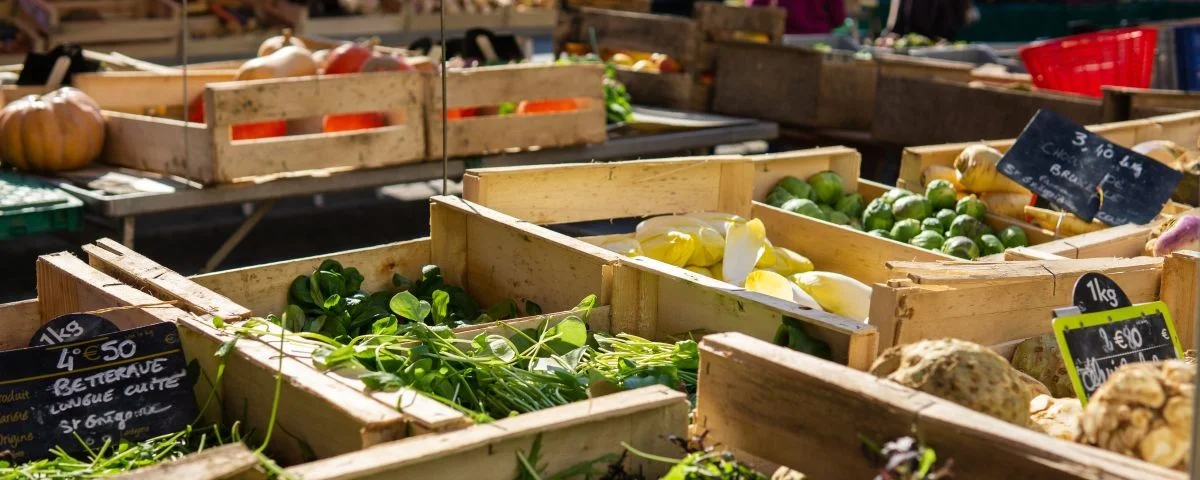
Bouillabaisse is the famous name, but Marseille’s food identity extends well beyond one costly fish stew. Try panisses, local pizza, grilled fish, Provençal vegetables, navette biscuits, and Marseille’s multicultural Mediterranean cooking.
Prioritize one memorable local meal and keep the rest flexible. Authentic bouillabaisse requires time, budget, and advance booking. A market snack, couscous, fish lunch, or pizza may reveal everyday Marseille better.
The city rewards curiosity, especially away from the most obvious harbor terraces.
Where to Eat Along This Itinerary
On Day 1, eat around the Vieux-Port, lower Panier, Vallon des Auffes, or Cours Julien. On Day 2, carry provisions for the Calanques, then dine around Prado or Castellane.
Choose restaurants by neighborhood and timing, not by chasing addresses across the city. A famous table is not worth losing an hour in transit. Reserve popular seafood venues, but leave room for markets and bakeries.
Noailles is particularly rewarding for spices, produce, snacks, and the city’s multicultural food culture.
Practical Tips for This Marseille Itinerary
When Is the Best Time for a 2-Day Marseille Trip?
Spring and early autumn usually offer the best balance of mild weather, manageable crowds, and long enough days. Summer brings swimming and late sunsets, but also heat, crowds, and restrictions.
Choose April to June or September to October for the most comfortable first visit. Winter can be bright, although the mistral may be severe. Museums, food, and neighborhoods still reward an off-season weekend.
Always check the forecast for wind as well as temperature, particularly before a boat trip or coastal hike.
What to Book Before You Arrive
Reserve accommodation first, especially for summer weekends, major events, or football matches. Then book priority experiences such as Cité Radieuse, a cruise, Château d’If, or a restaurant.
The Calanques require preparation rather than improvisation. Check access shortly before hiking and reserve Sugiton when required. Boat departures can sell out or change with weather.
Do not overbook every hour. Marseille is most enjoyable when the itinerary retains space for a terrace, viewpoint, or unexpected street.
What to Pack for Marseille and the Calanques
Bring supportive walking shoes, a refillable water bottle, sun protection, sunglasses, and a compact layer for wind. A swimsuit and quick-drying towel are useful in warmer months.
For the Calanques, ordinary city footwear is not enough when you descend rocky trails. Carry extra water and food because services are absent. Keep your bag light on steep paths.
In the city, a secure cross-body bag and a portable phone charger make a long sightseeing day easier.
How to Adjust the Route for Heat, Wind or Rain
During intense heat, start earlier, shorten the exposed hike, and schedule museums around midday. In strong wind, replace the boat with an inland visit. Under rain, favor the Mucem, Cosquer Méditerranée, La Vieille Charité, or Palais Longchamp.
Protect the structure of the itinerary, not every individual stop. Keep Day 1 focused on central Marseille and Day 2 on either nature or an alternative theme. This avoids crossing the city repeatedly.
The best plan is one you can modify without feeling that the weekend has failed.
Is 2 Days Enough to Visit Marseille?
Two days are enough for a strong first impression, provided you accept that Marseille is much larger than its historic center. This itinerary covers the Old Port, Le Panier, waterfront monuments, the basilica, coast, and contrasting neighborhoods.
Two days are sufficient for the essentials, but three days create a more relaxed and complete visit. An extra day allows Frioul, longer hikes, beaches, or more museums.
Travelers with more time can also consider our selection of the best day trips from Marseille.
Can You Visit the Calanques in Two Days?
Yes, but the Calanques should occupy one focused half-day rather than being squeezed between several distant attractions. Sugiton works from Luminy, while a boat combines easily with central Marseille.
Choose one Calanques experience and do it properly. Combining a long hike, several museums, and distant neighborhoods creates unnecessary pressure. Conditions may force a change.
Treat the national park as a protected natural environment, not simply another city attraction. Water, footwear, preparation, and respect for closures are essential.
Wrap-Up: How to Make the Most of 2 Days in Marseille
- Build Day 1 around the historic waterfront: Vieux-Port, Le Panier, La Major, the Mucem, Saint-Victor, Notre-Dame de la Garde, and Vallon des Auffes form a logical route.
- Reserve Day 2 for Marseille’s Mediterranean landscape: hike from Luminy or take a regulated boat trip, then continue through the southern districts.
- Use public transport for the long connections: walking is perfect within neighborhoods, but Marseille is too extensive to cross entirely on foot.
- Keep one alternative ready: Frioul, Château d’If, Palais Longchamp, or additional museums can replace the Calanques when conditions are unsuitable.
- Leave space for Marseille itself: the harbor light, food, sea air, and imperfect energy are what stay in the memory.