




Marseille and Aix-en-Provence sit barely an hour apart, yet they offer two very different versions of southern France. One looks toward the Mediterranean, noisy, generous and full of contrasts. The other turns toward fountains, honey-colored stone and a slower rhythm.
Between them, you find two complementary gateways to Provence: one shaped by the sea, the other by art, markets and nearby inland landscapes.
This is precisely why comparing them by attractions alone gives a misleading answer. A successful choice also depends on pace, transport, evening atmosphere, budget and the landscapes you hope to explore once you leave the city center for a nearby day trip or afternoon escape.
So, Marseille or Aix-en-Provence? The right answer depends less on which city is “better” than on the trip you want to experience. Here is our complete comparison, shaped by our experience as former travel planners.
Marseille vs Aix-en-Provence at a Glance
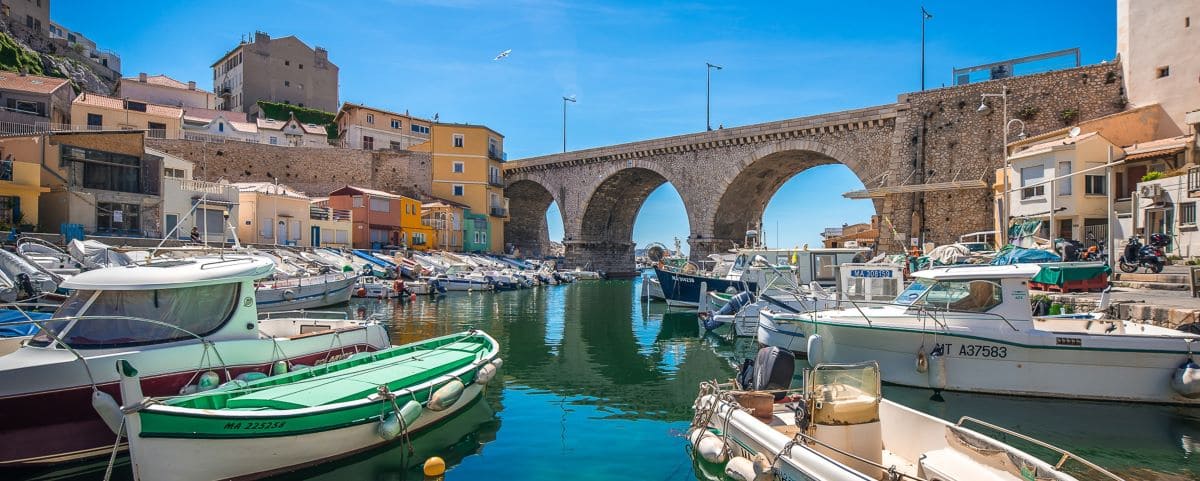
- Choose Marseille for the sea, the Calanques and big-city energy, with more museums, nightlife and cultural diversity.
- Choose Aix-en-Provence for charm, walkability and a slower pace, with elegant streets, markets and café terraces.
- Marseille offers more varied accommodation and dining options, while Aix generally provides a calmer and more polished experience.
- Aix is usually easier for a short city break, whereas Marseille rewards travelers who have time to explore several neighborhoods.
- For families, Aix is simpler to navigate, but Marseille offers more varied activities, including beaches and boat trips.
- Marseille is the better base for coastal day trips, while Aix is more convenient for inland Provence and its villages.
- With at least three days, visit both cities to experience two complementary sides of Provence.
| Category | Marseille | Aix-en-Provence |
|---|---|---|
| Overall atmosphere | Energetic, maritime, multicultural | Elegant, calm, traditionally Provençal |
| Best for | Sea, culture, nightlife, urban discovery | Walking, markets, romance, slow travel |
| Historic center | Large, uneven and spread out | Compact and easy to explore |
| Beaches | Yes | No |
| Museums | Broader and more varied | Smaller but strong for art |
| Without a car | Very good within the city | Excellent in the center |
| Families | More activities, more logistics | Easier and calmer |
| Day trips | Coast, Cassis, islands, Calanques | Luberon, villages, Sainte-Victoire |
Marseille faces outward, shaped by people and influences arriving across the Mediterranean. Its beauty is dramatic rather than delicate: white limestone, blue water, crowded streets, steep hills and enormous skies.
Aix looks toward the Provençal countryside, with an identity tied to architecture, art and markets. Marseille impresses through contrasts; Aix seduces through harmony.
The difference is also physical. Marseille is a collection of districts spread across a vast territory. Aix concentrates much of its visitor appeal in and around the historic center. In Marseille, transport forms part of the day. In Aix, you can often rely on your own feet.
Marseille or Aix-en-Provence: Which Should You Choose?
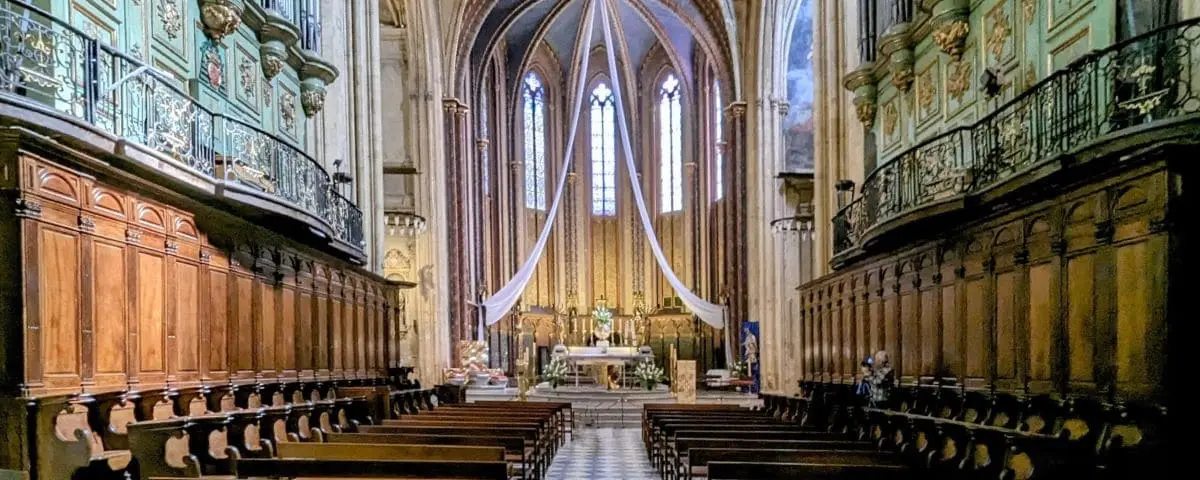
The fastest way to decide is to forget the postcard image of Provence for a moment. Ask yourself whether you want a Mediterranean city with rough edges and powerful scenery, or a graceful inland city where most pleasures are found within a comfortable walk.
Choose Marseille If You Want the Sea, Energy and Big-City Culture
Marseille is the stronger choice when you want your trip to feel varied. In a single day, you can watch fishing boats in the Old Port, climb through old streets, visit a major museum, eat beside the water and end the evening among bars and painted walls.
Choose Marseille if the sea is essential to your idea of Provence. The coastline is not a decorative background here. It shapes the city, its food, its light and its temperament. Boat trips, beaches, islands and the Calanques add a natural dimension that Aix cannot offer.
Marseille also has more cultural weight. The Mucem, the historic forts, Le Panier, Notre-Dame de la Garde and the modern architecture along the waterfront create a city break with real substance. Our guide to the best things to do in Marseille helps you sort the essentials from the secondary sights.
The price for this variety is effort. Marseille is large, hilly and sometimes chaotic. It is not the city to choose if you want every attraction wrapped into one immaculate center. It reveals itself gradually, neighborhood after neighborhood.
Choose Aix-en-Provence If You Want Charm, Walkability and a Slower Pace
Aix-en-Provence is made for wandering without a strict plan. Its historic center unfolds through narrow streets, elegant squares, fountains and old townhouses glowing in the southern light. You walk, pause at a market, sit under the plane trees, then continue when the mood takes you.
Choose Aix if you value atmosphere more than a long list of major landmarks. The pleasure lies in the whole setting: the warm façades, the terraces, the morning produce, the sound of water and the easy rhythm of the streets.
The center is compact and simple to explore on foot. Our Aix-en-Provence tourist map is useful for grouping the old town, museums, churches and Cézanne-related sites without wasting time.
Aix also suits travelers who are uneasy about navigating a large unfamiliar city. It feels calmer and more coherent. For a romantic weekend, a first solo visit or a relaxed two-night stay, Aix is often the more immediately comfortable choice.
Visit Both If You Have Enough Time
Marseille and Aix are close enough to combine without turning the trip into a race. The road distance between their centers is roughly 33 kilometers, or 20 miles, and direct express buses connect the two cities.
With three or four days, the best decision is often not Marseille or Aix-en-Provence, but Marseille and Aix-en-Provence. Their differences make the combination worthwhile.
Base yourself in the city that best matches your evenings and use the other as a day trip. Stay in Marseille if you want waterfront dinners, nightlife and coastal access. Stay in Aix if you prefer quiet evenings, easy walks and an inland Provence atmosphere.
Which City Has Better Things to Do?
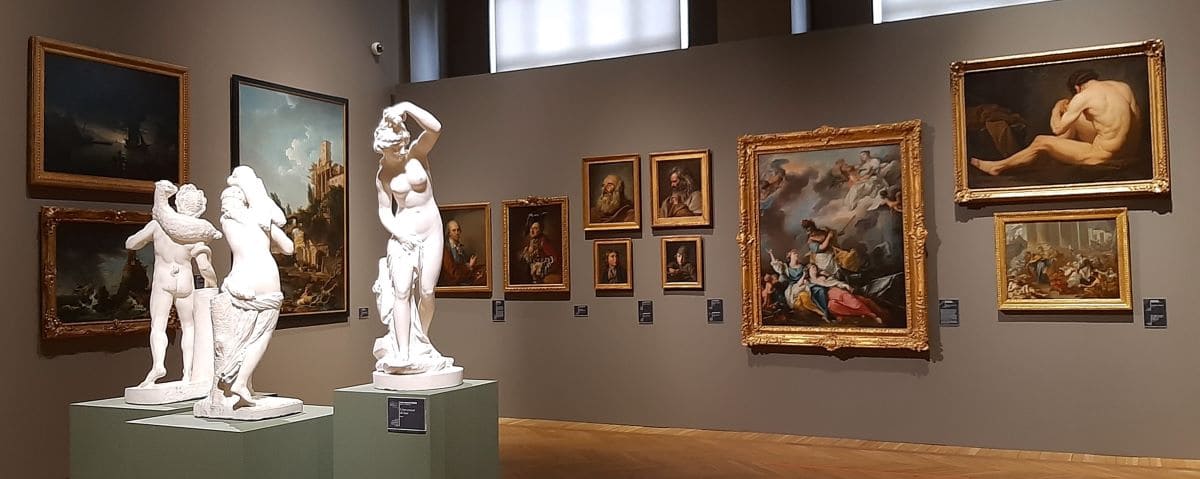
Marseille wins on quantity and range. Aix wins on ease and consistency. The better choice depends on whether you enjoy building a full itinerary or simply letting an attractive city carry you through the day.
Best Things to Do in Marseille
Begin at the Old Port, still the great open stage of Marseille. Boats, terraces, commuters and visitors all cross paths here. From the water, climb into Le Panier, a village-like maze of sloping lanes and small squares.
The essential Marseille experience combines heritage with the Mediterranean. Visit the Mucem and Fort Saint-Jean, then walk toward the cathedral or follow the harbor in the opposite direction toward the forts and the coastal road.
Notre-Dame de la Garde gives the clearest sense of Marseille’s scale. From the hill, the city appears as a vast amphitheater of rooftops, port infrastructure, islands and pale mountains.
For a creative atmosphere, explore Cours Julien and its street art. For the sea, continue toward the Corniche, the Vallon des Auffes or the islands. Use our Marseille tourist map to organize these areas, because the main sights are not all close together.
Traveling with children requires planning, but it is rewarding. Boat rides, beaches, the Cosquer experience and open spaces provide useful changes of pace. Our guide to Marseille with kids explains which activities work best for families.
Best Things to Do in Aix-en-Provence
Aix begins in its old town. Cours Mirabeau is the ceremonial entrance, but smaller squares hold more charm. Markets brighten the center in the morning, and the fountains provide natural markers as you wander.
The best thing to do in Aix is to experience the city as a whole rather than rush between isolated monuments. Still, there is plenty to visit: the cathedral, the Musée Granet, historic mansions, peaceful gardens and places associated with Cézanne.
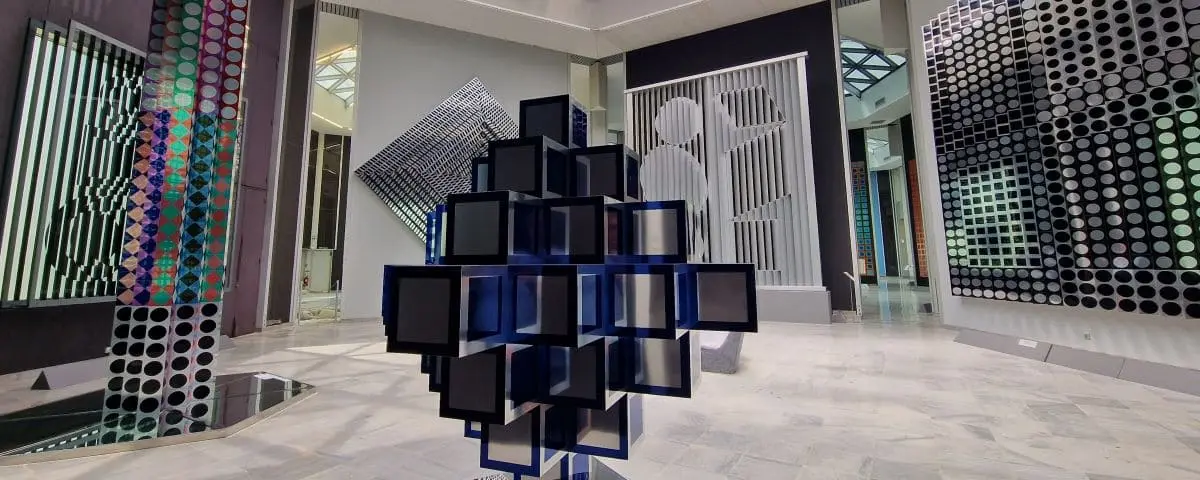
Art is one of the city’s strongest themes. Cézanne worked here and repeatedly painted the surrounding landscape. His studio offers an intimate connection to the artist, while Sainte-Victoire waits beyond the city like a great limestone wall.
Consult our detailed guide to things to do in Aix-en-Provence if you want to balance walks, museums and markets. One full day covers the essentials, but two days let Aix reveal its quieter pleasures.
Which Is Better for Beaches, Nature and Outdoor Activities?
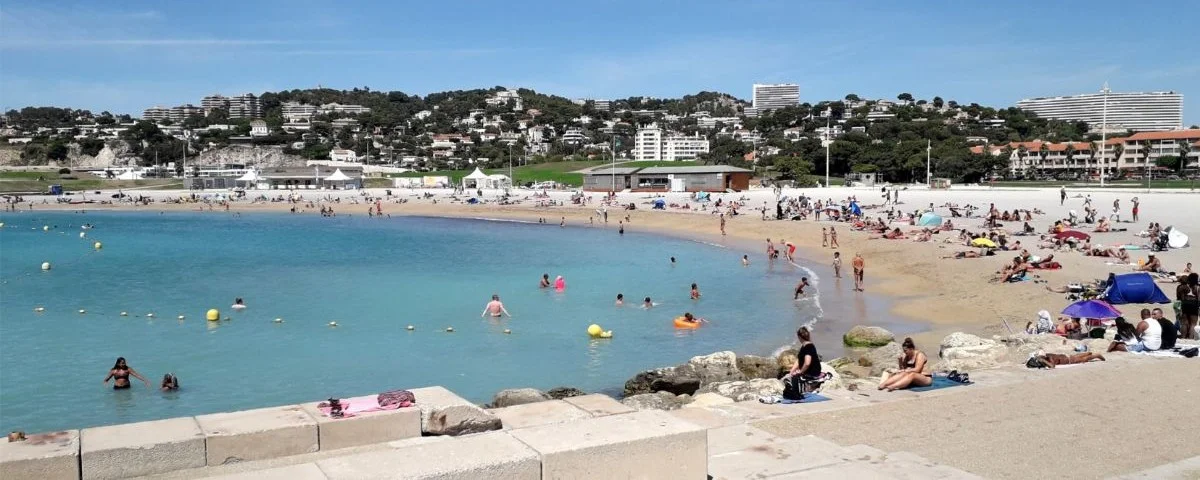
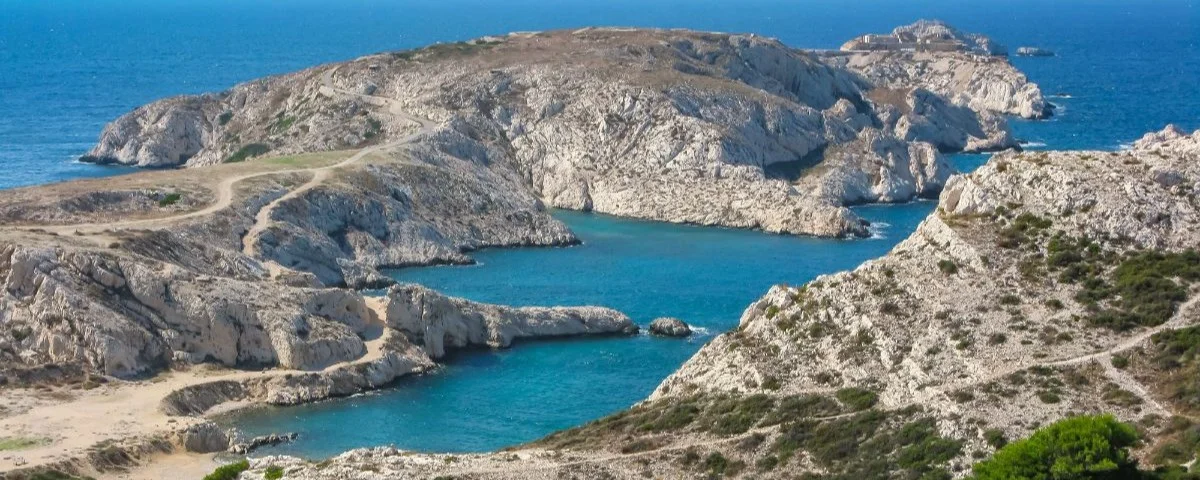
There is no real contest for beaches. Marseille is the clear winner for swimming, coastal scenery and access to the Mediterranean. The city has urban beaches, rocky coves, coastal paths, islands and direct access to the Calanques National Park.
The Calanques are the great natural prize, with white cliffs dropping into turquoise water. Access can be regulated during periods of heat and fire risk, so always check current conditions before hiking. They are beautiful, but they deserve preparation, suitable shoes and respect.
Aix has no coast, yet it is not cut off from nature. Sainte-Victoire offers hiking, viewpoints and landscapes closely linked to Cézanne. The surrounding countryside offers vineyards, pine woods and country roads.
Choose Marseille for sea adventures. Choose Aix for inland walks and a more pastoral setting.
Which Is Better for Food, Markets and Nightlife?
Marseille has the more diverse food scene. Its cooking draws on Provence, fishing traditions, Italy, North Africa and the wider Mediterranean. You can move from seafood to couscous, pizza and inventive restaurants within the center.
For culinary variety and nightlife, Marseille wins. Cours Julien, La Plaine, the Old Port and the southern districts all offer different evening moods, from casual terraces to bars and music venues.
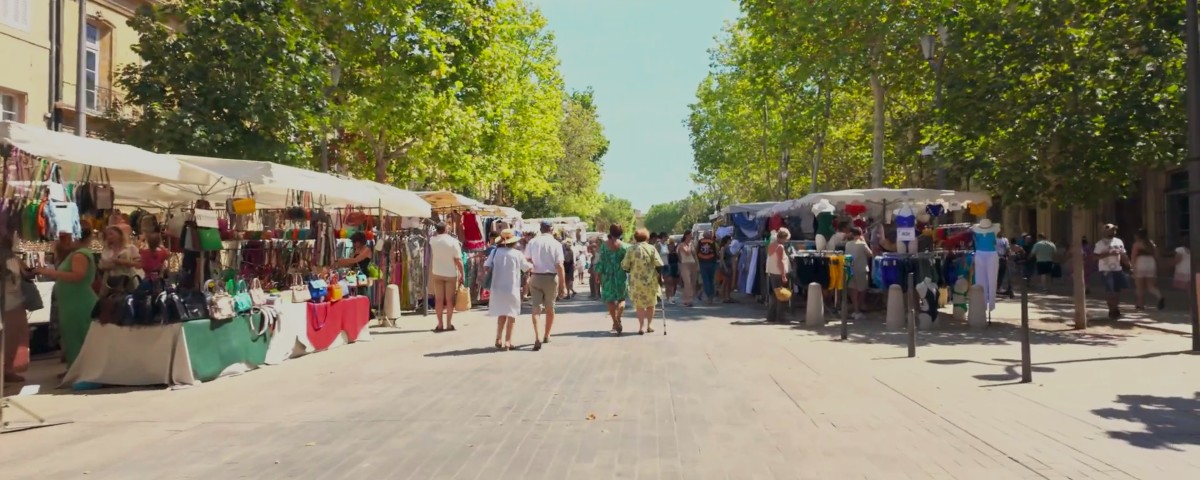
Aix provides a more polished experience. Its markets, bakeries, delicatessens and café terraces fit naturally into a day of sightseeing. The city is particularly pleasant in the morning, when produce and flower stalls animate the squares.
Aix has bars and students, but evenings feel more restrained. Choose Aix for market culture and elegant terraces; choose Marseille for diversity, late nights and stronger local contrasts.
Where Should You Stay: Marseille or Aix-en-Provence?

Your accommodation choice can decide the entire character of the trip. Marseille offers more neighborhoods and more price levels. Aix offers a simpler central experience, often at a higher average cost during popular periods.
Accommodation and Neighborhoods in Marseille
For a first visit, staying near the Old Port is practical. You are close to restaurants, boats, Le Panier and major transport connections. The busy area makes a short stay easier.
Le Panier has atmosphere, though steep streets and limited vehicle access may complicate heavy luggage. The southern side of the port works well for travelers who want restaurants and access toward the coast. Cours Julien suits visitors interested in nightlife and a more alternative character.
Marseille is better when you want a wider choice of hotels, hostels and apartments. However, location matters enormously. A low price far from the areas you plan to visit can quickly be cancelled out by extra travel time.
Our honest guide to whether Marseille is worth visiting provides more context on the city’s advantages and inconveniences before you book.
Accommodation and Location in Aix-en-Provence
In Aix, staying in or beside the historic center is usually the best strategy. You can step outside and immediately reach cafés, shops, markets and most cultural sights. This reduces planning and gives the stay a relaxed rhythm.
The old town can be lively and occasionally noisy, especially near restaurants or student streets. Rooms in historic buildings may also be smaller or less accessible. Check whether there is an elevator if mobility or luggage is an issue.
Aix is the better accommodation base for travelers who value walkability above variety. It is particularly suitable for couples, older travelers and anyone planning evenings centered on dinner and gentle strolls rather than nightlife.
For a more detailed assessment of its appeal and limitations, read our guide to whether Aix-en-Provence is worth visiting.
Which City Is Better for Your Budget?
Marseille generally gives budget travelers more options. Its size creates a broader accommodation market, and inexpensive restaurants are easier to find across different neighborhoods. Public transport lets you stay beyond the expensive waterfront.
Aix often feels more expensive, especially for centrally located hotels in spring, summer and during major events. The compact center encourages visitors to spend in attractive but tourist-oriented cafés and boutiques.
For strict budgets, Marseille usually offers better value. For a short stay, however, Aix can save time and local transport costs because so much is walkable. Compare the total experience, not simply the nightly rate.
Which City Feels Safer and More Comfortable for Visitors?
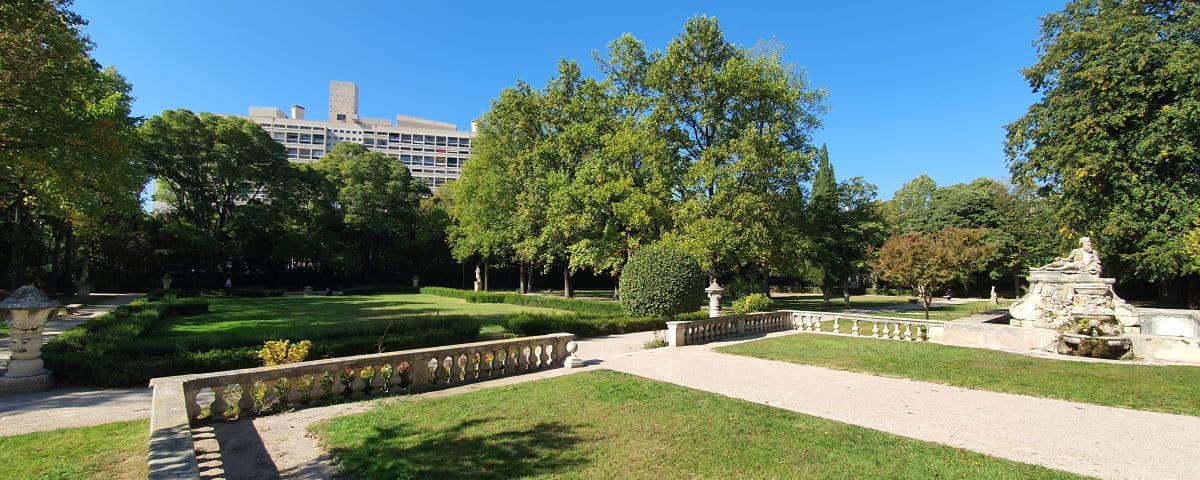
Aix-en-Provence generally feels calmer, smaller and easier to read. Its central streets remain active, distances are short and there are fewer moments when a visitor wonders whether they have taken the wrong turn.
Marseille requires normal big-city awareness. Keep valuables secure in crowded transport and pay attention late at night. The main visitor districts receive large numbers of travelers, but comfort can change quickly from one street or hour to another.
Aix is the easier choice for travelers who prioritize calm and predictability. Marseille is not a city to fear, but it asks for more attention and flexibility.
Comfort depends on personality. Aix can feel soothing or overly polished; Marseille can feel thrilling or tiring. Our advice is simple: choose the environment in which you naturally relax.
Which Is the Better Base for Exploring Provence?
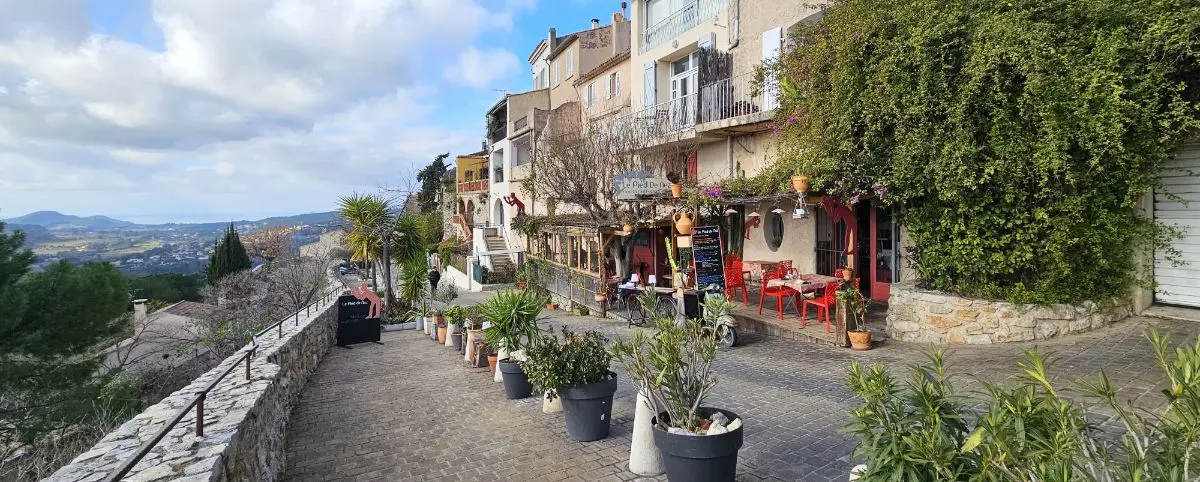
Neither city is the universal best base. Marseille dominates for coastal trips, while Aix sits more naturally between the Mediterranean and inland Provence.
Best Day Trips from Marseille
From Marseille, the obvious priorities are Cassis, the Calanques and the coastal landscapes toward La Ciotat. Boat connections also open the Frioul Islands and Château d’If.
Aix itself is an easy excursion, while Arles and Avignon can be reached by train. Marseille is the better base when your wish list begins with the coast, swimming, dramatic cliffs and maritime towns.
The city is also useful without a car because Saint-Charles station is a major regional hub. For practical ideas, distances and suitable transport options, explore our guide to the best day trips from Marseille.
Best Day Trips from Aix-en-Provence
Aix is better placed for Sainte-Victoire, the Luberon, Provençal villages and the countryside north of the city. A car expands the possibilities, especially for combining several villages.
Marseille remains easy to visit, and the coast is not far away. Yet the real advantage of Aix is its relationship with inland Provence: vineyards, ochre landscapes, hilltop villages and quieter roads.
Aix is the better base when your dream trip centers on villages, markets, vineyards and classic Provençal scenery. Our guide to the best day trips from Aix-en-Provence helps separate realistic outings from routes that become too long for one day.
Can You Visit Marseille and Aix-en-Provence on the Same Trip?
Yes, and the connection is straightforward. Express bus line 50 runs directly between Aix and Marseille by motorway, while regional trains provide another option. The bus is often the easiest center-to-center choice, though traffic affects journey time.
Allow a full day for the second city rather than trying to squeeze it into a few hours. From Marseille, arrive in Aix in the morning for the market atmosphere, explore the old town, visit one museum and return after dinner. From Aix, start early in Marseille, focus on the Old Port, Le Panier and the waterfront, then add Notre-Dame de la Garde or the Mucem.
For two days, spend one in each city. With three, add Marseille for the Calanques or Aix for Sainte-Victoire.
Frequently Asked Questions About Marseille and Aix-en-Provence
How Many Days Do You Need in Each City?
Plan at least two full days for Marseille and one full day for Aix-en-Provence. Marseille needs more time because its attractions are spread out and the coast deserves a separate half-day or day.
Aix can be understood in one well-organized day, but two days provide a better experience. You can visit museums, enjoy the markets and spend time on terraces without constantly checking the clock.
For a combined trip, three days is the sensible minimum. Four days allow a coastal or countryside excursion.
Which City Is Better for a Cruise Stop?
Marseille is the practical choice for a cruise stop because the ship arrives in Marseille. Staying in the city avoids spending a large part of a limited day on transfers and gives you time for the Old Port, Le Panier, the Mucem and panoramic views.
Aix can work for passengers who have already visited Marseille or strongly prefer elegant historic towns. Allow generous time for the return journey, because motorway traffic can be unpredictable.
For most first-time cruise visitors, Marseille offers the more logical day.
What Is the Best Time to Visit Marseille and Aix-en-Provence?
May, June, September and early October offer the best balance of warm weather, active streets and manageable crowds. Spring brings fresh colors and pleasant walking temperatures. Early autumn keeps much of the summer atmosphere without the same intensity.
July and August are lively but hot. Marseille benefits from the sea, though beaches and the Calanques become busy and access restrictions may apply. Aix can feel very warm during the afternoon, when shaded streets and a slower schedule become essential.
Winter is quieter in both cities. Marseille remains appealing for museums and coastal light, while Aix works well for markets, cafés and a compact cultural break.
Marseille or Aix-en-Provence: The Final Verdict
There is no weak choice here, only a mismatch between a city and a traveler.
- Choose Marseille if the Mediterranean is central to your trip, along with major museums, nightlife and cultural diversity.
- Choose Aix-en-Provence if you prefer an elegant, compact and relaxed city, filled with markets, art and Provençal atmosphere.
- Choose Marseille for beaches, the Calanques and coastal excursions; choose Aix for villages, vineyards and inland landscapes.
- Choose Aix for an easy short break; choose Marseille for a broader and more varied urban experience.
- With at least three days, combine Marseille and Aix-en-Provence, as each reveals a very different face of the region.
Our own verdict? For a first trip focused on city life and the sea, Marseille offers more. For a gentle Provence escape, Aix-en-Provence is easier to love immediately.