




November changes the mood of Provence. The terraces are quieter, the light sits lower on the stone, and the countryside begins to smell of damp earth, olives and wood smoke. This is not the Provence of lavender postcards, but it can be one of the most rewarding months for travelers who value space, culture and seasonal life.
Is November a Good Time to Visit Provence?
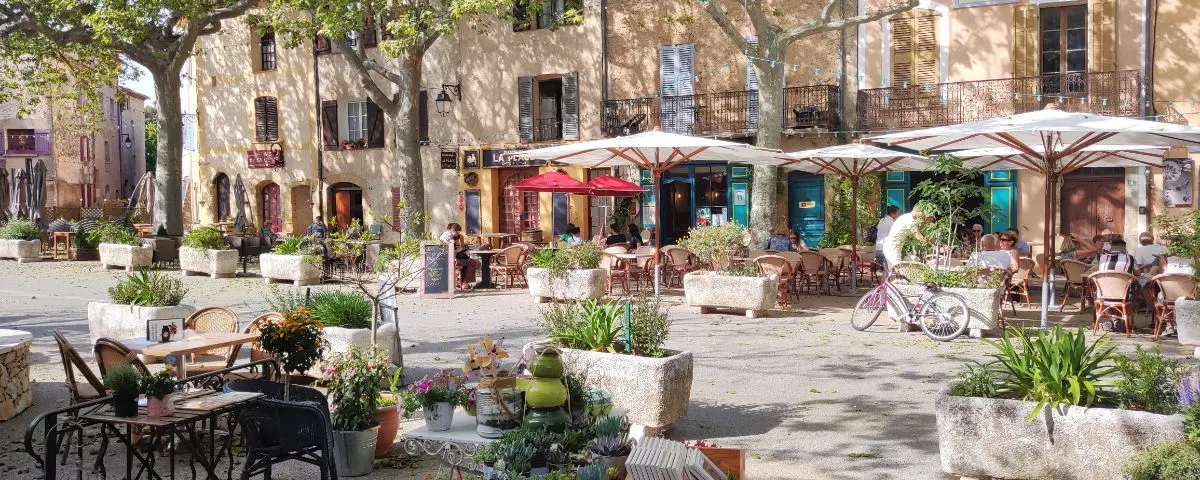
- Best for: historic cities, museums, quiet road trips, food markets, vineyard visits, olive country, truffles and cool-weather walks.
- Weather: expect generally cool to mild days, colder mornings and evenings, occasional rain, and periods of strong wind.
- Crowds: November is firmly low season, so famous places are calmer and parking is usually easier.
- Main trade-off: some rural restaurants, attractions and seasonal businesses reduce their hours or close temporarily.
- Best strategy: combine a lively city base with day trips, keep your itinerary flexible, and check opening hours before driving across the countryside.
- Our verdict: November is a good time to visit Provence for culture, food and atmosphere, but not for lavender, beach life or a packed village-to-village schedule.
Yes, for the right traveler. November in Provence suits people who would rather have a Roman monument almost to themselves than share a famous village lane with a summer crowd. It suits travelers who like a long lunch after a museum, a market in cool morning air, and a road disappearing between bare vines and silver olive trees.
The great advantage is not perfect weather. It is freedom. You can often move through cities and popular landscapes with less pressure, find tables more easily, and enjoy a slower rhythm. The region feels less like a stage set and more like a place where people actually live.
There are compromises. Days are short, rain can interrupt outdoor plans, and the Mistral can make a sunny afternoon surprisingly cold. In smaller villages, a restaurant that looks open online may be taking its annual break.
Build the trip around the season. Choose historic cities, markets, museums, vineyards, olive groves and a few carefully selected villages. Our team is a French family of former travel planners, and years of building itineraries around France have taught us one rule: a good off-season trip depends less on seeing everything and more on choosing places that still work well at that time of year. Our approach is explained on our About page.
For comparison, Provence in September still feels close to summer, while Provence in October offers a gentler transition into autumn. November is quieter, cooler and more selective. It rewards travelers who accept that difference rather than fight it.
Provence Weather in November
Average Temperatures and Rainfall
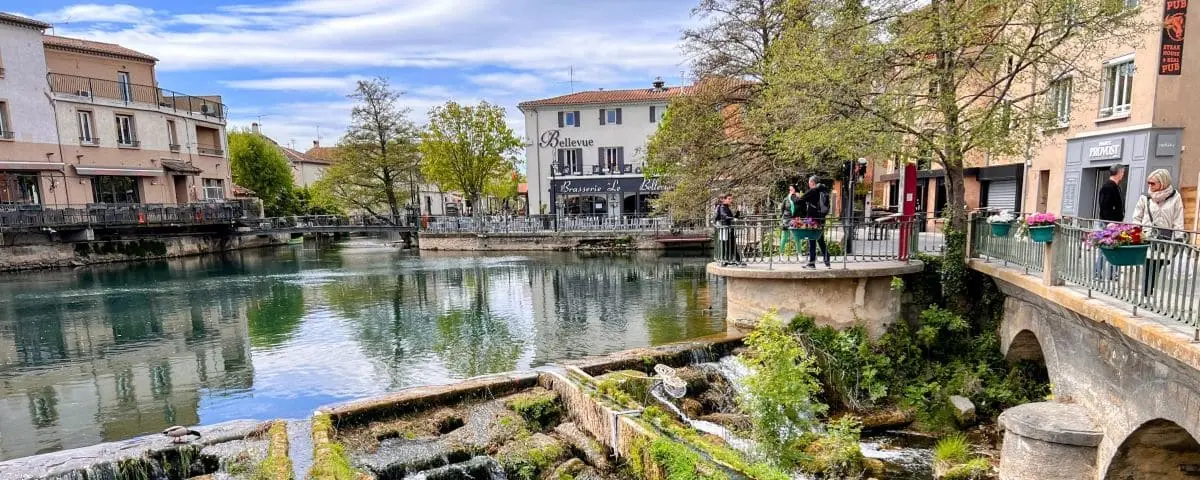
November weather in Provence is variable, and that matters more than any single average. In the lower parts of the region, daytime temperatures often sit roughly in the low to mid teens Celsius, with milder afternoons possible near the Mediterranean. Nights and early mornings are much cooler, especially inland. Typical November averages are around 16°C by day and 7°C at night in Marseille, with slightly colder nights around Avignon.
You may wake to grey sky, have lunch in bright sunshine, then need a warm layer as soon as the sun drops. Rain often comes in episodes rather than lasting all month, but a wet spell can affect several days. November is autumn, not an extension of summer.
Plan with layers and alternatives. Keep a waterproof jacket handy and one indoor day available.
Do not ask, “Will it rain in Provence in November?” Ask, “What will I do when one day turns wet?” A strong itinerary already has the answer: a museum, a historic city, a covered market, a long lunch or a wine tasting.
Sunshine, Daylight Hours and the Mistral
Provence can still deliver magnificent November light. After rain, the sky may clear sharply, the stone façades brighten, and distant hills appear with an almost cut-glass precision. But the days are short, with roughly nine to ten hours of daylight across the month.
That changes how you travel. Outdoor sightseeing should start earlier than it would in summer. A late breakfast, a long drive and a leisurely lunch can leave you arriving at a village as the light fades. For road trips, we prefer one main area per day.
Then there is the Mistral, the strong northwesterly wind associated with western Provence. It can clear the sky beautifully, but also make the air feel far colder than the temperature suggests. The wind is especially associated with the Rhône corridor and can occur throughout the year.
On a windy day, a sheltered old town may be comfortable while an exposed viewpoint feels brutal. Check not only temperature and rain, but also wind before a hike, coastal walk or high viewpoint. A scarf, windproof outer layer and warm hat can be more useful than a heavy winter coat.
How the Weather Varies Across Provence
Provence is not one climate wrapped in one postcard. The coast, Rhône corridor, Luberon, Alpilles and higher interior can feel very different on the same day.
The coast is generally the safest choice for milder temperatures. Marseille and other seaside areas benefit from the Mediterranean, although wind can be powerful.
Inland, around Avignon, the Luberon and the Alpilles, mornings can be colder and frost is possible. Higher country is colder again, with weather that can feel much closer to early winter.
For a first November trip, we would not choose a remote highland base unless the landscape itself is your main reason for coming. A more practical base keeps restaurants, museums and transport within reach when the weather changes.
What to Expect in Provence in November
Fewer Crowds and Lower Prices
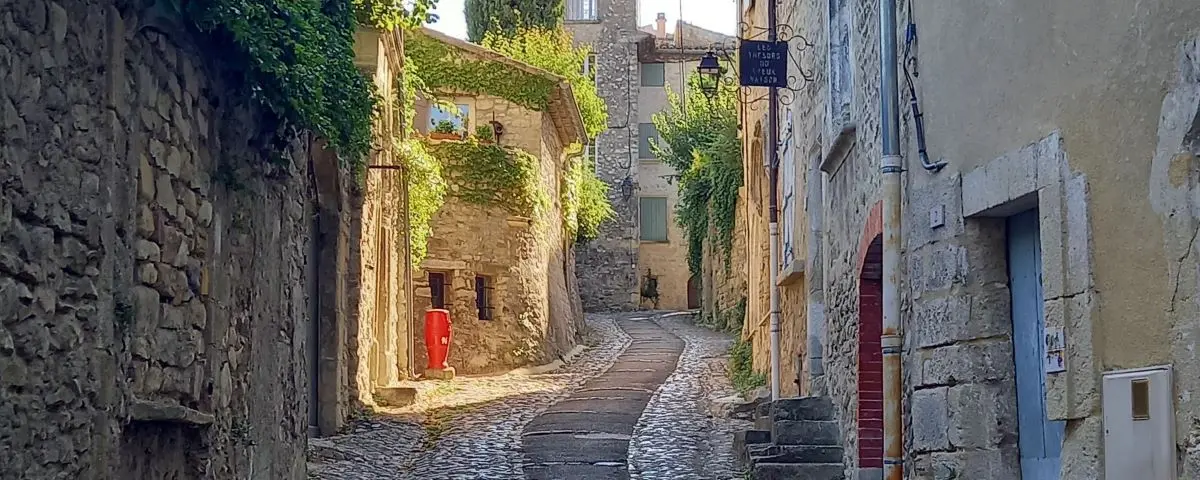
November is one of the quietest periods of the travel year in Provence. The queues shrink, the coach groups thin out, and streets that can feel saturated in summer recover their normal scale.
This is the month to enjoy famous places without the feeling of being processed through them. In cities, museums and major monuments remain rewarding, but the pace is softer. In the countryside, roads are calmer and parking is often less stressful.
Accommodation can also be cheaper than in peak season, although low season does not make every room a bargain. The real advantage is often choice and flexibility.
There is a subtler benefit too: you notice more. A market feels like a market again, not a visitor attraction.
Seasonal Closures and Shorter Opening Hours
This is the main practical weakness of visiting Provence in November. Low season means fewer people, but it also means fewer services. Some rural restaurants close for annual holidays. Small museums may open only on certain days. Outdoor attractions can reduce hours, and boat trips or seasonal activities may stop entirely.
Check the official website or call shortly before you go, especially for a place that requires a long drive.
A useful rhythm is to make city days spontaneous and countryside days precise. In a city, there is usually another option nearby. In a small village, a locked door can leave you with very little to do.
The best November itineraries have fewer fixed targets, but the important ones are verified. That combination gives you structure without making the trip rigid.
Autumn Landscapes and a Slower Pace
By November, the vineyards have changed from bright green to rust, gold and brown. Olive trees keep their silvery leaves. Plane trees lose theirs. The famous purple lavender is long gone, but the landscape gains a more restrained beauty.
Provence in November is less colorful than summer, yet often more atmospheric. Low sunlight catches limestone cliffs and old walls. After rain, the earth darkens and the scent of vegetation becomes stronger. In the evening, villages empty early and windows glow behind shutters.
The pace is slower too. Build time for markets, cafés and long lunches rather than filling every hour. For more context beyond the postcard clichés, our fun facts about Provence add useful background before the trip.
Best Places to Visit in Provence in November
Historic Cities and Towns
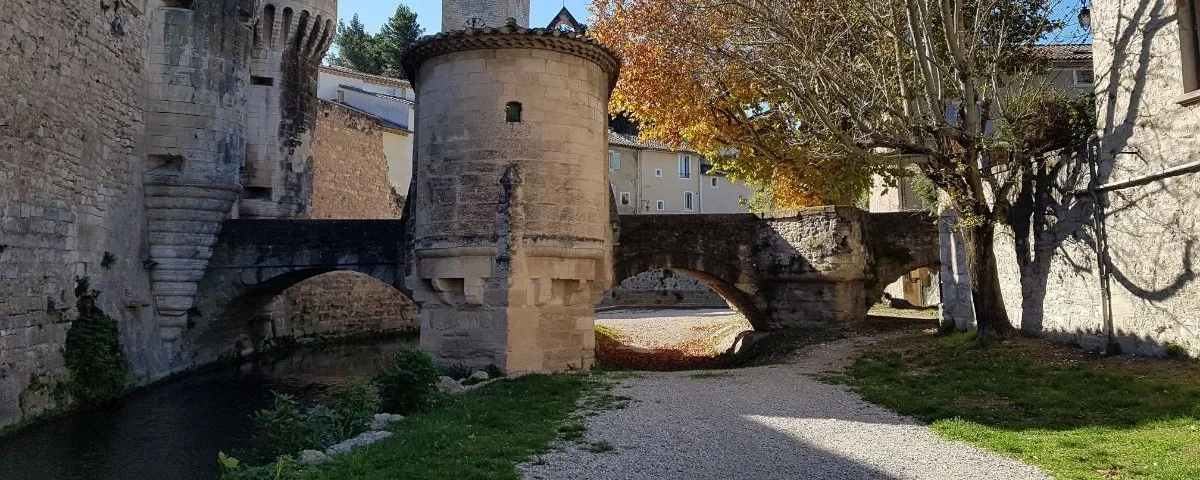
Cities are the backbone of a successful November trip. They give you the widest choice of museums, monuments, restaurants and indoor alternatives when the weather turns. Aix-en-Provence, Avignon, Arles and Marseille are particularly practical bases because each has enough depth for a full day.
Aix works well for elegant streets, markets and culture. Avignon concentrates major heritage inside a walkable center. Arles mixes Roman history with a more intimate scale. Marseille combines museums, neighborhoods, sea views and year-round urban life.
Smaller historic towns can also be excellent, but check opening days carefully. Ask not only which place is beautiful, but which gives you enough to do on a cold Tuesday afternoon.
To compare destinations, use our guide to the cities and towns of Provence. For a first off-season trip, we would usually base ourselves in or near a real town and use the car for day trips.
Villages and the Countryside
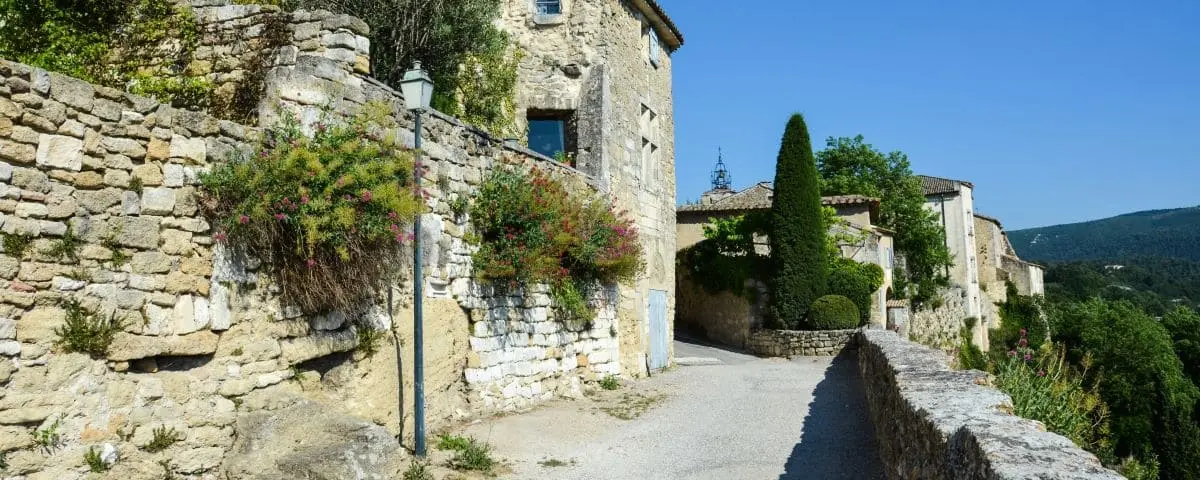
The villages are still there, of course, and often more beautiful without summer crowds. But November changes the way you should visit them. A village that can occupy half a day in July may need only an hour when shops, terraces and small attractions are closed.
Choose quality over quantity. Pick one or two villages in the same area, combine them with a market, landscape, vineyard or historic town, and avoid racing across Provence just to collect names.
The Luberon and the Alpilles remain attractive because villages sit close to other points of interest. A clear November day can be superb for stone lanes, valley views and short walks. Carry an extra layer, and never assume you will find lunch at any hour.
Our guide to the best villages in Provence can help you narrow the list. Use it as a menu, not a challenge. The goal is not to visit the most villages, but to choose the ones that fit your route and the day’s weather.
The Mediterranean Coast
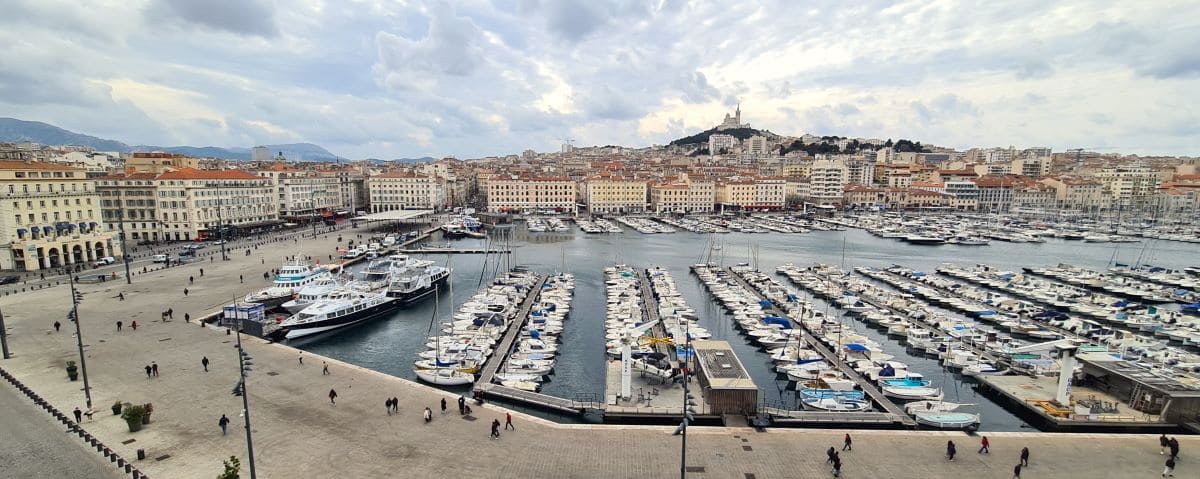
The Mediterranean coast is often underestimated in November. You will not come for beach clubs or warm swimming, but clear days can be excellent for waterfront walks, sea views and city breaks.
The coast gives you two useful advantages: generally milder air and dramatic winter light. Marseille is the strongest all-weather option because it combines the sea with museums and urban life. Smaller coastal destinations can feel very quiet, which is either peaceful or dull depending on what you want.
Calm weather can be ideal for walking above the water or exploring a harbor. Strong wind changes the picture completely.
The coast therefore works best in a flexible itinerary. Use the brightest, calmest day for the sea and keep a museum day for rain.
Best Things to Do in Provence in November
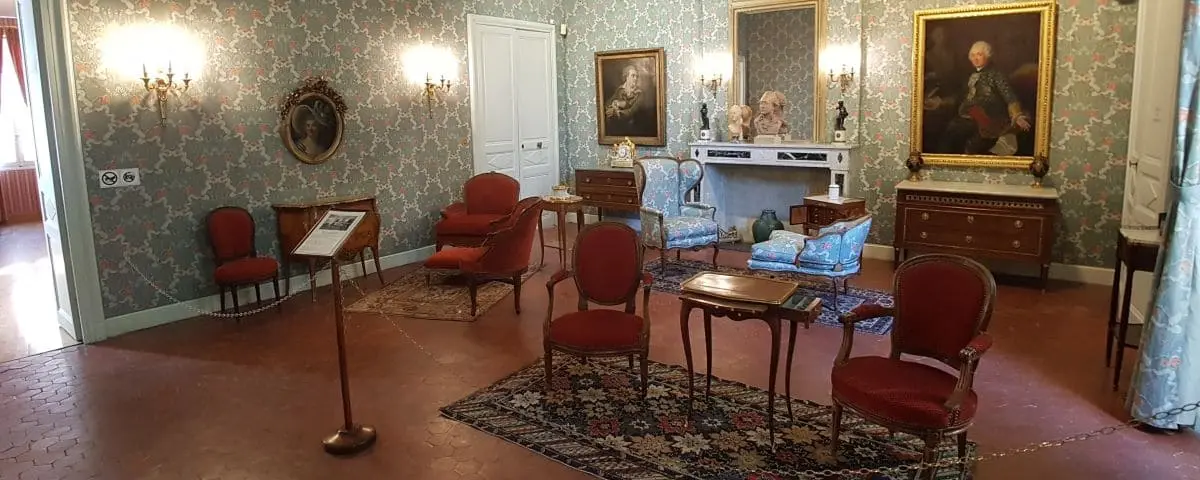
Explore Historic Sites and Museums
November is made for cultural sightseeing. There is no summer heat pressing down on Roman stone, no need to rush through a palace to escape a queue, and no guilt about spending half a day indoors.
Major heritage sites are among the safest November choices because they give the trip structure in uncertain weather. Roman remains, medieval streets, art museums and historic houses can fill entire days in Provence’s larger cities.
Instead of trying to see six monuments, choose two important ones and leave time for the city around them. A market, lunch and a long walk often create a stronger day than a checklist.
For ideas, start with our guide to the best things to do in Provence. In November, simply filter the list through one question: will this still be enjoyable if the temperature drops or the sky changes?
Hike and Walk in the Cooler Weather
For walkers, November can be excellent. Summer heat is gone, the air is clearer, and popular trails are quieter. Cool weather makes lower-altitude hiking far more comfortable than in July or August.
Choose moderate routes with limited exposure, easy access and enough daylight margin. Start early, carry water even in cool weather, and take a proper layer for stops.
After rain, limestone can be slippery, while strong wind matters on ridges and exposed coastal sections. Do not judge conditions from the sheltered street outside your hotel.
Our best hikes in Provence guide is useful for choosing terrain, but November is the month to let weather decide the route, not the other way around. Keep one short walk in mind and one longer option for a calm, dry day.
Visit Vineyards and Taste the New Season’s Wine
By November, the great rush of the grape harvest has largely passed. The vineyards have entered a quieter phase, making this a good time for travelers who prefer conversation to festival atmosphere.
A vineyard visit in November is less about seeing harvest action and more about understanding the work behind the wine. Cellar tours and tastings can be more intimate, and the changing vines add autumn color to the drive.
Some producers may offer young or newly released wines, but do not expect a universal “new wine” celebration across Provence. Book a tasting with a producer that interests you and ask what is seasonal at that estate.
Reserve in advance. Many wineries are working businesses, not attractions with permanent walk-in hours.
A November vineyard day works especially well when combined with a nearby town, market or village. One tasting with time to talk is better than a rushed circuit of cellar doors.
Experience the Olive Harvest
Olives are one of the defining trees of Provence, and November brings you closer to the working landscape behind the image. In several areas, the harvest and milling season begins around mid-November and continues into winter, depending on the variety, altitude and desired style of oil.
This is one of the most genuinely seasonal reasons to visit Provence in November. Look for mills, estates and producers that offer tours or tastings. The experience is simple but revealing: bitter fruit becomes bright, peppery oil, sometimes only days after pressing.
The olive country of the Alpilles and other traditional growing areas is particularly evocative at this time of year. Even without joining a harvest, you may see nets, crates and tractors moving between groves and mills.
Check ahead before visiting a mill. Harvest schedules change and working sites can be busy.
For us, the best version of this day is not complicated: a morning market, an olive oil tasting, a countryside drive and a late lunch. November gives Provence a food story that summer travelers often miss.
Discover the Start of Truffle Season
The black truffle is another strong reason to look at Provence differently in late autumn. Fresh truffle hunting begins around mid-November in parts of the region and continues through winter. Markets and events then build as the season develops.
Late November is the beginning, not the guaranteed peak, of the black truffle season. That distinction matters. Early-season availability can vary, and the most famous markets follow their own calendars.
In northern Provence, truffle country becomes increasingly active from mid-November onward. A guided truffle hunt, when available, is more informative than simply ordering a truffle dish. You see the oak groves, the dog at work and the patience behind the product.
Book ahead and check the exact start date for your year. If truffles are a major reason for the trip, the second half of November is a better bet than the first.
For food lovers, this seasonal shift is one of November’s great compensations for shorter days. The landscape may be quieter, but the table is becoming more interesting.
November Events and Seasonal Highlights
Public Holidays and Possible Closures
France has two public holidays in November: November 1, All Saints’ Day, and November 11, Armistice Day. These dates can affect opening hours, transport frequency and local services.
Major attractions may stay open, close, or operate on reduced schedules. Small businesses can make their own decisions, and restaurants may be especially unpredictable around long weekends.
The practical rule is simple: if one of these dates falls during your trip, verify the places that matter most. Do not build a day around assumptions.
Public holidays also change the atmosphere. Cemeteries fill with flowers around All Saints’ Day, while November 11 brings commemorations in towns and villages across France.
Festivals, Markets and the Start of the Christmas Season
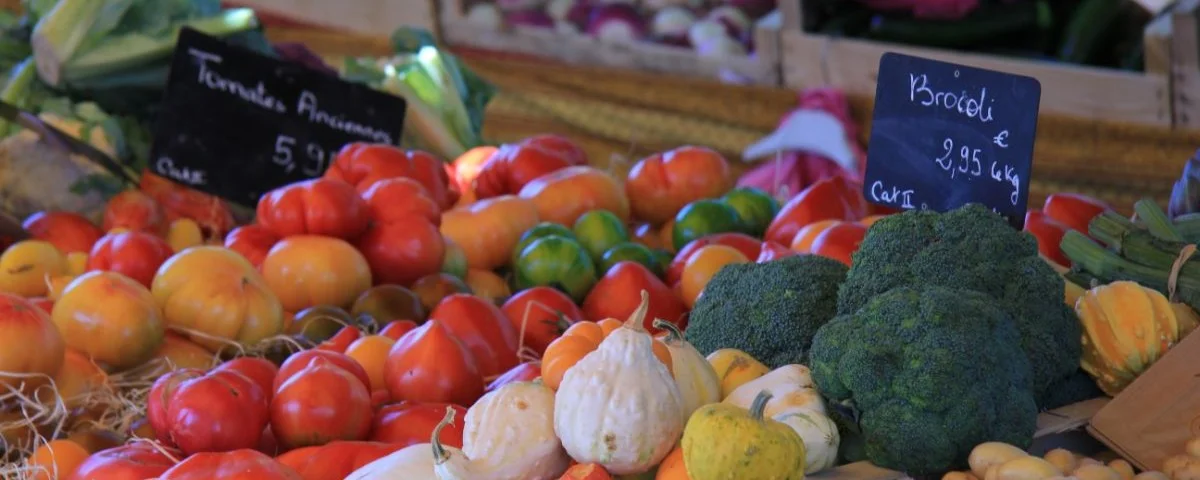
November sits between autumn and Christmas. Early in the month, the mood is still firmly seasonal and local. By the second half, some towns begin to put up lights, open santon fairs or launch festive markets.
Do not assume that all Christmas markets are open throughout November. Many begin late in the month or in December, and dates change from year to year. Traditional santon fairs can start earlier, especially in larger Provençal cities. Marseille’s historic santon fair, for example, traditionally opens during the second half of November.
Late November is therefore an attractive transition period. In some places, craft stalls and Provençal Christmas traditions begin to appear before the full December season.
Check the official tourism calendar for the exact year. For 2026 planning, treat event dates as information to verify, not as permanent fixtures. The character of the season is predictable; the schedule is not. Recent festive programs in Marseille and Aix-en-Provence show how start dates can vary from one destination and year to another.
How to Plan a Trip to Provence in November
What to Wear and Pack
The key word is layers. You need clothes that can handle a sunny lunch, a cold sunset, light rain and strong wind on the same trip.
Pack a medium-weight sweater or fleece, a waterproof outer layer, comfortable walking shoes and a scarf. A light hat is useful for windy viewpoints. Sunglasses still belong in the bag because clear Provence light can be intense even in late autumn.
Do not overpack heavy winter clothing unless you are heading into higher country. For most lowland itineraries, flexible layers work better than one massive coat.
In November, comfort comes from being able to adjust quickly.
Where to Stay
Your base matters more in November than in summer. Choose somewhere that still has life after dark and enough indoor options for bad weather. This is why we favor cities and substantial towns for first-time visitors.
Aix-en-Provence, Avignon, Arles and Marseille all make practical bases, depending on the area you want to explore. A countryside stay can be wonderful for atmosphere, but only if you are comfortable driving and have verified nearby restaurants.
For a short trip, avoid changing hotels every night. Two bases are usually enough for a week.
Before booking, use our full Provence travel guide and interactive Provence tourist map to understand distances. A place that looks close on a map can still make a poor November base if every dinner requires a dark rural drive.
Getting Around and Planning Your Itinerary
A car gives you the most freedom in the countryside, especially for villages, vineyards, olive mills and trailheads. Cities can often be visited more comfortably without one.
The best November plan combines both approaches. Stay somewhere walkable, use the car for selected day trips, and avoid driving simply because the car is there.
Short daylight changes route design. Keep long transfers for the morning. Do not schedule a scenic drive after a late lunch and expect to enjoy every stop before dark.
A useful one-week rhythm is three city or town days, two countryside road trips, one weather-dependent outdoor day and one flexible day.
Keep a saved map, reservations and opening hours accessible offline. In low season, one unexpected closure has more impact because there may be fewer alternatives nearby.
Provence in November FAQs
Is Provence Cold in November?
It can feel cold, especially early, late, inland or in strong wind, but lower Provence is not usually in deep winter. Expect cool to mild days and genuinely chilly evenings rather than constant freezing weather.
The coast is generally milder. Inland areas can see frost, and higher elevations are colder. Pack layers, not summer clothes with one emergency sweater.
Does It Rain a Lot in Provence in November?
Rain is possible and some periods can be wet, but November is not automatically a month of nonstop rain. The weather often alternates between unsettled spells and clear, bright days.
The right strategy is flexibility. Plan at least one indoor alternative and avoid booking every important experience around perfect weather.
Can You See Lavender in Provence in November?
No, not the purple fields. The lavender flowering season is long over by November. You can still see the fields themselves, but they will be green, grey or brown rather than violet.
If lavender is your main dream, choose summer. November has different strengths: olives, truffles, vineyards, quiet cities and autumn light.
Are Restaurants and Attractions Open in November?
Many are, especially in cities and major tourist centers, but rural opening hours become much less reliable. Some restaurants and small attractions close for annual breaks or reduce their schedules.
Always check the places that require a detour or reservation. In a city, you can improvise. In the countryside, verify first.
Wrap-Up: Is Provence in November Worth Visiting?
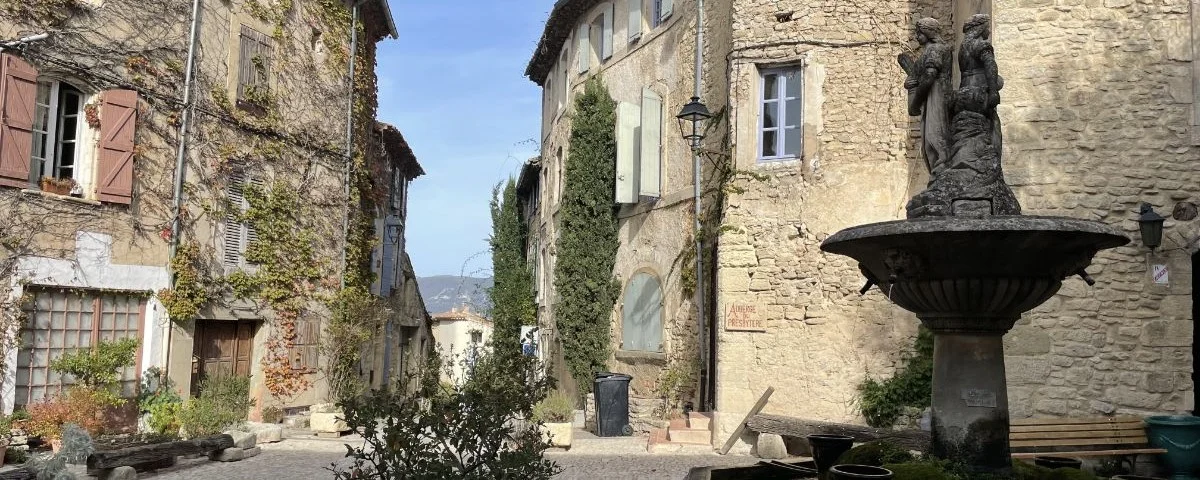
Yes, as long as you come for the Provence that actually exists in November.
- Come for: quiet heritage sites, markets, museums, olive country, early truffle season, vineyards, coastal light and uncrowded roads.
- Do not come for: lavender, guaranteed outdoor dining, lively beach resorts or a rigid schedule built around small seasonal attractions.
- Base yourself wisely: a city or substantial town gives you better backup options and easier evenings.
- Plan around the weather: keep one flexible day, watch the wind as carefully as the rain, and start outdoor days early.
- Travel slowly: fewer stops, verified opening hours and time for lunch will give you a better trip than trying to reproduce a summer itinerary.
Our final recommendation is clear: Provence in November is worth visiting for travelers who prefer depth to spectacle. The region is quieter, sometimes colder, occasionally inconvenient, and often wonderfully itself.