




Four days in Provence will not reveal every secret, but they are enough to meet several of its finest characters: papal Avignon, the stone villages of the Luberon, the white ridges of the Alpilles, Roman Arles, and elegant Aix-en-Provence.
This 4-day Provence itinerary follows a logical west-to-east route, with a rental car for the rural sections and enough breathing room to enjoy a market, a terrace, or one more turn down a beautiful street. Before setting out, our Provence travel guide, interactive Provence tourist map, and guide to the best things to do in Provence will help you understand how the region fits together.
Your 4-Day Provence Itinerary at a Glance
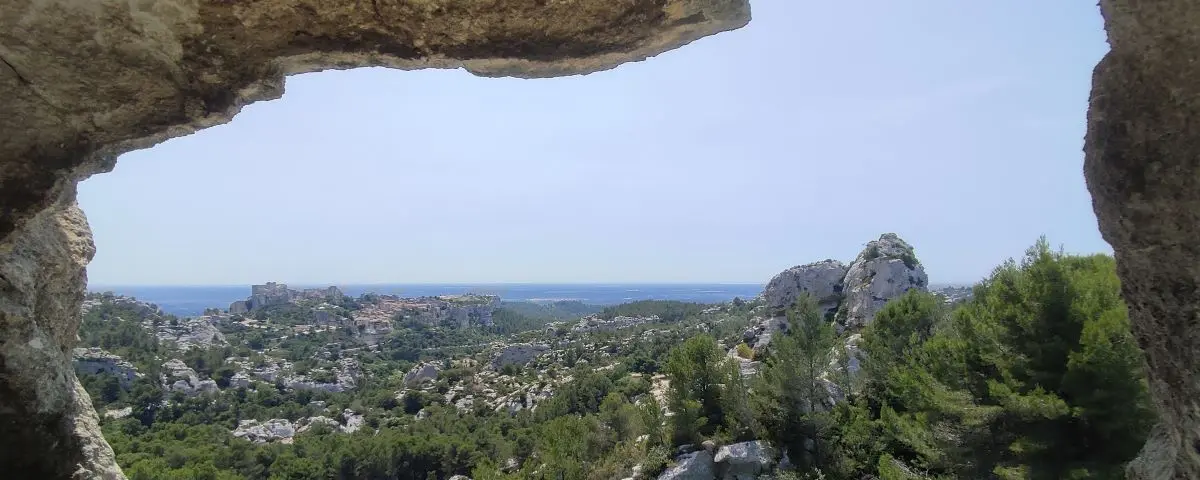
- Day 1 is devoted to Avignon, with the Palais des Papes, the old town, the Pont d’Avignon, the Rocher des Doms, and an evening inside the ramparts.
- Day 2 crosses the Luberon, linking L’Isle-sur-la-Sorgue, Gordes, Sénanque Abbey, and Roussillon without wasting the day on unnecessary detours.
- Day 3 combines the Alpilles and Arles, beginning in Saint-Rémy-de-Provence, continuing to Les Baux-de-Provence, and finishing among the Roman monuments of Arles.
- Day 4 belongs to Aix-en-Provence, where markets, fountains, private mansions, and the memory of Cézanne create a gentler final day.
- A car is strongly recommended for Days 2 and 3, although Avignon, Arles, and Aix can be connected by public transport with guided excursions filling the rural gaps.
- The best overnight sequence is Avignon, Saint-Rémy or the Alpilles, then Aix, which keeps the route moving east rather than forcing you back to the same base.
- Do not build the whole trip around lavender unless your dates are right, since purple fields are seasonal and agricultural rather than permanent decorations.
Provence Itinerary Route and Driving Times
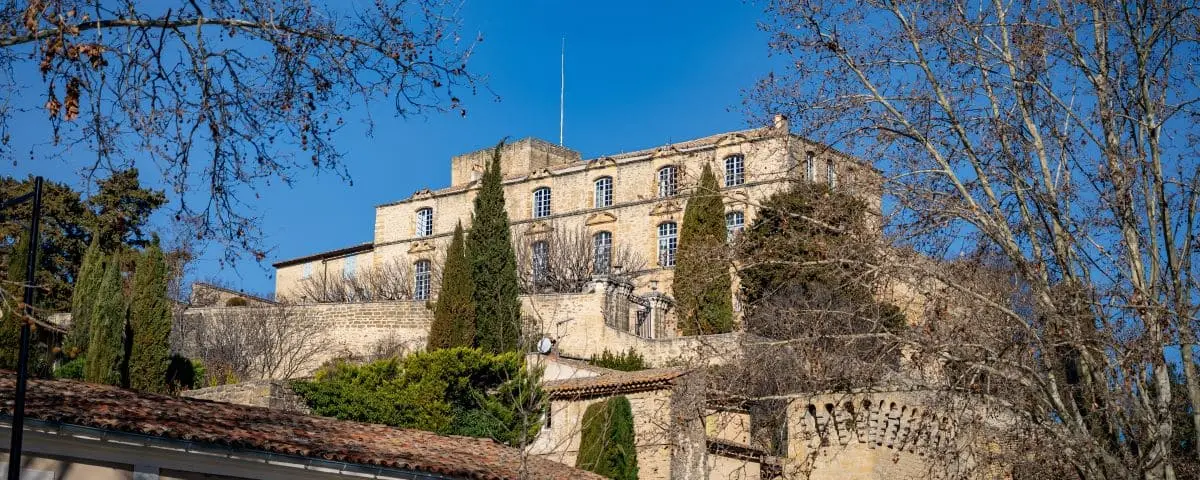
This route starts in Avignon and ends in Aix-en-Provence, crossing historic cities, perched villages, ochre landscapes, olive country, vineyards, and limestone hills. It is a compact introduction, not a race to collect every famous name.
Use our Provence tourist map to visualize the route before booking accommodation. Our directories of Provence cities and towns and Provence villages are also useful when deciding whether to add an extra night or replace one stop.
Where This Provence Road Trip Starts and Ends
Start in Avignon and finish in Aix-en-Provence. Avignon is a practical western gateway with rail connections and a compact historic center, while Aix places you closer to Marseille Provence Airport and the Mediterranean transport network at the end of the trip.
Arrive in Avignon the evening before Day 1 or early that morning. Collect the rental car after visiting the city, since it becomes genuinely useful only when you leave for the Luberon on Day 2.
The final evening is spent in Aix. From there, continue to Marseille, the airport, or southeastern Provence. Marseille is an onward option, not a supposed return point.
Daily Distances and Estimated Driving Times
Distances look modest, but village traffic, markets, narrow approaches, summer crowds, and parking can stretch a short route.
Allow roughly 1.5 to 2.5 hours of driving on Day 2 and around 1.5 to 2 hours on Day 3. Day 4 can be entirely on foot once you are in Aix.
Treat driving times as planning margins, not promises. Leave early, avoid squeezing in extra villages simply because they look close on the map, and expect parking to take longer near the most famous sites.
Day 1: Explore Avignon and Its Papal Heritage
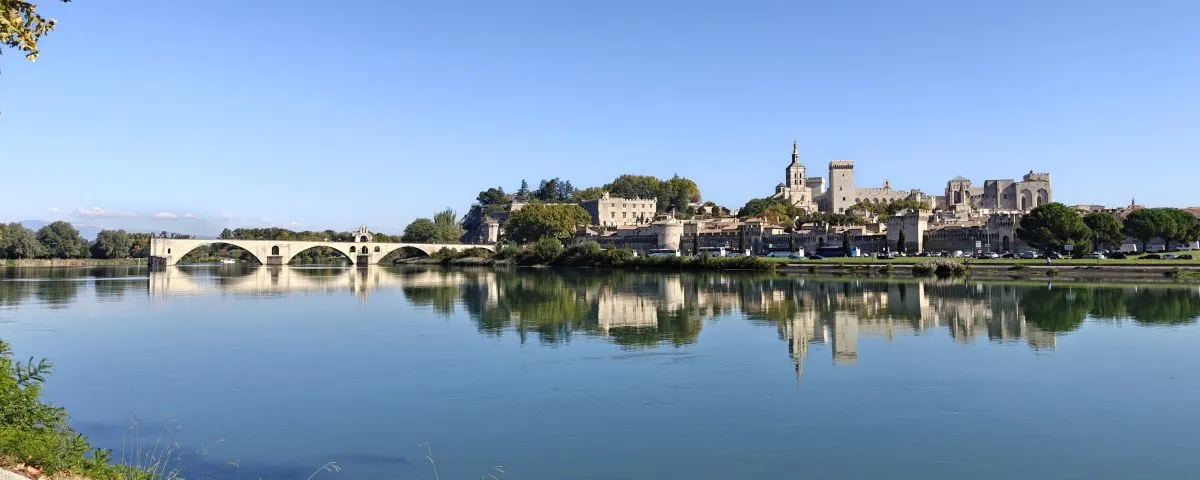
Avignon rises beside the Rhône behind its medieval walls. Inside, monumental history and daily life rub shoulders: a Gothic palace dominates one square, while residents shop for bread, cheese, flowers, and vegetables a few streets away.
For more preparation, see our guide to the best things to do in Avignon, open the Avignon tourist map, or follow our detailed one-day Avignon itinerary. Travelers still hesitating can also read our honest answer to whether Avignon is worth visiting.
Morning: Palais des Papes and Avignon Old Town
Begin at the Palais des Papes before the central streets reach their busiest point. Vast, severe, and surprisingly austere in places, the palace recalls the period when the papacy settled in Avignon during the 14th century. Do not expect a furnished royal residence at every turn. Its power comes from scale, stone, courtyards, defensive walls, and the imagination required to repopulate its halls.
Make the Palais des Papes your first timed visit of the day. Reserve ahead when traveling during school holidays, summer weekends, or the Avignon Festival, and give the visit enough time rather than rushing through it as a photographic backdrop.
Afterward, cross Place de l’Horloge and wander through shaded squares, old townhouses, bookshops, and narrow lanes. Rue des Teinturiers, with its canal and waterwheels, offers a gentler contrast to the papal quarter.
Students, theater posters, bicycles, and neighborhood cafés keep the old stones from becoming a museum set. Mix major history with unplanned street life.
Afternoon: Pont d’Avignon and Rocher des Doms
From the palace, climb to the Rocher des Doms. The garden sits above the Rhône and opens a broad view toward the river, the island of Barthelasse, Villeneuve-lès-Avignon, and the surrounding plain. It is a useful pause after the palace, particularly on a warm day when a bench and some shade feel more precious than another interior.
Then descend toward the Pont Saint-Bénézet, better known as the Pont d’Avignon. Only part of the medieval bridge remains, which is precisely what gives it such presence. It reaches into the river and stops, leaving the imagination to complete the crossing.
Visit the bridge for the setting and the river views, not only for the famous song. The relationship between the bridge, the walls, the palace, and the Rhône explains Avignon more clearly than any isolated monument.
Keep the afternoon flexible. Walk near the ramparts or cross toward Barthelasse for a wider skyline view. Choose depth over one more hurried attraction.
Evening: Les Halles and Dinner Inside the City Walls
Les Halles is Avignon’s covered market, with vegetables, olives, cheeses, charcuterie, fish, bread, spices, and prepared foods. Check the schedule before building a meal around the visit.
Use Les Halles for local flavor, but do not force it into the evening if the market is closed. Instead, explore the streets around Place Pie and return for dinner inside the ramparts.
Choose a table away from the most touristy menus. Look for a short seasonal card, local vegetables, lamb, fish, goat cheese, or a simple dish built around ripe produce.
After dinner, walk back through the illuminated center. The palace becomes more dramatic after dark, and the day-trippers have often thinned out. Sleep in or near Avignon tonight, ready for an early departure into the Luberon.
Day 2: Discover the Most Beautiful Villages of the Luberon

Day 2 moves from water to pale stone, then to deep ochre. It is the most postcard-ready part of the road trip and the most vulnerable to crowds and overplanning. Four stops are enough. The Luberon’s hills, farmland, vineyards, orchards, and dry-stone walls matter as much as the famous village names.
Morning: L’Isle-sur-la-Sorgue and Gordes
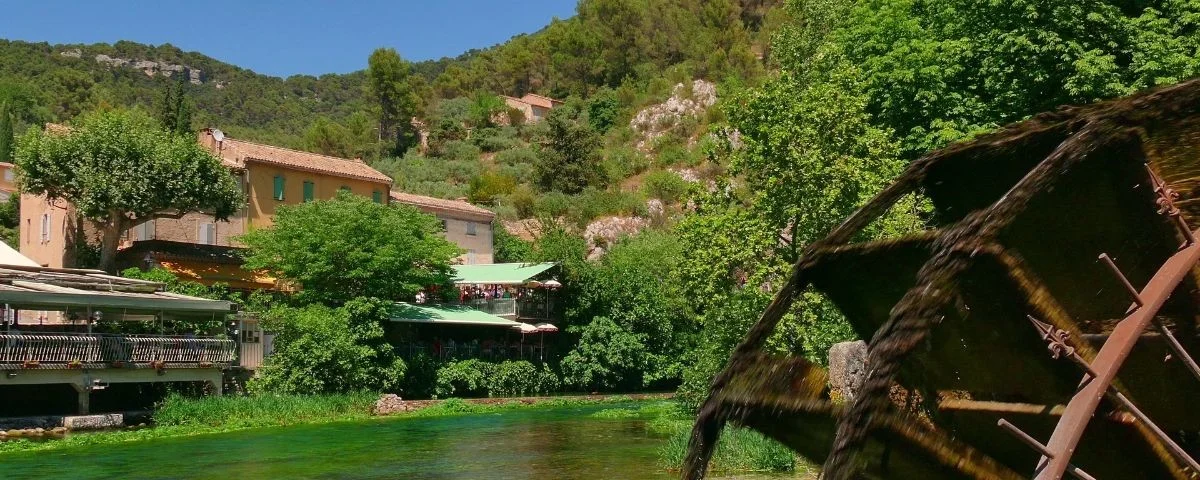
Leave Avignon early for L’Isle-sur-la-Sorgue. Channels weave through the town, waterwheels turn beside the banks, and antique dealers give it an identity unlike the hilltop villages ahead. On market days, arrive early.
Give L’Isle-sur-la-Sorgue about one to two hours unless antiques are a major interest. Stroll beside the water, cross the small bridges, have a coffee, and resist the temptation to turn breakfast into a three-hour occupation.
Continue to Gordes, whose houses descend from a rocky height. The classic approach reveals a mass of pale stone above the countryside. Stop only where it is safe and permitted.
Once parked, explore the steep lanes, stone walls, vaulted passages, and viewpoints on foot. Come early enough to see Gordes before it feels like a stage between tour-bus arrivals.
Midday: Sénanque Abbey and the Lavender Countryside
From Gordes, take the road toward Sénanque Abbey. The abbey sits in a narrow valley surrounded by stone, fields, and wooded slopes. Its architecture is restrained, which is part of the appeal. This is not a flamboyant monument designed to overwhelm you. It asks for quiet attention.
The lavender field is famous, but seasonality matters. Sénanque is worth visiting even when the lavender is not in bloom, because the valley, architecture, and quiet proportions still hold their appeal.
Respect the site’s rules, remain within authorized areas, and never enter agricultural rows for a better angle.
Lunch can be simple. A bakery picnic, a village terrace, or a light meal near Gordes often works better than committing to a long formal lunch. Save daylight for Roussillon, especially outside summer when afternoons are shorter.
Afternoon: Roussillon and Its Ochre Trail
Roussillon changes the color palette. Here the village glows in shades of rust, apricot, red, gold, and orange, echoing the ochre deposits around it. Even travelers who think they have seen enough pretty villages tend to wake up again when the walls turn fiery.
Walk through the center, then follow the marked ochre trail if conditions allow. The ground can stain pale shoes and clothing, fair warning from Provence itself.
Roussillon deserves at least two hours when you include the ochre trail. Arriving later in the afternoon can also soften the crowds and improve the light, although you must check the last entry time before relying on that strategy.
At the end of the visit, drive toward Saint-Rémy-de-Provence or another base in the Alpilles. This is a practical relocation rather than another sightseeing stop. The landscape gradually changes as the Luberon falls behind and the jagged limestone ridges of the Alpilles come closer.
Spend Night 2 in Saint-Rémy or nearby. You will begin Day 3 without wasting the best morning hours on a transfer.
Day 3: Visit Saint-Rémy, Les Baux-de-Provence, and Arles
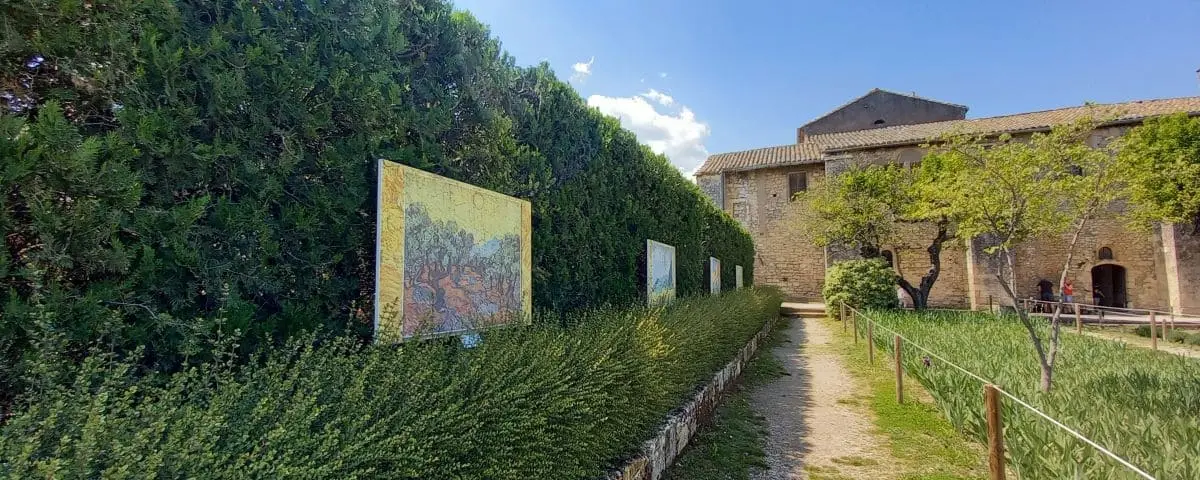
Day 3 joins three powerful faces of Provence: Saint-Rémy and Glanum, rocky Les Baux, then Roman Arles and the memory of Van Gogh. Choose one major visit in each place rather than trying to enter everything.
Morning: Saint-Rémy-de-Provence and Glanum
Begin in Saint-Rémy before the lanes and terraces fill. Its charm lies in small squares, old façades, fountains, plane trees, and streets made for a slow circuit.
If market day coincides with your visit, arrive early enough to enjoy the color without spending half the morning circling for parking.
Then continue south to Glanum, the ancient settlement set near the foot of the Alpilles. The site reveals layers of occupation and a landscape that helps explain why people settled here. Glanum is most rewarding when you allow time to understand the ruins rather than treating them as loose stones beside the road.
Nearby Van Gogh sites add another dimension, connecting his work with cypresses, olive trees, enclosed gardens, and the rocky horizon.
Afternoon: Les Baux-de-Provence and the Alpilles
The road toward Les Baux winds through one of the most satisfying landscapes in the region. Vineyards and olive groves spread beneath sharp white rock, and the village appears on its spur like an extension of the limestone itself.
Park below and climb on foot through lanes, restored houses, squares, and viewpoints. The ruined castle crowns the upper ground above a wide panorama.
The castle area is the essential visit at Les Baux if you want the full sense of the site. Wear shoes with grip, carry water in warm weather, and expect exposed sections rather than a gentle museum stroll.
The nearby Carrières des Lumières offer large-scale projected exhibitions in former quarries. If time is tight, choose either a fuller castle visit or the immersive exhibition.
Leave by mid-afternoon for Arles. Do not add another Alpilles village simply to make the day look richer on paper. The descent, the olive country, and the changing view are already part of the journey.
Evening: Roman Monuments and Van Gogh’s Arles
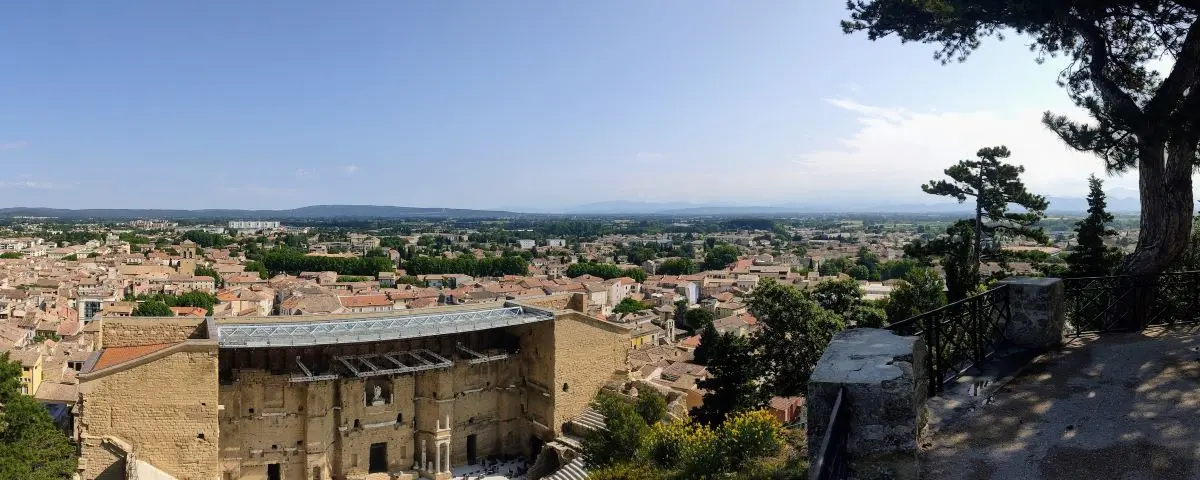
Arles is compact enough to explore on foot. Start with the Roman amphitheater, then notice how the ancient theater and other remains still shape the modern city.
Our guides to the best things to do in Arles, the Arles tourist map, and whether Arles is worth visiting can help you decide what deserves your limited evening.
Prioritize the amphitheater and a walk through the historic center. If monument hours are ending, admire the exterior first and save a longer museum visit for another trip. Arles rewards walking even when ticket desks are closed.
Continue toward Place du Forum, the Rhône, and places associated with Van Gogh. The city has changed, but its light, angles, and yellow stone still bring his work closer.
Have dinner in Arles, then drive to Aix-en-Provence or stay in Arles and leave early the next morning. For a calmer Day 4, sleeping in Aix is the more efficient option, provided you are comfortable with the evening transfer.
Day 4: Experience Aix-en-Provence
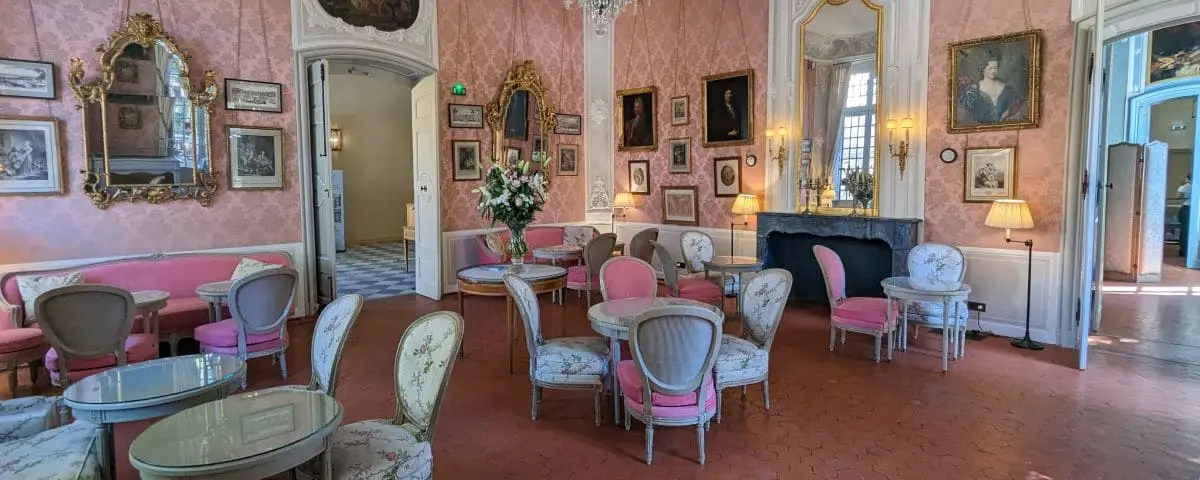
Aix changes the rhythm. After castles, abbeys, ruins, and cliff-top villages, the final day belongs to fountains, markets, art, and unhurried streets. Its elegance is real, but so are the students, neighborhood markets, and daily routines behind the ochre façades.
Use our guides to things to do in Aix-en-Provence, the Aix-en-Provence tourist map, and a complete one-day Aix itinerary. Our assessment of whether Aix-en-Provence is worth visiting explains what kind of traveler will appreciate it most.
Morning: Aix Old Town, Markets, and Cours Mirabeau
Start on Cours Mirabeau before the day grows hot or crowded. Plane trees shade the avenue, fountains punctuate the route, and façades recall the prosperity of an old provincial capital. The street is famous, but the smaller lanes to the north hold more of the city’s daily charm.
Continue through Place d’Albertas, the town hall area, the cathedral quarter, and whichever market is operating that morning. Markets appear on different days and squares, so check the schedule.
Let the market determine part of your morning route. Aix is not a city where every attraction must be entered. Much of its appeal is outside, in the color of a façade, the sound of a fountain, and the ritual of coffee on a terrace.
A calisson is worth trying, but a good bakery and shaded bench can be just as satisfying as a famous address.
Afternoon: Follow in the Footsteps of Paul Cézanne
Paul Cézanne was born in Aix, and the city still organizes part of its cultural identity around him. You can visit places connected with his life, follow marked points through the center, or devote time to his studio when open.
Book Cézanne’s studio in advance if it is central to your visit. The space is intimate, and access arrangements can be more restrictive than those of a large museum.
The deeper Cézanne experience lies in the pale stone, dry vegetation, sharp shadows, and changing profile of Sainte-Victoire.
With only four days, do not attempt a major hike unless you have deliberately removed something else from the itinerary. A viewpoint or short excursion is more realistic. Choose contemplation over an overambitious mountain detour.
Evening: Enjoy a Final Evening in Aix-en-Provence
Return as the heat fades and the façades warm in the late light. Aix is particularly agreeable when aperitif tables fill and fountains seem louder than traffic.
Choose a quieter side street over the busiest part of Cours Mirabeau. Seasonal produce, Provençal herbs, olive oil, and local wine need no theatrical menu.
End the trip slowly. Four days have carried you from papal walls to ochre cliffs, Roman arenas, limestone ridges, and elegant urban squares. The last evening should not be another logistical sprint.
If your flight or train leaves the following morning, confirm the route to Aix TGV station, Marseille, or Marseille Provence Airport in advance. Aix city center and Aix TGV are separate locations, a small detail with the power to create a very un-Provençal amount of stress.
How to Customize This 4-Day Provence Itinerary
No four-day route suits everyone. The best itinerary matches your interests, transport, season, and tolerance for changing hotels.
Lavender-Season Itinerary: Add Valensole or Sault
If lavender is a priority and your dates fall within the flowering period, replace part of the itinerary rather than simply adding another long drive. Valensole fits more naturally with an Aix-based or eastern route, while Sault requires a northern detour from Avignon or the Luberon.
Do not promise yourself lavender based on the calendar alone. Blooming varies with altitude, weather, variety, and harvest decisions. In broad terms, late June and early July often suit lower areas, while higher zones can flower later, but conditions must be checked close to the trip.
Replace Day 4 with Valensole and a shorter evening in Aix, or replace L’Isle-sur-la-Sorgue with a northern route toward Sault. Keep the day geographically coherent.
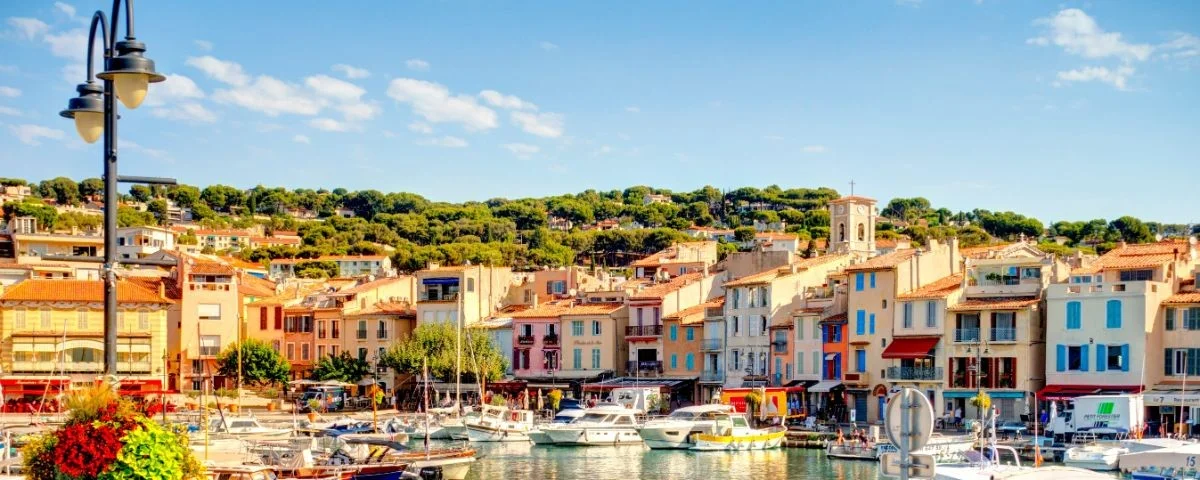
Coastal Itinerary: Replace Aix with Cassis and the Calanques
Travelers dreaming of blue water and white limestone can replace Aix with Cassis and the Calanques. This creates a more coastal finale, but it is not a simple extra stop. Access rules, heat, parking, boat conditions, and hiking restrictions can all influence the day.
Replace Day 4 rather than squeezing Cassis into it. Drive from Arles toward the coast, choose either a boat excursion, a carefully planned hike, or time in Cassis, and stay near Marseille if departing by air.
You lose Aix’s markets, fountains, and Cézanne connections, so pick the landscape you would regret missing.
Slow-Travel Itinerary: Visit Fewer Places at a Gentler Pace
A slower route could keep Avignon for two nights, devote a full day to only Gordes and Roussillon, then choose either the Alpilles and Arles or Aix. The result covers fewer places but leaves room for lunch, conversation, and unplanned discoveries.
Remove one destination cluster, not ten minutes from every stop. Cutting small amounts of time everywhere produces a rushed trip with no real gain.
Families, heat-sensitive travelers, and those who dislike frequent hotel changes often enjoy this version more. Provence makes empty time feel productive.
How to Plan Your 4 Days in Provence
Short distances can be deceptive once parking, markets, winding roads, and long lunches enter the equation. We plan France itineraries around route logic, realistic pace, and clear trade-offs.
As a French family and former travel planners specializing in France, our goal is to turn many possibilities into a trip you can actually enjoy.
Where to Stay During This Provence Road Trip
Sleep in Avignon after Day 1, in Saint-Rémy or the Alpilles after Day 2, and in Aix after Day 3. The hotel changes prevent repeated backtracking.
Choose Avignon for history and western day trips, Saint-Rémy for atmosphere and access to the Alpilles, and Aix for the final eastern stage. Arles can replace Saint-Rémy if Roman heritage matters more than village ambiance.
Book early for summer and festival periods. In rural areas, confirm parking before choosing a property hidden behind a lane barely wider than the car.
Renting a Car and Driving in Provence
A rental car is the simplest way to connect the Luberon, Sénanque, Saint-Rémy, and Les Baux. Collect it after the Avignon city visit if possible, then return it in Aix, at the airport, or according to your onward plans.
Choose the smallest vehicle that comfortably holds your passengers and luggage. Narrow streets, tight garages, and village parking make oversized cars a burden.
Keep luggage out of sight, carry water, download offline navigation, and check whether your accommodation lies in a restricted center. Do not wait for the fuel warning light to develop a personality.
How to Follow This Provence Itinerary Without a Car
Without a car, keep the cities and outsource the countryside. Avignon, Arles, Aix, and Marseille have public transport links, while the Luberon and Alpilles work better with tours, seasonal services, or transfers.
Start with our interactive France train map to understand the main rail connections. Our 7-day Provence itinerary by train shows how a public-transport trip needs a different structure from a road trip.
Do not try to reproduce a car itinerary stop for stop by public transport. Instead, spend Day 1 in Avignon, join a Luberon excursion on Day 2, take the train to Arles for Day 3, and continue to Aix or Marseille for Day 4.
If you have more time and still prefer driving, compare this compact route with our 7-day Provence road trip, which gives the region enough space to breathe.
What to Reserve Before Your Trip
Reserve the Palais des Papes, Cézanne’s studio, major exhibitions, and any guided tour that defines the trip. Book small popular restaurants on weekends and during festivals.
Book the non-negotiable experiences first, then leave the rest flexible. A Provence itinerary needs structure, but it also needs room for weather, market discoveries, and the occasional lunch that refuses to end on schedule.
Check opening days shortly before departure. Rural sites may reduce hours, while natural areas can face temporary restrictions during heat, wind, or fire risk.
When Is the Best Time to Spend 4 Days in Provence?
Provence changes character throughout the year. The best period depends on your expectations.
Visiting Provence During Lavender Season
Lavender draws visitors toward the Luberon, Valensole, and Sault, especially early or late in the day when light and temperatures soften.
Travel for lavender only if you accept agricultural reality. Fields are working crops, bloom dates vary, and harvesting can begin before your arrival. Never walk between rows without permission, block farm access, or treat private land as a studio.
Expect higher demand for accommodation and more traffic at famous viewpoints. Start early and balance lavender stops with villages, abbeys, and markets so that one field does not carry the emotional weight of the entire holiday.
Visiting in Spring or Fall
Spring brings green landscapes and comfortable walking conditions. Fall offers warm stone, changing vineyards, and a calmer pace after summer.
Late spring and early fall are often the best all-round periods for this itinerary. You can walk more comfortably, parking is usually less punishing than in August, and outdoor meals remain possible on many days.
Rain and the mistral can still alter plans. Pack layers and keep one indoor option in reserve, such as a museum, palace, or long lunch.
Visiting Provence in Summer or Winter
Summer offers long evenings and festivals, but also heat, traffic, and crowded villages. Begin early, pause at the hottest hours, and reserve important visits.
Winter reveals a quieter Provence of markets, museums, low sunlight, bare vineyards, and everyday life. Some rural businesses and attractions reduce their hours, while the mistral can make a bright day feel sharply cold.
Summer rewards advance planning; winter rewards flexibility. In either season, do not copy an itinerary designed for completely different daylight, temperature, and opening patterns.
Provence in 4 Days FAQ
Are Four Days Enough for Provence?
Four days provide a strong introduction, not a survey of the whole region, which also includes the coast, Camargue, Verdon, Ventoux, and alpine landscapes.
Four days are enough when you choose one coherent corridor. They are not enough if you try to combine Avignon, Marseille, the Calanques, Verdon, Valensole, the Camargue, and every famous village.
It succeeds because it accepts limits and presents several faces of Provence without pretending to finish the conversation.
Do You Need a Car for This Provence Itinerary?
You do not need a car in Avignon, Arles, or central Aix, but you need one or an organized alternative for the rural sections.
A car is the best choice for the Luberon and Alpilles portions. Without one, rebuild the itinerary around train-connected cities and book day tours for the villages.
Trying to improvise rural public transport within a four-day schedule can consume more time than it saves.
Is Avignon or Aix-en-Provence a Better Base?
Avignon is the stronger base for western Provence, including the Luberon, Roman sites, and Rhône Valley excursions. Aix is better for an elegant urban stay, Sainte-Victoire, Marseille, Cassis, and eastern Provence.
Choose Avignon for sightseeing efficiency and Aix for atmosphere and an eastern finish. On this itinerary, using both is more logical than forcing either city to serve every day trip.
Avignon feels monumental and medieval; Aix feels refined, open-air, and shaped by daily pleasure.
Can You See Lavender During a 4-Day Provence Trip?
Yes, when the fields are blooming and your route reaches the right area. Sénanque may provide a lavender moment on Day 2, while Valensole or Sault requires a more deliberate seasonal adjustment.
Never add a distant lavender detour without removing something else. A field visit that creates four extra hours of driving is rarely the dream it looked like online.
Check local conditions shortly before departure because altitude, weather, and harvesting affect what you will see.
Can You Include Marseille or Cassis in Four Days?
You can, but one major section must go. Replace Aix with Marseille or Cassis for a coastal ending, or remove the Luberon if the Mediterranean matters more than villages.
Do not add Marseille and Cassis on top of the complete route. Both deserve real time, and the Calanques require planning rather than a hurried photo stop.
A first-time traveler who values historic cities and inland landscapes should keep the itinerary as written. A traveler who dreams chiefly of sea cliffs should choose the coastal variation without hesitation.
Wrap-Up: Making the Most of 4 Days in Provence
- Follow a west-to-east route, beginning in Avignon and ending in Aix, to avoid unnecessary backtracking.
- Keep Day 2 to four main stops, since L’Isle-sur-la-Sorgue, Gordes, Sénanque, and Roussillon already make a full Luberon day.
- Use a car for the villages and Alpilles, but explore Avignon, Arles, and Aix on foot.
- Prioritize one defining experience in each place, rather than collecting monuments at a pace that leaves no memory behind.
- Adapt the route to the season, especially when lavender, summer heat, winter closures, or natural-area restrictions affect the plan.
- Leave room for Provence to interrupt you, whether through a market, a view, a shaded square, or a lunch that lasts longer than expected.
Four days pass quickly here. That is no reason to hurry through them. The best Provence itinerary is not the fullest one, but the one that lets the region’s light, landscapes, and local rhythm remain with you after the road ends.