




Aix-en-Provence does not reveal itself through one spectacular monument. Its charm arrives gradually: a fountain heard before it is seen, warm stone above a narrow street, vegetables piled under striped awnings, and Sainte-Victoire waiting beyond the rooftops.
With two days, you can enjoy both sides of the city. The first belongs to markets, old streets, elegant mansions, and café terraces. The second follows Paul Cézanne toward the landscapes that shaped his work. This itinerary feels complete without turning Aix into a race.
As a French family and former travel planners specializing in France, we recommend experiencing Aix rather than simply completing it. Our guide to the best things to do in Aix-en-Provence provides more detail on individual sights.
Aix-en-Provence 2-Day Itinerary at a Glance
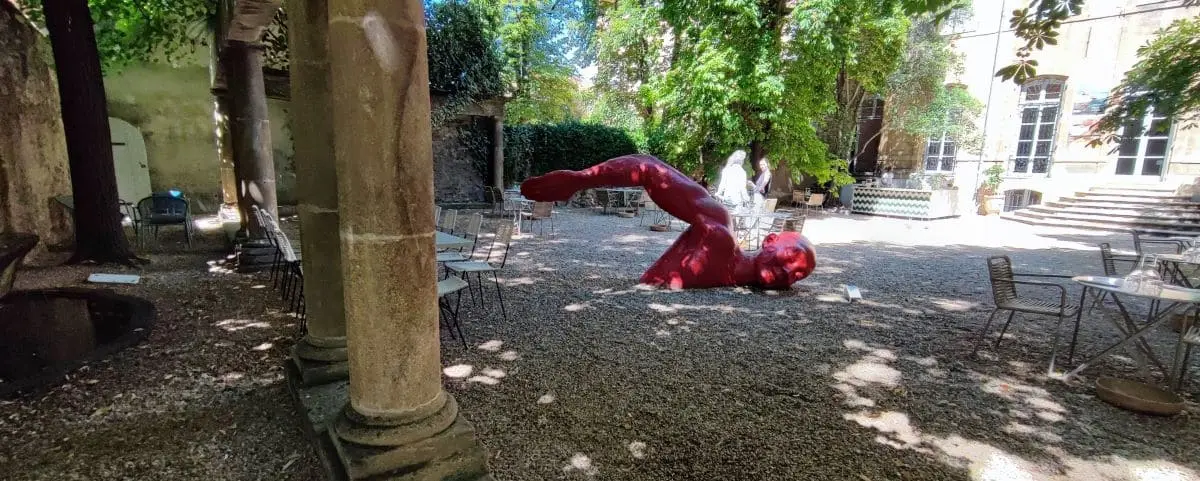
- Start Day 1 at Place Richelme market, then explore Old Aix and Saint-Sauveur Cathedral before the streets become crowded.
- Spend the first afternoon around Cours Mirabeau and the Mazarin Quarter, with a visit to either Hôtel de Caumont or Musée Granet.
- Enjoy calissons, an aperitif, and dinner in central Aix during your first evening.
- Dedicate Day 2 to Cézanne, following part of the city trail and visiting one major site that is open during your stay.
- Choose either Bibémus or Le Tholonet for the afternoon, rather than trying to fit both into a rushed schedule.
- Stay in or near the historic center so that most of the itinerary can be completed on foot.
Aix is compact, but its lanes do not form a neat grid. Keep our Aix-en-Provence tourist map open when linking Place Richelme, the cathedral, Cours Mirabeau, and Mazarin.
Day 1 in Aix-en-Provence: Markets, Old Town, and Elegant Squares
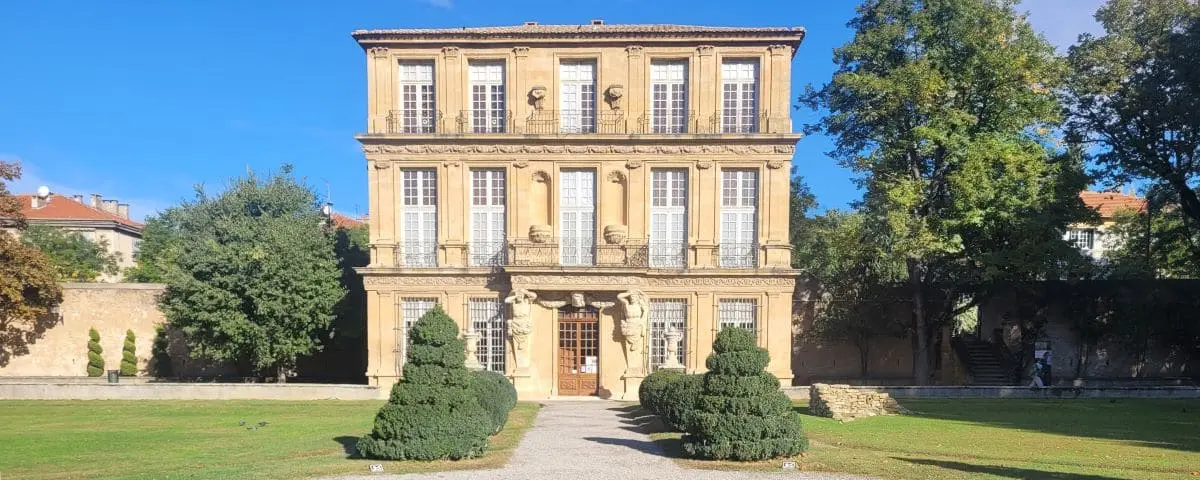
The first day stays within the historic heart. Distances are short and nearly every turn produces another fountain or ochre façade. Start early, but leave gaps in the schedule. In Aix, the unplanned courtyard often becomes the detail you remember longest.
Morning: Place Richelme Market, Old Aix, and Saint-Sauveur Cathedral
Begin at Place Richelme, where the daily food market supplies the city’s most convincing introduction. Crates overflow with tomatoes, apricots, herbs, olives, cheeses, and whatever the season has decided to offer. Locals queue, stallholders talk, scooters squeeze past, and café tables confidently occupy the remaining space.
Arrive between 8:00 and 9:00 a.m. for lively stalls without the heaviest crowds. Buy fruit for later, inspect the goat cheeses, or order coffee nearby and watch Aix begin its day. Tuesday, Thursday, and Saturday bring larger markets elsewhere in the center, creating extra energy and congestion.
Drift toward Place de l’Hôtel de Ville, framed by civic architecture, terraces, and the old grain market. Continue along Rue Gaston de Saporta, but keep looking into side streets. Carved doors, stone staircases, and glimpsed courtyards explain Aix better than a hurried march between pins on a map.
Aix grew wealthy through law, administration, religion, and trade. That history survives in private mansions whose restrained façades hide elaborate interiors. The pleasure of Old Aix comes from reading these clues, not chasing attractions one after another. Place d’Albertas, with its theatrical proportions and fountain, deserves the detour.
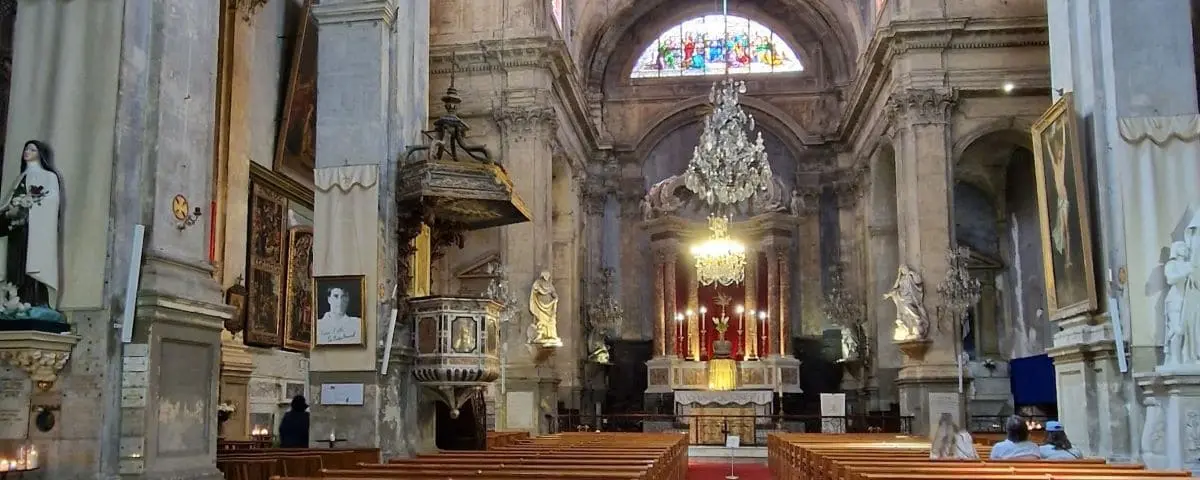
Continue north to Saint-Sauveur Cathedral. Its façade and interior combine several periods, while the intimate cloister is the quiet jewel, with paired columns, carved capitals, and a small Provençal garden. Check access times because the cloister may not follow the cathedral’s general schedule.
Loop through the streets around Place des Martyrs de la Résistance, then return toward Place Richelme or Place des Cardeurs for lunch. A market plate, tart, salad, or bakery picnic keeps the day light and leaves room for an afternoon sweet on a terrace.
Afternoon: Cours Mirabeau, the Mazarin Quarter, and Hôtel de Caumont or Musée Granet
After lunch, walk toward Fontaine de la Rotonde, the western entrance to Cours Mirabeau. Aix’s grand promenade is lined with plane trees, fountains, cafés, and former private mansions. It is elegant, theatrical, and rarely silent.
Walk Cours Mirabeau slowly and look upward, because its balconies, stone masks, and doors tell more than the shopfronts. Pause at the moss-covered hot-water fountain, whose green form seems borrowed from a hidden garden, then turn into the Mazarin Quarter.
Created in the seventeenth century for the city’s elite, Mazarin is more orderly than Old Aix. Streets meet at cleaner angles, façades appear composed, and the mood becomes almost residential. Place des Quatre-Dauphins forms its graceful center, with four stone dolphins supporting the fountain.
Your main cultural visit should be either Hôtel de Caumont or Musée Granet. Studying both properly makes the afternoon too dense. Choose Hôtel de Caumont for the mansion, gardens, interiors, and temporary exhibitions. Choose Musée Granet for a deeper collection and stronger museum experience.
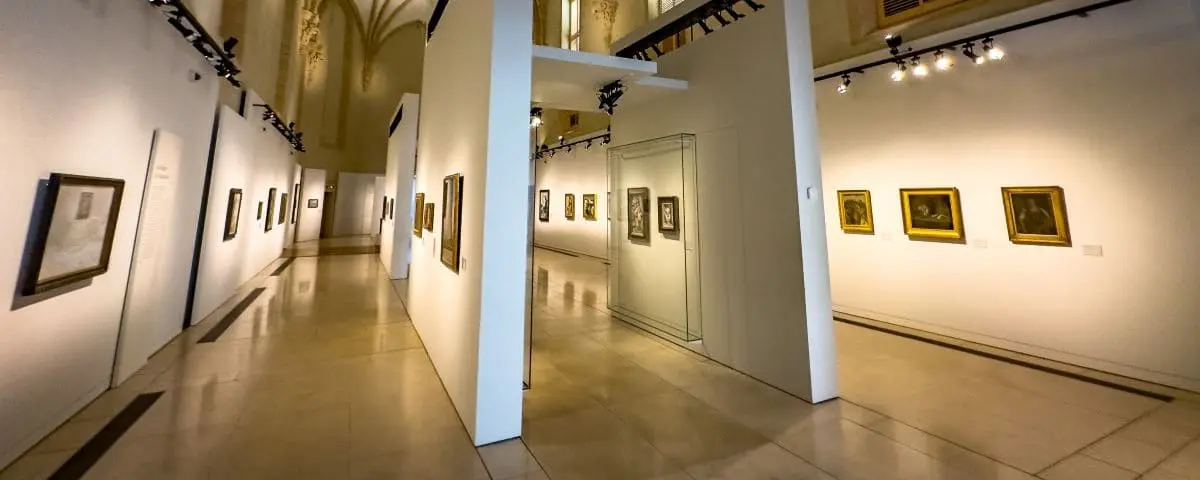
Hôtel de Caumont is among Aix’s finest eighteenth-century mansions. Its courtyard, grand staircase, decorated rooms, formal gardens, and golden Bibémus stone justify a visit even when the exhibition is not your priority. Musée Granet stands near the austere Church of Saint-Jean-de-Malte. Its collections cover archaeology and European painting, with an important connection to Cézanne. Art lovers should allow at least ninety minutes. Compare current exhibitions and schedules before deciding.
If time remains, wander through lower Mazarin and rejoin Cours Mirabeau by a different street. Aix is better when the return journey does not repeat the outward one.
Evening: Calissons, an Aperitif, and Dinner on Place des Cardeurs
Before dinner, taste a calisson, Aix’s almond-shaped confection made from ground almonds, candied fruit, and icing. It is sweet, distinctly local, and best sampled in a specialist shop rather than bought as an anonymous last-minute souvenir.
One calisson is a tasting; an entire box before dinner is poor strategic planning. Carry the rest to your hotel and stop for an aperitif. Cours Mirabeau offers famous terraces and first-rate people-watching, but smaller squares north of the avenue often feel friendlier.
Place des Cardeurs is an obvious dinner area. Its long pedestrian space fills with terraces, conversation, and evening light. Choose it for energy rather than intimacy. For a quieter meal, explore Rue d’Italie, Rue Mignet, or streets around Mazarin.
Look for seasonal vegetables, lamb, fish, tapenade, goat cheese, olive oil, and regional wine. Aix is affluent and popular, so mediocre restaurants can survive on location. A short menu, seasonal dishes, and local customers are better signs than a long catalogue of Provençal clichés.
End with another walk. The stone loses its glare, fountains sound louder, and the streets soften. This is not empty time between attractions. It is part of the Aix experience.
Day 2 in Aix-en-Provence: Cézanne, Art, and Sainte-Victoire
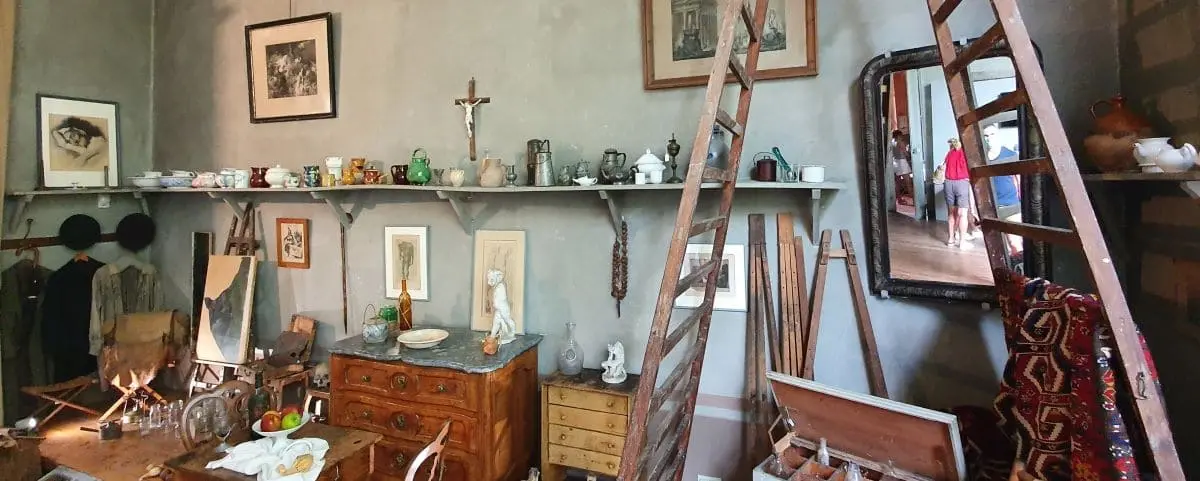
Cézanne’s story runs from schools and family addresses to a purpose-built studio, ochre quarries, pine woods, and Sainte-Victoire. Combining city and countryside reveals why his work belongs so completely to Aix.
Morning: Follow the Cézanne Trail and Visit an Open Cézanne Site
Begin in central Aix by following part of the Cézanne trail, marked by pavement studs. It links family homes, schools, cafés, and the church where his funeral took place. Use the trail as a thread through Aix, not as an obligation to collect every marker. It shows how closely Cézanne’s life was woven into the city. He was not a visiting artist seduced by Provence, but an Aixois shaped by its streets, friendships, expectations, and surrounding landscapes.
Then visit one major Cézanne site, depending on seasonal access. Atelier des Lauves is the most atmospheric choice. Cézanne worked there during his final years, and the north-facing window, studio objects, easel, coats, and still-life materials create an unusually direct link with his daily practice.
The Bastide du Jas de Bouffan offers another perspective. This family property was a place of life and experimentation, associated with Cézanne’s early development and repeated views of the estate. Bibémus, an afternoon option, connects his painting with fractured rock, pines, and the geometry that transformed modern art.
Opening periods, restoration work, guided access, and reservation systems change. Book the site genuinely open during your dates instead of building the day around an outdated checklist. When the main sites are unavailable, Musée Granet and the Terrain des Peintres still provide a meaningful Cézanne morning.
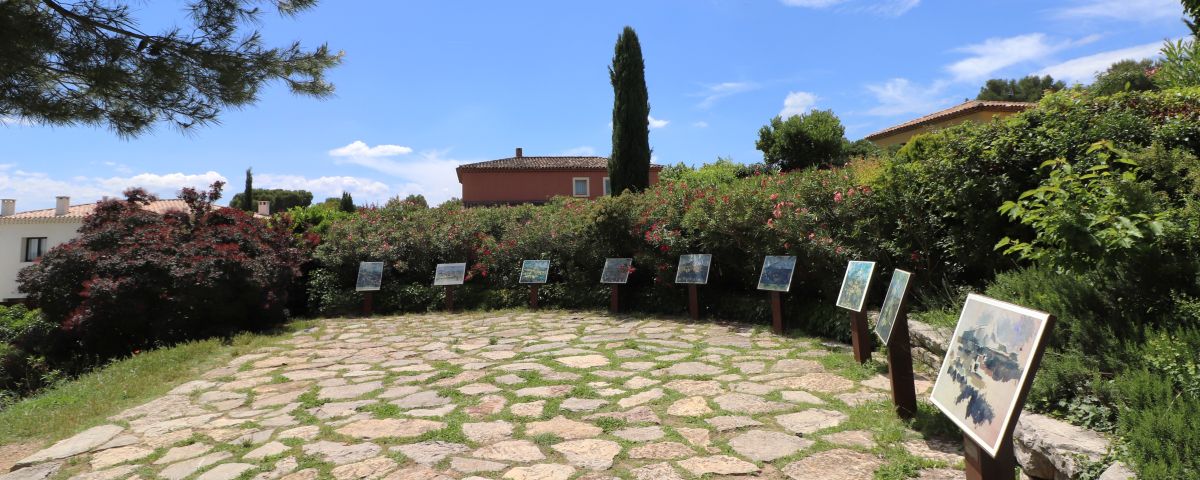
The Terrain des Peintres lies above Aix and offers a classic view toward Sainte-Victoire. The uphill approach takes effort, especially in summer, but the reward is immediate: the mountain appears beyond roofs and vegetation, distant and commanding.
Return toward the center for an early, simple lunch. Day 2 involves more movement, and a heavy midday feast will not improve it.
Afternoon: Explore Bibémus or Le Tholonet Below Sainte-Victoire
Choose between Bibémus and Le Tholonet. Do not squeeze both into the afternoon unless transport and reservations align perfectly. Bibémus is better for Cézanne and art history; Le Tholonet is better for scenery, flexibility, and a gentler pace.
The Bibémus Quarries occupy a rocky plateau east of Aix. Centuries of extraction left blocks, cuts, ledges, and walls in intense ochre shades. Pines grow between the workings, and Sainte-Victoire appears through openings. Cézanne repeatedly found structure in this apparent disorder.
Access is regulated, and guided visits may be compulsory. Reserve ahead and verify fire-risk restrictions during hot, dry weather. Good shoes, water, and sun protection are essential.
Le Tholonet provides an easier alternative. The village sits below the mountain on Route Cézanne, surrounded by trees, water channels, olive groves, and shifting views. Take a modest walk, admire Sainte-Victoire from lower ground, or simply absorb the landscape without attempting a major hike.
Do not treat Sainte-Victoire as a summit that must be conquered during a two-day city break. Its importance here is visual and emotional. Watch how the limestone catches the light and why Cézanne returned to one subject without repeating himself.
Travelers with another day can hike farther, visit vineyards, or explore the villages around the massif. Our guide to the best day trips from Aix-en-Provence compares Sainte-Victoire with Cassis, Marseille, and the Luberon.
Evening: Return to Aix for Golden Hour and a Final Provençal Dinner
Back in Aix, resist adding another museum. Walk through Mazarin or along Cours Mirabeau as low sun warms the façades, then stop where the evening feels most inviting.
Golden hour is the right time to appreciate Aix’s stone, fountains, and measured elegance. Pale walls turn honey-colored, shadows deepen beneath balconies, and familiar streets look newly arranged.
For dinner, choose the experience missed on Day 1. If the first evening was lively, find a smaller bistro. If you ate quietly, join the Place des Cardeurs terraces. Order according to season rather than duty. Provençal food is broader than famous dishes, and fresh produce matters more than culinary theatre.
Finish with local wine, herbal tea, or ice cream in warm weather. Two days should leave you feeling that you understood Aix’s rhythm, even though many doors remain unopened.
Where to Stay in Aix-en-Provence for 2 Days
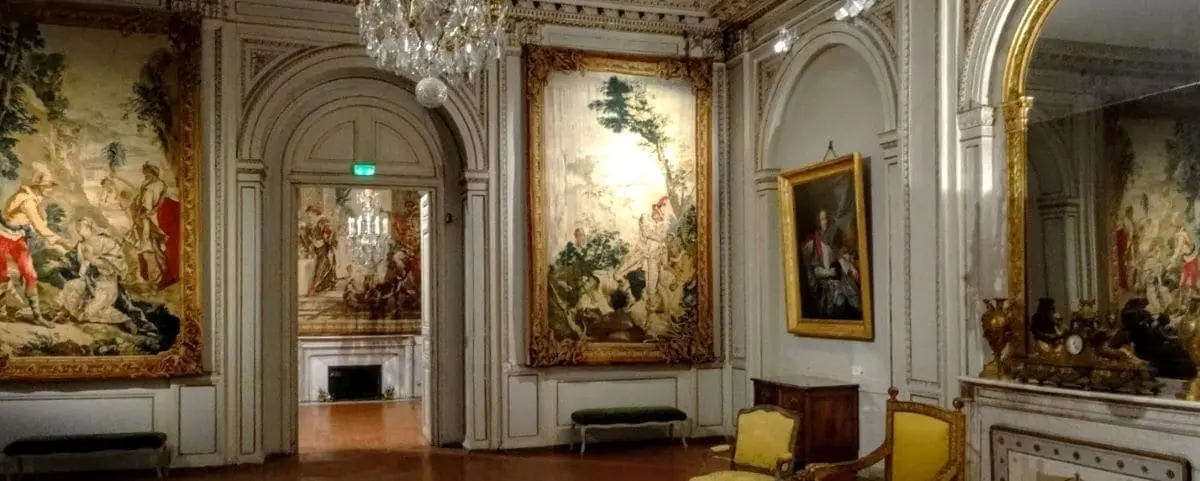
For a short stay, location matters more than hotel facilities. Central accommodation lets you start early, pause at midday, and enjoy dinner without another journey. Aix offers everything from simple guesthouses to elegant addresses where the postcode contributes generously to the bill.
Old Aix: Best for Historic Atmosphere
Old Aix places markets, the cathedral, Place Richelme, and restaurants outside your door. It suits travelers wanting immediate character who do not mind bells, deliveries, students, and late conversation.
Choose Old Aix for atmosphere, but request an inner-courtyard room when sleep matters more than street theatre. Historic buildings may have narrow stairs and compact rooms. Confirm air conditioning in summer and elevator access when needed.
Cours Mirabeau and Mazarin: Best for a Central First Visit
Cours Mirabeau and Mazarin provide the most polished base. Major sights are close, streets are handsome, and evenings remain lively without always feeling chaotic. Rooms overlooking the avenue often cost more and receive more noise.
Mazarin is our preferred compromise for a first two-day visit: central, beautiful, and generally calmer than Old Aix’s busiest lanes. Hôtel de Caumont, Musée Granet, restaurants, and Place Richelme are all nearby.
Still choosing a base? Our comparison of Avignon or Aix-en-Provence explains why Aix suits travelers prioritizing elegance, markets, food, and a slower urban rhythm.
Near the Bus and Train Stations: Best for Easy Connections
The area near the central bus and train stations is practical when Aix forms part of a longer route. You sacrifice historic atmosphere, but transfers become easier and the Rotonde remains close.
Stay near the stations for convenience, not because this is Aix’s most charming quarter. Check the precise walking route, since a hotel described as central may sit beyond the pleasant pedestrian core. Compare the region’s two major city experiences in Marseille or Aix-en-Provence.
When to Visit Aix-en-Provence for This 2-Day Itinerary
Aix works year-round, but heat, crowds, markets, exhibitions, and access to Cézanne sites change the experience. Spring and autumn offer the easiest balance. Summer brings festivals and long evenings, while winter reveals a calmer city.
Best Days for the Aix-en-Provence Markets
Place Richelme’s food market operates daily, so this itinerary always starts well. Tuesday, Thursday, and Saturday offer stronger market mornings because additional flower, textile, antique, and produce stalls animate central squares and Cours Mirabeau.
Choose Tuesday, Thursday, or Saturday when markets are a priority; choose another day for quieter streets. Arrive early either way. By late morning, popular squares become crowded, especially during summer and holiday weekends.
Schedules can shift for events or seasonal installations. Confirm details shortly before arrival, but do not overplan individual stalls.
How to Adapt the Itinerary in Summer or Winter
In summer, start early, reserve indoor visits for the hottest hours, carry water, and avoid exposed countryside at midday. Wooded areas around Sainte-Victoire and Bibémus may close when fire danger rises.
During extreme heat, replace a long walk with a museum, shaded garden, or shorter viewpoint stop. Aix is not improved by exhaustion. July and August evenings are particularly valuable once temperatures fall.
Winter brings shorter days and reduced hours at some attractions, but Old Aix gains breathing room. Schedule the countryside portion within daylight, check closures, and keep a museum alternative ready for rain or mistral.
What to Book Before Your Weekend in Aix
Reserve the major Cézanne site first, especially Atelier des Lauves, Jas de Bouffan, or a guided Bibémus visit. Then check temporary exhibitions at Hôtel de Caumont and Musée Granet. Restaurant reservations are sensible for Saturday evening and festival periods.
The Cézanne visit is most likely to disrupt this itinerary when left until the last minute. Opening periods and guided access are more restrictive than a walk through Old Aix. Confirm the date, meeting point, duration, and transport needs.
Do not reserve every meal and minute. One structured cultural booking per half-day is enough. Leave space for pauses and detours, because that freedom is part of Aix’s charm.
Frequently Asked Questions About Spending 2 Days in Aix-en-Provence
Is 2 Days Enough for Aix-en-Provence?
Yes. Two days allow Old Aix, markets, Cours Mirabeau, Mazarin, a major museum or mansion, Cézanne, and a glimpse of Sainte-Victoire. Two days are enough for Aix itself, but not for Aix plus several major Provence excursions.
Travelers with one day should stay central and use our one-day Aix-en-Provence itinerary. With three or four days, add a longer countryside outing.
Is Aix-en-Provence Walkable?
Yes. The historic center is highly walkable, with principal streets, markets, museums, and restaurants in a compact area. Surfaces can be uneven, and summer heat makes distances feel longer, but Day 1 requires no urban transport.
Comfortable shoes matter more than an ambitious step count. Outlying Cézanne sites and Sainte-Victoire require additional transport or an organized visit.
Should You Visit Sainte-Victoire During a 2-Day Stay?
Yes, provided you treat it as a half-day landscape experience rather than a summit hike. Le Tholonet, Bibémus, or a viewpoint connects the city with Cézanne’s countryside without consuming the whole day.
Skip Sainte-Victoire when weather, fire restrictions, mobility, or access make the outing impractical. Musée Granet, Atelier des Lauves, and the Terrain des Peintres can preserve the artistic theme.
What Should You Not Miss in Aix-en-Provence?
Do not miss Place Richelme in the morning, Old Aix, Saint-Sauveur Cathedral, Cours Mirabeau, Mazarin, one serious art visit, a Cézanne site, and terrace time. The essential Aix experience combines architecture, markets, art, food, and unhurried observation.
For a frank assessment of the city’s strengths, read whether Aix-en-Provence is worth visiting.
Final Thoughts on This Aix-en-Provence 2-Day Itinerary
Aix is refined without being frozen, cultured without becoming a museum, and Provençal without placing lavender in every window. Its attraction lies in daily life occupying an unusually beautiful setting. Markets are not decorative, fountains are not isolated monuments, and Cézanne’s mountain remains part of the horizon.
- Keep Day 1 entirely within central Aix, linking the market, Old Aix, Cours Mirabeau, Mazarin, and one major cultural attraction.
- Use Day 2 to connect Cézanne with the Provençal landscape, combining one city site with one countryside experience.
- Choose Mazarin for the best accommodation balance, Old Aix for atmosphere, or the station area for convenient connections.
- Visit on Tuesday, Thursday, or Saturday for the largest markets, while expecting busier streets.
- Reserve Cézanne sites and guided Bibémus visits in advance, since access can be limited or seasonal.
- Leave time for cafés, fountains, side streets, and evening walks, because these slower moments are central to the Aix experience.
Follow this route and your two days in Aix-en-Provence will include the obvious landmarks without being dominated by them. The best itinerary leaves you with a clear sense of the city and a reason to return.