




The Rhône passes old stone, the arena rises above narrow streets, and traces of Roman emperors, medieval pilgrims, Vincent van Gogh and contemporary artists meet within a remarkably compact city. Arles wins you over through the layers revealed as you walk.
So, is Arles worth visiting? For travellers interested in history, art, photography, traditional Provence and the Camargue, the answer is a confident yes.
Is Arles Worth Visiting? The Short Answer
Yes, Arles is worth visiting for its Roman heritage, artistic identity, walkable historic centre and access to the Camargue. It is one of the best cultural stops in Provence, particularly if you prefer atmospheric streets and meaningful historic sites to polished shopping districts or intense nightlife.
That range matters when time in Provence is limited. A stop in Arles can deliver major monuments, a strong sense of place and different scenery without requiring a packed schedule. It is easy to understand in a day, yet layered enough to reward a second morning, an evening walk or a return visit focused on art. The city gives travellers both substance and atmosphere, which is a rare combination.
As a French family and former travel planners specialising in France, we judge destinations by the type of trip they genuinely suit. Arles works especially well for history lovers, art enthusiasts, photographers, couples and slow travellers.
- Visit Arles for outstanding Roman monuments, including the amphitheatre, ancient theatre and underground galleries.
- Plan one full day for the essentials and two days for a relaxed visit with museums, art and unhurried wandering.
- Come for much more than Van Gogh, because photography and contemporary art keep the city connected to the present.
- Use Arles as a gateway to the Camargue, especially if wildlife and open landscapes belong in your itinerary.
- Consider another destination if nightlife, beaches or polished luxury are your priorities.
For detailed sightseeing ideas, our guide to the best things to do in Arles will help you choose the monuments and museums that fit your time.
Roman Heritage, Van Gogh and Arles’ Creative Scene
1. Explore Some of France’s Most Impressive Roman Monuments
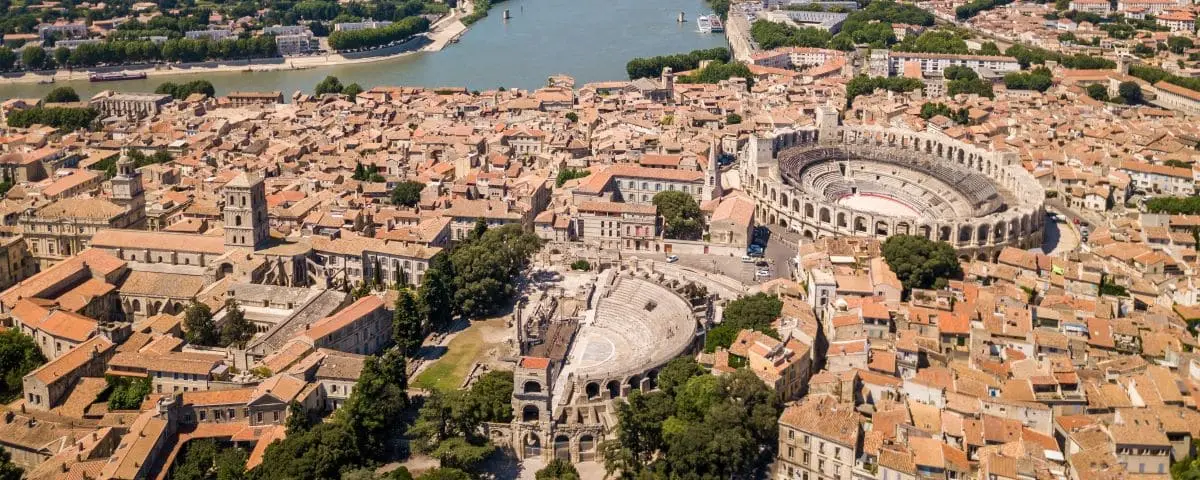
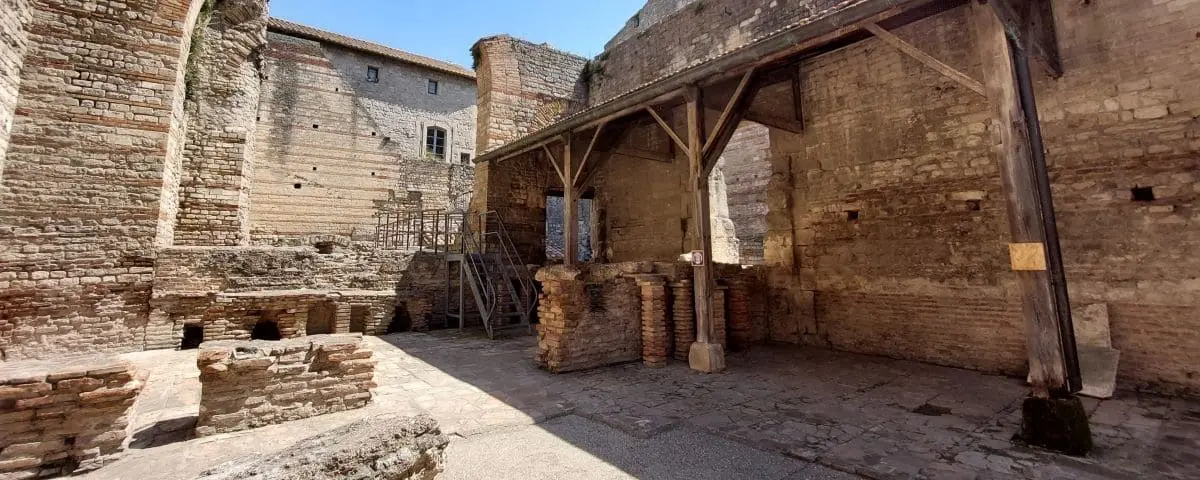
Arles was one of the great cities of Roman Gaul, and its ancient past is not hidden behind museum glass. It stands in the middle of everyday life. Turn a corner and the amphitheatre suddenly fills the street, its tiered arches glowing pale gold in the sun.
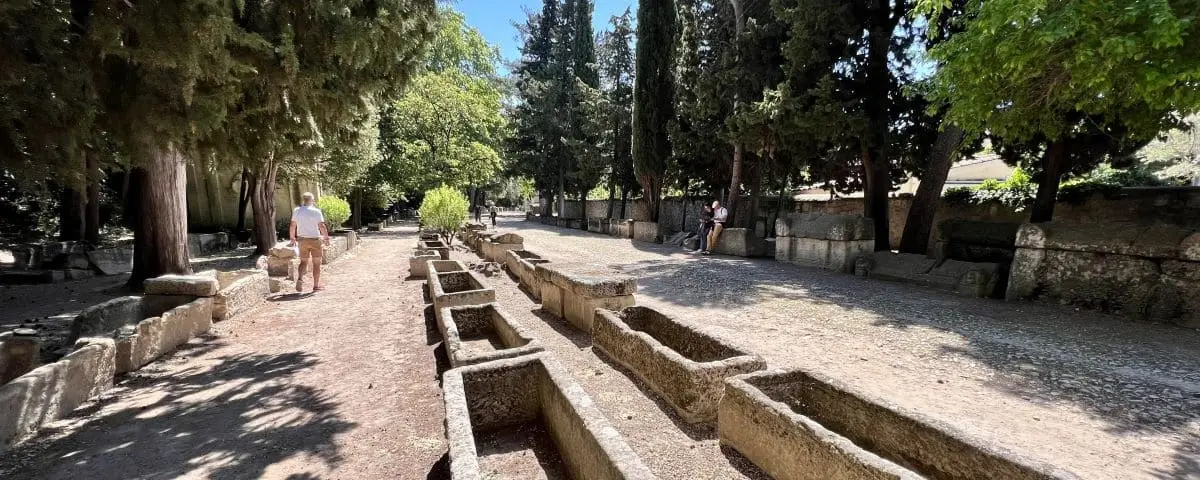
The Roman Amphitheatre is the city’s essential monument, but it is only the beginning. The ancient theatre, the cryptoporticus beneath the old civic centre, the Baths of Constantine and the Alyscamps necropolis reveal different sides of Roman and early Christian Arles. Together, they form an ancient urban landscape that never entirely disappeared.
Few cities offer this much archaeological depth in such a walkable area.
2. Follow in Vincent van Gogh’s Footsteps
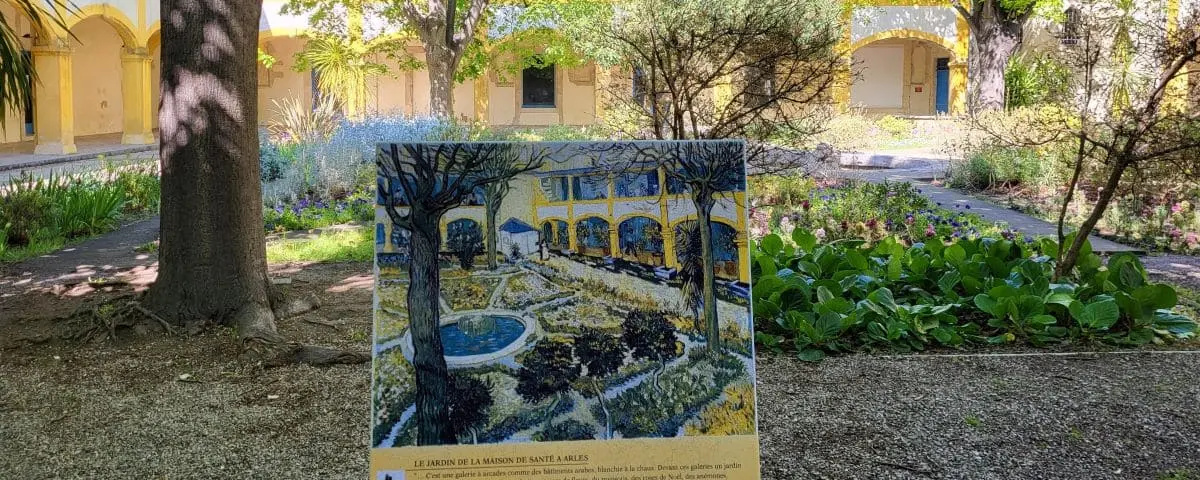
Vincent van Gogh lived in Arles during one of the most productive periods of his career. He found intense colours, cafés, bridges, gardens and night skies that fed a new visual language. Although his original paintings are generally held elsewhere, the city still lets you enter the landscapes that inspired him.
A walking route connects locations associated with his work. Some have changed dramatically, while others preserve a recognisable shape or atmosphere. The pleasure lies in comparing modern Arles with the artist’s interpretation, rather than expecting a conventional museum devoted to his paintings.
Arles is worth visiting for Van Gogh fans, but also for anyone curious about artistic perception. You begin to notice the yellow stone, long shadows and restless sky more carefully. The city becomes not only something to see, but something to look at properly.
3. Discover a Thriving Contemporary Art and Photography Scene
Arles could have settled into the role of a beautiful historic town. Instead, it developed one of the strongest creative identities in southern France. Photography and contemporary art prevent the city from becoming an open-air museum trapped in its past.
The Rencontres d’Arles photography festival transforms the city each summer, placing exhibitions in churches, industrial buildings, museums and unexpected spaces. The LUMA complex adds another scale to this cultural life. Its striking tower rises above former railway workshops, while the campus combines exhibitions, installations, gardens and experimental architecture. The contrast with the Roman centre is dramatic, and that tension is part of modern Arles.
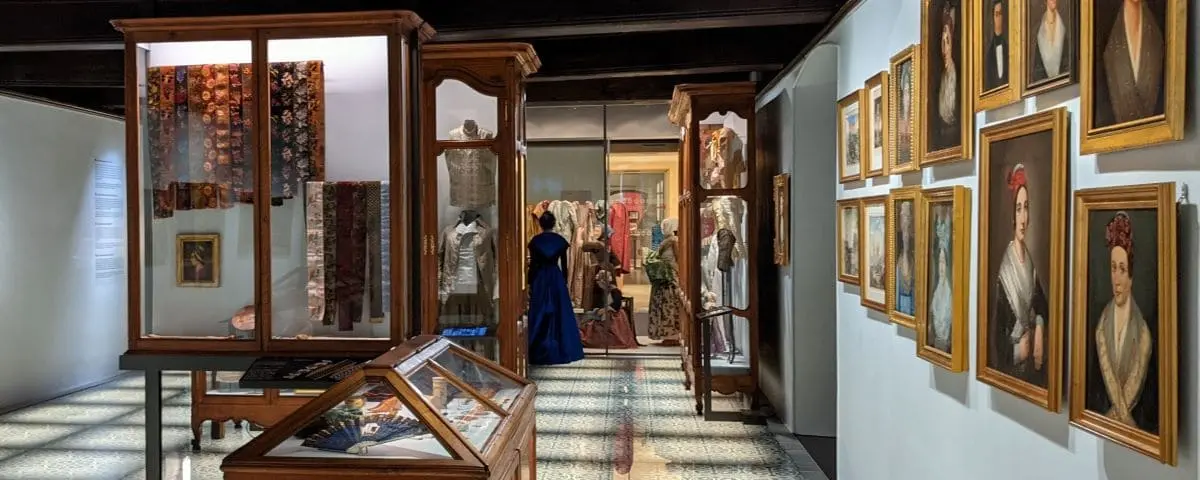
Smaller galleries, bookshops and foundations complete the picture. For art lovers, one day can quickly feel too short, particularly during the photography season. Even outside major events, the city retains a creative energy uncommon for a place of its size.
Historic Streets, Local Culture and Provençal Life
4. Wander Through a Compact and Walkable Historic Center
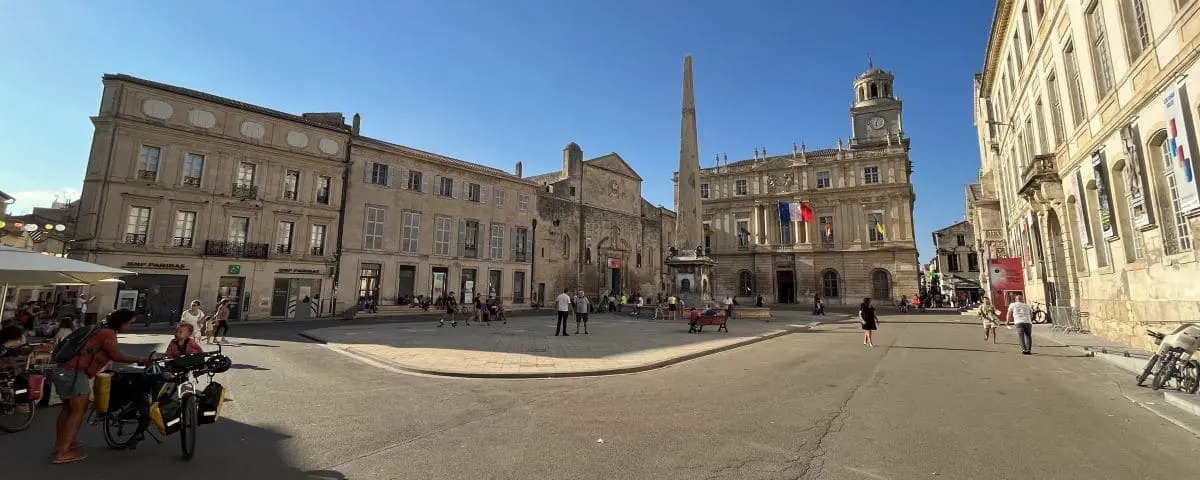
The old town is made for wandering. Streets curve around ancient foundations, pale façades catch the changing light, and small squares appear without warning. Walking is not merely the easiest way to visit Arles. It is one of the main reasons to come. The centre rewards detours around the arena, Place du Forum, the riverside and quieter lanes south of the main monuments. Look above the shopfronts for carved doorways, weathered shutters and fragments of older stone.
Saint-Trophime introduces another historical layer. Its sculpted portal and cloister show how medieval Arles grew within the ancient city. Roman remains, Romanesque architecture and later town houses stand within minutes of one another.
Our Arles tourist map is useful for locating the main sights, but leave room for streets outside your checklist. Arles often makes its strongest impression between the official attractions.
5. Experience an Authentic Side of Provence
Arles is recognisably Provençal, but it does not feel interchangeable with the region’s polished towns or postcard villages. The Rhône, the mistral and the nearby Camargue give it a rougher, more open character. This is Provence with working neighbourhoods and strong traditions, not only terraces and pretty façades.
The city can be lively, dusty, elegant and slightly worn within the same walk. That mixture is part of its appeal. Its identity is shaped by traditions connected to horses, bulls, costume and seasonal celebrations. Some customs, particularly events involving bullfighting, are divisive, and travellers will respond differently to them. Still, they form part of the city’s cultural history and festive calendar.
For us, Arles is most rewarding when you accept its contrasts. Do not expect the controlled elegance of Aix-en-Provence or the monumental focus of Avignon. Come for a place with its own rhythm, strong visual identity and personality that has not been polished smooth.
6. Enjoy Arlesian Markets, Food and Local Traditions
A market morning changes the tempo of Arles. Stalls fill the centre with fruit, vegetables, olives, cheese, bread, spices, clothing and household goods. Locals shop beside visitors, conversations overlap and the streets take on the energy of a temporary village.
The Saturday market is one of the best ways to experience everyday Arles. Food reflects both Provence and the Camargue. Menus may feature olive oil, seasonal vegetables, lamb, rice from the Rhône delta, fish or slow-cooked regional dishes. Rather than chasing one compulsory speciality, look for kitchens that cook with the surrounding landscape.
Allow time for lunch instead of treating it as a gap between monuments. Arles suits travellers who enjoy balancing cultural visits with markets, cafés and observation. That combination makes the city richer than a simple list of Roman sites.
Arles as a Gateway to the Camargue and Provence
7. Use Arles as a Gateway to the Camargue
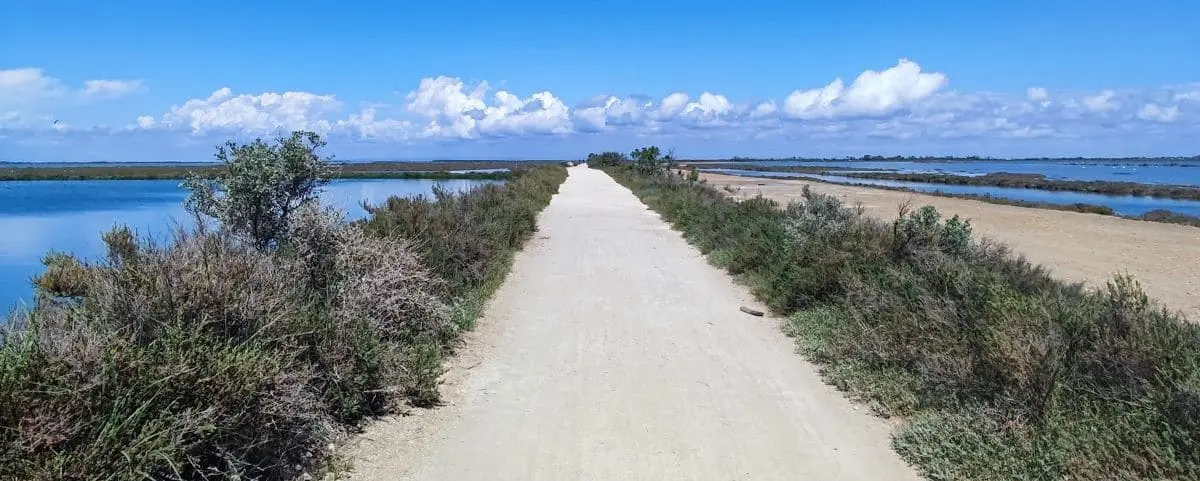
South of Arles, the Rhône divides and the landscape opens into the Camargue. Wetlands, reed beds, rice fields, salt flats and grazing land replace the compact stone city. Birds cross enormous skies, white horses stand in open fields, and the horizon seems to retreat with every kilometre.
Arles is the most natural cultural base for exploring the Camargue. You can spend the morning among Roman monuments, then enter a landscape that feels detached from urban Provence. This contrast gives a stay in Arles unusual range.
A car provides the most flexibility for rural areas and scattered viewpoints. Do not reduce the Camargue to flamingos and horses. Its interest comes from the whole environment: water, farming, wildlife, salt, wind and the meeting of river and Mediterranean influences. One carefully planned day reveals far more than a hurried photo stop.
8. Add Arles Easily to a Wider Provence Itinerary
Arles occupies a useful position in western Provence, close to the Camargue, the Alpilles and several historic cities. It works as a destination in its own right, but also fits naturally into a route linking Roman heritage, medieval towns, villages and landscapes.
Arles is especially valuable when your itinerary already includes western Provence. From here, you can consider excursions towards Nîmes, Avignon, Saint-Rémy-de-Provence, the Alpilles or deeper into the Camargue. Our guide to the best day trips from Arles will help you decide which journeys deserve a full day.
Arles is strongest for Roman history, Van Gogh, photography and the Camargue. Avignon offers a grander medieval statement, while Nîmes has a more urban feel. Our comparisons of Arles or Nîmes and Arles or Avignon examine those choices in detail.
For a broader view, use our Provence travel guide. The best itinerary is not the one with the most stops, but the one in which each place contributes something different.
What Are the Downsides of Visiting Arles?
Summer Heat, Crowds and Seasonal Events
Arles can become hot and busy in summer, particularly during major cultural events and traditional festivals. Accommodation prices rise, parking becomes more difficult and the atmosphere can change dramatically from one week to another.
Summer offers the greatest energy, but not always the easiest visit. If you come for the photography festival, that intensity may be exactly what you want. If your priority is quiet wandering and archaeological sites, spring or early autumn will usually feel more comfortable.
Start early in hot weather. Visit exposed monuments before midday, reserve indoor museums for the warmest hours and carry water. Opening hours may be shorter outside summer, and some businesses reduce their schedules. Check practical details shortly before travelling, especially if a museum, exhibition or monument is central to your plans.
Who Might Prefer Another Provence Destination?
Arles will not suit every traveller. It is not a beach destination, its nightlife is limited compared with Marseille, and parts of the city feel less polished than Aix-en-Provence. Visitors looking mainly for luxury shopping, glamorous hotels or a resort atmosphere may find it too earthy.
You may prefer Avignon if you want one dominant medieval monument and a busier visitor infrastructure. Nîmes may be a better match if you want Roman heritage in a somewhat larger urban setting. Villages in the Alpilles may appeal more if your priority is rural scenery and postcard charm.
Arles can also disappoint travellers who expect to see major Van Gogh originals in the places he painted. The connection is powerful, but expressed through landscapes, routes and interpretation rather than a vast collection of canvases.
The key question is whether its combination of ruins, art, local character and nearby nature suits your trip. Choose Arles for depth and atmosphere, not polished perfection.
How to Plan Your Visit to Arles
How Many Days Do You Need in Arles?
Two days is the ideal length for a first visit to Arles. It gives you time for the principal Roman monuments, medieval centre, a museum or art foundation, the Van Gogh connections and an evening in the old town.
With three days, you can slow down or add part of the Camargue. A longer stay also makes sense during the photography festival, when exhibitions spread across numerous venues, or when Arles serves as a base for western Provence.
Do not measure the stay only by the number of monuments. Arles needs time for streets, cafés, riverside walks and unexpected exhibitions. Two balanced days usually reveal more than one frantic checklist.
Is Arles Worth Visiting for One Day?
Yes, Arles is absolutely worth visiting for one day, particularly from Avignon, Nîmes or another base in western Provence. The station is within walking distance of the historic centre, and most important sights are close enough to connect on foot.
A sensible itinerary should include the amphitheatre, the ancient theatre or another Roman site, Saint-Trophime, a walk through the centre and one art or Van Gogh related stop. Add a proper lunch rather than attempting every museum.
The danger is trying to cover Roman Arles, Van Gogh, LUMA and the full museum circuit before departure. Choose one main theme and let the rest of the day support it.
One day gives you a convincing introduction. Two days let the city breathe.
When Is the Best Time to Visit Arles?
Spring and early autumn offer the best overall balance of comfortable walking weather, active streets and manageable visitor numbers. The stone looks beautiful in softer light, outdoor lunches remain appealing and exploring Roman sites is less tiring than during peak heat.
Summer is ideal for travellers drawn by major festivals, photography and a highly animated atmosphere. It also demands earlier booking, a slower midday schedule and more tolerance for crowds.
Winter brings shorter opening hours and less outdoor life, yet it suits visitors who value empty streets and quiet museums. The mistral may feel sharp, so warm layers matter even under a blue sky.
Our preference is simple: visit in the shoulder season unless a specific summer event is one of your main reasons for coming. Arles does not need peak-season heat to feel southern.
Is Arles Worth Visiting? Final Verdict
Arles is worth visiting because few places combine antiquity, medieval architecture, artistic memory, contemporary creativity and access to a major natural landscape so convincingly. It is compact without feeling slight, historic without being frozen and famous without losing all local character.
The city works best when you resist the urge to race. Walk through the arena, follow a side street, compare a Van Gogh image with the present view, sit down at the market and leave room for an exhibition you did not plan.
- Visit Arles if Roman history, Van Gogh, photography and atmospheric old streets rank high on your list.
- Allow two days for the best first experience, or one carefully edited day when time is tight.
- Stay longer if you want to explore the Camargue or use Arles as a base for western Provence.
- Choose spring or early autumn for the easiest balance, and summer for festivals and cultural energy.
- Look elsewhere if beaches, major nightlife or polished luxury matter more than history and character.
Our honest verdict is yes: Arles deserves a place in a Provence itinerary, provided you visit it for what it does best. Come for the Roman stones, stay for the creative life around them, and let the city reveal itself one layer at a time.