


PRESENTATION
A Coastline with Many Faces
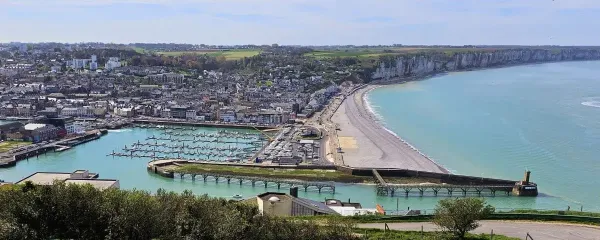
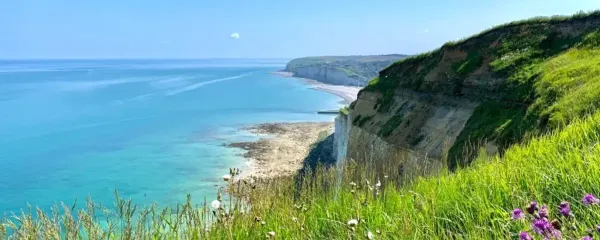
Normandy often begins with the sea. It stretches along a long coastline facing the English Channel, with landscapes that change dramatically from one area to another. Along the Alabaster Coast, white cliffs plunge straight into the water and create some of the region’s most iconic scenery, especially around Étretat.
Further west, the coastline becomes more open, with wide beaches, ports and seaside resorts that grew out of the popularity of sea bathing. Along the Flower Coast, towns such as Deauville, Trouville, Houlgate and Cabourg have preserved their elegant atmosphere, with villas, seafront promenades, casinos and long walks overlooking the beach.
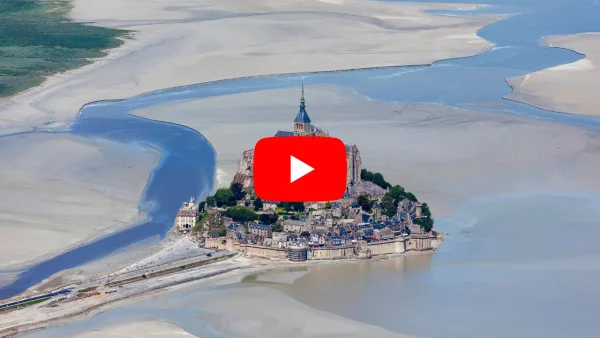
Further west still, the coast becomes wilder and more rugged. Around Granville, the Cotentin Peninsula, La Hague and Barfleur, you discover a more maritime side of Normandy, with headlands, harbours, rocky shores, open beaches, islands and constantly changing light. Near the Bay of Mont Saint Michel, the tides completely transform the landscape and create a remarkable sense of space, where sand, sky and sea seem to merge.
Maritime Normandy is therefore much more than dramatic scenery or historical sites. Depending on where you are, it can feel elegant, family friendly, untamed, shaped by its ports, or almost island like.
A Green Countryside
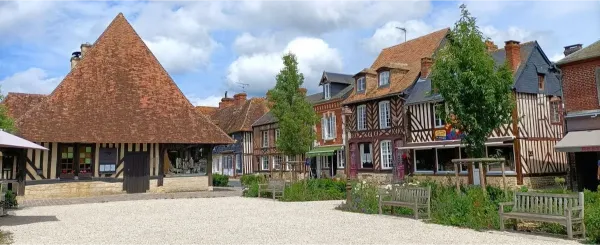
Normandy is also a region of countryside. As soon as you leave the coast, the landscape becomes greener, quieter and more agricultural. Meadows, hedgerows, orchards, winding roads, rolling valleys and villages create a gentle atmosphere. Timber framed houses, thatched roofs, old farms and tree lined lanes evoke the rural Normandy that people often imagine, and that still very much exists.
This countryside is far from uniform. The Pays d’Auge is known for its rolling hills, apple orchards, elegant villages and dairy products. The western bocage has a more enclosed landscape, shaped by hedges and sunken lanes. In the south, Swiss Normandy offers more rugged scenery, with deep valleys, rivers and scenic viewpoints. The forests bring yet another atmosphere, quieter and more shaded.
A Source of Artistic Inspiration
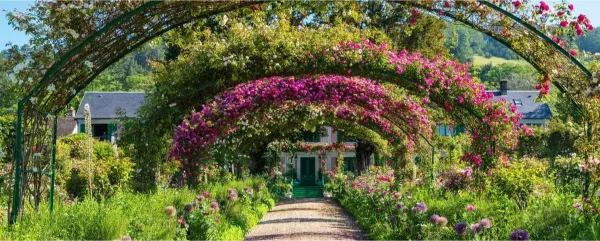
The region has a rich artistic history closely linked to its landscapes. The banks of the Seine, the harbours, the cliffs, the gardens and the ever changing light attracted many painters. Giverny, with Claude Monet’s house and gardens, remains one of the key places for understanding the connection between Normandy and Impressionism.
Honfleur, Étretat and the Seine Valley continue this same relationship between landscape, light and painting. The sea, shifting skies, reflections on the water and colourful gardens have given Normandy an important place in the history of plein air painting.
A Remarkable Medieval Heritage
Normandy is a region where history remains highly visible. You can see it in the towns, churches, abbeys, castles and ports. The Middle Ages hold a central place, as the former Duchy of Normandy left behind an impressive religious and military heritage.
Mont Saint Michel is its most famous symbol, with its abbey rising between sky, sand and sea. But many other places also reflect this medieval power, including the abbeys of the Seine Valley, the castles of Falaise and Les Andelys, and the cathedrals of Rouen, Bayeux and Coutances.
Rouen gives you a real sense of this historical depth in an urban setting. Its narrow streets, old houses and imposing religious buildings make it feel like a city where several centuries overlap. Bayeux is closely associated with William the Conqueror and the famous tapestry that tells the story of the Norman conquest of England.
The Memory of D-Day
The Second World War forms the other major part of the region’s identity. The D Day beaches, Pointe du Hoc, Arromanches, Sainte Mère Église, the American Cemetery and the Caen Memorial Museum all recall the events of 1944.
Here, history feels very tangible. You can see the beaches, cliffs, military remains, cemeteries and the places where a decisive chapter in the liberation of France unfolded. This memory gives Normandy a unique character, both deeply historical and strongly international.
OVERVIEW
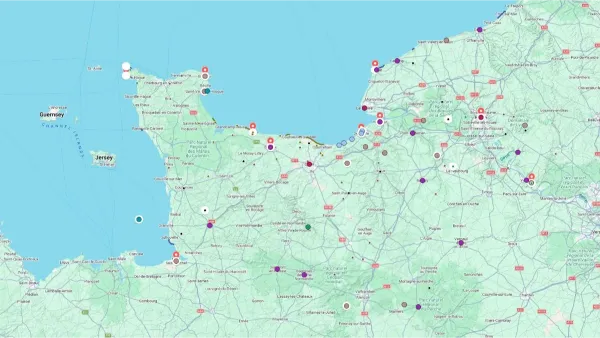
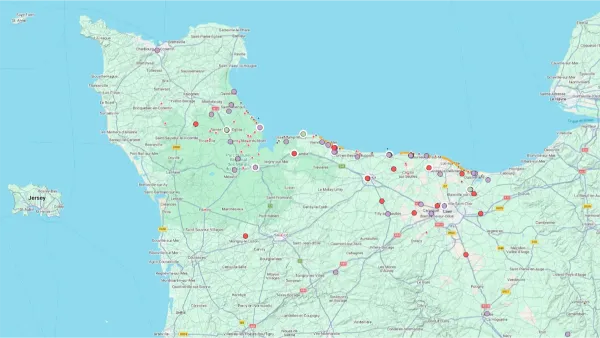
Map