


INTERACTIVE MAP
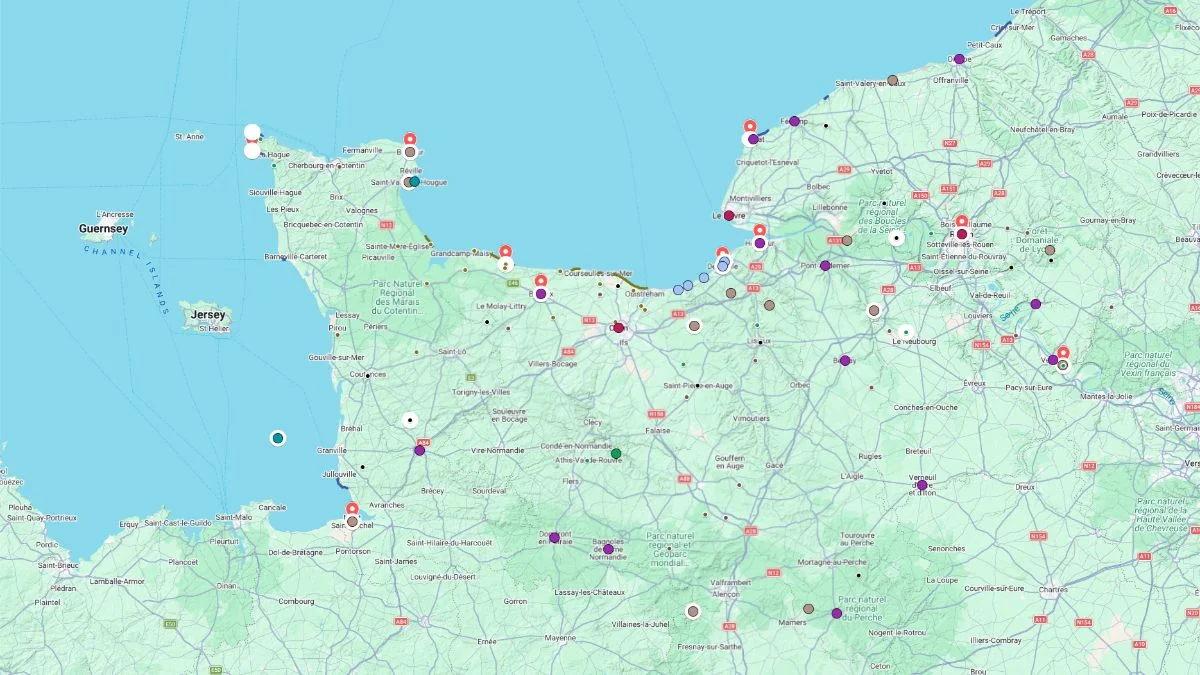
Click on the icon  in the top-right corner to view the map in full screen.
Show/Hide layers as needed.
After clicking on the image,
click on the icon  in the top-left corner to display the map legend.
Show/Hide layers as needed.
COAST
Overview Table
| Name | Top Picks | Exp. Picks |
|---|---|---|
| Veules-les-Roses | ||
| Saint-Vaast-la-Hougue | ☑️ | |
| Barfleur | ✅ | ☑️ |
| Mont Saint-Michel | ✅ | ☑️ |
Veules-les-Roses
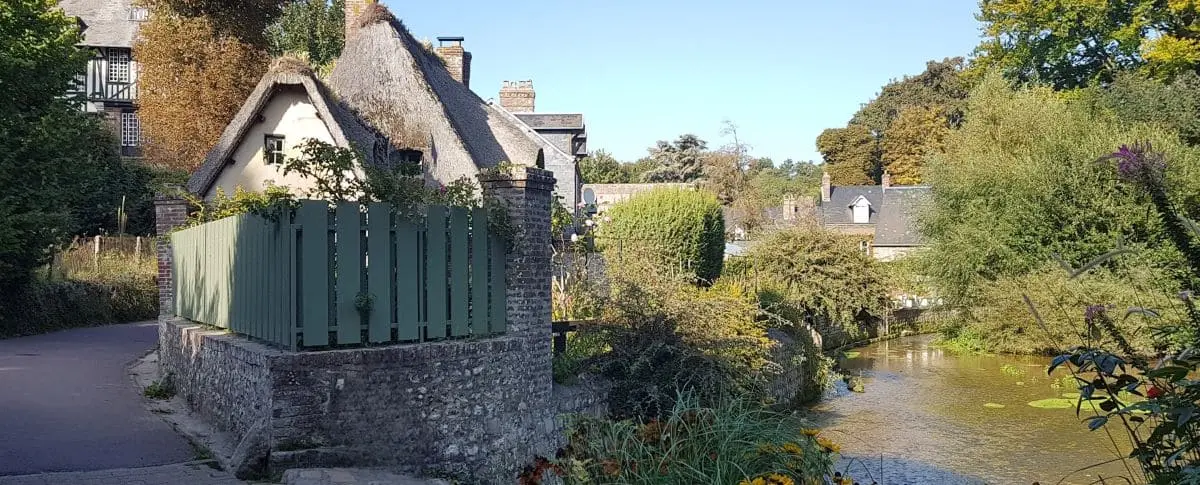
Veules les Roses is a small seaside village set in a green valley that slopes down to the beach. It has a gentle atmosphere, with little streets, old houses, and a landscape where water follows you as you walk.
The village is crossed by the Veules, a very short river, considered the smallest in France. In the past, its banks powered several mills, showing how important it was to village life. And tt the end of the village, the beach opens onto the sea.
Saint-Vaast-la-Hougue
In Our Expanded Picks ☑️
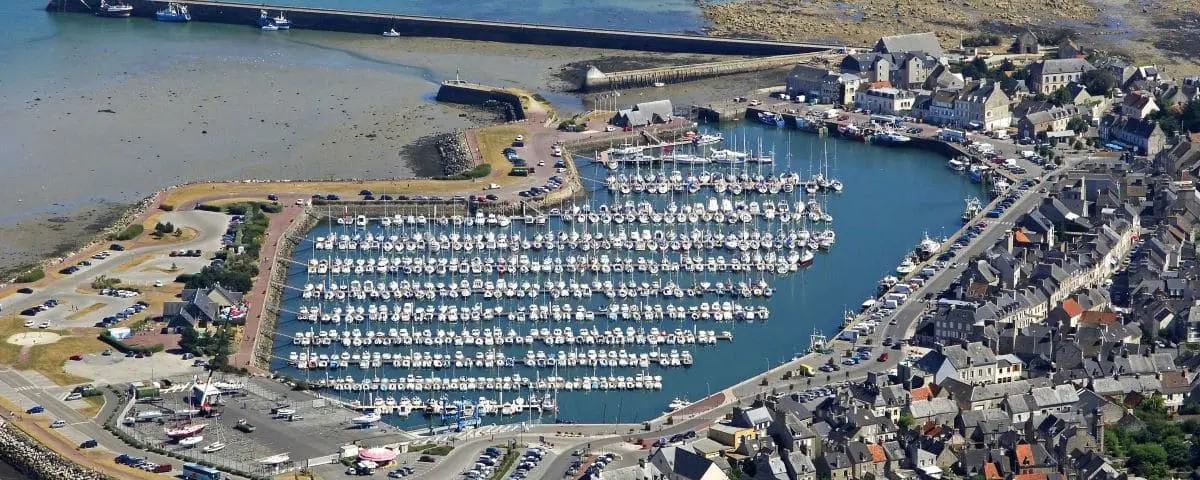
Saint Vaast la Hougue is a small port in the Cotentin, both a fishing harbor, a marina, and a place known for its oysters. It has a gentle maritime atmosphere, with a microclimate that helps fuchsias, mimosas, and even palm trees grow more easily than elsewhere in the region.
The town also has a very dense history. Edward III of England landed here in 1346, and the bay was the scene of a major French naval disaster in 1692. After that battle, Louis XIV and Vauban had the forts of La Hougue and Tatihou built.
As you walk around, you feel this mix of working port, military memory, coastal light, and open views toward Tatihou Island.
Barfleur
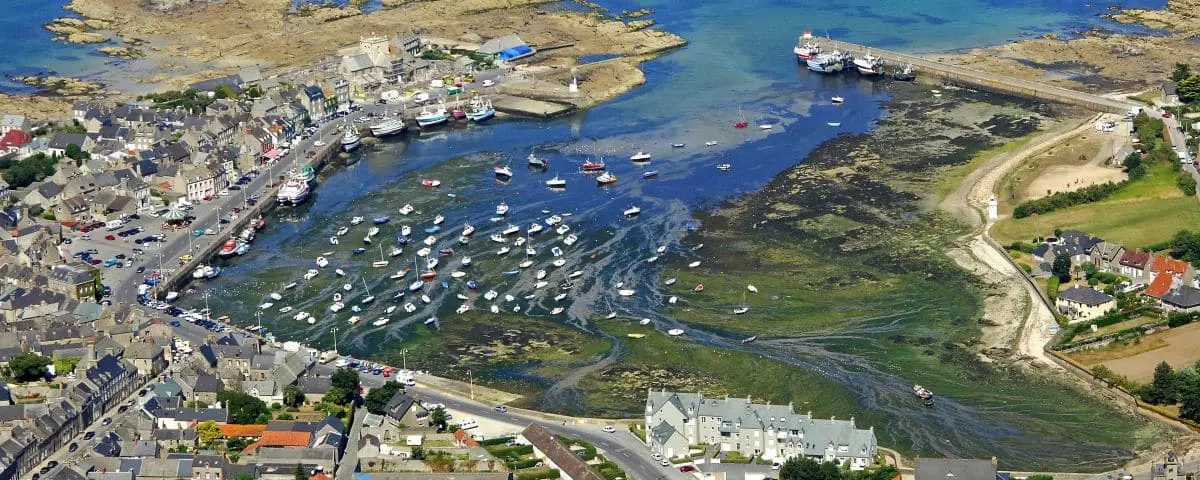
In Our Top Picks ✅
Barfleur is a small harbor full of character, gathered tightly around its basin and facing the sea. It has a simple, deeply maritime atmosphere: boats, quays, granite houses, changing skies, and the cold northern light of the Channel.
The village is best explored slowly, on foot, through low streets where gray stone dominates. The whole place works through details: plain facades, openings onto the harbor, boat silhouettes, and reflections in the water.
Barfleur has a real visual coherence. Between the granite, the wind, the church, the quays, and the sea horizon, you feel an old, solid place shaped by the sea.
Mont Saint-Michel
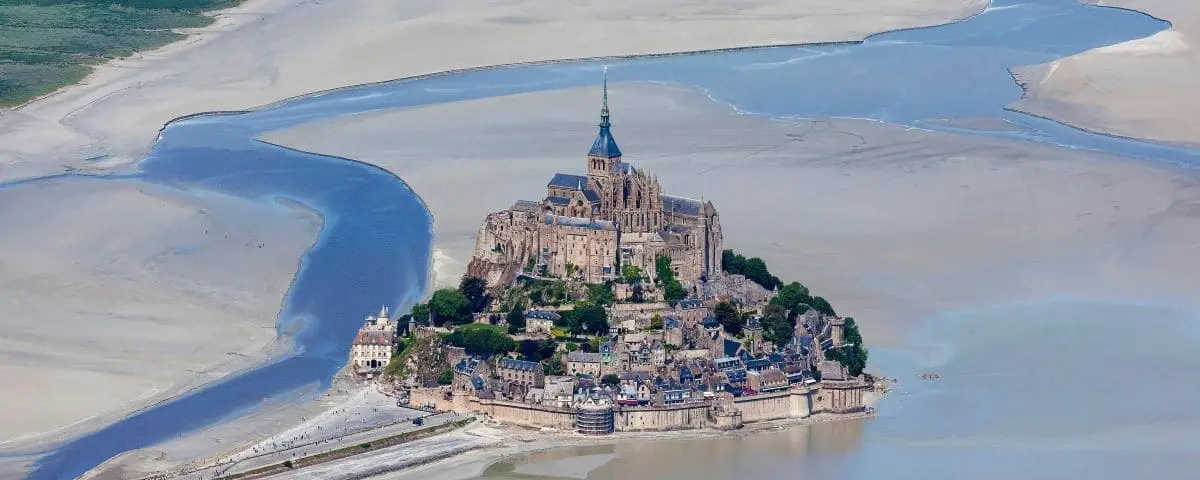
In Our Top Picks ✅
Mont Saint-Michel first appears like an almost unreal silhouette, set between sky, sea, and sand. From the fields and coasts around the bay, you see it change with the time of day, the light, and the color of the sky.
The village of Mont Saint Michel climbs straight up the rock. You move through narrow passages, stairways, sloping lanes, and houses packed tightly together. The place feels almost vertical: each level gives you a different view, sometimes toward the walls, sometimes toward the bay, sometimes toward the abbey rising above everything.
This concentration gives the village a very distinctive atmosphere, but it also gets very crowded. At peak times, you can quickly find yourself caught in a steady flow of visitors.
The abbey sits at the top of the Mont, like a structure built against the rock and above the void. You don’t discover one single building, but a whole set of stacked rooms, connected by stairways, passages, and changes in level.
The visit gives a sense of power and ingenuity. Some spaces were used for prayer, others for welcoming visitors, work, or the monks’ daily life. In places, the granite of the rock still appears, reminding you that everything was built on a difficult site, between sea, wind, and slope.
The bay can also be part of the experience. Even in the Middle Ages, pilgrims crossed these wide open stretches to reach the Mont. Today, approaching it on foot can still feel magical: you walk through the sand, sometimes through water up to your knees, with the Mont slowly growing larger in front of you. This crossing should always be done with a guide, because the terrain and tides can be dangerous.
INLAND
Overview Table
| Name | Top Picks | Exp. Picks |
|---|---|---|
| Giverny | ||
| Lyons-la-Forêt | ||
| Le Bec-Hellouin | ☑️ | |
| Vieux-Port | ||
| Blangy-le-Château | ||
| Beaumont-en-Auge | ||
| Beuvron-en-Auge | ☑️ | |
| Saint-Céneri-le-Gérei | ☑️ | |
| La Perrière |
Giverny
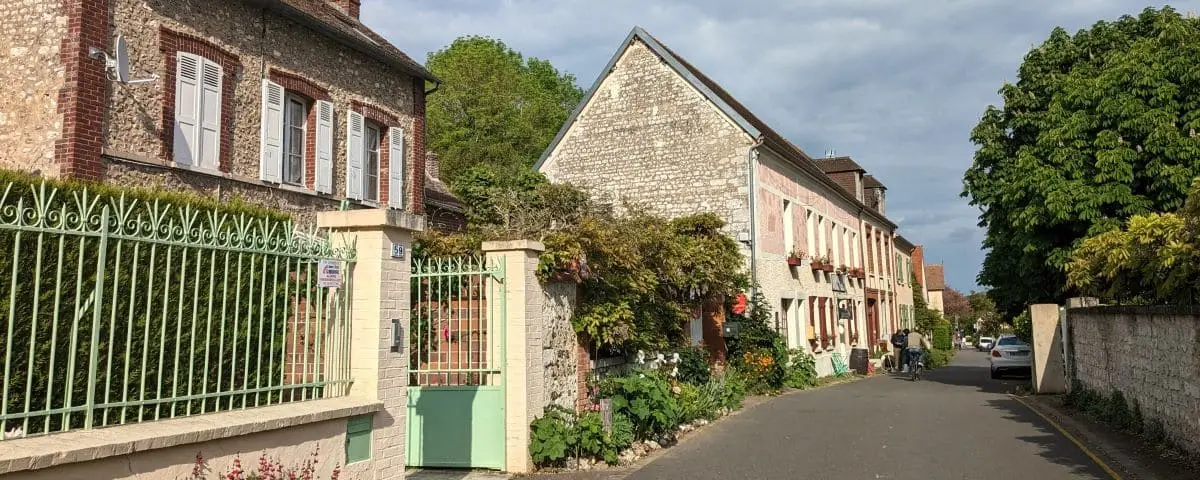
Giverny is a small, very flower filled village set on a gentle rise near the Seine. It has a carefully kept atmosphere, quiet at times, but very busy from April to October, when visitors come for Claude Monet’s house and gardens.
The village was transformed by the painter, who lived here from 1883 to 1926. His pink house with green shutters and his gardens draw most of the crowds, especially the water lily pond and the flower garden near the house.
Giverny also keeps this strong artistic identity through the Museum of Impressionisms, dedicated to the richness and diversity of the movement.
Beyond the main visitor sites, the village remains a pleasant place to walk: clean streets, low houses, gardens, views over the countryside, and the memory of the artists who came here to work after Monet.
Lyons-la-Forêt
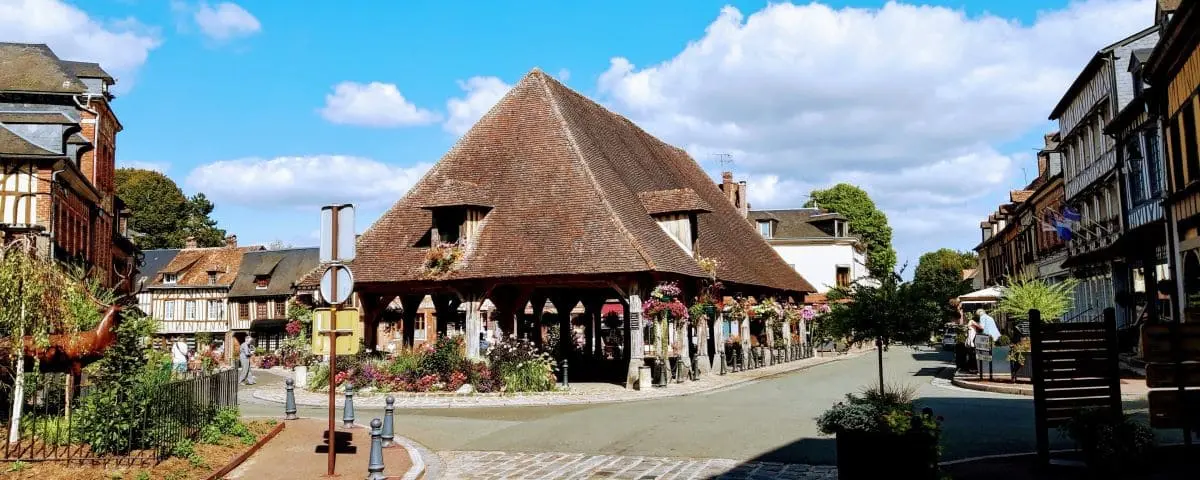
Lyons la Forêt is a beautifully kept little village set in the heart of a large beech forest. You arrive in a calm, almost sheltered atmosphere, with an old covered market in the center and houses arranged around it.
The facades give the village much of its charm: some show their timber frames, sometimes carved, while others are built in pink brick. Together, they create a soft, balanced, very Norman setting, without feeling like a frozen museum.
The surrounding forest adds to that atmosphere. Its tall trees let the light through, and the nearby small roads sometimes open onto villages, churches, and very green landscapes.
Le Bec-Hellouin
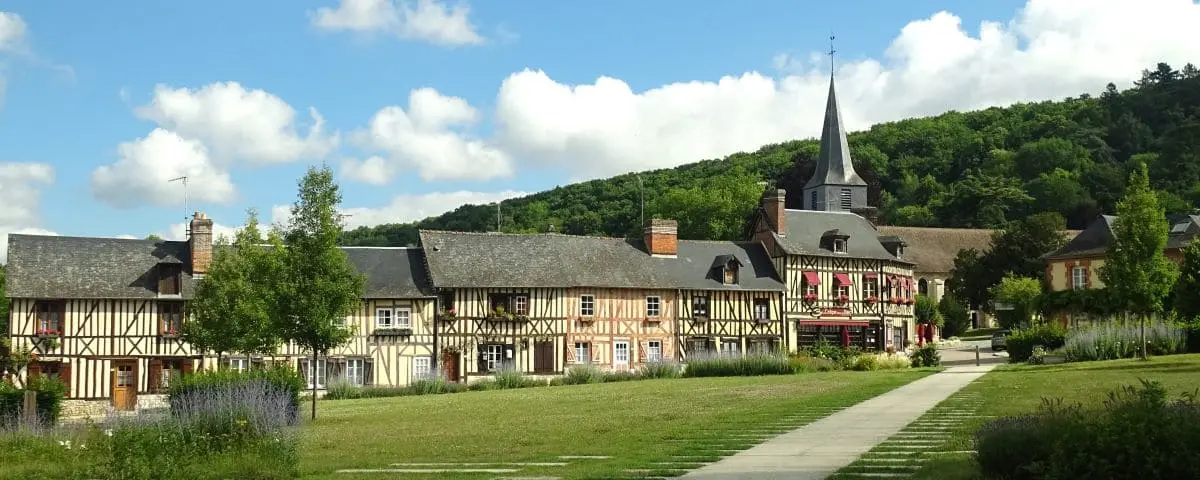
In Our Expanded Picks ☑️
Le Bec Hellouin is a very green little village tucked into a peaceful valley where the Becquet, a stream less than 10 km long, flows through. You’ll find exposed timber houses surrounded by greenery, and a gentle, almost secluded atmosphere.
The village is mainly shaped by Notre Dame du Bec Abbey, located in the heart of the village. Its gardens and church give the place a more spiritual dimension, without overwhelming the simple charm of the surrounding streets.
Vieux-Port
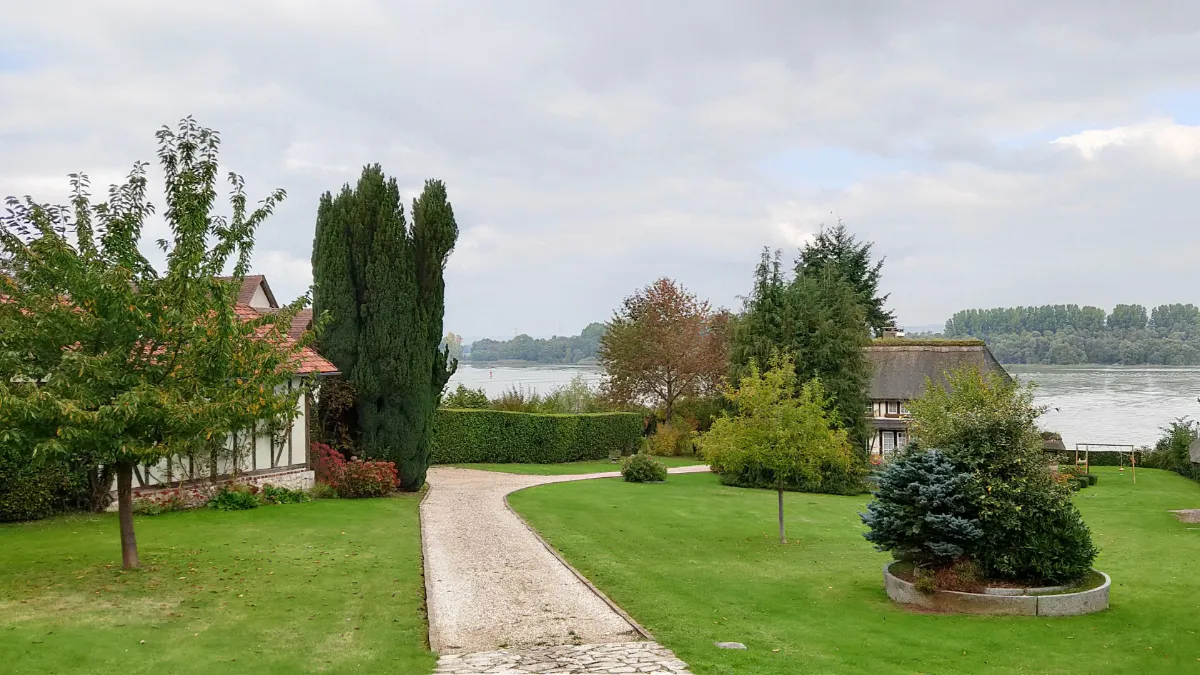
Vieux Port is a tiny village on the banks of the Seine, set in a calm, very green landscape. It has a simple, almost timeless atmosphere, with thatched cottages, greenery, and the gentle presence of the river nearby.
Here, the charm comes mainly from the whole setting: small rural buildings, silence, the Seine riverbanks, and the feeling of preserved countryside.
Blangy-le-Château
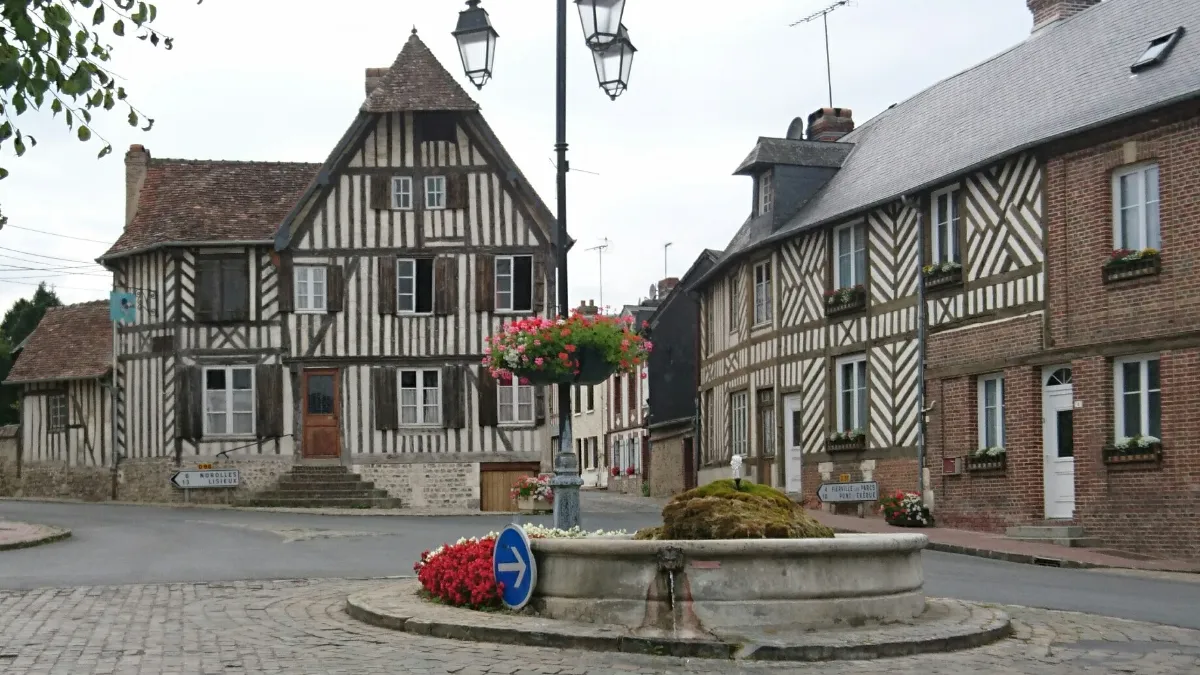
Blangy le Château is a village full of character, with an old rural atmosphere. You’ll find exposed timber houses, a washhouse, and several buildings that tell the story of everyday life in the past.
The village has kept a fairly rich heritage despite the passing of time. The former girls’ and boys’ schools recall its old organization, while Notre Dame Church preserves stained glass windows listed for their historical value.
As you walk around, you can also spot a 17th century manor house and the ruins of Blangy Castle, giving the place a deeper sense of history, between countryside, stone, timber, and local memory.
Beaumont-en-Auge
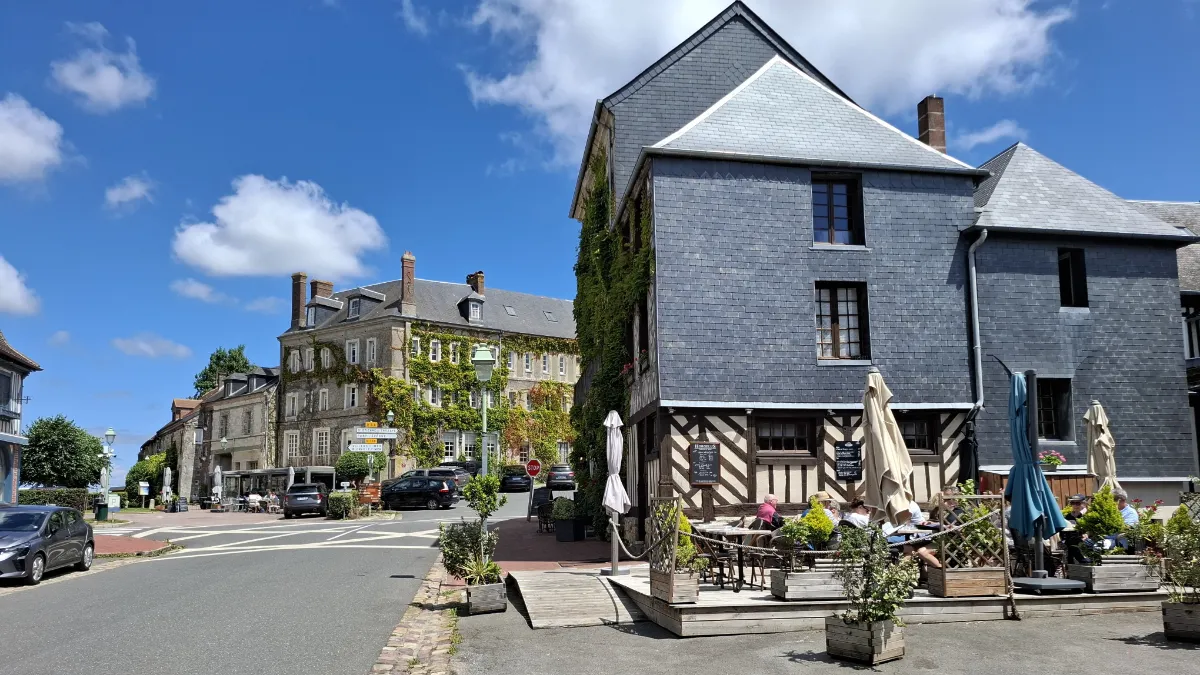
Beaumont en Auge is a hilltop village with an old, peaceful atmosphere. You’ll find traditional houses, gently rising streets, and a carefully kept countryside feel.
The village stands out above all for its calm, old facades, and gentle relief. Its charm comes more from the balance between stone, low houses, small streets, and silence.
The church adds a more unusual note: part of the building has disappeared, leaving a sharply cut off nave, unusual volumes, sculpted details, and bright modern stained glass.
Beuvron-en-Auge
In Our Expanded Picks ☑️
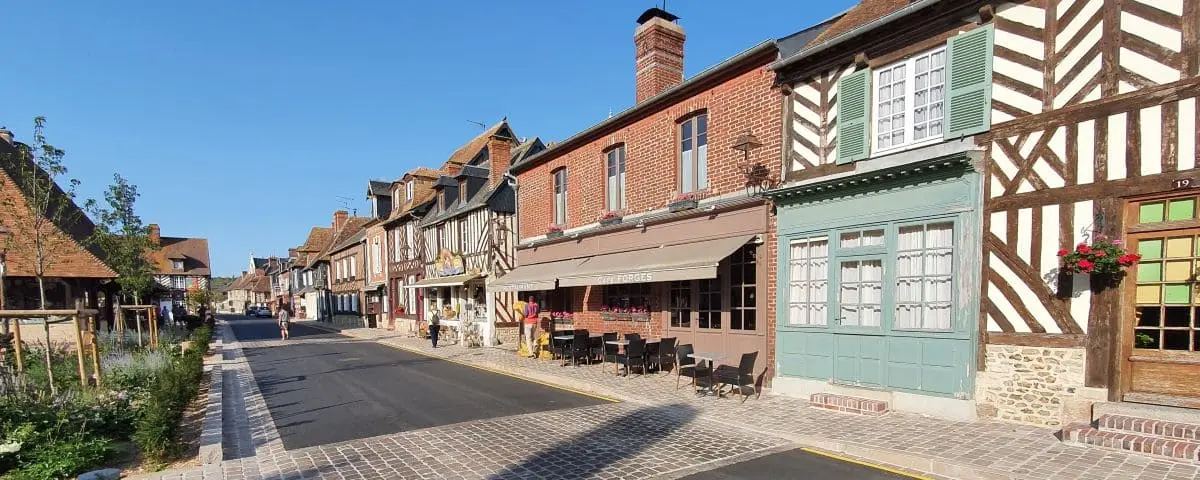
Beuvron en Auge is a small, highly harmonious village built around a central square. You’ll find old timber framed houses, flower covered facades, a market hall, and an atmosphere that feels almost picture perfect, with everything looking so carefully maintained.
The village has been extensively restored, which gives it a very neat appearance. Its charm comes above all from this visual unity: timber, stone, flowers, old roofs, and small views opening out around the square.
Saint-Céneri-le-Gérei
In Our Expanded Picks ☑️
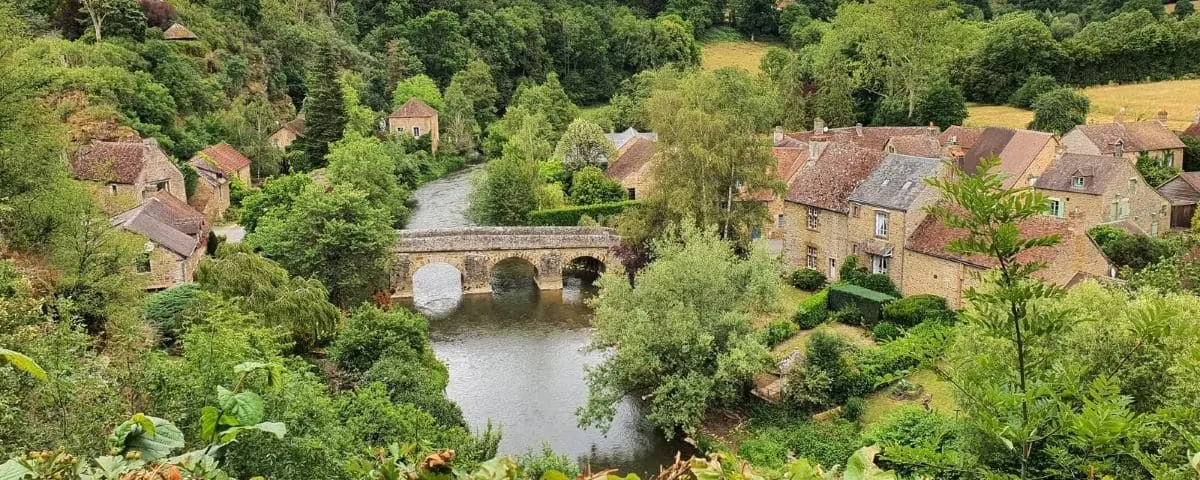
Saint Céneri le Gérei is a tiny village set on a green hillside above a quiet river that bends gracefully through the landscape. You’ll find a handful of beautiful old houses, a bridge, gentle slopes, and a very well preserved atmosphere. The village attracted many painters, drawn by this blend of stone, water, trees, and rolling scenery.
At the top of the village, the Romanesque church preserves some beautiful old frescoes. Lower down, a path leads to a small chapel near the river.
La Perrière
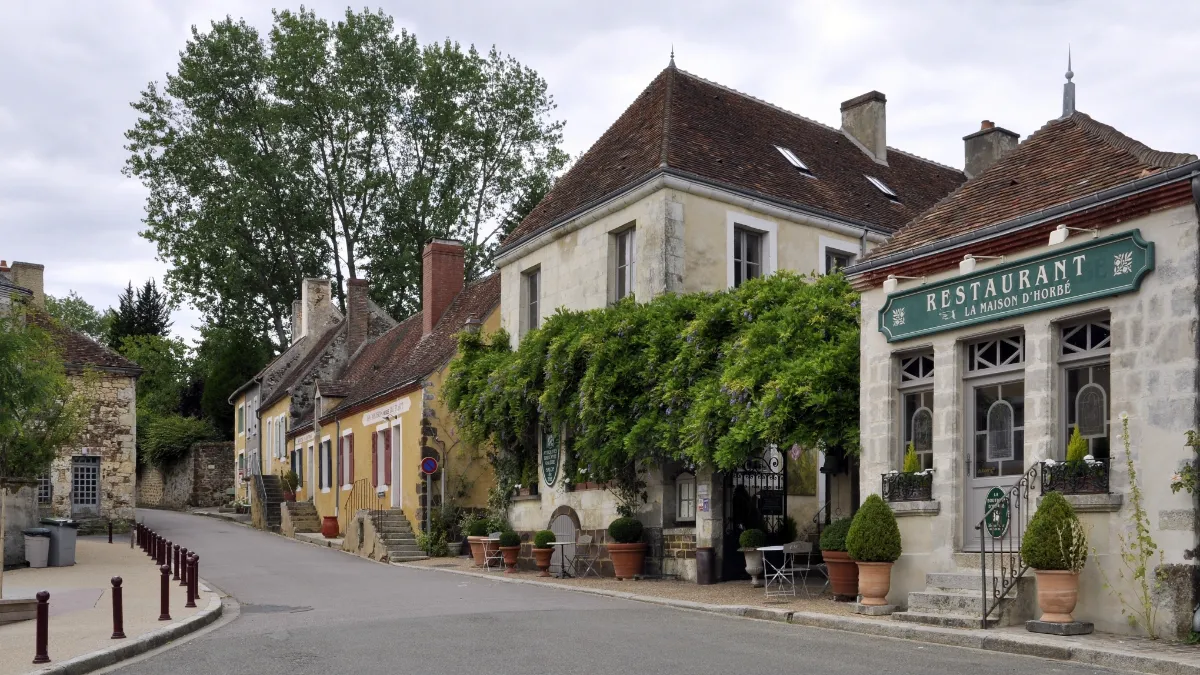
La Perrière is a tiny hilltop village perched along a narrow ridge. It has an old, carefully preserved atmosphere, with characterful houses, flower lined lanes, and walls draped in wisteria.
The village enjoyed an important period in the 19th century thanks to a highly refined textile craft: net embroidery and beaded netting. This artisanal history gives the place a quiet identity, rooted in meticulous work and local know how.
Around the central square and up toward the church, the village becomes more intimate: small gardens, old houses, pine trees clinging to the hillside, and an artistic atmosphere in the summer months.