


MAP
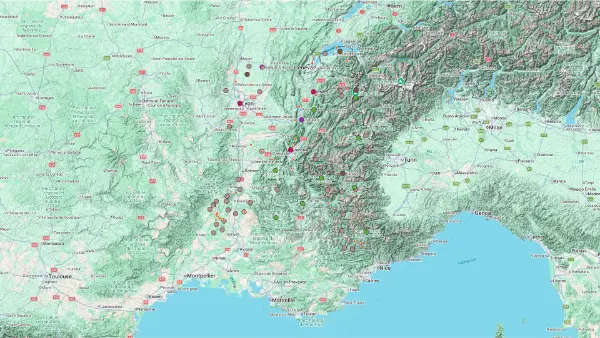
Lyon, Alps, Rhône Valley
Interactive Map
Lyon, Alps, Rhône Valley
Interactive Map
Click on the icon  in the top-left corner to display the map legend.
Show/Hide layers as needed.
Click on the arrow icons (v) to display the sublayers.
CITIES
| Name | Top+ | Top |
|---|---|---|
| Lyon | ✅ | |
| Grenoble | ||
| Annecy | ✅ |
Lyon
In Our Top+ ✅
Population 520 000
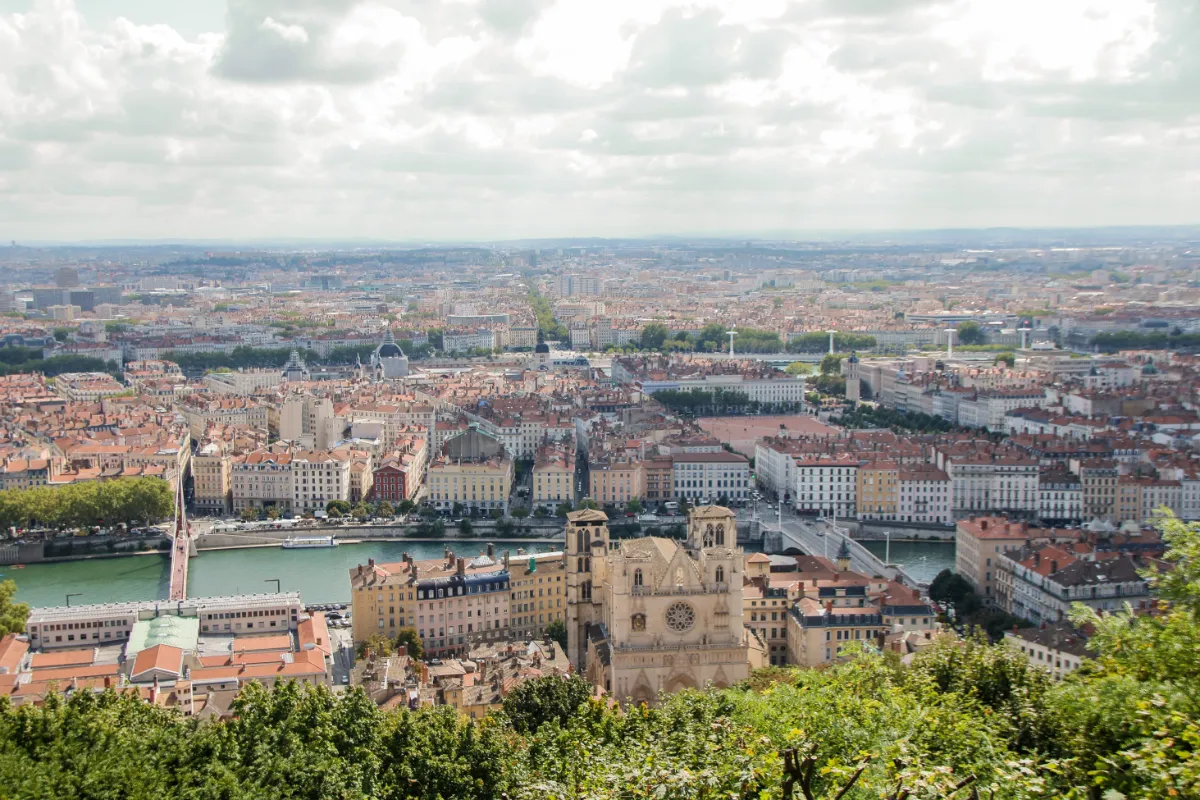
Lyon has character, and plenty of it. Sitting where the Rhône and Saône rivers meet, between two hills, the city has more than 2,000 years of history behind it. Capital of Roman Gaul, a major trading centre during the Renaissance and the heart of the silk industry in the 19th century, Lyon has seen its fair share of illustrious visitors.
To go back to where it all began, head up Fourvière Hill. The remains of the Roman theatres take you back to a time when Lugdunum was one of the most important cities in the Roman Empire. A little further up, the imposing Basilica of Notre-Dame de Fourvière watches over the city. The views from its terrace are spectacular.
Make your way back down to Vieux Lyon, one of the finest Renaissance districts in France. Houses with ochre and pink façades line narrow cobbled streets. Step through the doors that are open to the public to discover the famous traboules, hidden passageways that cut through buildings and their inner courtyards. Spiral staircases, galleries stacked one above another, ancient wells, a whole secret world waiting to be explored.
On the other side of the Saône lies the Presqu’île, with its grand squares, monumental façades and elegant avenues. The enormous Place Bellecour offers a striking contrast to the bustling streets around it. Further north, Place des Terreaux brings together the city hall, the Museum of Fine Arts and an impressive fountain.
Another hill, another atmosphere. Croix-Rousse was once the kingdom of the silk workers. For generations, looms clattered away inside buildings with unusually high ceilings. Today, its stairways, passageways and sloping streets still give the neighbourhood something of a village feel.
Lyon also knows how to embrace the future. Where the two rivers meet, contemporary buildings stand alongside former industrial sites that have been given a new lease of life. Meanwhile, the banks of the Rhône offer long, pleasant promenades, especially popular with cyclists.
And then, of course, there’s the food. For centuries, Lyon has taken its love of good eating seriously, from hearty local specialities to the finest culinary traditions. Its reputation stretches well beyond France.
Grenoble
Population 150 000
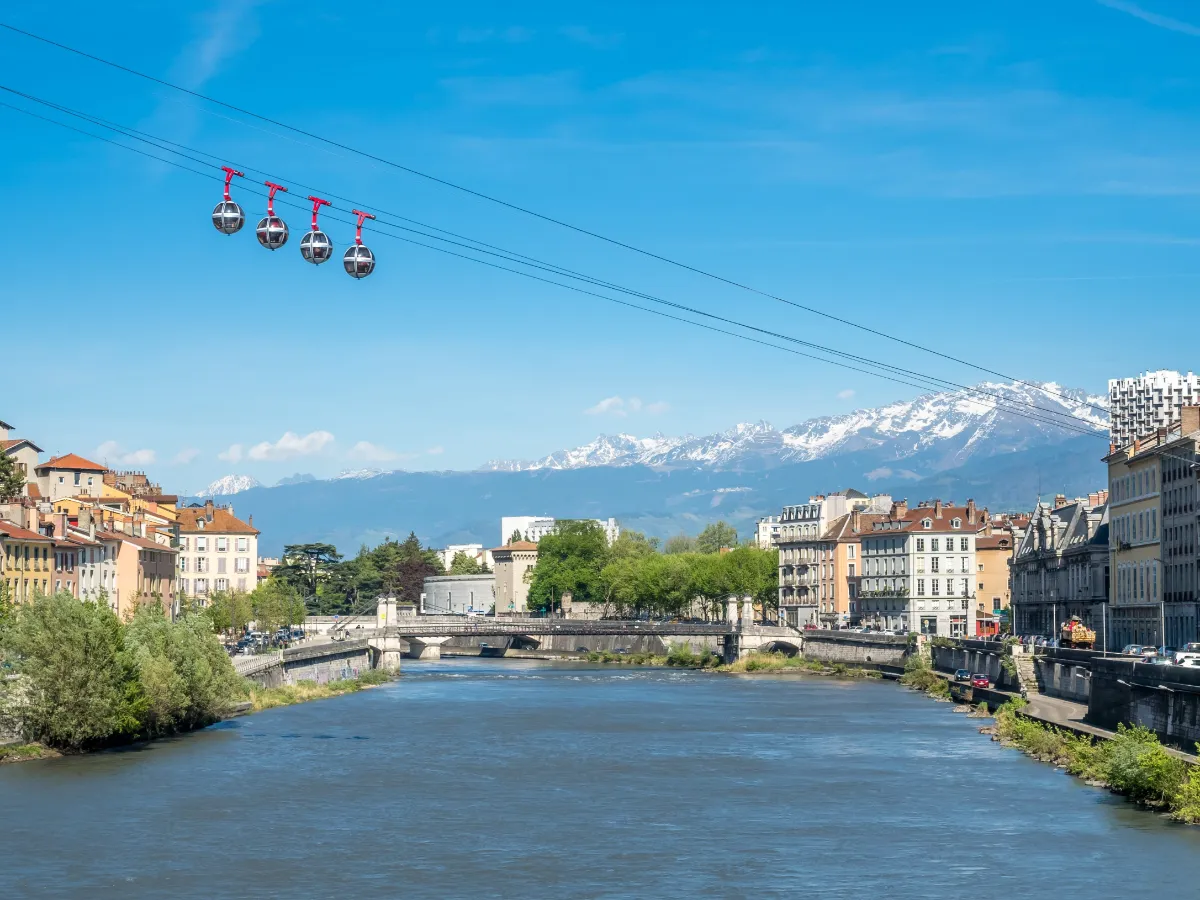
Grenoble has something plenty of other cities would envy: the Alps at the end of almost every street. Tucked rather beautifully between the Chartreuse, Vercors and Belledonne mountains, it sits in a broad valley where the Isère and Drac rivers meet. It’s a spectacular setting, even if hiking isn’t your thing.
The old town has a few lovely surprises up its sleeve. Around Place Saint-André, medieval lanes, historic façades and impressive buildings recall the days when Grenoble was the capital of Dauphiné, a former French province. The city also boasts an outstanding Museum of Fine Arts, with collections spanning several centuries of painting.
But the real show is up at the Bastille. This former military fortress towers above Grenoble’s rooftops at an altitude of almost 500 metres. To get there, hop aboard the famous “bubbles”, small transparent cable cars suspended high above the city. It’s quite a ride, especially as you glide over the Isère.
From the top, the mountains stretch as far as the eye can see, while the city below looks like a miniature model. But Grenoble is far from stuck in the past. Its universities, laboratories and research centres give it a distinctly modern feel. A city of engineers and mountain lovers, you might say.
Annecy
In Our Top+ ✅
Population 130 000
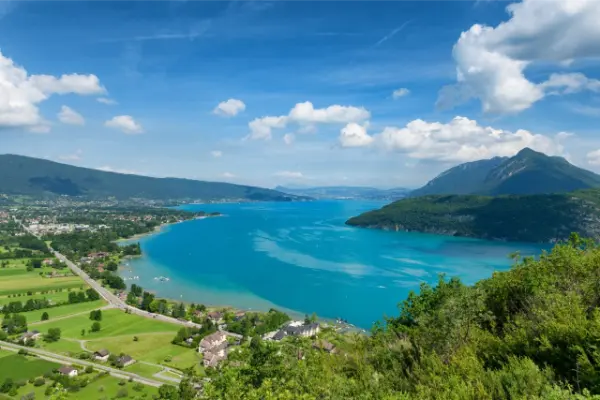
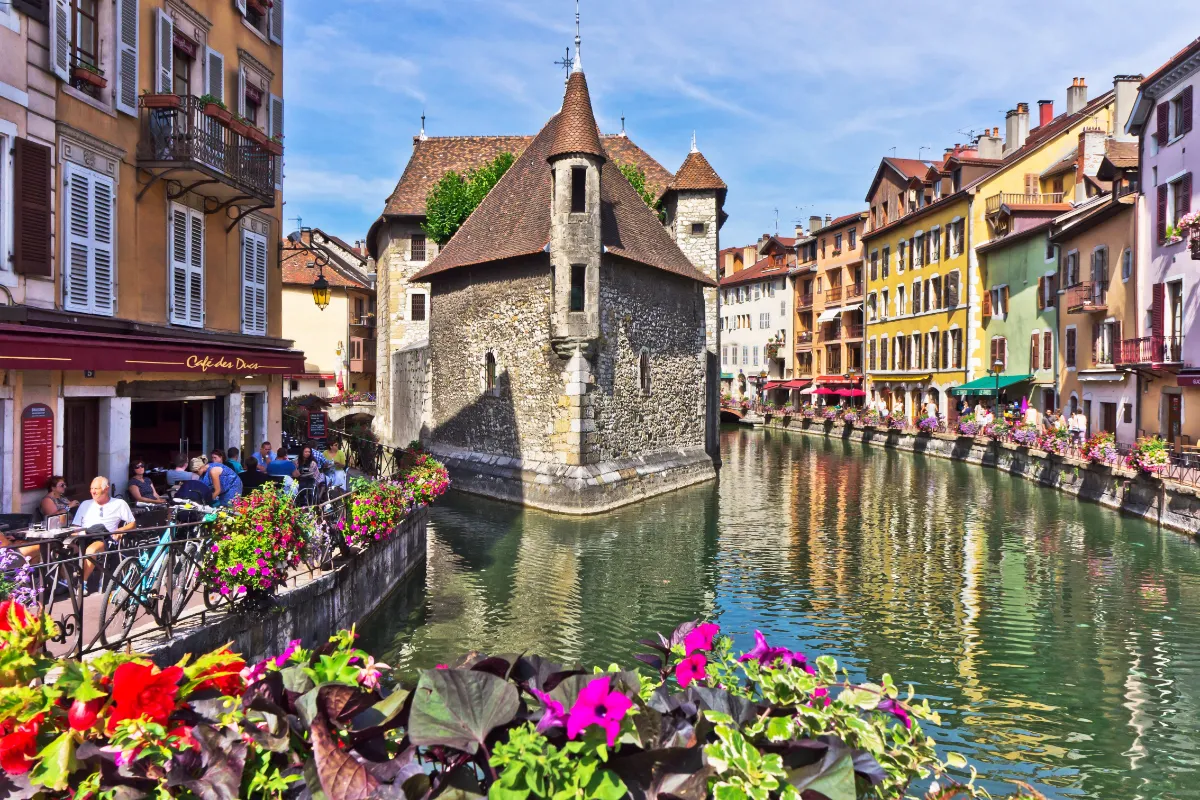
Annecy has everything it takes to turn heads: canals, colourful houses, a turquoise lake and mountains in the background that look almost too perfect for a postcard. No wonder it’s nicknamed the “Venice of the Alps”, even if comparing it to the Italian city is perhaps a little generous. Never mind, the charm works its magic from the moment you arrive.
The old town is a maze of cobbled lanes, passageways beneath houses and little bridges. The Thiou, a short river flowing out of the lake, winds its way between pastel façades. Geraniums in the windows, old stone staircases and vaulted passageways, it’s hard not to want to photograph every corner.
Standing in the middle of the river is the Palais de l’Île, a curious building shaped like a stone ship. Built in the Middle Ages, it once served as a prison, among other things. With its little towers and reflection in the water, it’s probably the most photographed landmark in town.
Next, head uphill to the castle, once home to the powerful lords of the region. Its buildings, constructed and altered over the centuries, now house a museum. From around the castle, you get a different perspective on the rooftops of the old town.
But in Annecy, it only takes a few minutes on foot to leave the old stone buildings behind and reach the lake. The Jardins de l’Europe, with their centuries old trees, and the wide lawns of Le Pâquier offer a lovely escape beside the water. Just nearby, the Pont des Amours is well worth a quick stop.
As soon as the warmer weather arrives, the lakeside comes alive. Cyclists, walkers, swimmers and sailing enthusiasts make the most of this glacial lake, famous for its exceptionally clear water. The surrounding mountains offer wonderful hiking opportunities, from gentle trails to proper uphill climbs.
In winter, the scenery changes completely. The peaks turn white, mist sometimes drifts over the water and the old streets become peaceful again. The evening light is particularly beautiful when it casts a pink glow over the façades and mountains.
TOWNS
| Name | Top+ | Top |
|---|---|---|
| Bourg-en-Bresse | ||
| Chambéry |
Bourg-en-Bresse
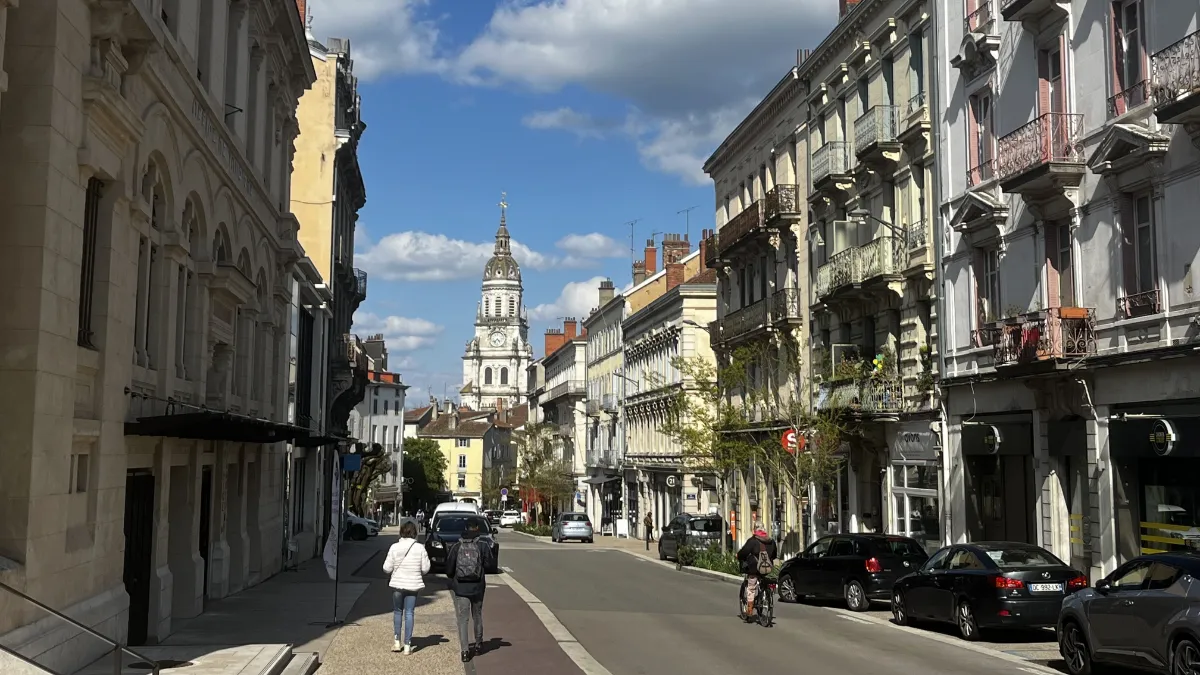
Bourg-en-Bresse might not look like much at first glance. And yet, this town surrounded by lush green countryside is home to a genuine masterpiece: the Royal Monastery of Brou. It’s the kind of monument you really don’t expect to find here.
In the early 16th century, Margaret of Austria had it built to house the tomb of her husband, who had died far too young. The result is dazzling: a church filled with extraordinarily delicate sculptures, three magnificent tombs and covered galleries surrounding several courtyards. A remarkable declaration of love, carved entirely in stone.
The old town is also worth wearing out a little shoe leather for. You’ll find timber framed houses, discreet passageways and handsome façades left behind by centuries gone by. The large Notre-Dame Church, with its stained glass windows, is also worth a look.
Beyond the town stretches the Bresse countryside, a landscape of meadows and traditional farms, famous throughout France for its poultry and rural heritage.
Chambéry
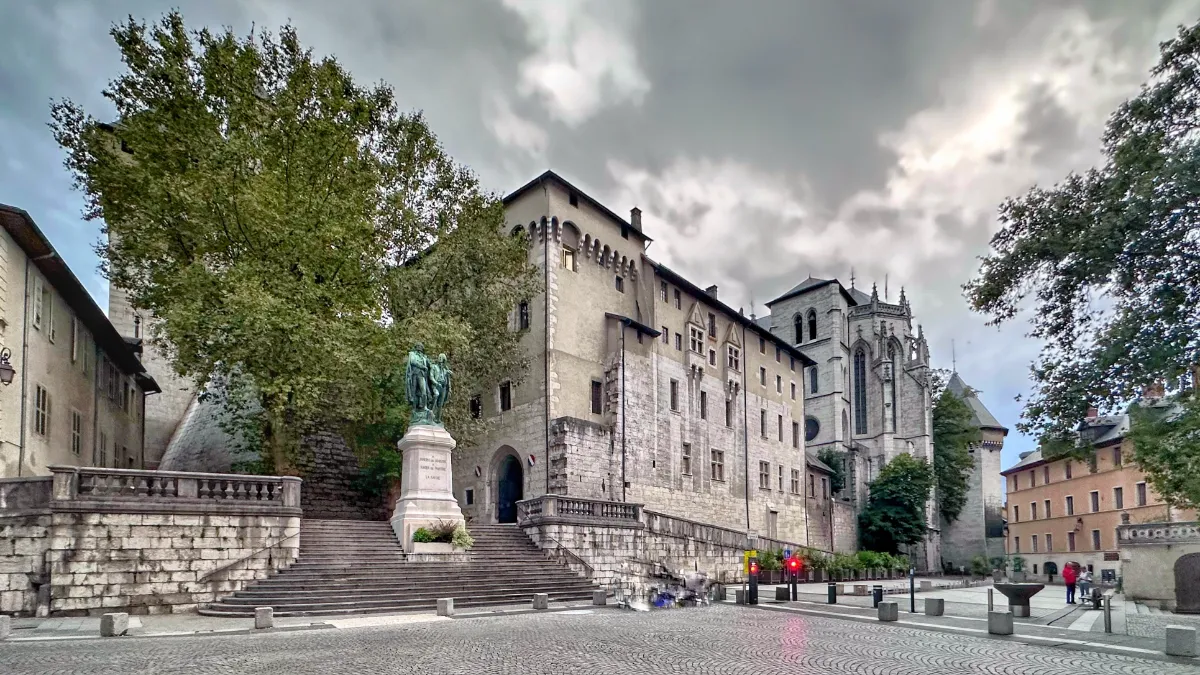
Chambéry has an Italian charm that’s always a little surprising at the foot of the Alps. Once the capital of the rulers of Savoy, it has preserved a historic centre where colourful façades, vaulted passageways and old aristocratic mansions form a delightful maze.
Forget following a fixed route and wander into the “allées”, narrow passageways that run through buildings and open onto hidden courtyards. Some reveal beautiful staircases, old galleries and carved details you could easily miss if you stuck to the main streets.
The imposing Château des Ducs de Savoie is a reminder of the city’s prestigious past. Another curiosity is the Fontaine des Éléphants, with four elephants that seem to emerge from the monument itself.
Don’t miss Saint-François-de-Sales Cathedral either, with its remarkable trompe l’œil paintings.
SMALL TOWNS (Village Feel)
| Name | Top+ | Top |
|---|---|---|
| Châtillon-sur-Chalaronne | ||
| Évian-les-Bains | ||
| Chamonix | ☑️ | |
| Briançon | ✅ |
Châtillon-sur-Chalaronne
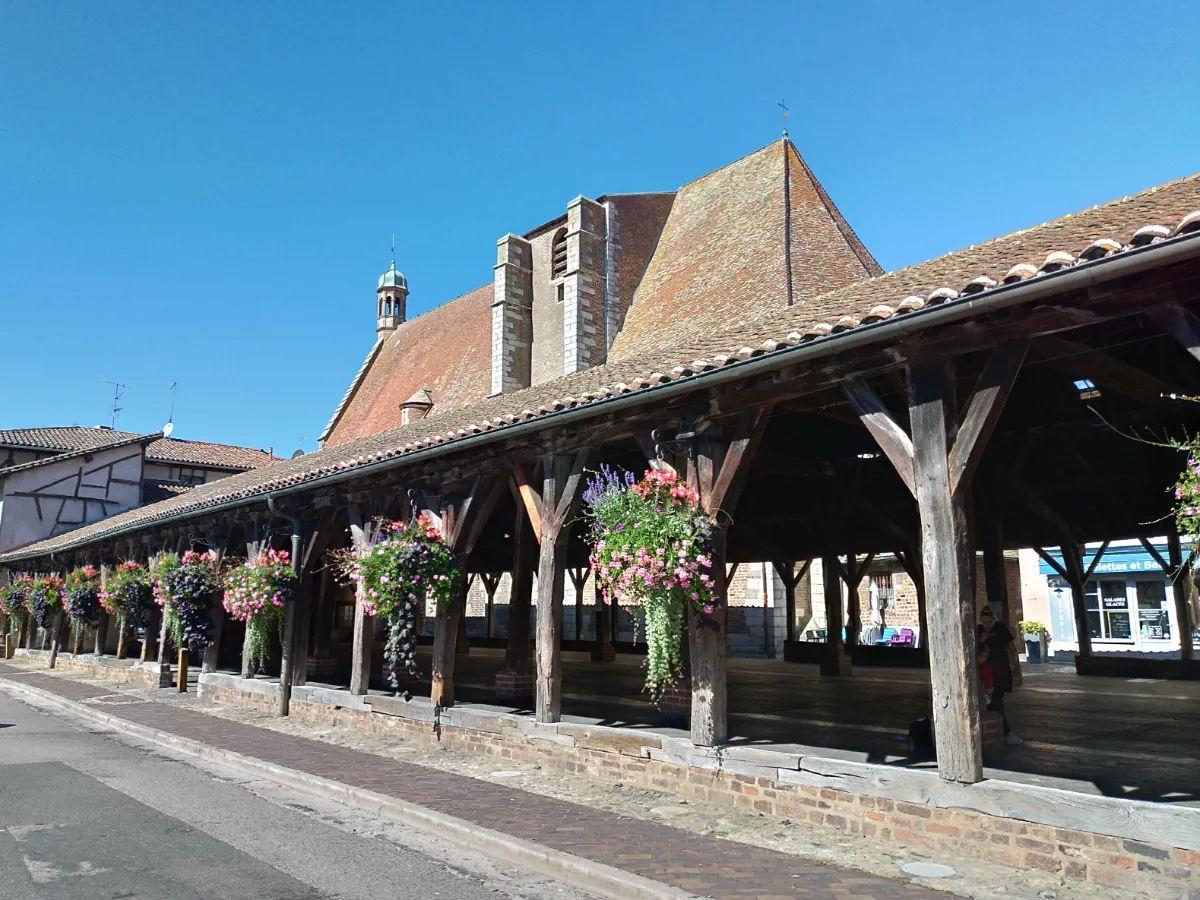
With its half timbered houses, little bridges and flower lined riverbanks, Châtillon-sur-Chalaronne looks like something straight off a postcard. The Chalaronne, a small river winding between the houses, adds an especially idyllic touch.
In the centre, you can’t miss the 15th century covered market hall, topped by an enormous timber roof structure. Every Saturday morning, the market keeps a centuries old tradition alive. Be sure to step inside the former hospital too. Its old pharmacy preserves a remarkable collection of earthenware jars. The surrounding lanes reveal more historic houses, some built from a mixture of brick and timber.
Évian-les-Bains
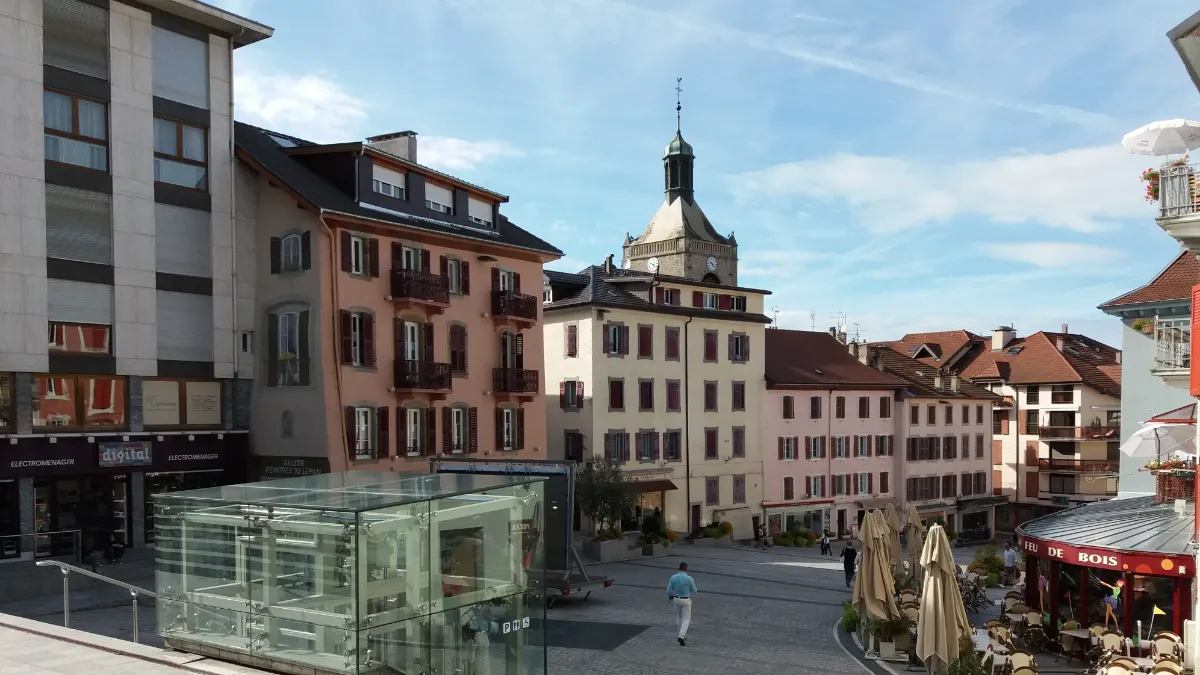
Set on the shores of Lake Geneva, facing the Swiss mountains, Évian-les-Bains still has an air of Belle Époque elegance, dating back to the days when wealthy visitors came to enjoy its mineral waters.
Stroll along the waterfront, then discover the Cachat spring and the beautiful spa buildings. The Palais Lumière, once a bathing establishment, is a particularly fine example of the town’s elegant architecture. And here’s a little curiosity: the funicular railway, inaugurated in 1907, climbs to the upper part of town. In its heyday, it carried visitors between the grand hotels and the thermal baths.
Chamonix
In Our Top ☑️
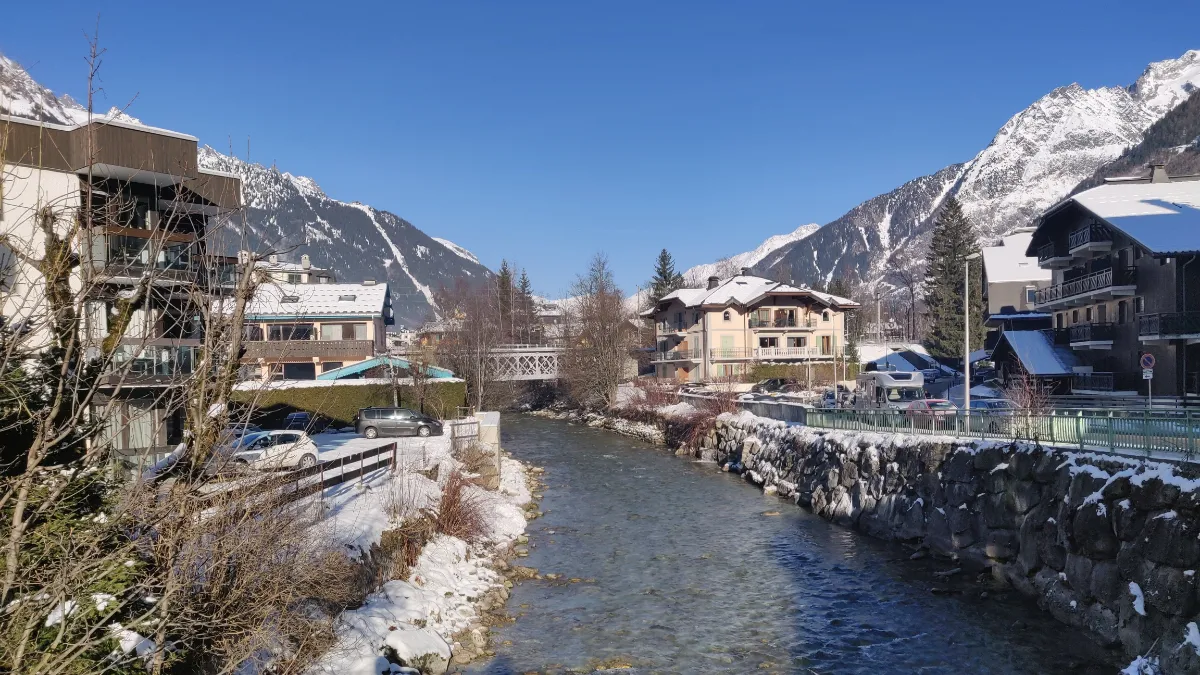
In Chamonix, the mountains don’t just provide a pretty backdrop. Enormous granite spires, glaciers and snow covered peaks rise up on every side. Dominated by Mont Blanc, the town has been one of the world’s great mountaineering centres since the 18th century.
For an unforgettable experience without having to become a mountaineer yourself, take the cable car up to the Aiguille du Midi. At 3,842 metres, you’re almost face to face with the giants of the Alps. Just be warned, those sheer drops are never far away.
Another legendary excursion is the Montenvers cog railway, which takes you up to a viewpoint overlooking the Mer de Glace. Once immense, this glacier is now retreating at an alarming rate.
In the town centre, old mountain houses stand alongside buildings dating from the early days of tourism. Statues and monuments pay tribute to the pioneers who first dared to tackle these formidable mountains.
Briançon
In Our Top+ ✅
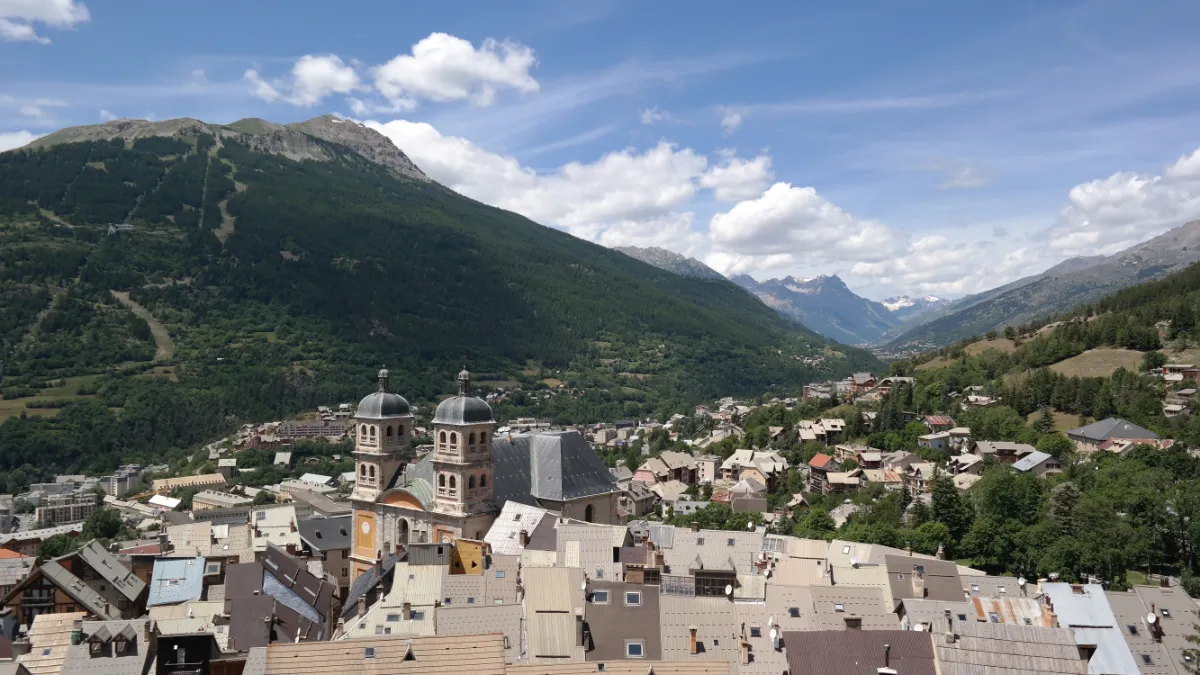
Briançon is a town with its feet in the mountains and its head behind the ramparts. Perched at over 1,300 metres near the Italian border, it spent centuries guarding the strategic passes through the Alps.
Its fortified old town, known as the Cité Vauban, overlooks the surrounding valleys. The imposing walls, improved from the late 17th century onwards by the military engineer Vauban, are now part of a UNESCO World Heritage Site.
Inside, colourful houses line steep streets. Running down the middle of the cobbles is the Gargouille, a little channel once used to drain away water. It’s a small detail that gives the streets plenty of character.
Pass through the fortified gateways, explore the church and old military buildings, then enjoy the views from the ramparts. Further afield, several forts still stand guard over the mountains.