



PRESENTATION
A Land of Contrasts, Between Rivers and Mountains
On one side, there’s the Rhône, with its wide valleys, vine-covered hillsides and sun-drenched villages. On the other, the French Alps, with their glaciers, forests and peaks sometimes rising above 4,000 metres. In between, you’ll find rolling green hills, limestone plateaus, turquoise lakes and a few remarkable geological surprises.
The Rhône is something of a common thread running through the region. Rising in the Swiss mountains, it flows through Lake Geneva before reaching Lyon, where it meets the Saône, then continues south. Along the way, the scenery gradually changes. Meadows give way to orchards, vineyards climb the hillsides and, as you head down towards southern Ardèche, olive trees and evergreen oaks signal the arrival of a more Mediterranean climate. But sunshine doesn’t always have things its own way. The mistral, a cold and sometimes powerful wind blowing down from the north, makes sure you don’t forget it’s there.
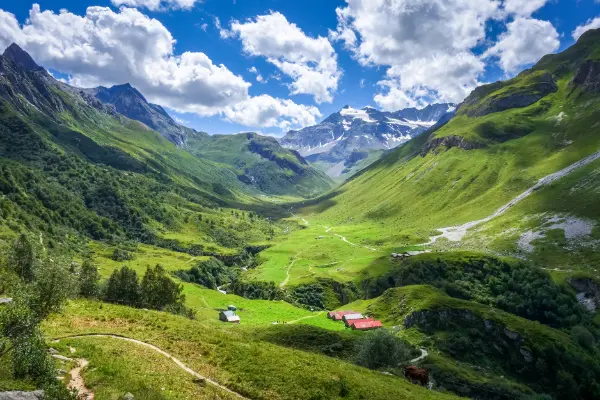
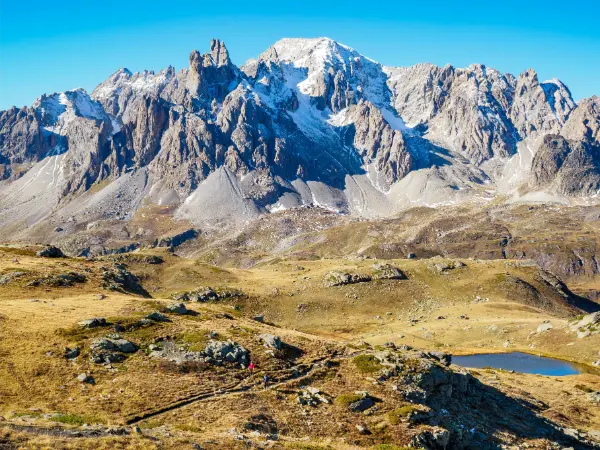
Head into the Alps and it’s a completely different picture. In the north, Mont Blanc towers over a whole army of snow-covered peaks. Further south, the Vanoise and Écrins mountains stretch out across glaciers and high valleys. In the Queyras, the larch forests, made up of conifers that shed their needles in winter, turn beautiful shades of gold in autumn.
And then there’s the water. The great lakes of Annecy and Bourget, mountain streams rushing down the slopes, and rivers that have carved their way through the rock over millions of years. The Ardèche Gorges are a spectacular example, with their towering cliffs and the famous natural stone arch of the Pont d’Arc.
All this variety also explains the differences in plant and animal life. High in the mountains, ibex scramble over the rocks, marmots whistle across the meadows and eagles soar above the valleys. Just a few hundred kilometres further south, cicadas provide the soundtrack, surrounded by wild thyme and sun-baked cliffs.
Where Peoples and History Meet
The history of this region goes back long before castles and churches. Around 36,000 years ago, people were already drawing horses, lions and rhinoceroses on the walls of a cave in Ardèche. Discovered in 1994, these paintings are among the oldest known works of art. They certainly put the age of our historic monuments into perspective.
The Romans were quick to recognise the importance of the Rhône Valley. The river provided a valuable route between northern and southern Europe. Founded in 43 BC, Lyon became one of the Roman Empire’s major cities. Later on, merchants and bankers, particularly from Italy, helped the city prosper. By the 16th century, Lyon was already a major centre of international trade.
In the Alps, history was a little more turbulent. The mountains were obstacles, but they also offered highly prized routes between kingdoms. Travellers, traders and armies crossed the mountain passes, often after days of hard walking. Rulers built fortresses to keep watch over these routes. In Briançon and Mont-Dauphin, the military fortifications still bear witness to that period.
Borders have changed considerably over the centuries, too. Savoy, long ruled by a dynasty with close ties to what is now Italy, only became part of France in 1860. That helps explain some of the distinctive features of its architecture and traditions.
From Bustling Cities to Charming Villages
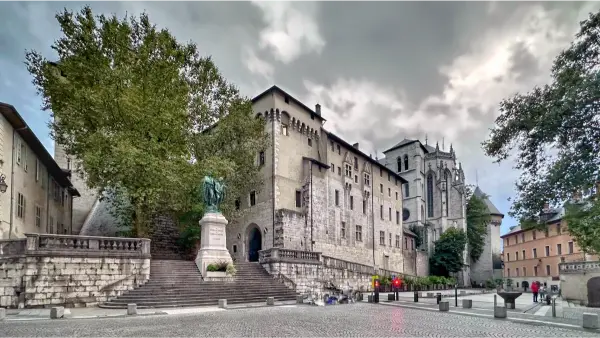
Lyon, Grenoble, Annecy, Chambéry… Each of these cities has its own personality. Lyon takes pride in its Roman heritage and rich culinary traditions. Grenoble, tucked between the mountains, has a more modern feel, with its universities and research centres. Annecy charms visitors with its canals and lake, while Chambéry still retains a touch of the Italian elegance inherited from its former rulers.
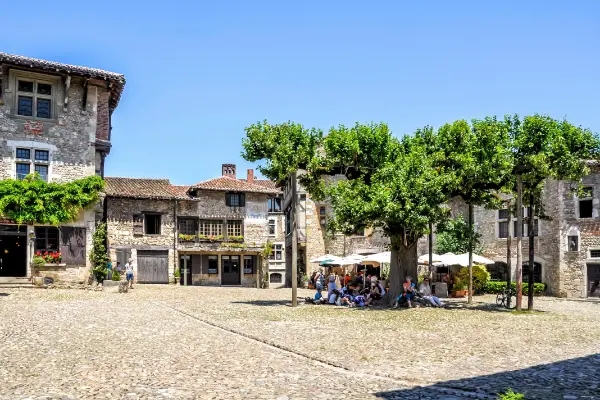
But you often only need to leave the main roads behind to discover a completely different world. Stone villages clinging to hillsides, houses huddled around a little church, and lanes so narrow that two people can barely squeeze past each other. In Ardèche and the Drôme, buildings take on warm golden and ochre tones. In the Alps, houses often have sturdy stone walls and large wooden upper floors, once used to store hay.
Rural traditions are still very much alive. In the mountains, herds are taken up to the high pastures once the snow has melted. Cheeses made using techniques passed down through generations reflect the character of these landscapes. Further down, orchards, vineyards and olive groves mark the changing seasons.
When it comes to outdoor activities, you’ll be spoilt for choice. Hiking and swimming in summer, skiing and snowy walks in winter, cycling through the valleys or canoeing down the Ardèche when conditions allow. More adventurous visitors can take on the major peaks, while everyone else can enjoy easy trails and leisurely walks by the water.
In spring, the mountain peaks are still covered in snow while fruit trees blossom down in the valleys. In autumn, the Alpine forests turn golden, just as the vineyards on the Rhône hillsides take on shades of red and orange.
OVERVIEW
Map
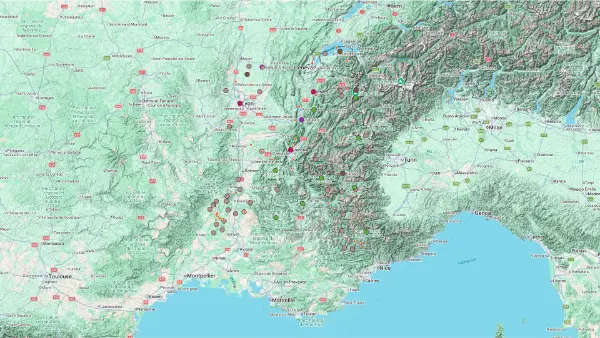
Interactive Map
Interactive Map
Click on the icon  in the top-left corner to display the map legend.
Show/Hide layers as needed.
Click on the arrow icons (v) to display the sublayers.
Top Picks
25 Top
Including 10 Top+
BY PLACE
Lyon
