


MAP
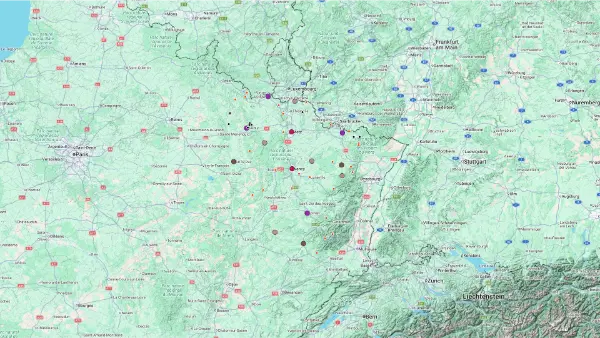
Lorraine
Interactive Map
Lorraine
Interactive Map
Click on the icon  in the top-left corner to display the map legend.
Show/Hide layers as needed.
Click on the arrow icons (v) to display the sublayers.
CITIES
| Name | Top+ | Top |
|---|---|---|
| Metz | ✅ | |
| Nancy | ✅ |
Metz
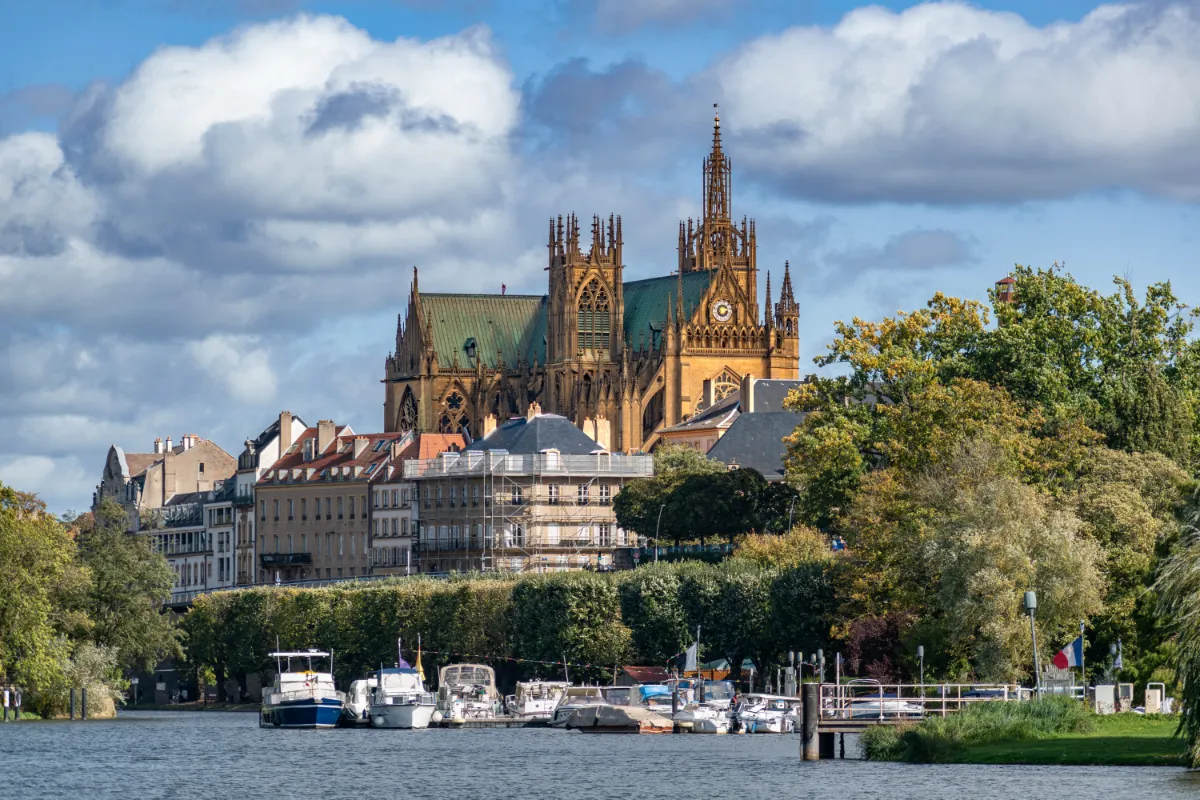
In Our Top+ ✅
Population 120 000
Metz has plenty to surprise anyone who still pictures it as a grey, military and industrial city. With several branches of the Moselle River running through it, Metz boasts a remarkably well-preserved old town, plenty of gardens and architecture in warm, inviting colours. The golden stone quarried nearby even takes on an almost orange glow at sunset. A pretty appealing first impression.
The historic centre is easy to explore on foot, wandering along cobbled lanes and across squares lined with beautiful old buildings. Place Saint-Louis, with its arcaded houses and uneven façades, is particularly charming. Further on, Place de la Comédie reveals an elegant 18th-century ensemble right by the water, facing the Temple Neuf.
You can’t miss Saint Stephen’s Cathedral, a towering stone giant rising above the rooftops. Built between the 13th and 16th centuries, it has around 6,500 square metres of stained glass, earning it the nickname “God’s Lantern”. Inside, the soaring vaulted ceilings are just as impressive as the windows, some of which were created by Marc Chagall.
Metz’s history has been deeply shaped by its position between France and Germany. Under German rule from 1871 to 1918, the city acquired a monumental district with broad avenues and imposing buildings. Its railway station, built in the early 20th century, is worth a visit in its own right, with its massive tower and countless sculpted details.
Another of the city’s landmarks, though in a decidedly contemporary style, is the Centre Pompidou-Metz, with its striking white roof whose sweeping curves were inspired by a traditional Chinese hat. Opened in 2010, it hosts major exhibitions of modern and contemporary art. Its woven timber roof rests on large curved structures that can be seen from the station district.
Nancy
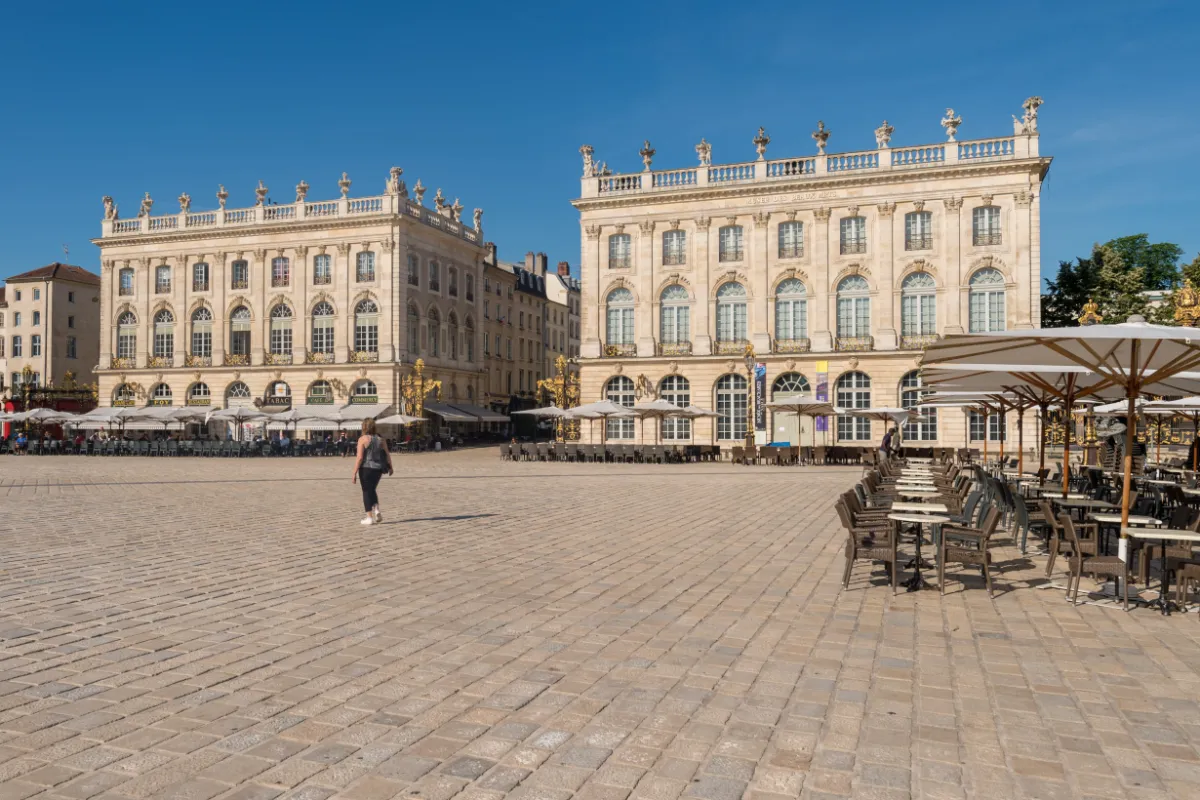
In Our Top+ ✅
Population 100 000
Nancy is home to one of Europe’s most beautiful squares, and it certainly doesn’t do things by halves. Right in the heart of the city, Place Stanislas is a stunning display of classical façades, sculpted fountains and famous gilded gates. Laid out in the 18th century, it’s an architectural ensemble of remarkable elegance.
The square takes its name from Stanislas, the former king of Poland who later became ruler of Lorraine. He wanted to connect the old town with the more recently built districts. Today, Place Stanislas, Place de la Carrière and Place d’Alliance together form a UNESCO World Heritage Site. Their perfectly designed vistas reflect the grand ambitions of the time.
Just a few streets away, Old Nancy has a completely different atmosphere. Narrow lanes, historic houses and Renaissance façades recall the days when the city was the capital of an independent territory. The Porte de la Craffe, flanked by two large round towers, is a reminder of the city’s former defences. Further along, the Palace of the Dukes of Lorraine still features some beautiful carved details.
But Nancy has another claim to fame, and it’s a big one: Art Nouveau. In the late 19th century, local artists and architects developed a style inspired by plants and natural forms. Flowers, foliage and flowing curves began appearing on façades, stained-glass windows and furniture. It was a true decorative revolution, and Nancy remains one of Europe’s finest places to discover it.
The Musée de l’École de Nancy brings together magnificent creations from this period, while Villa Majorelle offers the chance to explore a house designed as a work of art in its own right. As you wander through the residential neighbourhoods, remember to look up. Wrought-iron balconies, colourful stained glass and plant-inspired ornaments sometimes hide on otherwise unassuming houses. Nearby, Parc de la Pépinière offers broad, shady paths.
TOWNS
| Name | Top+ | Top |
|---|---|---|
| Longwy | ||
| Verdun | ||
| Sarreguemines | ||
| Épinal |
Longwy
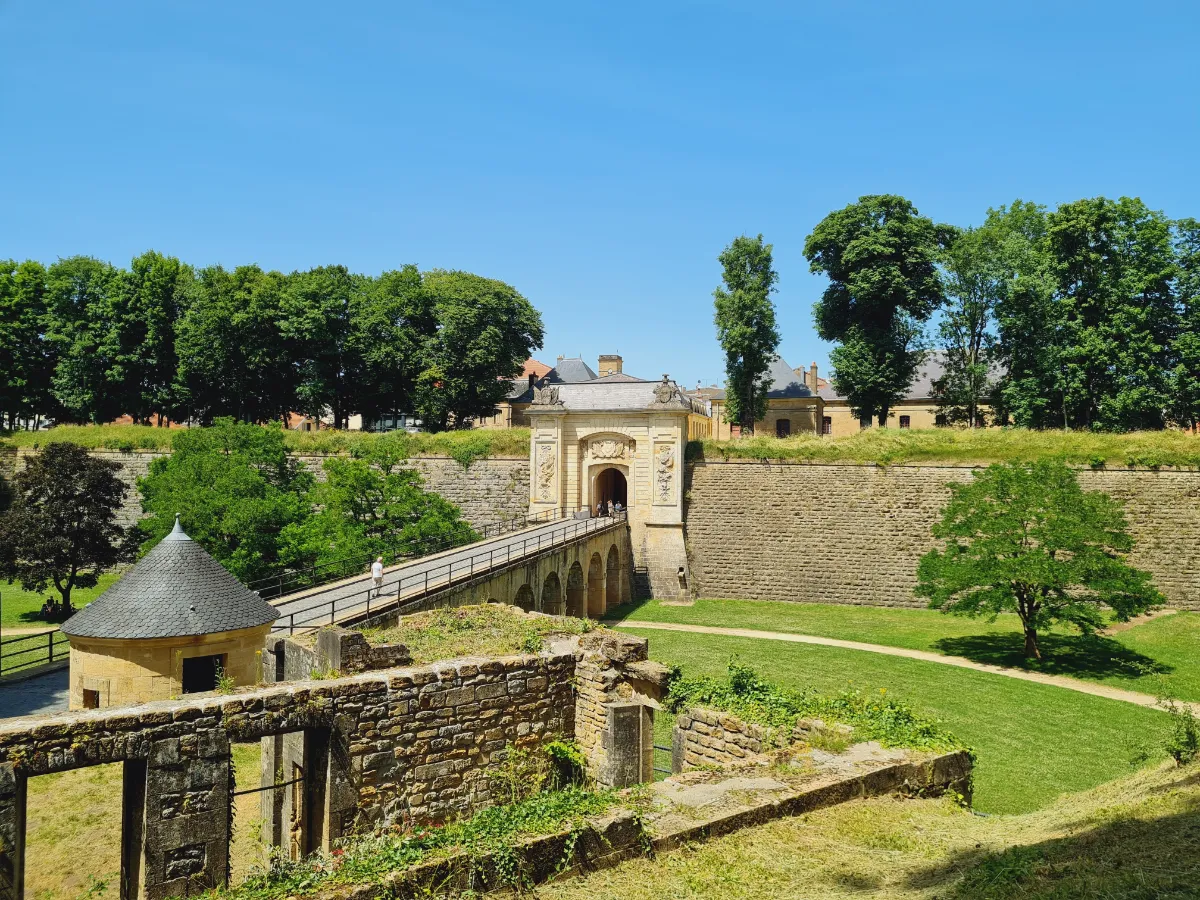
Longwy has two very different sides. In the lower town, the old working-class neighbourhoods recall a time when the steelworks supported thousands of families. Up on the heights, it’s all about military history, with a star-shaped fortified town built in the 17th century to defend the border.
Vauban, Louis XIV’s military engineer, designed this network of ramparts, bastions and monumental gates. Despite damage caused by successive wars, several features have survived, including the Porte de France. The fortifications are listed as a UNESCO World Heritage Site alongside other works designed by Vauban.
But Longwy has another, much more colourful speciality: its enamels. Since the 19th century, local craftspeople have decorated ceramic objects with intricate patterns, often outlined by fine dark lines. The Enamel Museum showcases these brilliantly coloured pieces, which have become one of the town’s defining symbols.
Verdun
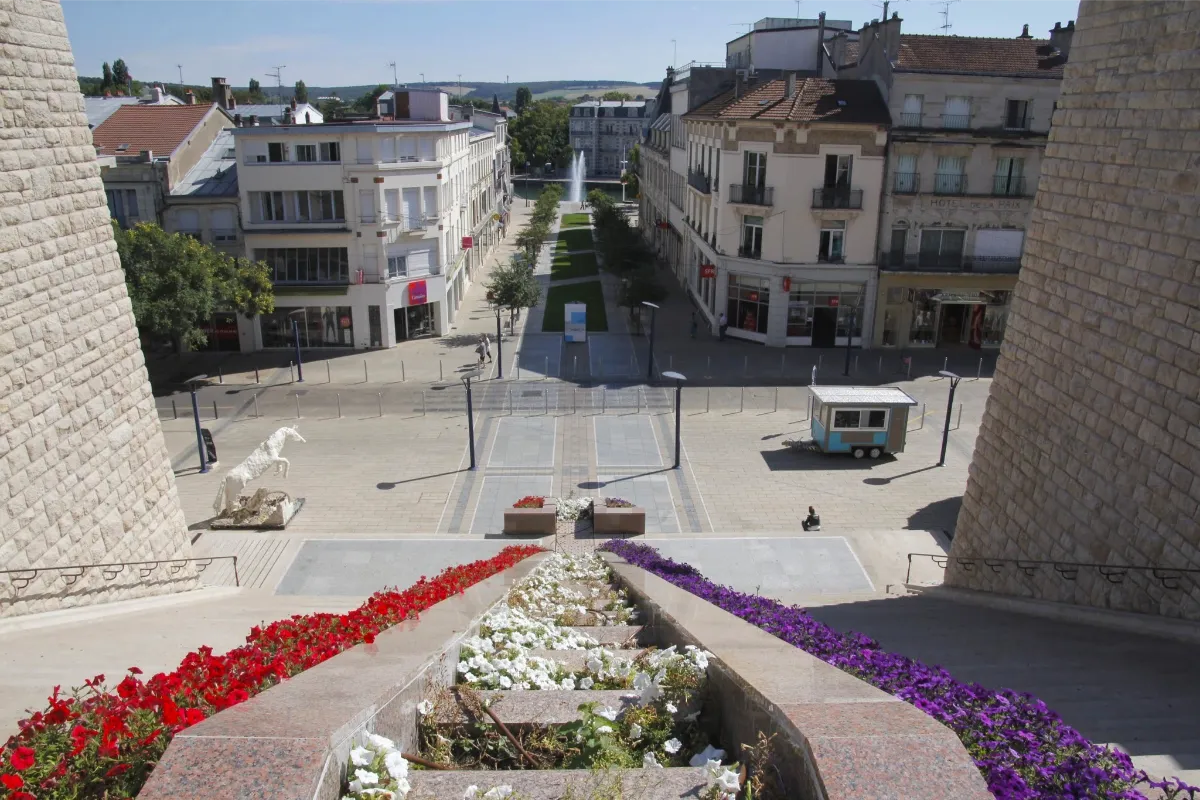
Verdun immediately brings to mind one of the deadliest battles of the First World War. Yet this town on the River Meuse has a much longer history. Today, its riverbanks, bridges and gardens create a peaceful setting, in striking contrast to the events that made its name famous around the world.
In the upper town, Notre-Dame Cathedral rises above the rooftops. Its origins go back to the 10th century, although the building has been altered several times since. Verdun also played a major role in European history: in 843, Charlemagne’s heirs divided his empire into three great kingdoms here.
The memory of 1916 is still everywhere. The underground citadel offers a glimpse into the daily lives of soldiers sheltering in its tunnels, while the surrounding forests still conceal shell craters, old trenches and the remains of villages completely destroyed during the fighting. The landscape is green again, but the scars of war are still clearly visible in the ground.
Sarreguemines
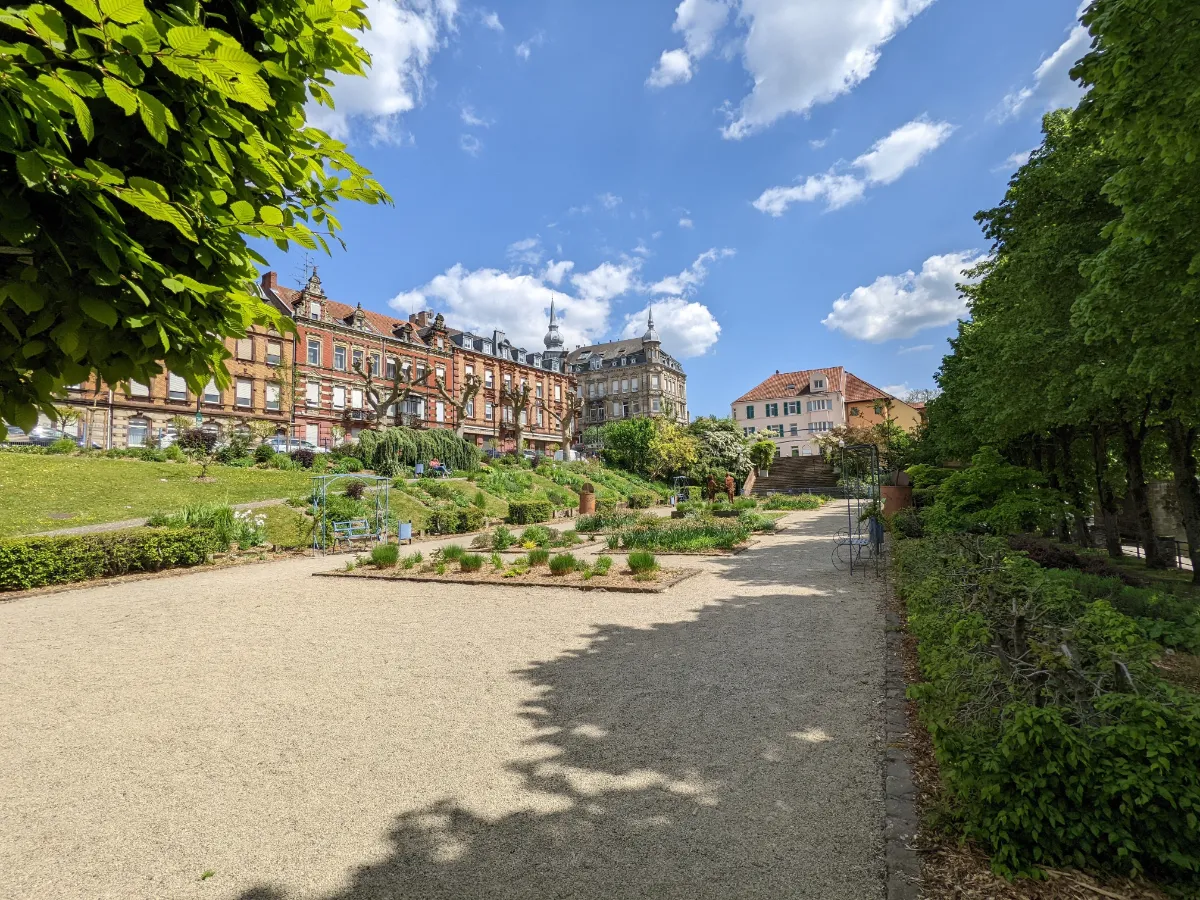
In Sarreguemines, the German border is just a stone’s throw away, across the rivers. Set where the Sarre and Blies meet, the town has a relaxed atmosphere, with green riverbanks and pleasant waterside walks. It’s hard to imagine its industrial past.
Its speciality? Faience, a type of decorated earthenware that made the town famous across Europe from the 18th century onwards. The Faience Museum houses an outstanding collection and preserves a remarkable winter garden covered entirely in colourful tiles. It’s quite a sight.
At the Moulin de la Blies, a former mill used to prepare raw materials, the machinery tells the story of the people who worked here. Outside, a garden has taken shape among the industrial ruins. Brick walls, old millstones and plants create an unusual landscape where nature is gradually reclaiming its space.
Épinal
Épinal owes much of its fame to its celebrated prints, colourful illustrations distributed throughout France since the 18th century. Their stories and imaginary characters have captured the imagination of generations. The Musée de l’Image explores this tradition and the printing techniques that made the town famous.
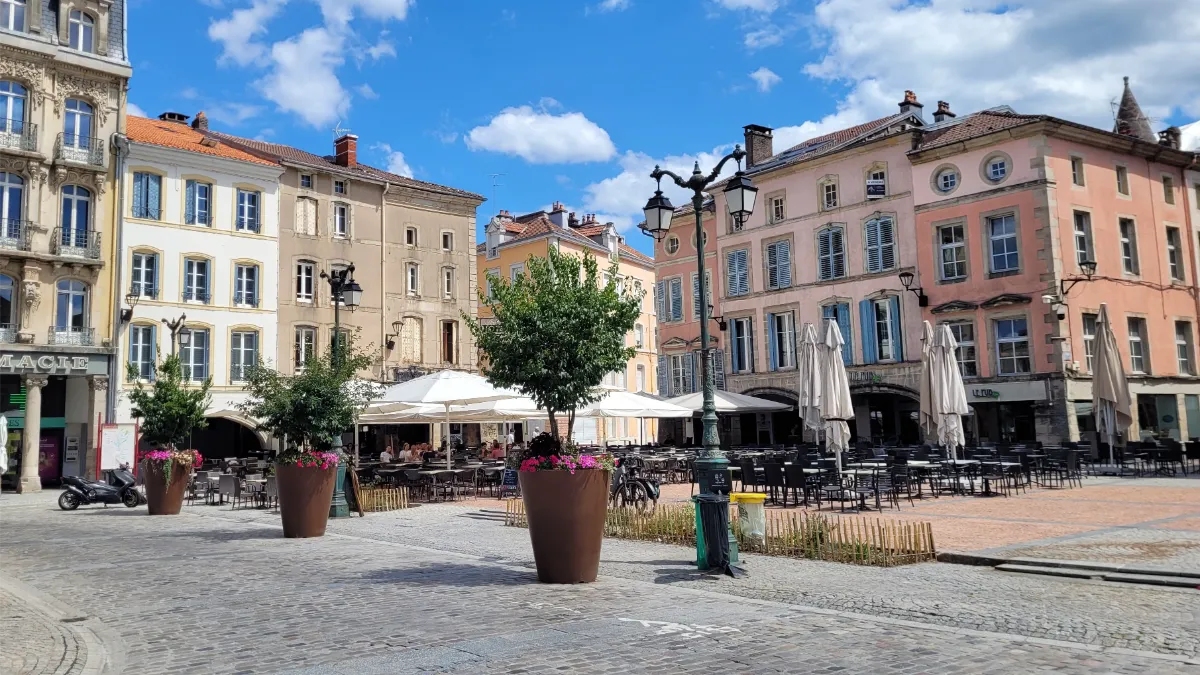
But there’s more to Épinal than its prints. With the Moselle flowing through it, the town has a pleasant centre full of bridges and gardens. The imposing silhouette of Saint-Maurice Basilica recalls its medieval past. The riverside paths reveal a more peaceful side of the town as they follow the different branches of the river.
For a view from above, head to the castle ruins on a wooded hill. The old walls are surrounded by gardens and shady paths. From the viewpoints, you can look out over Épinal’s rooftops, the valley and the first forest-covered hills of the Vosges Mountains.
SMALL TOWNS
| Name | Top+ | Top |
|---|---|---|
| Bar-le-Duc | ||
| Sarrebourg | ||
| Luxeuil-les-Bains |
Bar-le-Duc
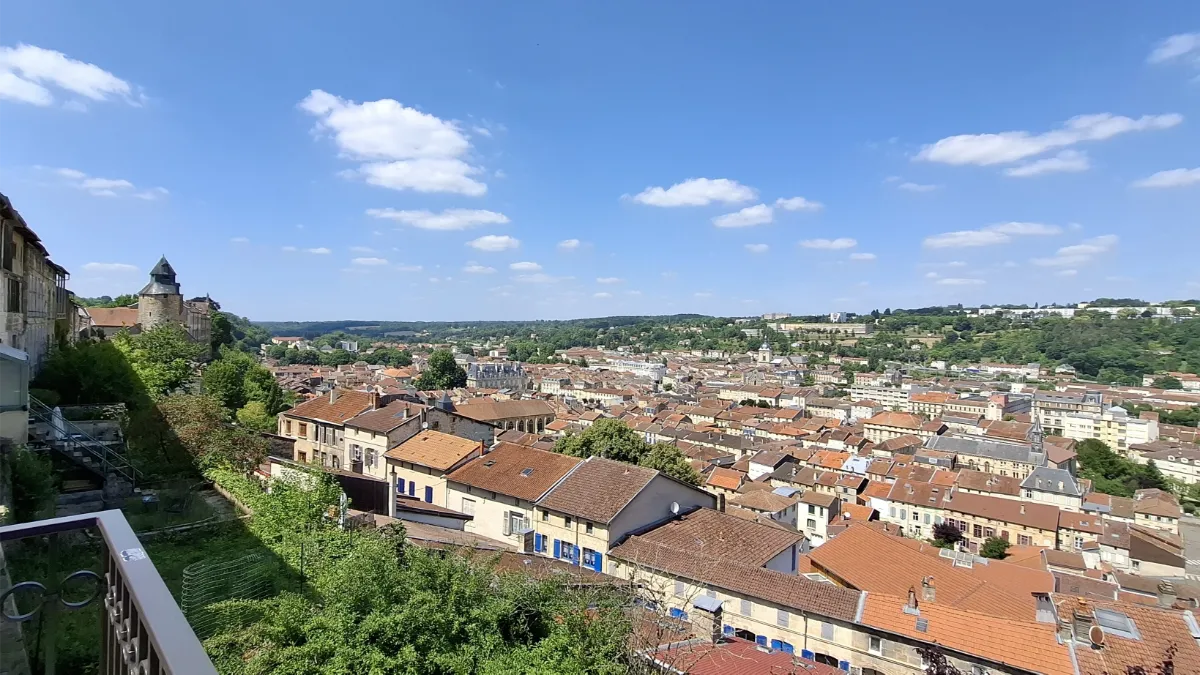
Bar-le-Duc hides its finest historic treasures up on the heights. Above the lower town, through which the river flows, lies a remarkably well-preserved Renaissance district. Houses with carved stonework, elegant windows and grand old residences tell the story of the town’s prosperity in the 16th century, when Lorraine was still ruled by its own princes.
Bar-le-Duc is also closely linked to the Battle of Verdun. It was from here that the road used in 1916 to transport a constant stream of soldiers and supplies to the front began.
Sarrebourg
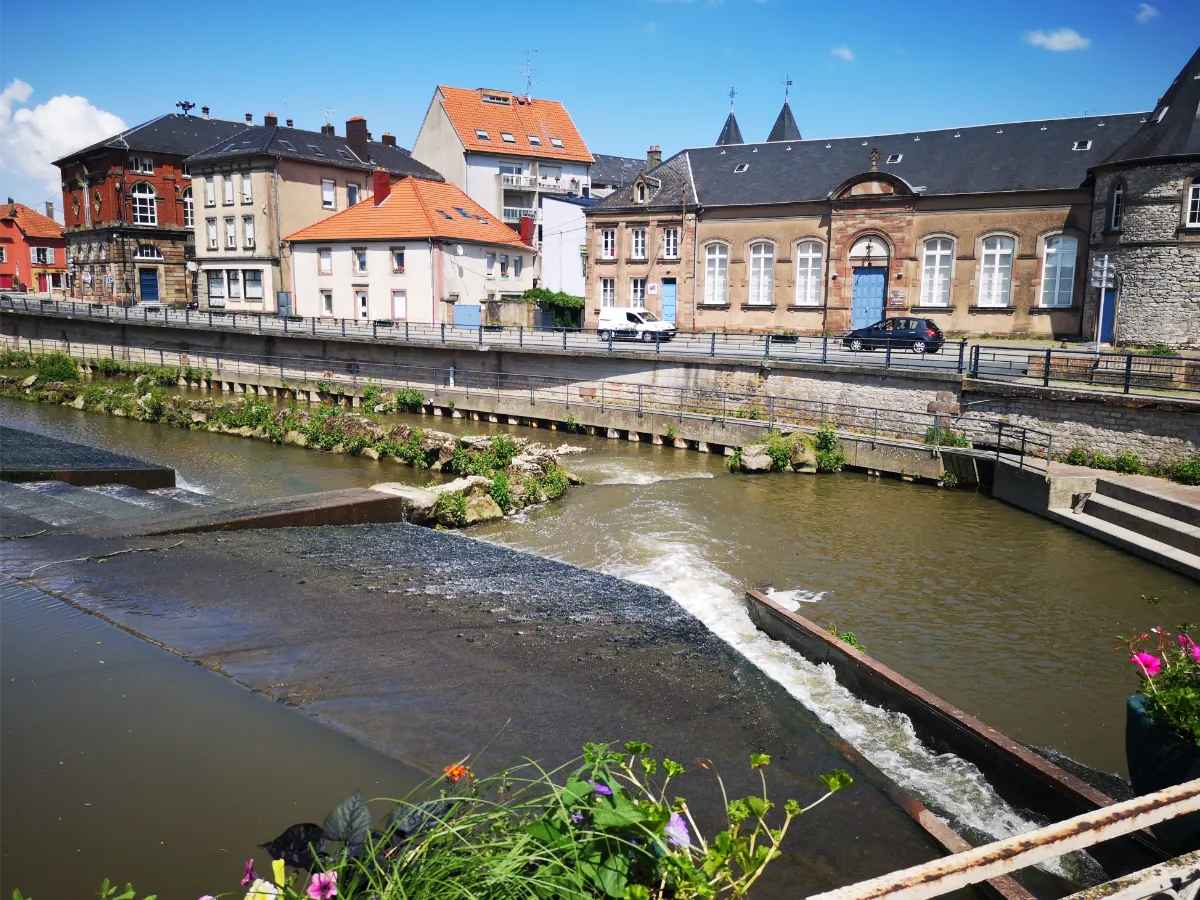
Sarrebourg has a major surprise in store for art lovers. Inside the former Cordeliers Chapel, an enormous stained-glass window by Marc Chagall fills the space with colour, rising almost 12 metres high. Dedicated to peace, it transforms the chapel’s light into a spectacular display, a world away from what you might expect of a town you simply pass through.
The Musée du Pays de Sarrebourg features objects from Roman times as well as antique porcelain. Historic buildings and contemporary sculptures sit side by side. Just a few kilometres away, the scenery becomes decidedly wilder, with vast forests, pink sandstone hills and lakes hinting at the landscapes of the Vosges Mountains.
Luxeuil-les-Bains
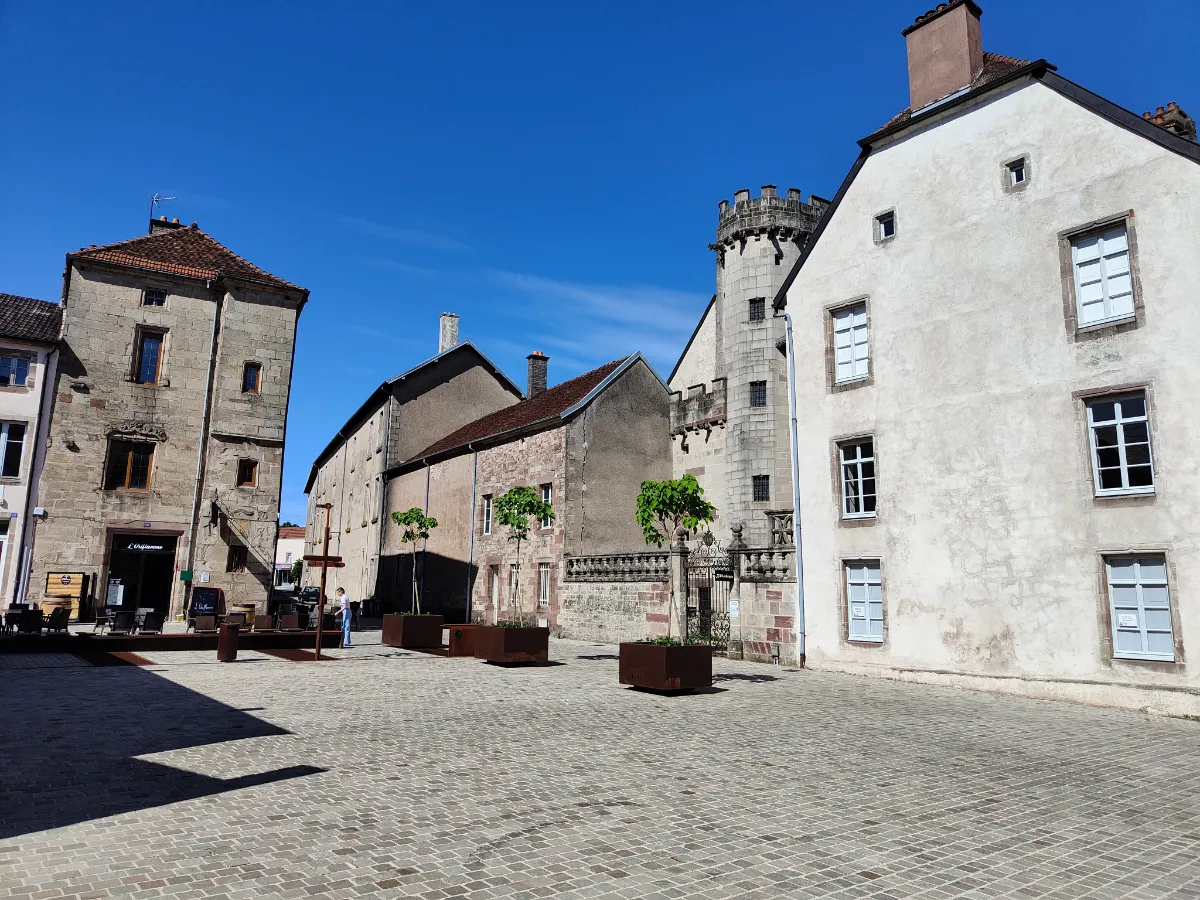
Luxeuil-les-Bains was attracting visitors long before holidays were even a thing. As far back as Roman times, its hot springs were prized for their beneficial properties. But this small town also has a historic centre full of character, where stone houses, towers and carved façades reflect its former prosperity.
In the 6th century, the Irish monk Columbanus founded a monastery here that became famous throughout Europe. Saint Peter’s Basilica and the neighbouring buildings are reminders of this rich religious heritage.