


MAP
Corsica
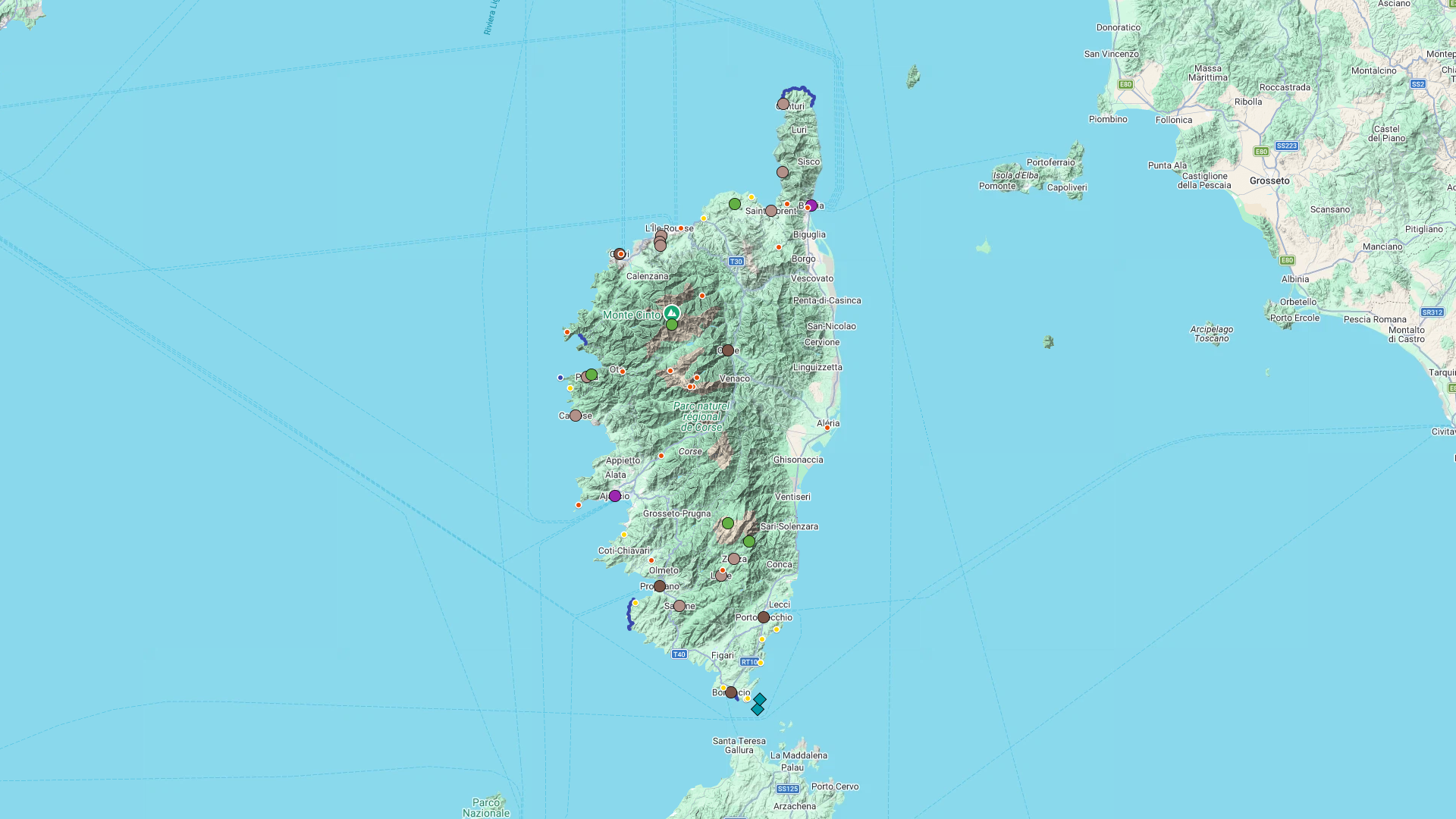
Interactive Map
Corsica
Interactive Map
Click on the icon  in the top-left corner to display the map legend.
Show/Hide layers as needed.
Click on the arrow icons (v) to display the sublayers.
ALL
| Name | Top+ | Top |
|---|---|---|
| Port de Centuri | ||
| Nonza | ||
| Saint-Florent | ||
| Corbara | ||
| Pigna | ☑️ | |
| Sant'Antonino | ✅ | |
| Piana | ||
| Cargèse | ||
| Sartène | ||
| Levie | ||
| Zonza |
Port de Centuri
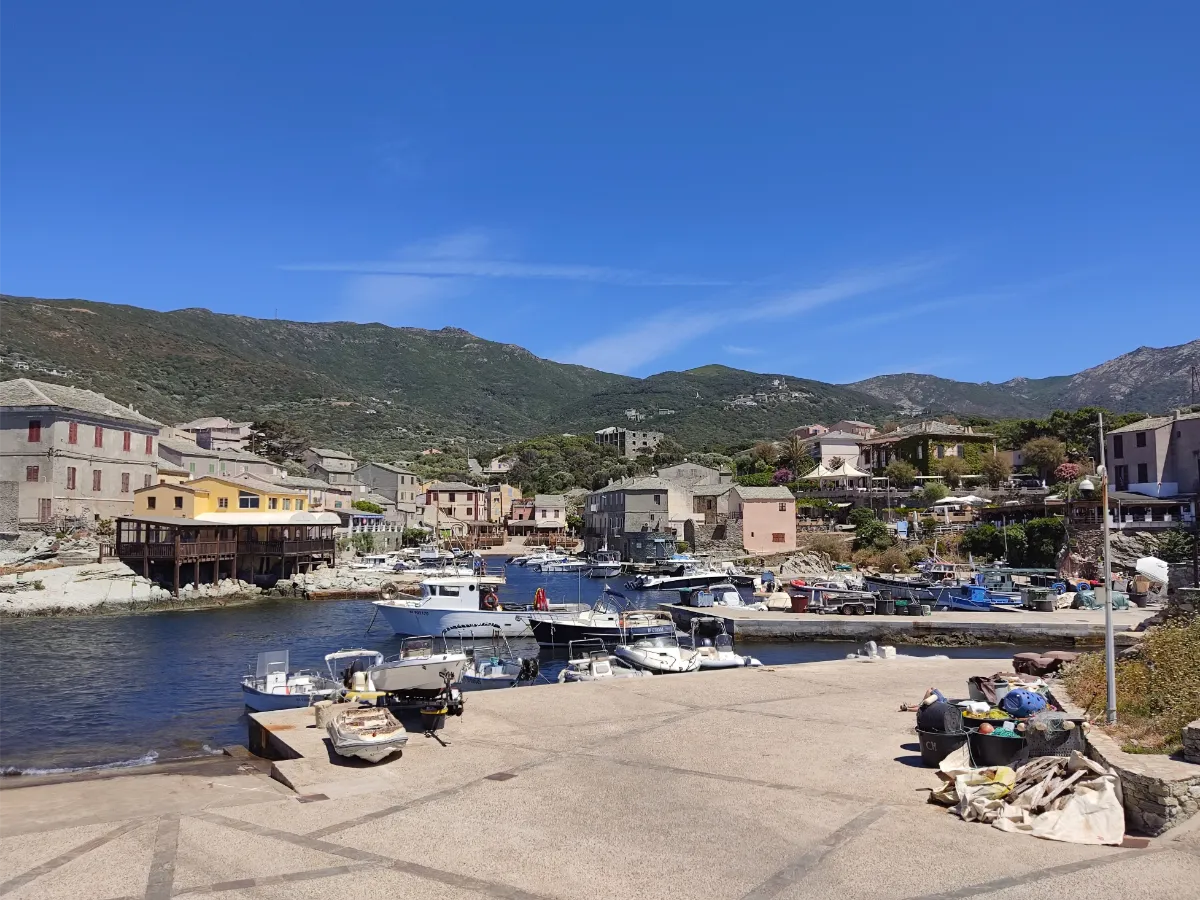
On the western tip of Cap Corse, Centuri has a tiny fishing harbor surrounded by old houses with pastel-colored walls and green stone roofs. A few colorful boats bob gently in the water, sheltered from the waves by the surrounding rocks. It’s a picture-perfect scene, without feeling overly touristy.
Once famous for its lobster fishing, Centuri has kept its strong maritime identity. Wander along the quays, then explore the little streets climbing up behind the harbor. The narrow, winding road leading here passes through some spectacular wild scenery.
Nonza
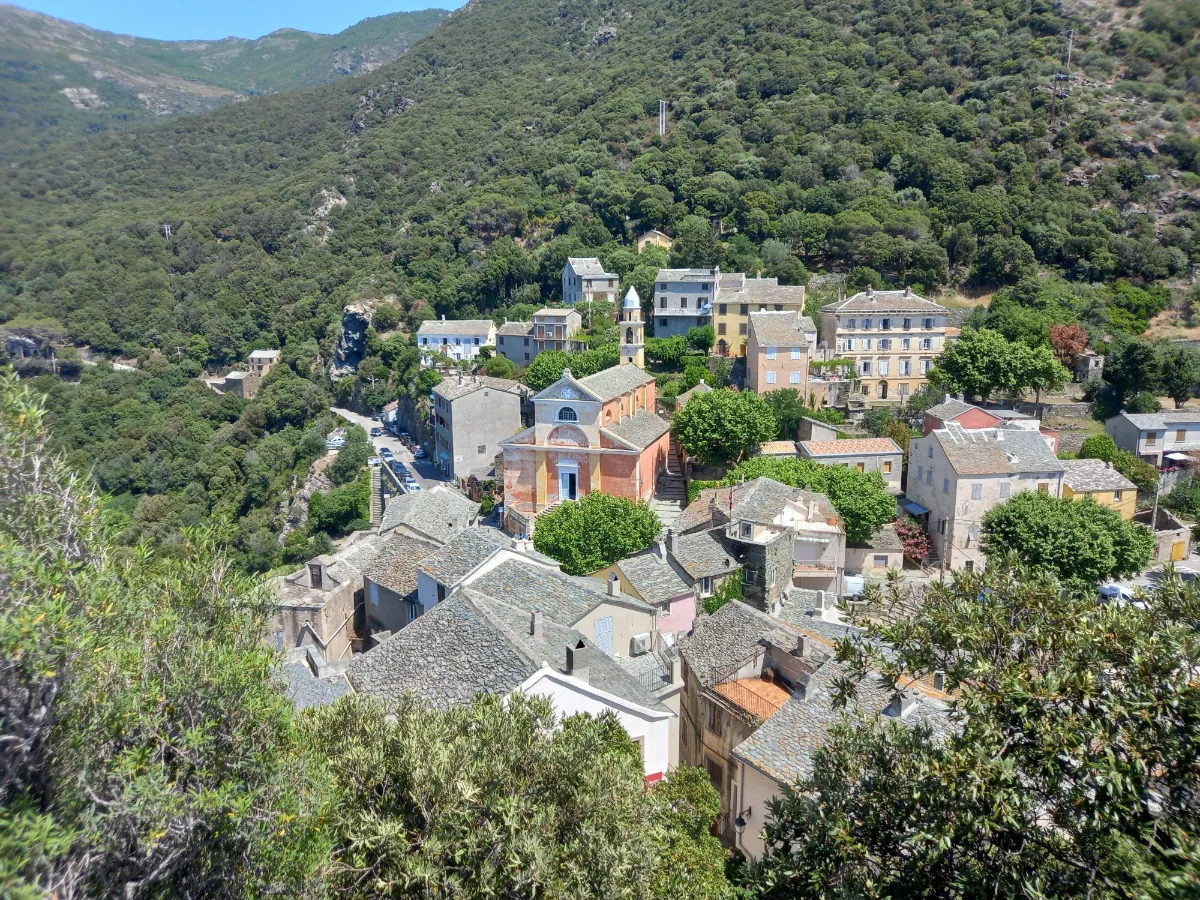
Perched on a mountainside, Nonza overlooks a huge beach covered in dark gray pebbles, a color that might come as a surprise at first. It comes from waste left behind by former mining operations. The contrast with the turquoise sea and the houses clustered around the church creates a truly unique landscape.
Climb up to the Paoline Tower, built in the 18th century, for breathtaking views along the coast. On your way back down, get lost in the cobbled streets and discover the Sainte-Julie Fountain, linked to an old local legend. There are plenty of steps, but the village is easy enough to explore on foot.
Saint-Florent
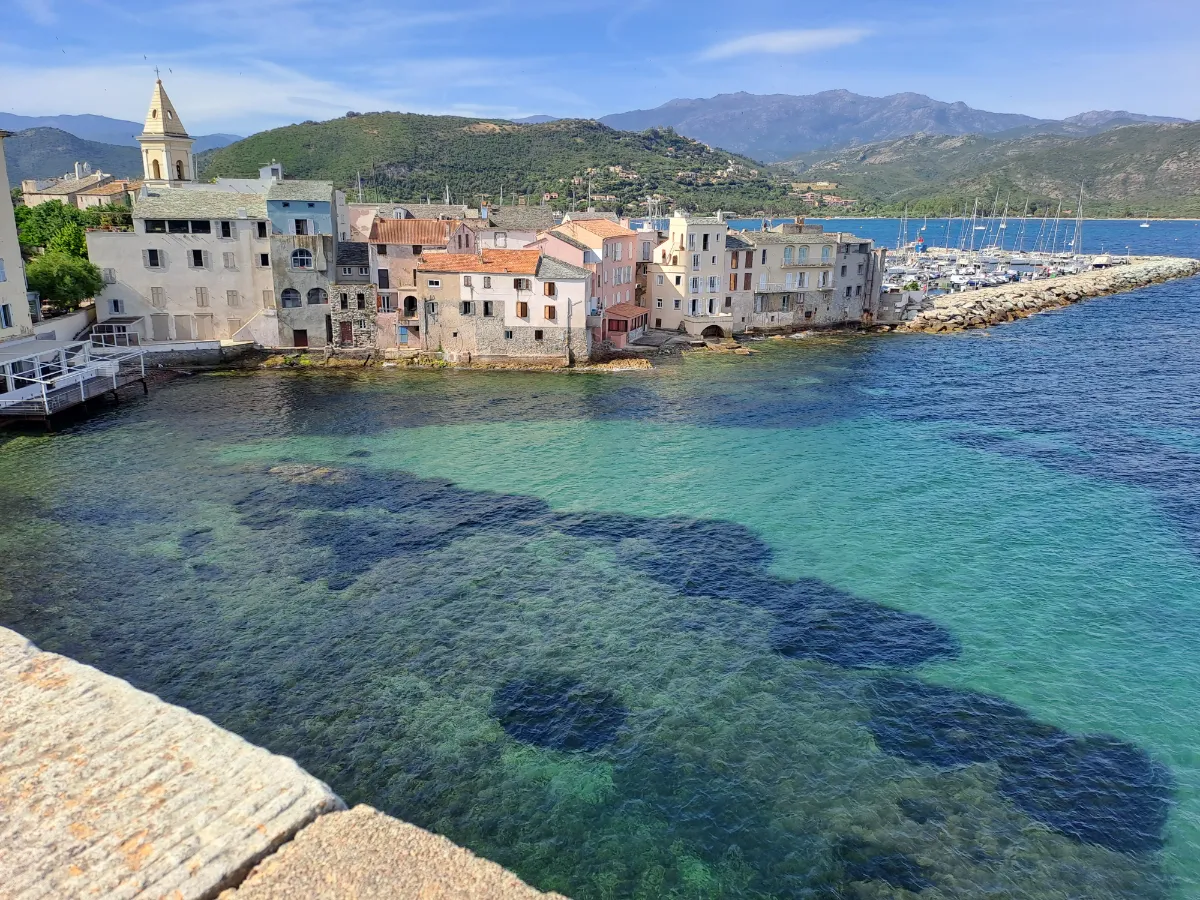
Saint-Florent feels like an elegant little Mediterranean harbor town, tucked into a bay surrounded by mountains. Its old quarter, light-colored houses, and 15th-century Genoese citadel are all worth exploring.
Above all, the town is the perfect starting point for visiting the wild beaches of the Agriate. Boats take you to Lotu and Saleccia, two stretches of white sand lapped by crystal-clear water.
Corbara
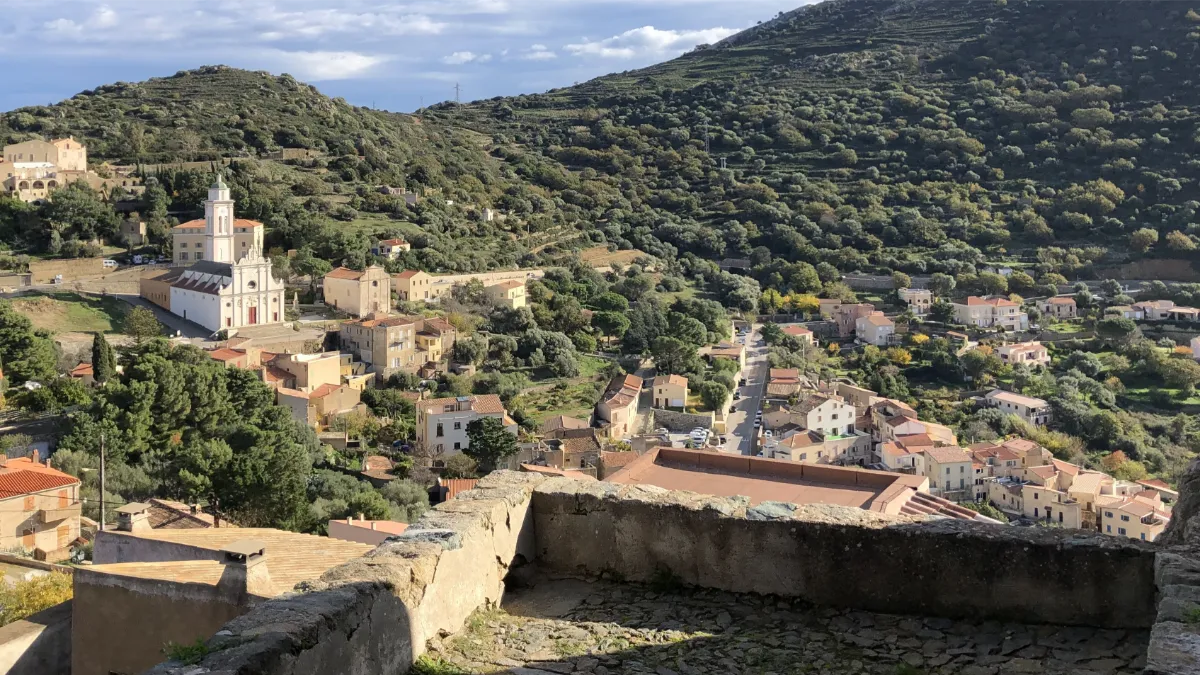
Perched on a hill overlooking the northwest coast, Corbara is a village of tall old houses, narrow streets, and stone staircases. Its architecture tells the story of centuries of history, blending Corsican traditions with Italian influences. Around many corners, you’ll catch beautiful glimpses of the sea.
Pigna
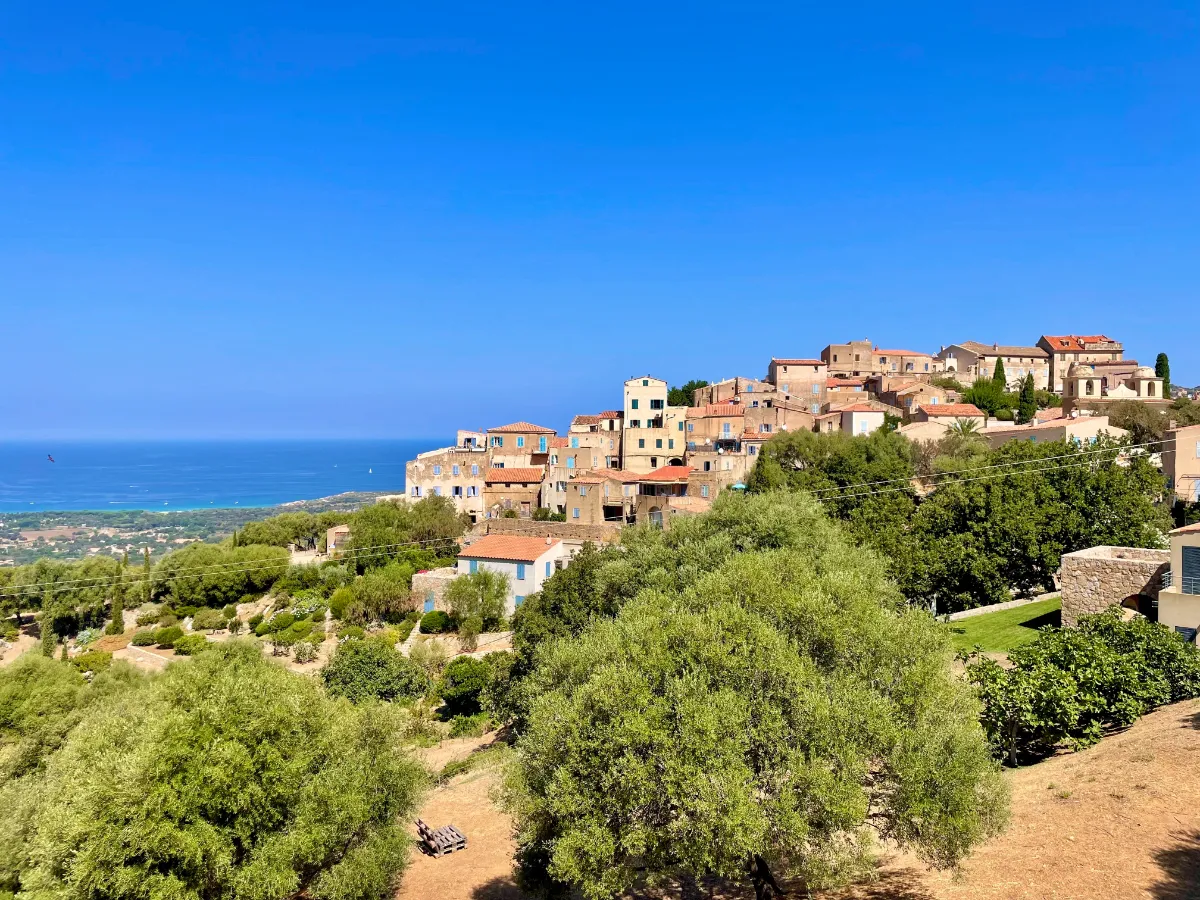
In Our Top ☑️
Clinging to a hillside in the Balagne region, Pigna is a lovely little village where pedestrians take priority over cars. Its ochre-colored houses, cobbled streets, and vaulted passageways create a picture-perfect setting. Every turn seems to reveal another beautiful view of the surrounding hills.
Pigna is also known for its vibrant arts and music scene. Traditional Corsican music plays an important role here, especially polyphonic singing. Make your way to the old wheat threshing floor, now an open space, to enjoy sweeping views all the way to the sea.
Sant'Antonino
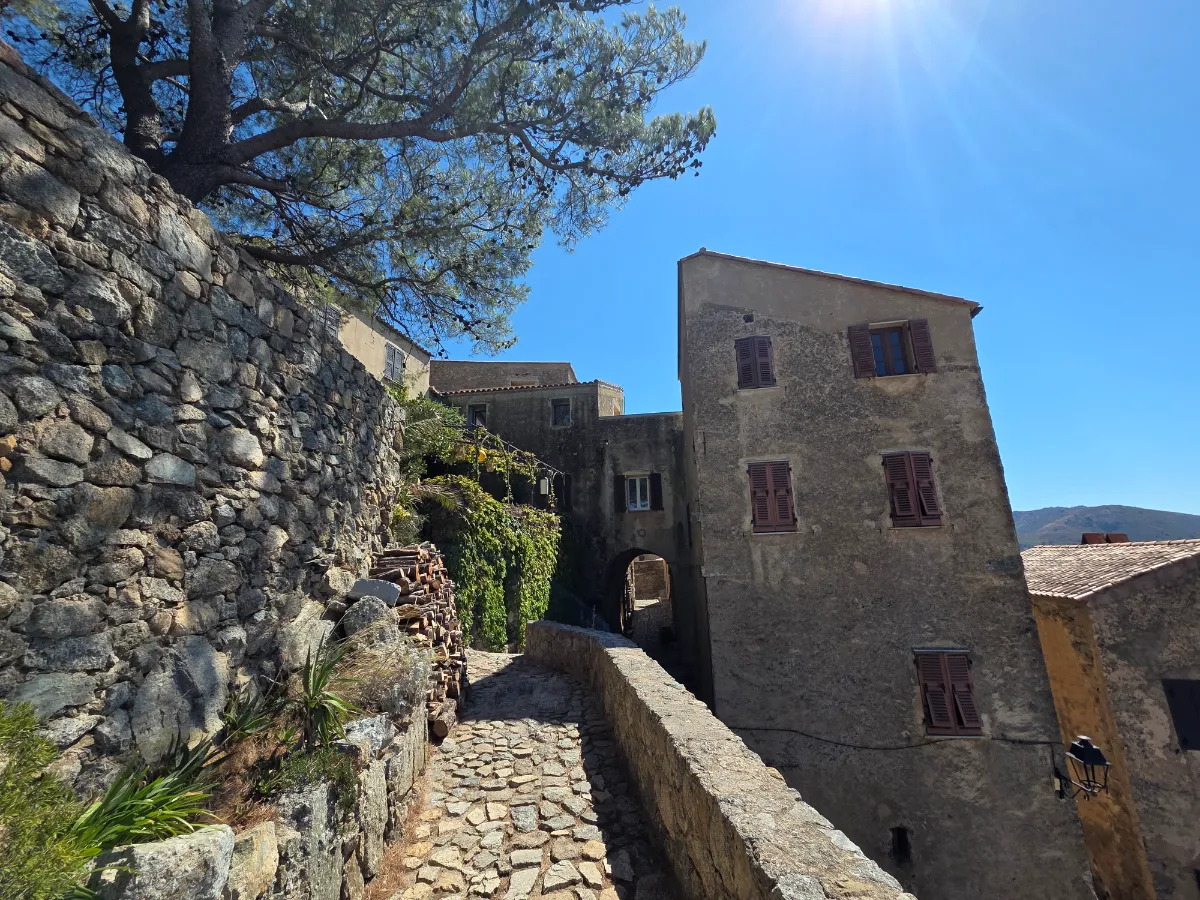
In Our Top+ ✅
Sant’Antonino looks as though it has grown straight out of its granite hilltop, nearly 500 meters above sea level. One of the oldest villages in Corsica, this medieval settlement is a fascinating jumble of stone houses, tiny streets, and vaulted passageways. Cars have to stay at the entrance.
Exploring the village feels like a little treasure hunt. One staircase leads to a small square, a passageway opens onto a terrace, and suddenly you’re looking down over the surrounding villages and the sea. The views stretch across much of the Balagne region.
Piana
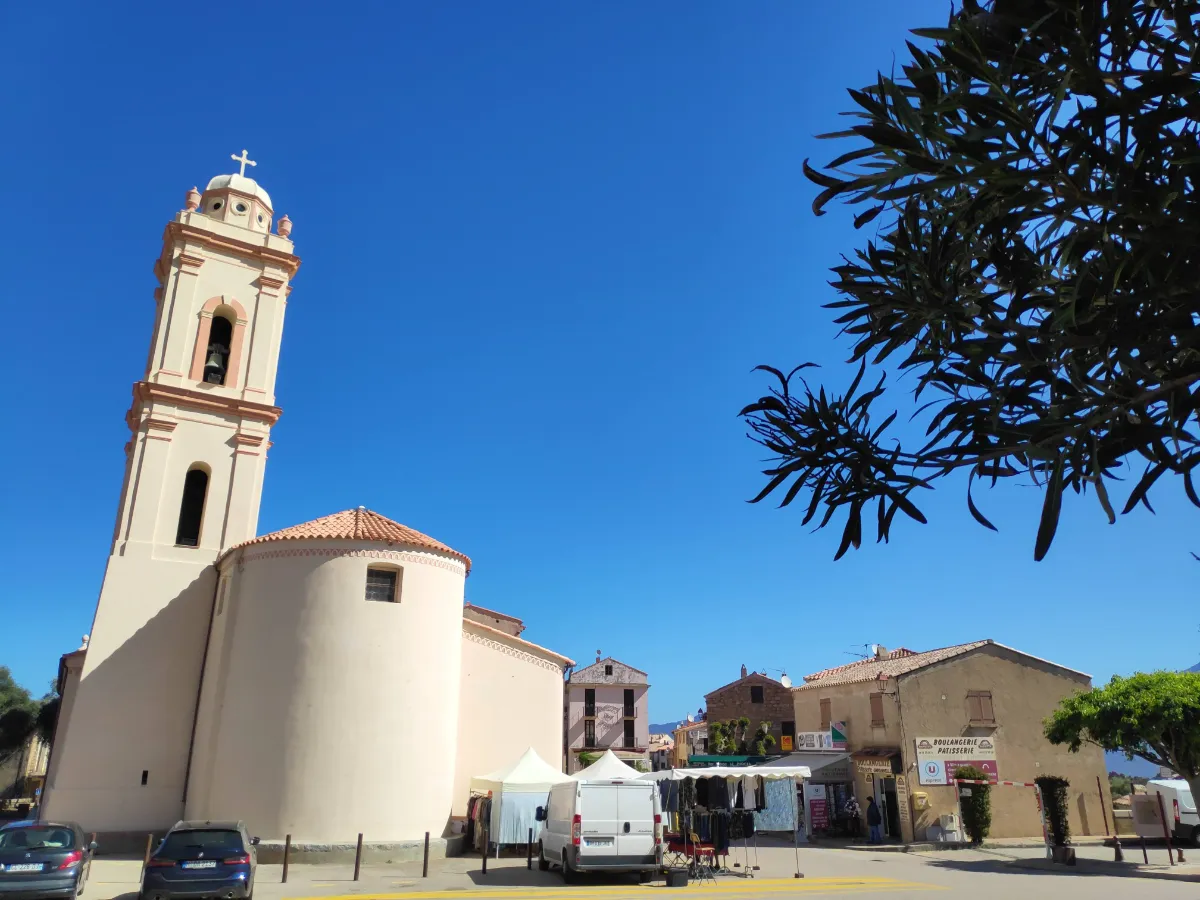
Set high above the west coast, Piana is a charming village of light-colored houses, surrounded by mountains and Mediterranean vegetation. Its peaceful streets, little squares, and Sainte-Marie Church offer a striking contrast to the dramatic landscapes nearby.
Just a few kilometers away are the famous Calanques de Piana, where enormous red granite rocks have been sculpted into extraordinary shapes. The road winding through them is one of the most beautiful in Corsica, but also one of the twistiest.
Cargèse
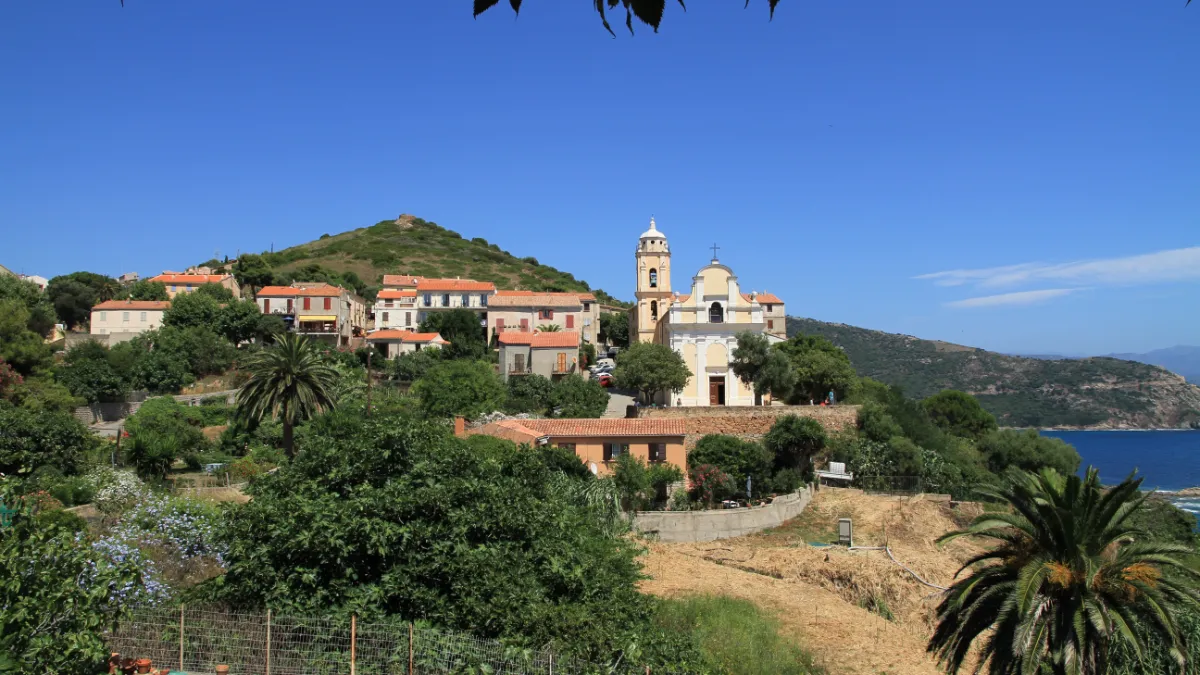
Cargèse has a rather unusual history. In the 17th century, Greek families fleeing Ottoman rule settled in this part of Corsica. Their heritage lives on today in some local family names, and especially in the two churches that face each other above the sea.
One follows the Latin Catholic tradition, while the other preserves rites of Greek origin and displays beautiful religious icons. Take some time to explore their interiors, then head down to the little harbor. The surrounding area also has some lovely beaches, including Pero and Chiuni, backed by green hills.
Sartène
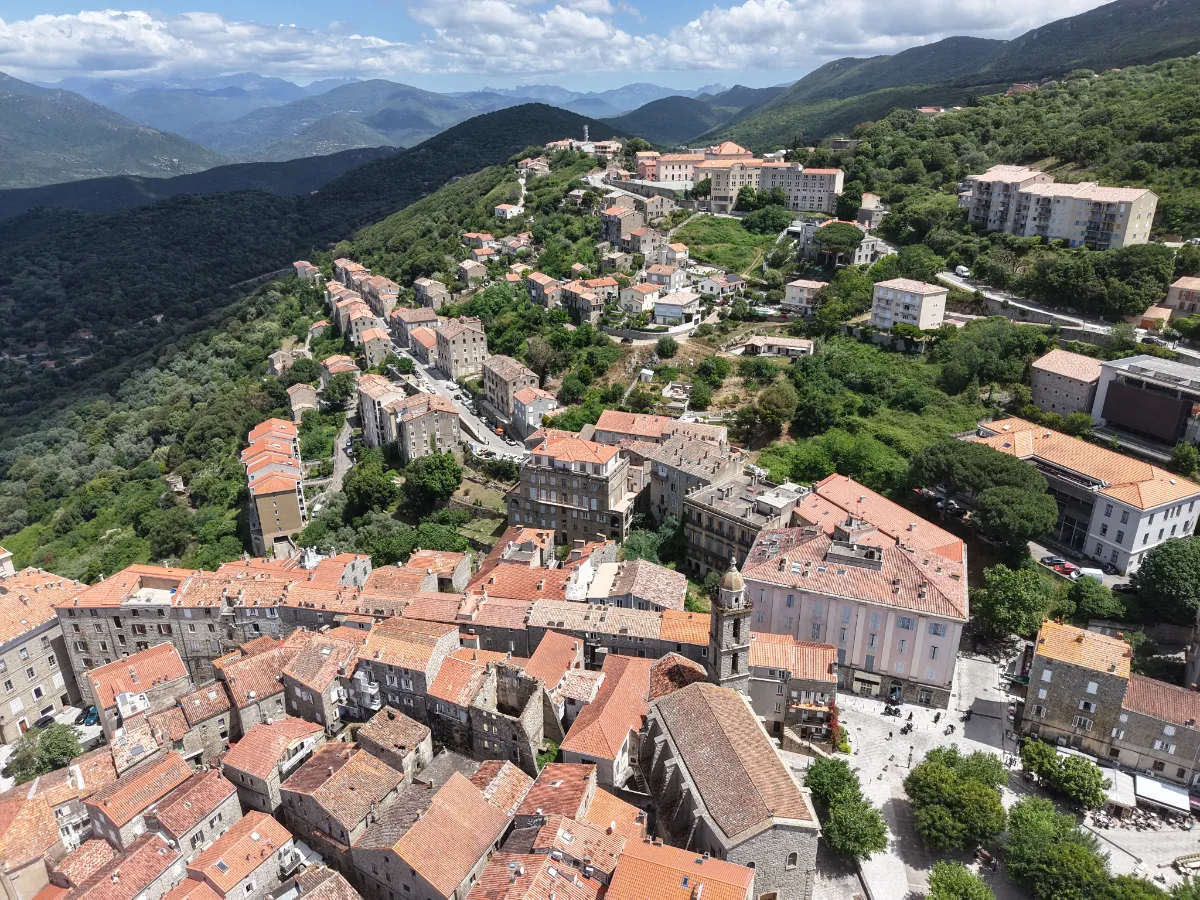
Sartène has an atmosphere all its own, rugged and fascinating. Its tall gray granite houses look almost like a fortress rising above the valley. In the old town, cobbled streets, steep staircases, and passageways beneath the houses recall a past shaped by rivalries between powerful Corsican families.
The heart of the town is Place de la Libération, overlooked by Sainte-Marie Church. Every Good Friday, Sartène hosts the Catenacciu, a remarkable religious procession in which an anonymous penitent carries a heavy cross through the streets, following a tradition that goes back centuries.
Levie
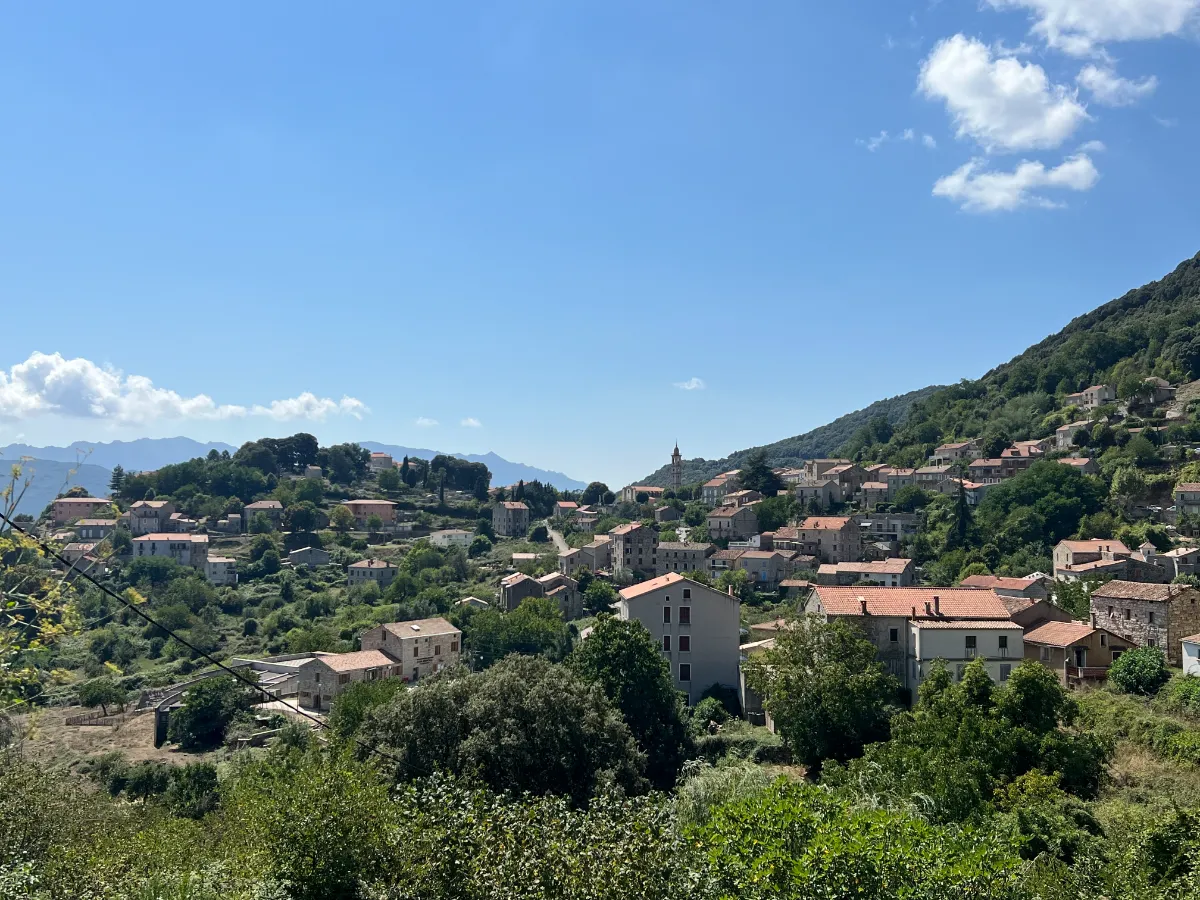
In the heart of the southern mountains, Levie is a stone village surrounded by oak, pine, and chestnut trees. Its traditional houses and little streets give you a glimpse of life in inland Corsica, far from the summer crowds along the coast.
Levie is especially known for its remarkable prehistoric heritage. Its museum dedicated to the region’s ancient history displays local archaeological finds. Nearby, the sites of Cucuruzzu and Capula let you explore the remains of a fortified Bronze Age settlement and medieval buildings, all surrounded by beautiful forest.
Zonza
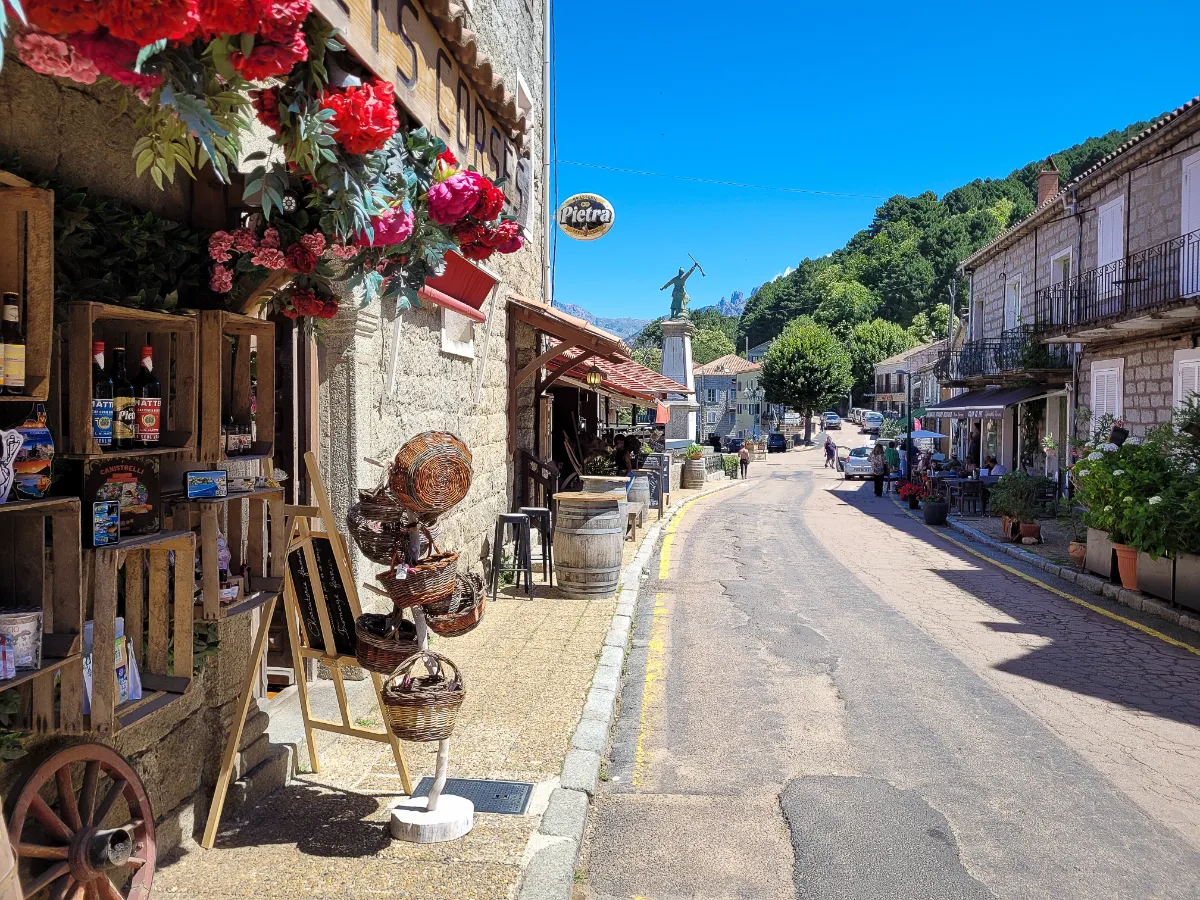
Surrounded by forests and mountains, Zonza is one of the most enjoyable villages in southern Corsica for nature lovers. Sitting at nearly 800 meters above sea level, it has a real mountain atmosphere and beautiful views of the surrounding peaks.
Its location makes it an ideal base for exploring the Aiguilles de Bavella, whose jagged rocky peaks rise above the pine forests. The surrounding area is full of hiking trails, clear rivers, and natural rock pools. In summer, the altitude also brings some welcome cool air after the heat of the coast.