


MAP
Lorraine
Interactive Map
Lorraine
Interactive Map
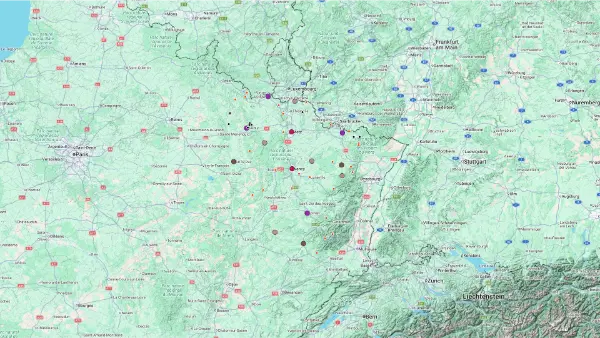
Click on the icon  in the top-left corner to display the map legend.
Show/Hide layers as needed.
Click on the arrow icons (v) to display the sublayers.
ALL
| Name | Top+ | Top |
|---|---|---|
| Rodemack | ☑️ | |
| Hattonchâtel | ||
| Vic-sur-Seille | ||
| Saint-Quirin | ☑️ | |
| Châtillon-sur-Saône |
Rodemack
In Our Top ☑️
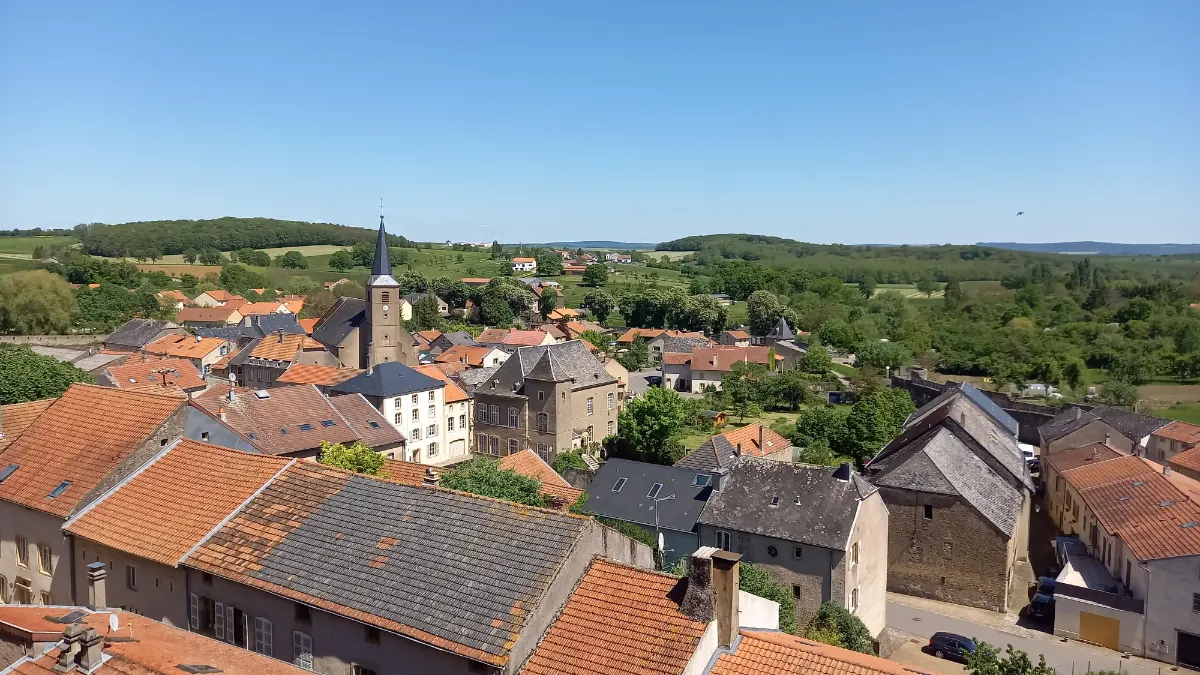
With its ramparts, fortified gates and cobbled lanes, Rodemack certainly lives up to its nickname, “Lorraine’s Little Carcassonne”. Just a few kilometres from Luxembourg, this village has retained a remarkably medieval feel. Yet it was often fought over, particularly in 1815, when General Hugo, father of the writer Victor Hugo, held out against a Prussian siege.
More than 600 metres of defensive walls are still standing. Walk through the Porte de Sierck and you’ll find old stone houses, castle ruins and a charming medieval garden. Its plants reflect the uses of centuries past, with medicinal herbs, vegetables and flowers traditionally grown behind the ramparts.
Hattonchâtel
Perched high above the Meuse countryside, Hattonchâtel offers beautiful views of rolling hills, meadows and Lake Madine. The village was once a residence of the bishops of Verdun, powerful religious leaders who clearly appreciated its strategic position as much as its sweeping views.
The centre still has historic houses and a castle with a medieval appearance. Badly damaged during the First World War, the village was restored in the 20th century thanks to the support of Belle Skinner, a wealthy American woman passionate about its history. Its towers, narrow streets and stone façades bear witness to this painstaking reconstruction.
Vic-sur-Seille
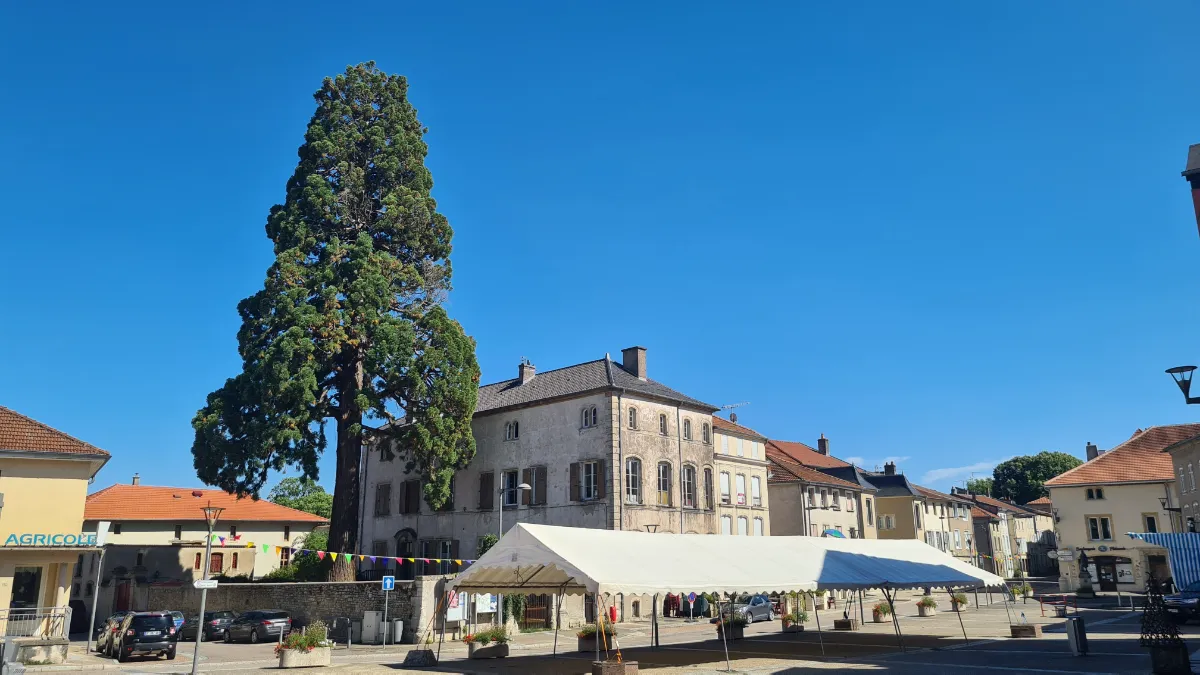
Vic-sur-Seille is a quiet little town today, but it once enjoyed considerable prosperity thanks to salt extracted nearby. During the Middle Ages, powerful religious leaders established their residence here. Elegant old houses survive from that period, including the Hôtel de la Monnaie, easily recognised by its remarkable carved details.
The town is best known as the birthplace of Georges de La Tour, the celebrated 17th-century painter. His candlelit figures earned him an exceptional reputation. A museum dedicated to his work and the painting of his time adds another dimension to a stroll through the historic streets.
Châtillon-sur-Saône
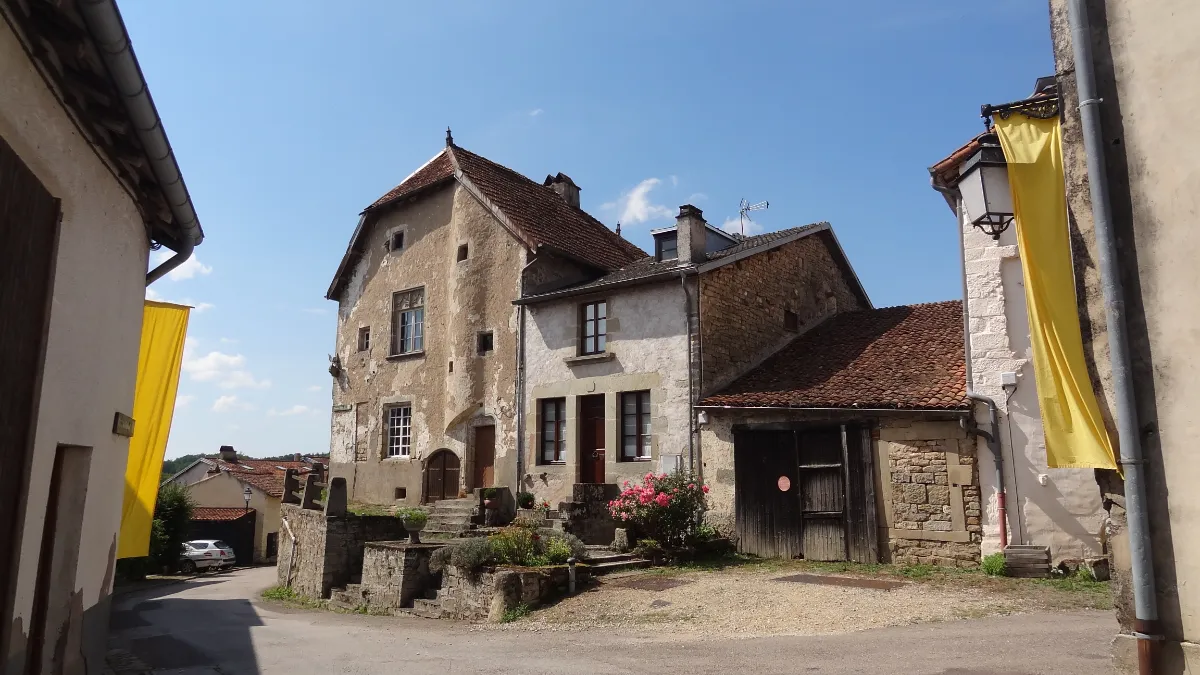
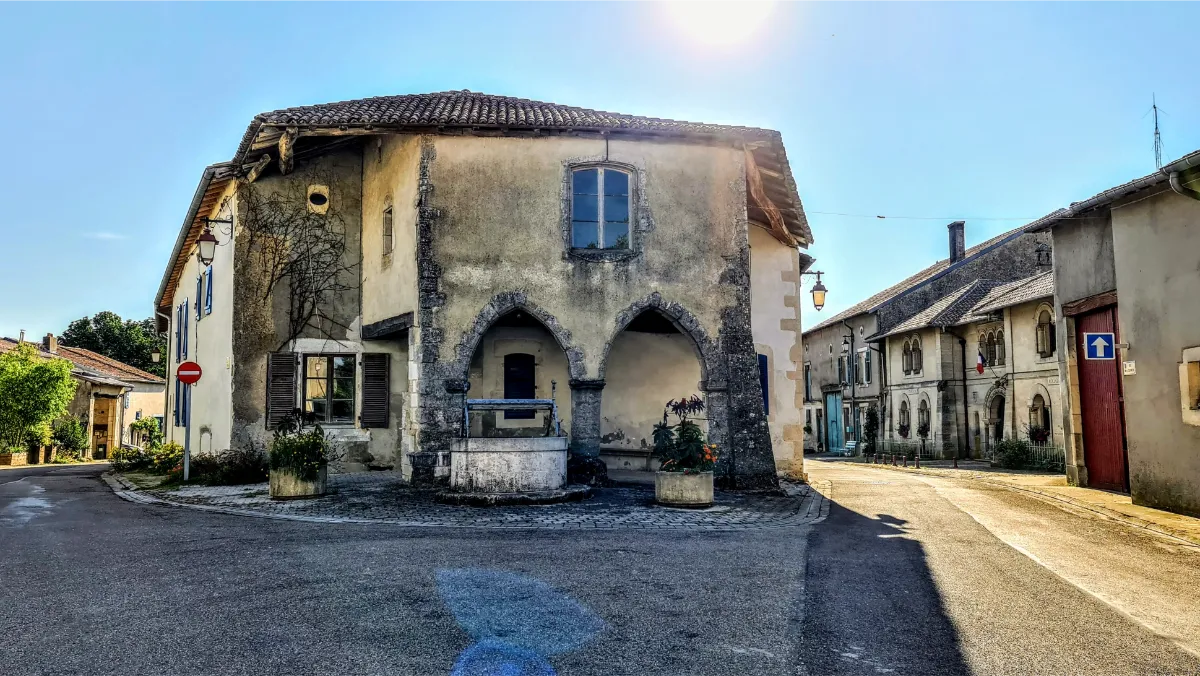
Set on a narrow ridge between two rivers, Châtillon-sur-Saône feels as though it’s been frozen in the Renaissance. Almost completely destroyed in the late 15th century, the village was rebuilt with handsome stone houses. Turrets, carved doorways and small courtyards now create a particularly charming setting to explore along its quiet streets.
The old fortifications are a reminder that this little town once occupied a strategic position. Some houses, abandoned for many years, have been carefully restored. Their façades reveal surprisingly elaborate architectural details for such a modest village, while the old streets still follow a layout shaped by centuries of history.