




Cannes can look like pure Riviera theater at first glance: red carpets, polished hotels, yachts, designer windows, and a waterfront made for slow strolling. Yet give the city one full day and another Cannes appears, one of old lanes, market stalls, fishing boats, sea views, sandy beaches, and a hilltop quarter that remembers the town before the movie stars arrived.
This Cannes 1 day itinerary shows you the essential sights without turning your visit into a race. The route is compact, mostly walkable, and easy to adapt, moving naturally from historic Cannes to the glamorous Croisette with room for lunch, the beach, shopping, or simply watching Mediterranean life drift past.
Cannes 1 Day Itinerary at a Glance
If you want the short version before diving into the details, follow this order:
- Morning: begin in Le Suquet, Cannes’ old town, for narrow streets, historic atmosphere, and some of the best views over the bay.
- Continue to Marché Forville, where the city feels more Provençal than cinematic and local food takes center stage.
- Walk through the Vieux Port to the Palais des Festivals, moving from fishing boats and pastel façades to Cannes’ famous red carpet.
- After lunch, follow La Croisette, the city’s essential seafront promenade lined with palms, beaches, grand hotels, and Mediterranean views.
- Choose between a beach break and Rue d’Antibes depending on whether you prefer sea and sand or shopping.
- Finish with sunset and dinner near the waterfront or Le Suquet, rather than squeezing another attraction into the day.
Use our Cannes tourist map for the center and French Riviera tourist map for the wider coast before you arrive there.
Morning: Explore Le Suquet and Marché Forville
Cannes makes more sense when you start with the part that existed before the palaces, film premieres, and luxury boutiques. Le Suquet rises just west of the port, its lanes climbing toward the old fortified heart. Old Cannes first, glamorous Cannes later is the most satisfying order.
That order also reveals Cannes before cinema and celebrity culture took over its image.
Start in Le Suquet, Cannes’ Old Town
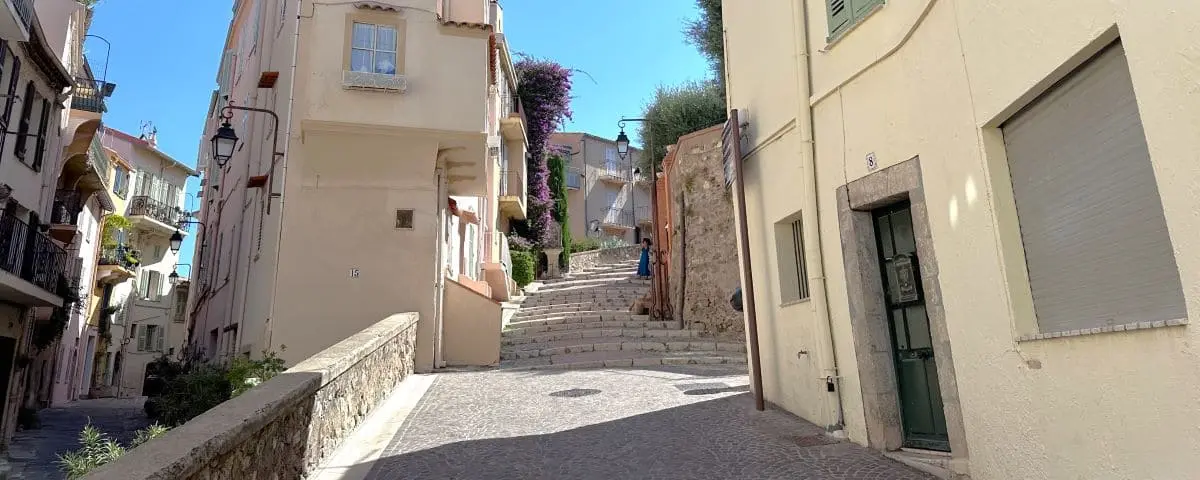
Follow the slope into Le Suquet and let the streets do the guiding. Rue Saint-Antoine is one natural approach, but the pleasure lies in wandering beyond the obvious route. Look for low houses, pale shutters, arched doorways, worn stone, and sudden openings toward the sea.
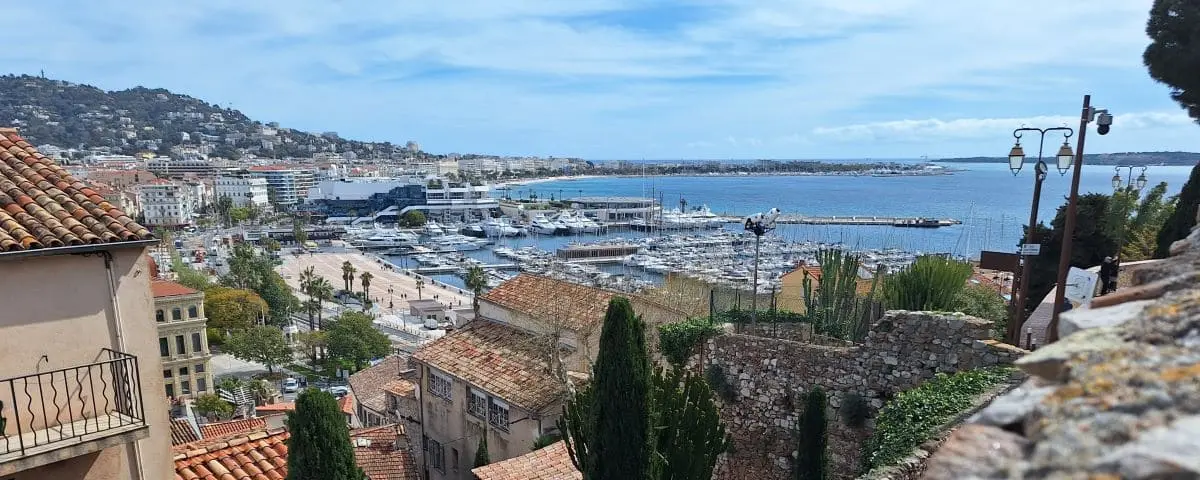
Higher up, the old quarter becomes quieter and the view widens. From around Place de la Castre and Notre-Dame d’Espérance, the Bay of Cannes spreads below, with the Vieux Port in the foreground and the Mediterranean beyond. It immediately explains the geography of the city.
Do not rush back down. Cannes is often consumed at Croisette speed, all polished façades and passing cars. Le Suquet rewards the opposite rhythm. Take the side lane, stop at a viewpoint, and notice how village-like the quarter can still feel.
For more ideas to combine with this route, see our guide to the best things to do in Cannes.
Browse Marché Forville

At the foot of Le Suquet, Marché Forville brings you straight into southern France. The stalls traditionally revolve around fruit, vegetables, fish, cheese, flowers, herbs, olives, and seasonal produce. The effect is colorful, fragrant, and refreshingly everyday.
This is where Cannes feels most Provençal. Instead of looking for movie stars, look at what locals are buying. A market visit also gives you clues for lunch: tomatoes in summer, citrus in cooler months, Mediterranean fish, local cheeses, tapenades, and other regional flavors.
Nearby Rue Meynadier continues the local mood with food shops and pedestrian bustle.
The market matters because it adds texture to a one-day itinerary. Without Forville, Cannes can feel like a beautiful stage; with it, the city gains a kitchen, a pantry, and a local pulse.
Late Morning: Walk the Vieux Port and See the Palais des Festivals
From the market, drift toward the sea. The next section is short on distance but rich in contrasts, which is exactly what makes Cannes easy to explore in a day.
The Vieux Port mixes fishing boats, yachts, waterfront façades, and Le Suquet behind them. Pause here rather than treating the port as a corridor.
Walk from the Vieux Port to the Famous Red Carpet
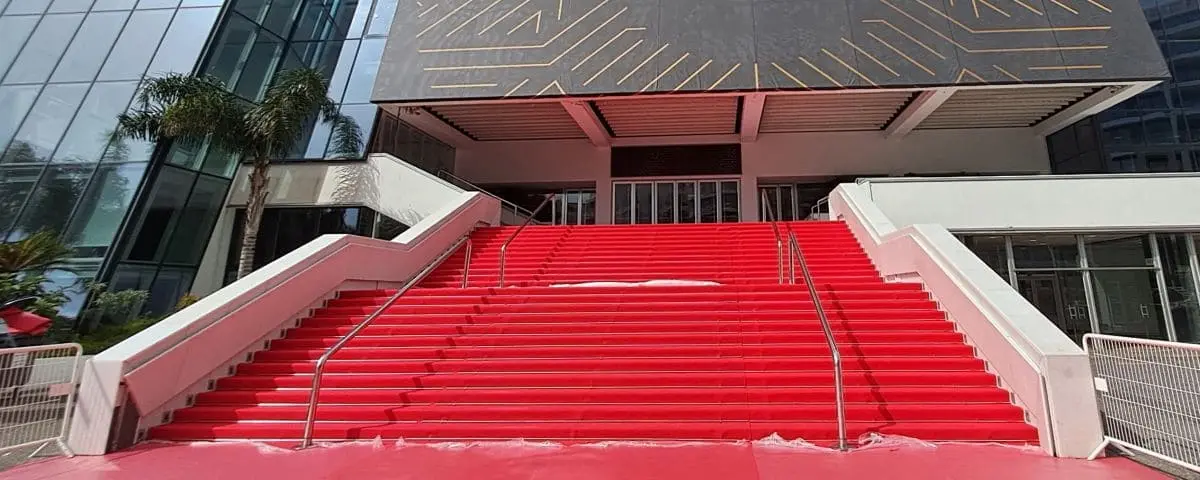
Continue along the waterfront toward the Palais des Festivals et des Congrès. Architecturally, the building may not be the prettiest sight in Cannes, but symbolically it is unavoidable. This is where the Cannes Film Festival turns the city into a center of the cinema world each spring.
Outside, the famous steps and red carpet provide the inevitable photo stop. Around the complex, look for celebrity handprints and reminders of the city’s relationship with film. You do not need to be a cinema obsessive to enjoy the theatrical change from old port to global glamour.
This transition is why we prefer a walking itinerary. In minutes, Cannes shifts from historic lanes and market stalls to superyachts, festival imagery, and luxury storefronts. The distances are small enough that using a car for the central route adds inconvenience rather than freedom.
If you are still deciding whether the city belongs in your Riviera plans, our guide on whether Cannes is worth visiting explores the question in more depth.
Lunch: Where to Eat During One Day in Cannes
Lunch is where many one-day itineraries go wrong. A long formal meal can swallow a large part of the day, while grabbing the first option beside the busiest tourist strip can feel like a missed opportunity.
For a balanced Cannes day trip, choose location over prestige at lunchtime. Around Forville and Le Suquet, you get a stronger old-town atmosphere and easy access to Provençal and Mediterranean flavors. Around the port and central streets, you gain convenience before continuing toward La Croisette.
Choose seasonal vegetables, fish, seafood, salads, or a market snack if you want to save time for dinner.
We would not cross the city for a single famous restaurant during a one-day visit. The best lunch here is the one that tastes of the region and keeps the route flowing.
Afternoon: Walk La Croisette and Enjoy the Cannes Seafront
Now comes the Cannes everyone recognizes. Boulevard de la Croisette curves along the bay between the city and the Mediterranean, with palm trees, sandy beaches, luxury hotels, gardens, boutiques, and sea views creating the classic Riviera tableau.
Yes, it is polished and theatrical. That is part of the point. A first day in Cannes would be incomplete without walking a substantial stretch of La Croisette.
Stroll Along La Croisette
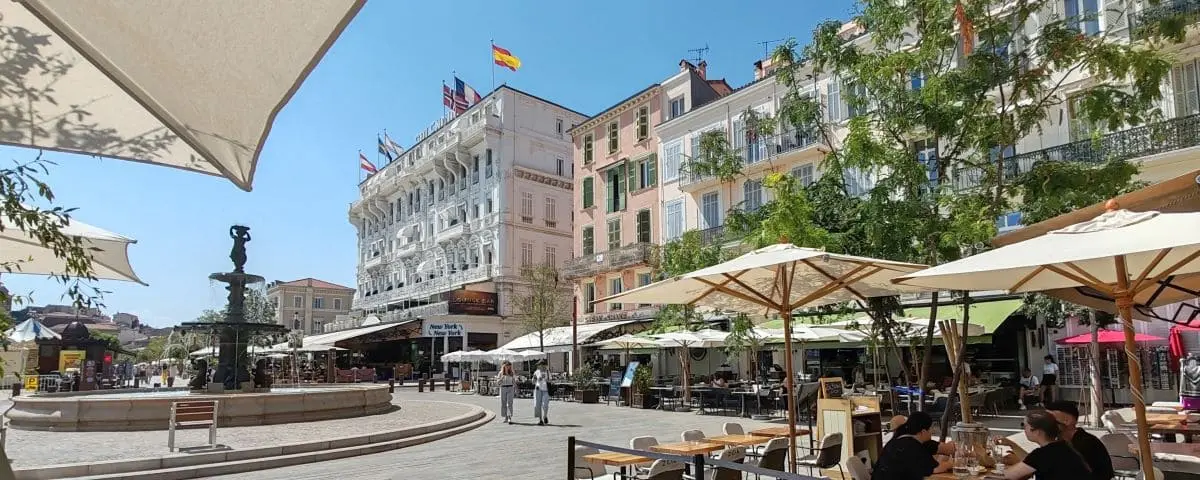
Begin near the Palais des Festivals and follow the water. On one side are beaches and the bay; on the other, grand hotels and luxury addresses associated with Cannes’ international reputation. The Carlton is among the best-known landmarks, but the pleasure is less about ticking off buildings than absorbing the scene.
Farther from the center, the promenade opens toward Port Canto and broader views, with the Lérins Islands offshore.
Do not mistake walking La Croisette for merely looking at expensive hotels. The sea, palms, light, public promenade, and people-watching are the real attraction. You can enjoy the atmosphere without spending more than the price of a coffee.
If you are comparing Riviera bases, our guides to Nice or Cannes, Cannes or Antibes, and Cannes or Monaco explain how these destinations differ.
Choose Between the Beach and Rue d’Antibes
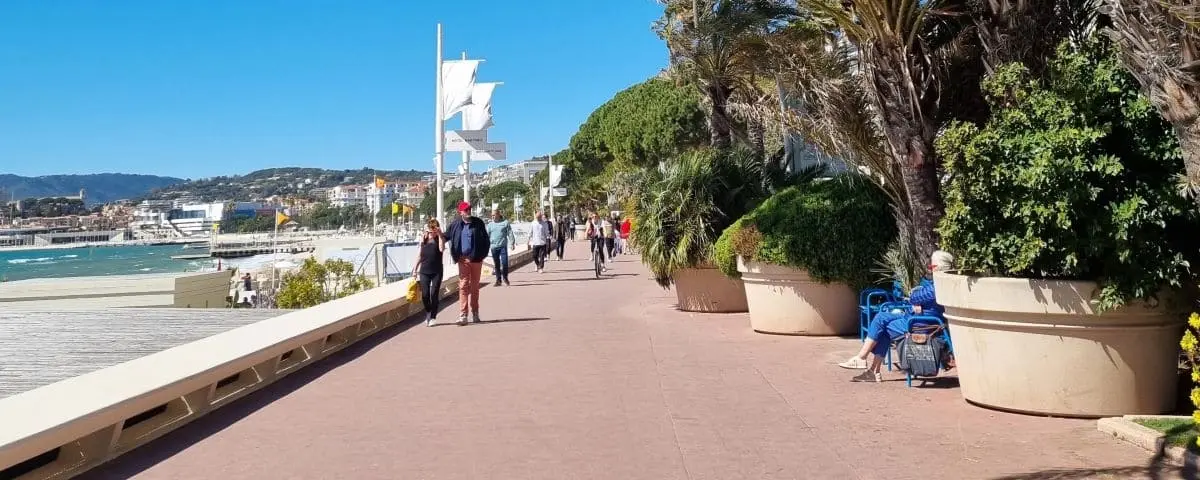
At this point, make a choice rather than trying to do everything. The afternoon works best when you choose either beach time or shopping time.
In warm weather, the beach is the obvious Riviera pleasure. Cannes is unusual among major Côte d’Azur cities in having sandy beaches directly beside the center. Some stretches are private beach clubs, while public sections let you sit by the Mediterranean without turning the stop into an expensive event.
If swimming is not your priority, head inland toward Rue d’Antibes, the city’s main shopping artery. It mixes familiar brands with more upscale boutiques and offers a different perspective from the waterfront. Smaller surrounding streets can be more interesting if you enjoy browsing without a fixed target.
In winter, a long seaside walk, café terrace, market visit, and old-town exploration can be more appealing than the beach itself. Our guide to the French Riviera in winter explains why the coast still works well outside summer.
Evening: End Your Day in Cannes with Sunset and Dinner
By evening, resist the urge to add another museum, neighborhood, or excursion. Cannes is at its best when the final part of the day slows down.
For sunset, return toward the waterfront, the Vieux Port, or a viewpoint around Le Suquet. The old town gains extra charm as the light softens and restaurant terraces begin to fill. Looking over the port toward the waterfront is a fitting final image of the city.
Dinner can stay casual or become the splurge of the day. Le Suquet suits travelers who want narrow streets and an intimate atmosphere. The central waterfront offers more spectacle and easy people-watching. Somewhere between the two lies the ideal Cannes evening: Mediterranean food, a terrace, and nowhere else to rush.
If your wider Riviera trip includes another glamorous stop, compare Cannes or Saint-Tropez before assuming the two offer the same experience. They share sunshine and celebrity mythology, but their rhythm and geography differ.
Should You Visit the Lérins Islands on a One-Day Cannes Itinerary?
The Lérins Islands are one of Cannes’ greatest escapes. Just offshore, they replace traffic and boutiques with pine trees, rocky coves, walking paths, clear water, history, and a quieter Mediterranean mood.
But the decision is simple: do not add the islands on top of the complete city itinerary. On a one-day visit, that usually creates a rushed schedule in which neither Cannes nor the islands gets enough attention.
When to Swap the Afternoon for Île Sainte-Marguerite
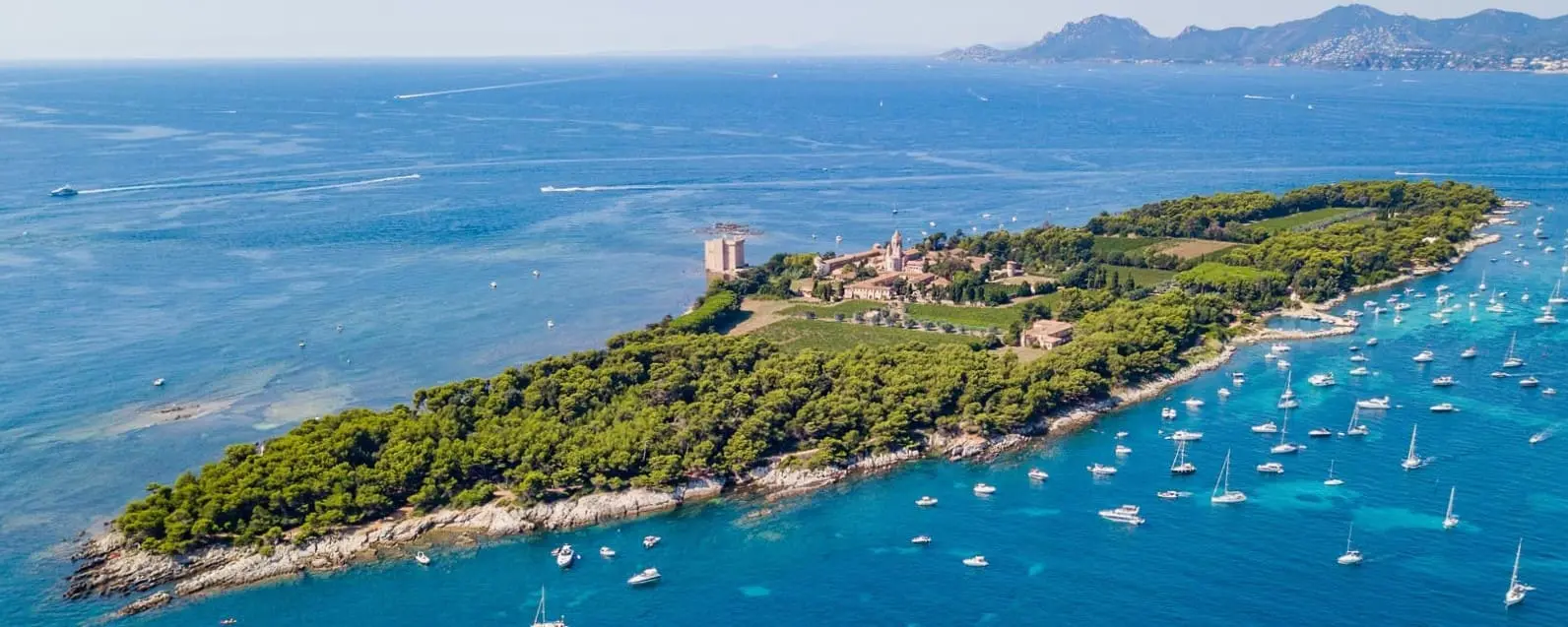
Choose Île Sainte-Marguerite if nature, swimming, coastal walking, and a boat ride matter more than shopping or a long afternoon on La Croisette. The island is the larger of the main Lérins pair and is known for wooded paths and Fort Royal.
Saint-Honorat has another personality, shaped by monastic history and a working religious community. For most first-time day trippers, Sainte-Marguerite is the simpler alternative when the goal is an accessible taste of island scenery.
The smartest compromise is to keep Le Suquet, Forville, the Vieux Port, and the Palais des Festivals in the morning, then replace most of the Croisette afternoon with an island trip. Check ferry schedules before committing, especially outside peak season.
If Cannes is one stop in a larger journey, our French Riviera travel guide can help you decide where island time fits best.
How to Plan Your Cannes Day Trip
A good Cannes day trip needs little logistics because the essential city center is compact. The biggest decisions are when to arrive, whether to include the islands, and how much of the afternoon to devote to the beach.
How to Get to Cannes from Nice
For most visitors staying in Nice, the train is the simplest way to reach Cannes for the day. Direct regional trains connect the Riviera coast, and Cannes station sits within walking distance of the central sights.
Arriving by train also avoids parking and city traffic. Once outside the station, head toward Le Suquet and Forville to begin the route, then finish near La Croisette before returning.
Driving can make sense if Cannes is part of a wider road trip, especially if you are continuing into less rail-friendly parts of the region. For a simple Nice-to-Cannes day trip, however, the train usually keeps the day cleaner and more relaxed.
How to Get Around Cannes and the Best Time to Visit
Central Cannes is a walking city for this itinerary. Le Suquet, Forville, the port, Palais des Festivals, Croisette, and Rue d’Antibes all sit within a manageable central area. Comfortable shoes matter more than transport planning.
Summer brings classic beach atmosphere, but also stronger heat and heavier crowds. Spring and early autumn often provide an appealing balance for walking and outdoor meals. Winter is quieter and can be pleasant on bright Mediterranean days.
Major events can transform prices, traffic, security zones, and the city’s rhythm. If sightseeing matters more than spectacle, check the local event calendar before booking. A normal day in Cannes is easier to navigate than Cannes at full festival intensity.
Is One Day Enough for Cannes?
Yes, one day is enough to understand the essential character of Cannes. You can see Le Suquet, Marché Forville, the Vieux Port, Palais des Festivals, and La Croisette without spending the day in transit.
What one day does not allow is depth everywhere. Choose between a fuller city experience and a substantial Lérins Islands excursion. Trying to combine every beach, museum, shopping street, viewpoint, and island creates a checklist rather than a satisfying visit.
For first-time visitors, we prefer the city-focused itinerary above. It gives you the strongest contrast between historic Cannes and Riviera glamour, which makes the destination more interesting than its stereotypes suggest.
FAQ About Spending One Day in Cannes
Can You See Cannes in Half a Day?
Yes, but you need to be selective. For half a day, prioritize Le Suquet, the Vieux Port, the Palais des Festivals, and a short walk on La Croisette. Add Marché Forville when your timing matches the market and skip the Lérins Islands.
A half-day visit works well as part of a train-based Riviera itinerary, but it will feel more observational than immersive. You will see the famous faces of Cannes without much time for the beach, a long lunch, or spontaneous detours.
If you can choose, a full day is better because it lets the city breathe. Cannes is compact, but its pleasures are often slow ones: a market browse, a harbor pause, a terrace, a swim, or a view over the bay.
Do You Need a Car to Visit Cannes?
No. For the itinerary in this guide, a car is unnecessary and can become a burden. The main sights are concentrated around the center, and the train station is well positioned for visitors arriving from other Riviera towns.
Walking also lets you appreciate the transitions that define Cannes. You notice the climb into Le Suquet, the market streets, the harbor edge, and the sudden arrival of the Croisette in a way that disappears when moving between parking garages.
A car becomes useful when Cannes is part of a broader itinerary involving inland villages, remote beaches, or routes beyond the rail corridor. Inside central Cannes, leave it parked and use your feet.
Cannes 1 Day Itinerary: Final Tips
Cannes is easy to caricature as a playground of film stars and luxury hotels. Spend a full day walking it and the picture becomes more balanced. There is glamour, certainly, but also old stones, market produce, fishing boats, beach sand, island pines, and a Mediterranean horizon that asks you to stop looking at the clock.
For a successful visit, keep these final decisions in mind:
- Start with Le Suquet and Forville so your first impression is historic and local rather than purely glamorous.
- Walk the route instead of using a car, because the central sights are close and the transitions are part of the experience.
- Treat the Croisette as a seaside promenade, not a shopping obligation, and enjoy the palms, beaches, architecture, and bay at your own pace.
- Choose beach time or shopping rather than forcing both, especially if you enjoy slow lunches or photo stops.
- Make the Lérins Islands an alternative afternoon, not an extra box to tick after a full city itinerary.
- Leave room for spontaneity, because Cannes is better when there is time for a terrace, swim, market snack, or unexpected side street.
That balance is the secret to one perfect day in Cannes. See the icons, but do not let the icons hurry you. The city is small enough to explore efficiently and varied enough to reward anyone who looks beyond the red carpet.