




Winter changes the French Riviera. The beaches empty, café terraces belong to locals again, the light becomes wonderfully crisp, and snow-covered Alpine peaks can appear behind a sparkling Mediterranean.
Forget the idea that the Côte d’Azur closes when summer ends. Winter is one of the most rewarding seasons for discovering the French Riviera at a slower, more authentic pace, provided you know where to go and what to expect.
Visiting the French Riviera in Winter
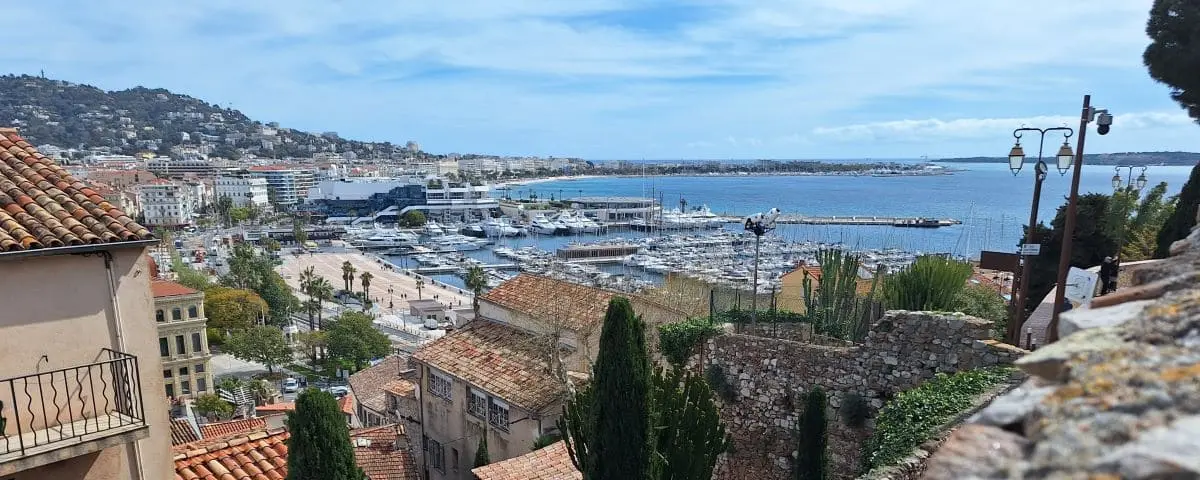
- Yes, the French Riviera is worth visiting in winter, especially for culture, coastal walks, food, villages and uncrowded sightseeing.
- Expect mild days rather than beach weather, generally around 12 to 16°C (54 to 61°F) along the coast.
- Nice is the easiest winter base, thanks to its restaurants, museums, transport connections and year-round city life.
- Menton is one of our favorite winter destinations, combining a sheltered climate, citrus trees, gardens and February festivities.
- January and February bring mimosa season, turning parts of the Var and the hills west of Cannes bright yellow.
- You can combine the Mediterranean and the snow, with Alpine ski resorts accessible from the coast.
- December is best for Christmas atmosphere, January for peace and quiet, and February for major festivals.
- Check seasonal opening days before visiting smaller resorts, since some businesses reduce their hours outside the main tourist season.
For a broader introduction to the region before planning your winter route, see our French Riviera travel guide.
Is the French Riviera Worth Visiting in Winter?
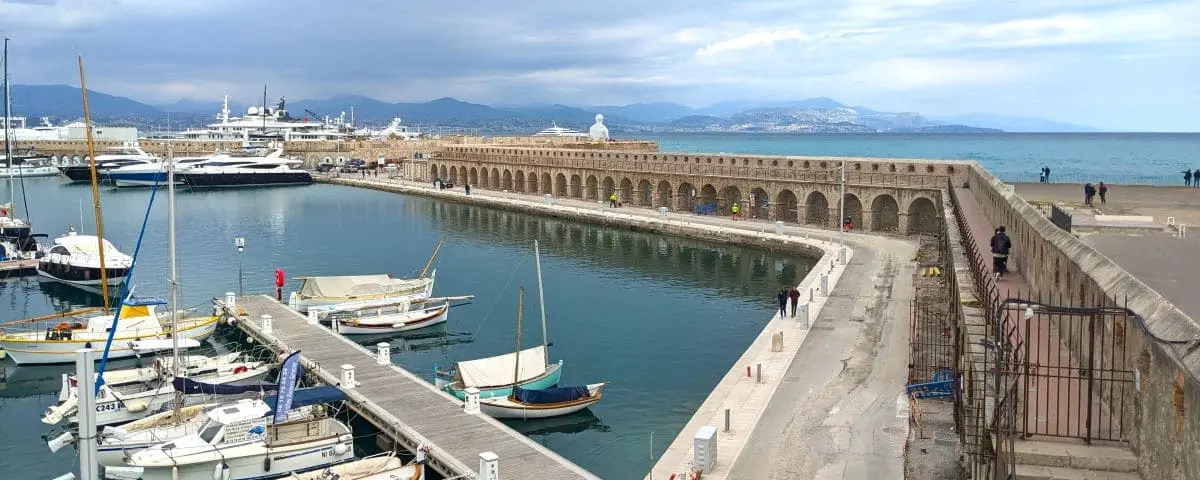
Absolutely, but the experience is very different from July and August. Winter is not about beach clubs, warm sea and long evenings in a swimsuit. It is about light, landscapes, culture, food and having some of France’s most famous Mediterranean towns almost to yourself.
Why Winter Is One of the Quietest Times to Visit the Côte d’Azur
The greatest luxury is space. Nice remains lively, but walk through Antibes early in the morning, follow the seafront at Menton or climb the lanes of Èze on a weekday and you may wonder where everybody went.
Winter removes much of the pressure that can make the Riviera exhausting in summer. Parking is generally easier, restaurant reservations are less competitive, museums are calmer, and famous viewpoints feel like places rather than photo queues.
Prices can also soften outside Christmas, New Year and major festivals. You may find better-value accommodation in towns where summer rates can be formidable.
Then there is the light. Artists came south for it, and winter often shows it at its clearest: pale stone, deep blue sea, red Estérel rock and, on the right day, a white Alpine skyline in the distance.
The Downsides of Visiting the French Riviera in Winter
This is still the Mediterranean, but it is not permanently warm. You need to come expecting a mild European winter, not guaranteed T-shirt weather. Sunny afternoons can feel wonderfully soft, while mornings, evenings and windy days may be distinctly cold.
Seasonal closures are the second compromise. Some beach restaurants, hotels, boat excursions and businesses in highly seasonal resorts shut for several weeks.
Saint-Tropez, for example, becomes wonderfully peaceful but considerably sleepier. Cannes and Antibes retain more life, while Nice is the safest choice if you want restaurants, museums and urban energy every day.
The shorter daylight hours also matter when planning excursions. This is a season for choosing two or three good experiences per day rather than racing along the coast.
What Is the Weather Like on the French Riviera in Winter?
The French Riviera has a Mediterranean climate, protected in places by hills and mountains rising rapidly behind the coast. Winters are relatively mild, with plenty of bright days, although rain, cold snaps and wind remain possible.
Average Winter Temperatures on the French Riviera
Along the coast, winter daytime temperatures usually sit roughly between 12 and 16°C (54 and 61°F). Nights are cooler, often around 5 to 9°C (41 to 48°F), depending on the town, altitude and weather pattern.
December is generally mild, with daytime temperatures frequently around 13 to 15°C (55 to 59°F). January tends to be the coolest month, often around 12 to 14°C (54 to 57°F) during the day. By February, afternoons can again reach around 14 to 16°C (57 to 61°F).
These are useful averages, not promises. A sheltered terrace in Menton can feel surprisingly warm in sunshine, while a windy promenade in Nice may have you reaching quickly for your scarf.
Sunshine, Rain and Daylight Hours in Winter
The attraction of the Côte d’Azur has always been partly climatic. Even in winter, clear skies and strong Mediterranean light are common enough to shape the entire experience.
Rain tends to arrive in episodes rather than as endless drizzle. A wet day can be properly wet, particularly during Mediterranean weather systems, but long grey sequences are less characteristic than in many parts of northern Europe.
December also brings the shortest days, so start outdoor excursions early. By February, increasing daylight makes longer coastal walks and inland day trips easier.
Sunglasses belong in the winter suitcase. So does sunscreen if you plan long hikes, particularly at altitude.
Does It Snow on the French Riviera?
On the immediate coastline, snow is unusual. In the mountains behind it, snow is a completely different story.
One of the Riviera’s great winter tricks is the speed with which the Mediterranean turns into the Alps. The high valleys of the Alpes-Maritimes host proper winter resorts, while snow-covered summits can sometimes be seen from the coast.
This geographical contrast is part of what makes winter here so special. You can drink coffee beside palm trees in the morning and find yourself surrounded by snow later that day.
Can You Swim in the French Riviera in Winter?
Technically, yes. Comfortably, that depends very much on you.
The Mediterranean generally falls to roughly 13 to 15°C (55 to 59°F) during winter, which is cold for ordinary recreational swimming. You will nevertheless see committed locals taking quick dips from Nice to Menton.
For most visitors, winter beaches are better for walking, reading in the sun and picnicking than swimming. Come for the sea views rather than a conventional beach holiday. If swimming matters, choose a hotel with a heated indoor or outdoor pool.
Best Places to Visit on the French Riviera in Winter
The best winter destinations are not necessarily the same as the best summer resorts. We favor places with year-round life, interesting architecture, museums, markets and good transport connections.
Browse our French Riviera cities and towns overview if you want to compare more destinations before choosing your bases.
Nice: The Best Base for a Winter Trip

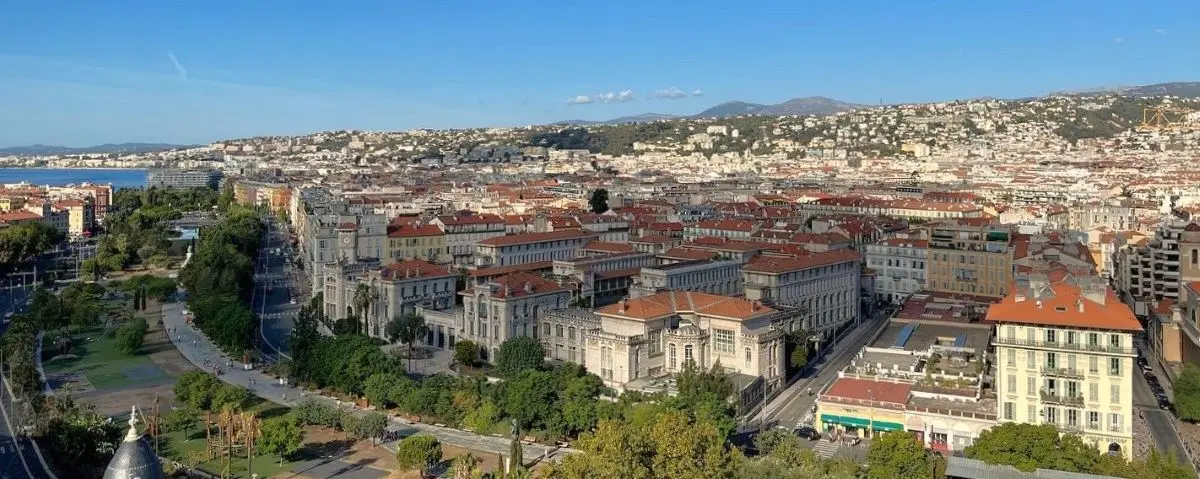
If this is your first winter trip, Nice is our most practical base on the French Riviera. It has the airport, excellent rail connections, museums, a large restaurant scene and enough local life to resist the seasonal slowdown.
Walk the Promenade des Anglais when the low winter sun catches the sea, then disappear into the ochre, yellow and red streets of Vieux Nice. The Cours Saleya market provides color even when the beaches feel decidedly wintry.
Museums give you an excellent bad-weather backup, while Cimiez, Castle Hill and the port suit sunnier days.
Nice also makes day trips remarkably easy. Monaco, Menton, Villefranche-sur-Mer, Antibes and Cannes are all accessible by train. Read our detailed guide on whether Nice is worth visiting for more ideas.
Menton: Citrus, Gardens and a Mild Winter Climate
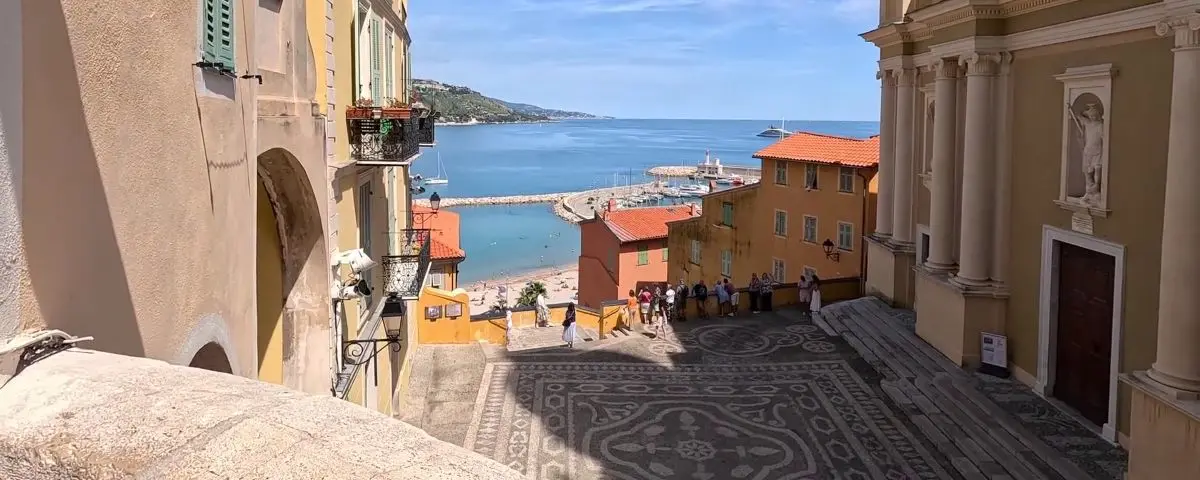
Tucked beside the Italian border with mountains rising behind it, Menton has long been associated with winter escapes. Its old town tumbles toward the Mediterranean in a gorgeous stack of pastel façades and terracotta roofs.
Menton is particularly appealing from January into February, when citrus fruits and winter festivities give the town an identity that has nothing to do with summer beaches.
Climb toward the Basilica of Saint-Michel, wander through the old streets, visit its remarkable gardens and stop at the market. On a bright afternoon, sitting outside with the sea in front of you can feel like cheating winter.
For a closer look at the destination, read is Menton worth visiting?.
Villefranche-sur-Mer, Saint-Jean-Cap-Ferrat and Èze
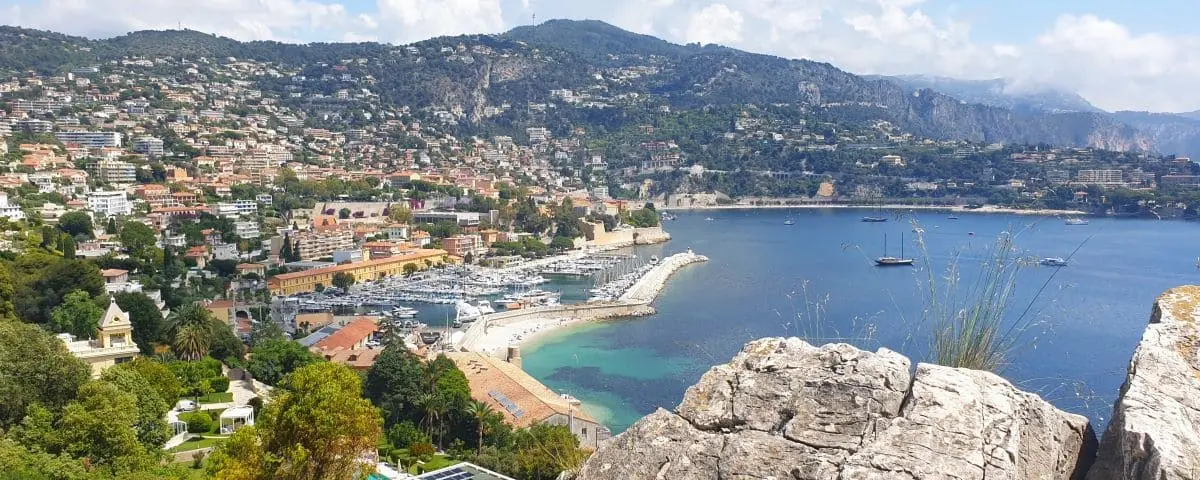
These three places create one of the finest winter clusters east of Nice.
Villefranche-sur-Mer is perfect for a slow lunch and a waterfront wander, especially when the summer crowds have vanished. Its deep bay seems even more theatrical under clear winter light.
Saint-Jean-Cap-Ferrat is made for walking. Follow sections of the coastal path, admire villas through the greenery and visit Villa Ephrussi de Rothschild when opening schedules allow.
Èze offers a completely different mood. Its steep medieval lanes climb toward a dramatic viewpoint above the Mediterranean. Winter makes the village easier to appreciate, though sunny weekends can still attract visitors.
Antibes and Cannes Without the Summer Crowds
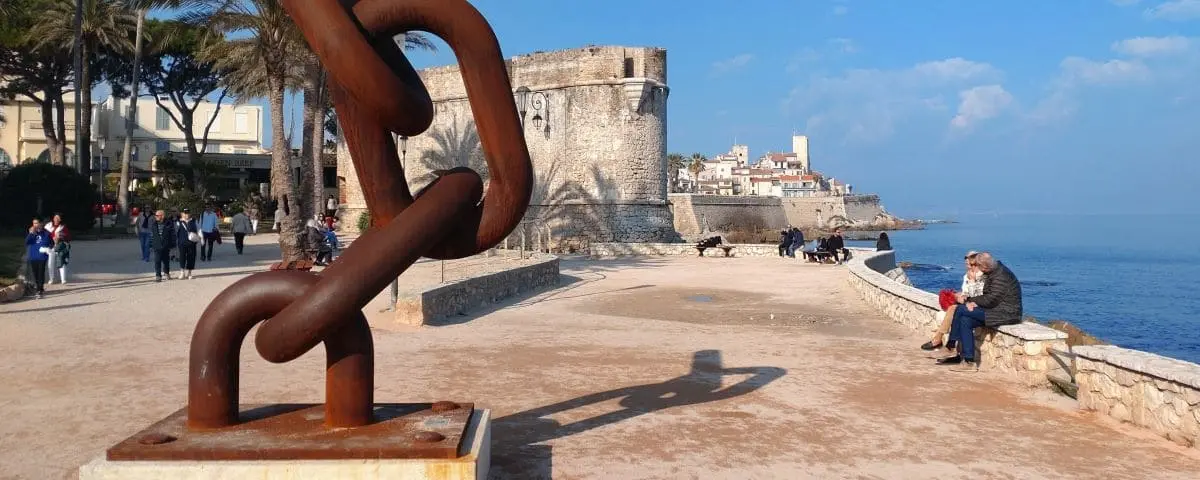
Antibes is a strong winter choice because its old town has substance beyond the beach season. The ramparts, Provençal market, Picasso Museum and lanes around the cathedral reward an unhurried day.
Antibes feels particularly natural outside summer, when its streets recover something of their everyday rhythm. Our Antibes guide explains what makes it worth adding to an itinerary.
Cannes offers a different pleasure. Walk La Croisette without midsummer heat, explore Le Suquet and look toward the Lérins Islands. The city remains polished and urban even in winter.
If you are deciding whether to devote a full day to it, see is Cannes worth visiting?.
Monaco and Roquebrune-Cap-Martin
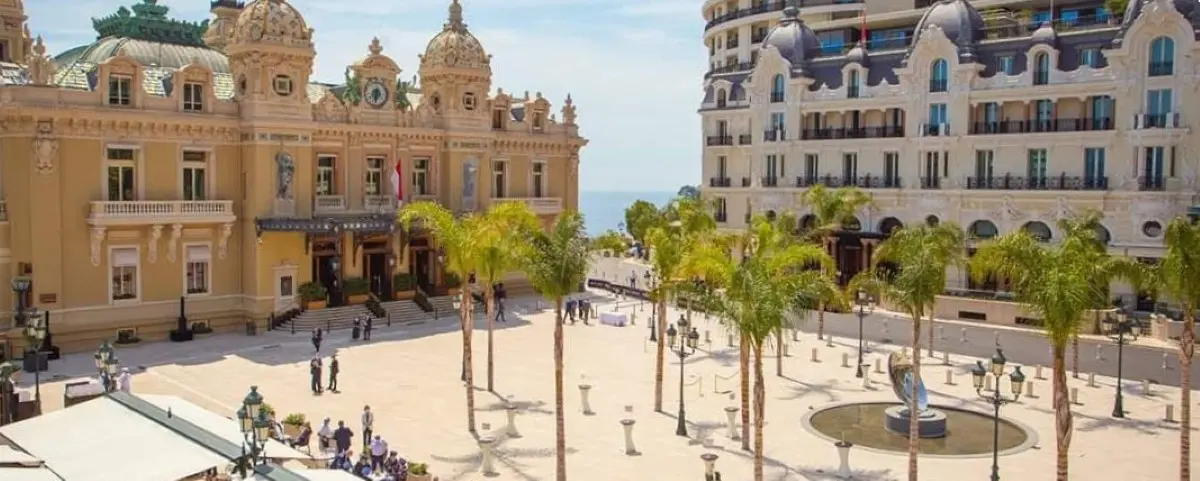
Winter suits Monaco surprisingly well. The Principality’s museums, gardens, architecture and old town are easier to explore when the temperature is comfortable and visitor numbers are lower.
Go beyond Casino Square and give Monaco time on foot. Monaco-Ville, the Oceanographic Museum, the harbor and the streets around La Condamine reveal more personality than a quick luxury-photo stop.
Our guide to whether Monaco is worth visiting can help you decide how long to stay.
Nearby Roquebrune-Cap-Martin provides the quieter counterpoint, with a perched medieval village above and superb coastal scenery below.
Saint-Tropez and the Western French Riviera in the Off-Season
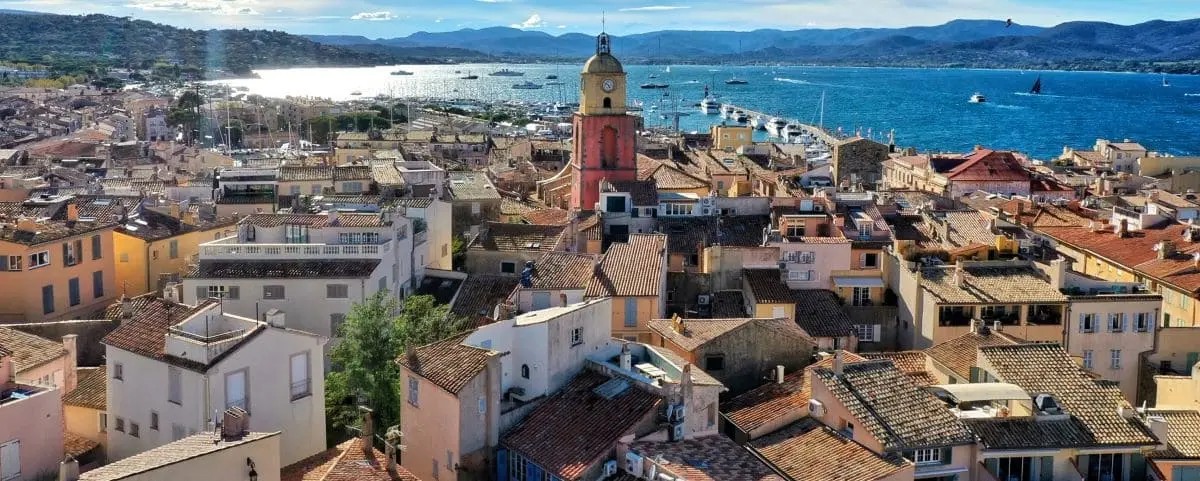
Saint-Tropez without the summer spectacle can be delightful. Its lanes, little squares, old port and citadel become easier to see as a genuine Provençal settlement.
But winter Saint-Tropez is best for travelers who appreciate quiet places, because some hotels, restaurants and businesses close seasonally.
Farther west, Bormes-les-Mimosas becomes especially interesting in winter. January and February bring the yellow explosion of mimosa blossom, while the old village is far calmer than in high season.
If you are building a wider road trip, our French Riviera tourist map will help you visualize the distances.
Best Things to Do on the French Riviera in Winter
Winter favors active sightseeing. Temperatures are comfortable for walking, museums are quieter and landscapes become the star of the trip.
For year-round inspiration, you can also explore our guide to the best things to do on the French Riviera.
Walk the Coastal Paths and Seafront Promenades
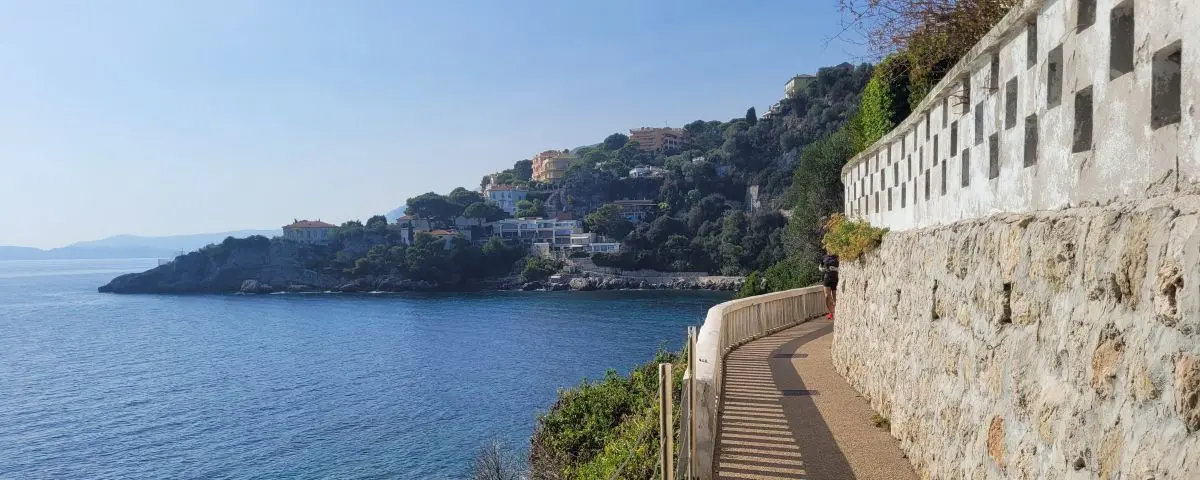
This is one of winter’s greatest pleasures. Cooler temperatures make the Riviera’s coastal paths far more enjoyable than during the hottest summer weeks.
Walk around Cap-Ferrat, follow seafront sections around Cap d’Antibes, explore the dramatic coast near the Estérel or simply stroll the promenades of Nice and Menton.
Check conditions before committing to exposed coastal paths. Strong wind, rough seas or recent storms can make some sections unsafe or temporarily inaccessible.
Good shoes matter more than people expect. Riviera does not always mean flat: rocky paths, stairs and sudden climbs are part of the package.
Explore Museums, Villas and Art Collections
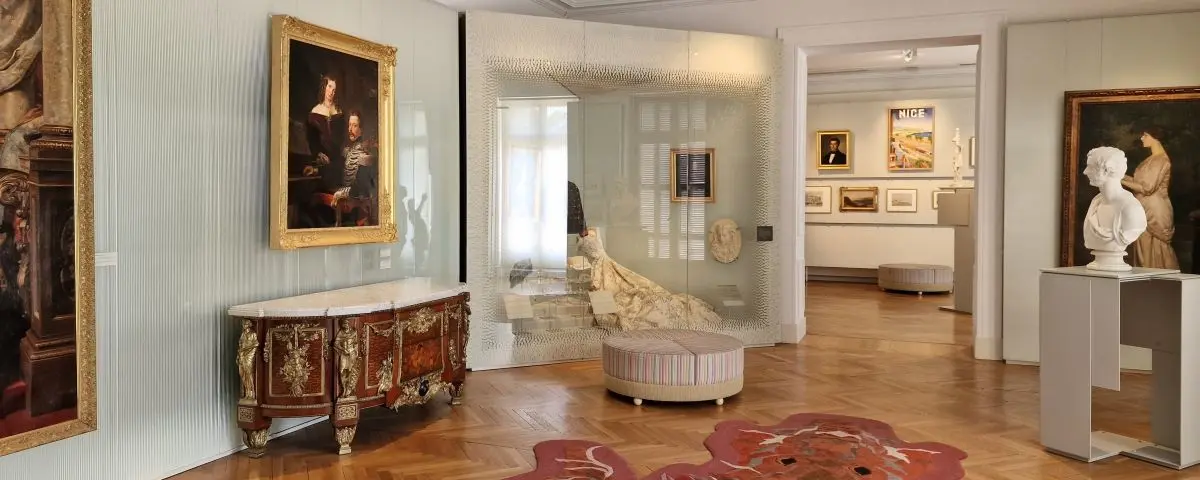
Picasso, Matisse, Chagall and many others were seduced by the region’s light. Winter is an excellent time to understand why.
Build at least one cultural stop into every two or three days, both for variety and as protection against unpredictable weather.
Nice has major art collections, Antibes offers the Picasso Museum in a magnificent seaside setting, and Saint-Paul-de-Vence pairs medieval lanes with the Fondation Maeght nearby.
Historic villas around Cap-Ferrat, Beaulieu-sur-Mer and Roquebrune-Cap-Martin add architecture, gardens and stories of the Riviera’s wealthy winter residents.
See the Mimosa in Bloom
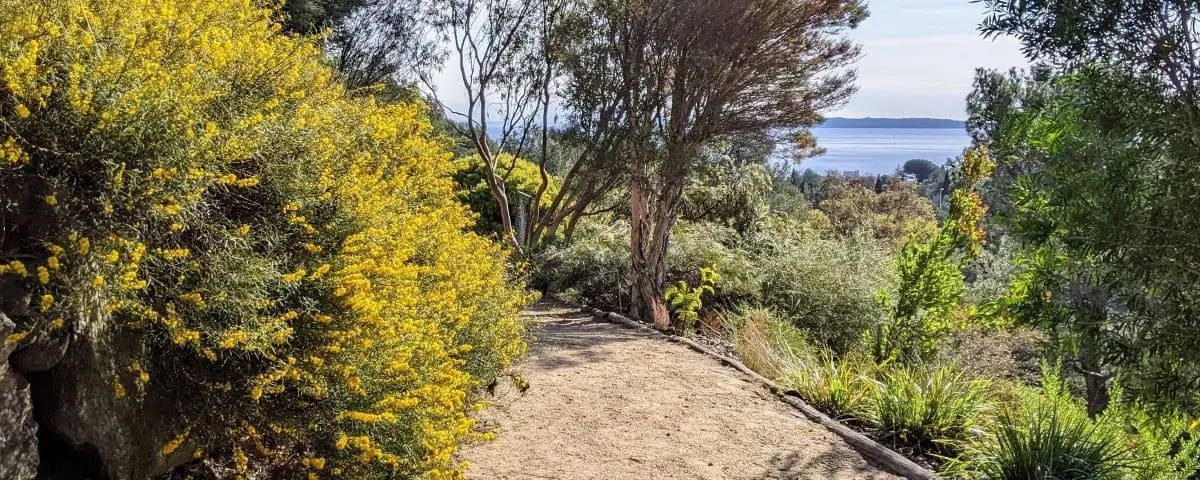
Here winter suddenly turns bright yellow.
Mimosa flowers across parts of the Var and Alpes-Maritimes, generally becoming particularly impressive in January and February. Bormes-les-Mimosas, Tanneron and the hills around Mandelieu-la-Napoule are among the classic areas.
Mimosa season is one of the strongest reasons to choose late winter rather than December. The color is spectacular, but the perfume is just as memorable.
Driving gives you the greatest freedom for exploring the western mimosa country. Stop in villages, take short walks and avoid treating the experience as a simple point-to-point race.
Experience the Nice Carnival and Menton Lemon Festival
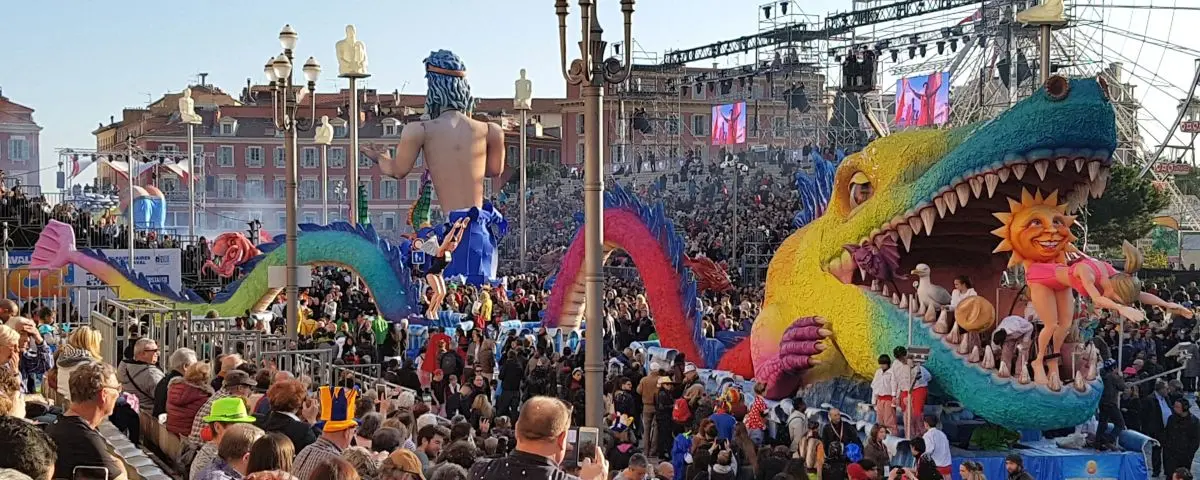
February changes the atmosphere completely.
Nice Carnival fills the city with parades, elaborate floats and celebrations, while Menton’s famous Lemon Festival transforms citrus fruit into enormous decorative displays and processions.
February is the liveliest winter month on the eastern French Riviera. It is therefore less peaceful than January, but considerably richer in events.
Dates change each year, so confirm the official program before booking. Hotels can also become more expensive during major festival weekends.
Visit Markets and Try Côte d’Azur Winter Food

Winter is an excellent season to concentrate on flavor rather than beach time. Market stalls still provide olives, cheeses, vegetables, citrus fruit and Provençal specialties.
In Nice, try socca hot from the oven, pissaladière and a proper pan bagnat. Around Menton, lemons naturally take center stage.
Choose restaurants cooking with the season instead of hunting for a generic Mediterranean summer menu. Slow-cooked dishes, seafood, local olive oil and market vegetables all make more sense when the evening air turns cool.
And if the sun appears at lunchtime, take the table outside. Few winter pleasures beat eating on a Mediterranean terrace while friends back home are scraping ice from a windshield.
Take a Winter Day Trip to a Hilltop Village
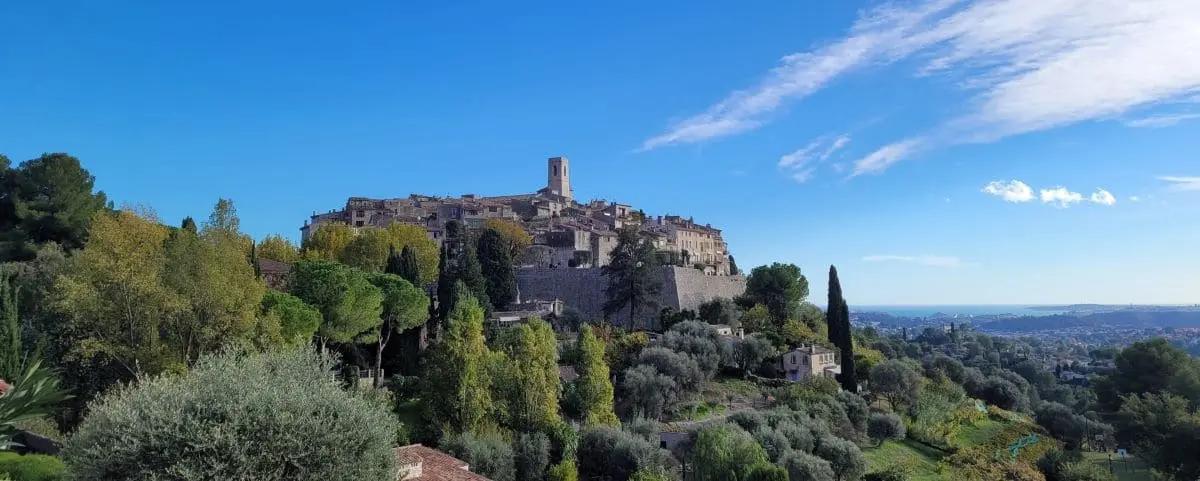
The Riviera’s perched villages are transformed outside summer. Stone lanes become quiet, views clearer and walking more comfortable.
Èze and Saint-Paul-de-Vence are the famous names, but the hinterland contains many alternatives. Gourdon dominates an extraordinary panorama, while villages in the Pays de Grasse and inland Var provide a gentler version of Provence.
Winter is the season to slow down and choose one village well rather than collecting five in a day.
For more possibilities, explore our guide to the best French Riviera villages.
Go Skiing in the Alps Near the Mediterranean
Yes, skiing belongs in a French Riviera winter guide.
The mountains rise fast behind Nice, with resorts such as Isola 2000 and La Colmiane offering winter sports in the Alpes-Maritimes. Isola 2000 is roughly 1.5 hours from Nice by road in favorable conditions.
Few destinations let you combine palm trees, Mediterranean sea views and a genuine ski day so easily.
You do not even have to ski. Snowshoeing, mountain lunches and simply seeing the snowy Mercantour make an excellent contrast to several days on the coast.
Road conditions matter in winter, and mountain equipment requirements can apply. Check forecasts and access conditions before leaving the coast.
French Riviera in December, January or February: Which Month Is Best?
There is no single best winter month. The right choice depends on whether you prioritize Christmas atmosphere, low crowds, flowering landscapes or festivals.
French Riviera in December: Christmas Atmosphere and Festive Lights
December brings decorated streets, Christmas markets and festive lights to the larger towns.
Choose December if you want winter atmosphere without giving up the Mediterranean setting. Nice is particularly convenient because there is plenty to do even on short or rainy days.
Daylight is limited, however, and the period around Christmas and New Year can be more expensive than early December.
For a relaxed trip, combine Nice with easy train excursions rather than attempting a large road trip in the shortest days of the year.
French Riviera in January: Quiet Streets and Mimosa Season
For pure tranquility, January is hard to beat.
January is our choice for travelers who want the Riviera at its quietest. Hotels may offer good value, famous old towns are peaceful and the first strong displays of mimosa brighten parts of the western coast and hinterland.
The compromise is atmosphere. Highly seasonal resorts can feel sleepy, and some restaurants or attractions take annual breaks.
Base yourself in a year-round town such as Nice or Menton, then make excursions from there.
French Riviera in February: Carnival, Lemons and Winter Sunshine
February is when winter starts making noise.
Nice Carnival, Menton’s citrus celebrations and widespread mimosa flowering create a calendar that feels surprisingly full.
Choose February for the best combination of winter landscapes and major events. Increasing daylight is another advantage, especially if you plan day trips.
The downside is demand. Festival dates can bring higher prices and fuller trains or hotels, particularly in Nice and Menton. Reserve early if a specific event is central to your trip.
How to Plan a French Riviera Winter Trip
Winter travel rewards a slightly different strategy from summer. Fewer crowds make improvisation easier, but seasonal schedules require more checking.
How Many Days Do You Need on the French Riviera in Winter?
Three days is enough for Nice and one or two nearby excursions. Five days allows you to add Antibes, Cannes, Monaco or Menton without rushing.
For the best winter experience, we recommend around five to seven days. That gives you flexibility if one day is rainy and allows time for both coast and hinterland.
With a week, you could spend several nights around Nice or Menton, then move west toward Cannes, the Estérel or the Var.
Avoid changing hotels every night. Short winter days make constant packing and transport disproportionately tiring.
Where to Stay on the French Riviera in Winter
For first-time visitors, Nice wins on convenience. Restaurants remain open, transport is excellent and rainy-day options are numerous.
Stay in Nice if you want to explore primarily by public transport. Menton is better if you prefer a slower, prettier base with easy access to the eastern Riviera and Italy.
Antibes works well for travelers who value old-town atmosphere and want a central position between Nice and Cannes.
Saint-Tropez and smaller coastal resorts are more suitable for drivers who deliberately want solitude and are comfortable checking seasonal closures.
Getting Around the French Riviera in Winter
The coastal railway is one of the Riviera’s greatest advantages. Trains connect major destinations between Cannes, Antibes, Nice, Monaco, Menton and the Italian border.
You do not need a car for a classic eastern French Riviera winter trip. In fact, the train often saves you from parking problems and lets everyone enjoy the scenery.
A car becomes much more useful for the hinterland, mimosa country, secluded villages and the western Var.
Mountain excursions require additional caution. Weather changes quickly with altitude, and winter tires or snow equipment may be necessary on certain roads.
What to Pack for the French Riviera in Winter
Layers are the secret.
Bring a medium-weight coat or insulated jacket, sweaters, comfortable trousers and good walking shoes. Add a compact waterproof layer and a scarf for cold or windy days.
Pack for temperatures from roughly 5 to 16°C (41 to 61°F), not for an endless Mediterranean spring. You may experience both ends of that range during the same trip.
Sunglasses remain essential, and sunscreen is worthwhile for long sunny walks. If you plan mountain excursions, bring genuinely warm clothing rather than trying to stretch your coastal wardrobe.
Check Seasonal Opening Hours Before You Go
This small habit prevents many winter disappointments.
Museums in larger towns usually maintain dependable schedules, but smaller attractions, restaurants, boat services and hotels may reduce opening days or close temporarily.
Always check the official opening schedule shortly before a winter day trip, particularly if one attraction is the main reason for traveling.
Do the same for coastal trails after storms and for mountain roads after snowfall. Winter is wonderfully spontaneous on the Riviera, but a two-minute check can save a two-hour detour.
French Riviera Winter FAQ
What Is the Warmest Place on the French Riviera in Winter?
Menton is commonly one of the best bets thanks to its sheltered position near the Italian border. Nice is also mild by French winter standards.
Think in terms of microclimates rather than dramatic temperature differences. A sunny, sheltered terrace can feel much warmer than an exposed seafront only a few kilometers away.
For the best chance of comfortable outdoor time, prioritize the eastern coastline and plan walks for late morning and afternoon.
Is the French Riviera Crowded in Winter?
Generally, no. January in particular can be remarkably quiet.
Winter is the best season for seeing famous Riviera destinations without peak-season crowds. Nice remains busy because it is a real city, but visitor pressure drops significantly elsewhere.
Christmas, New Year, Nice Carnival and the Menton Lemon Festival are notable exceptions. Those periods can produce busy weekends even in the middle of winter.
Is the French Riviera Expensive in Winter?
It can still be expensive, but winter often improves the value equation.
Luxury hotels and celebrated restaurants remain luxury-priced, yet accommodation can be considerably more approachable outside major events and holidays.
You also spend differently. Winter encourages markets, walking, museums and train trips rather than beach clubs, private loungers and seasonal seaside experiences.
Book ahead for festival weekends, then compare refundable hotel rates as the trip approaches.
Do Restaurants and Attractions Close in Winter?
Some do, particularly in smaller beach resorts and highly seasonal destinations.
Nice, Cannes, Antibes, Monaco and Menton maintain the strongest year-round infrastructure. You will have plenty of choices there.
In Saint-Tropez, smaller villages and western seaside resorts, expect more annual closures and restricted schedules.
Rather than seeing this as a reason not to travel, use it to shape your itinerary: stay in lively towns and visit quieter places during the day.
French Riviera in Winter: The Bottom Line
The French Riviera does not need summer to be beautiful. Strip away the beach umbrellas and traffic, and another coast appears: elegant old towns, empty paths above a blue sea, mimosa glowing in the hills and snow sitting improbably close behind palm trees.
For us, winter is one of the best seasons for travelers who want to understand the Côte d’Azur rather than simply sunbathe on it.
- Choose Nice for the easiest all-round winter base, particularly if you do not want to rent a car.
- Choose Menton for mild weather, gardens, citrus and a quieter Mediterranean atmosphere.
- Travel in December for Christmas, January for tranquility, or February for festivals and mimosa.
- Expect roughly 12 to 16°C (54 to 61°F) during many winter days, but bring proper layers for cold mornings and evenings.
- Use trains for the main coastal towns and rent a car for villages, mimosa country and the western Riviera.
- Make coastal walks, museums, markets and hilltop villages the core of your itinerary, rather than trying to recreate a summer beach holiday.
- Consider a day in the snowy Alps for the ultimate Riviera winter contrast.
- Check opening hours and weather conditions before each major excursion, especially in smaller resorts and mountain areas.
Come with the right expectations and winter may give you the Côte d’Azur at its most seductive: less show, more space, extraordinary light and the rare pleasure of having time to look around.