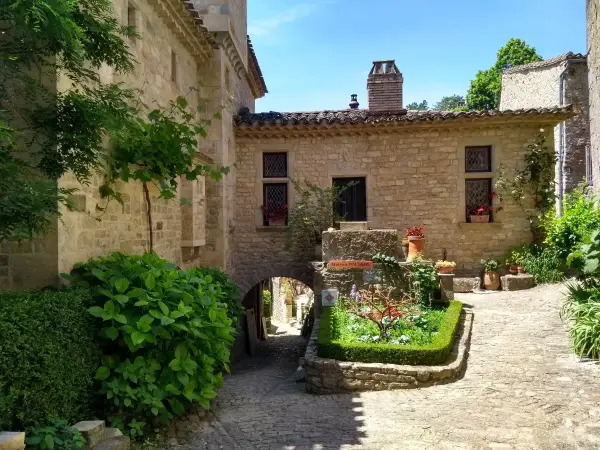



MAP
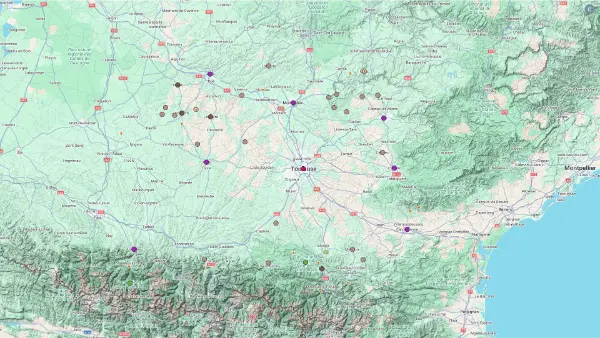
Toulouse Region
Interactive Map
Toulouse Region
Interactive Map
Click on the icon  in the top-left corner to display the map legend.
Show/Hide layers as needed.
Click on the arrow icons (v) to display the sublayers.
NORTH-WEST
| Name | Top+ | Top |
|---|---|---|
| Sarrant | ||
| Lavardens | ||
| Larressingle | ☑️ | |
| Montréal | ||
| Fourcès | ☑️ | |
| La Romieu | ||
| Auvillar | ||
| Lauzerte |
Sarrant
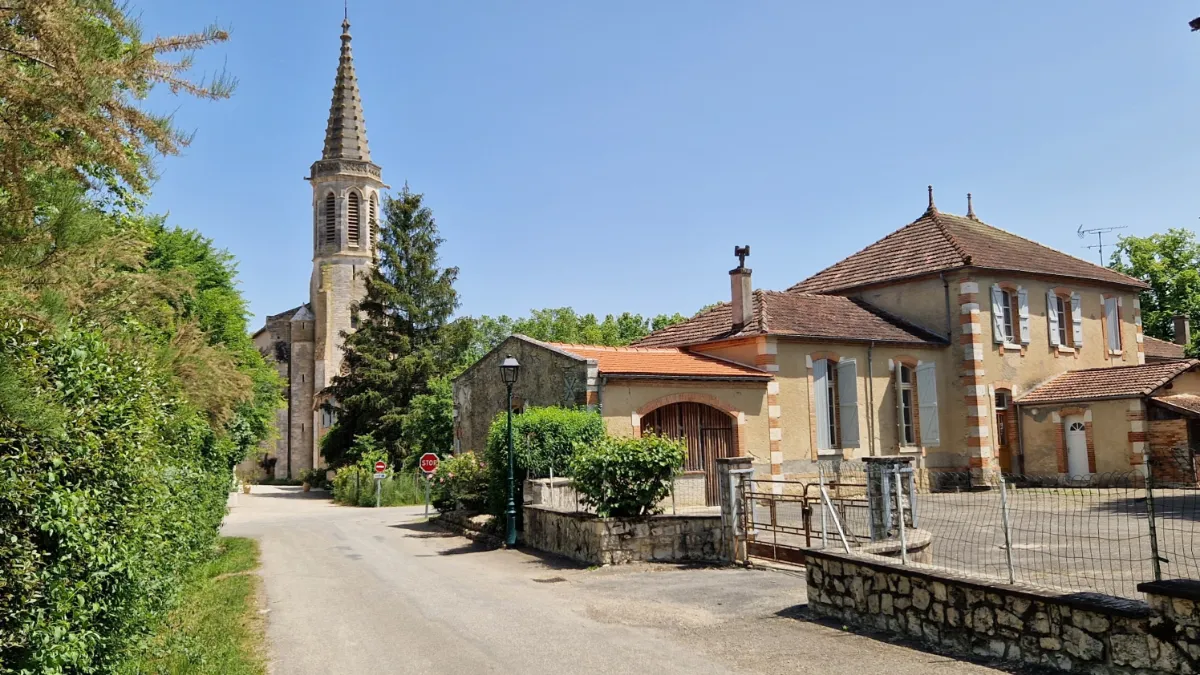
Surrounded by fields and rolling hills, Sarrant is a fascinating medieval village with an almost perfectly circular layout. Its old houses are arranged around the church and were once protected by walls and moats designed to keep attackers out.
You’ll enter the village through a beautiful fortified gateway dating back to the 14th century. Beyond it, narrow streets reveal charming half-timbered houses, with upper floors that jut out slightly over the street, creating picturesque passageways.
Sarrant has a peaceful, authentic atmosphere that’s especially enjoyable to discover on foot. Take your time to admire the details of the façades and the unusual layout of the houses, which offer a glimpse into the village’s defensive past.
Lavardens
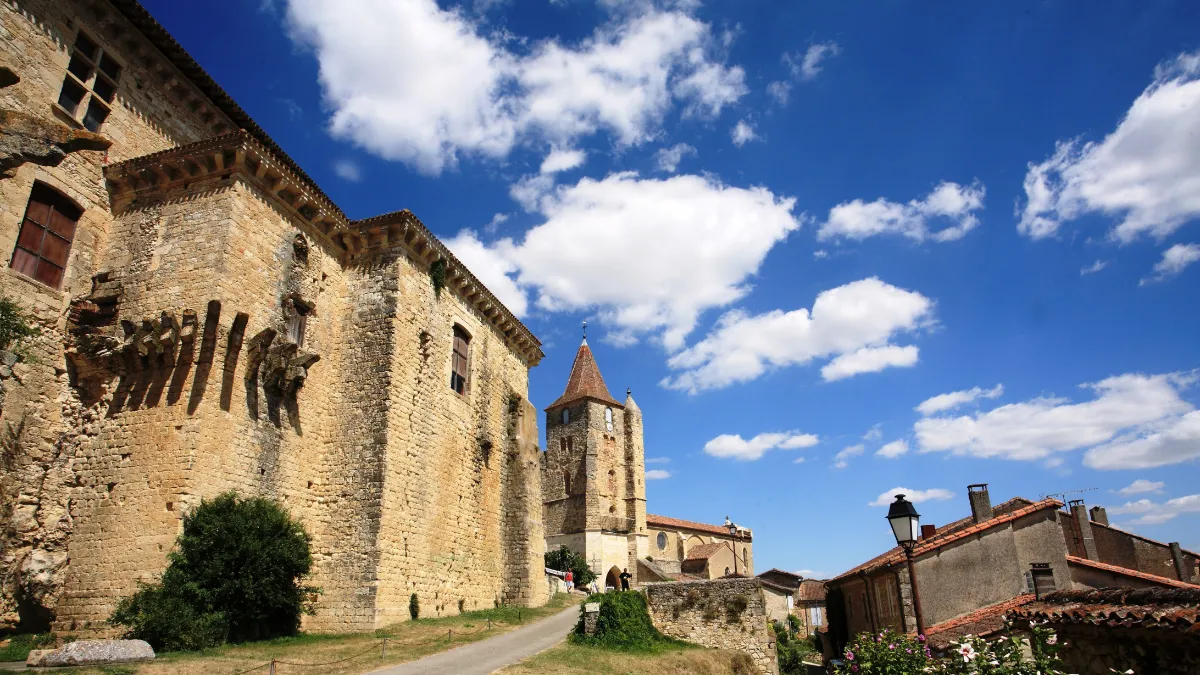
Perched on a hill in the heart of Gascony, Lavardens overlooks a landscape of rolling valleys and farmland. Its stone houses cluster around an imposing castle, whose massive silhouette immediately catches the eye.
Once home to powerful lords, the castle underwent major changes in the 17th century. Its architecture combines defensive features with the elegance of a grand residence. Today, its rooms regularly host art exhibitions.
As you wander through the narrow streets, you’ll discover restored houses, old doorways, and little passageways that make up a remarkably well-preserved village. At sunset, the façades take on beautiful golden tones, while the hilltop offers sweeping views of the surrounding countryside.
Larressingle
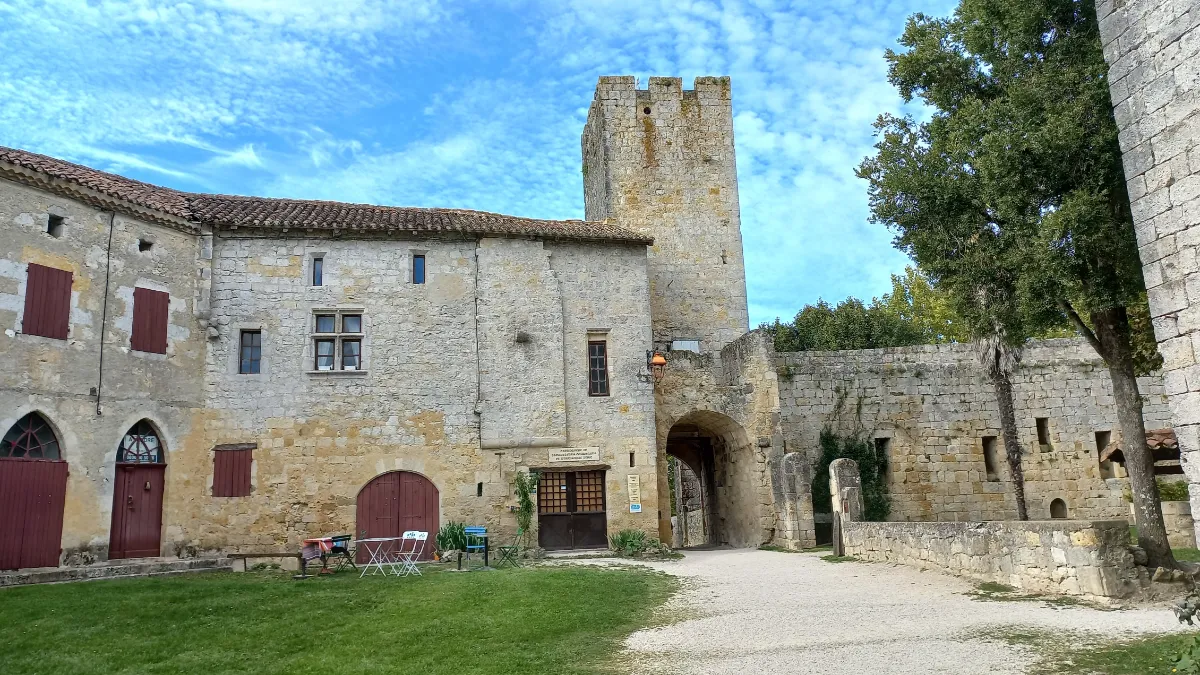
In Our Top ☑️
Nicknamed the “Little Carcassonne of Gascony,” Larressingle is a tiny village completely surrounded by defensive walls. Built in the 13th century, its fortifications, complete with towers, form a remarkably well-preserved medieval complex in the middle of lush green countryside.
Step through the old fortified gateway and you’ll find a handful of stone houses, a church, and the remains of a castle. Everything is so compact that it’s easy to imagine what everyday life was like for the people who once lived behind these protective walls.
A walk around the fortifications is the best way to appreciate the village’s beauty. The towers, moats, and ancient walls create a striking scene, especially photogenic when the evening light falls gently on the stonework.
Montréal
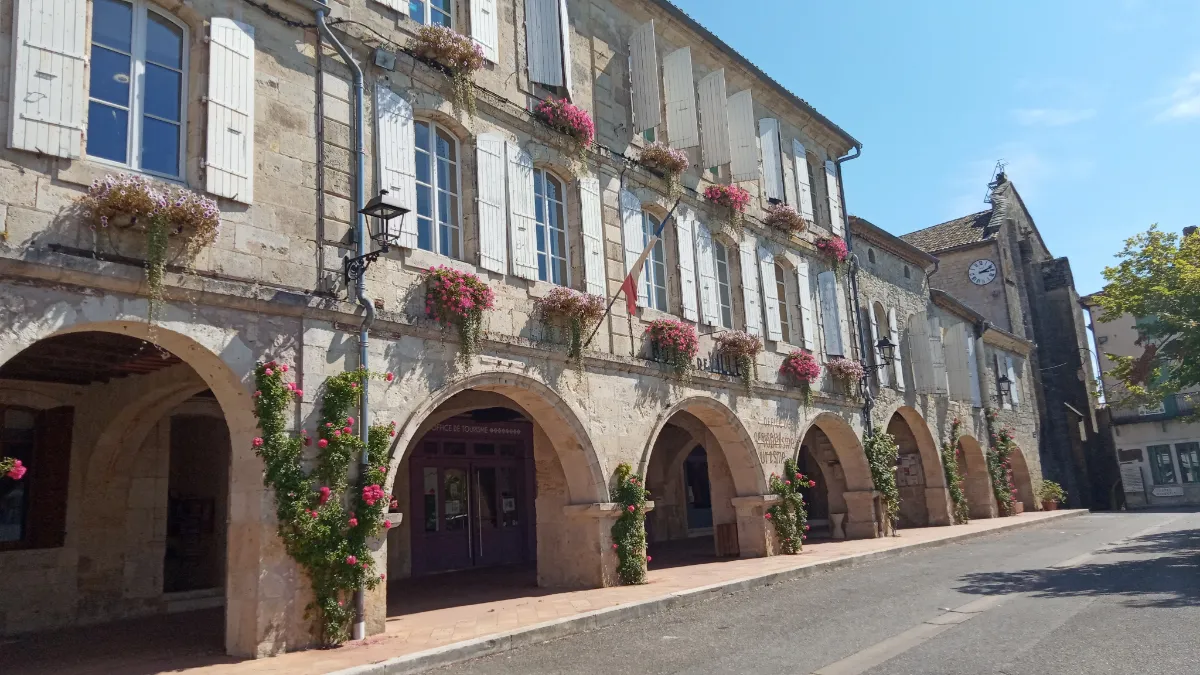
Founded in 1255, Montréal-du-Gers is an old fortified village built around a carefully planned central square. Set on higher ground, it overlooks the hills and vineyards of Gascony, surrounded by peaceful countryside and wide-open views.
The main square, lined with covered arcades, is the heart of the village. The surrounding streets are home to several old houses and beautiful examples of medieval architecture. The fortified church is a reminder of the troubled times that once shaped the region.
The village has a quiet, laid-back atmosphere, perfect for wandering without any particular route in mind. Nearby, the remains of the Roman Villa of Séviac, with its remarkable mosaics, reveal that people were living in this area long before the medieval village was founded.
Fourcès
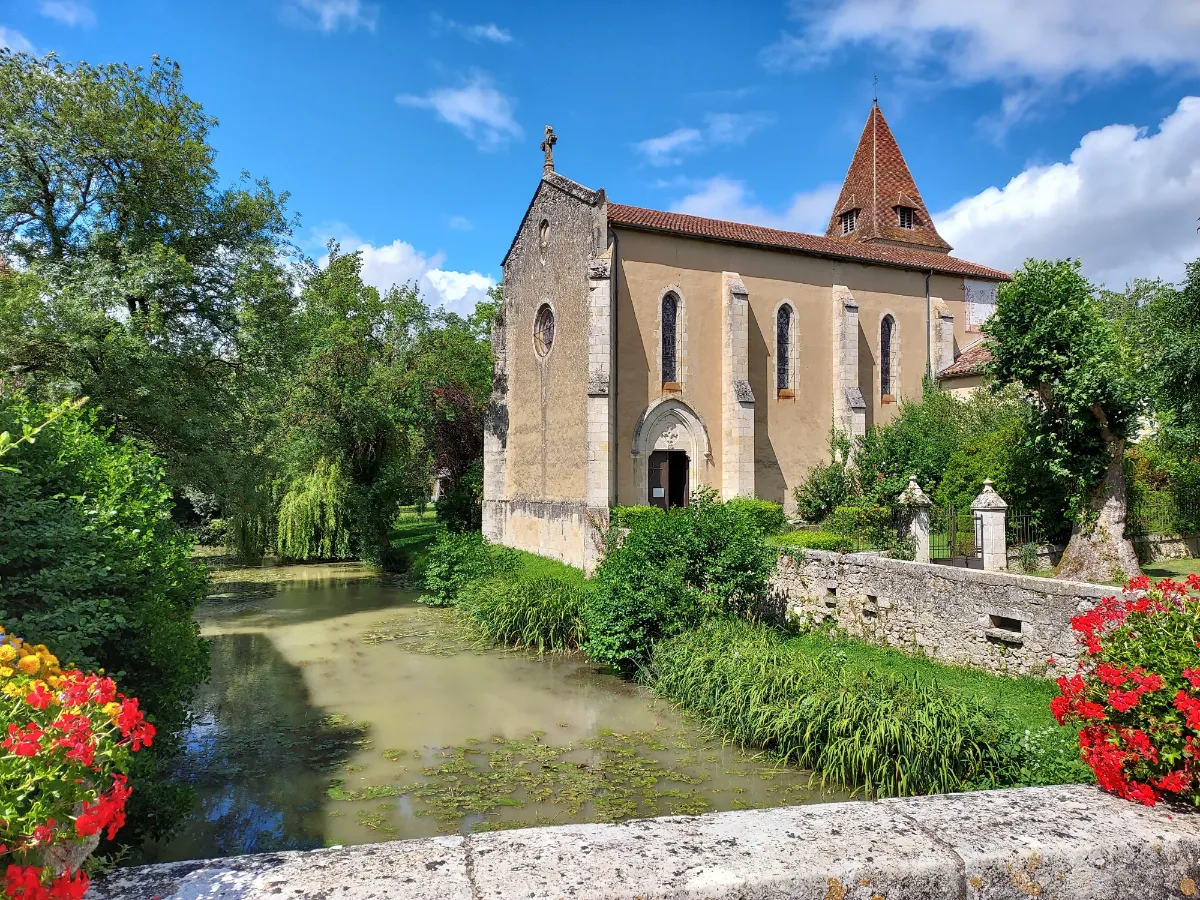
In Our Top ☑️
Fourcès immediately stands out for its circular layout, something quite unusual in this part of France. At the heart of the village is a large round square shaded by plane trees, surrounded by old houses and covered arcades that create a wonderfully charming setting.
This unusual design marks the site of a former castle, around which the village gradually developed. The half-timbered façades, balconies, and old stone walls tell the story of several centuries of history.
Beyond the square, narrow streets lead toward a small bridge and the rolling landscapes of Gascony. Fourcès has a lovely rural atmosphere, especially in spring when the trees turn green again.
La Romieu
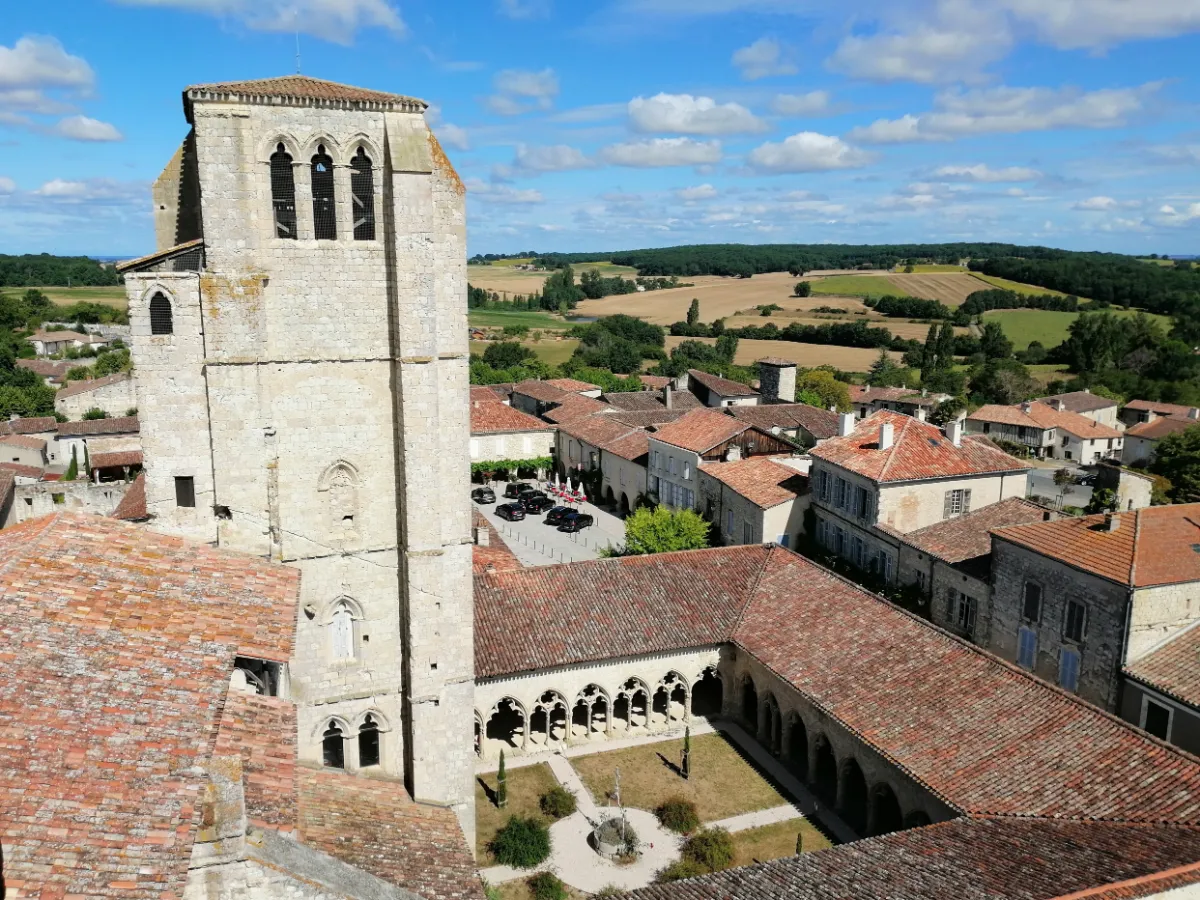
Set among the hills of Gascony, La Romieu has an extraordinary architectural heritage for such a small village. Its history is closely connected to the pilgrims who travel through the region on their way to Santiago de Compostela in northwestern Spain.
The Collegiate Church of Saint-Pierre, completed in the 14th century, rises above the village rooftops. Its towers, cloister, and stone galleries form a remarkable complex recognized by UNESCO for its importance along this historic pilgrimage route.
As you wander through the streets, you’ll notice several cat statues. They’re a reference to a local legend about a young girl who supposedly saved the village thanks to her cats. It’s a quirky little detail that always brings a smile to visitors’ faces.
Auvillar
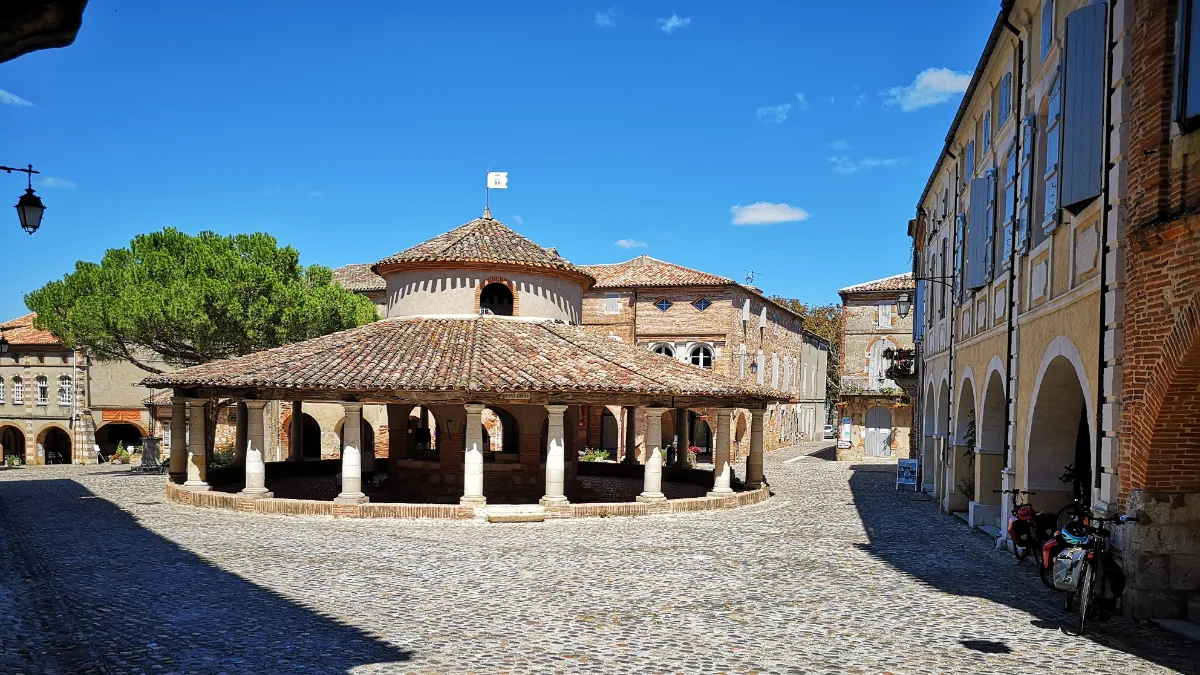
Perched above the Garonne River, Auvillar is one of the most picturesque villages in the region. Its old houses, combining red brick and pale stone, surround charming squares and narrow streets that reflect centuries of history.
You’ll enter the historic center through the Clock Tower before discovering a remarkable square lined with covered arcades. In the middle stands a circular 19th-century market hall, once used for trading agricultural goods.
From the hilltop, you can enjoy sweeping views of the Garonne and the surrounding countryside. Once a center for pottery production and a stopping point for pilgrims, Auvillar still has a strong identity shaped by the river and the travelers who passed through.
Lauzerte
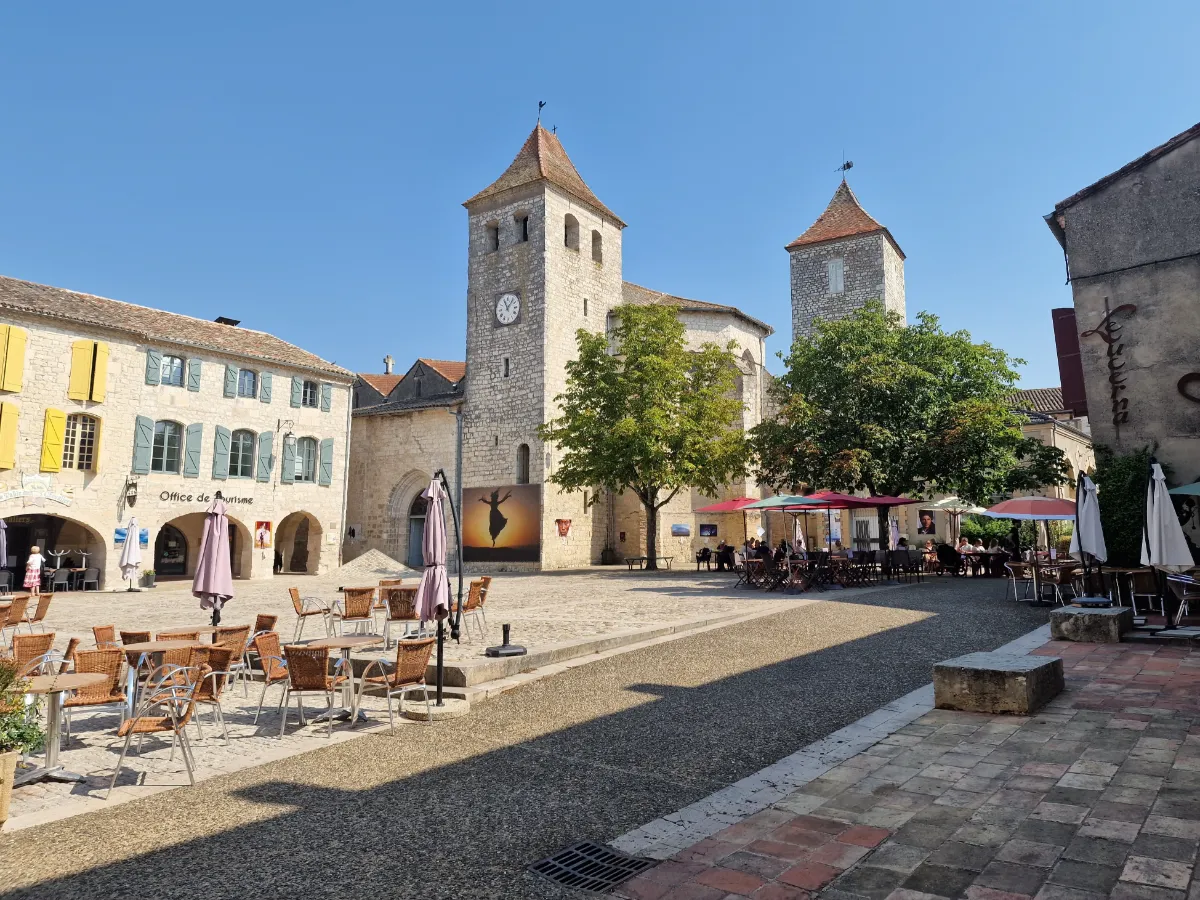
Overlooking the hills of Quercy, Lauzerte is a former fortified town founded in the 13th century. Its pale stone houses, steep little streets, and old ramparts give it a wonderfully medieval feel, surrounded by gently rolling countryside.
The central square is the historic heart of the village. Lined with beautiful façades and covered arcades, it features a surprising detail: one corner of the paving appears to be lifting off the ground, a contemporary artwork cleverly incorporated into the historic setting.
Lauzerte lies along one of the main pilgrimage routes to Santiago de Compostela. From the terraces and paths running alongside the old fortifications, you’ll enjoy sweeping views of the surrounding countryside.
NORTH-EAST
| Name | Top+ | Top |
|---|---|---|
| Bruniquel | ✅ | |
| Penne | ||
| Puycelci | ||
| Castelnau-de-Montmiral | ☑️ | |
| Cordes-sur-Ciel | ✅ | |
| Najac | ☑️ | |
| Monestiés | ||
| Lautrec |
Bruniquel
In Our Top+ ✅
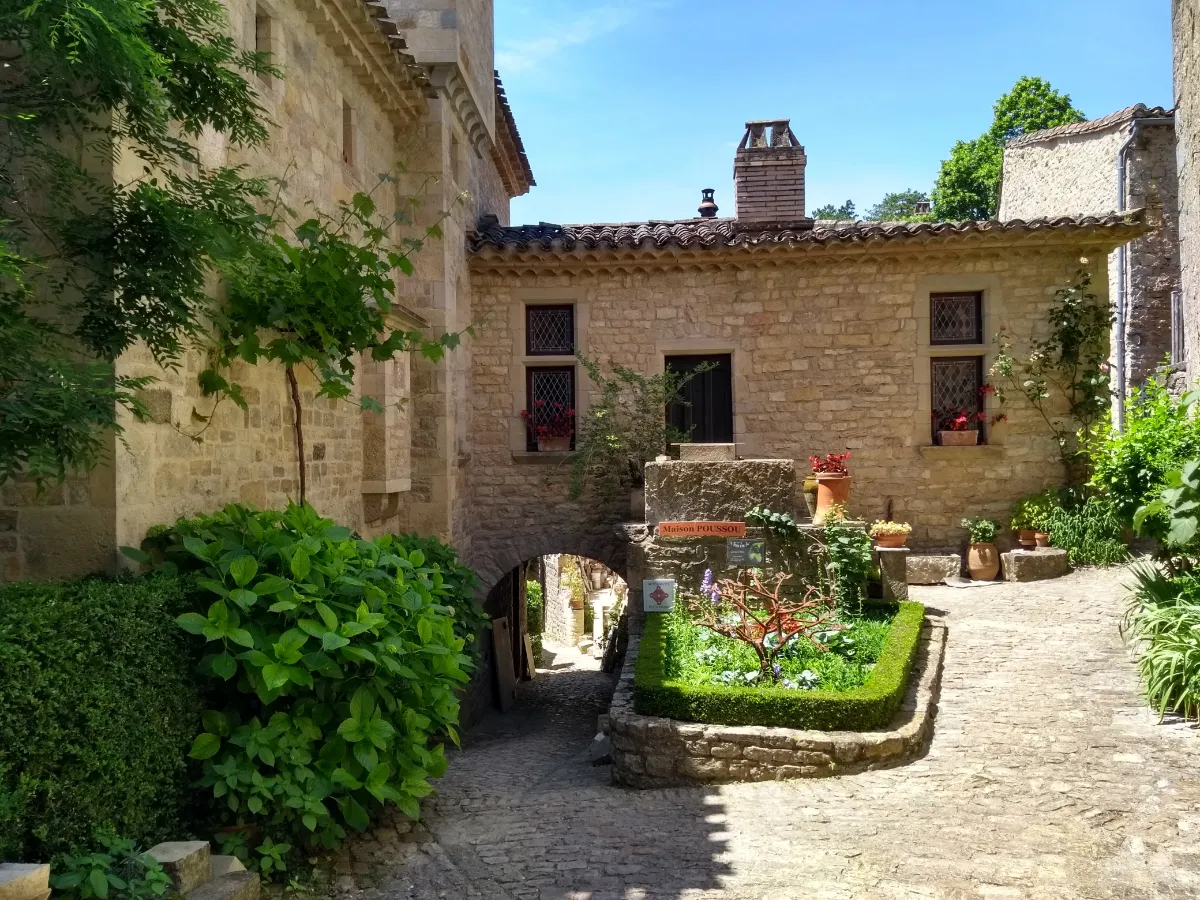
Clinging to a cliff overlooking the Aveyron Valley, Bruniquel has a spectacular medieval setting. Its stone houses, cobbled streets, and old fortified gateways form a remarkably well-preserved village surrounded by wooded hills.
At the very top of the village stand two castles built in different periods. Their courtyards, historic rooms, and terraces offer magnificent views across the valley.
Wandering through the village reveals plenty of surprises, from old façades and carved windows to stone staircases and vaulted passageways. From the highest points, you’ll enjoy breathtaking views of the cliffs and the winding Aveyron River.
Penne
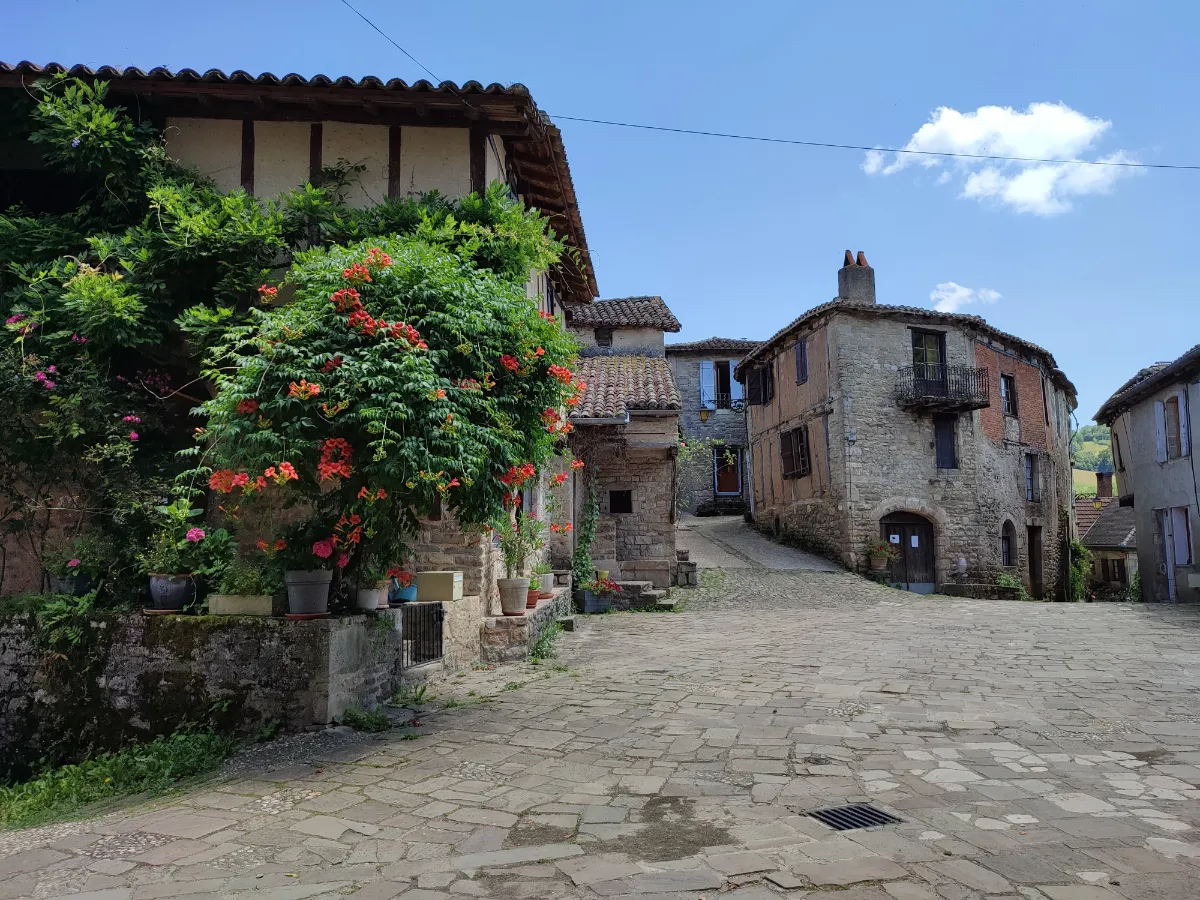
Overlooking the Aveyron Gorges, Penne is a medieval village built on an impressive rocky outcrop. At the top stand the ruins of a fortress that seems to rise straight out of the rock, towering above the tightly packed houses below.
Narrow streets wind between old façades and vaulted passageways. Some houses almost seem to be part of the rock itself. This unusual architecture is a reminder of the need for protection against attacks during centuries of medieval conflict.
As you climb toward the castle, beautiful views of the surrounding hills and forests gradually open up. In this wild landscape, the contrast between the steep cliffs and ancient houses gives Penne a truly striking character.
Puycelsi
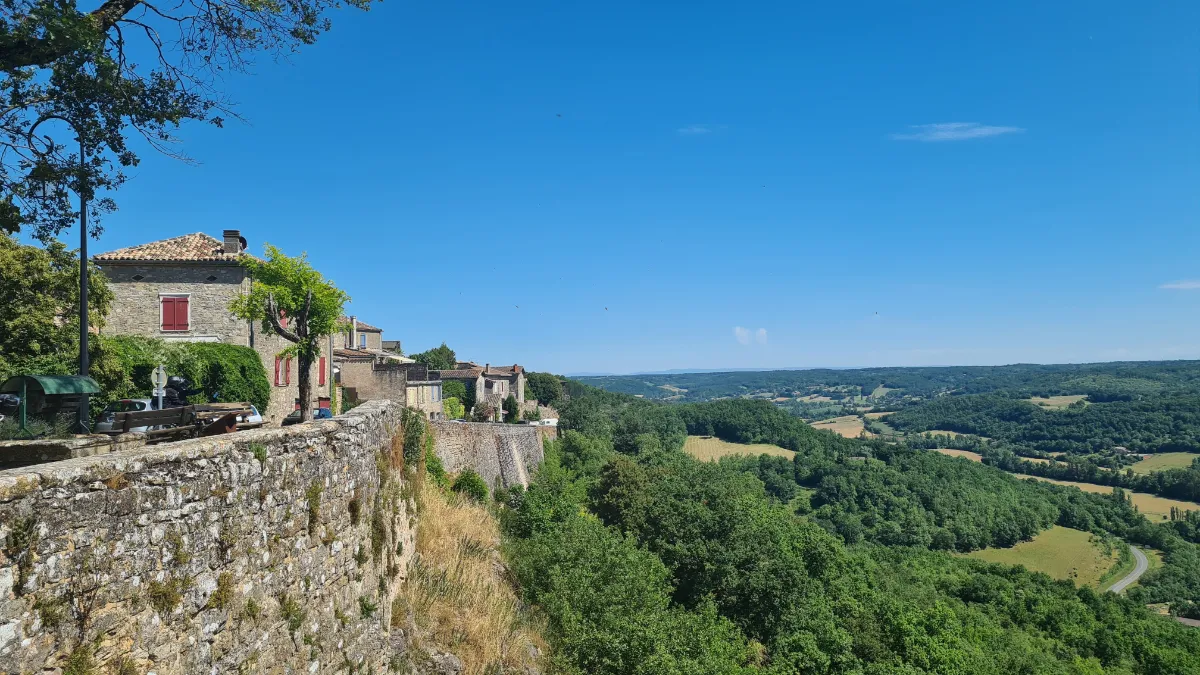
Perched on a huge rocky outcrop above the surrounding forest, Puycelsi still looks like a true medieval fortress. Its defensive walls, built from the 13th century onward, protect a maze of cobbled streets and old houses.
Pass through the fortified gateways and you’ll discover stone façades, narrow passageways, and a church with a richly decorated interior. The old paths running alongside the walls offer wonderful views of the surrounding landscape.
From the edge of the village, you can look down over the valley and the vast oak forest below. At sunset, the landscape takes on an incredible sense of depth, adding to the feeling of isolation that makes this former stronghold so special.
Castelnau-de-Montmiral
In Our Top ☑️
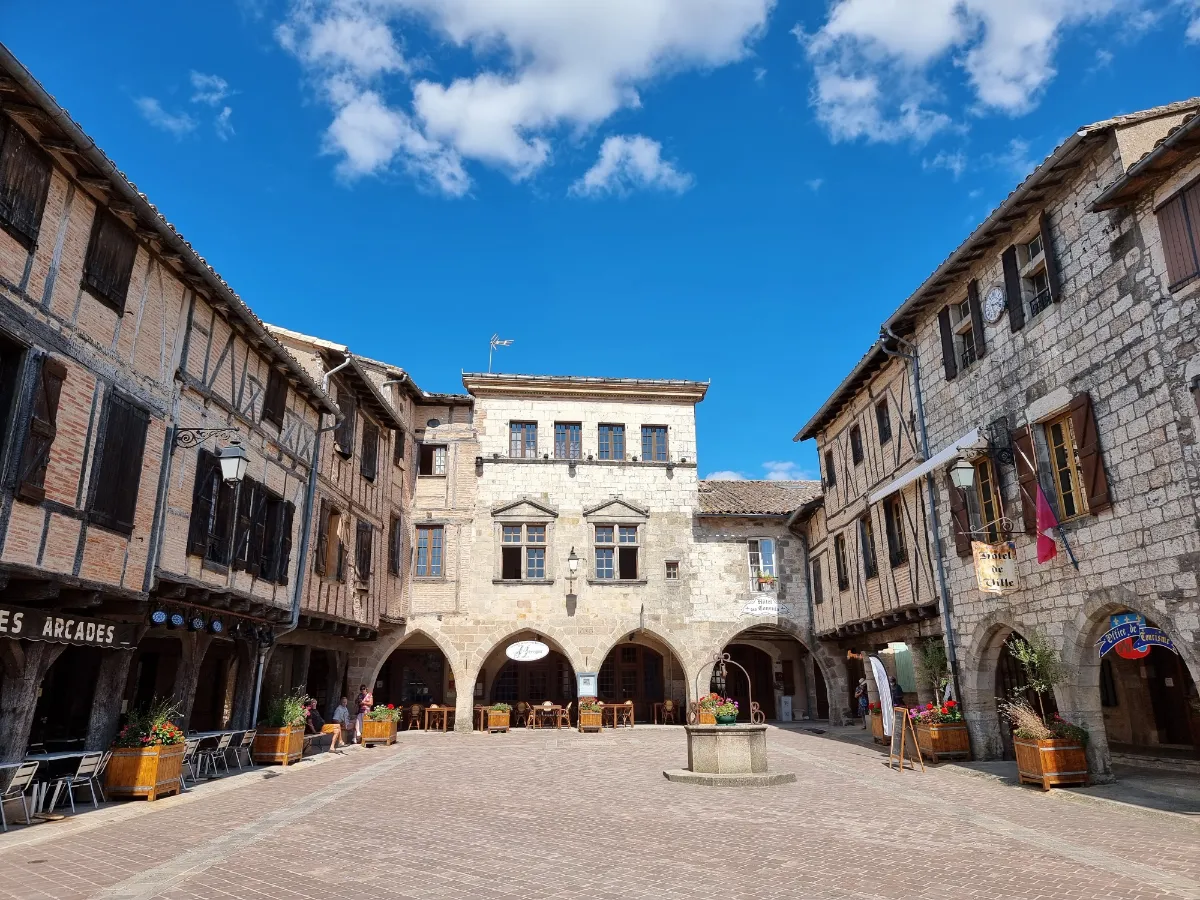
Founded in the 13th century, Castelnau-de-Montmiral overlooks the hills and vineyards of the Tarn region. Behind its old defensive walls, this medieval village has preserved a network of narrow streets lined with stone houses, half-timbered façades, and historic doorways.
Its magnificent central square, surrounded by covered arcades and houses with beautifully carved windows, is one of the finest architectural sights in the region. It reflects the layout of the new towns founded during the Middle Ages.
Beyond the old streets, several walking paths let you take in the surrounding scenery. From the hilltop, you’ll enjoy wonderful views of the valleys, fields, and forests, in a peaceful atmosphere that contrasts with the village’s military past.
Cordes-sur-Ciel
In Our Top+ ✅
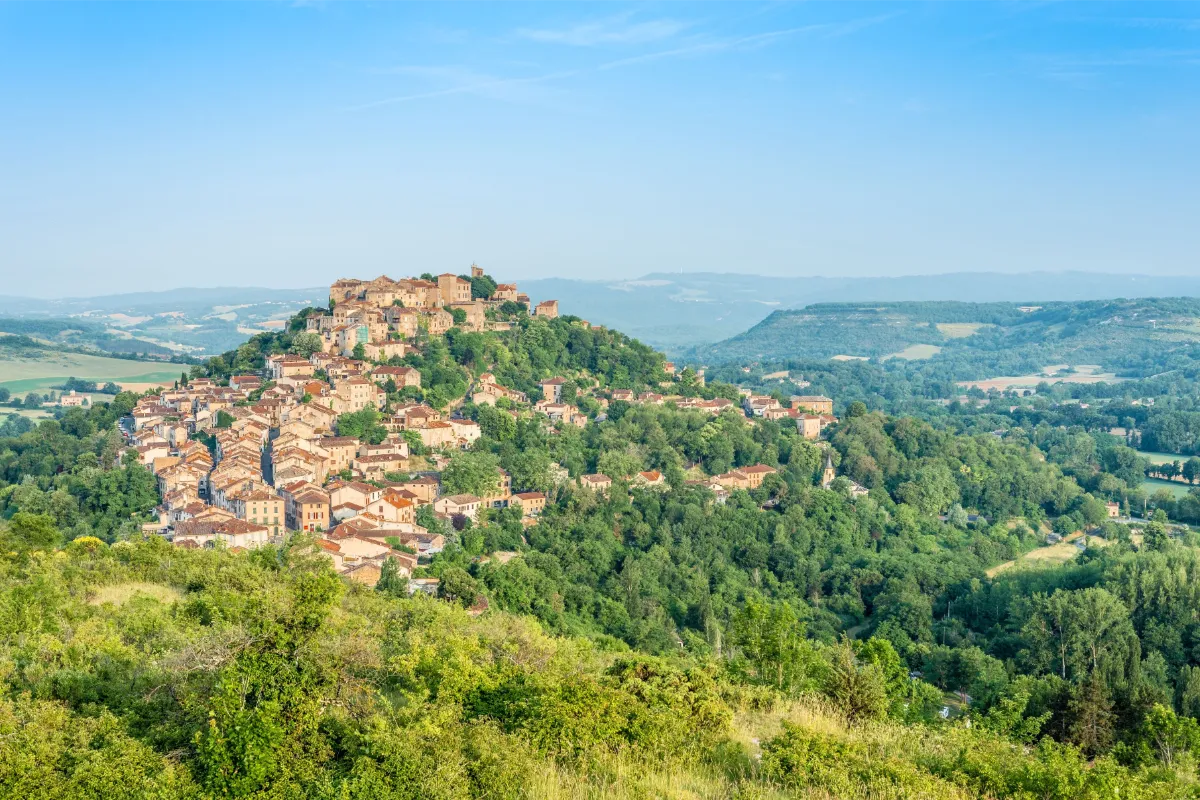
Rising dramatically from a steep hill, Cordes-sur-Ciel is one of the most spectacular medieval villages in France. Founded in 1222, it sometimes appears to float above the clouds when mist fills the valley below, leaving only its towers visible.
The climb through its cobbled streets reveals magnificent houses from the 13th and 14th centuries. Their carved façades, large windows, and fortified doorways reflect the wealth of the merchants who once lived here.
From the top, sweeping views stretch across the green hills of the Tarn. Around every corner, you’ll come across fascinating architectural details and beautiful views over the old rooftops.
Najac
In Our Top ☑️
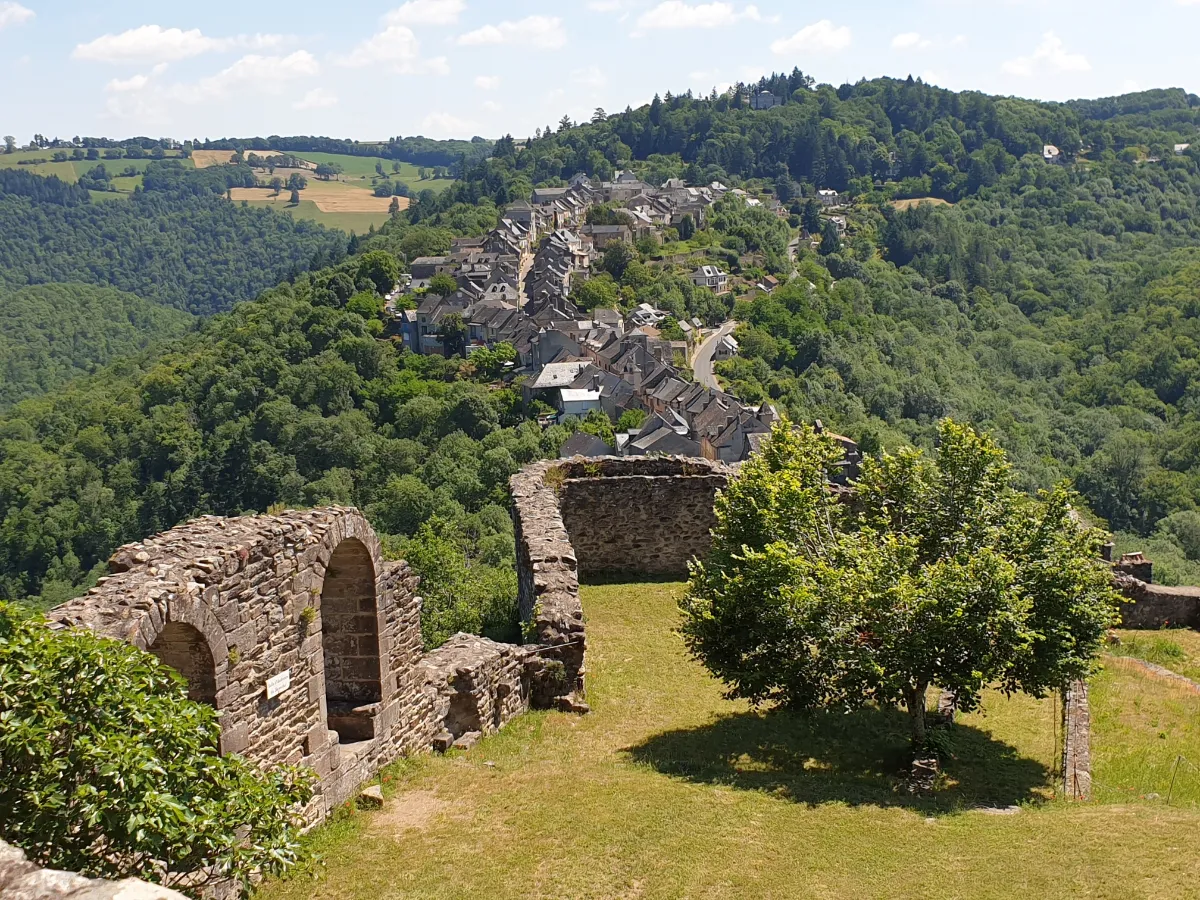
Perched along a long rocky ridge, Najac has a spectacular silhouette rising above the Aveyron Gorges. The village stretches mainly along a single street lined with medieval houses, leading all the way to an imposing fortress.
The royal castle, built and strengthened in the 13th century, dominates the valley with its towering walls. Exploring its towers and rooms gives you a fascinating insight into medieval military architecture, while the highest points offer exceptional panoramic views.
A stroll through Najac reveals half-timbered houses, little passageways, and beautiful stone façades. Far below, the river winds between wooded hills, creating a landscape that’s both peaceful and breathtaking.
Monestiés
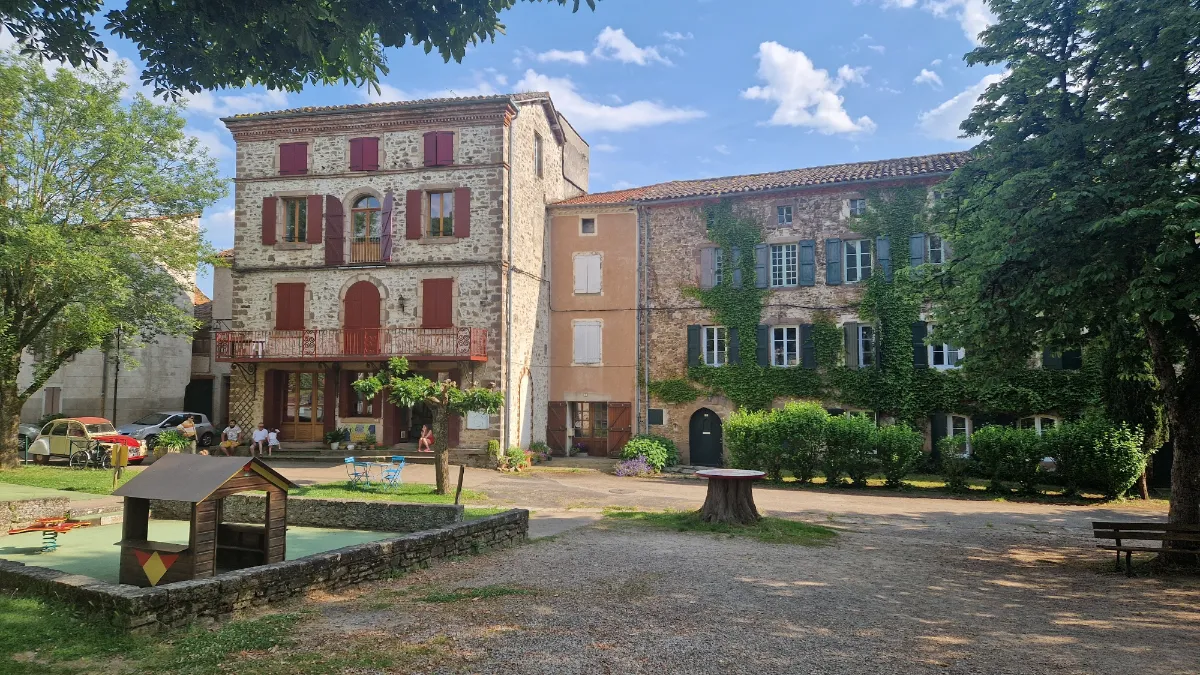
Tucked into a bend of the Cérou River, Monestiés is a small medieval village with an understated charm. Its winding streets, old houses, and stone passageways have kept their authentic atmosphere, far from the crowds of more popular tourist destinations.
The village has a remarkable artistic heritage. Inside the Chapel of Saint-Jacques, a group of life-size 15th-century statues depicts the burial of Christ. The expressions and poses of the figures are particularly moving.
An old stone bridge leads to the paths surrounding the village. Along the river, trees and gardens create a lush green setting, perfect for a peaceful stroll.
Lautrec
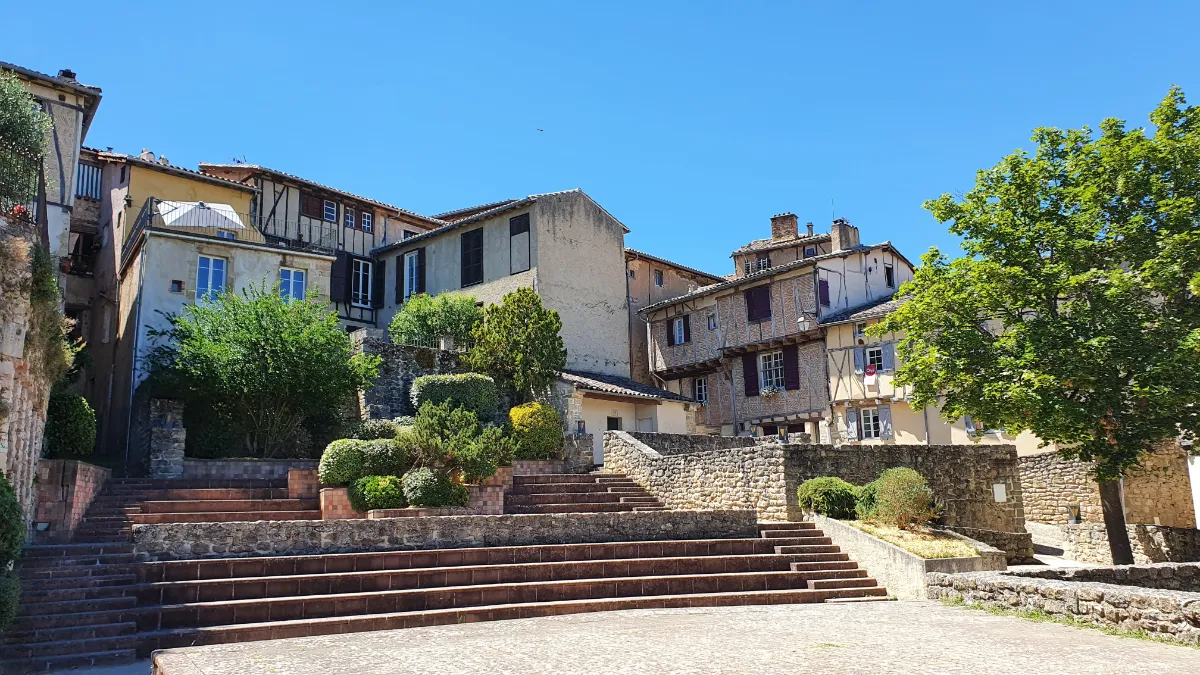
Set on a hill overlooking the farmland of the Tarn region, Lautrec is a medieval village famous for its historic houses and its tradition of growing pink garlic. Its cobbled streets, lined with half-timbered buildings, reveal a remarkably well-preserved heritage.
At the top of the village, a restored windmill recalls the days when grain production played an important role in the local economy. The Church of Saint-Rémy, with its impressive interior decoration, is another reminder of the village’s rich history.
Lautrec was also connected to the trade in woad, a plant once used to produce a blue dye that was highly sought after across Europe. From the village’s higher points, you’ll enjoy sweeping views of the surrounding countryside.
SOUTH
| Name | Top+ | Top |
|---|---|---|
| Camon | ||
| Mirepoix | ☑️ | |
| Rieux-Volvestre | ||
| Saint-Lizier | ||
| Saint-Bertrand-de-Comminges | ✅ |
Camon
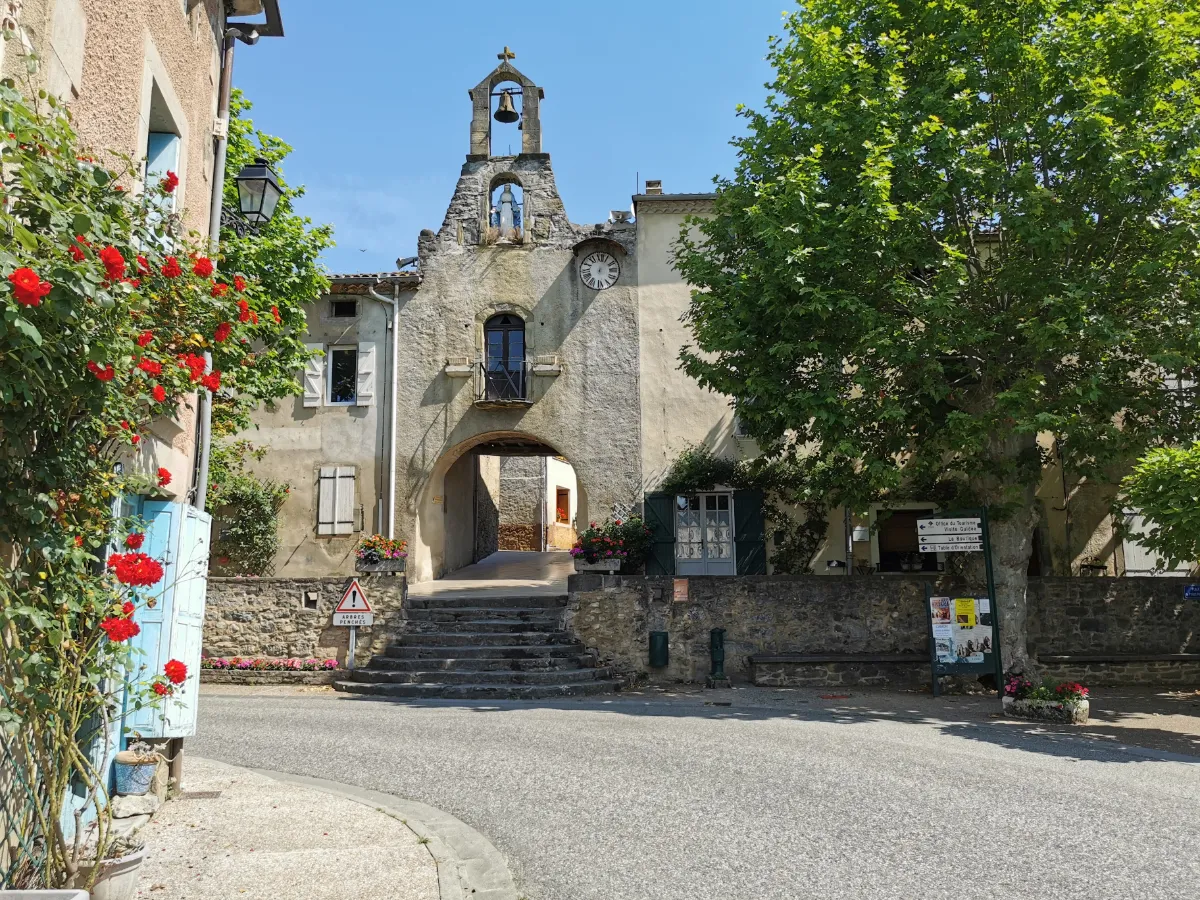
In the heart of a lush green valley in the Pyrenees, Camon is a fortified village famous for its climbing roses. Its narrow streets, stone houses, and old defensive walls create a wonderfully romantic setting, dominated by a historic religious complex.
Nicknamed the “Village of a Hundred Roses,” Camon comes alive in spring when flowers cover the façades in shades of pink, red, and white. This tradition gives the village a delightful country atmosphere.
The former abbey, founded in the Middle Ages and transformed over the centuries, reflects its religious past. Around the village, wooded hills and the Hers River offer lovely opportunities for walking.
Mirepoix
In Our Top ☑️
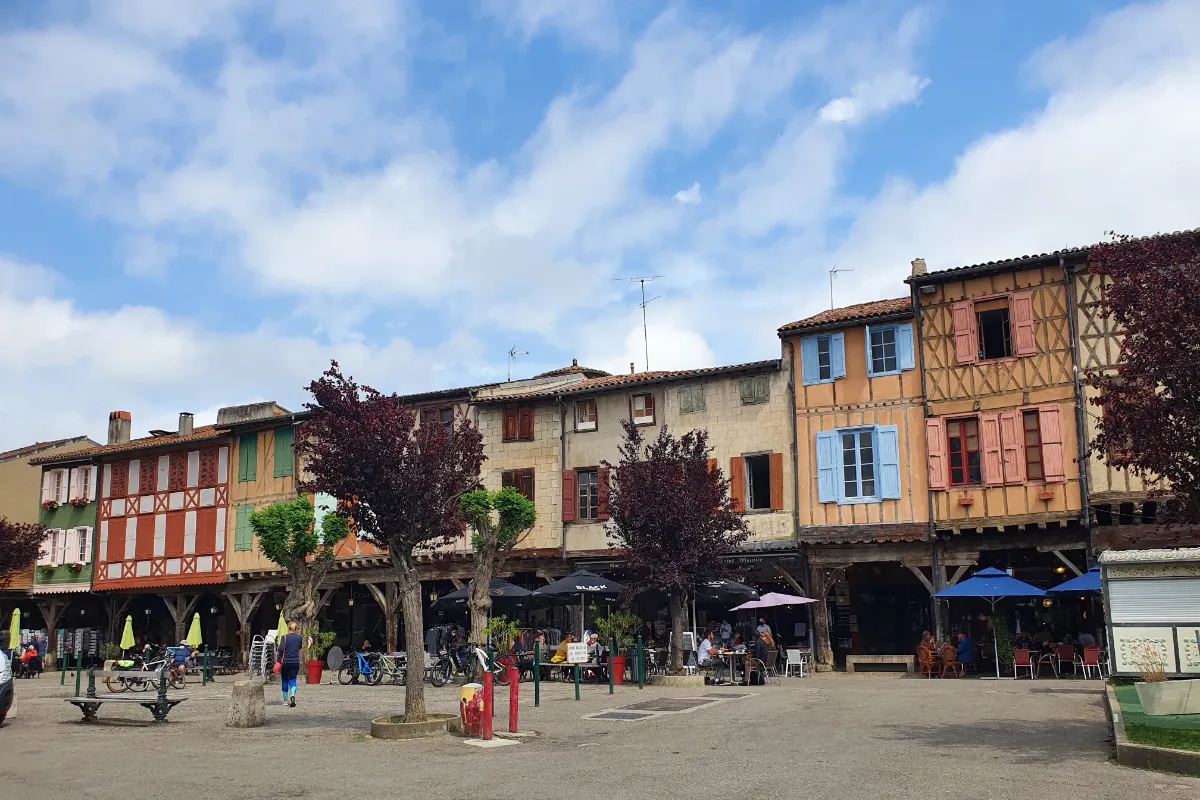
Mirepoix has one of the most beautiful medieval squares in southwestern France. Established in its present form in the late 13th century, this small town has preserved magnificent half-timbered houses whose covered galleries surround a large central square.
Some façades feature remarkable wooden carvings depicting people and animals. The Maison des Consuls, with its particularly elaborate decorations, showcases the craftsmanship of the period and is well worth taking a closer look at.
Just a short walk away, the former Cathedral of Saint-Maurice impresses with its enormous interior. The surrounding streets have a welcoming atmosphere, while the nearby hills and mountains are a reminder of Mirepoix’s beautiful location at the gateway to the Pyrenees.
Rieux-Volvestre
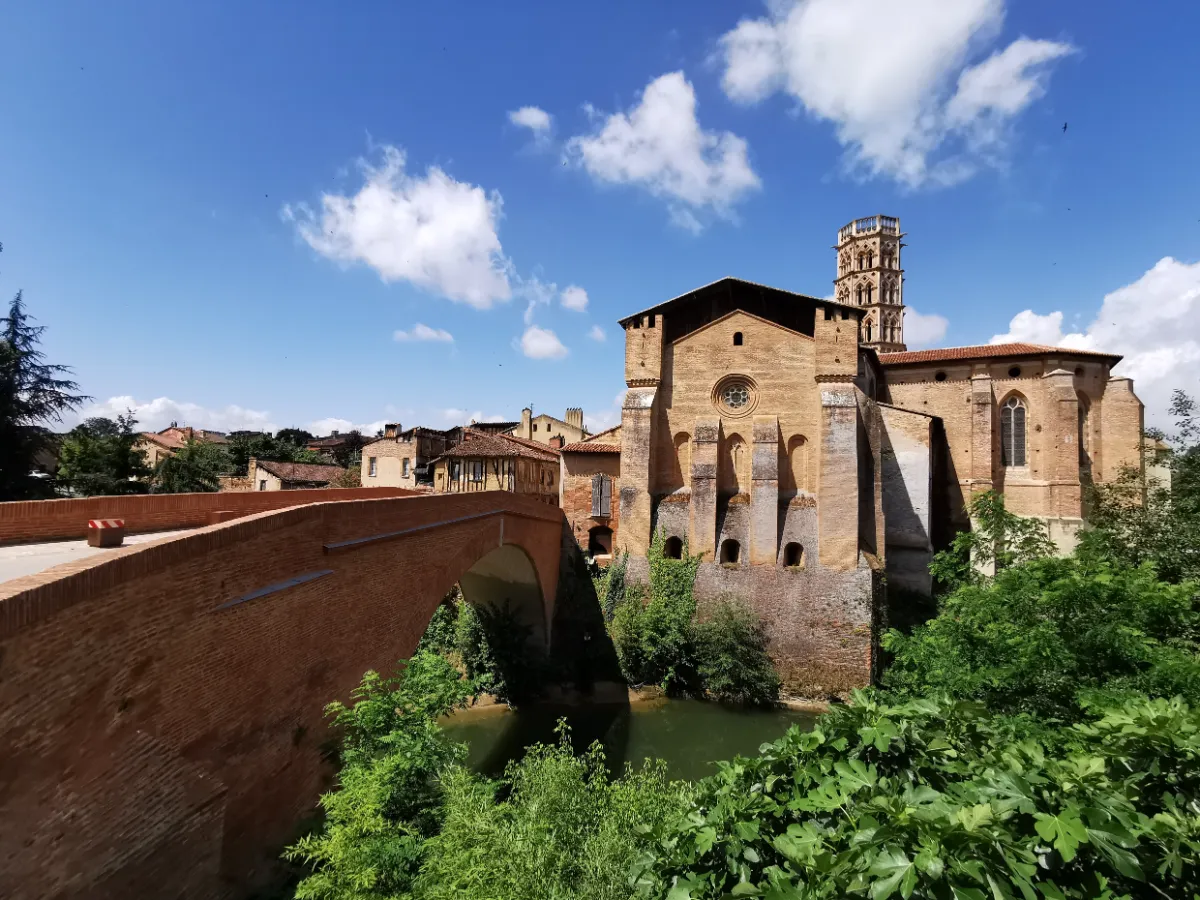
Set in a bend of the Arize River, Rieux-Volvestre is a medieval village dominated by an imposing red-brick cathedral. Its architecture is reminiscent of Toulouse, but the setting is much quieter, surrounded by green hills.
Sainte-Marie Cathedral, begun in the 14th century, catches the eye with its massive tower and unusual design. Around it, narrow streets reveal half-timbered houses, old doorways, and several buildings that reflect the village’s former religious importance.
As you walk along the river, you’ll discover lovely views of the façades and old bridges. The village has an authentic atmosphere, perfect for a relaxed stroll through centuries of history.
Saint-Lizier
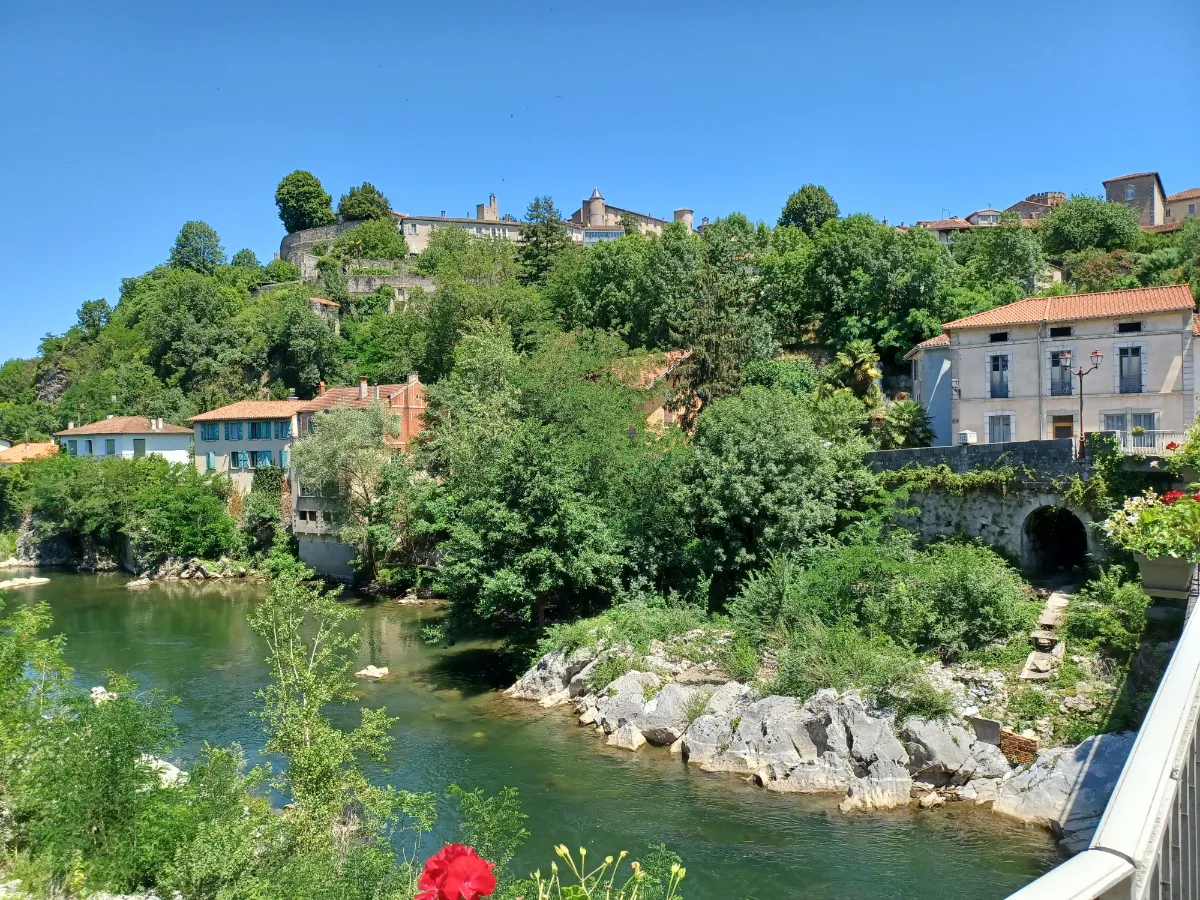
Perched above the Salat Valley, Saint-Lizier has an extraordinary religious heritage. Once an episcopal town governed by bishops, it has preserved two former cathedrals, a monumental palace, and a network of medieval streets.
Saint-Lizier Cathedral features remarkable wall paintings and a 12th-century cloister, where carved columns surround a peaceful garden. Higher up, the Bishops’ Palace overlooks the village rooftops and the surrounding mountains.
The cobbled streets and old stone houses invite you to explore at your own pace. From the hilltop, sweeping views stretch across green valleys and the peaks of the Pyrenees, in a setting shaped by nearly 2,000 years of history.
Saint-Bertrand-de-Comminges
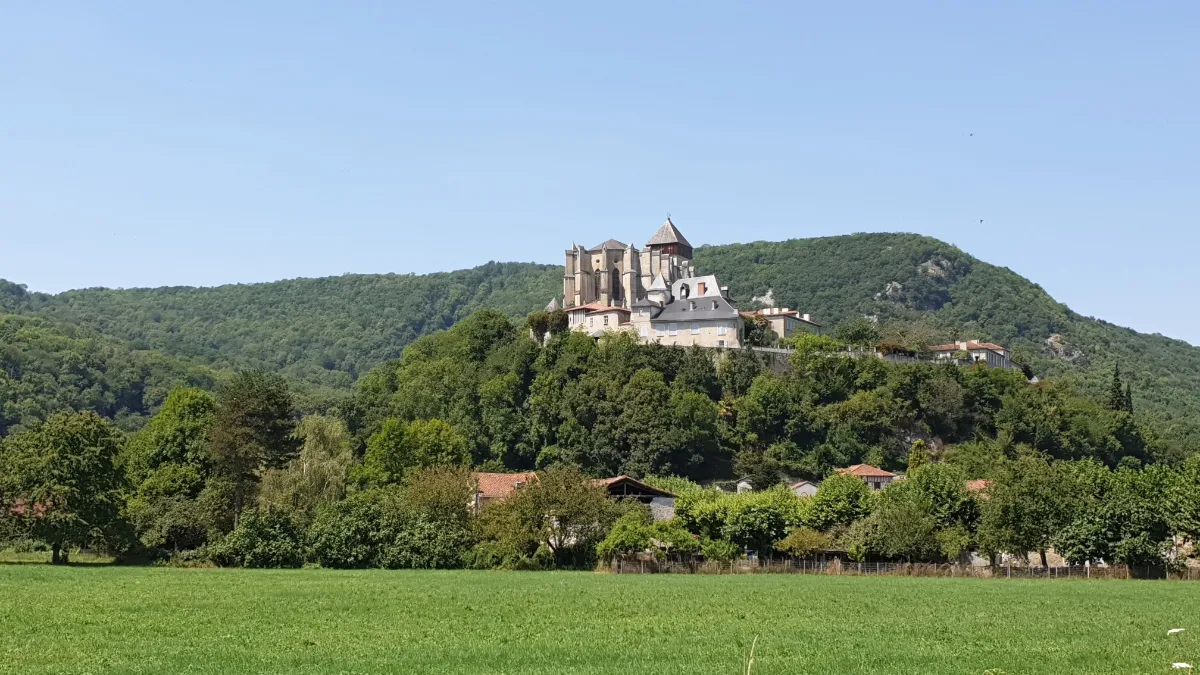
In Our Top+ ✅
Perched on a hill facing the Pyrenees, Saint-Bertrand-de-Comminges is one of the most impressive historic villages in southwestern France. Its skyline is dominated by a cathedral whose massive tower rises above the old houses.
Sainte-Marie Cathedral combines several architectural styles and is home to a remarkable collection of carved wooden sculptures. Its soaring vaulted ceilings, monumental organ, and stained-glass windows reflect the religious wealth of this historic town.
At the foot of the village lie the remains of Lugdunum Convenarum, an important town founded during Roman times. As you wander along the cobbled streets, you’ll discover old houses and magnificent viewpoints overlooking the mountains, which sometimes remain snow-covered well into spring.