


MAP
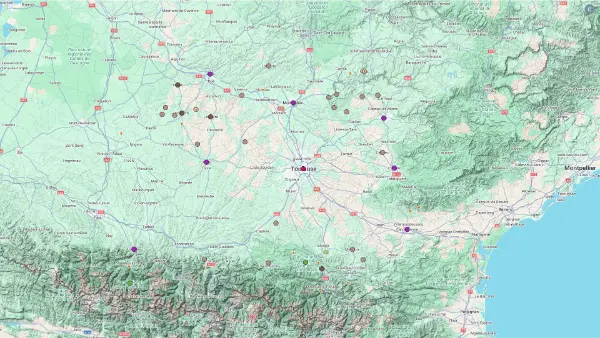
Toulouse Region
Interactive Map
Toulouse Region
Interactive Map
Click on the icon  in the top-left corner to display the map legend.
Show/Hide layers as needed.
Click on the arrow icons (v) to display the sublayers.
TOP (20)
| Name | Type | Top+ |
|---|---|---|
| Toulouse | City | ✅ |
| Aeroscopia | Museum | |
| Larressingle | Village | |
| Fourcès | Village | |
| St-Pierre de Moissac | Abbey | |
| Bruniquel | Village | ✅ |
| Castelnau-de-Montmiral | Village | |
| Cordes-sur-Ciel | Village | ✅ |
| Najac | Village | |
| Gorges de l'Aveyron | Gorges | |
| Albi | Town | ✅ |
| Gouffre Géant de Cabrespine | Cave | |
| Carcassonne | Town | ✅ |
| Mirepoix | Village | |
| Foix | Small Town | |
| Niaux | Prehistoric Cave | ✅ |
| Parc des Pyrénées Ariégeoises | Mountains | ✅ |
| Saint-Bertrand-de-Comminges | Village | ✅ |
| Lourdes | Town | ✅ |
| Parc National des Pyrénées | Mountains | ✅ |
Toulouse
In Our Top+ ✅
Type City
Population 515 000
Known as the “Pink City,” Toulouse owes much of its charm to its brick façades, which take on warm orange tones at sunset. With the Garonne River running through it, this major city in southwestern France combines remarkable historical heritage, a welcoming atmosphere, and a particularly lively cultural scene.
Start exploring at Place du Capitole, the very heart of Toulouse. Behind its impressive brick and stone façade are the city hall and a historic theater. This large, bustling square is the perfect starting point for discovering the old town.
Just a few minutes away on foot, the narrow streets reveal beautiful mansions built by wealthy merchants in the 16th century. Some hide remarkable inner courtyards decorated with galleries and carved staircases. The Hôtel d’Assézat, a stunning Renaissance building, is one of the finest examples.
Toulouse also has an outstanding religious heritage. The Basilica of Saint-Sernin, built mainly in the 11th and 12th centuries, impresses visitors with its sheer size and distinctive bell tower. The Jacobins Convent holds another surprise: a spectacular stone vault that looks like the branches of a palm tree.
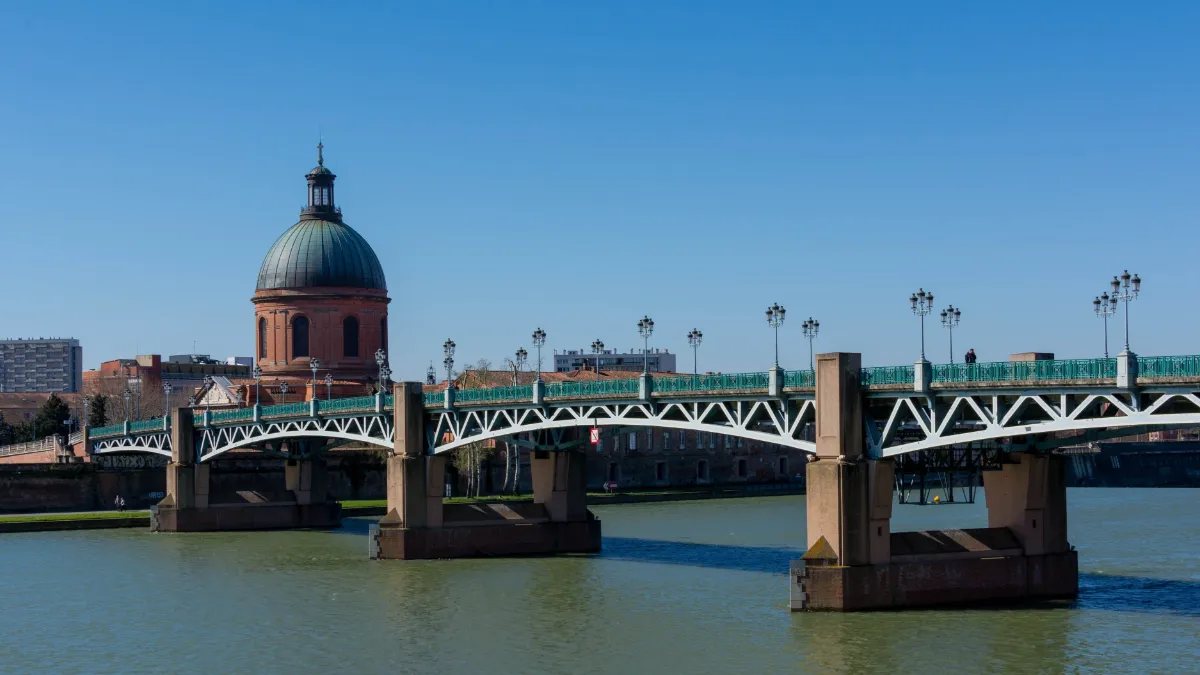
To discover another side of the city, head down to the banks of the Garonne. From the Pont-Neuf, Toulouse’s oldest bridge still in use, you’ll enjoy beautiful views of the riverfront, domes, and historic buildings lining the water.
But Toulouse isn’t just about its past. As a major European hub for the aerospace industry, it is home to Airbus facilities and several attractions dedicated to space exploration. At the Cité de l’Espace, you can discover rockets, satellites, and some of the greatest adventures in scientific exploration.
With its large student population, Toulouse has an infectious energy. Its squares and gardens are popular meeting places, while festivals, concerts, and rugby matches keep the city buzzing throughout the year. Here, a love of tradition goes hand in hand with modern life.
Take some time to explore the Canal du Midi as well. Built in the 17th century to connect Toulouse to the Mediterranean, its shady paths, locks, and canal boats make for a peaceful walk or bike ride, away from the hustle and bustle of the city center.
Aeroscopia

Type Museum
Theme Aeronautical
Price €16
Full Name
Musée Aeroscopia
Near Toulouse, Aéroscopia takes you on a fascinating journey through the history of aviation. Housed in a huge, modern building, this museum brings together an impressive collection of civilian and military aircraft, from early flying machines to the giants of modern air travel.
Among the highlights are the legendary Concorde, the famous supersonic aircraft capable of crossing the Atlantic in just a few hours, and the Airbus A380, one of the largest passenger planes ever built. You can even step inside several aircraft to explore their interiors and learn more about the technology behind them.
You’ll also get to see the spectacular Super Guppy, an aircraft with an enormous fuselage designed to transport oversized components. Models, photographs, and interactive exhibits explain the major milestones in aviation history.
Aéroscopia also highlights Toulouse’s importance in the aviation industry. The region is home to Airbus’s main facilities, making it one of the world’s leading centers for aircraft manufacturing.
Larressingle
Type Village
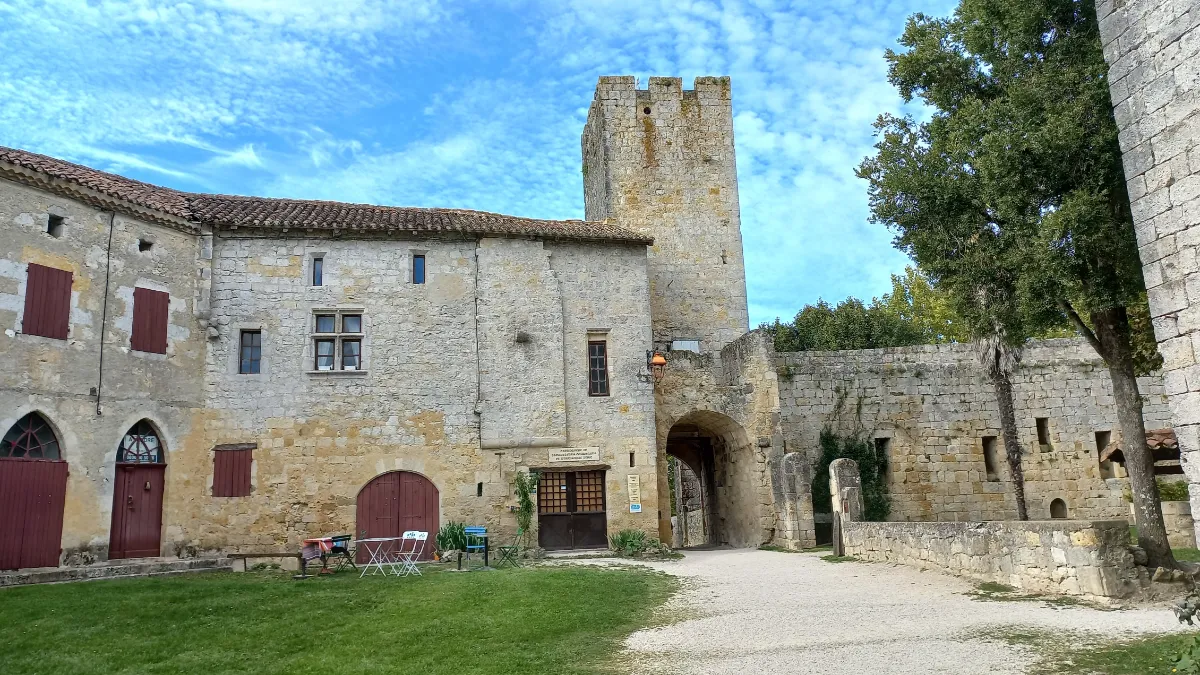
Nicknamed the “Little Carcassonne of Gascony,” Larressingle is a tiny village completely surrounded by defensive walls. Built in the 13th century, its fortifications, complete with towers, form a remarkably well-preserved medieval complex in the middle of lush green countryside.
Step through the old fortified gateway and you’ll find a handful of stone houses, a church, and the remains of a castle. Everything is so compact that it’s easy to imagine what everyday life was like for the people who once lived behind these protective walls.
A walk around the fortifications is the best way to appreciate the village’s beauty. The towers, moats, and ancient walls create a striking scene, especially photogenic when the evening light falls gently on the stonework.
Fourcès
Type Village
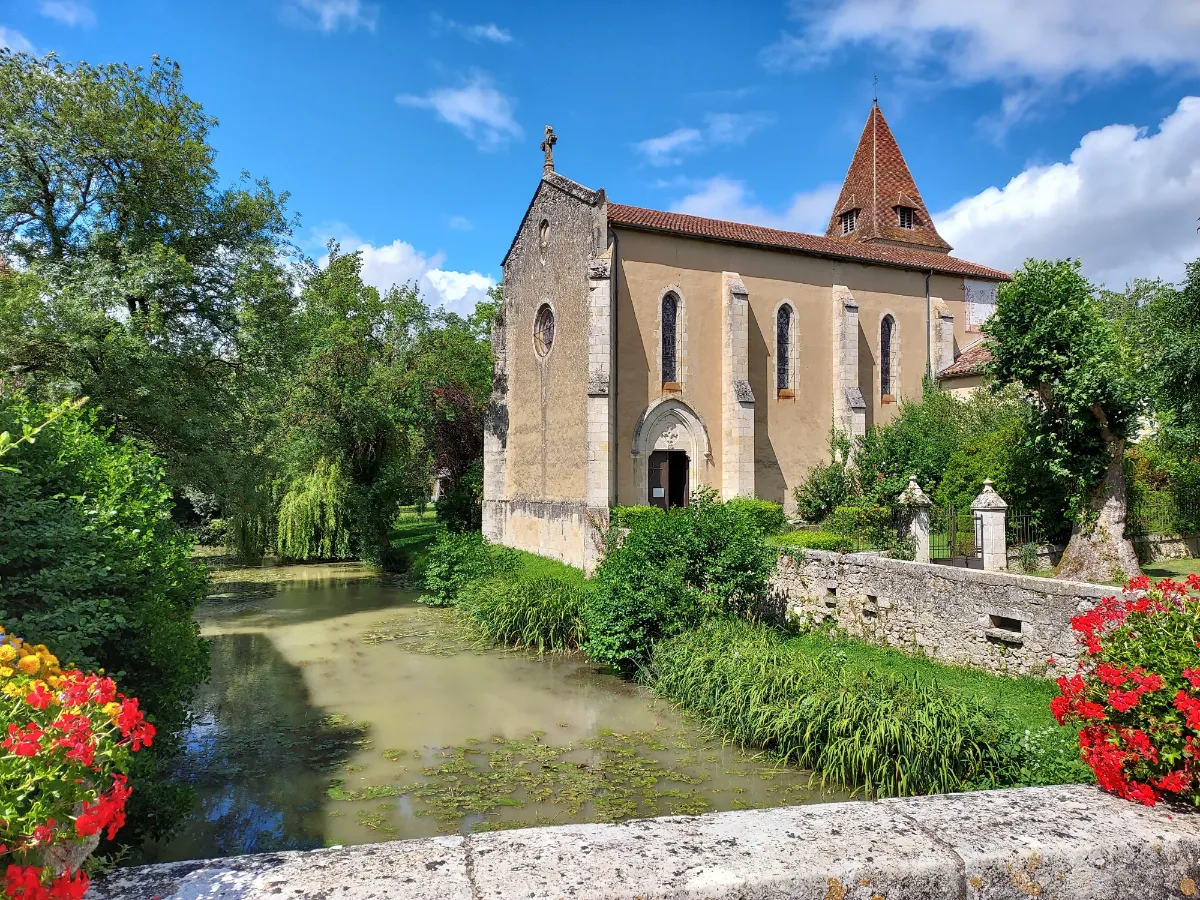
Fourcès immediately stands out for its circular layout, something quite unusual in this part of France. At the heart of the village is a large round square shaded by plane trees, surrounded by old houses and covered arcades that create a wonderfully charming setting.
This unusual design marks the site of a former castle, around which the village gradually developed. The half-timbered façades, balconies, and old stone walls tell the story of several centuries of history.
Beyond the square, narrow streets lead toward a small bridge and the rolling landscapes of Gascony. Fourcès has a lovely rural atmosphere, especially in spring when the trees turn green again.
St-Pierre de Moissac
Type Abbey
Price €7
Full Name
Abbaye Saint-Pierre de Moissac
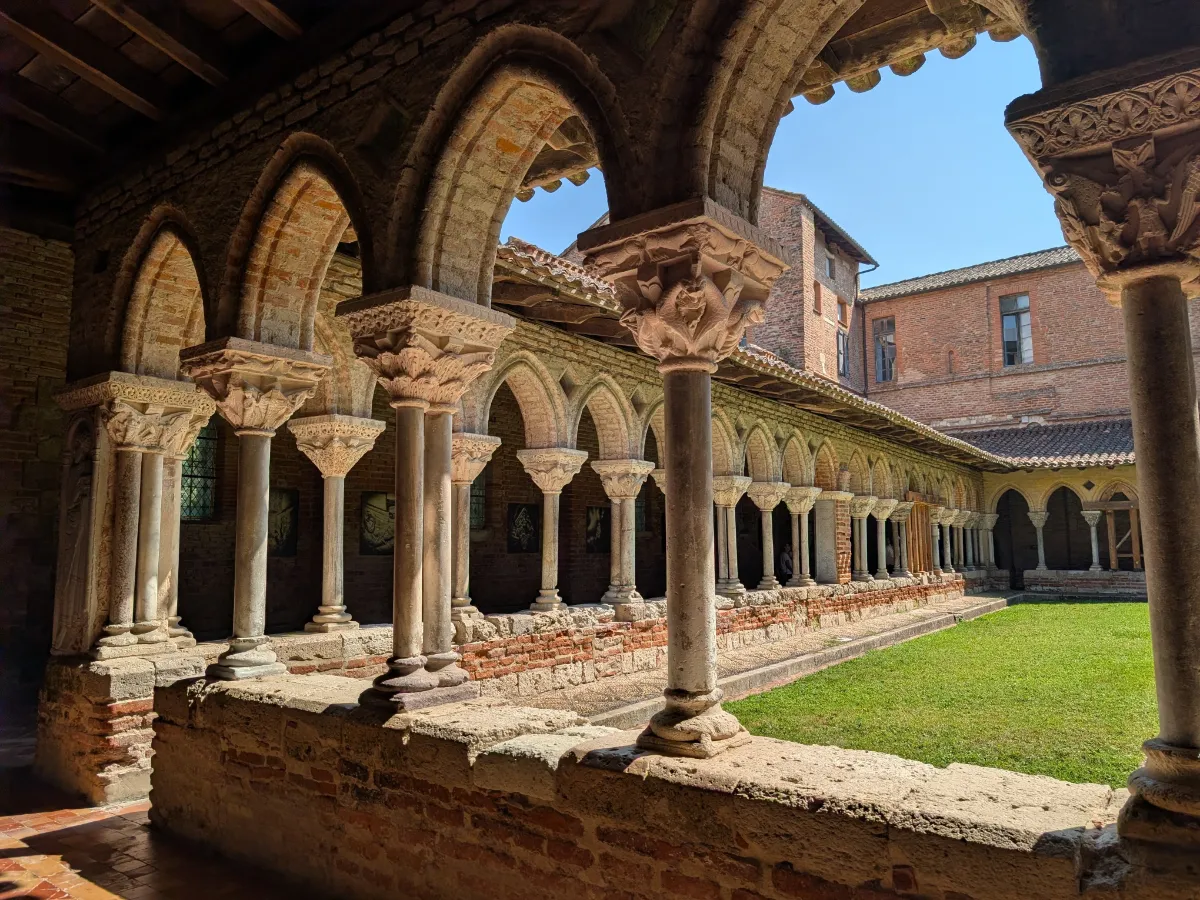
The former Abbey of Saint-Pierre in Moissac is home to one of the most remarkable collections of medieval sculptures in France. Founded more than a thousand years ago, it’s especially famous for its magnificent cloister, built in the early 12th century.
Surrounding a peaceful garden, 76 carved capitals depict biblical scenes, human figures, and plant motifs. Each column showcases extraordinary stone craftsmanship, with intricate details that are best appreciated as you slowly make your way around the galleries.
At the entrance to the church, the large sculpted portal is particularly impressive, with its monumental figures. This wealth of artwork reflects Moissac’s importance along the historic pilgrimage routes to Santiago de Compostela.
Bruniquel
In Our Top+ ✅
Type Village
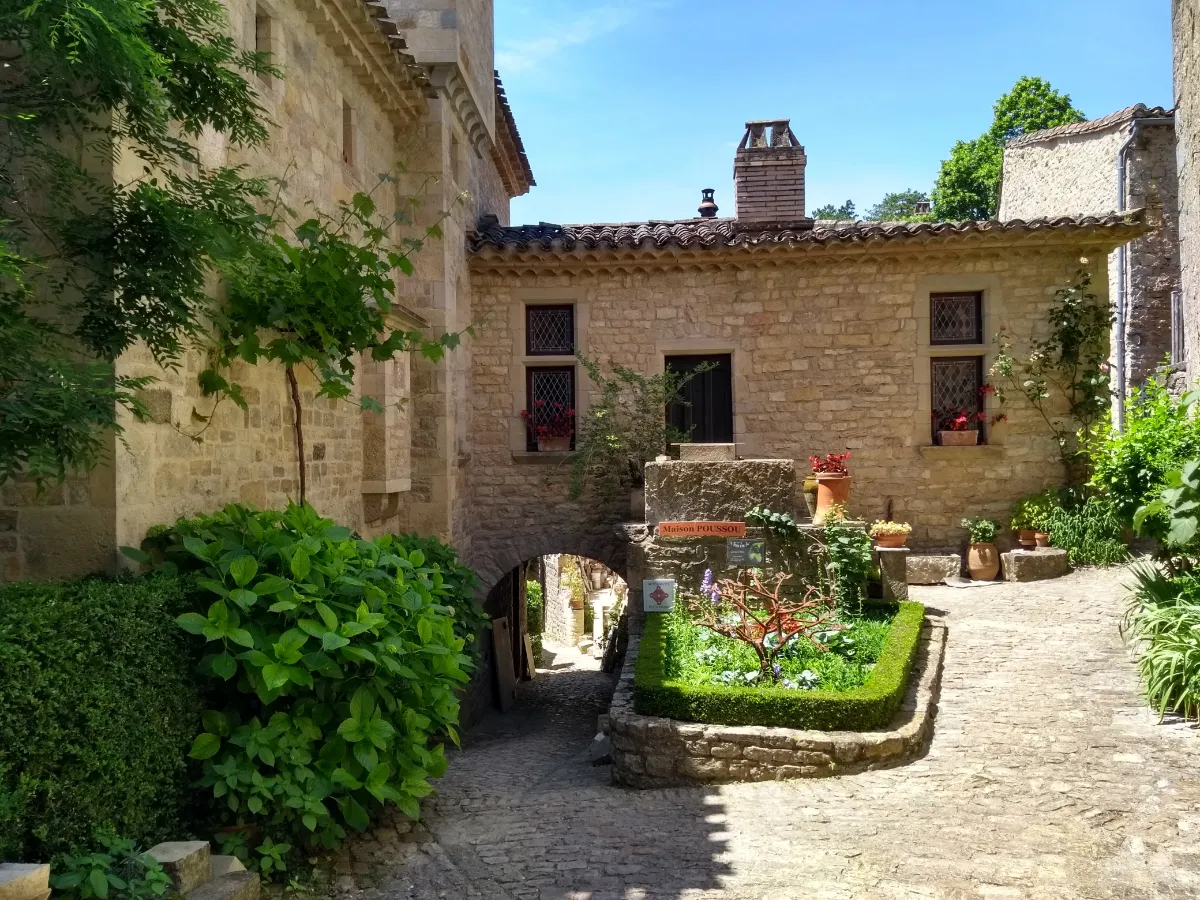
Clinging to a cliff overlooking the Aveyron Valley, Bruniquel has a spectacular medieval setting. Its stone houses, cobbled streets, and old fortified gateways form a remarkably well-preserved village surrounded by wooded hills.
At the very top of the village stand two castles built in different periods. Their courtyards, historic rooms, and terraces offer magnificent views across the valley.
Wandering through the village reveals plenty of surprises, from old façades and carved windows to stone staircases and vaulted passageways. From the highest points, you’ll enjoy breathtaking views of the cliffs and the winding Aveyron River.
Castelnau-de-Montmiral
Type Village
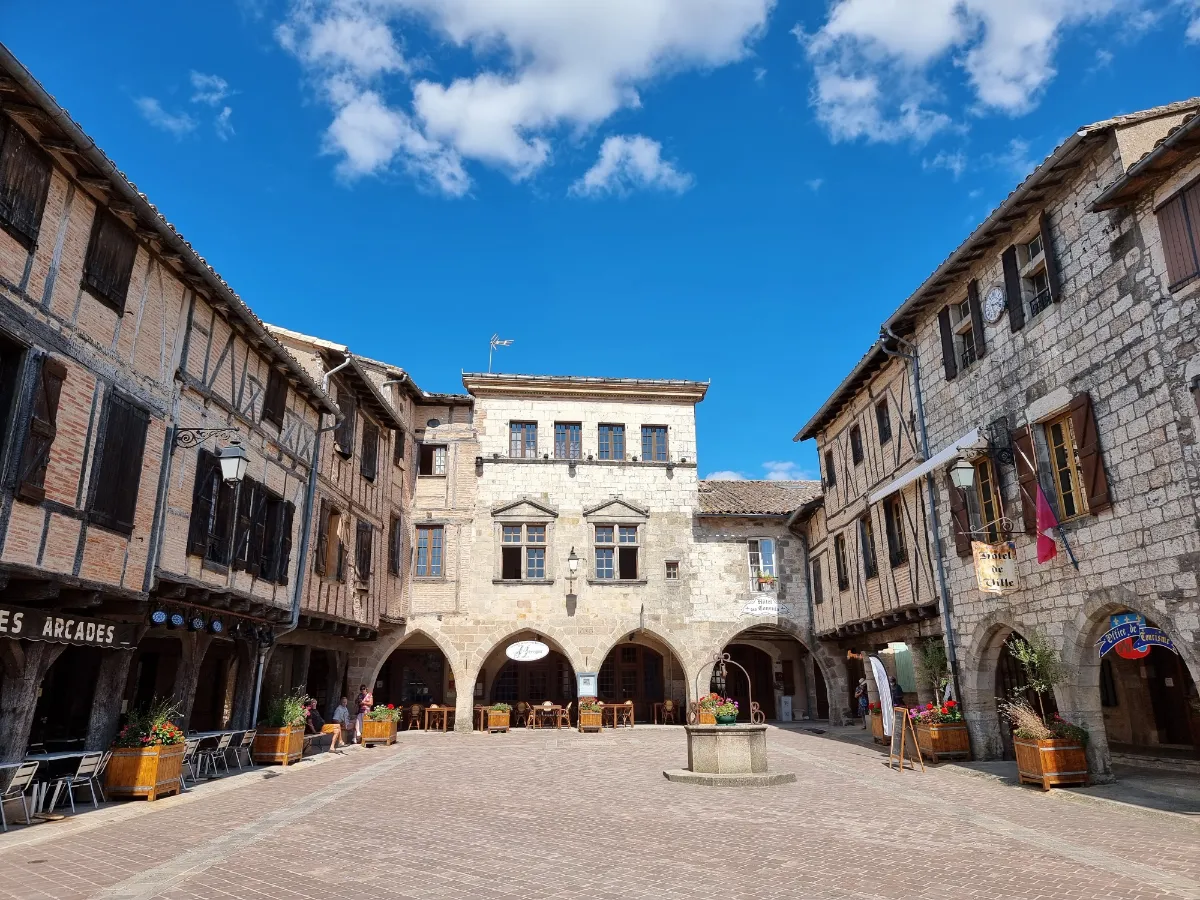
Founded in the 13th century, Castelnau-de-Montmiral overlooks the hills and vineyards of the Tarn region. Behind its old defensive walls, this medieval village has preserved a network of narrow streets lined with stone houses, half-timbered façades, and historic doorways.
Its magnificent central square, surrounded by covered arcades and houses with beautifully carved windows, is one of the finest architectural sights in the region. It reflects the layout of the new towns founded during the Middle Ages.
Beyond the old streets, several walking paths let you take in the surrounding scenery. From the hilltop, you’ll enjoy wonderful views of the valleys, fields, and forests, in a peaceful atmosphere that contrasts with the village’s military past.
Cordes-sur-Ciel
In Our Top+ ✅
Type Village
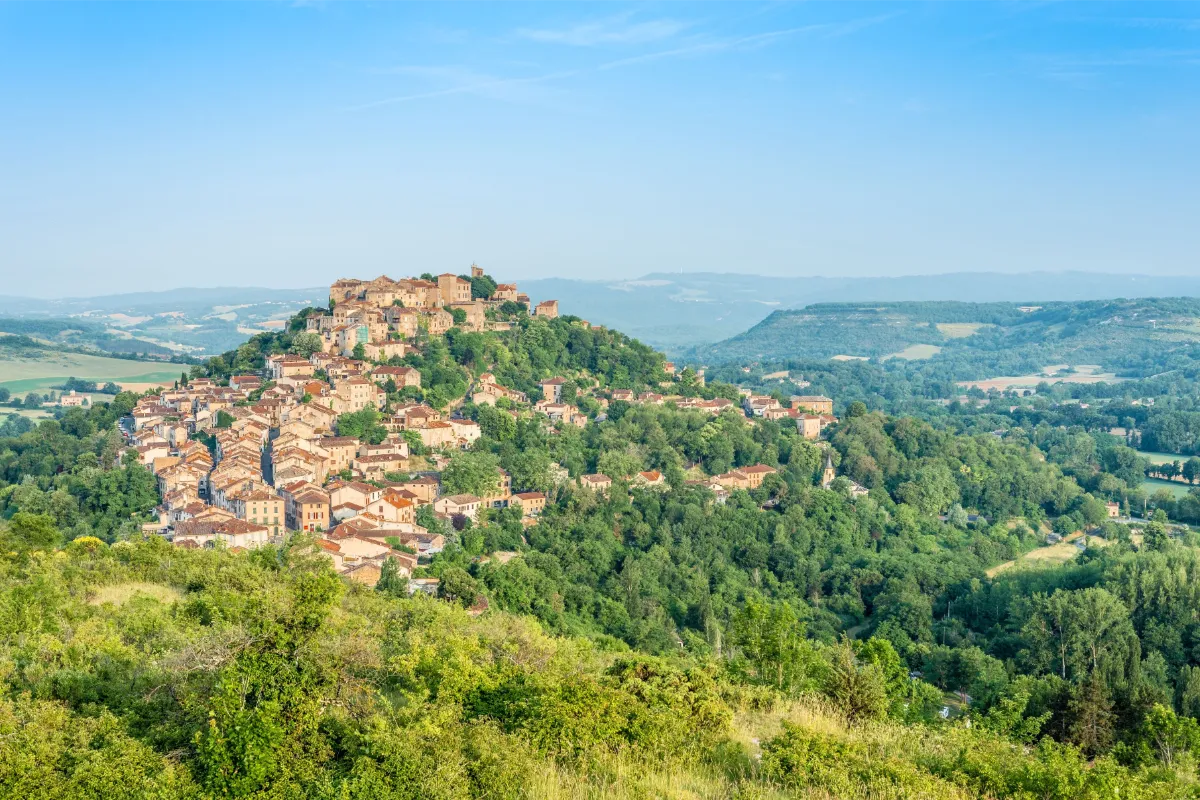
Rising dramatically from a steep hill, Cordes-sur-Ciel is one of the most spectacular medieval villages in France. Founded in 1222, it sometimes appears to float above the clouds when mist fills the valley below, leaving only its towers visible.
The climb through its cobbled streets reveals magnificent houses from the 13th and 14th centuries. Their carved façades, large windows, and fortified doorways reflect the wealth of the merchants who once lived here.
From the top, sweeping views stretch across the green hills of the Tarn. Around every corner, you’ll come across fascinating architectural details and beautiful views over the old rooftops.
Najac
Type Village
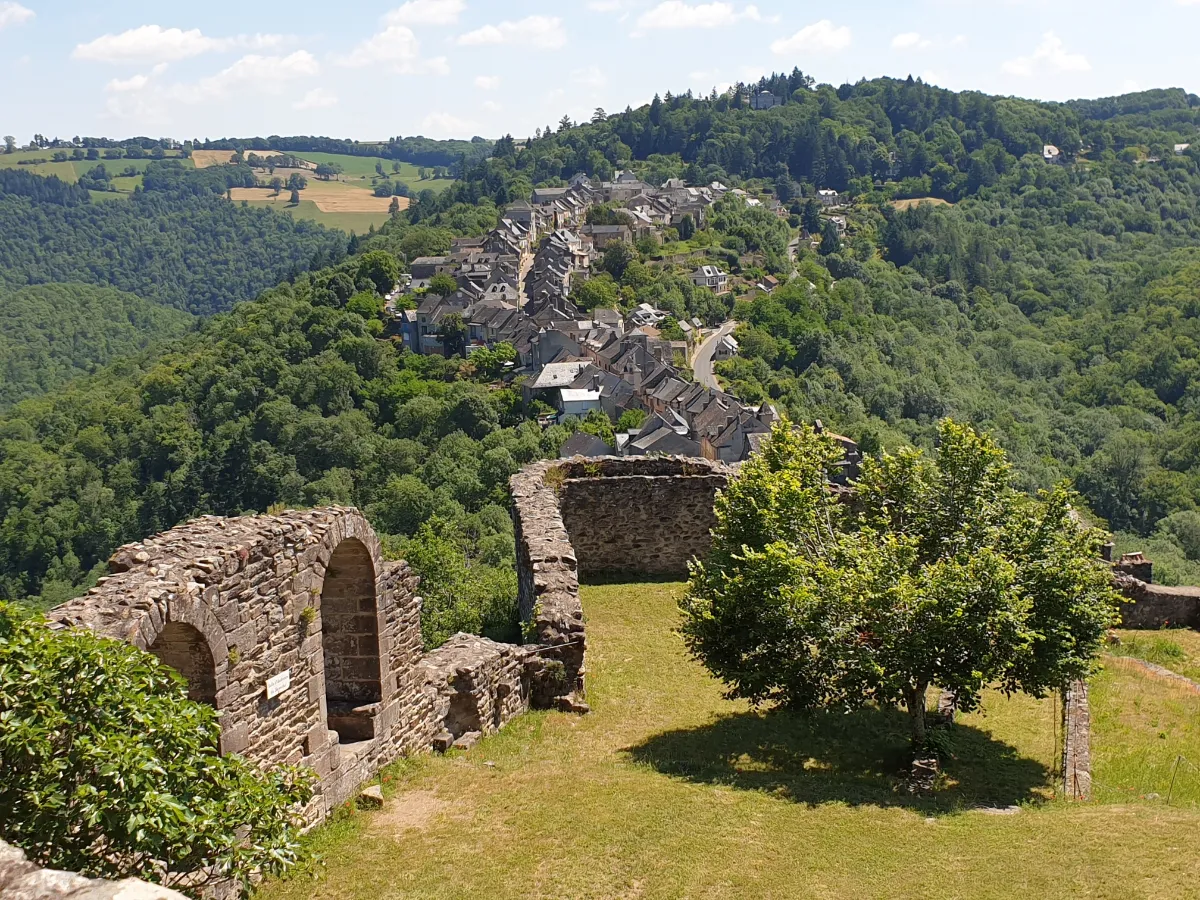
Perched along a long rocky ridge, Najac has a spectacular silhouette rising above the Aveyron Gorges. The village stretches mainly along a single street lined with medieval houses, leading all the way to an imposing fortress.
The royal castle, built and strengthened in the 13th century, dominates the valley with its towering walls. Exploring its towers and rooms gives you a fascinating insight into medieval military architecture, while the highest points offer exceptional panoramic views.
A stroll through Najac reveals half-timbered houses, little passageways, and beautiful stone façades. Far below, the river winds between wooded hills, creating a landscape that’s both peaceful and breathtaking.
Gorges de l'Aveyron
Type Gorges
Full Name
Gorges de l’Aveyron
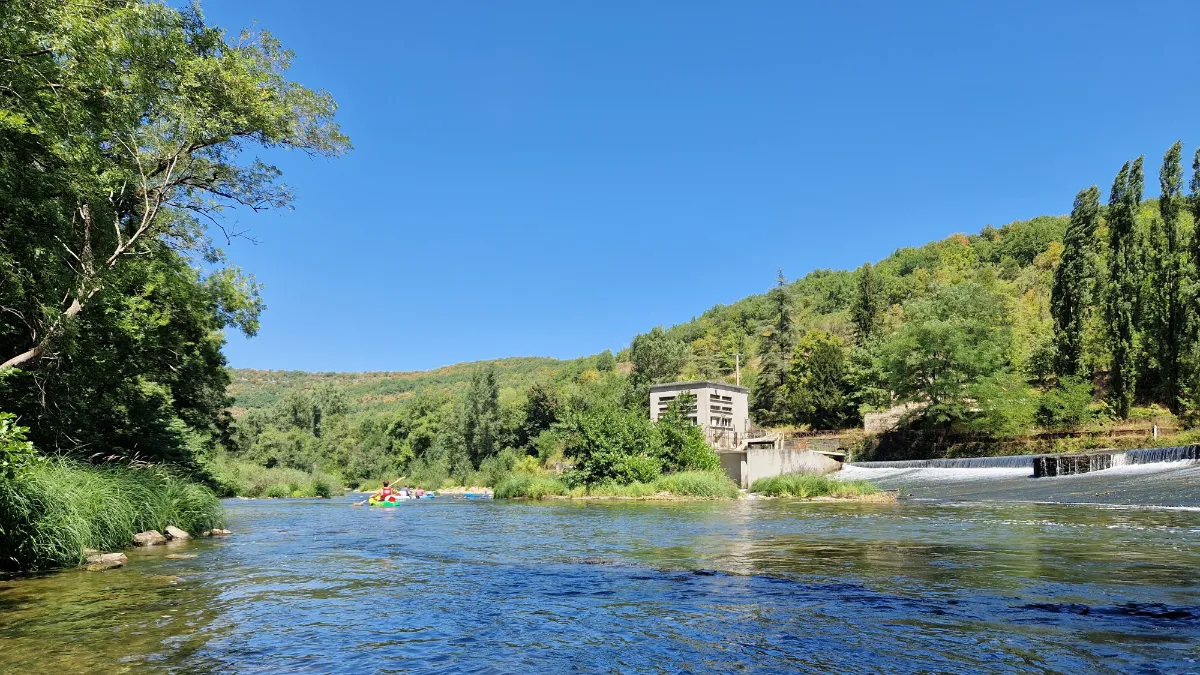
Carved out by the Aveyron River over thousands of years, these gorges offer wild, dramatic scenery, with limestone cliffs towering above the river’s winding bends. Between forests, rocky slopes, and hilltop villages, you’ll find some of the most impressive landscapes in southwestern France.
Numerous trails let you explore the gorges on foot, winding through woodlands and across rocky heights. If you’re looking for a little adventure, you can also go canoeing on certain stretches of the river when conditions allow.
The roads running alongside the cliffs reveal some magnificent viewpoints. In spring, lush green vegetation contrasts beautifully with the pale rocks, while autumn turns the hillsides shades of gold.
Albi
In Our Top+ ✅
Type Town
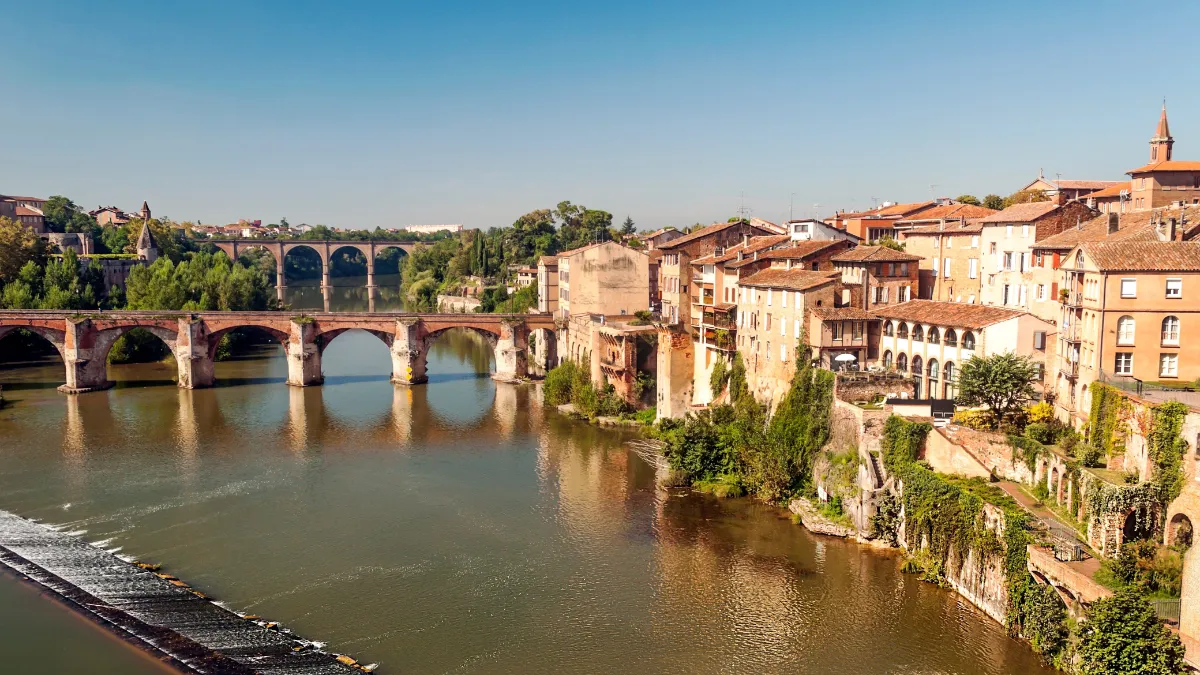
Overlooking the Tarn River, Albi is one of the most beautiful historic towns in southern France. Nicknamed the “Red City” because of its brick buildings, it boasts an exceptional architectural heritage recognized as a UNESCO World Heritage Site.
You can’t miss Sainte-Cécile Cathedral. Built from the 13th century onward, this enormous brick structure looks more like a fortress than a church. Step inside, though, and the contrast is breathtaking: the walls and vaulted ceilings are covered in extraordinarily colorful paintings.
Right next door, the former bishops’ palace houses the Toulouse-Lautrec Museum, dedicated to the famous painter who was born in Albi in 1864. Its gardens offer beautiful views of the Tarn, the old bridges, and the historic houses that seem to cling to the riverbanks.
In the streets of the town center, medieval houses stand alongside elegant buildings from later centuries. Cross the Pont-Vieux, built in the 11th century, and you’ll get an especially photogenic view of the cathedral and the rooftops of the old town.
Gouffre Géant de Cabrespine
Type Cave
Price €15.60
Full Name
Gouffre Géant de Cabrespine
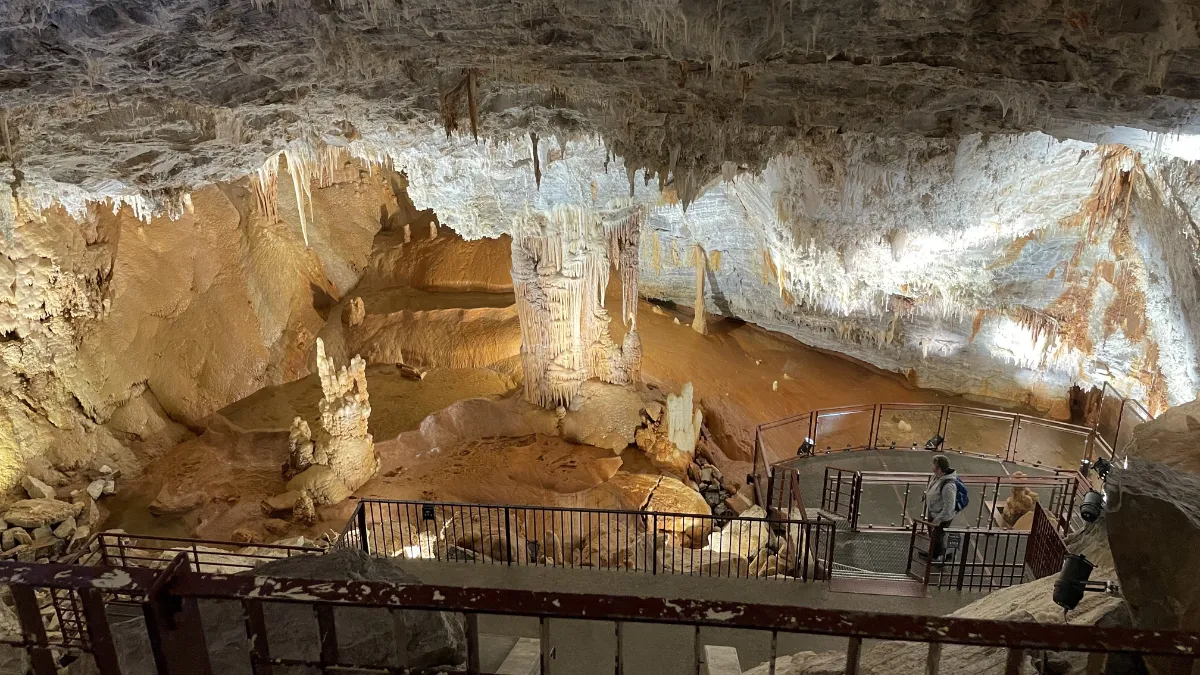
Just 25 km from Carcassonne, the Gouffre Géant de Cabrespine hides an enormous underground cavern beneath the Montagne Noire, plunging to an incredible depth of 250 meters. Carved out by water over millions of years, it reveals towering rock walls, spectacular stone waterfalls, and delicate crystals.
The highlight? A glass walkway suspended 200 meters above the cavern floor. Not for the faint-hearted. Dramatic lighting brings the incredible rock formations to life, while a tour lasting around an hour lets you discover the wonders of this underground world. The temperature stays at around 14°C all year round.
Carcassonne
In Our Top+ ✅
Type Town
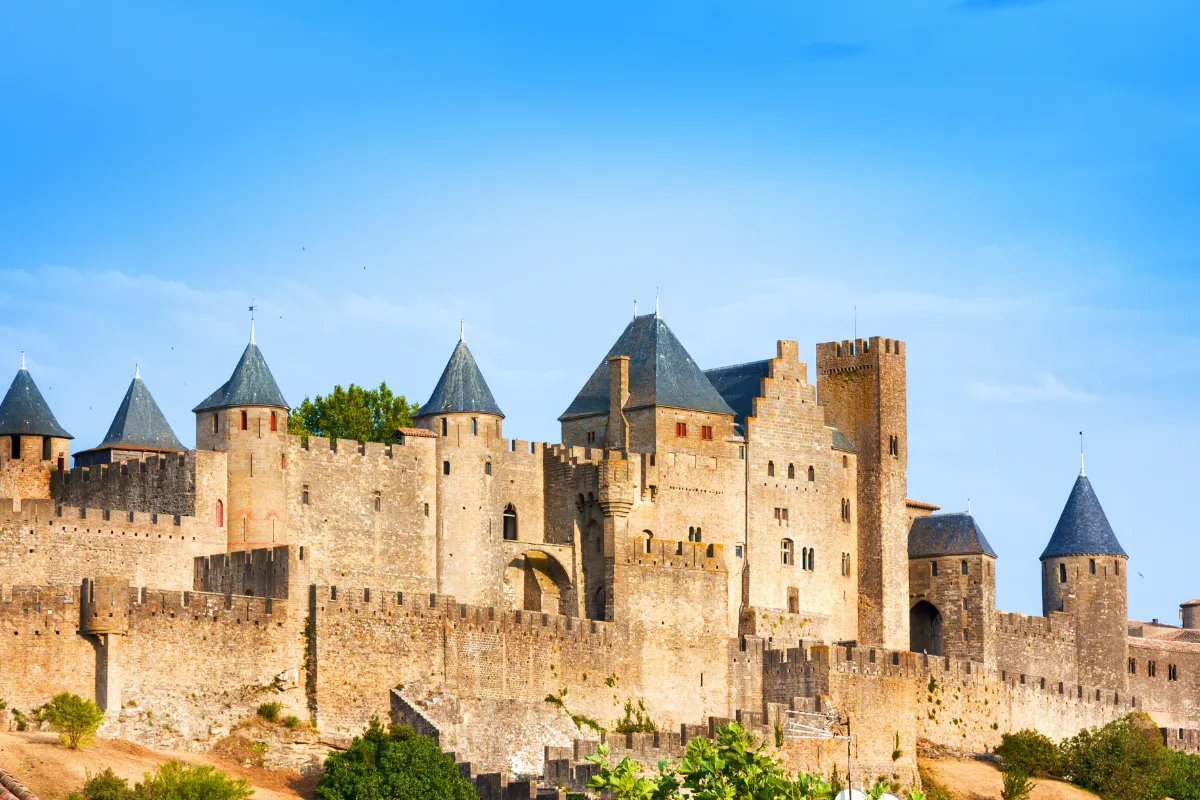
With its massive ramparts and towers topped with pointed roofs, Carcassonne looks like something straight out of a medieval fairy tale. Its famous fortified city, perched on a hill overlooking the Aude River, is one of the most impressive defensive complexes in Europe and a UNESCO World Heritage Site.
Built and expanded over the centuries, it has two rings of defensive walls, 52 towers, and nearly three kilometers of ramparts. Pass through its monumental gateways and you’ll find yourself in a maze of cobbled streets where the architecture brings the Middle Ages to life.
The Château Comtal, built in the 12th century, offers a fascinating look at how this fortress was organized. Walking along the ramparts gives you spectacular views over the rooftops, surrounding vineyards, and distant mountains. The Basilica of Saint-Nazaire is also worth a visit for its beautiful stained-glass windows.
Carcassonne’s history was shaped by the religious wars of the 13th century, when armies from northern France fought against the Cathars, a Christian movement considered heretical by the Catholic Church. In the 19th century, architect Viollet-le-Duc undertook a major restoration of the fortified city.
For the best view of Carcassonne in all its glory, move a little farther away from the walls. From the Pont-Vieux, the silhouette of the medieval city rises majestically above the river. At sunset, its golden ramparts create a truly breathtaking sight.
Mirepoix
Type Village
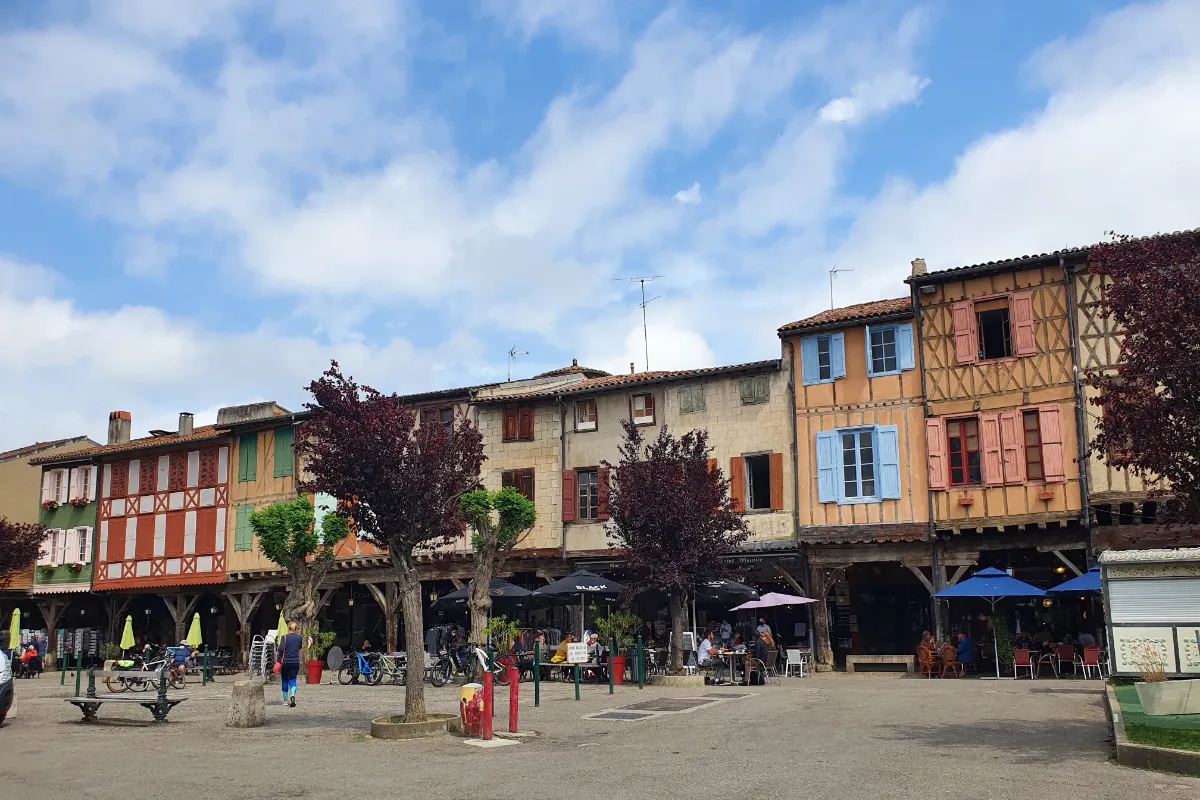
Mirepoix has one of the most beautiful medieval squares in southwestern France. Established in its present form in the late 13th century, this small town has preserved magnificent half-timbered houses whose covered galleries surround a large central square.
Some façades feature remarkable wooden carvings depicting people and animals. The Maison des Consuls, with its particularly elaborate decorations, showcases the craftsmanship of the period and is well worth taking a closer look at.
Just a short walk away, the former Cathedral of Saint-Maurice impresses with its enormous interior. The surrounding streets have a welcoming atmosphere, while the nearby hills and mountains are a reminder of Mirepoix’s beautiful location at the gateway to the Pyrenees.
Foix
Type Small Town
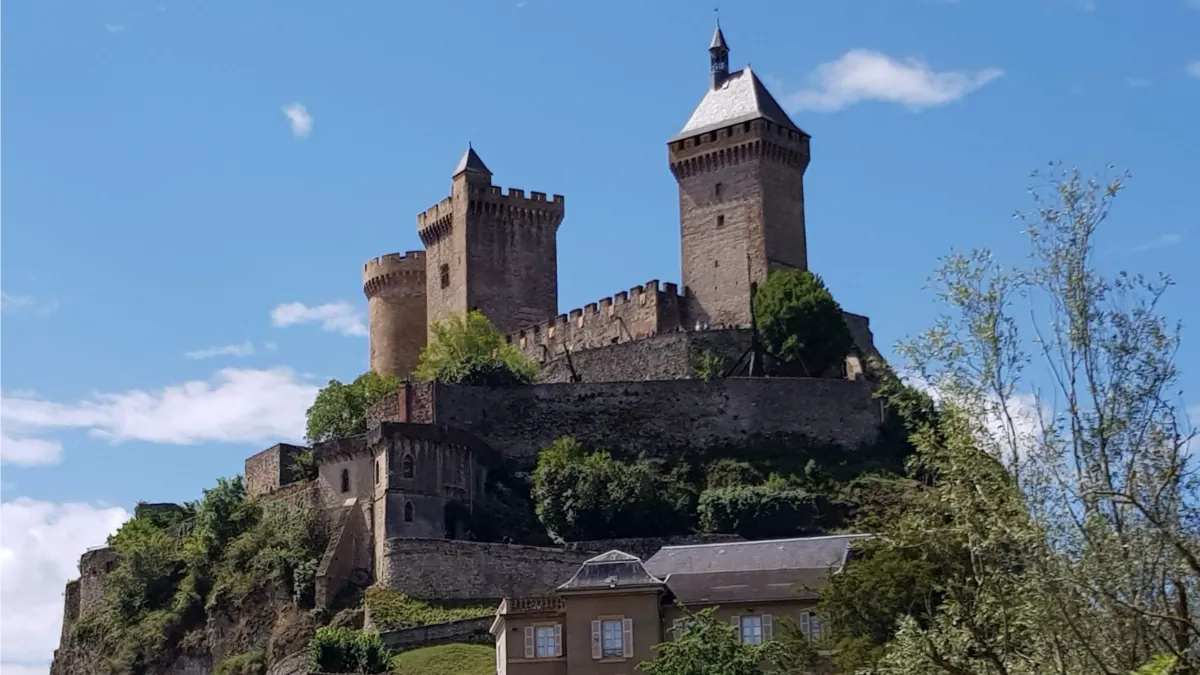
At the foot of the Pyrenees, Foix is instantly recognizable thanks to its spectacular castle perched high on a rocky outcrop. Rising above the rooftops of the old town, its three stone towers are a reminder of the turbulent past of this former stronghold, once ruled by powerful lords.
A visit to the castle gives you a glimpse into everyday life in the Middle Ages, with displays of weapons, grand halls, and defensive systems. From the top, you’ll enjoy magnificent views of the mountains and rivers surrounding Foix.
Down below, narrow streets wind between old houses and small squares. Located where two rivers meet, the town has a lively mountain atmosphere, with the first peaks of the Pyrenees rising just beyond it.
Niaux
In Our Top+ ✅
Type Prehistoric Cave
Price €17 – Guided Visit only
Full Name
Grotte de Niaux
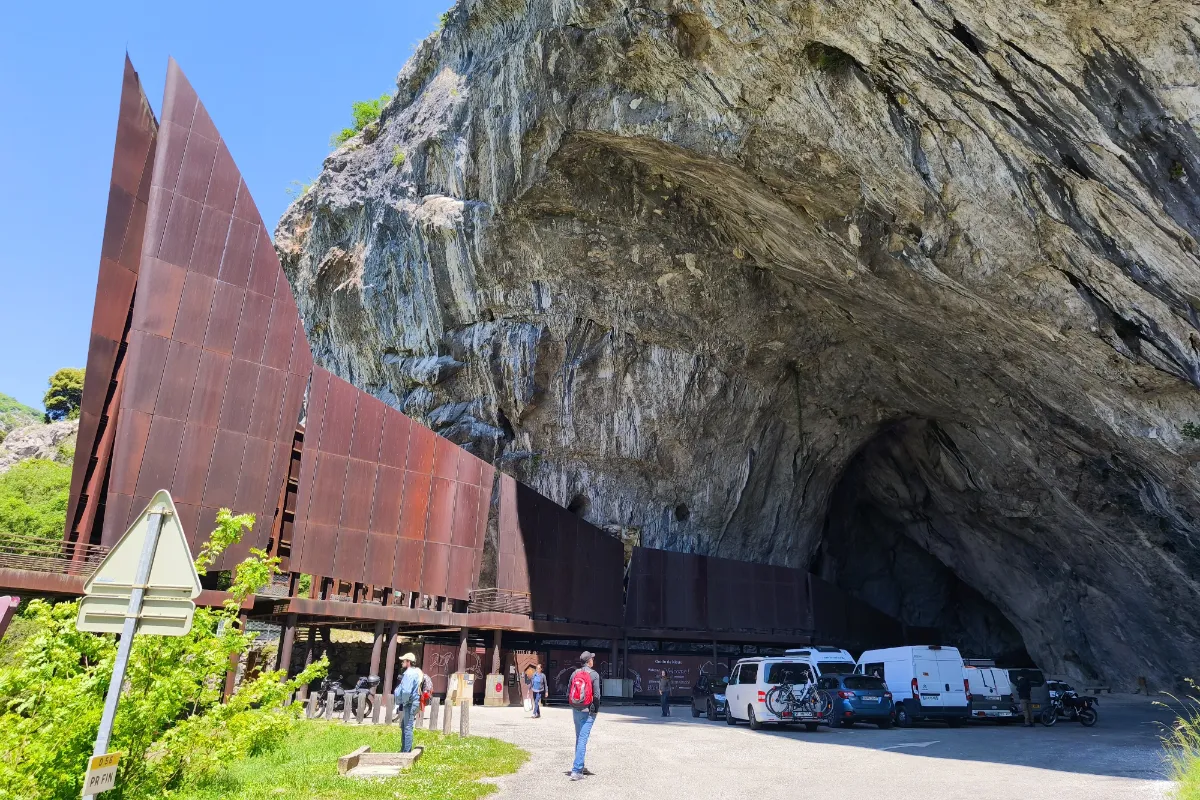
In the mountains of Ariège, Niaux Cave is home to one of the most extraordinary collections of prehistoric paintings in Europe. Around 16,000 years ago, Ice Age artists painted bison, horses, and ibex on its cave walls.
Visiting the cave is an unforgettable experience. Accompanied by a guide, you’ll make your way through vast underground galleries by lamplight. The silence, darkness, and sheer size of the cave make you feel as though you’re stepping back in time.
The most moving moment comes when you reach the Salon Noir, or Black Chamber, where the famous animal paintings appear. Created mainly using black pigments, they’re remarkable for the precision of their outlines and the sense of movement in the figures. Unlike in some other famous prehistoric caves, here you’re looking at the original artwork.
Parc des Pyrénées Ariégeoises
In Our Top+ ✅
Type Mountains
Full Name
Parc Naturel Régional des Pyrénées Ariégeoises
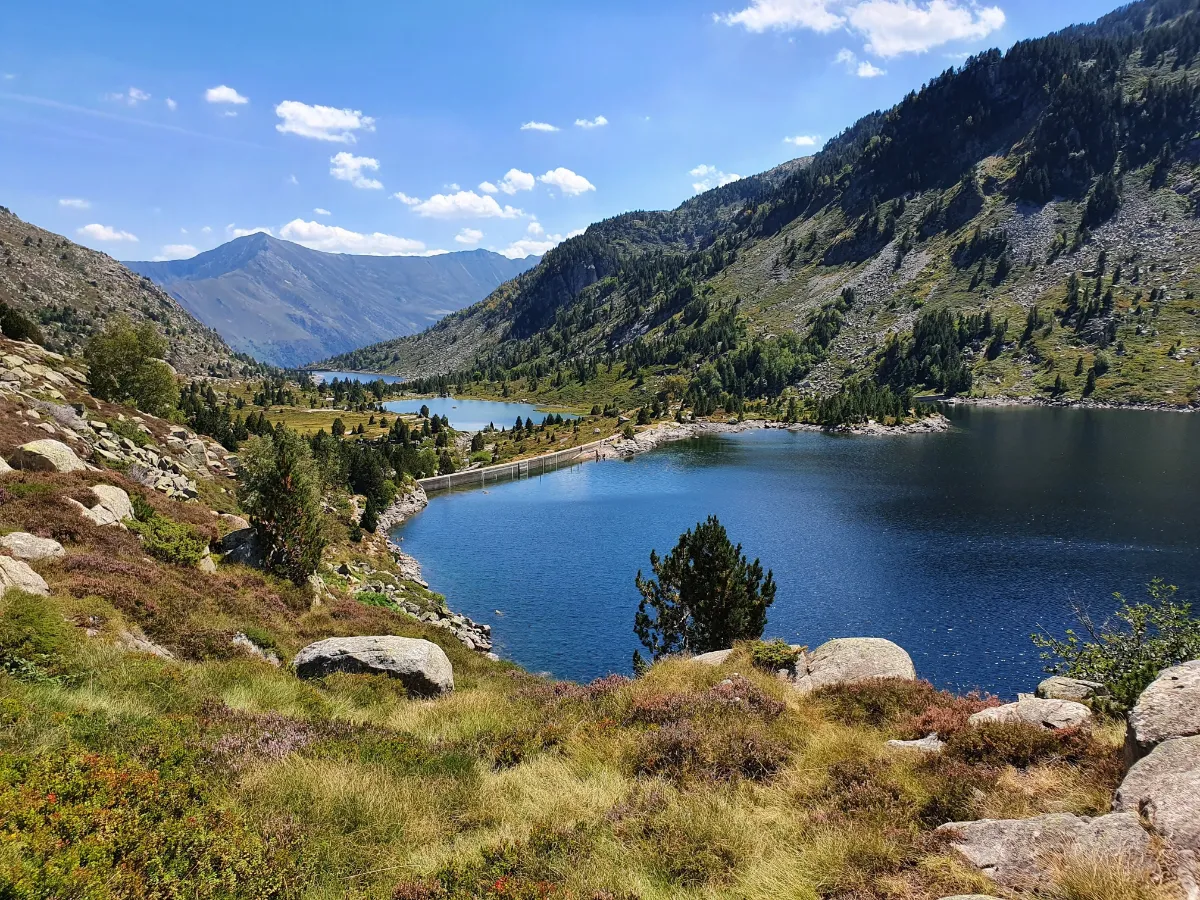
In the Ariège Pyrenees, the mountains reveal their wildest side. This vast protected natural area stretches across deep valleys, forests, high-altitude pastures, and rugged peaks. Far from the major tourist resorts, you’ll discover unspoiled landscapes and villages where mountain traditions are still very much alive.
There are plenty of hiking options for all kinds of walkers. Easier trails take you through beech forests, alongside rushing streams, or to small, isolated villages. Higher up, the paths climb toward mountain pastures, where herds graze during the summer, before reaching alpine lakes and spectacular viewpoints.
Mont Valier, one of the region’s most iconic peaks, rises to 2,838 meters. Climbing to the summit is best left to experienced hikers, but the surrounding valleys also offer plenty of accessible trails where you can admire its impressive silhouette from easier-to-reach viewpoints.
Étang de Lers is another popular destination for nature lovers. Sitting at an altitude of over 1,200 meters, this lake is surrounded by meadows, rounded hills, and rocky peaks. Several trails let you explore the surrounding landscapes and discover the local mountain plants.
Wildlife is particularly abundant here. Look up and you might spot a griffon vulture or a bearded vulture, an enormous bird of prey found in mountain regions. Pyrenean chamois, known locally as isards, live on the steep slopes. Brown bears are also present, although sightings are extremely rare.
The region’s cultural heritage is just as interesting. Down in the valleys, stone villages reflect centuries of traditional mountain farming. Old barns, agricultural terraces, and paths connecting small hamlets are reminders of the close relationship between local communities and their environment.
June to September is generally the best time for hiking at higher altitudes, although snow can linger on some sections of the trails well into the season. In spring and autumn, lower mountain routes offer beautiful colors and a quieter atmosphere.
Before setting off, check the weather forecast and the difficulty of your chosen trail. Elevation gains can be significant, even over relatively short distances. Make sure you have sturdy walking shoes, plenty of water, and clothing suited to rapidly changing mountain weather.
Saint-Bertrand-de-Comminges
In Our Top+ ✅
Type Village
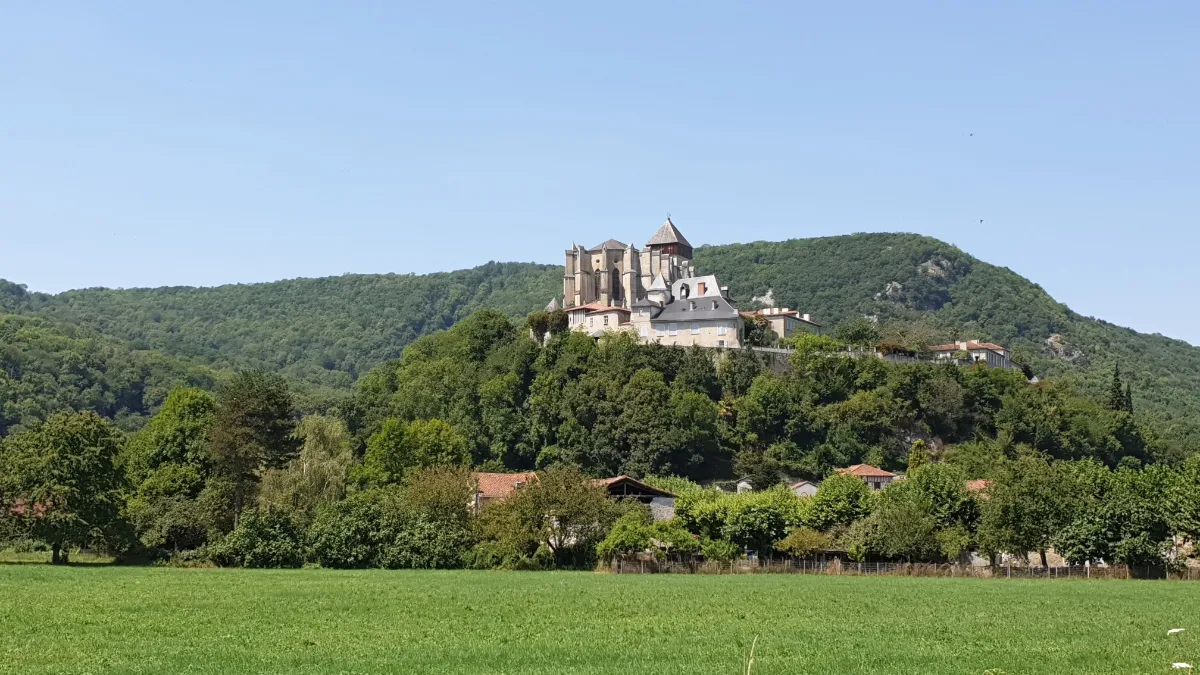
Perched on a hill facing the Pyrenees, Saint-Bertrand-de-Comminges is one of the most impressive historic villages in southwestern France. Its skyline is dominated by a cathedral whose massive tower rises above the old houses.
Sainte-Marie Cathedral combines several architectural styles and is home to a remarkable collection of carved wooden sculptures. Its soaring vaulted ceilings, monumental organ, and stained-glass windows reflect the religious wealth of this historic town.
At the foot of the village lie the remains of Lugdunum Convenarum, an important town founded during Roman times. As you wander along the cobbled streets, you’ll discover old houses and magnificent viewpoints overlooking the mountains, which sometimes remain snow-covered well into spring.
Lourdes
In Our Top+ ✅
Type Town
At the foot of the Pyrenees, Lourdes is one of the most important Catholic pilgrimage destinations in the world. Its history changed in 1858, when Bernadette Soubirous, a 14-year-old girl, claimed to have seen the Virgin Mary several times in a grotto beside the river.
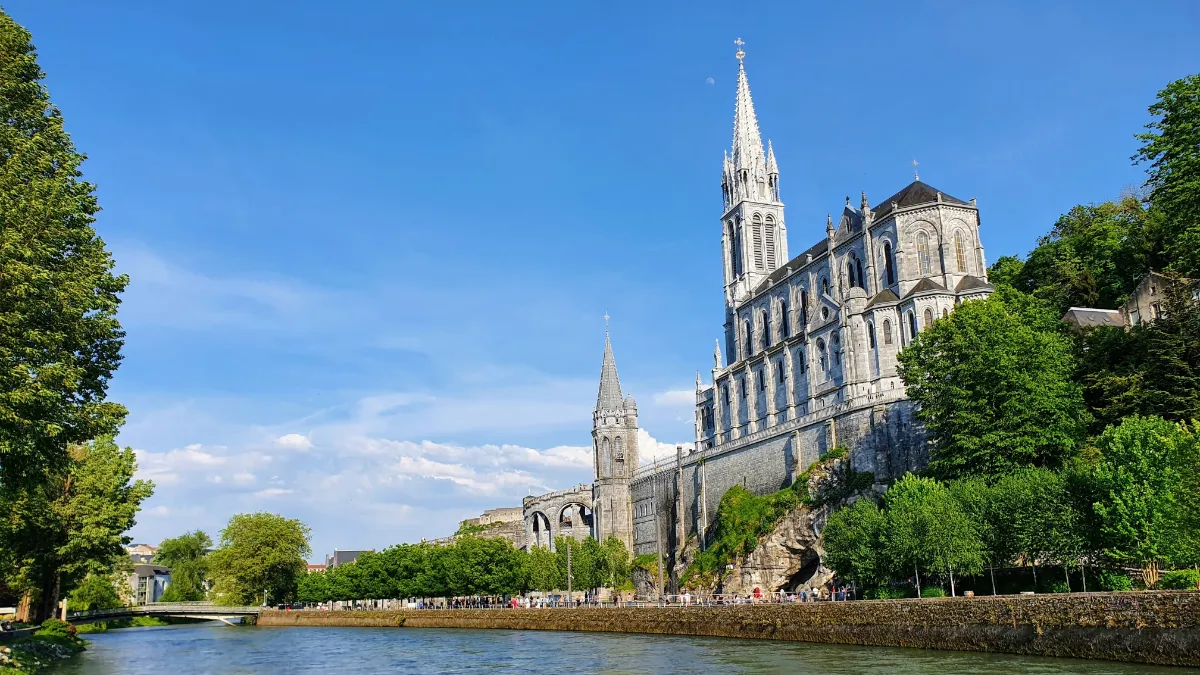
Today, the Sanctuary of Our Lady of Lourdes attracts visitors from all five continents. Its large churches, spacious prayer areas, and the Grotto of Massabielle form an impressive complex. Every year, thousands of pilgrims take part in religious ceremonies and candlelit processions.
Even if you’re not religious, Lourdes has a unique atmosphere that makes it worth exploring. The fortified castle, standing on a rocky outcrop above the town, is a reminder of its medieval past. From the top, you can enjoy sweeping views over the rooftops and the first peaks of the Pyrenees.
The nearby mountains are also well worth discovering. The Gave de Pau, a river flowing down from the Pyrenees, runs through the town, and its banks are lovely for a stroll. In spring, the still snow-covered peaks create a beautiful backdrop.
Parc National des Pyrénées
In Our Top+ ✅
Type Mountains
Full Name
Parc National des Pyrénées
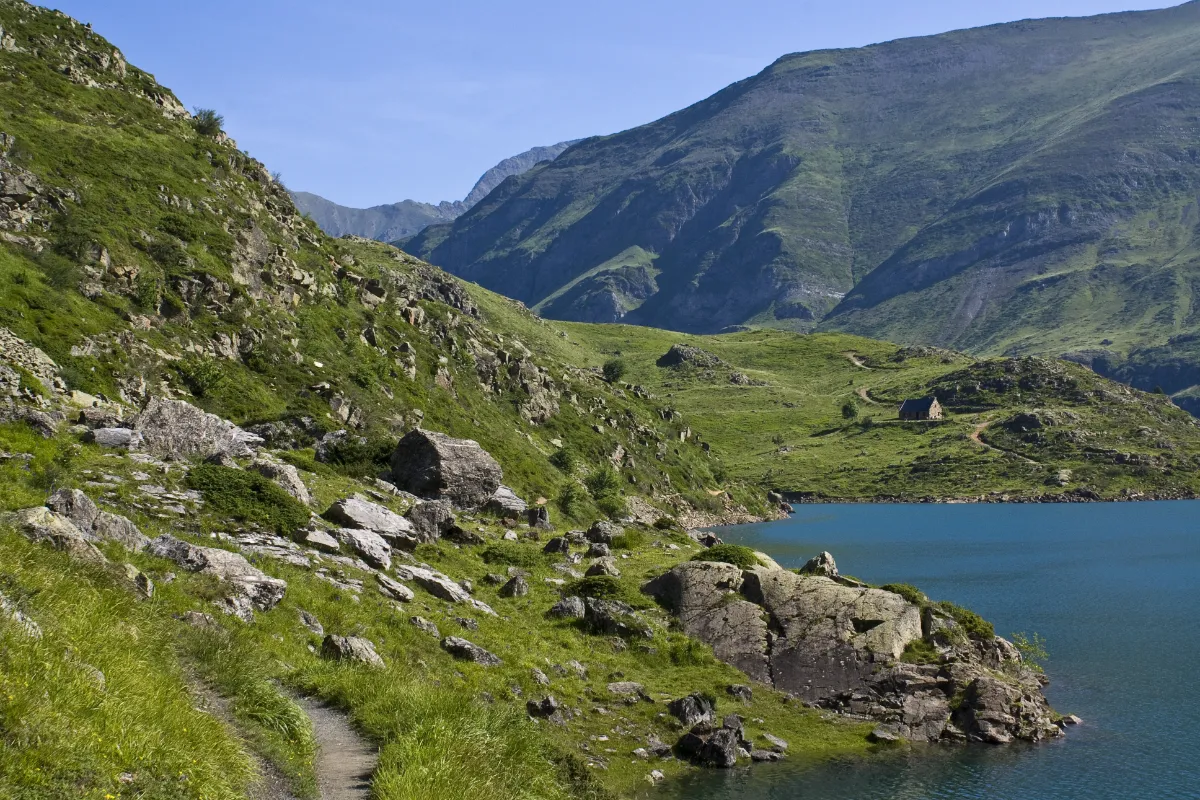
Established in 1967, Pyrenees National Park protects some of the most spectacular landscapes in the mountain range separating France and Spain. Snow-covered peaks, alpine lakes, deep forests, and waterfalls make it a true paradise for hikers and anyone who loves the great outdoors.
The mountain scenery is incredibly dramatic, with deep valleys surrounded by towering rock faces. Water is everywhere: rushing mountain streams, crystal-clear creeks, and turquoise lakes line the trails, while glaciers can still be found in parts of the highest mountain ranges.
The Cirque de Gavarnie is one of the park’s most breathtaking sights. This enormous natural amphitheater, carved out by glaciers, is surrounded by rock walls rising more than 1,000 meters high. A gigantic waterfall plunges down the cliffs, creating a spectacular landscape recognized as a UNESCO World Heritage Site.
Around Cauterets, hiking trails lead to equally remarkable scenery. Pont d’Espagne, surrounded by forests and waterfalls, is a popular starting point. Higher up, Lac de Gaube offers magnificent views of the mountain peaks reflected in its waters.
The park is also home to extraordinary mountain wildlife. Marmots whistle as walkers approach, Pyrenean chamois move across rocky slopes, and large birds of prey soar above the valleys. In early summer, the meadows burst into bloom, creating a striking contrast with the snow that still covers the higher peaks.
There are walking routes to suit a wide range of abilities. Some follow relatively easy paths to waterfalls and lakes, while others involve several hours of climbing. Experienced hikers can head up to mountain refuges and take on longer treks across the mountains.