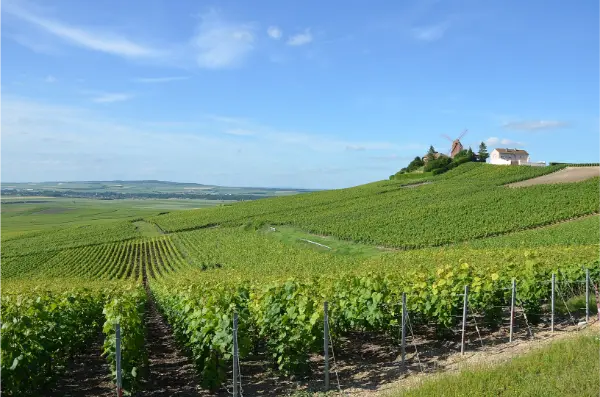



MAP
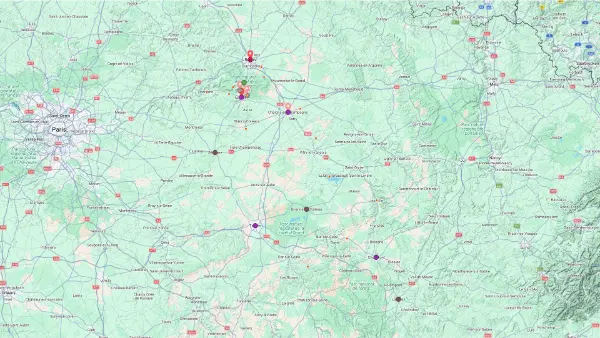
Champagne
Interactive Map
Champagne
Interactive Map
Click on the icon  in the top-left corner to display the map legend.
Show/Hide layers as needed.
Click on the arrow icons (v) to display the sublayers.
CITY
| Name | Top+ | Top |
|---|---|---|
| Reims | ✅ |
Reims

In Our Top+ ✅
The historic capital of Champagne, Reims is a city with a prestigious past, closely tied to the French monarchy and the production of the world-famous sparkling wine. Its remarkable religious heritage stands alongside more modern architecture, much of it dating from the city’s reconstruction after World War I. This mix gives Reims a character quite different from that of other major historic French cities.
Reims’ history goes all the way back to Roman times, when it was an important city in the Roman Empire. Its story took a major turn at the end of the 5th century, when Clovis, King of the Franks, was baptized by Bishop Remigius. This event helped establish Reims as the traditional coronation city of French kings.
Notre-Dame Cathedral, begun in 1211, is the most iconic landmark of this royal history. A masterpiece of Gothic architecture, it impresses visitors with its sheer size, two towering spires and façade covered with hundreds of sculptures. It hosted the coronations of many French monarchs, right up until 1825.
Nearby, the former Palace of Tau is a reminder of the grandeur of these ceremonies, while the Basilica of Saint-Remi houses the tomb of the bishop who baptized Clovis. All three monuments are listed together as UNESCO World Heritage Sites, reflecting Reims’ political and religious importance over the centuries.
The city, however, suffered terribly during World War I. Bombing destroyed much of its center and severely damaged the cathedral. Reconstruction during the 1920s and 1930s completely reshaped the cityscape, leaving behind an impressive collection of Art Deco buildings, easily recognizable by their geometric lines and stylized decorations.
Reims is also one of the main centers of champagne production. Beneath some of its neighborhoods lies a vast network of cellars carved into the chalk, where bottles age in ideal conditions. Champagne production has shaped both the city’s economy and its identity, and some of its champagne-related heritage is also recognized by UNESCO.
TOWNS
| Name | Top+ | Top |
|---|---|---|
| Épernay | ✅ | |
| Châlons-en-Champagne | ☑️ | |
| Troyes | ||
| Chaumont |
Épernay
In Our Top+ ✅
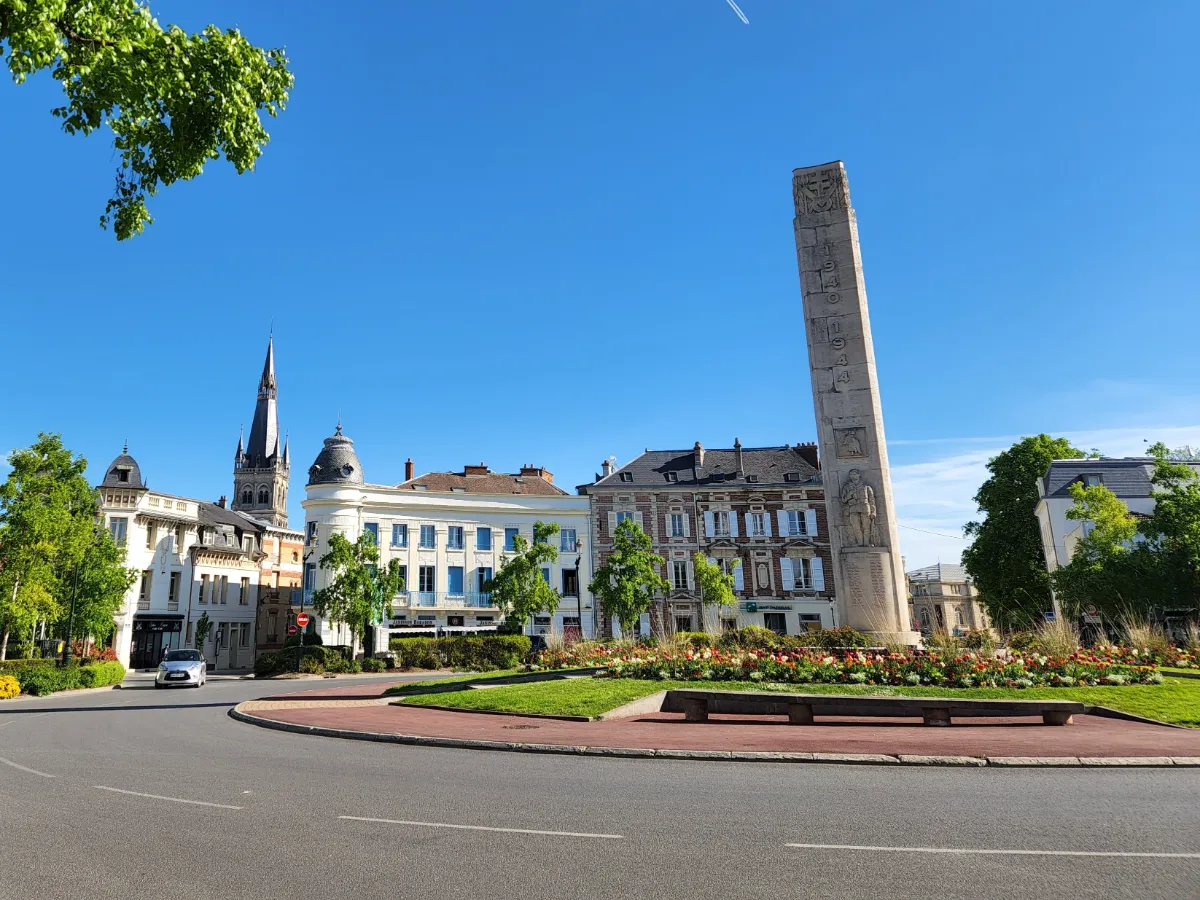
Surrounded by vine-covered hills, Épernay is one of the main historic centers of champagne production and trade. The town really began to grow in the 18th century, when major champagne houses started setting up business here, before enjoying an extraordinary period of prosperity in the following century.
The famous Avenue de Champagne is a striking reminder of this wealth. Lined with grand mansions, elegant façades and beautifully landscaped gardens, it reflects the fortunes made by the great families of the champagne trade. This prestigious architectural ensemble has been part of the UNESCO World Heritage List since 2015.
Beneath the avenue and the rest of the town lies an extraordinary network of cellars carved into the chalk, with more than 100 km of underground galleries. These provide naturally ideal conditions for storing and aging champagne.
As you wander through Épernay, you’ll also discover a town of wide streets and handsome buildings that reflect the prosperity brought by the wine trade and the urban changes of the 19th and 20th centuries.
Châlons-en-Champagne

In Our Top ☑️
Crossed by several rivers and canals, Châlons-en-Champagne has a peaceful atmosphere that contrasts with its rich history. Nicknamed the “Sparkling Venice,” the town charms visitors with its waterside walks, green spaces and historic center, where centuries of architecture come together.
An important trading town during the Middle Ages, Châlons prospered through the textile trade with major cities in Northern Europe. This activity left its mark on the old streets, lined with half-timbered houses, stone mansions and religious buildings.
Among these, the Church of Notre-Dame-en-Vaux is particularly special. Built mainly during the 12th and 13th centuries, it features remarkable stained-glass windows and is listed as a UNESCO World Heritage Site as part of the historic pilgrimage routes to Santiago de Compostela in Spain.
You can also explore Châlons from its canals, which offer a different perspective on the old buildings. The spacious gardens in the town center, laid out along the waterways, are lovely places to continue your walk in the shade of the trees.
Troyes
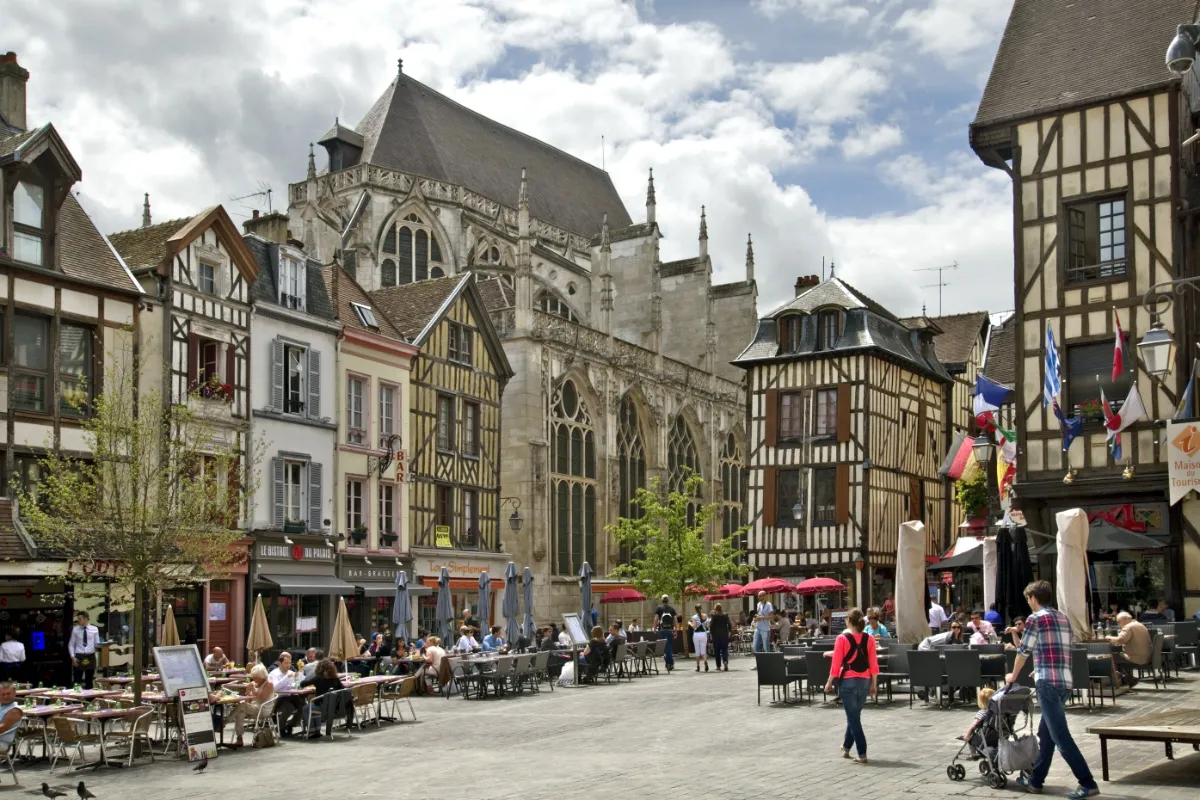
The former historic capital of Champagne, Troyes has one of the best-preserved old town centers in the region. Its cobbled lanes, colorful façades and half-timbered houses, with exposed wooden beams forming geometric patterns, give the city a particularly charming medieval atmosphere.
During the 12th and 13th centuries, Troyes enjoyed exceptional prosperity thanks to the great Champagne fairs, which attracted merchants from across Europe. A major trading crossroads, the town also became an important center for textiles and craftsmanship.
A devastating fire destroyed much of Troyes in 1524. The rebuilding that followed explains why so many of its historic houses date from the 16th century. As you explore the center, you might also notice its unusual shape, which resembles a champagne cork when seen on a map.
Troyes is also home to an outstanding religious heritage, dominated by the Cathedral of Saint-Pierre-et-Saint-Paul. This impressive Gothic building contains nearly 1,500 m² of stained-glass windows, some dating back to the 13th century.
Chaumont
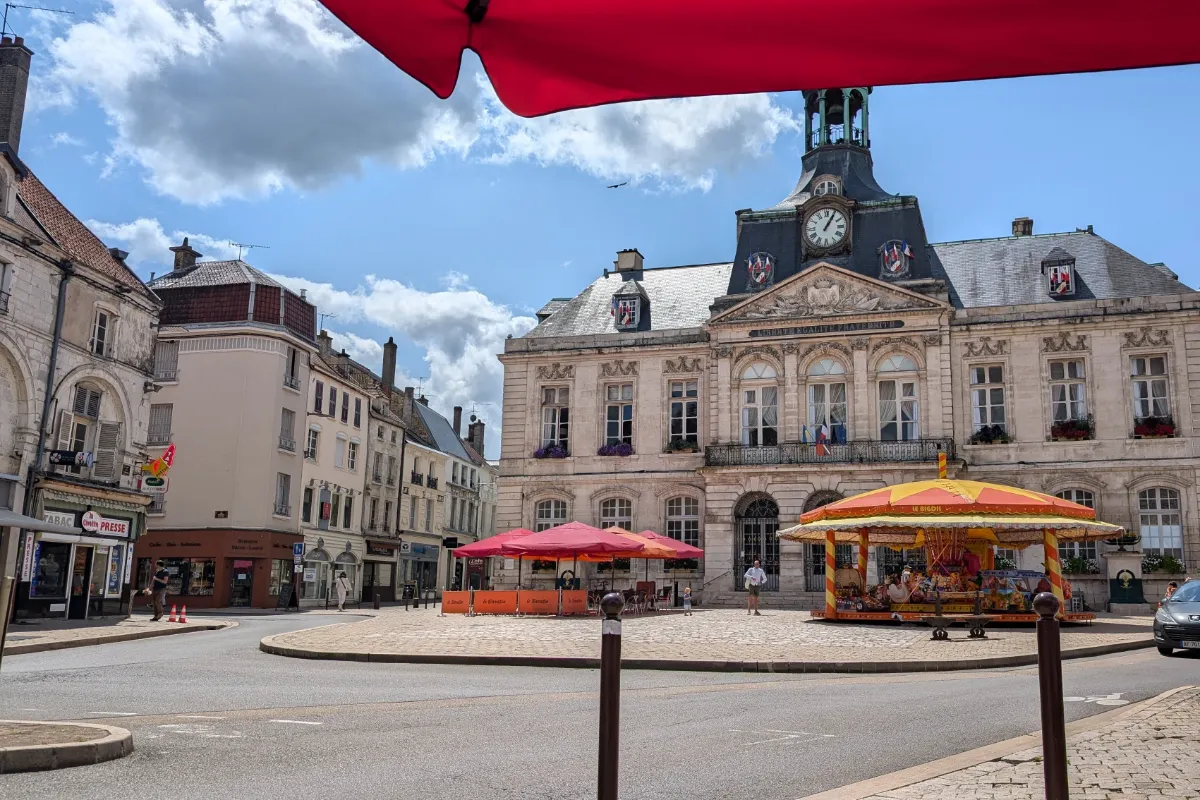
Perched on a rocky outcrop overlooking the valley, Chaumont still has the character of an old fortified town. Its historic center, with narrow streets, hidden passageways and old houses, reflects a past closely connected to the powerful families who once controlled this part of Champagne.
As you explore the old town, you’ll notice the many small turrets built onto the corners of houses to accommodate staircases. Some date back to the Renaissance and are one of Chaumont’s most distinctive architectural features. The Basilica of Saint-Jean-Baptiste, built and extended between the 13th and 16th centuries, also dominates this historic neighborhood.
But the most spectacular landmark is undoubtedly the railway viaduct, built in the mid-19th century. Around 600 meters long and 52 meters high, this monumental structure features 50 arches arranged across three levels.
Chaumont has also earned an international reputation for poster art and graphic design, thanks to its historic collections and the artistic events it has hosted since 1990.
SMALL TOWNS (Village Feel)
| Name | Top+ | Top |
|---|---|---|
| Sézanne | ||
| Brienne-le-Château | ||
| Langres |
Sézanne
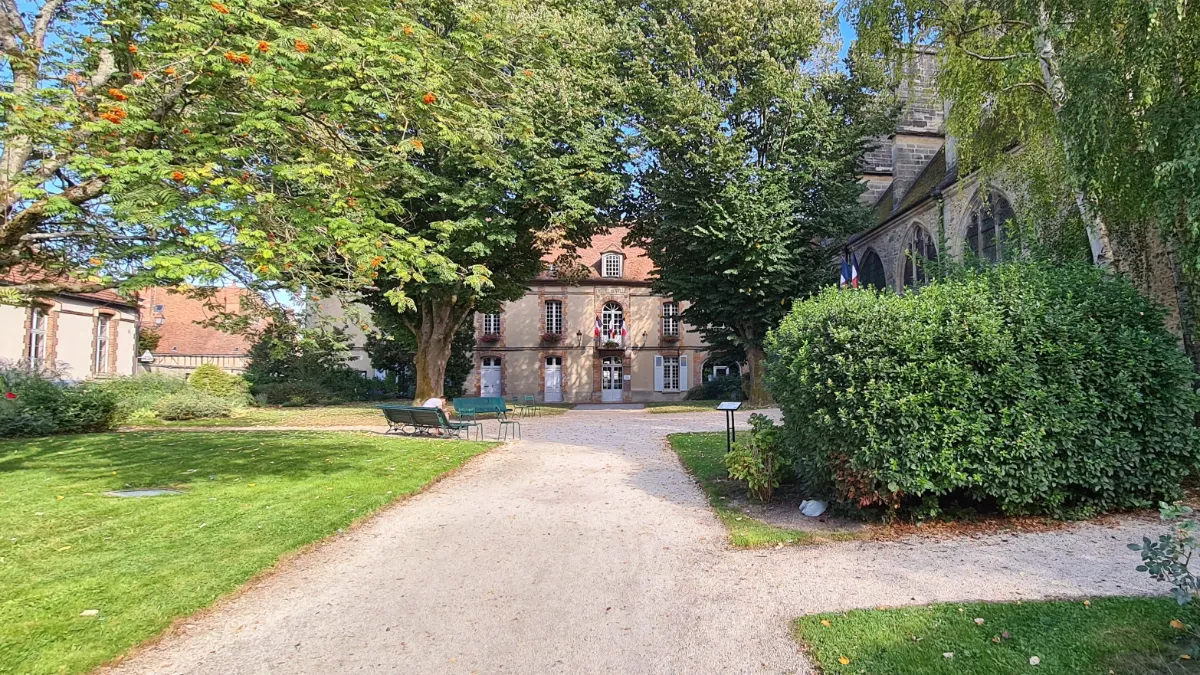
Once a thriving trading town in Champagne, Sézanne has kept a historic center full of character, with cobbled lanes, half-timbered houses and stone façades. The Church of Saint-Denis, topped by a tall square tower, is a reminder of the prosperity the town enjoyed during the Renaissance.
The former fortifications have been replaced by wide, tree-lined promenades shaded by lime trees, creating a green belt around the historic heart of the town.
As you head away from the center, you’ll discover rolling countryside, with a patchwork of farmland, forests and vineyards. The surrounding hills are part of a Champagne wine-growing area particularly well known for its Chardonnay grapes, one of the main varieties used to make champagne.
Brienne-le-Château
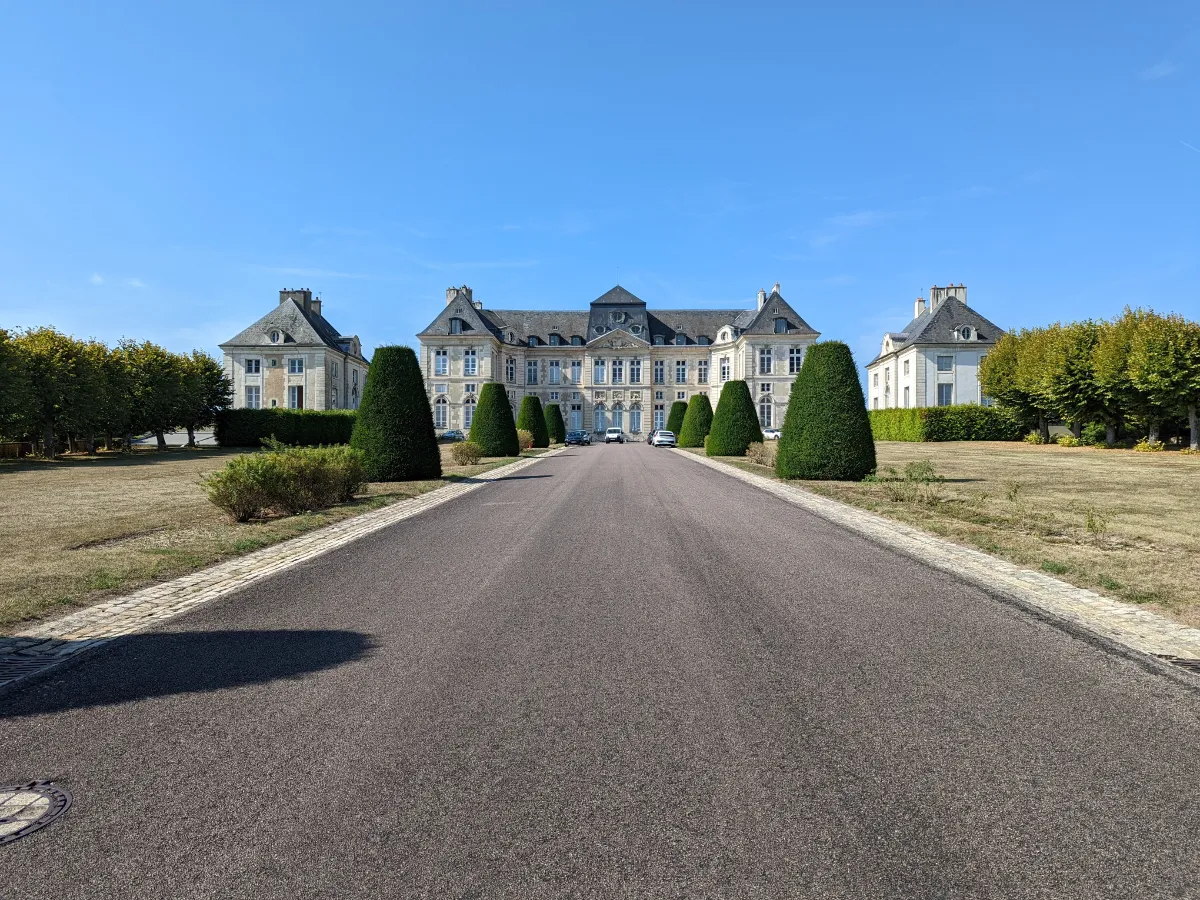
A small town with a strong military history, Brienne-le-Château owes much of its fame to Napoleon Bonaparte, who studied here from 1779 to 1784, when he was still a teenager. The former military school now houses a museum dedicated to its history and that of the future emperor.
Napoleon returned to Brienne in January 1814, during the final campaigns of his reign, to fight the European coalition armies opposing France.
The town also has an 18th-century château overlooking its old houses. Around Brienne, you’ll discover a landscape of farmland, forests and large lakes, typical of this southern part of Champagne.
Langres
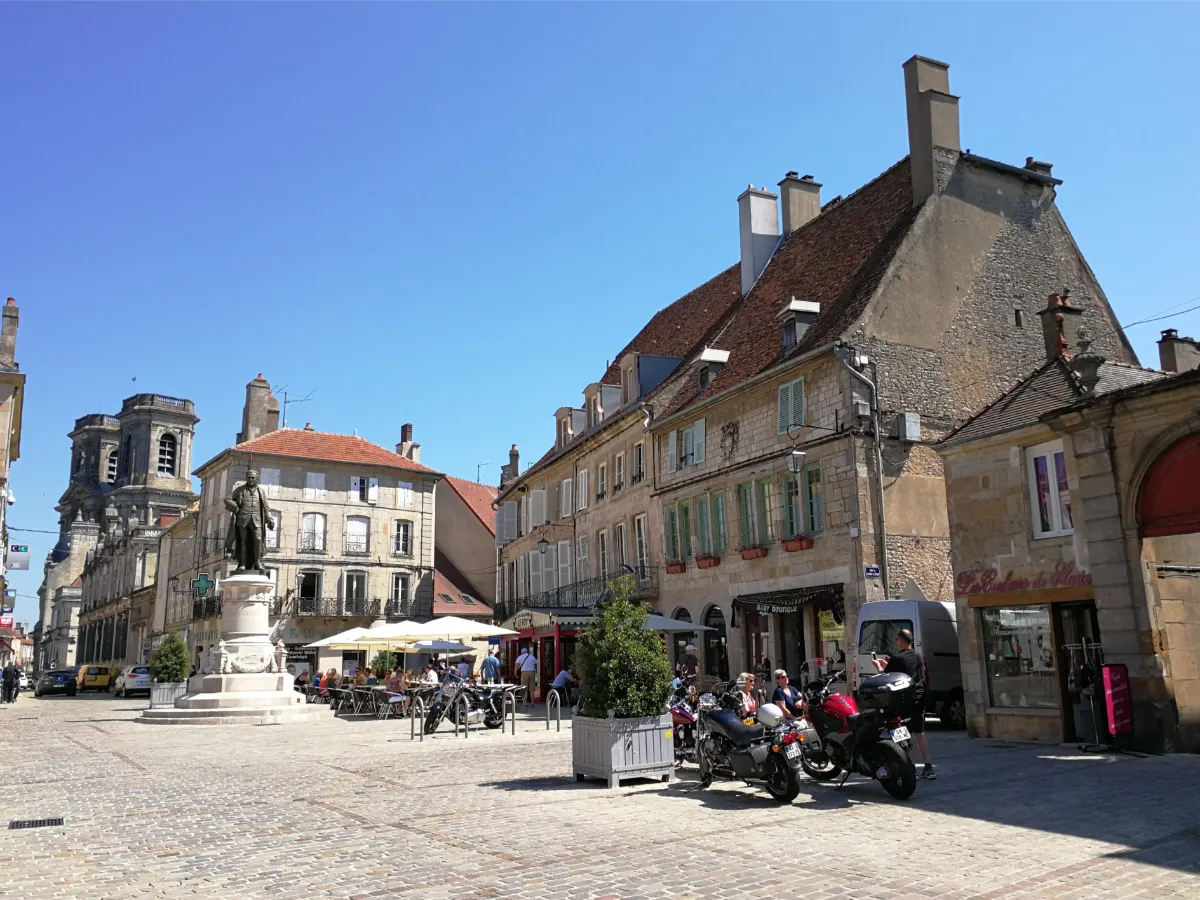
Perched on a rocky plateau nearly 475 meters above sea level, Langres is one of France’s remarkable fortified towns. Its ramparts, with a main circuit stretching for around 3.5 km, are punctuated by massive towers and monumental gateways.
Walking along the walls, you’ll enjoy beautiful panoramic views of the valleys, countryside and wooded hills surrounding the town.
Behind these imposing fortifications, Langres has preserved an old town full of stone houses, dominated by the Cathedral of Saint-Mammès. The town is also the birthplace of Denis Diderot, the great 18th-century philosopher who oversaw the publication of the Encyclopédie, a landmark work in European intellectual history.