


MAP
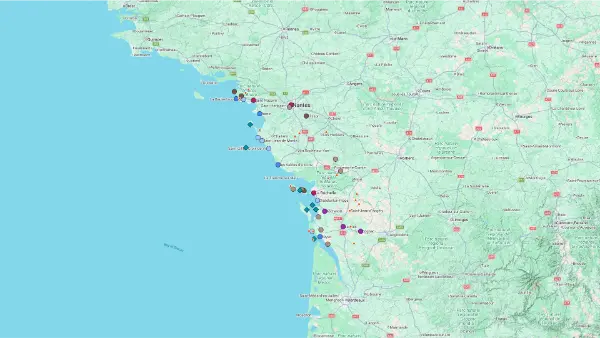
Central Atlantic
Interactive Map
Central Atlantic
Interactive Map
Click on the icon  in the top-left corner to display the map legend.
Show/Hide layers as needed.
Click on the arrow icons (v) to display the sublayers.
CITIES
| Name | Top+ | Top |
|---|---|---|
| Nantes | ||
| La Rochelle | ✅ | |
| Saint-Nazaire | ☑️ |
Nantes
Population 330 000
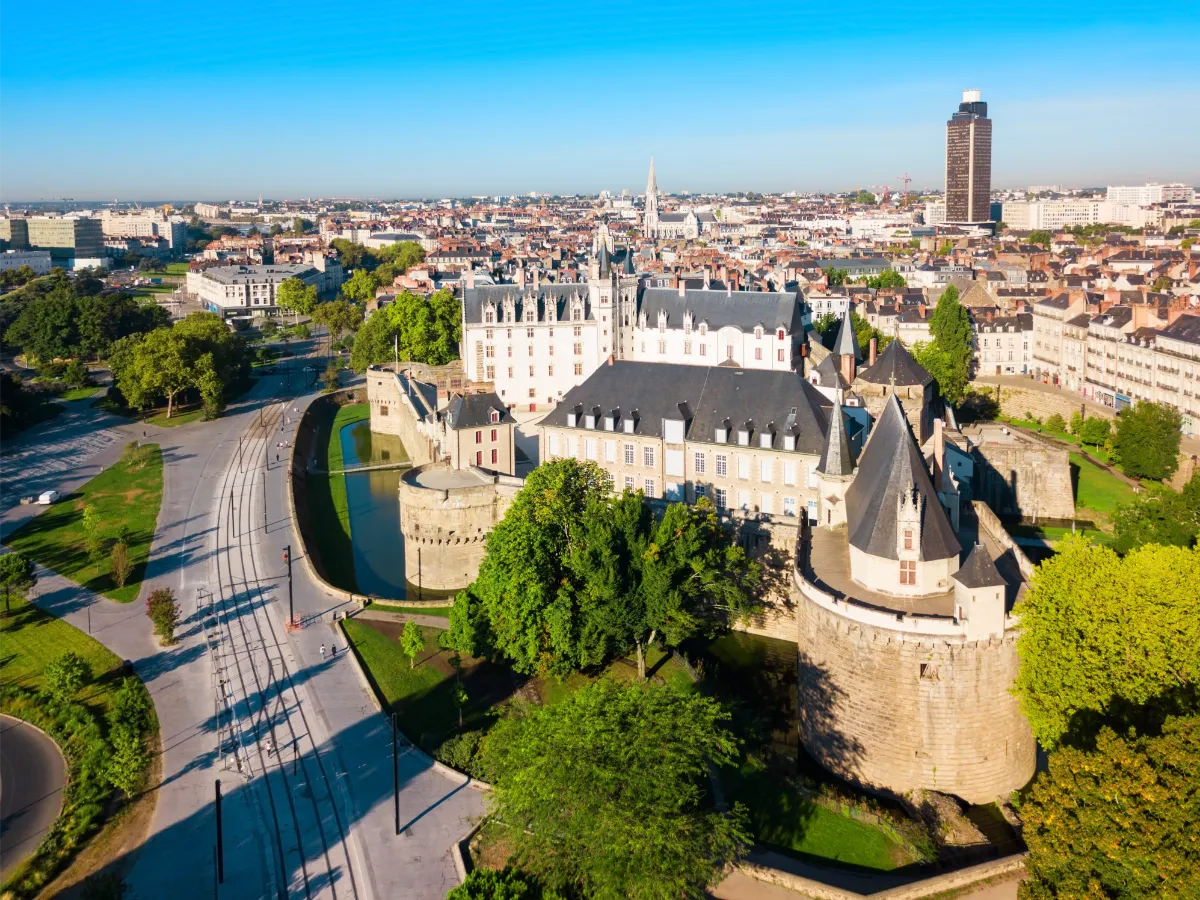
Nantes has a knack for keeping you guessing. Once the capital of the Dukes of Brittany, this major trading port has reinvented itself as a city of art and imagination, embracing its contrasts with infectious energy. Historic buildings stand alongside bold contemporary creations, while the Loire River is a constant reminder of how much water has shaped the city’s history.
Start at the Château des Ducs de Bretagne, an imposing fortress surrounded by a moat, with a surprisingly elegant residence hidden behind its defensive walls. Inside, the exhibitions take you through centuries of history, from Brittany’s independence to the city’s transformation over time. Nearby, the cathedral and the narrow streets of the old town offer another glimpse into the past.
Step into a different era at Passage Pommeraye, a magnificent 19th-century shopping arcade with grand staircases, statues and a glass roof. Just a short walk away, the spacious squares and handsome buildings of the Graslin district give Nantes a distinctly elegant feel, a world away from the bustle of its former industrial docks.
On the Île de Nantes, imagination has taken over. Where shipyards once hummed with activity, the Machines de l’île bring strange mechanical creatures to life, inspired by local writer Jules Verne and Leonardo da Vinci. Watching their gigantic elephant, made of steel and wood, lumber along is quite an extraordinary sight.
But Nantes also knows how to slow things down. Walks along the Erdre River, leafy gardens and the banks of the Loire offer plenty of opportunities to escape the bustle, whether on foot or by bike. The Jardin des Plantes, just a short distance from the train station, is home to greenhouses, beautiful trees and imaginative plant installations.
La Rochelle
In Our Top+ ✅
Population 80 000
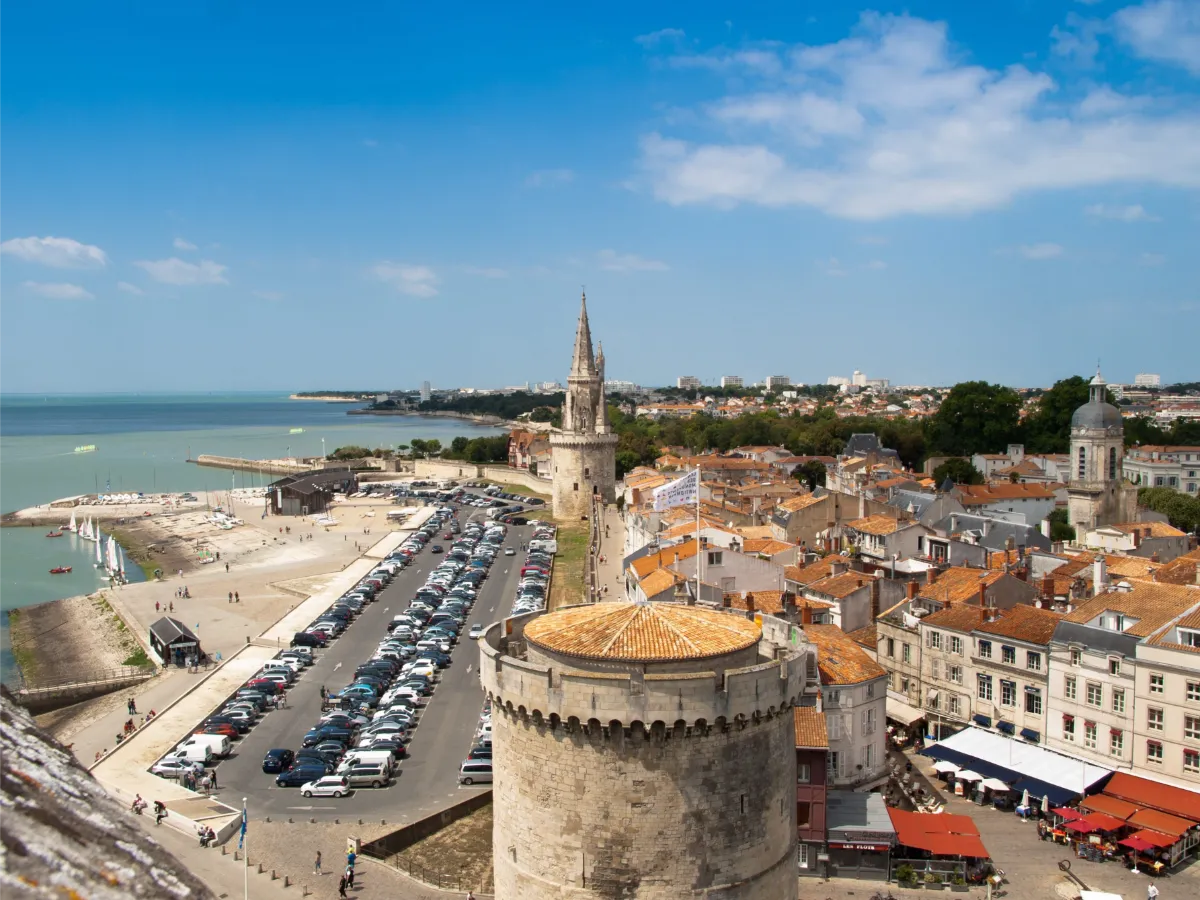
La Rochelle makes an impression the moment you arrive at the Vieux-Port. Two imposing stone towers have guarded the entrance to the harbour since the Middle Ages, standing proudly above the sailing boats. A third, the Tour de la Lanterne, rises a little further along. These old fortifications recall a time when the city controlled a significant share of Atlantic maritime trade.
The quays around the harbour are perfect for wandering without any particular plan. Look up at the pale façades, decorative windows and the masts of the boats. Then head into the old town, where long covered arcades let you stroll from street to street, sheltered from both sunshine and rain.
Behind this relaxed atmosphere lies a rather turbulent history. La Rochelle was once a major centre of French Protestantism, a branch of Christianity that rejected the authority of the Catholic Church. In 1627 and 1628, the forces of King Louis XIII laid siege to the city, cutting off supplies until its inhabitants were forced to surrender.
Yet La Rochelle has never lost its independent spirit. Its town hall, which looks rather like a small fortified palace, along with its historic mansions and cobbled streets, reflects the wealth of its merchants and the importance its people placed on their freedoms. The harbour towers, once used to defend the city or hold prisoners, can still be visited today.
And the sea is never far away. Beyond the historic centre, you’ll find marinas, coastal walks and beaches that are particularly inviting in warmer weather. The Aquarium de La Rochelle offers a fascinating look at life beneath the waves, while attractions devoted to seafaring highlight the continuing importance of the city’s maritime heritage.
Saint-Nazaire
In Our Top ☑️
Population 75 000
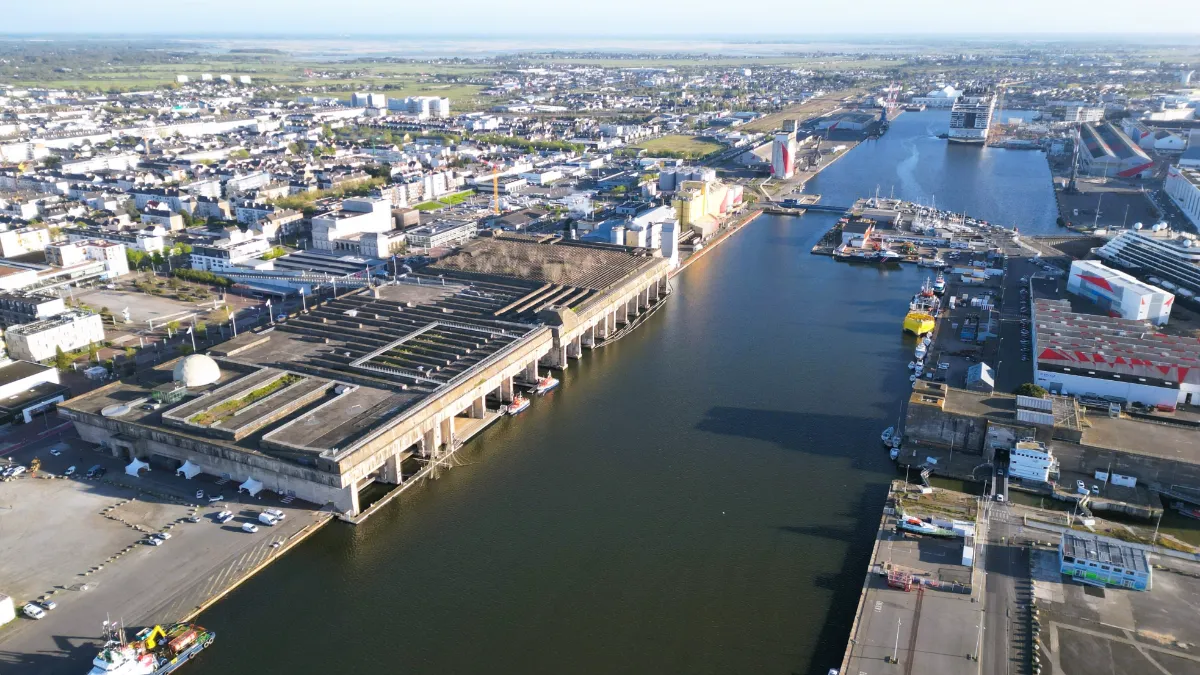
Saint-Nazaire is nothing like the typical holiday towns along the Atlantic coast. First and foremost, it’s a working port, with enormous cranes, docks and shipyards where some of the world’s largest cruise ships are built. Located at the mouth of the Loire, the city has had close ties with long-distance ocean travel since the 19th century.
This was once the departure and arrival point for great transatlantic crossings between Europe and America. The golden age of ocean liners comes back to life at Escal’Atlantic, an attraction housed inside a former military base. Cabins, lounges and technical areas recreate the world of these magnificent ships, which captured the imagination of generations of travellers before modern aviation took over.
It’s impossible to miss the enormous submarine base built by the German military during the Second World War. Its concrete walls, several metres thick, withstood the bombing raids that destroyed much of Saint-Nazaire. Today, you can explore parts of the complex and climb up to its terraces for views over the harbour.
Nearby, the Espadon submarine gives you an idea of what everyday life was like for sailors living in such cramped conditions. At the shipyards, everything is on a completely different scale. Hulls under construction, towering gantry cranes and vast docks showcase an industrial tradition that’s still very much alive.
Saint-Nazaire also has a gentler side. A seafront promenade runs past beaches, villas and viewpoints overlooking the estuary. Small coves alternate with long stretches of sand, far removed from the activity of the industrial port.
COASTAL TOWNS
| Name | Top+ | Top |
|---|---|---|
| Le Croisic | ||
| Pornic | ||
| Sables-d'Olonne | ☑️ | |
| Royan |
Le Croisic
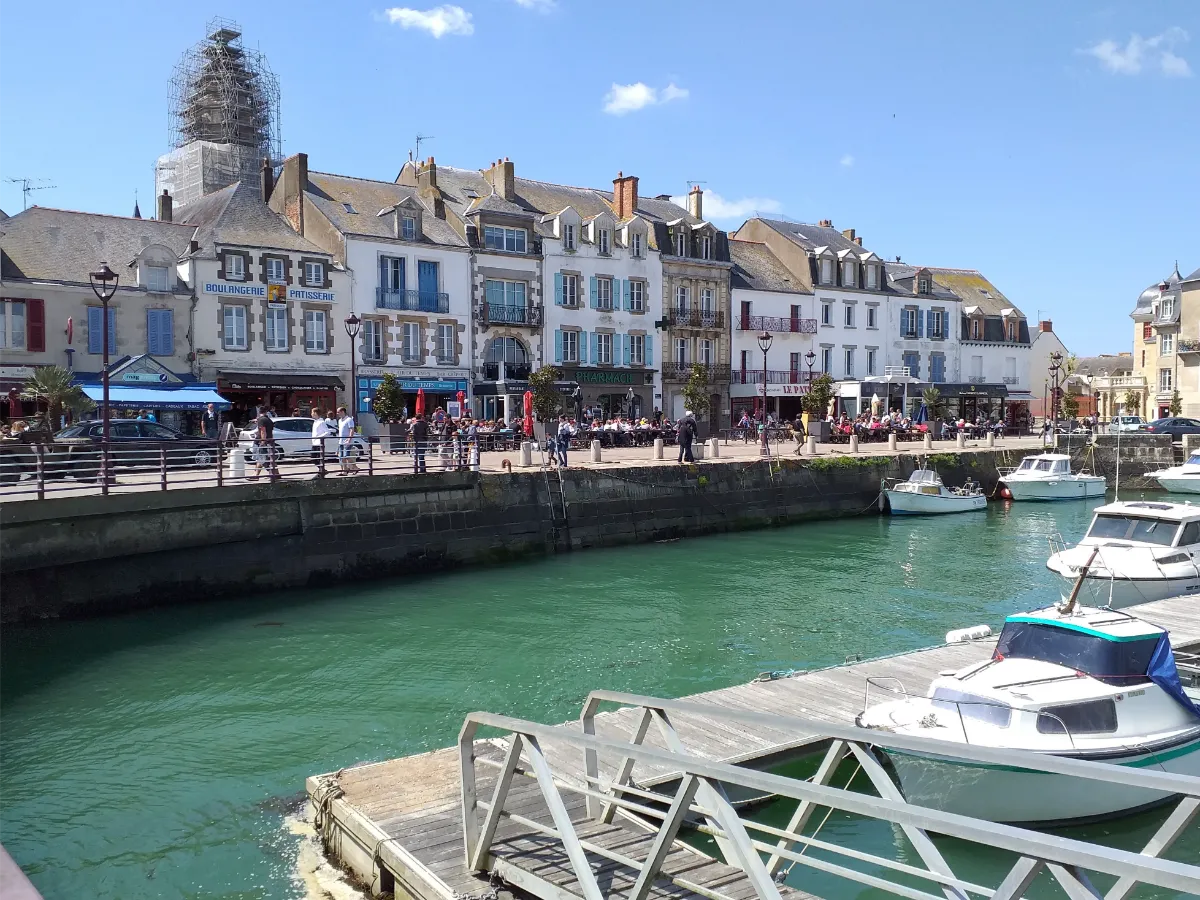
With its old harbour, granite houses and narrow streets, Le Croisic has held on to all the charm of a traditional seaside town. Fishing boats share the harbour with sailing yachts, while the grand old houses of wealthy shipowners recall the days when salt trading and maritime activities brought prosperity to the town.
But some of the best sights lie out along the ocean. The rocky coastline is dotted with granite boulders, little coves and rock formations carved by the waves. At low tide, rock pools reveal a miniature world of shells, crabs and seaweed.
The harbour and old streets are easy to explore on foot. Inland, the salt marshes shift in colour as the light changes. When the wind picks up, the sea spray gives Le Croisic a distinctly Atlantic feel, especially at the tip of the peninsula, where the waves crash against the rocks.
Pornic
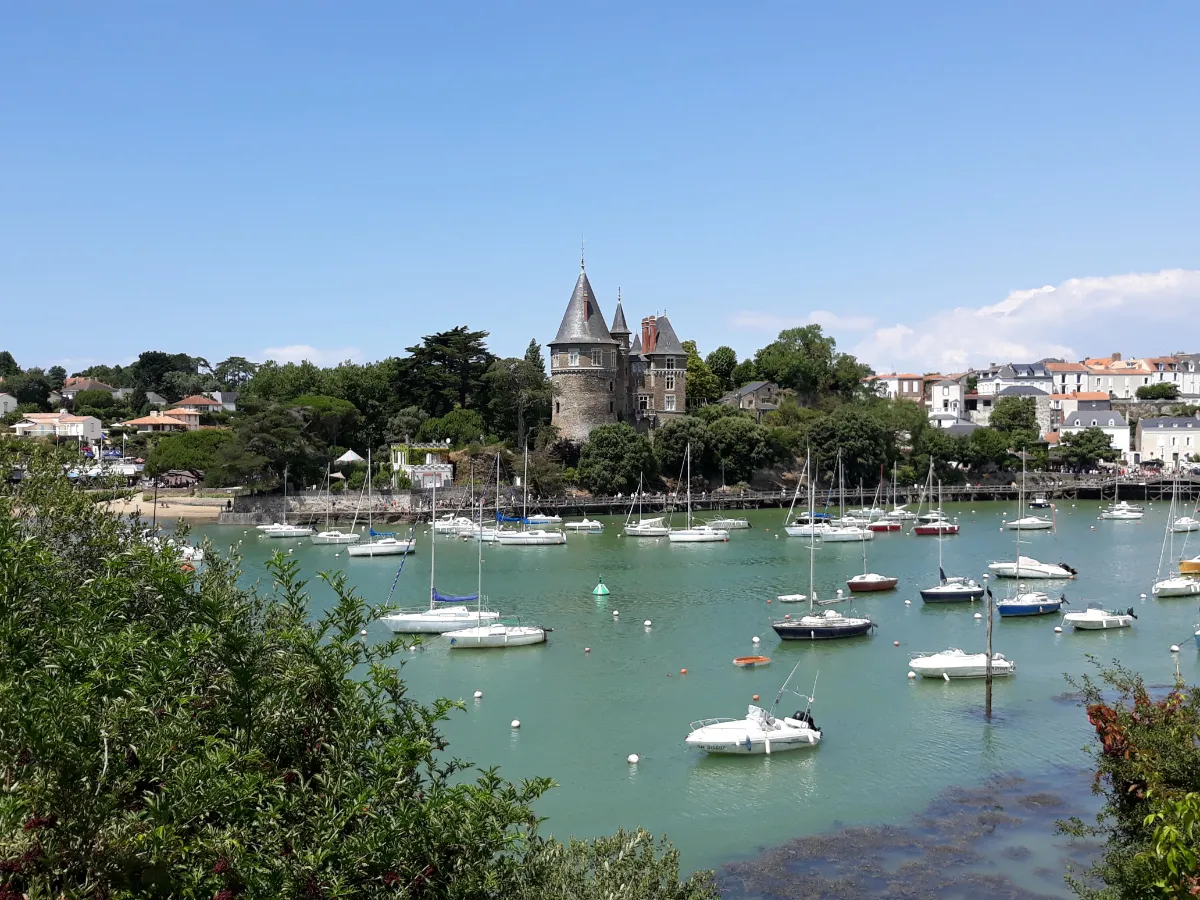
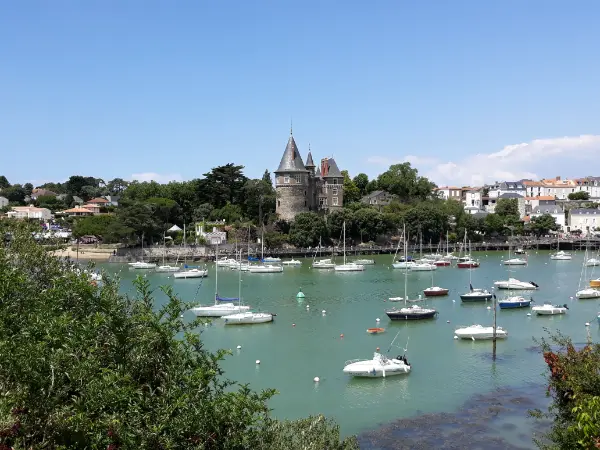
Nestled around its harbour and overlooked by a castle with medieval origins, Pornic is as pretty as a postcard. Boats bob gently below the pale houses, while narrow streets wind uphill towards the old town. It’s easy to picture the days when fishermen, sailors and merchant ships filled the harbour.
In the 19th century, the first holidaymakers fell in love with this rugged stretch of coastline. They built elegant villas, often tucked away among the trees. Even today, the coastal paths lead from little beaches to rocky coves, past bathing huts, pine trees and stairways descending towards the water.
Take your time following the path along the ocean. The scenery changes with the tides, rocky headlands and gardens perched above the sea. In the evening, the fading sunlight falls across the castle and the boats in the harbour.
Sables-d'Olonne
In Our Top ☑️
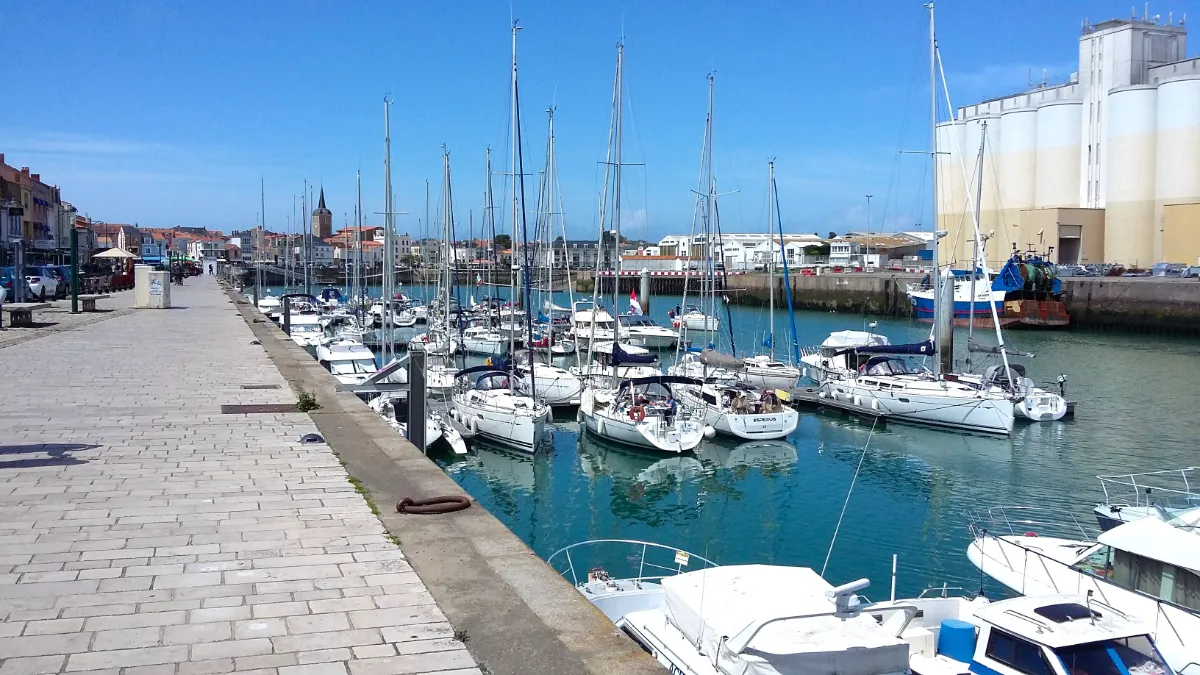
Les Sables-d’Olonne has everything you’d expect from a classic Atlantic seaside resort: a huge crescent-shaped beach, a long seafront promenade and buildings overlooking the waves. As soon as the weather warms up, walkers and swimmers flock to this lively waterfront, which has been a favourite holiday destination since the 19th century.
For a glimpse of the town’s older character, head to the La Chaume district on the other side of the harbour channel. This former fishing village has kept its narrow lanes, low houses and traditional maritime atmosphere. The Tour d’Arundel recalls the days when approaching ships had to be watched carefully.
The town is best known internationally for sailing. Every four years, the Vendée Globe starts here, sending solo sailors around the world without stopping or receiving assistance. Even when the race isn’t taking place, the docks, large sailing boats and harbour facilities reflect the town’s passion for the open sea.
Away from the main beach, the landscape becomes wilder. Dunes, rocky shores, forests and marshes provide a home for many birds. At low tide, the rocks emerge from the water, while waves continue to break along this windswept stretch of coast.
Royan
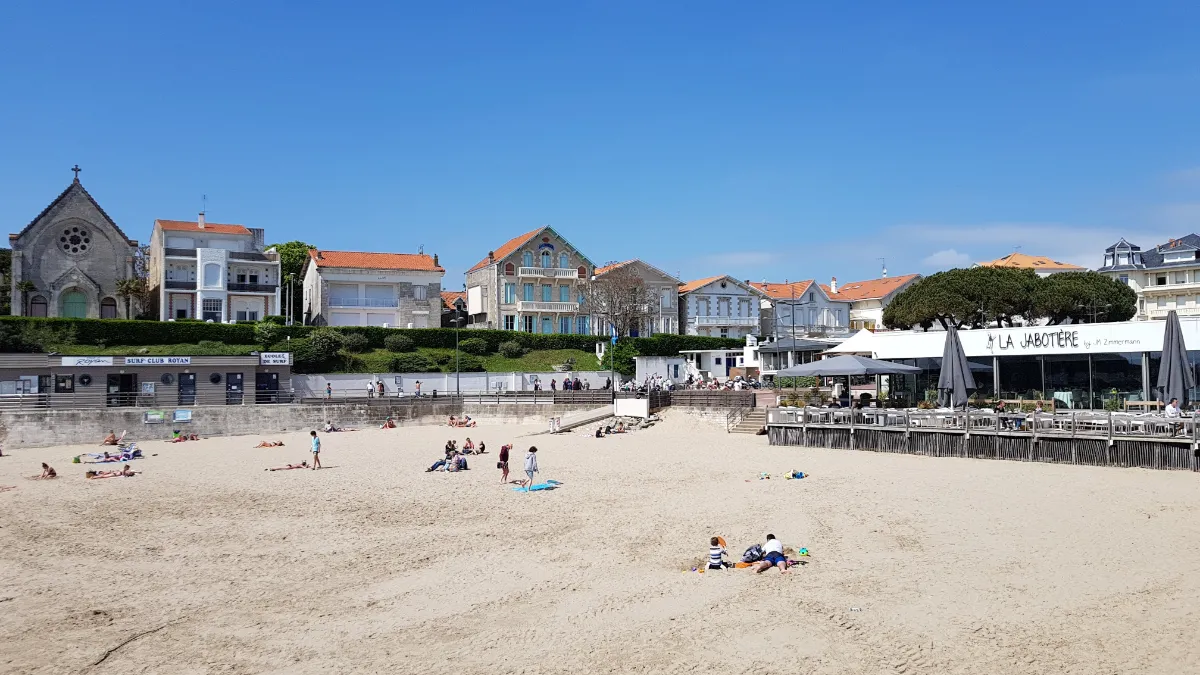
Royan is a seaside resort unlike any other. Almost completely destroyed by bombing in 1945, the town was rebuilt in the 1950s with a remarkable sense of architectural freedom. Concrete, sweeping curves, pale façades and large windows give it a look that’s instantly recognisable.
The Notre-Dame church, a huge concrete structure with striking architectural lines, is its most spectacular landmark. Just a few streets away, villas built before the war recall the days when Royan was already a fashionable holiday destination. The contrast between these two eras is what makes exploring the town so interesting.
But the sea is still the main attraction. The Grande Conche beach stretches out in a long sweep of fine sand in front of the town, while other beaches are tucked between rocky outcrops. At the mouth of the Gironde estuary, the horizon is shared by the river waters and the Atlantic Ocean.
INLAND TOWNS
| Name | Top+ | Top |
|---|---|---|
| Rochefort | ||
| Saintes | ||
| Cognac |
Rochefort
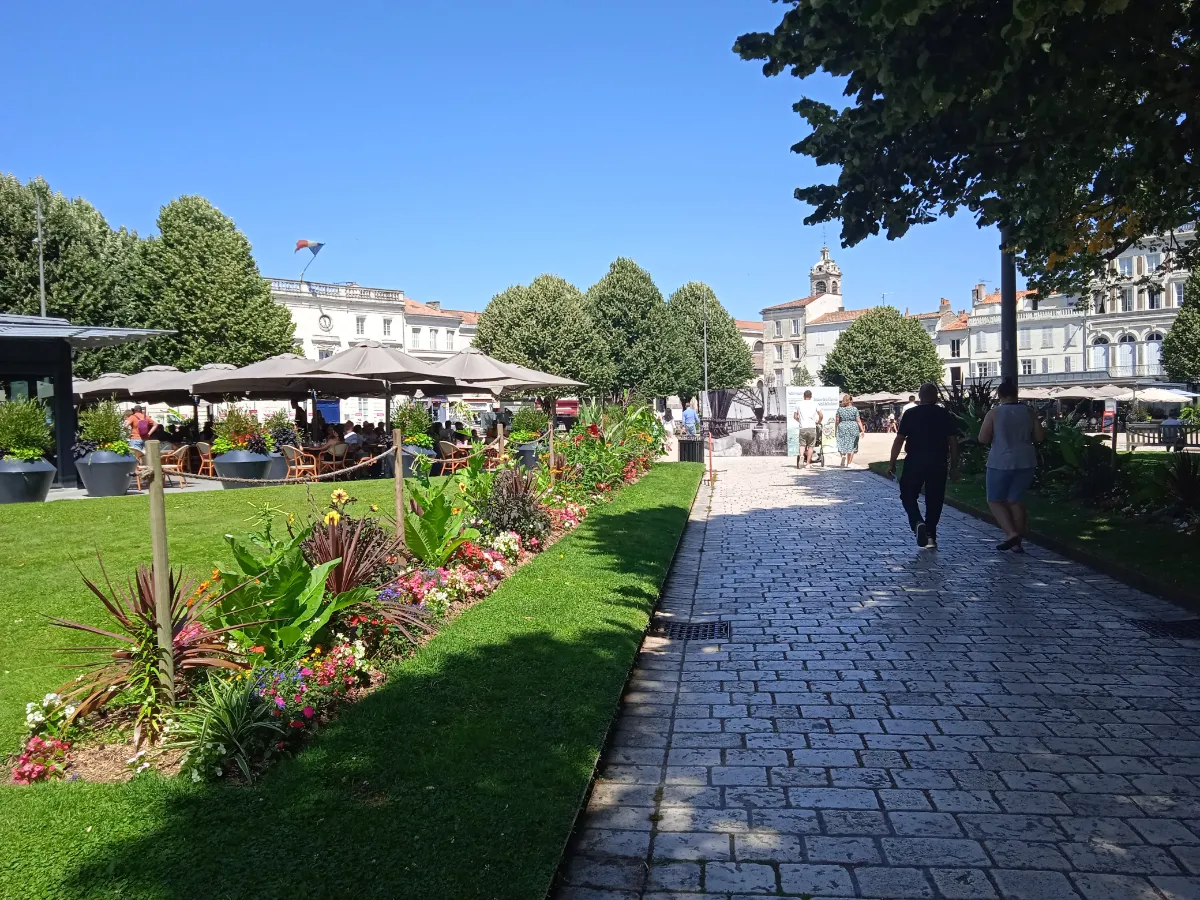
Rochefort owes its existence to an ambitious royal project. In the 17th century, Louis XIV decided to establish a vast shipyard here to build and equip vessels for his navy. The town was laid out with straight streets and wide open spaces, quite unlike older ports that had grown organically over the centuries.
The Corderie Royale, an exceptionally long stone building where ropes were once made for ships, is a reminder of this ambition. Nearby, the docks and former naval buildings evoke the days of great overseas expeditions. The reconstruction of the frigate Hermione brought traditional shipbuilding techniques back to life here.
Saintes
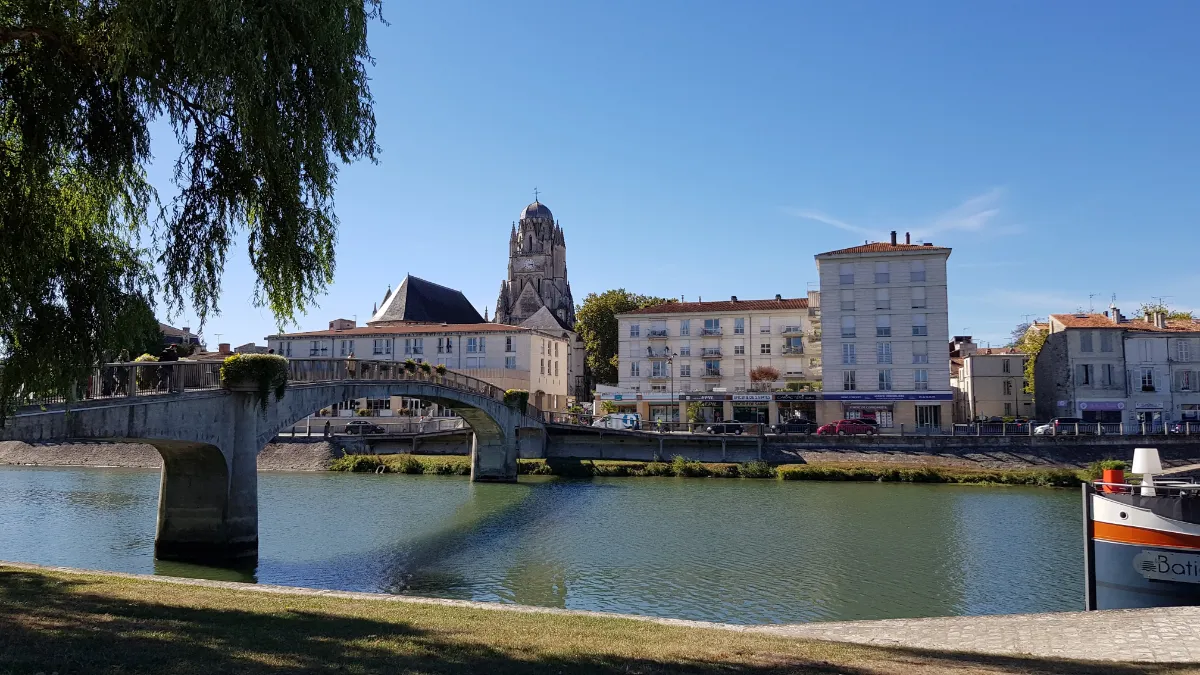
Nearly two thousand years ago, Saintes was one of the major Roman towns in western France. The Arch of Germanicus, standing near the Charente River, and the remains of a large amphitheatre recall a time when the town played an important role in Roman-controlled territory.
In the Middle Ages, remarkable churches added another chapter to its history. The Abbaye aux Dames stands out for its beautifully carved façade, while the Church of Saint-Eutrope contains an impressive underground vaulted chamber. The pale stone of these monuments takes on an especially warm glow in the late afternoon light.
The rest of the town is best explored at a leisurely pace. Narrow streets climb towards the higher neighbourhoods, old houses line the squares and the riverside quays invite you to stroll beside the Charente, whose calm waters have been part of Saintes’ story throughout its history.
Cognac
It’s almost impossible to hear the name Cognac without thinking of the famous spirit enjoyed around the world. Here, the production of grape-based brandy has shaped the landscape, the economy and even the architecture. Huge warehouses hold the oak barrels in which cognac sometimes ages for several decades.
Some of the alcohol slowly evaporates during the ageing process. This so-called “angels’ share” encourages the growth of a microscopic fungus that turns certain walls and rooftops black. In the old streets, this unusual detail sits alongside the elegant homes of wealthy merchants and traditional half-timbered houses.
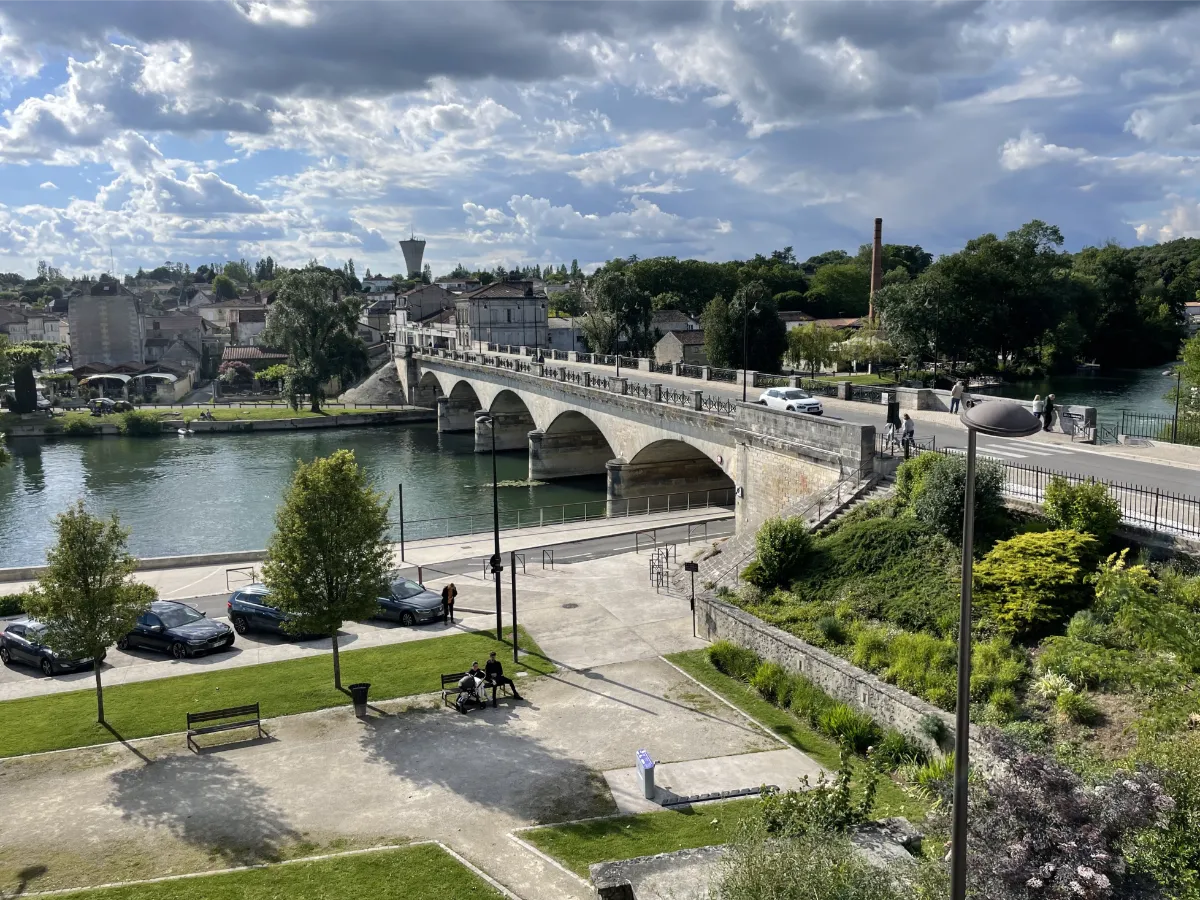
Cognac also has a royal past. Francis I, who would later become King of France, was born here in 1494. His castle overlooks the Charente River, once essential for transporting barrels. The quays and historic neighbourhoods still tell a story of river travel, trade and craftsmanship passed down through generations.
SMALL TOWNS
| Name | Top+ | Top |
|---|---|---|
| Piriac-sur-Mer | ||
| Guérande | ☑️ | |
| Clisson | ||
| La Flotte |
Piriac-sur-Mer
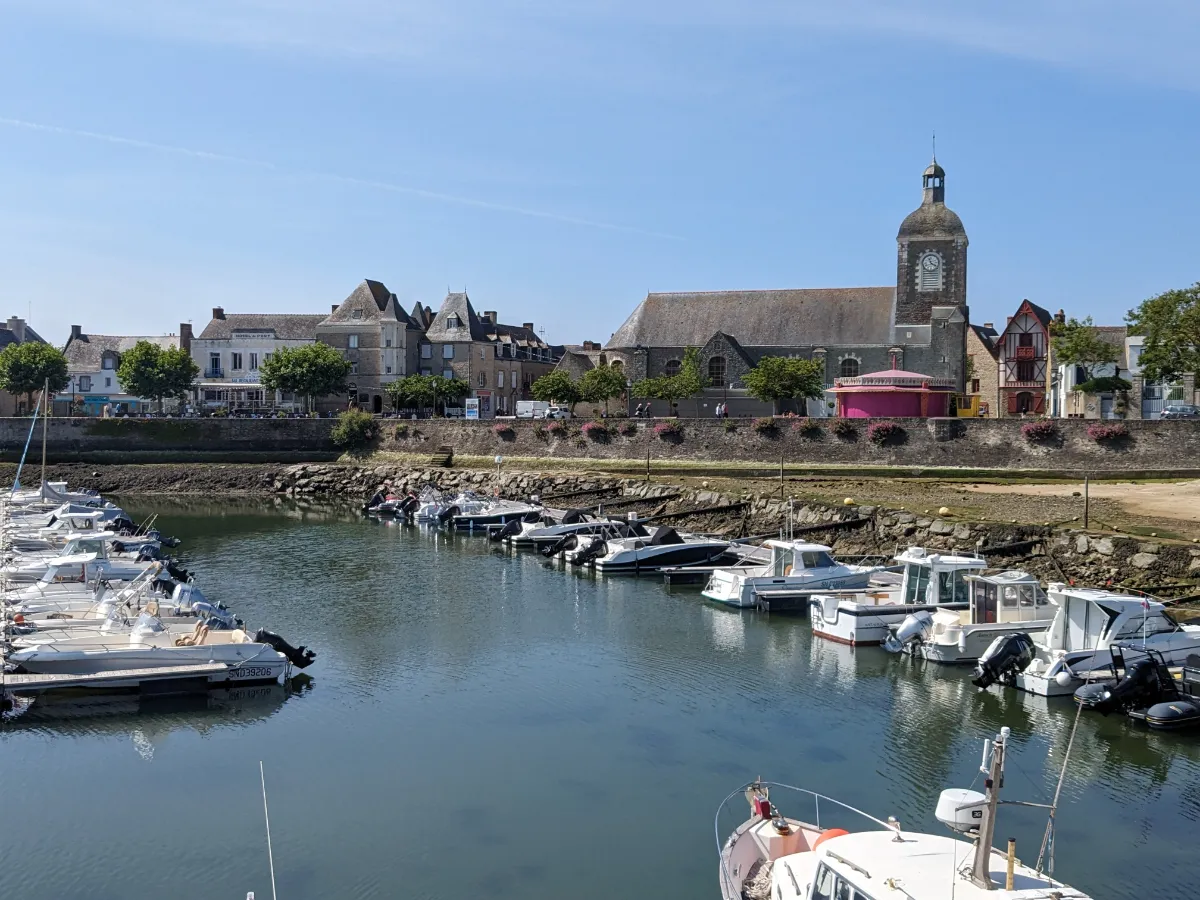
Piriac-sur-Mer has kept the charm of an old fishing village. Around its little harbour, granite houses with colourful shutters huddle together along narrow streets, often brightened by flowers. Take your time getting lost among them. Behind one façade, you’ll find a garden; around the next corner, a glimpse of the boats.
The coastline has more surprises in store, with rocky headlands and sheltered sandy beaches. At low tide, the retreating sea reveals rocks covered in seaweed and small natural pools.
Guérande
In Our Top ☑️
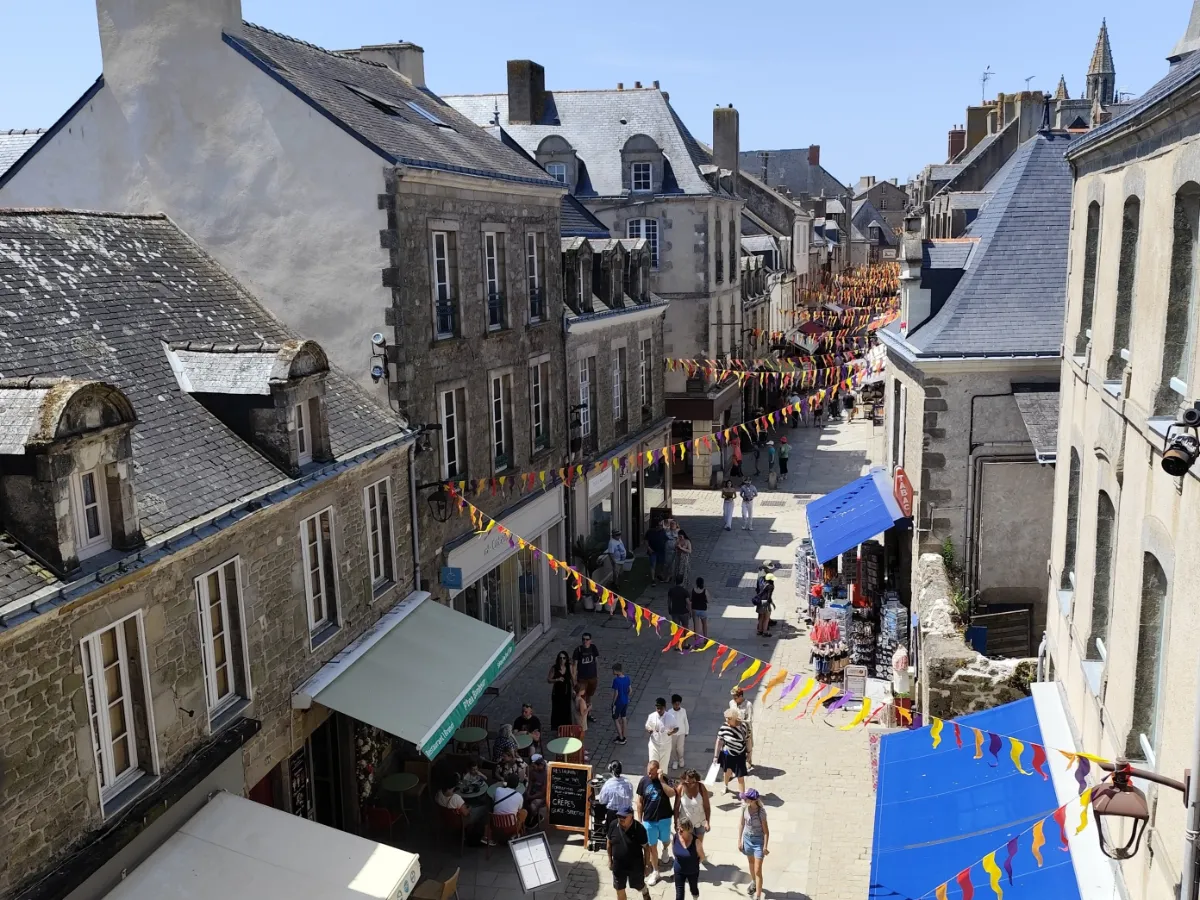
In Guérande, you step through the gates of a genuine medieval walled town. The ramparts still surround the old streets, stone houses and imposing Church of Saint-Aubin. Take time to admire the carved windows and wander through the narrow passageways, away from the main gates.
Just a few kilometres away, the landscape changes completely. The salt marshes form an enormous patchwork of shallow pools. Salt has been harvested here for centuries using nothing more than sunshine and wind. Towards the end of the day, the water reflects the sky, shifting from silvery grey to pink as the light changes.
Clisson
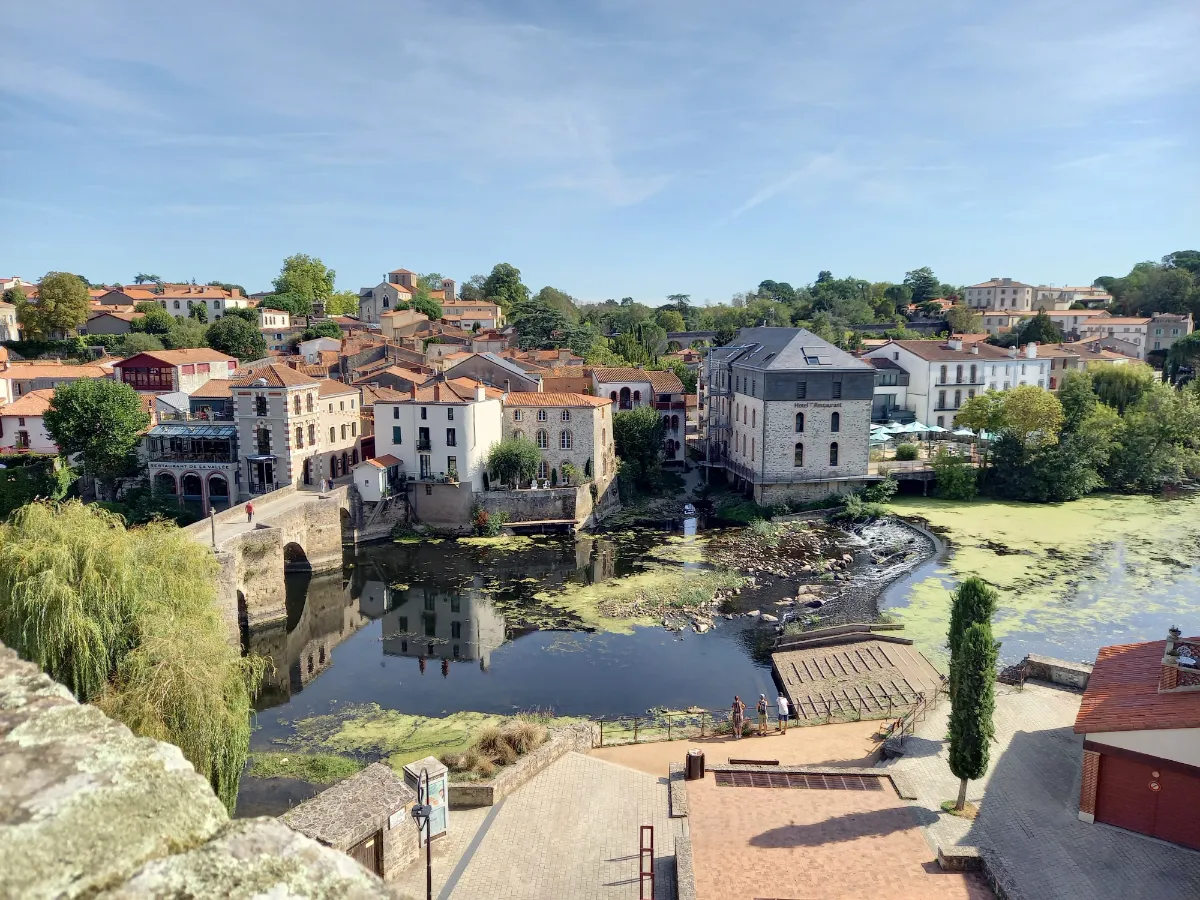
Clisson gives you a rather strange feeling. With its red-tiled roofs, trees and pale façades, you could almost imagine you’ve left western France and arrived in Italy. The town owes much of this appearance to 19th-century artists, who reinvented parts of it in a romantic Italian-inspired style.
But Clisson also has plenty of reminders of its medieval past. A ruined castle overlooks the river, and the old streets lead downhill towards a stone bridge. Nearby, the gardens of La Garenne Lemot bring together statues, terraces and lush greenery. Beside the water, the whole scene looks almost like a painting.
La Flotte
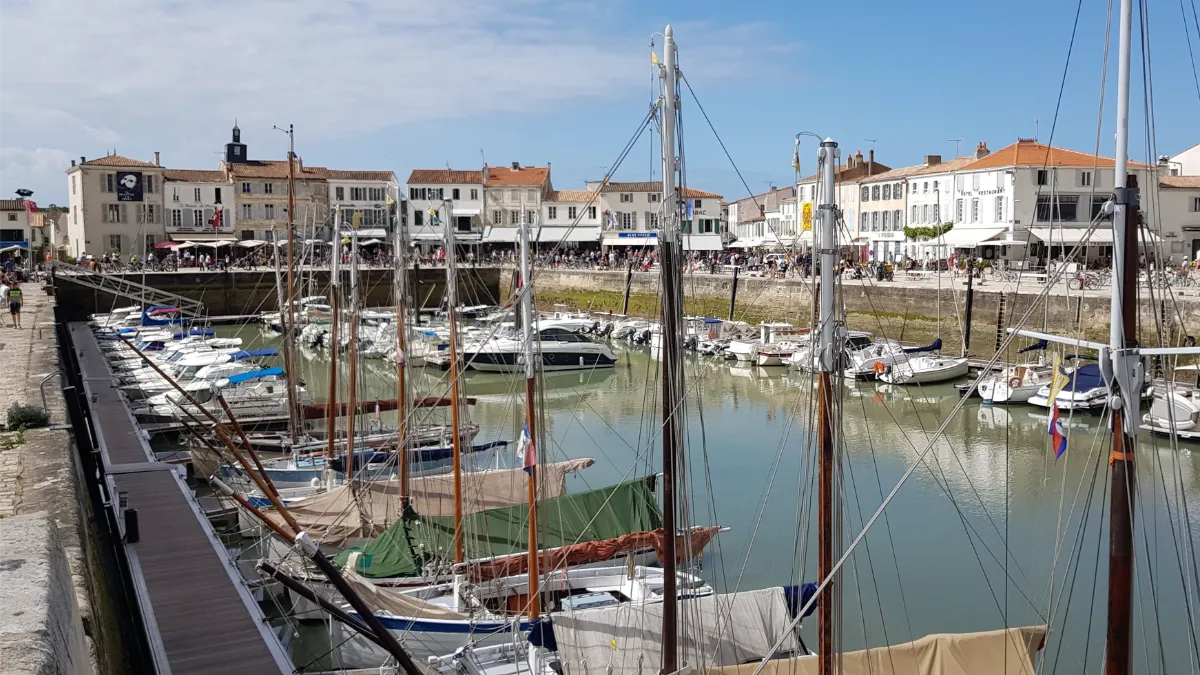
La Flotte has one of the most charming harbours on the Île de Ré. Boats bob in front of white houses with green shutters, while the narrow streets reveal handsome old homes built during the heyday of maritime trade. It takes just a few steps to go from the harbour to the little flower-filled lanes.
For centuries, the village lived off fishing and trade by sea. You can still see traces of this history in its old stone buildings and quays. Head away from the harbour and you’ll soon reach the coast, with its wide-open views. A little further on, the ruins of the Abbaye des Châteliers recall the presence of a religious community here as far back as the Middle Ages.