


MAP
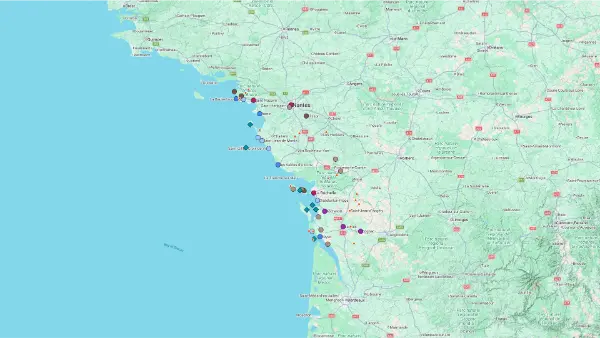
Central Atlantic
Interactive Map
Central Atlantic
Interactive Map
Click on the icon  in the top-left corner to display the map legend.
Show/Hide layers as needed.
Click on the arrow icons (v) to display the sublayers.
ALL
| Name | Top+ | Top |
|---|---|---|
| Trentemoult | ||
| Vouvant | ||
| Nieul-sur-l'Autise | ||
| Saint-Martin-de-Ré | ||
| Ars-en-Ré | ||
| Brouage | ☑️ | |
| Mornac-sur-Seudre | ||
| Talmont-sur-Gironde | ☑️ |
Trentemoult
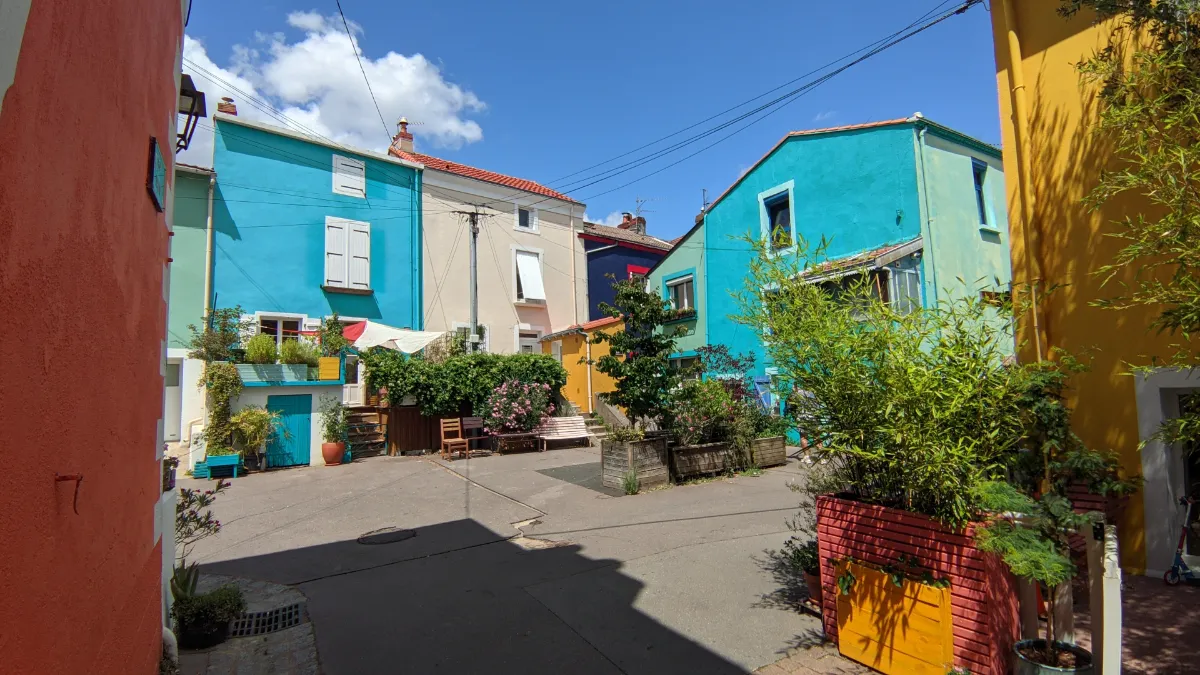
Just across the Loire from Nantes, Trentemoult feels like a village that’s somehow escaped the bustle of the city. Its brightly painted houses are packed into a maze of narrow passageways. As you wander around, you’ll discover tiny gardens, staircases and wonderfully quirky façades.
Behind this bohemian atmosphere lies a history of sailors and ship captains. The larger houses are reminders of their former prosperity. The boat crossing from Nantes is part of the fun. From the quays, the contrast is striking between these peaceful little streets and the industrial facilities on the opposite bank.
Vouvant
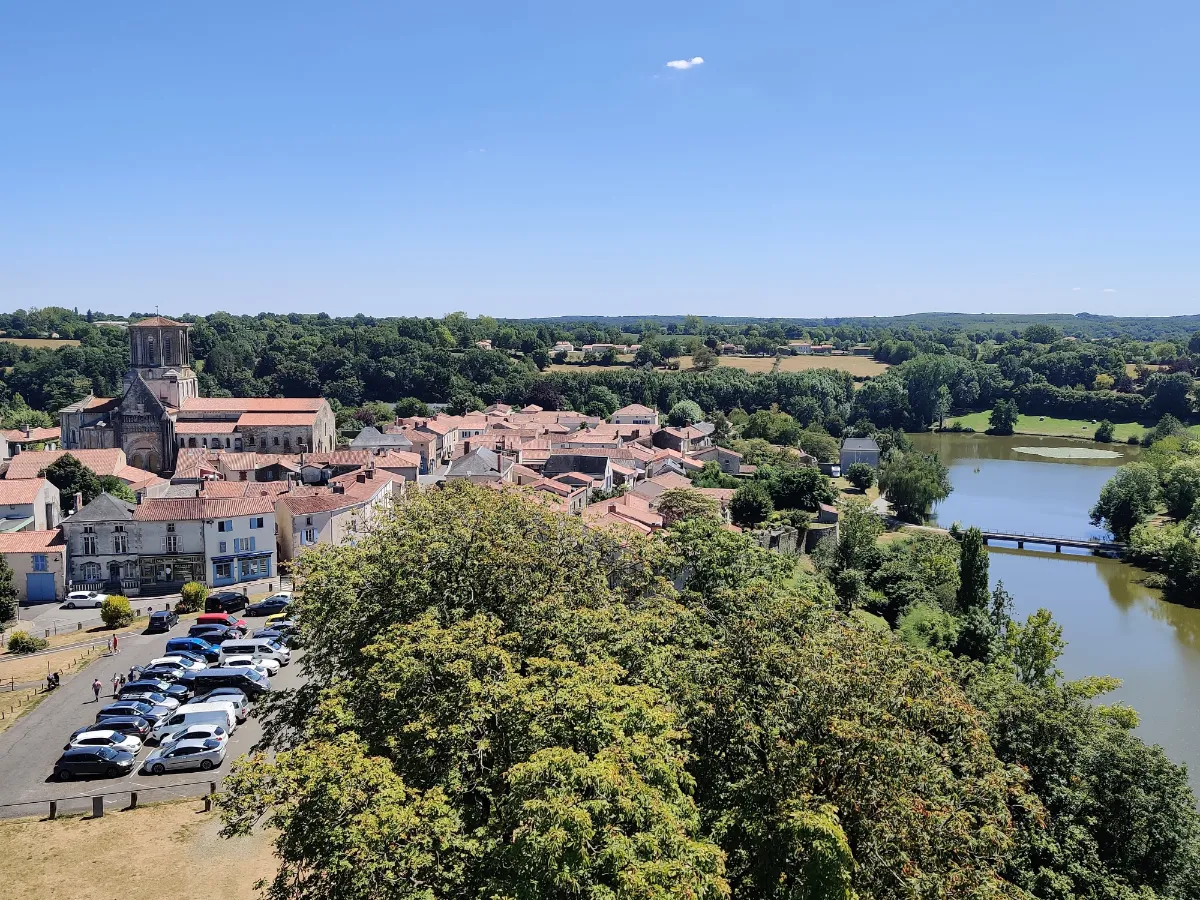
Tucked into a bend in the river and surrounded by wooded hills, Vouvant looks like something out of a fairytale. Its stone houses, ancient walls and quiet lanes seem to have changed very little since the Middle Ages. The church is worth a closer look, especially the sculptures around its entrance.
A little further on stands the Tour Mélusine, the last major reminder of a long-lost castle. According to legend, a fairy helped build the fortress. Then head down towards the river, where the old stone buildings appear between the trees and are gently reflected in the water.
Nieul-sur-l'Autise
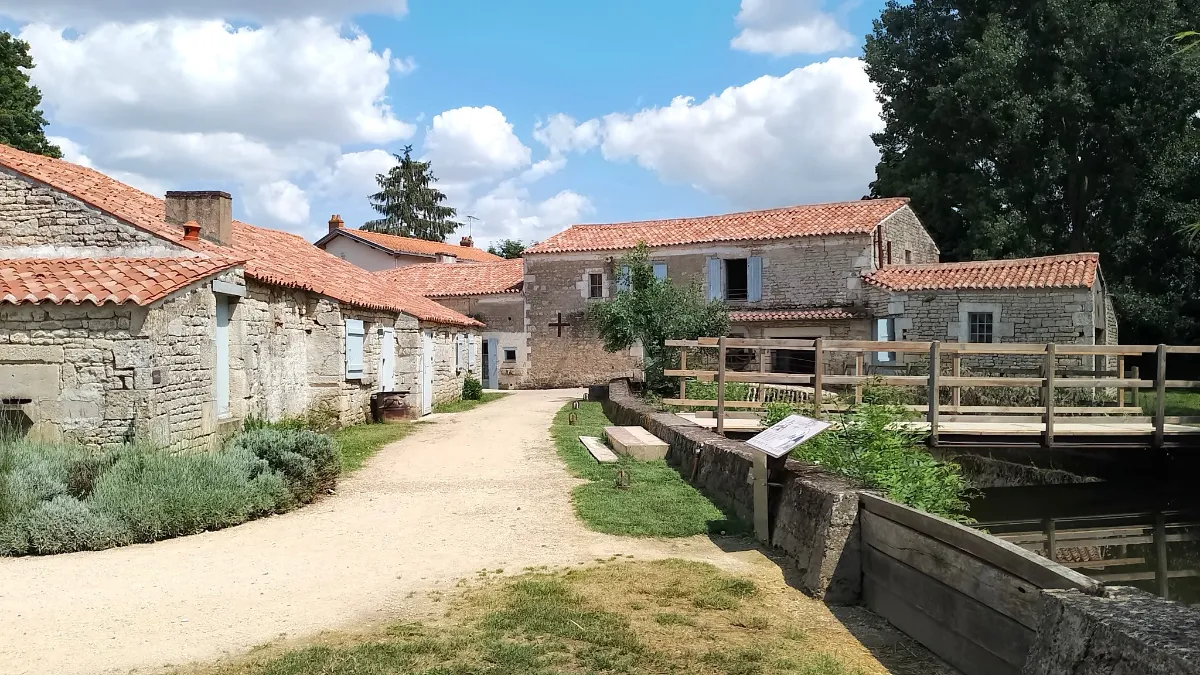
On the edge of the Marais Poitevin, Nieul-sur-l’Autise has an almost timeless sense of peace. Its greatest treasure is an ancient abbey founded in the 11th century. In the inner courtyard, stone galleries surround a quiet garden, while carved columns and elegant vaulted ceilings recall the lives of the monks who once lived here.
Around the abbey, the village has kept its attractive stone houses and quiet little streets. The surrounding countryside already hints at the world of canals, wet meadows and marshland trees just beyond. It’s a lovely place to stop, both for its beautiful architecture and its peaceful setting.
Saint-Martin-de-Ré
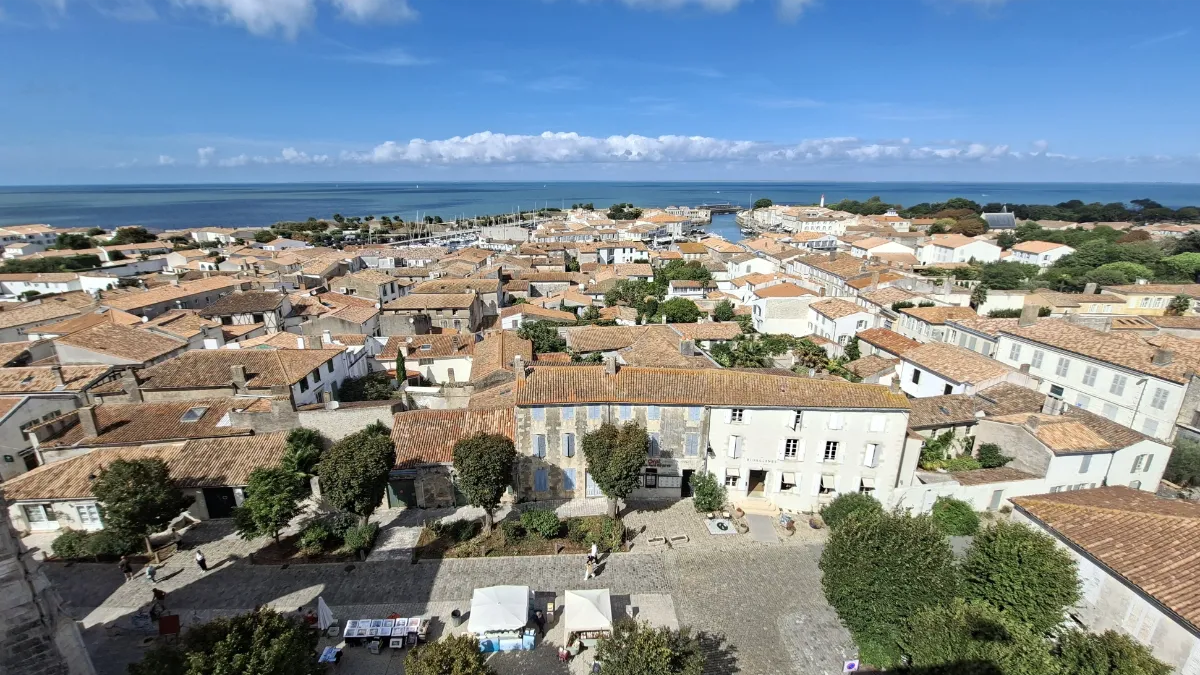
Saint-Martin-de-Ré hides a charming harbour behind impressive fortifications. Sailing boats bob beside pale houses, and narrow streets lead to peaceful courtyards. But look up and you’ll see the high stone walls, a reminder that this pretty little town once needed protection from attacks coming from the sea.
In the 17th century, the military engineer Vauban strengthened its defences on the orders of King Louis XIV. Today, you can walk along the ramparts and admire the moats, fortified gateways and views over the rooftops. Inside the walls, the atmosphere returns to that of a small island harbour.
Ars-en-Ré
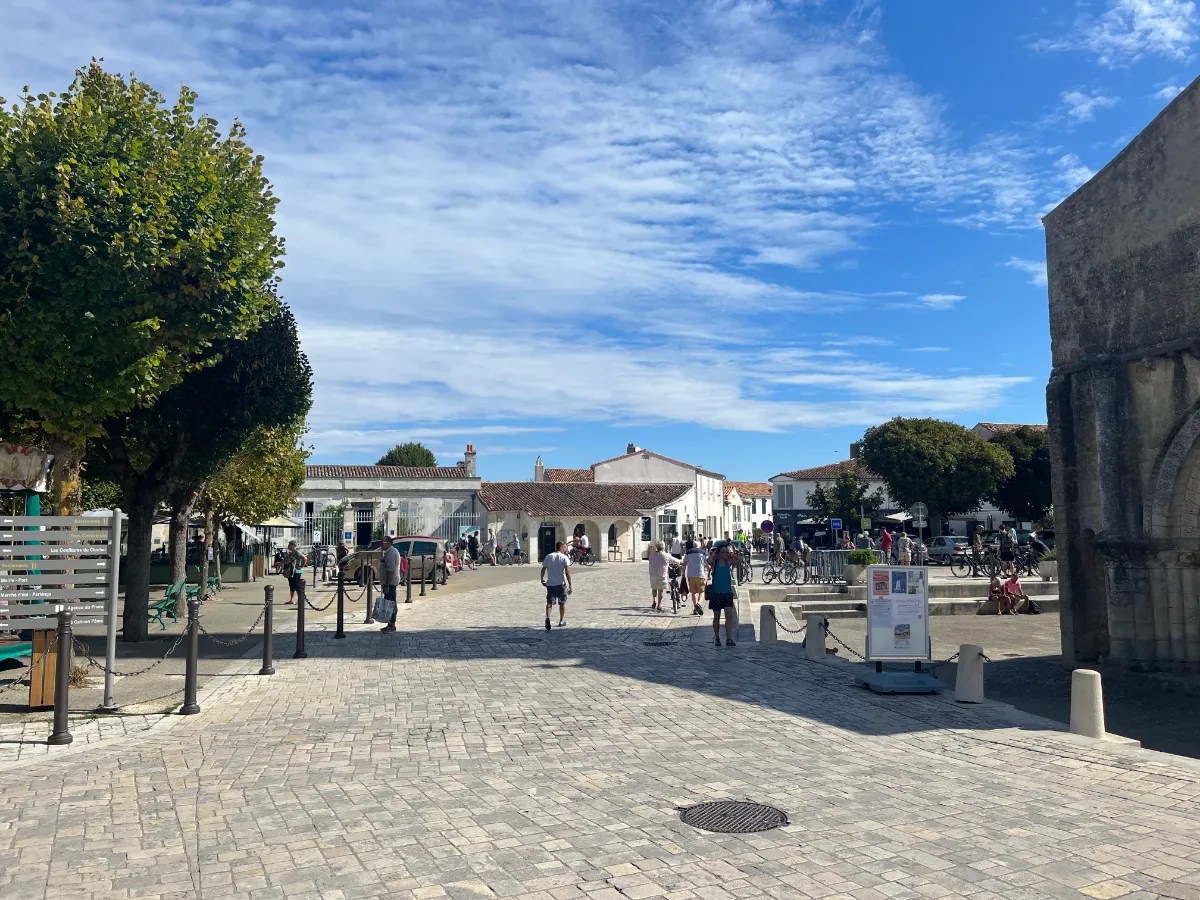
You can recognise Ars-en-Ré from a distance thanks to its white church tower topped by a black spire. In the past, this distinctive landmark helped sailors find their way. In the village, white houses with green shutters line flower-filled lanes, where hollyhocks often grow against the walls. Everything invites you to take your time and wander.
A long channel connects the little harbour to the sea. At low tide, the boats sometimes rest on the mud in an almost eerie silence. Around the village, salt marshes create a landscape of shallow pools and flat paths, where you’ll regularly spot birds searching for food.
Brouage
In Our Top ☑️
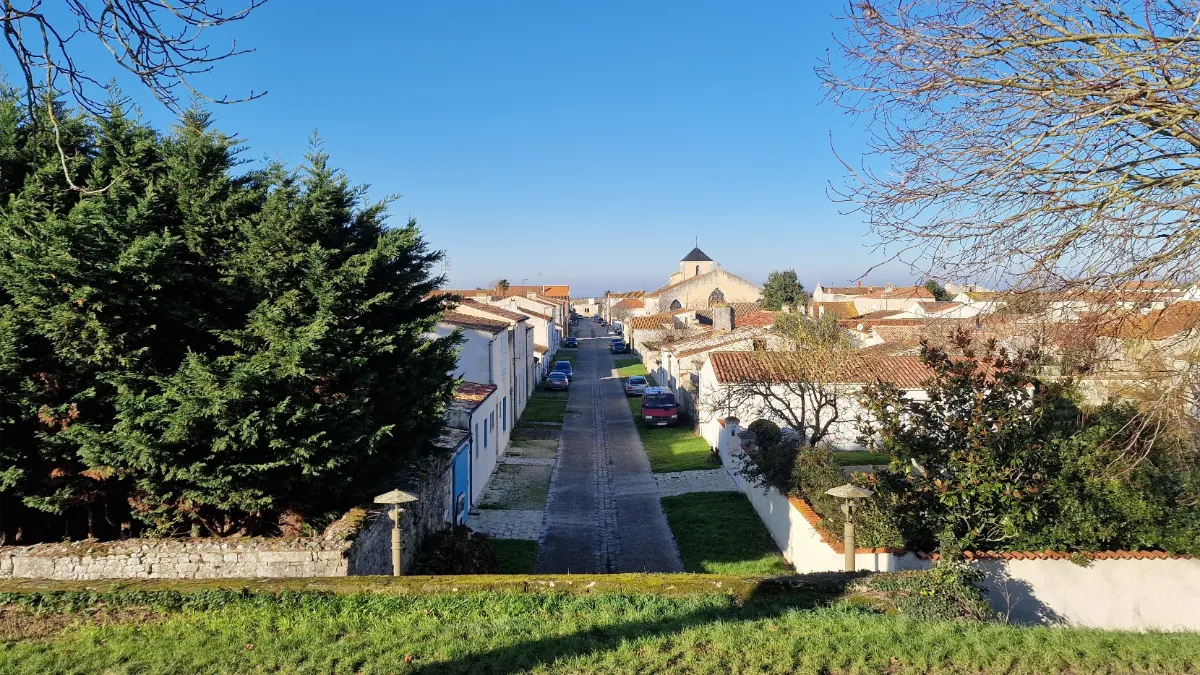
It’s hard to believe today, but Brouage was once a seaport open to the sea. Ships came here to load salt, before the coastline gradually retreated as land and marshes spread across the area. The town now stands surrounded by vast wetlands, enclosed within powerful stone walls.
In the 17th century, Brouage became a fortified military stronghold. Walking along its straight streets, you’ll come across historic buildings and massive gateways. Climb onto the ramparts and you’ll be rewarded with sweeping views over canals, meadows and birdlife. It’s a fortress that has become a surprisingly peaceful place.
Mornac-sur-Seudre
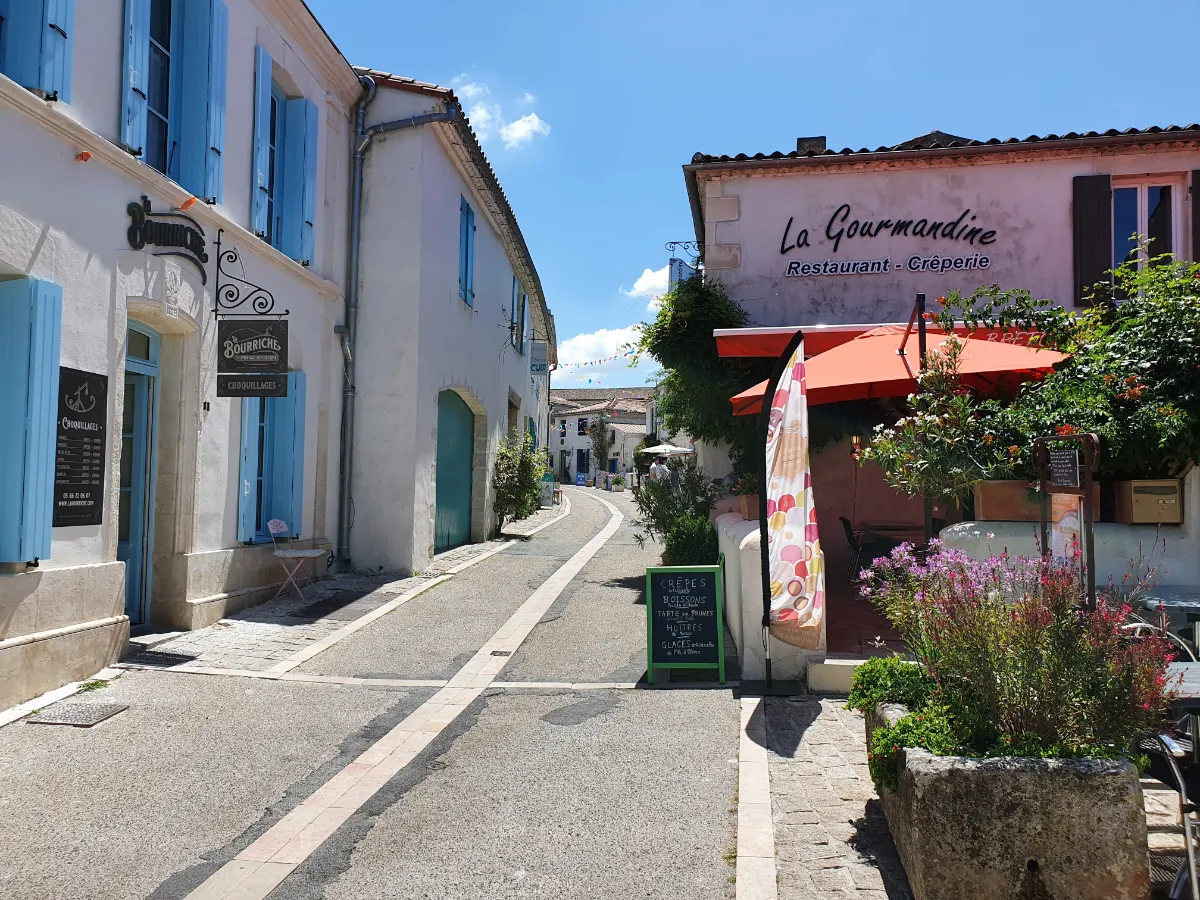
In Mornac-sur-Seudre, the sea still shapes much of the landscape. White stone houses line flower-filled streets leading down to a small harbour. At high tide, the channels fill with water; a few hours later, the boats seem to be resting on the mud. The transformation is remarkable.
Around the village stretch marshes once used for salt production and later, in part, for oyster farming. Wooden huts, pools and waterways tell the story of this long history. Head back towards the centre to discover the old church and gardens hidden behind stone walls, all in a wonderfully peaceful atmosphere.
Talmont-sur-Gironde
In Our Top ☑️
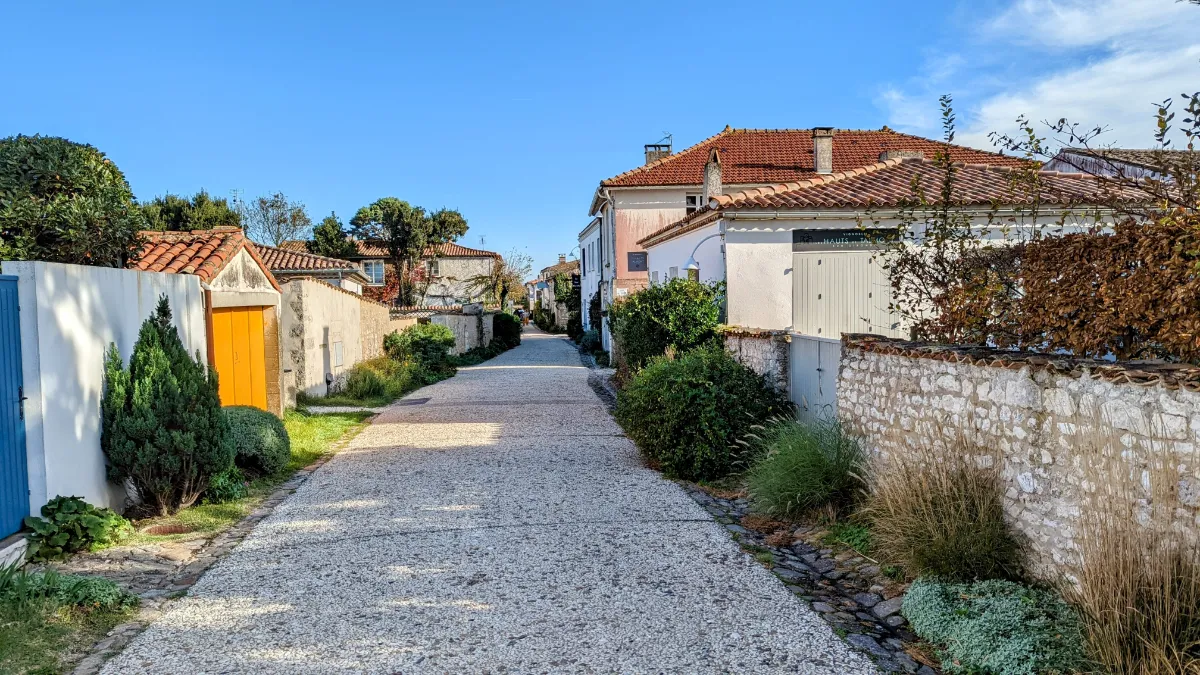
Talmont-sur-Gironde stands on a small headland overlooking a vast estuary, where the river waters gradually meet the Atlantic. Low houses, flower-filled lanes and pale stone walls make up a tiny village bathed in constantly changing light. You can easily explore the whole place on foot.
Its greatest treasure is the Church of Sainte-Radegonde, built in the Middle Ages right beside the water. Around it, hollyhocks add splashes of colour to the old stonework. Down below, fishing huts on stilts stretch their large square nets over the water, creating a particularly beautiful scene at sunset.