


MAP
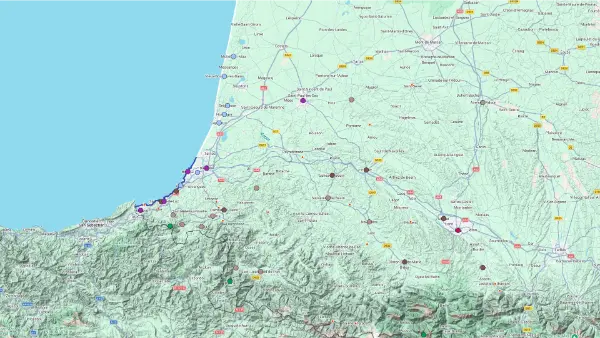
Basque Country
Interactive Map
Basque Country
Interactive Map
Click on the icon  in the top-left corner to display the map legend.
Show/Hide layers as needed.
Click on the arrow icons (v) to display the sublayers.
CITY
| Name | Top+ | Top |
|---|---|---|
| Pau | ☑️ |
Pau
In Our Top ☑️
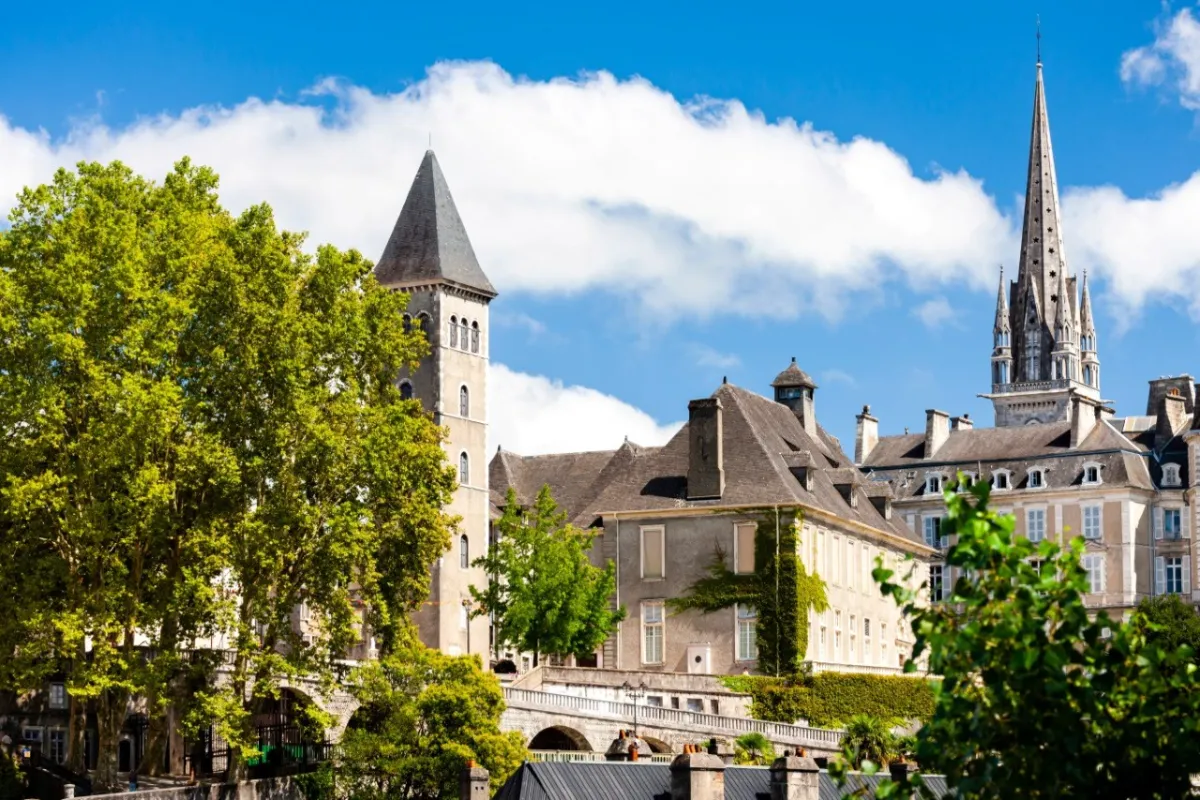
Pau has a knack for making you forget you’re in a city. Just head to Boulevard des Pyrénées, a long terrace overlooking the valley, and you’ll soon understand why the British were so fond of the place in the 19th century. On a clear day, the mountain peaks stand out on the horizon, beyond the palm trees and gardens. And when they disappear behind the clouds? The walk is just as lovely, with its elegant buildings and the constant coming and going of people out for a stroll.
The city also owes much of its fame to Henry IV, who was born in its castle in 1553. Altered and extended several times over the centuries, the castle eventually became a royal residence, and its rooms tell the turbulent story of Béarn and France. All around it, the streets of old Pau are full of little surprises: small squares, stairways, narrow passageways and charming old houses, a world away from the grander feel of the main avenues.
But there’s much more to Pau than that. The villas surrounded by gardens are a reminder of the days when spending the winter here was fashionable, and the mild climate attracted wealthy visitors from across Europe. A funicular still connects the upper town to the train station. It’s a quirky little contraption that saves you the uphill climb and, in its own way, recalls the city’s rather elegant ambitions.
TOWNS
| Name | Top+ | Top |
|---|---|---|
| Dax | ||
| Bayonne | ✅ | |
| Biarritz | ✅ | |
| Saint-Jean-de-Luz | ✅ | |
| Hendaye |
Dax
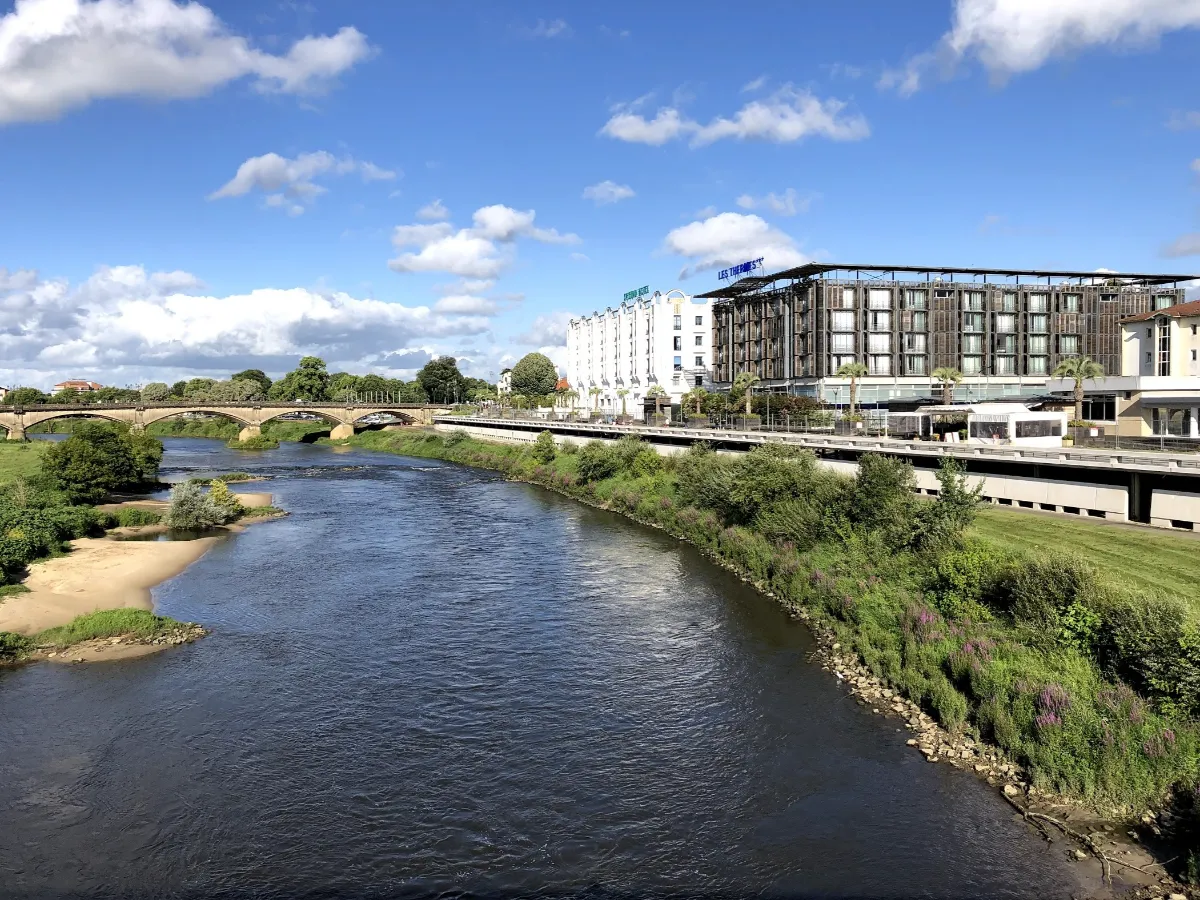
In Dax, hot water isn’t just a minor detail. It has shaped the city’s entire history. Known since Roman times, its natural springs still gush out at remarkably high temperatures, especially at the Fontaine de la Nèhe. The thermal baths and mud treatments draw plenty of visitors, but there’s much more to Dax than its spa heritage.
The town centre still has remains of its ancient fortifications, while the paths along the Adour River invite you to slow down and take your time. Then there’s a completely different, much livelier side to Dax. During the big summer festivals, music, bullfighting traditions and crowds dressed in white and red completely transform the atmosphere.
Bayonne
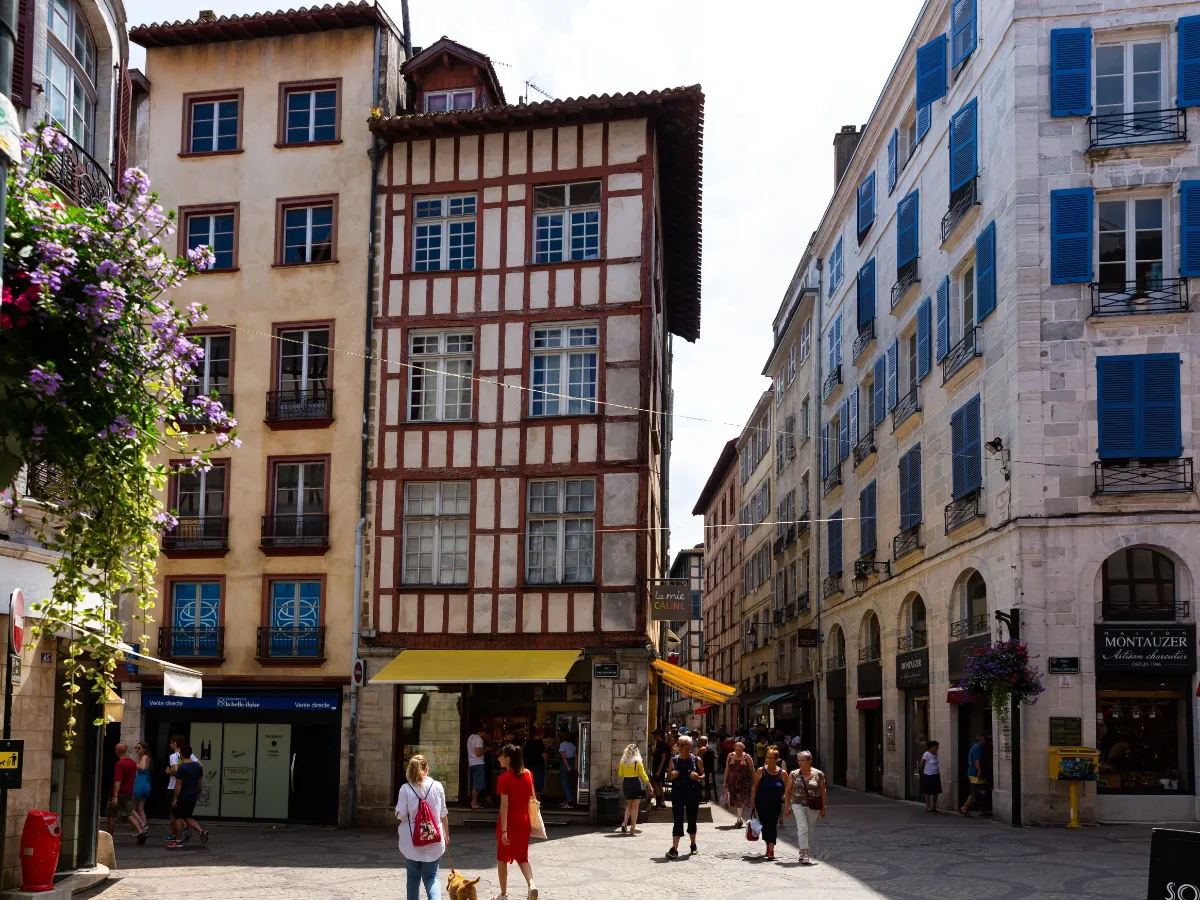
In Our Top+ ✅
In Bayonne, the rivers have shaped the city. The Adour and Nive meet between neighbourhoods with plenty of character, connected by bridges you’ll find yourself crossing again and again. Along the quays, tall houses with colourful timber framing are reflected in the water. Behind them, the streets grow narrower, stairways hide around corners, and the old town gradually reveals its little details. Rising above it all is Sainte-Marie Cathedral, with its soaring spires and cloister surrounded by covered galleries.
But Bayonne is far from being a pretty town frozen in time. Basque culture is alive and well here, from the language and traditional songs to games of pelota, the traditional sport played against a wall. Its fortifications are a reminder of its past as a military stronghold, while its working-class neighbourhoods remain full of life. And when the famous summer festivals arrive, it feels as though the whole city comes together in the streets, dressed in white and red and celebrating late into the night.
Biarritz
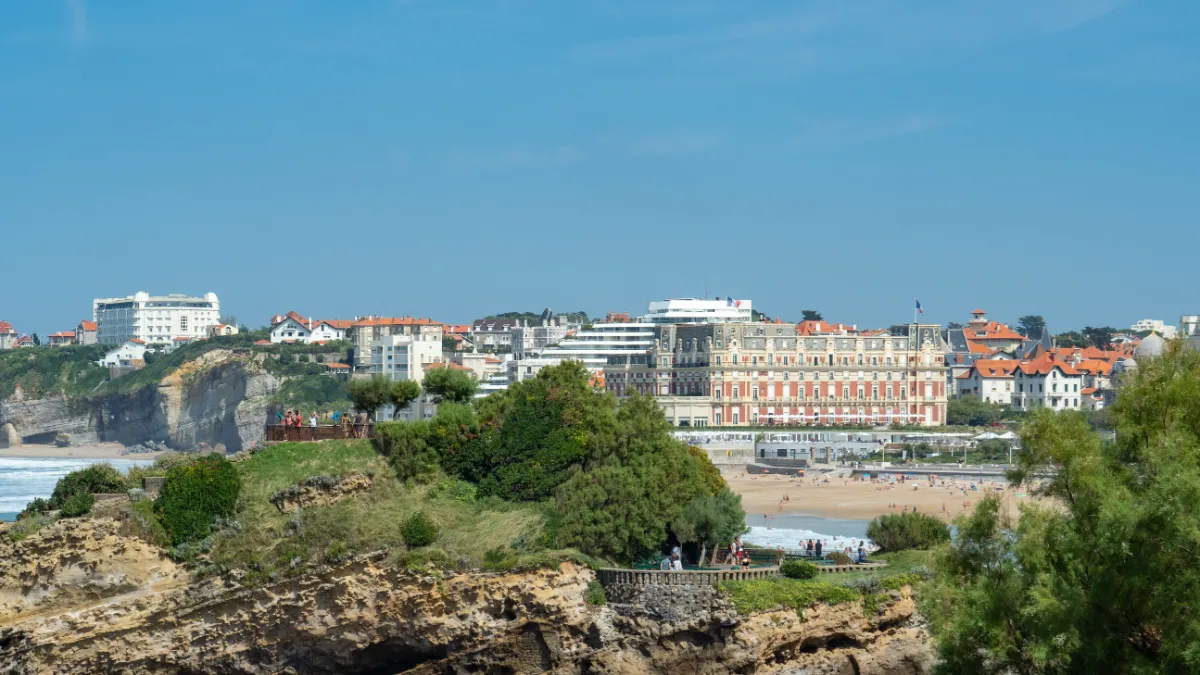
In Our Top+ ✅
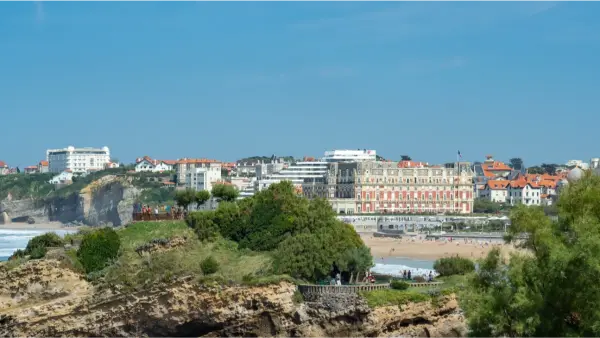
For a long time, Biarritz saw the ocean through the eyes of a queen. In the 19th century, Empress Eugénie brought Napoleon III’s court here, followed by a whole fashionable crowd who built villas, palaces and seaside promenades. The grand buildings facing the sea still retain something of that era, even if surfboards have long since replaced many of the parasols. Here, the waves put on a constant show, especially when they crash against the rocks below the seafront.
From the Grande Plage to the Rocher de la Vierge, reached by a footbridge, the scenery keeps changing with the tides. Further south, the Côte des Basques is a reminder that Biarritz was one of the birthplaces of European surfing back in the 1950s. Surfers wait for the perfect wave while walkers enjoy views of the mountains. And at sunset, the cliffs take on ever-changing colours.
Saint-Jean-de-Luz
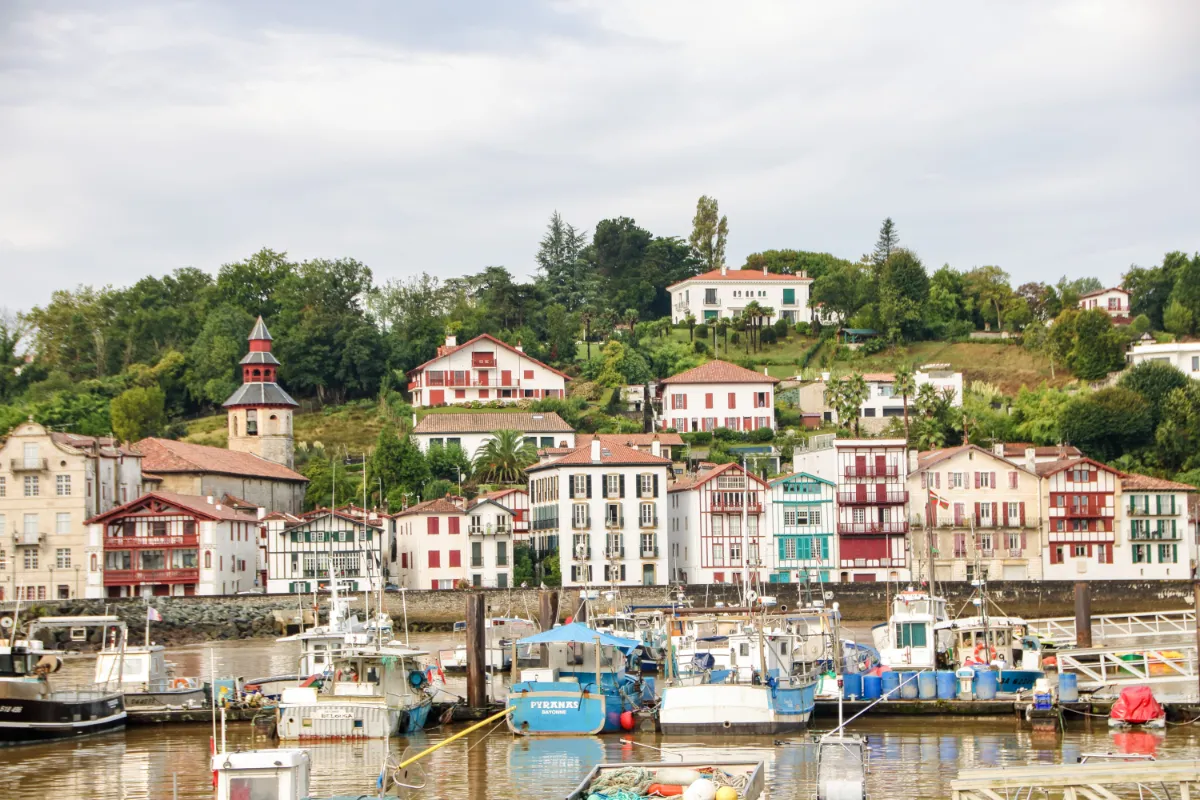
In Our Top+ ✅
Saint-Jean-de-Luz has kept a lively harbour from its seafaring past, along with memories of the privateers who once struck fear into enemy ships. Today, fishing boats bob behind the sea walls protecting the bay, where the long sandy beach is popular for its generally calmer waters compared with other beaches along the coast.
Head into the town centre and you’ll find traditional Basque houses with colourful shutters and narrow streets clustered around the Church of Saint-Jean-Baptiste. It was here that Louis XIV married Maria Theresa of Spain in 1660, an event that gave this fishing port a place in the history books.
Hendaye
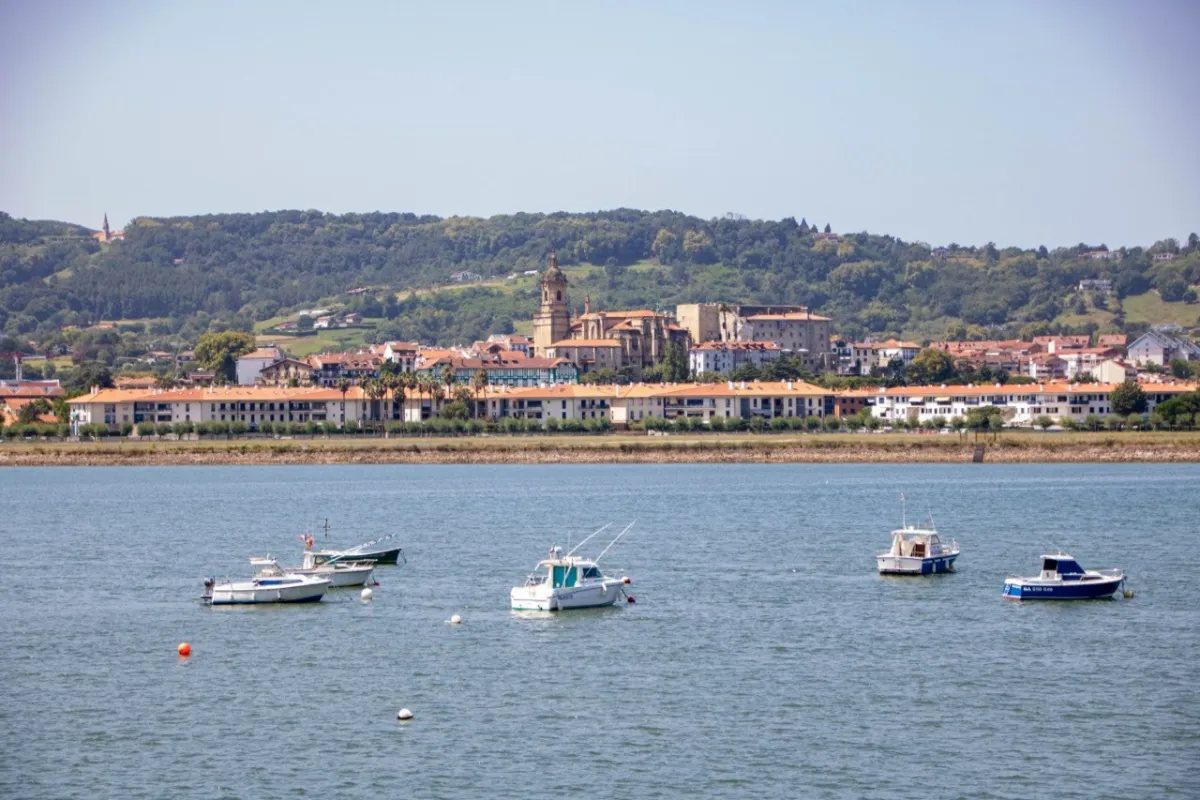
The last major French beach before Spain, Hendaye stretches for nearly 3 km along a bay open to the Atlantic. The waves here are often gentler than at neighbouring beaches, which is why beginner surfers love it so much. At one end of the beach, the Deux Jumeaux, two enormous rocks standing in the water, look as though they’re keeping watch.
But Hendaye has another, quieter side, around Txingudi Bay and the waters of the Bidassoa River. Up on the hills, Château d’Abbadia, an extraordinary 19th-century mansion, overlooks a wild stretch of coastline. And just across the river, you’re already in Spain.
SMALL TOWNS (Village Feel)
| Name | Top+ | Top |
|---|---|---|
| Ciboure | ||
| Guéthary | ||
| Cambo-les-Bains | ||
| Salies-de-Béarn | ||
| Orthez | ||
| Oloron-Sainte-Marie | ||
| Lescar | ||
| Nay |
Ciboure
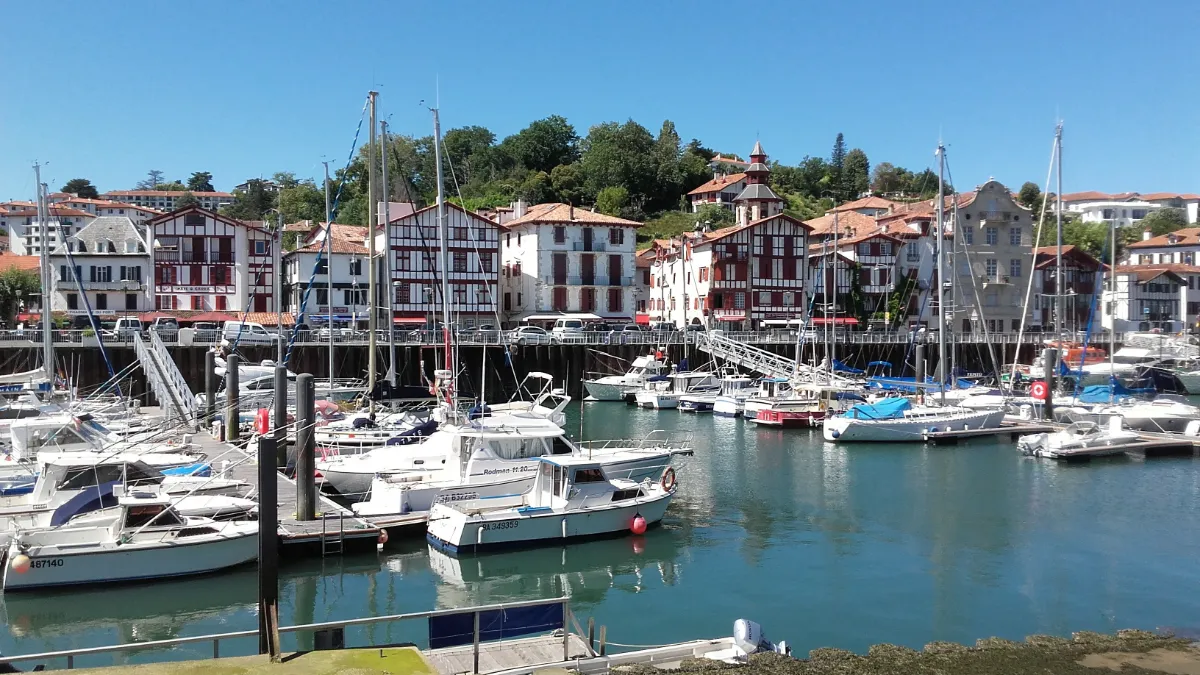
All you have to do is cross the Nivelle River from Saint-Jean-de-Luz to find a different atmosphere. On the opposite bank, Ciboure has kept a more down-to-earth, distinctly maritime feel, with its fishing boats, closely packed houses and colourful façades. Maurice Ravel, the composer of Boléro, was born here, in a house that’s hard to miss.
Follow the waterfront towards Socoa and the view opens up onto the entrance to the bay. An old fort, built to keep watch over passing ships, faces the sea walls and the Atlantic beyond. When the waves come crashing in, it’s easy to see why this sheltered harbour was so valuable to sailors for so long.
Guéthary
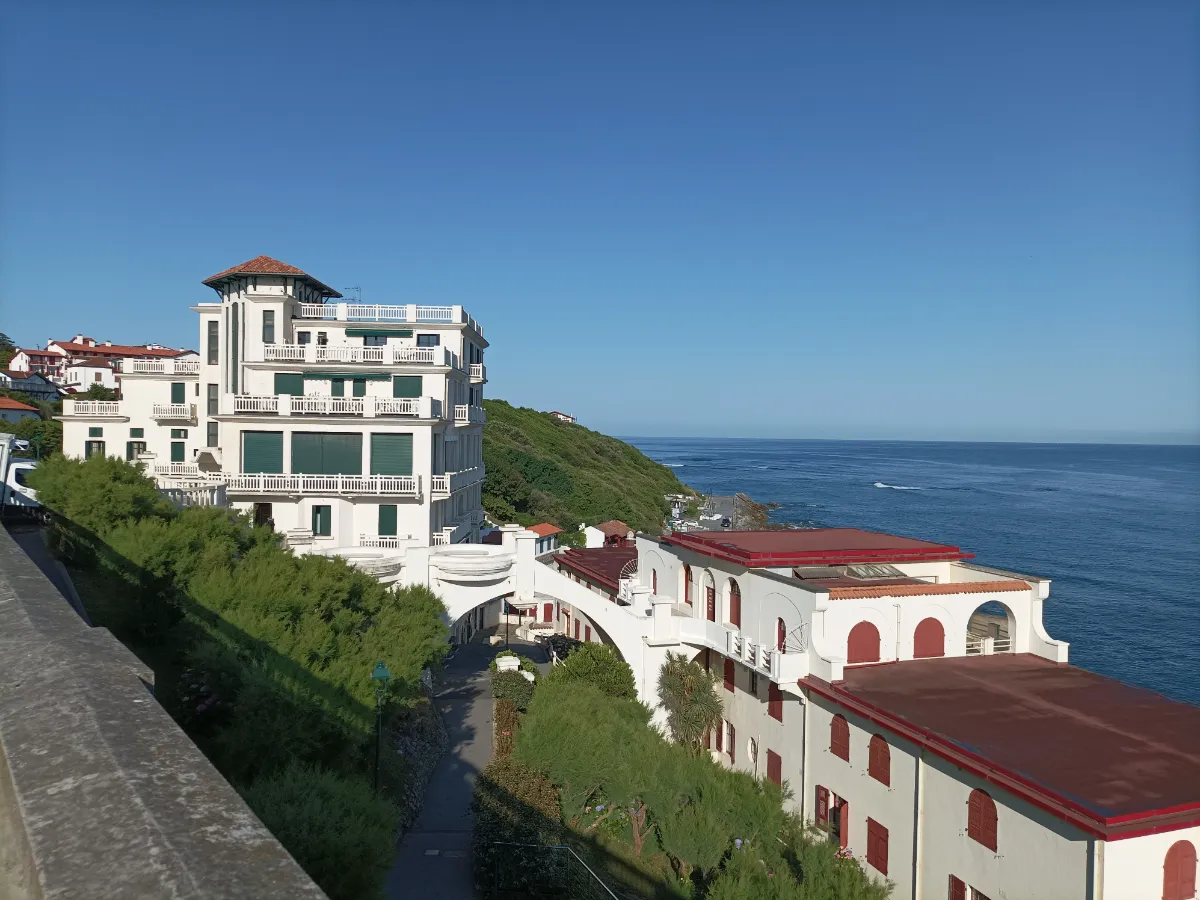
Perched above the Atlantic, the little village of Guéthary has done a pretty good job of resisting the temptation to become a major seaside resort. A handful of streets, beautiful Basque houses and a tiny harbour reached by a steep slope give the place a pleasantly intimate feel. These days, it’s mainly surfers you’ll see scanning the horizon.
The waves can be fierce, and at high tide the beaches sometimes all but disappear. That’s hardly surprising, since this stretch of coastline is mostly made up of rocks, cliffs and small coves. From the natural terraces above the sea, the views stretch towards Spain and the mountains.
Cambo-les-Bains
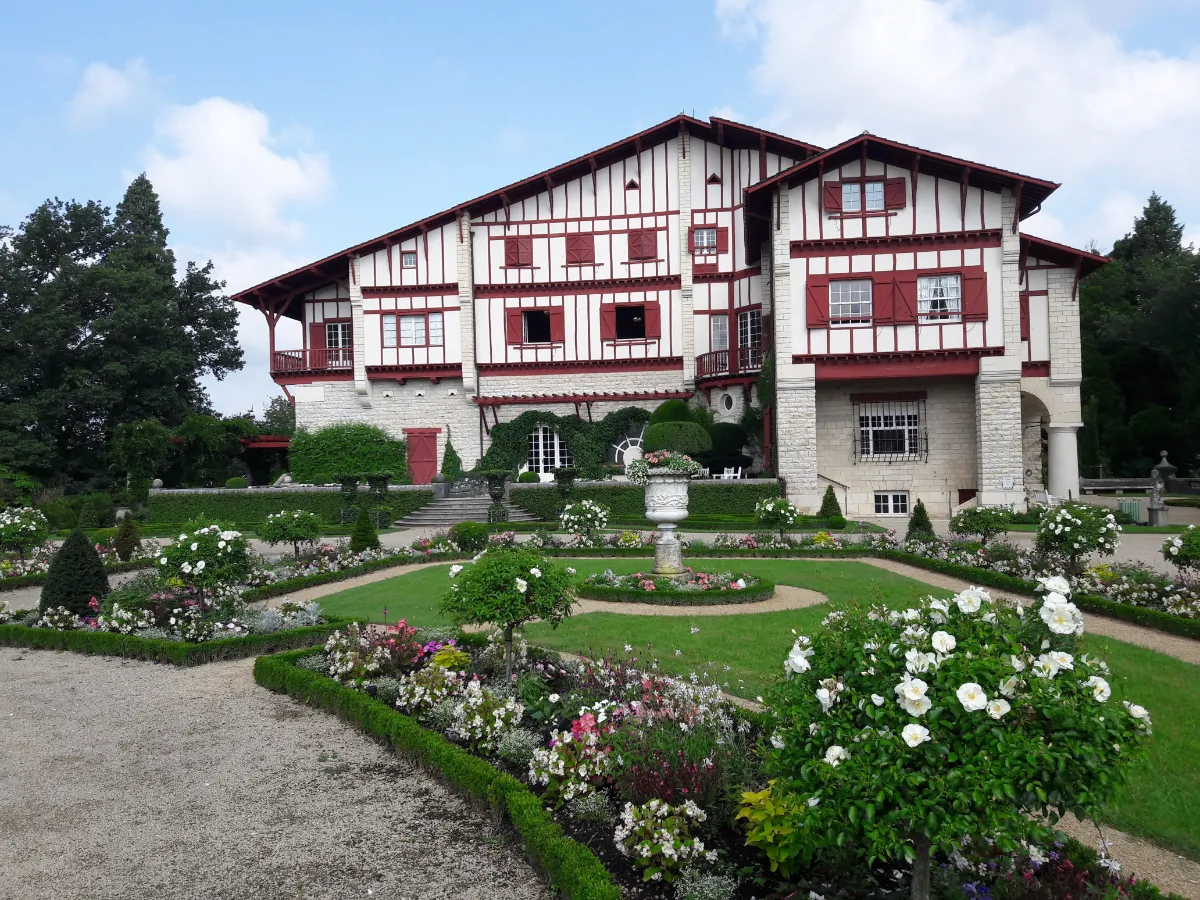
Cambo-les-Bains has the charm of a town where people once came to take the waters and restore their health. Its mild climate, gardens and elegant houses tell the story of an era when relaxation was almost an art form. With its lush, wooded hills, the scenery feels very different from the seaside resorts along the coast.
But Cambo has another major attraction: Villa Arnaga. In the early 20th century, Edmond Rostand, the author of Cyrano de Bergerac, had this magnificent house built in the style of traditional Basque architecture. Its beautifully landscaped gardens make the place even more remarkable, surrounded by deep green countryside.
Salies-de-Béarn
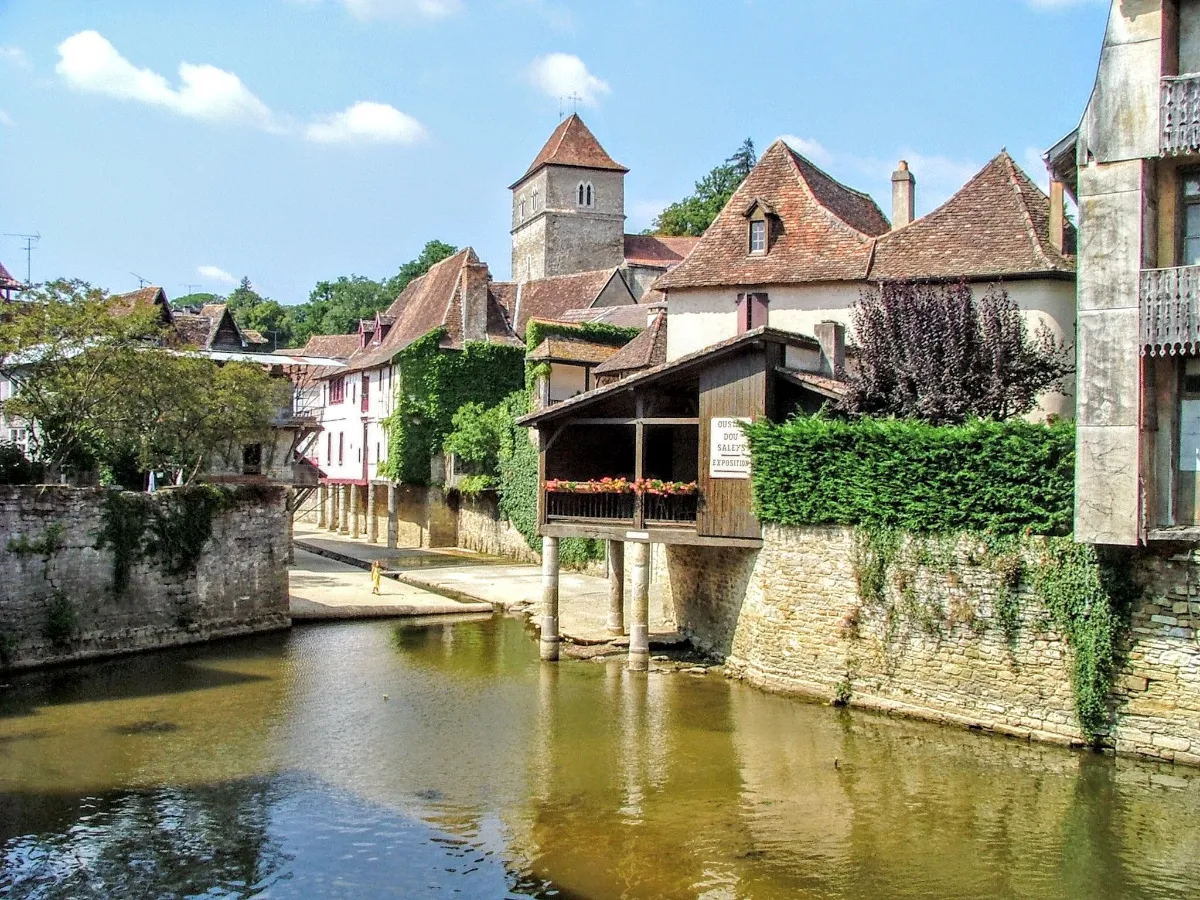
Legend has it that Salies-de-Béarn owes its fortune to a wild boar. After being wounded, the animal supposedly ended up in a spring so salty that the locals discovered its remarkable properties. Whether the story is true or not, salt supported the town for centuries before its mineral waters began attracting spa visitors in the 19th century.
You can still see traces of that past in the winding streets, old houses and elegant buildings from the spa era. A small river runs through the centre, giving the bridges and little squares a slightly old-fashioned charm. Gardens are tucked away between the historic houses.
Orthez
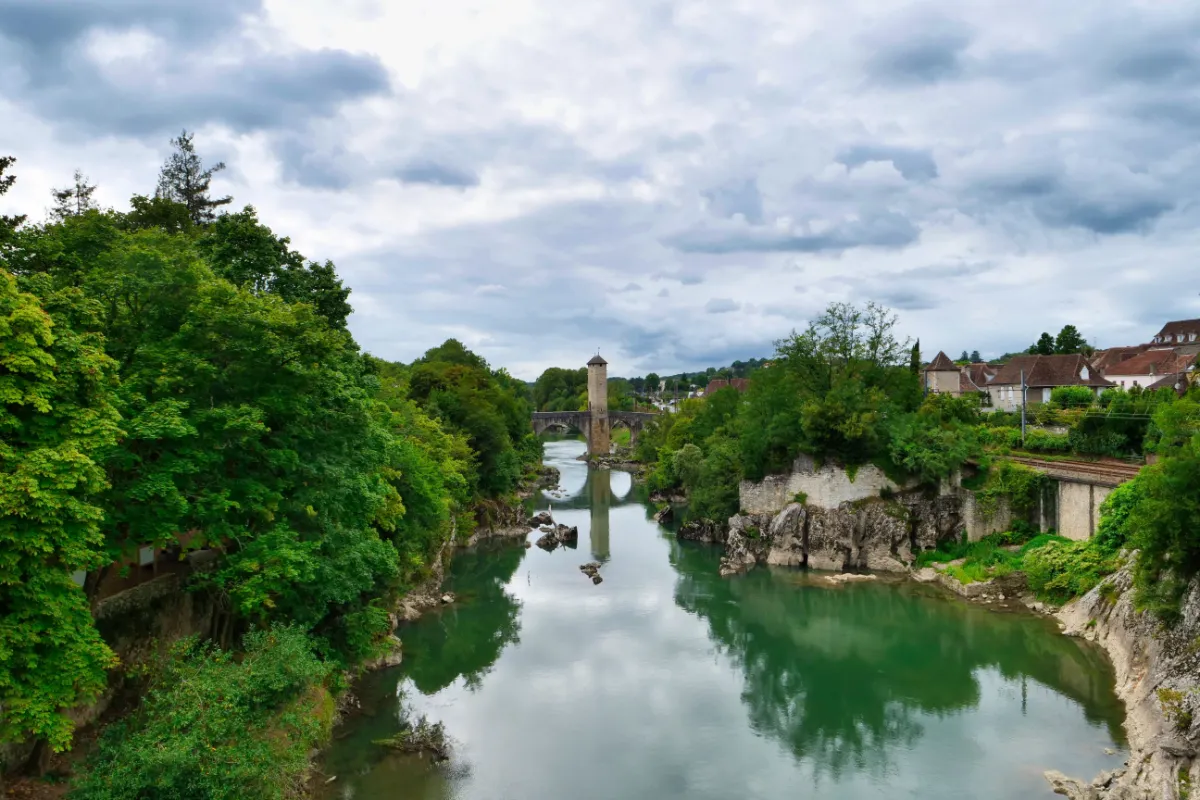
Orthez was once one of the most powerful towns in Béarn, and it still has some impressive reminders of those days. Its Pont-Vieux, with a fortified tower rising from the middle of the river, looks as though it belongs in a medieval painting. Higher up, the remains of Château Moncade recall the lords who once ruled Béarn.
The town also lived through the turmoil of the wars between Catholics and Protestants in the 16th century. Today, grand old townhouses stand alongside more modest homes. Linen weaving and beret making are also reminders of a local craft tradition that’s still alive today.
Oloron-Sainte-Marie
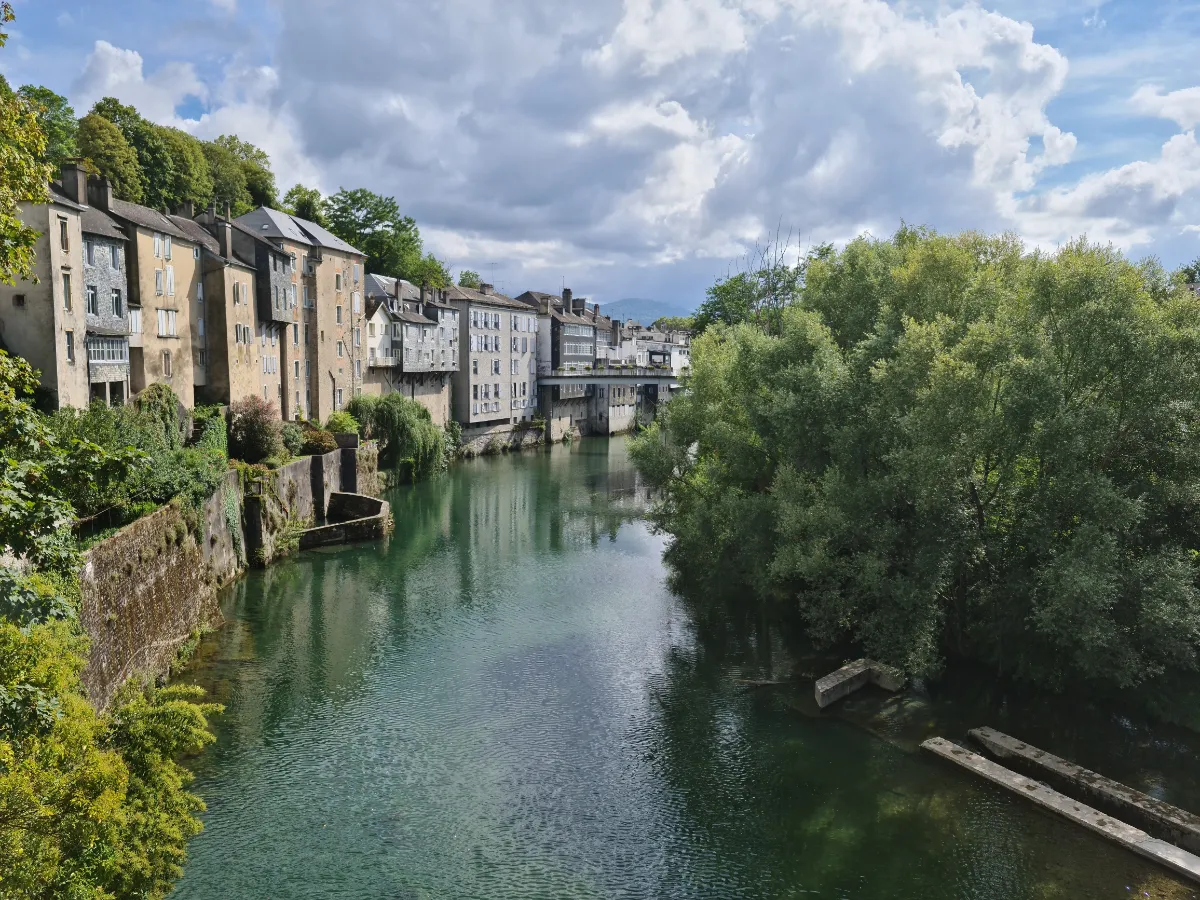
In Oloron-Sainte-Marie, you’ll have to get used to walking up and down hills. The town spreads across several levels where two rivers meet. From the bridges, the old houses seem to huddle together, with the Pyrenees rising in the distance. Perched above the water, the Sainte-Croix neighbourhood still has the lovely feel of an old village.
Further down, Sainte-Marie Cathedral makes an impression with its carved medieval entrance, a reminder of the travellers who passed through on their way to Spain. Oloron also has a long history of crafts and industry, and traces of that heritage still accompany you as you wander through the old streets.
Lescar
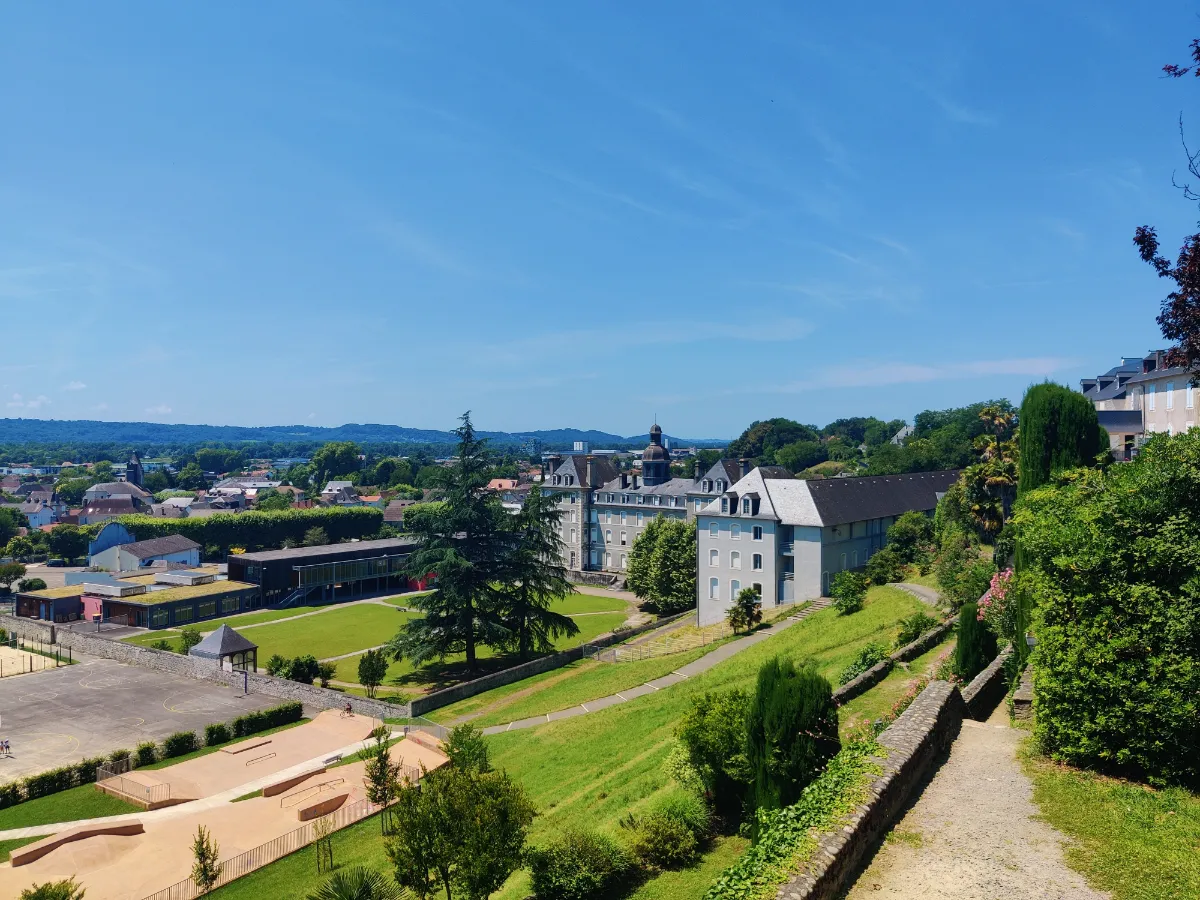
Just a few kilometres from Pau, Lescar may seem like a quiet little town, but it has a surprisingly prestigious past. Once a fortified religious centre, it still has sections of its old ramparts, narrow streets and, above all, a 12th-century Romanesque cathedral with remarkable sculptures and mosaics. Several members of the royal family of Navarre were buried here, including Henry IV’s grandparents.
Set on a hill, the historic centre overlooks the plains of Béarn. On a clear day, you can even see as far as the Pyrenees. As you wander through the streets, you’ll also come across hidden courtyards and passageways tucked away from view.
Nay
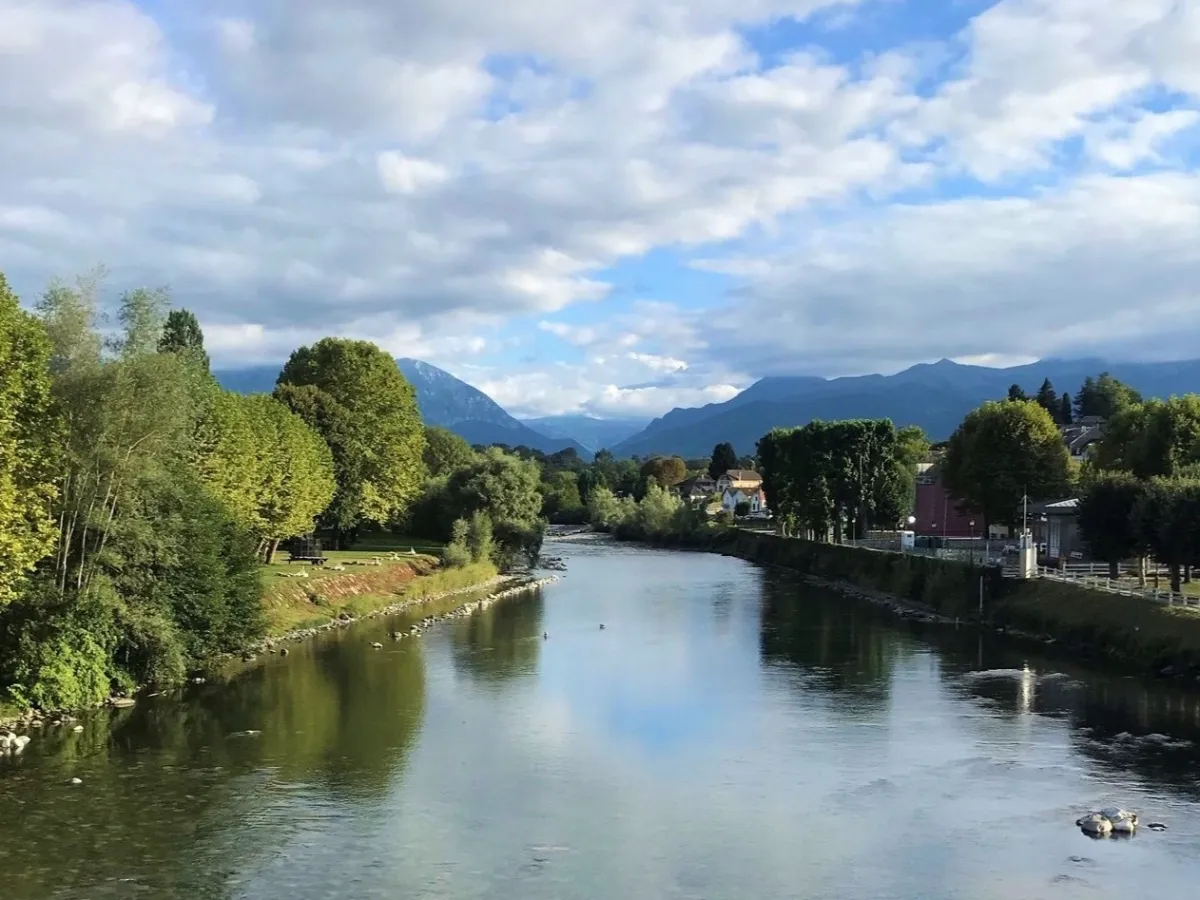
Nay grew up beside a river, on flat land overlooked by the first hills of the Pyrenees. Its straight streets and central square reflect its medieval origins, when new towns were built according to carefully planned layouts. The old façades and a few covered passageways have preserved that original design.
But farming wasn’t always Nay’s only source of income. Weaving and textile production were once essential to the local economy. One remarkable 16th-century building, the Maison Carrée, is a reminder of that prosperity, with its elegant Italian-inspired courtyard. And beyond the streets, the mountains already feel close.