


MAP
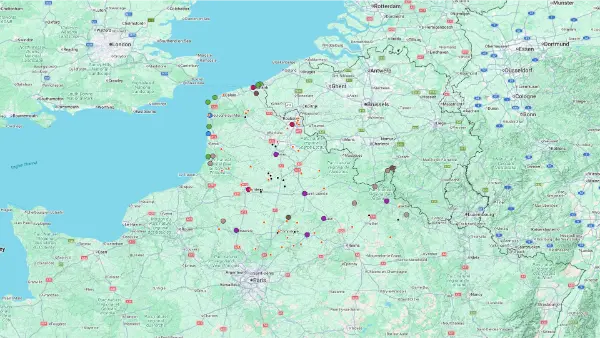
Northern France
Interactive Map
Northern France
Interactive Map
Click on the icon  in the top-left corner to display the map legend.
Show/Hide layers as needed.
Click on the arrow icons (v) to display the sublayers.
TOP
| Name | Type | Top+ |
|---|---|---|
| Cap Gris-Nez | Coastal Path | |
| Cap Blanc-Nez | Coastal Path | ✅ |
| Lille | City | ✅ |
| Musée Louvre-Lens | Museum & Park | |
| Mémorial de Vimy | Memorial WW1 | |
| Arras | Town | ✅ |
| Centre Minier de Lewarde | Museum | ✅ |
| Saint-Valery-sur-Somme | Village | |
| Amiens | City | |
| Musée Somme 1916 | Museum | |
| Gerberoy | Village | ✅ |
| Château de Compiègne | Castle & Park | |
| Château de Pierrefonds | Castle | ✅ |
| Laon | Town | |
| Château Fort de Sedan | Fortress | ✅ |
Cap Gris-Nez
Type Coastal Path
Full Name
Cap Gris-Nez
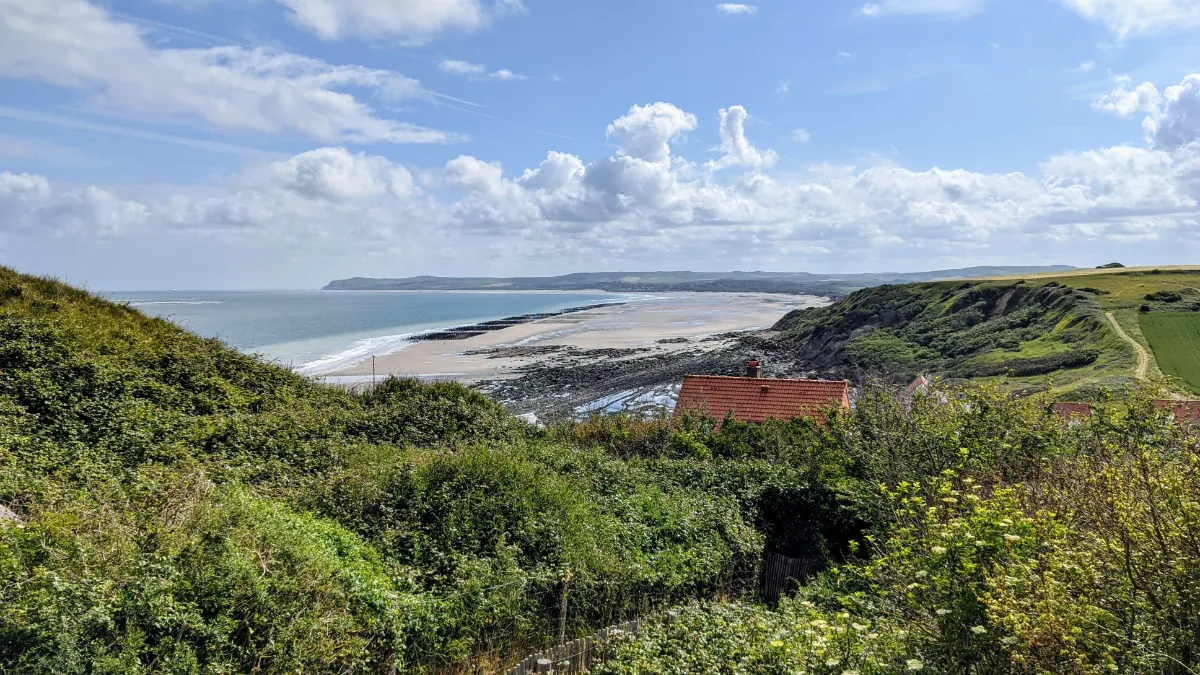
Facing England, Cap Gris-Nez marks the closest point on mainland Europe to the British coast. Unlike Cap Blanc-Nez and its white cliffs, this headland has a darker landscape, with ancient rocks, coastal grasslands and low cliffs battered by the wind.
From the walking trails, you can watch the impressive parade of ships passing through one of the busiest shipping lanes in the world. The area is also an important stopover for migrating birds. A few military remains recall its strategic role during the Second World War, particularly in monitoring maritime traffic.
Cap Blanc-Nez
In Our Top+ ✅
Type Coastal Path
Full Name
Cap Blanc-Nez
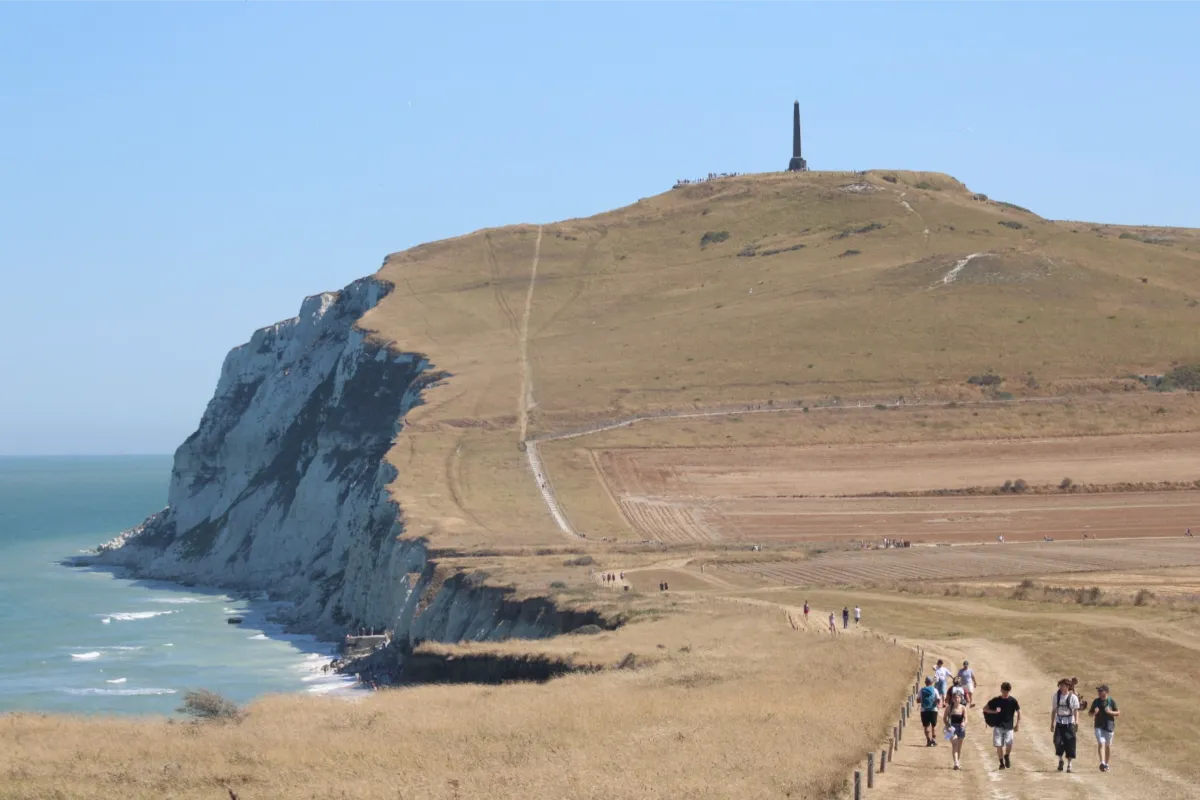
Cap Blanc-Nez is home to some of the most spectacular coastal scenery in northern France. Its white chalk cliffs, rising to around 134 metres, tower above the English Channel and offer sweeping panoramic views. On a clear day, you can easily make out the English coast across the strait.
From the marked walking trails, you can take in the beaches, grassy hills and constant movement of ships passing through the Channel. The Dover Patrol Monument commemorates naval operations during the First World War.
Lille
In Our Top+ ✅
Type City
Population 240 000
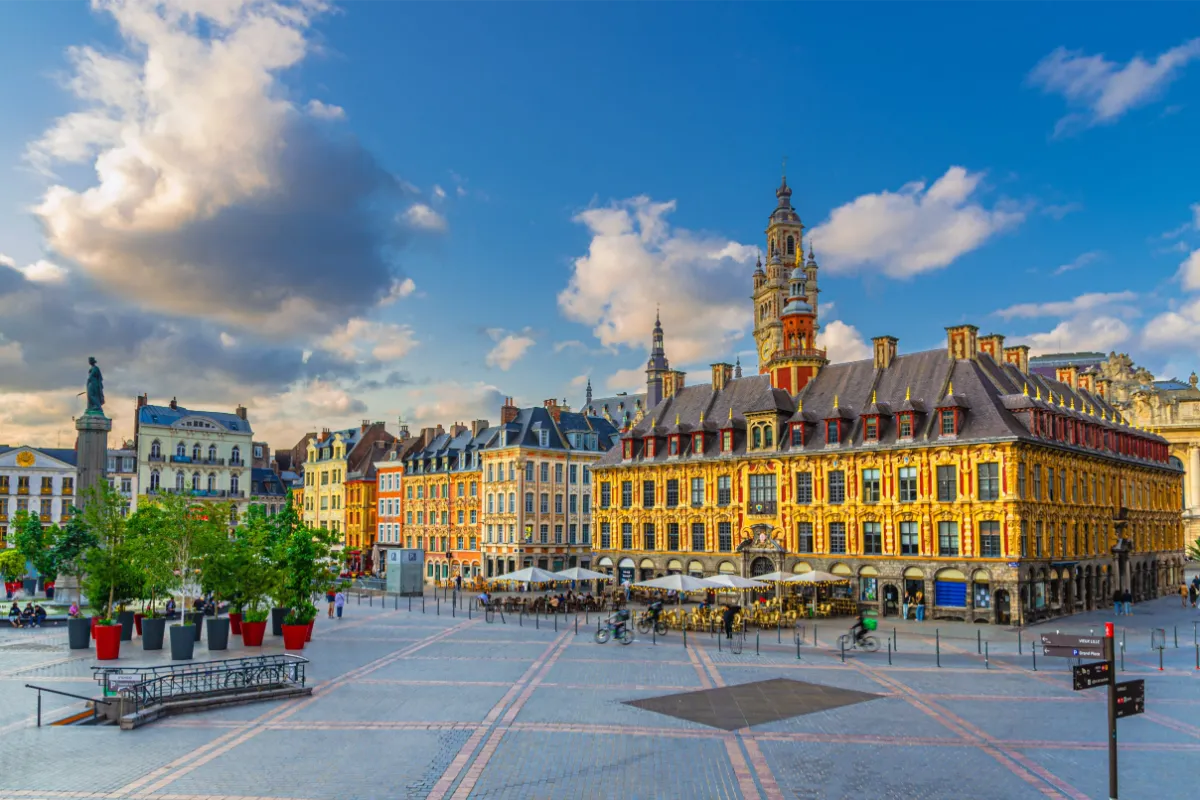
The capital of northern France, Lille has plenty to offer visitors who might still picture it as a grey, industrial city. Just a few miles from Belgium, this energetic city brings together Flemish architecture, historic landmarks and a buzzing cultural scene. It’s a warm, welcoming place where northern traditions sit comfortably alongside a distinctly modern outlook, all in a wonderfully friendly atmosphere.
Start exploring at the Grand-Place, the beating heart of Lille. Surrounding this spacious square are beautiful, colourful façades that reflect the prosperity of the city’s merchants in the 17th and 18th centuries. You can’t miss the Vieille Bourse, a magnificent Renaissance building with a charming inner courtyard.
Just a short walk away, Vieux-Lille, the old town, has a completely different feel. One of the city’s most attractive neighbourhoods, it’s a maze of cobbled lanes, red-brick houses, grand townhouses and beautifully restored façades. Don’t forget to look up, as the carved details, stepped gables and Baroque decorations are full of surprises.
Lille also has some remarkable religious and cultural landmarks, starting with Notre-Dame-de-la-Treille Cathedral, an unusual blend of historic and contemporary architecture. Another must-see is the Palais des Beaux-Arts, one of France’s most important museums, home to outstanding collections of European paintings, sculptures and drawings.
Lille’s industrial history has played a major role in shaping its identity. Once a major textile centre, the city has reinvented itself as a lively university and cultural hub while preserving traces of its working-class past. Former industrial buildings have found new uses, and a packed calendar of cultural events keeps the city buzzing throughout the year.
For a break surrounded by greenery, head to the wooded parkland around the Citadel, a fortress built in the 17th century under Louis XIV. Its ramparts are a reminder of the strategic importance of a city that was fought over by European powers for centuries. With canals, shady walking paths and wide lawns, this is a much more peaceful side of Lille, far from the bustle of the historic centre.
Musée Louvre-Lens
Type Museum & Park
Theme Antiquities & Classical Art
Price – Permanent Exhibitions Free
Price – Temporary Exhibitions €12
Full Name
Musée du Louvre-Lens
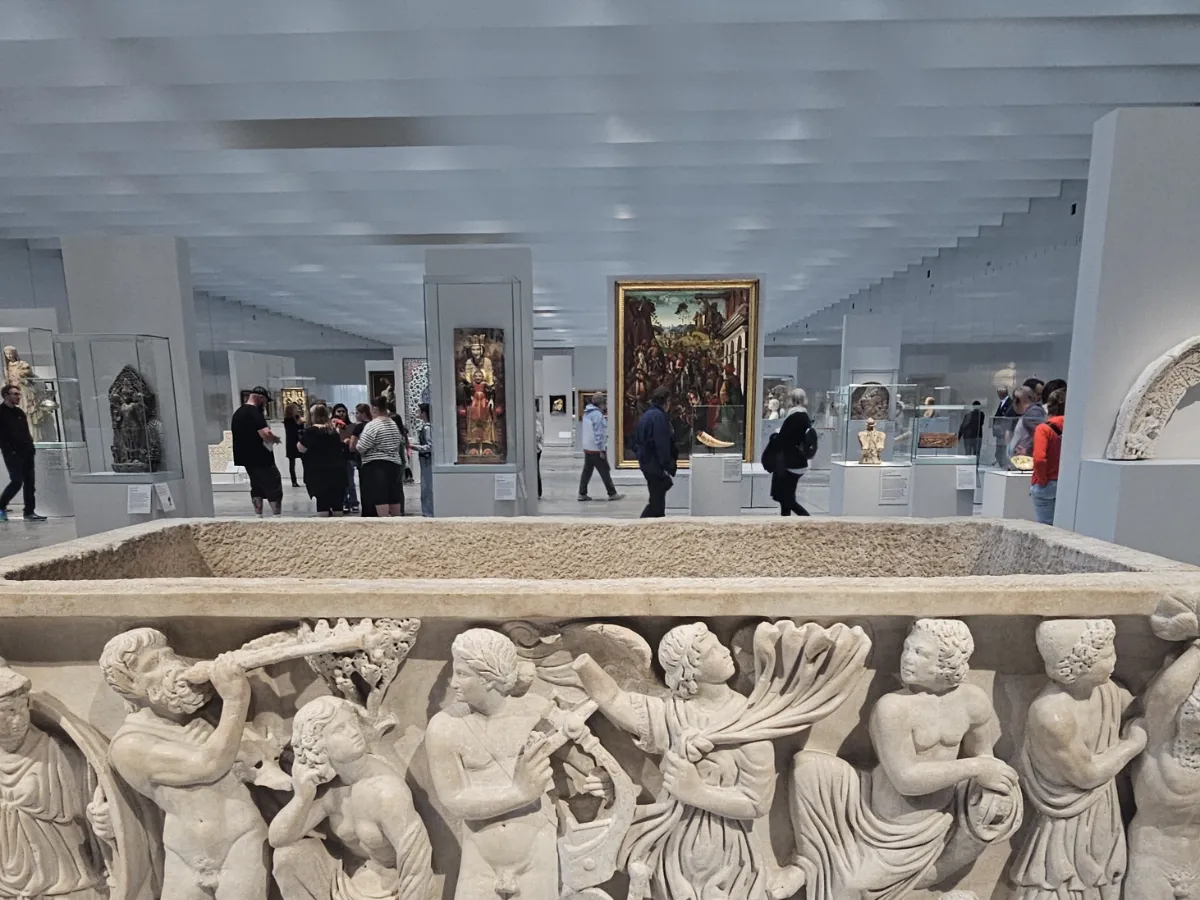
Built on the site of a former coal mine, the Louvre-Lens Museum symbolises the remarkable transformation of a region long shaped by the mining industry. Opened in 2012, the museum is linked to the famous Louvre in Paris but has a character all its own. Its contemporary architecture, combining glass, aluminium and natural light, blends beautifully into a large landscaped park.
The museum’s most distinctive feature is its Galerie du Temps, or Gallery of Time, a huge space where artworks are displayed in chronological order. From prehistory to the modern era, sculptures, paintings and objects take visitors on a journey through thousands of years of human creativity. Completely renewed at the end of 2024, the gallery now features around 250 new works from the Louvre’s collections.
The museum also hosts major temporary exhibitions exploring different civilisations and periods of art history. Outside, the gardens laid out on the former mining site still preserve traces of its industrial past.
Mémorial de Vimy
Type Memorial World War I
Full Name
Mémorial National du Canada à Vimy
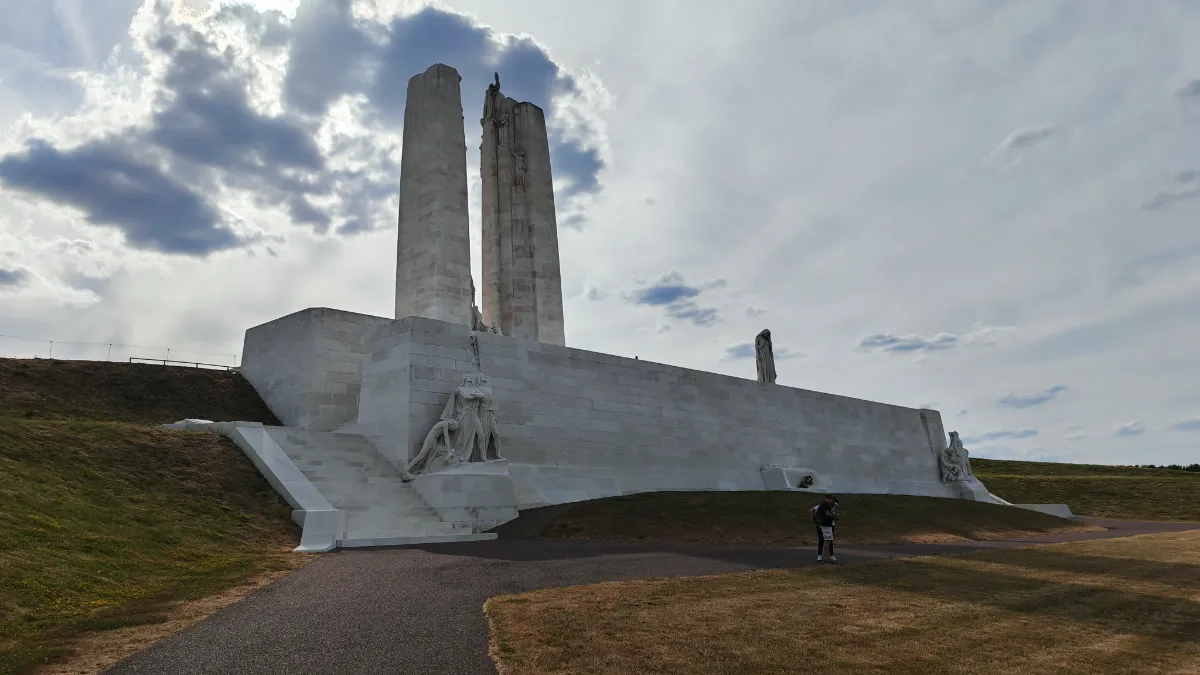
Standing on a hill overlooking the former front lines, the Vimy Memorial honours Canadian soldiers who died during the First World War. Its two enormous white stone pylons, visible from far away, form a particularly striking monument. Engraved on its walls are the names of 11,285 Canadian soldiers who went missing in France.
The site commemorates the battle of April 1917, when Canadian forces captured this strategically important position after fierce fighting. Around the memorial, the ground still bears the scars of the bombardments.
Arras
In Our Top+ ✅
Type Town
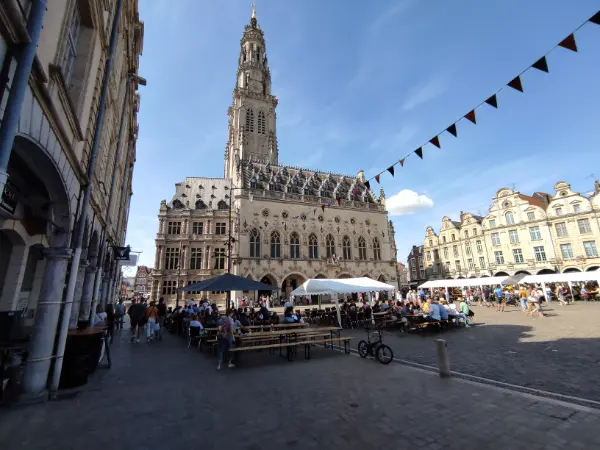
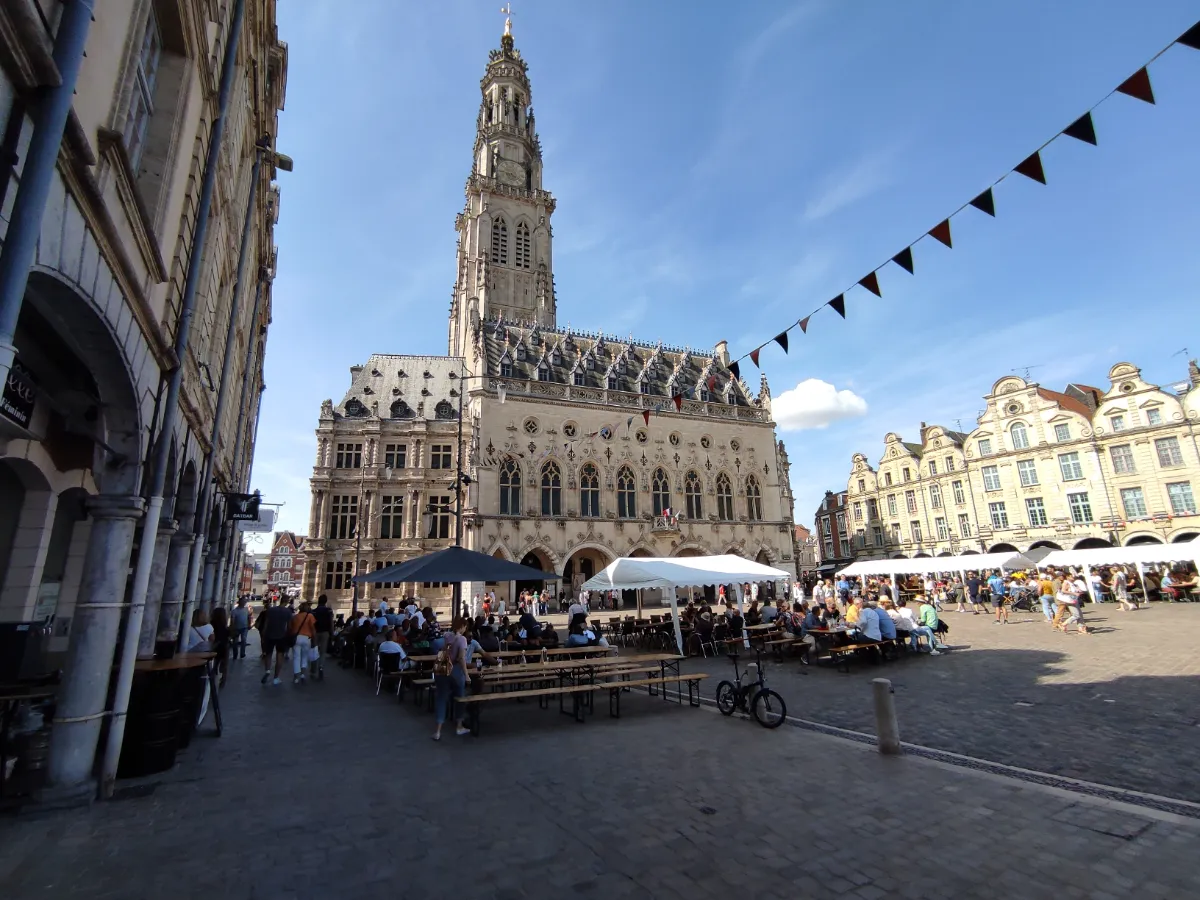
Arras has one of the most spectacular architectural ensembles in northern France. Despite the destruction it suffered during the First World War, the city regained its former elegance thanks to careful reconstruction. Its historic centre, with its magnificent Flemish-style façades, invites you to wander through centuries of history.
The city’s two main squares are its real highlights. The Grand-Place and Place des Héros are lined with houses featuring beautifully decorated gables, standing behind long covered arcades. The overall effect is remarkably harmonious, yet every façade has its own distinctive details. Above it all rises the belfry, the majestic tower of the town hall.
Beneath the cobbled streets lies another, much lesser-known Arras. Known as the Boves, these former stone quarries were gradually converted into cellars and underground passages over the centuries, creating a fascinating network. During the First World War, some tunnels were adapted by British soldiers as part of preparations for their offensives. It’s a particularly interesting place to visit.
The war left a deep mark on the city and its surroundings. The Wellington Quarry, excavated and developed by New Zealand tunnellers, tells the story of preparations for the Battle of Arras in 1917. Between its architectural heritage and the memory of the fighting, Arras offers a powerful insight into the turbulent history of this part of France.
Centre Minier de Lewarde
In Our Top+ ✅
Type Museum
Theme Mining
Price €14.50
Full Name
Centre Historique Minier de Lewarde
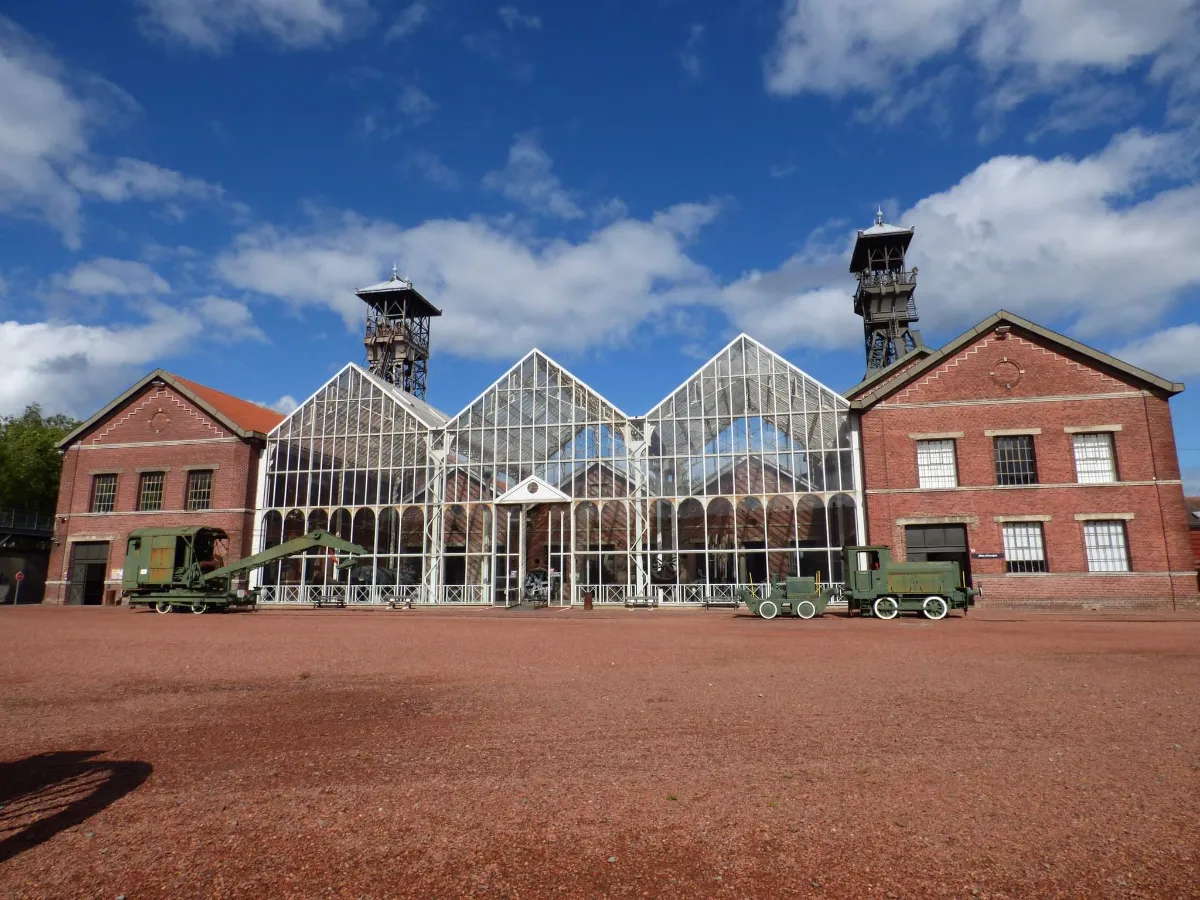
The Lewarde Mining History Centre offers a fascinating insight into the incredibly tough world of coal miners. Located on the authentic site of the former Delloye mine, which operated from 1931 to 1971, it’s the largest museum dedicated to coal mining in France.
The visit takes you through old industrial buildings, engine rooms and the areas where workers prepared for their shifts. A guided tour through reconstructed underground galleries shows how mining techniques evolved, from the earliest work below ground to the closure of the region’s last mines.
The exhibitions also explore the everyday lives of mining families, their housing conditions and the major social struggles that shaped the industry. Machinery, tools, photographs and personal accounts bring a deeply human dimension to the story. The sounds of the equipment and the atmosphere of the galleries make the whole experience feel remarkably immersive.
Saint-Valery-sur-Somme
Type Village
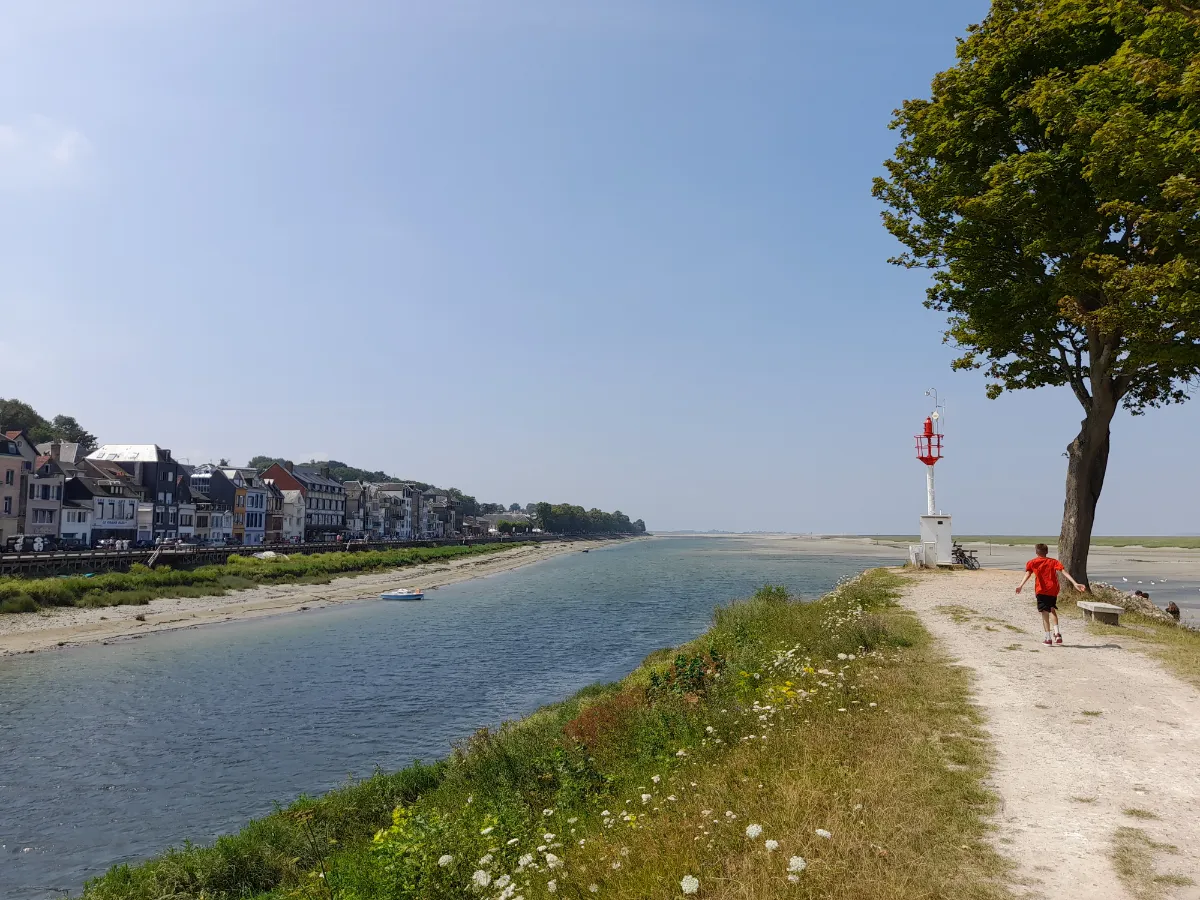
Perched on the southern shore of the Bay of Somme, Saint-Valery-sur-Somme is impossibly charming. Its historic houses, flower-filled lanes and views across the vast stretches of sand exposed at low tide make it one of the prettiest little towns on the coast. The atmosphere changes constantly with the light.
The upper town has preserved its fortified gateways, an old church and beautiful stone houses. It was from here that William the Conqueror assembled part of his fleet before setting out to conquer England in 1066. Down below, the waterfront offers a wonderful walk overlooking the ever-changing scenery of the bay.
Amiens
Type City
Population 135 000
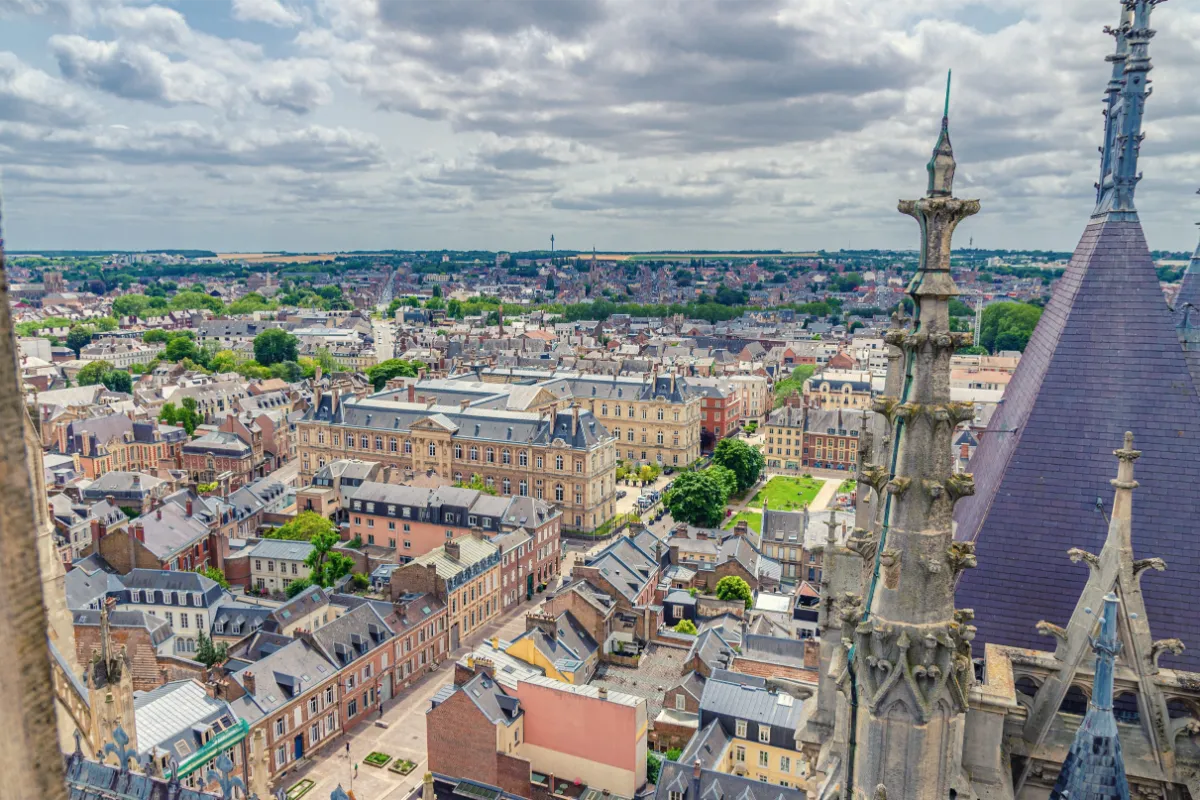
Amiens is a real surprise for anyone who thinks it’s just somewhere to pass through between Paris and the coast. With the River Somme and its many canals running through it, the city offers exceptional heritage, a relaxed atmosphere and plenty of green space. It’s a destination where medieval history blends beautifully with peaceful riverside scenery.
You simply can’t miss Notre-Dame Cathedral, a towering masterpiece of stone and a UNESCO World Heritage Site. Built in the 13th century, it’s the largest Gothic cathedral in France by interior volume. Its richly carved façade and soaring vaults are breathtaking. On certain evenings throughout the year, a spectacular light show brings back the colours that once decorated the cathedral.
Just around the corner, the Saint-Leu district shows a completely different side of Amiens. Small, colourful houses line canals crossed by little footbridges, giving the area an almost village-like feel. Once home to craftsmen and workers, this historic neighbourhood has kept all its charm, especially when the façades are reflected in the water.
But Amiens’ real hidden gem is the Hortillonnages, a vast patchwork of gardens surrounded by canals that have been cultivated for centuries. The best way to explore them is by boat, gliding between lush green plots and little houses tucked away among the plants. It’s hard to believe such scenery exists just minutes from the city centre.
Amiens was also the adopted home of Jules Verne, who spent much of his life here. His former house is now a museum where you can step into the world of the famous writer. Elsewhere, the Musée de Picardie has impressive art and archaeological collections. It’s an unexpected wealth of culture for such a manageable, welcoming city.
Musée Somme 1916
Type Museum
Theme War World I
Price €8
Full Name
Musée Somme 1916
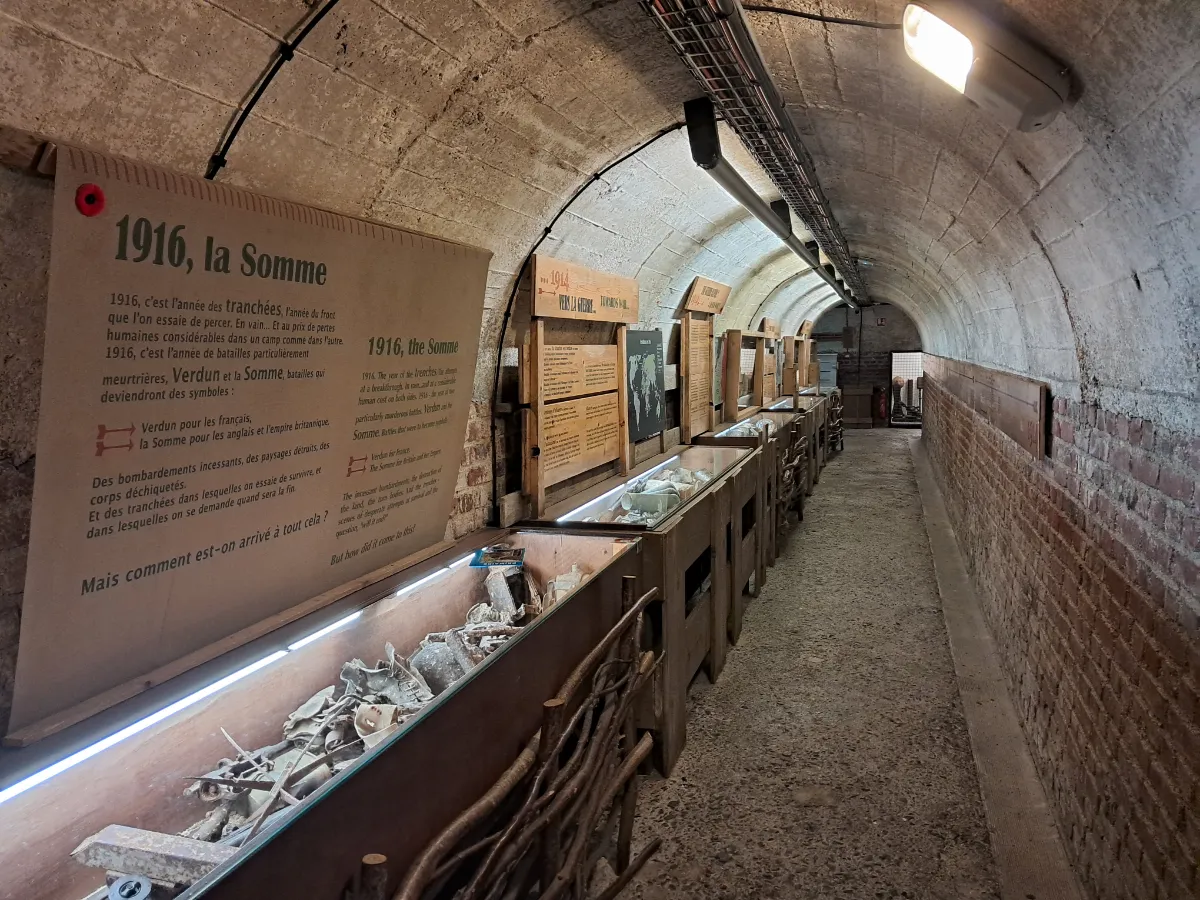
In Albert, the Somme 1916 Museum takes visitors back to one of the most tragic chapters of the First World War. Housed in an old medieval underground passage, around ten metres below ground, it explores the living conditions of soldiers during the terrible Battle of the Somme, which began on 1 July 1916.
The route stretches along roughly 250 metres of galleries, featuring authentic objects, uniforms, weapons and reconstructed scenes. You’ll discover muddy trenches, first-aid stations and shelters where soldiers struggled to survive.
The museum looks at the experiences of French, British and German soldiers, as well as troops from other countries involved in the conflict. Photographs and personal accounts left by soldiers help convey the scale of the suffering. The visit offers a powerful insight into the human cost of this particularly deadly battle.
Gerberoy
In Our Top+ ✅
Type Village
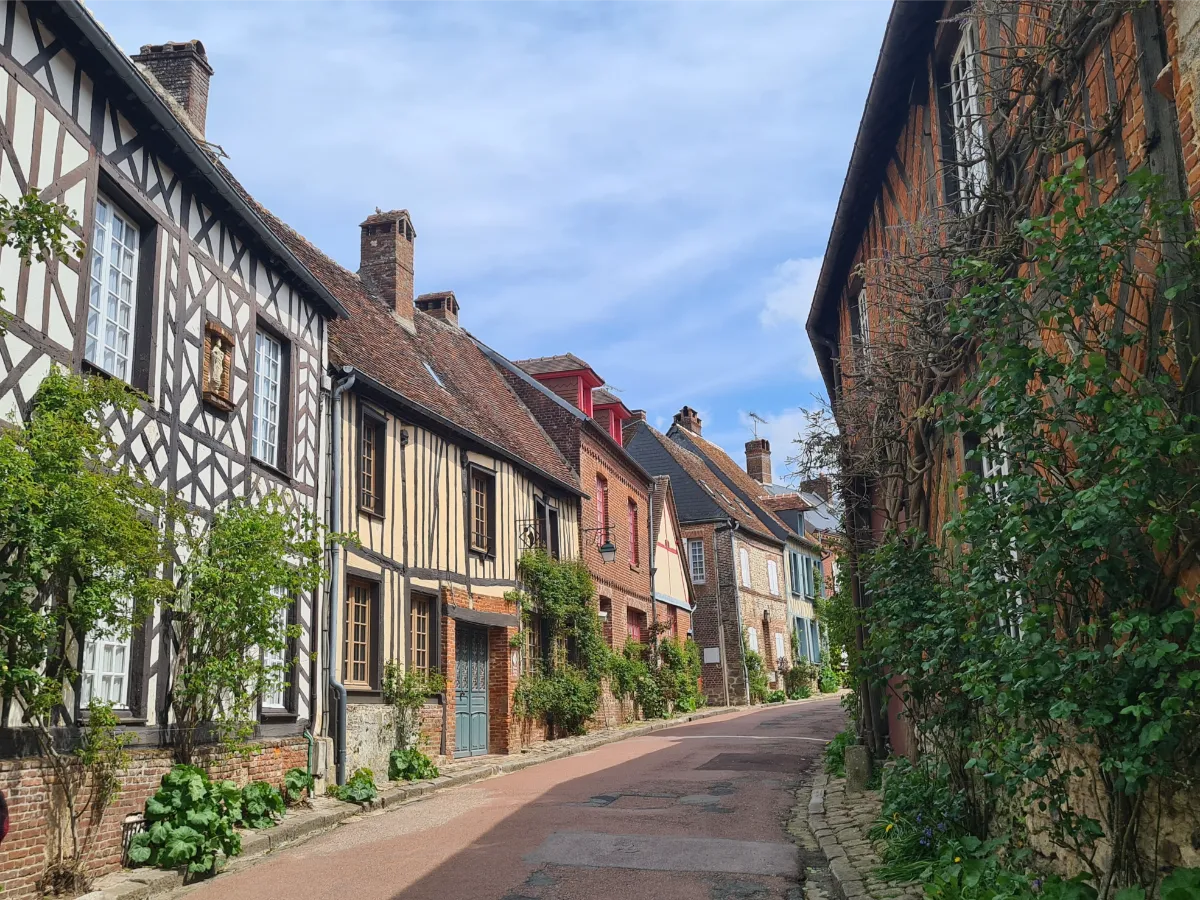
Gerberoy looks like a village straight out of an old painting. Perched on a green hillside, it charms visitors with its cobbled lanes, half-timbered houses and façades covered in roses. The whole place has a wonderfully romantic feel, especially in spring and early summer.
The painter Henri Le Sidaner played a major role in bringing the village back to life in the early 20th century, encouraging residents to decorate their homes with flowers. His gardens still reflect that passion today. Simply wander without a set route, taking in the historic houses, little gardens and remains of the old fortifications.
Château de Compiègne
Type Castle & Park
Price €9.50
Full Name
Château de Compiègne
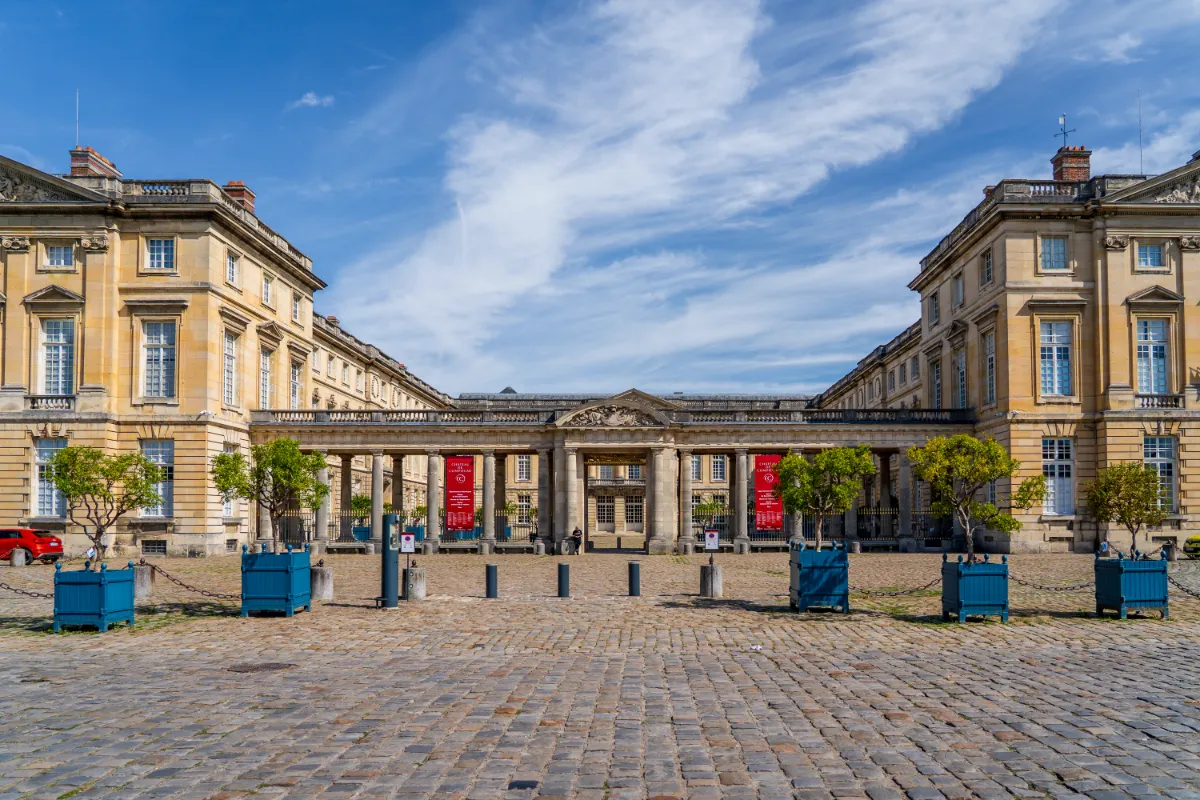
The Château de Compiègne is one of France’s great royal and imperial residences. Rebuilt mainly in the 18th century, it welcomed several rulers, from Louis XV to Napoleon III. Behind its deliberately understated classical architecture lie lavish apartments that reflect the splendour of the French court.
The reception rooms, drawing rooms and private apartments display remarkable furniture, tapestries and decorative interiors. Rooms furnished under Napoleon I stand alongside those dating from the reign of Napoleon III, when the palace hosted prestigious receptions. Empress Eugénie also played a part in decorating several of the apartments.
Outside, the long perspective of the park extends beyond the palace façades towards the landscapes of the Forest of Compiègne, once used for royal hunts.
Château de Pierrefonds
In Our Top+ ✅
Type Castle
Price €9
Full Name
Château de Pierrefonds
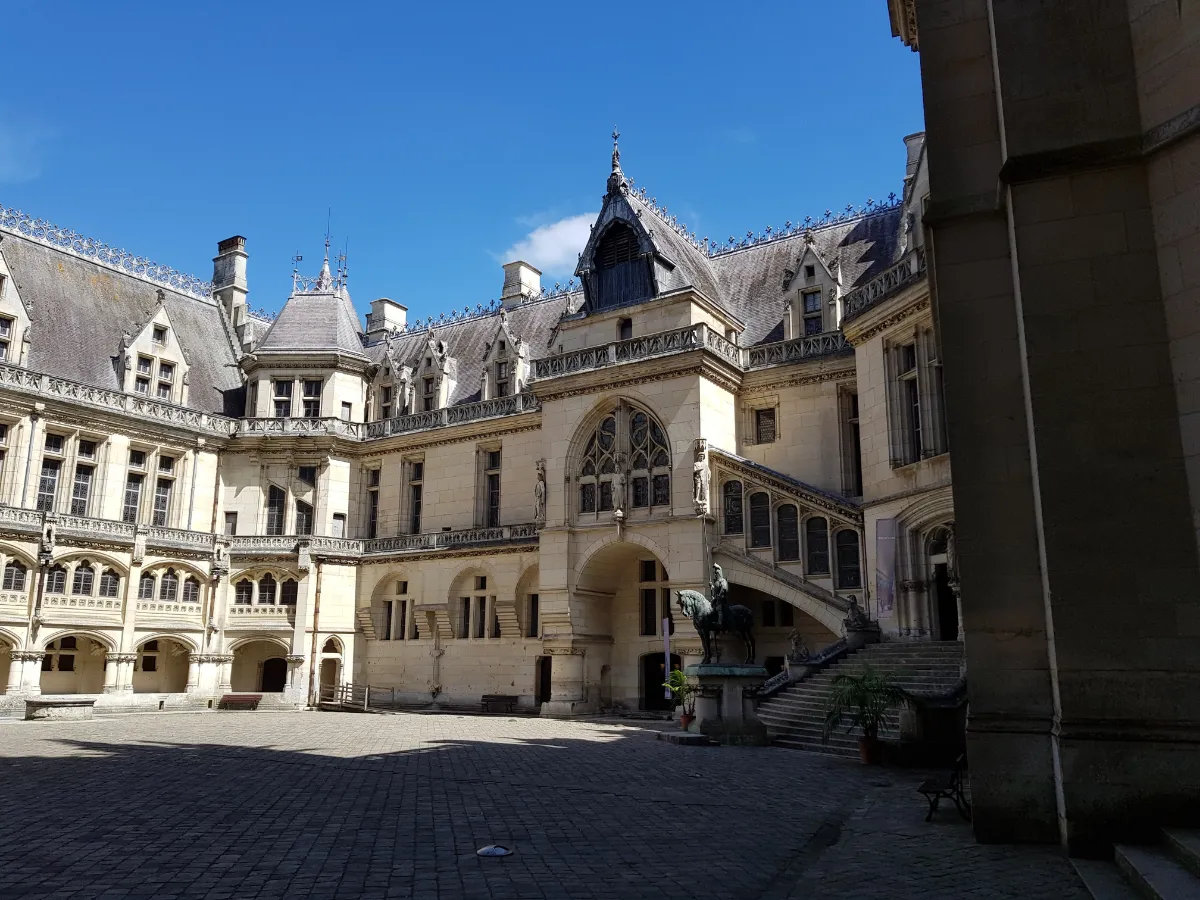
With its towering turrets, imposing walls and pointed rooftops, the Château de Pierrefonds looks like something straight out of a medieval fairy tale. This monumental fortress overlooks a small village surrounded by forests. Built in the late 14th century, it was partly destroyed in the 17th century before undergoing an extraordinary revival.
In the 19th century, Napoleon III commissioned its restoration, transforming the ruins into an idealised medieval castle. The work combined historical reconstruction with romantic imagination. The towers, monumental halls and elaborate carvings offer a spectacular vision of medieval architecture.
Inside, you’ll discover impressive rooms, vaulted galleries, fantastical sculptures and beautifully painted decorations. The grand Salle des Preuses, decorated with figures of heroic women, is one of the castle’s most remarkable spaces. From the courtyards and surrounding grounds, you can enjoy views over the village rooftops and wooded hills.
Laon
Type Town
Perched high on a hill overlooking the surrounding plains, Laon has a truly remarkable skyline. From a distance, its ramparts, towers and cathedral make it look like a great fortress rising above the countryside. Once an important royal and religious centre, the town has preserved an exceptional medieval quarter, almost entirely located on the hilltop.
Notre-Dame Cathedral, built in the 12th and 13th centuries, is Laon’s most iconic landmark. With its five towers visible from the outside, its sculptures and its impressive proportions, it’s one of the great masterpieces of Gothic architecture.
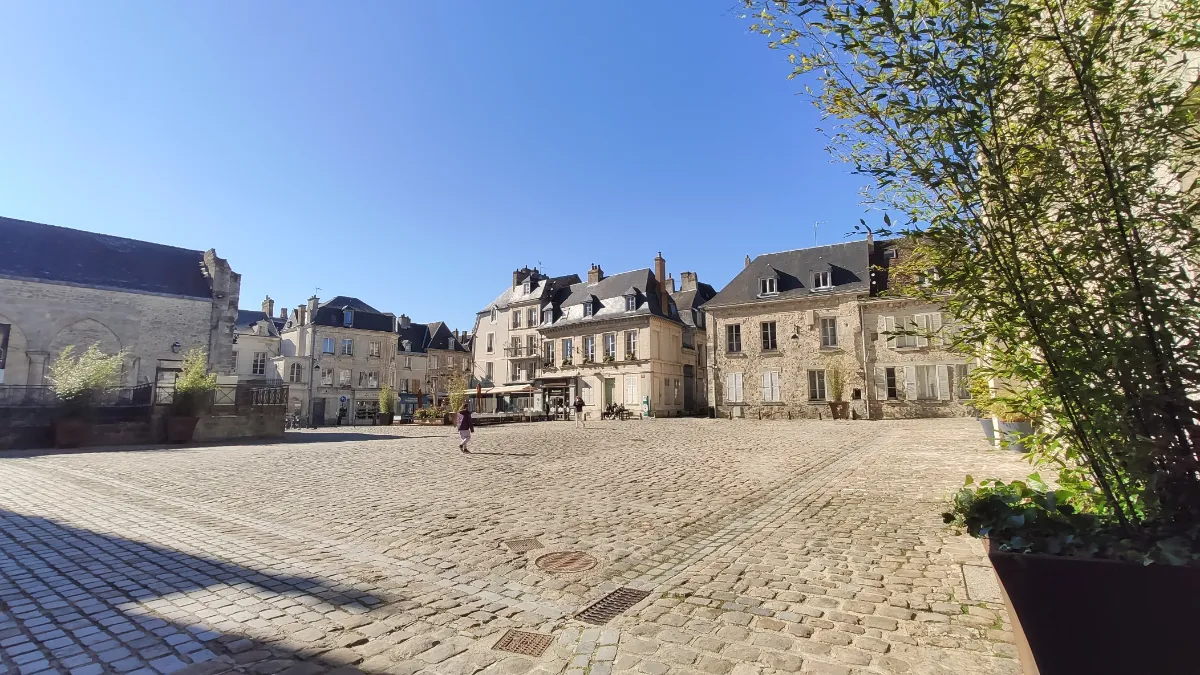
Around the cathedral, cobbled streets wind between historic houses, hidden gardens and religious buildings. The ramparts offer wonderful panoramic views over the surrounding farmland. The modern town stretches out below, but it’s up on the hill that Laon’s atmosphere really comes to life.
Château Fort de Sedan
In Our Top+ ✅
Type Fortress
Price €16
Full Name
Château Fort de Sedan
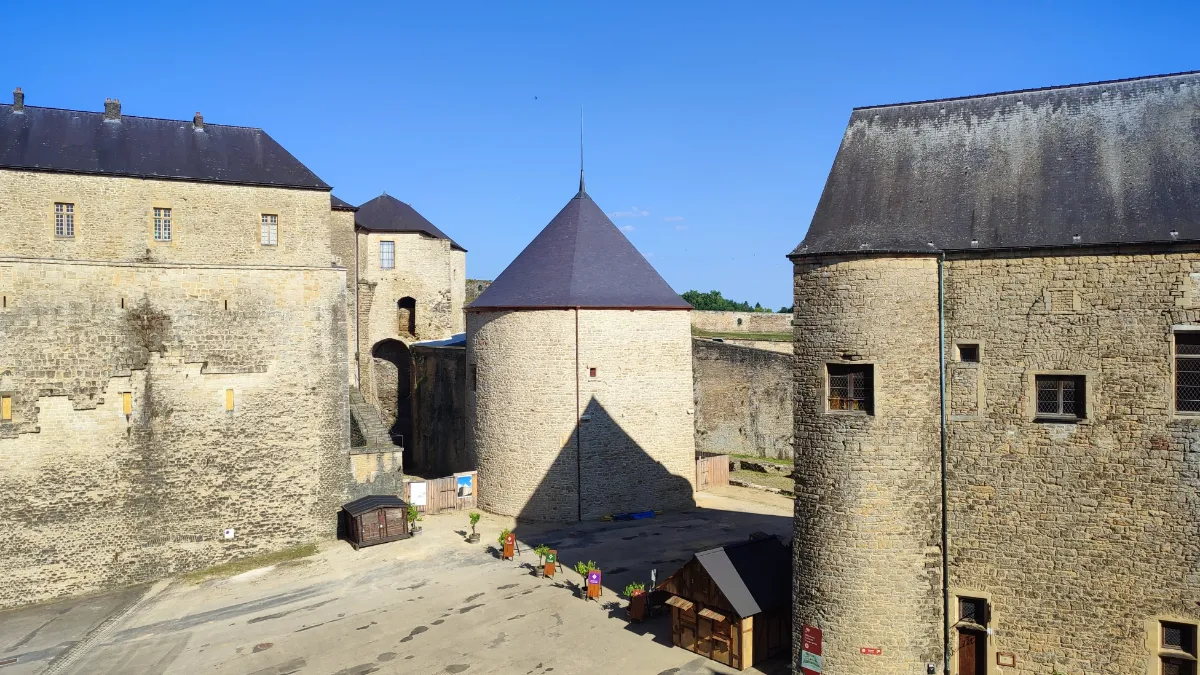
Sedan Fortress is impressive above all for its sheer size. Covering around 35,000 square metres, it’s considered the largest fortified castle in Europe. Built from the 15th century onwards, the fortress was gradually extended and strengthened to withstand advances in artillery.
A visit takes you through a fascinating maze of ramparts, towers, galleries and inner courtyards. The walls, sometimes several metres thick, show just how powerful the fortress’s defences were. Reconstructed rooms give you a glimpse into the daily lives of the princes of Sedan, the soldiers and the people who lived within the fortress.
From the highest points, you can enjoy sweeping views over Sedan and the surrounding countryside.