


MAP
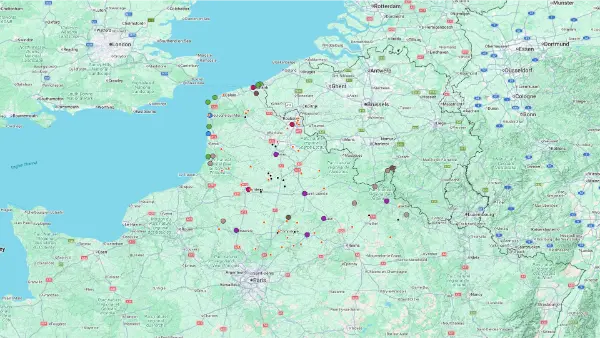
Northern France
Interactive Map
Northern France
Interactive Map
Click on the icon  in the top-left corner to display the map legend.
Show/Hide layers as needed.
Click on the arrow icons (v) to display the sublayers.
CITIES
| Name | Top+ | Top |
|---|---|---|
| Lille | ✅ | |
| Amiens | ☑️ | |
| Dunkirk |
Lille
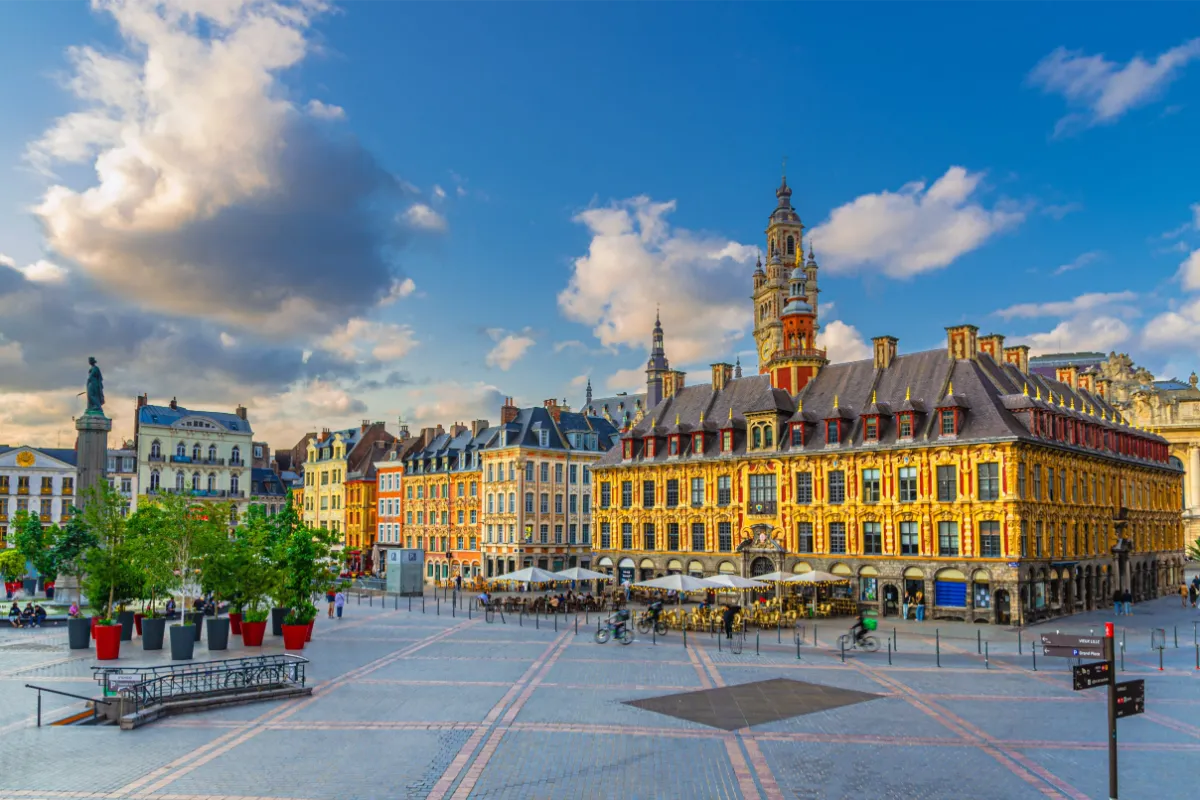
In Our Top+ ✅
Population 240 000
The capital of northern France, Lille has plenty to offer visitors who might still picture it as a grey, industrial city. Just a few miles from Belgium, this energetic city brings together Flemish architecture, historic landmarks and a buzzing cultural scene. It’s a warm, welcoming place where northern traditions sit comfortably alongside a distinctly modern outlook, all in a wonderfully friendly atmosphere.
Start exploring at the Grand-Place, the beating heart of Lille. Surrounding this spacious square are beautiful, colourful façades that reflect the prosperity of the city’s merchants in the 17th and 18th centuries. You can’t miss the Vieille Bourse, a magnificent Renaissance building with a charming inner courtyard.
Just a short walk away, Vieux-Lille, the old town, has a completely different feel. One of the city’s most attractive neighbourhoods, it’s a maze of cobbled lanes, red-brick houses, grand townhouses and beautifully restored façades. Don’t forget to look up, as the carved details, stepped gables and Baroque decorations are full of surprises.
Lille also has some remarkable religious and cultural landmarks, starting with Notre-Dame-de-la-Treille Cathedral, an unusual blend of historic and contemporary architecture. Another must-see is the Palais des Beaux-Arts, one of France’s most important museums, home to outstanding collections of European paintings, sculptures and drawings.
Lille’s industrial history has played a major role in shaping its identity. Once a major textile centre, the city has reinvented itself as a lively university and cultural hub while preserving traces of its working-class past. Former industrial buildings have found new uses, and a packed calendar of cultural events keeps the city buzzing throughout the year.
For a break surrounded by greenery, head to the wooded parkland around the Citadel, a fortress built in the 17th century under Louis XIV. Its ramparts are a reminder of the strategic importance of a city that was fought over by European powers for centuries. With canals, shady walking paths and wide lawns, this is a much more peaceful side of Lille, far from the bustle of the historic centre.
Amiens
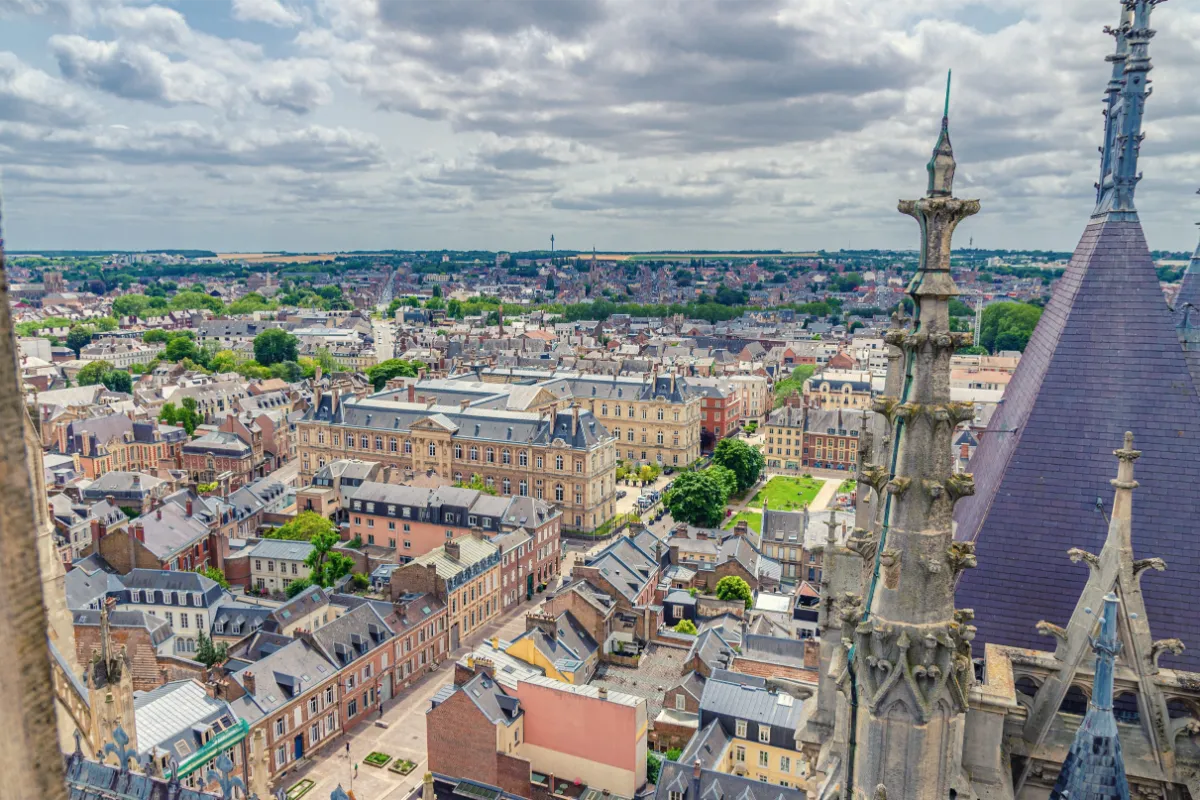
In Our Top ☑️
Population 135 000
Amiens is a real surprise for anyone who thinks it’s just somewhere to pass through between Paris and the coast. With the River Somme and its many canals running through it, the city offers exceptional heritage, a relaxed atmosphere and plenty of green space. It’s a destination where medieval history blends beautifully with peaceful riverside scenery.
You simply can’t miss Notre-Dame Cathedral, a towering masterpiece of stone and a UNESCO World Heritage Site. Built in the 13th century, it’s the largest Gothic cathedral in France by interior volume. Its richly carved façade and soaring vaults are breathtaking. On certain evenings throughout the year, a spectacular light show brings back the colours that once decorated the cathedral.
Just around the corner, the Saint-Leu district shows a completely different side of Amiens. Small, colourful houses line canals crossed by little footbridges, giving the area an almost village-like feel. Once home to craftsmen and workers, this historic neighbourhood has kept all its charm, especially when the façades are reflected in the water.
But Amiens’ real hidden gem is the Hortillonnages, a vast patchwork of gardens surrounded by canals that have been cultivated for centuries. The best way to explore them is by boat, gliding between lush green plots and little houses tucked away among the plants. It’s hard to believe such scenery exists just minutes from the city centre.
Amiens was also the adopted home of Jules Verne, who spent much of his life here. His former house is now a museum where you can step into the world of the famous writer. Elsewhere, the Musée de Picardie has impressive art and archaeological collections. It’s an unexpected wealth of culture for such a manageable, welcoming city.
Dunkirk
Population 85 000
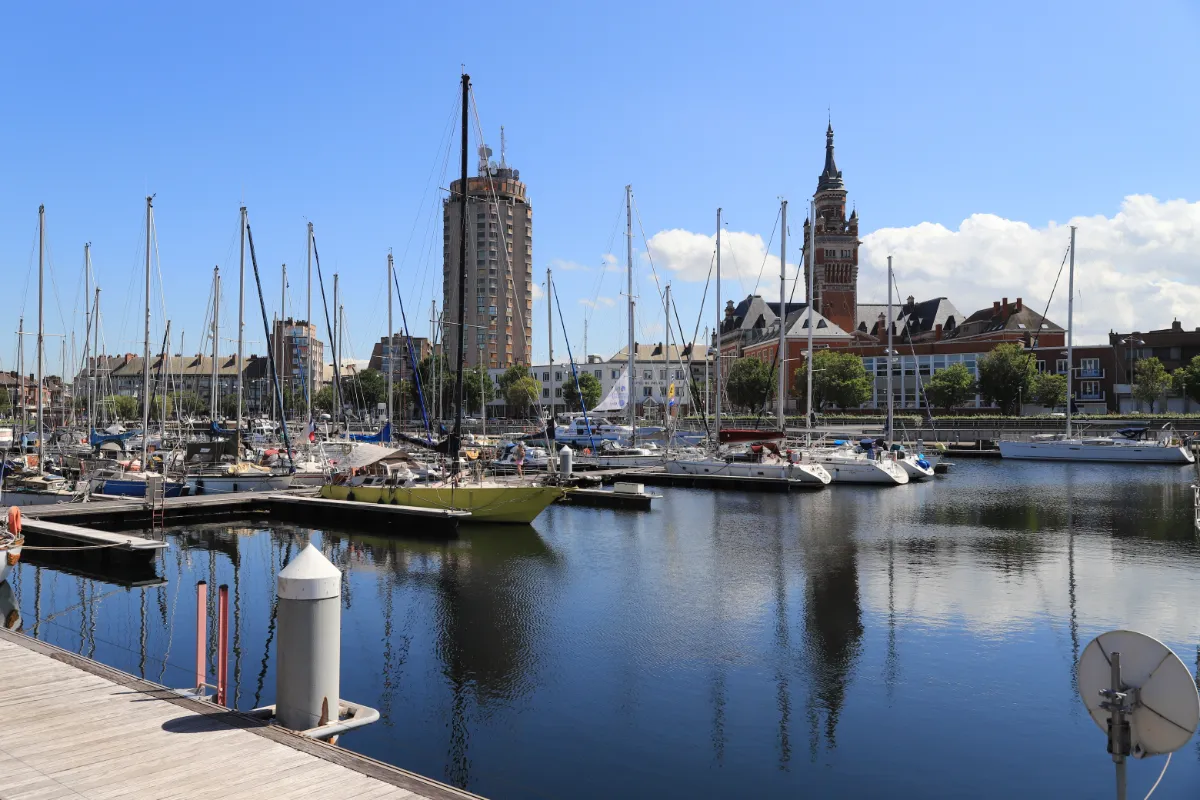
Dunkirk is unlike any other town on the French coast. A major industrial port facing the North Sea, it has a strong maritime identity, shaped by long sandy beaches, Flemish traditions and memories of the Second World War. Behind its sometimes rather austere appearance lies a city full of character, warmth and energy.
Its history is inseparable from Operation Dynamo, in May and June 1940, when more than 338,000 Allied soldiers were evacuated to England under German bombardment. The beaches and memorial sites recall this major episode of the war. The Dunkirk 1940 Museum gives visitors a deeper understanding of what happened and the dramatic conditions surrounding the evacuation.
The city centre, largely rebuilt after wartime destruction, still has a few iconic landmarks, including the Saint-Éloi Belfry, a tall brick tower offering views across the surrounding area. The Malo-les-Bains neighbourhood reveals a more elegant side of the city, with its quirky historic villas dating back to the golden age of seaside resorts.
But Dunkirk is perhaps best known for its carnival, one of the wildest and most colourful in France. Every year, over several weeks, thousands of people in fancy dress fill the streets to the sound of marching bands, keeping alive a tradition linked to the departure of fishermen in centuries past. It’s a wonderfully lively celebration where humour, music and good times take centre stage.
TOWNS
| Name | Top+ | Top |
|---|---|---|
| Arras | ✅ | |
| Beauvais | ||
| Saint-Quentin | ||
| Soissons | ||
| Laon | ☑️ | |
| Charleville-Mézières |
Arras
In Our Top+ ✅
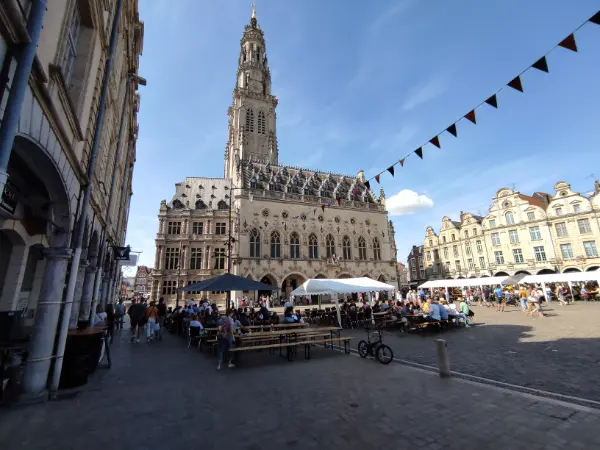
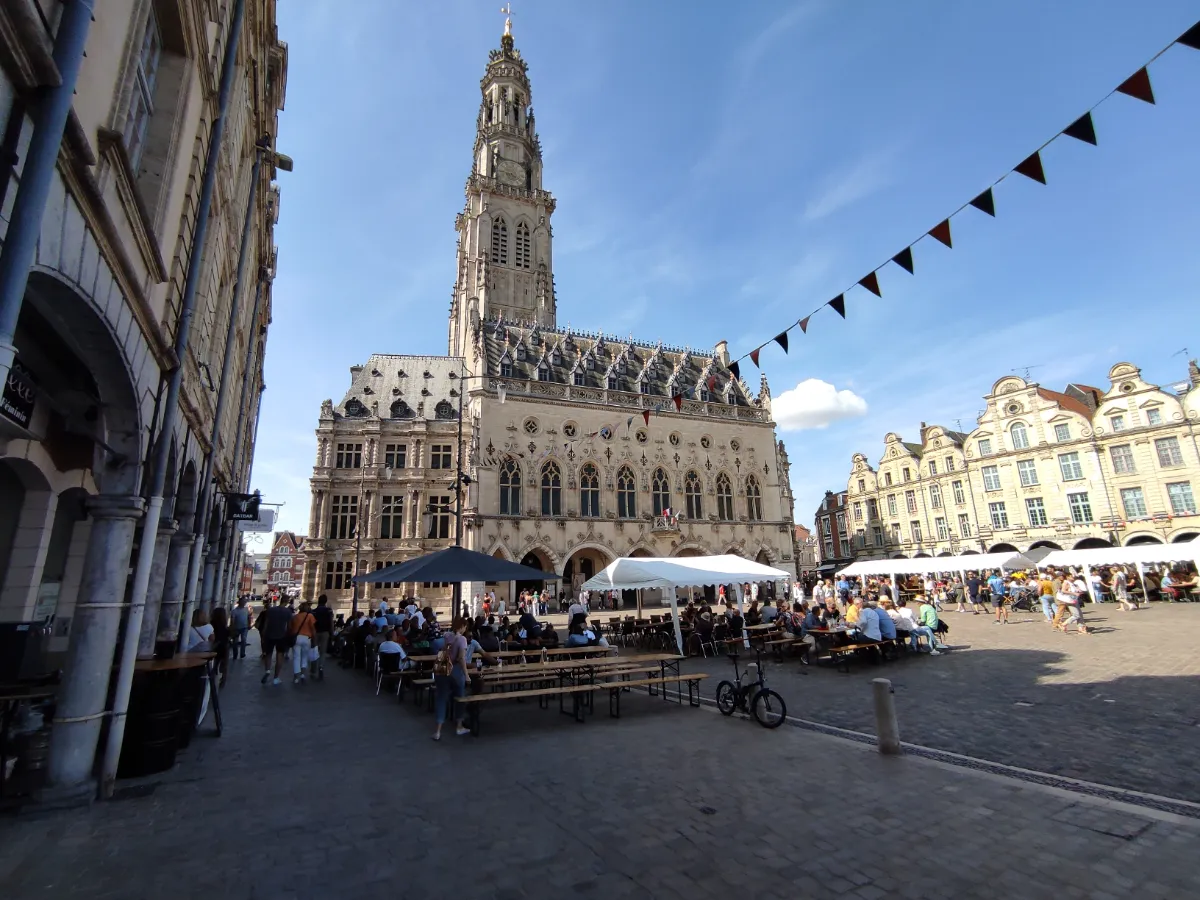
Arras has one of the most spectacular architectural ensembles in northern France. Despite the destruction it suffered during the First World War, the city regained its former elegance thanks to careful reconstruction. Its historic centre, with its magnificent Flemish-style façades, invites you to wander through centuries of history.
The city’s two main squares are its real highlights. The Grand-Place and Place des Héros are lined with houses featuring beautifully decorated gables, standing behind long covered arcades. The overall effect is remarkably harmonious, yet every façade has its own distinctive details. Above it all rises the belfry, the majestic tower of the town hall.
Beneath the cobbled streets lies another, much lesser-known Arras. Known as the Boves, these former stone quarries were gradually converted into cellars and underground passages over the centuries, creating a fascinating network. During the First World War, some tunnels were adapted by British soldiers as part of preparations for their offensives. It’s a particularly interesting place to visit.
The war left a deep mark on the city and its surroundings. The Wellington Quarry, excavated and developed by New Zealand tunnellers, tells the story of preparations for the Battle of Arras in 1917. Between its architectural heritage and the memory of the fighting, Arras offers a powerful insight into the turbulent history of this part of France.
Beauvais
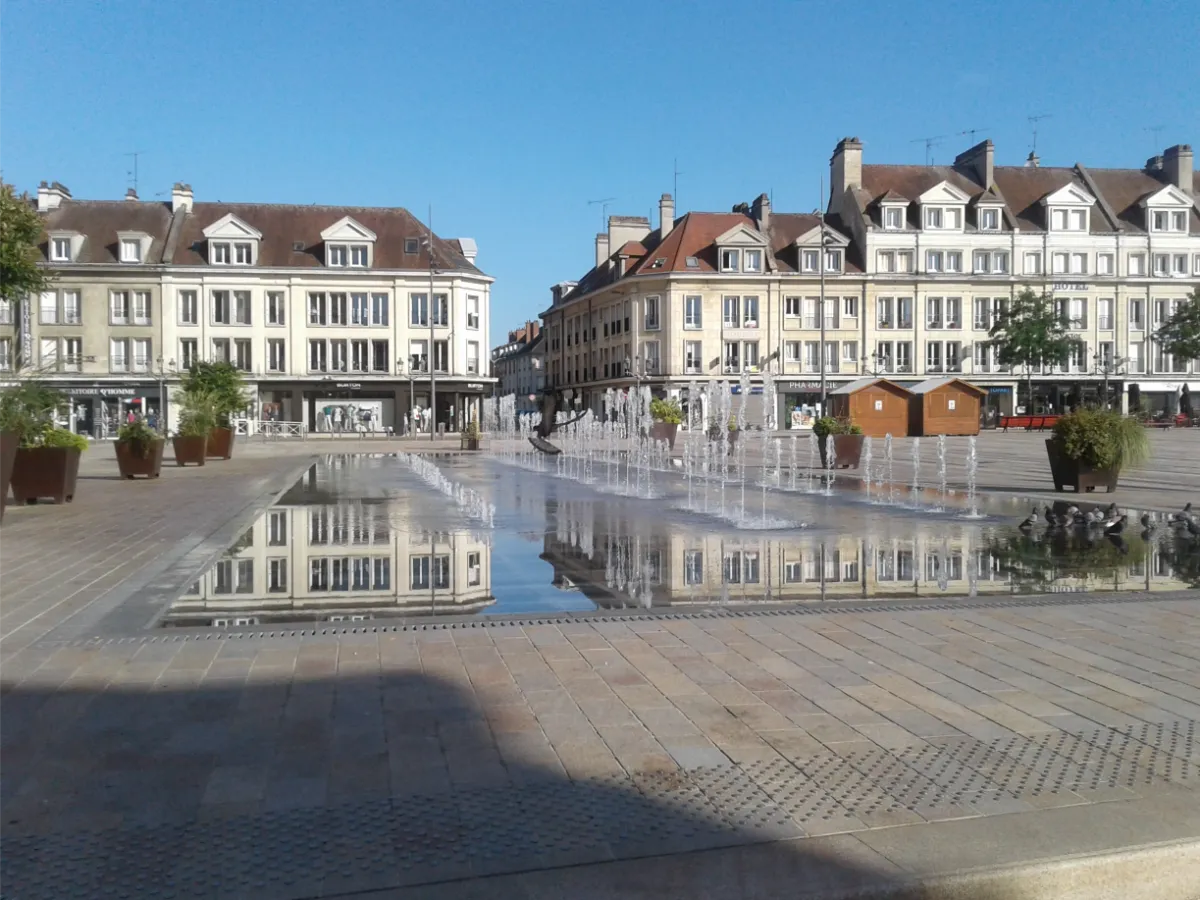
Beauvais deserves far more than a quick stop on the way through its airport. Despite suffering extensive destruction during the Second World War, the city still has an exceptional architectural heritage, dominated by one of the most astonishing cathedrals in France. It’s an ideal destination for anyone interested in history and medieval architecture.
Saint-Pierre Cathedral alone is worth the trip. Construction began in the 13th century, with the ambition of surpassing every other cathedral in the kingdom. Its vaults rise to almost 50 metres, a record height for a Gothic cathedral.
Nearby, the old Saint-Étienne Church and the remains of the city walls offer a glimpse into Beauvais’ medieval past. The city also has a long tradition of tapestry making, showcased in the collections of the National Tapestry Gallery. Its green spaces and pleasant walking routes reveal a quieter side of this historic city.
Saint-Quentin
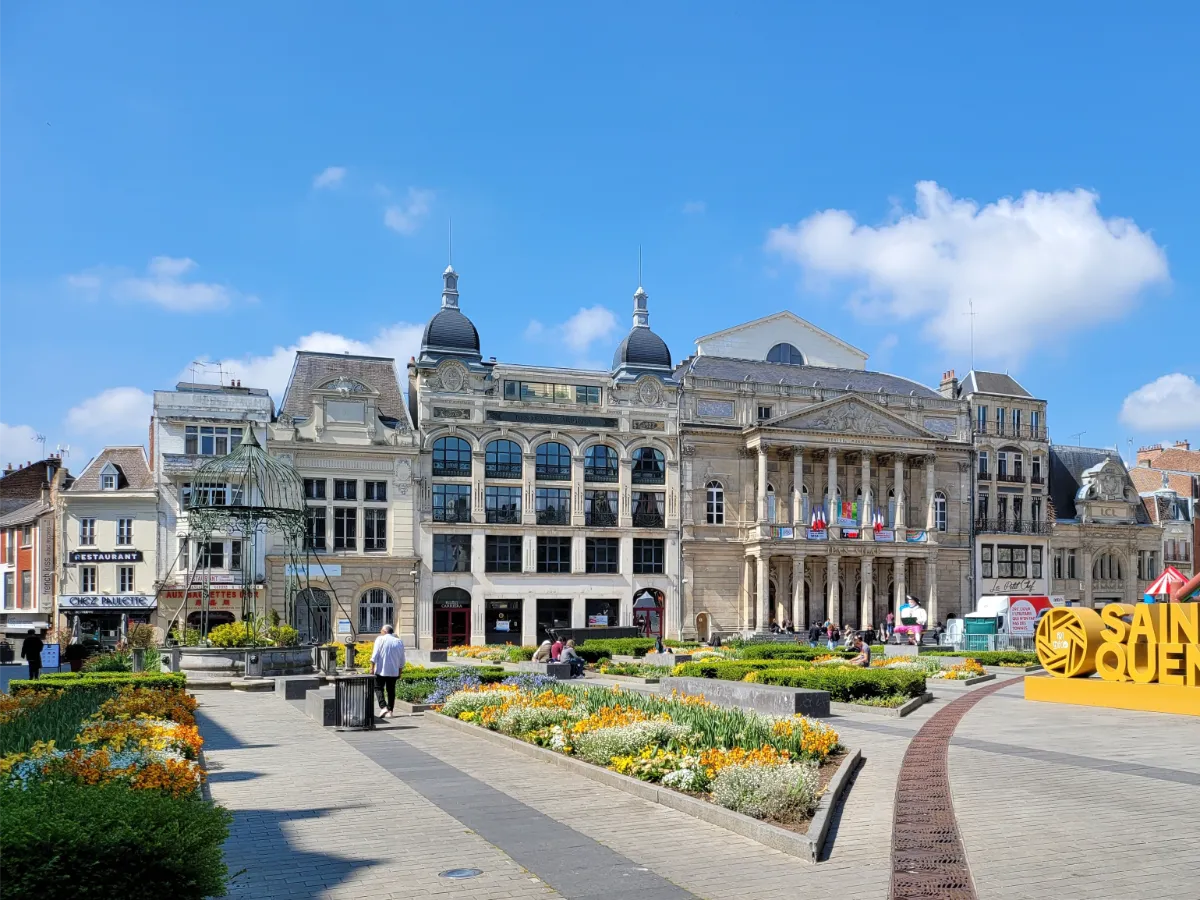
Saint-Quentin is full of architectural surprises, with medieval monuments standing alongside elegant buildings from the 1920s and 1930s. Almost completely devastated during the First World War, the city was rebuilt with remarkable ambition. The result is a fascinating mix of architectural styles, particularly Art Deco, with its distinctive geometric shapes and stylised decorations.
At the heart of the city, the Place de l’Hôtel-de-Ville forms a beautiful architectural ensemble. The impressive town hall, with its richly carved Gothic façade, reflects Saint-Quentin’s former prosperity. Just a few streets away, the basilica, a huge church begun in the 12th century, is striking for both its size and its elaborate architecture.
But don’t just stick to the major monuments. As you wander through the streets, you’ll discover plenty of Art Deco façades decorated with mosaics, ornamental ironwork and geometric patterns. Saint-Quentin also has a rich textile heritage, inherited from centuries of industrial production, as well as lovely natural areas just outside the city.
Soissons
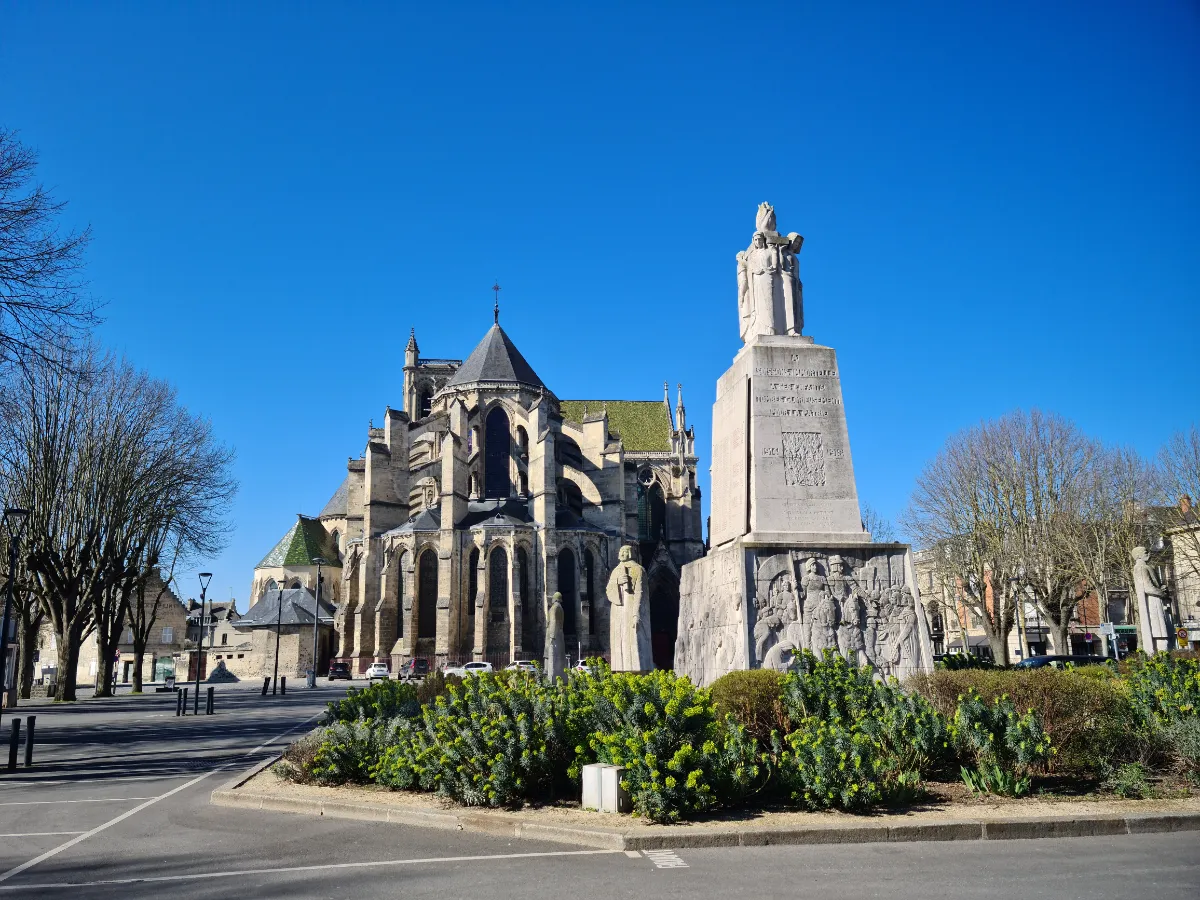
Soissons is one of the oldest towns in northern France. Its history stretches back to Roman times, when it was already an important settlement. It later became closely linked to the early Frankish kings, especially Clovis, whose famous story involving the Vase of Soissons is part of French historical legend. You can discover this rich past simply by wandering through the streets.
Saint-Gervais-et-Saint-Protais Cathedral, built mainly in the 12th and 13th centuries, is a magnificent example of Gothic architecture. Its elegance contrasts with the spectacular ruins of Saint-Jean-des-Vignes Abbey, whose two towering spires still dominate the town. This extraordinary façade, standing without the church that once lay behind it, creates an almost surreal sight.
Soissons also bears the scars of the wars that swept through the region. Several neighbourhoods were rebuilt following the destruction of 1914 to 1918. Today, walks along the River Aisne, which runs through the town, offer a welcome escape into nature, surrounded by historic treasures that often go unnoticed.
Laon
In Our Top ☑️
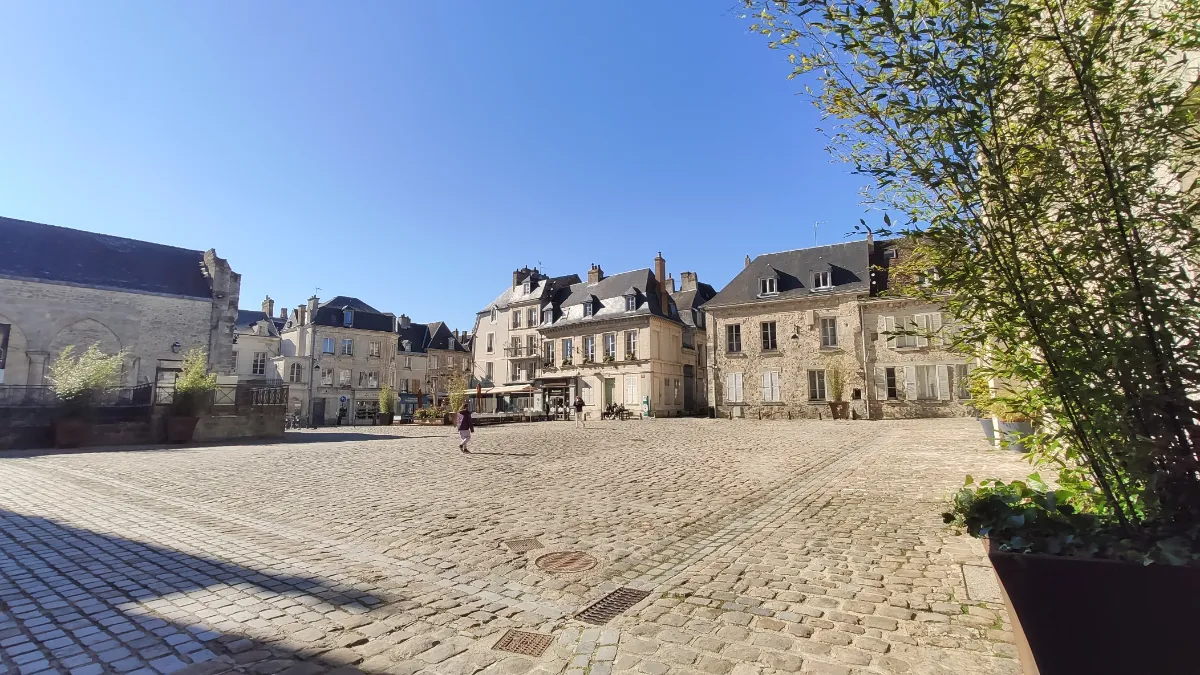
Perched high on a hill overlooking the surrounding plains, Laon has a truly remarkable skyline. From a distance, its ramparts, towers and cathedral make it look like a great fortress rising above the countryside. Once an important royal and religious centre, the town has preserved an exceptional medieval quarter, almost entirely located on the hilltop.
Notre-Dame Cathedral, built in the 12th and 13th centuries, is Laon’s most iconic landmark. With its five towers visible from the outside, its sculptures and its impressive proportions, it’s one of the great masterpieces of Gothic architecture.
Around the cathedral, cobbled streets wind between historic houses, hidden gardens and religious buildings. The ramparts offer wonderful panoramic views over the surrounding farmland. The modern town stretches out below, but it’s up on the hill that Laon’s atmosphere really comes to life.
Charleville-Mézières
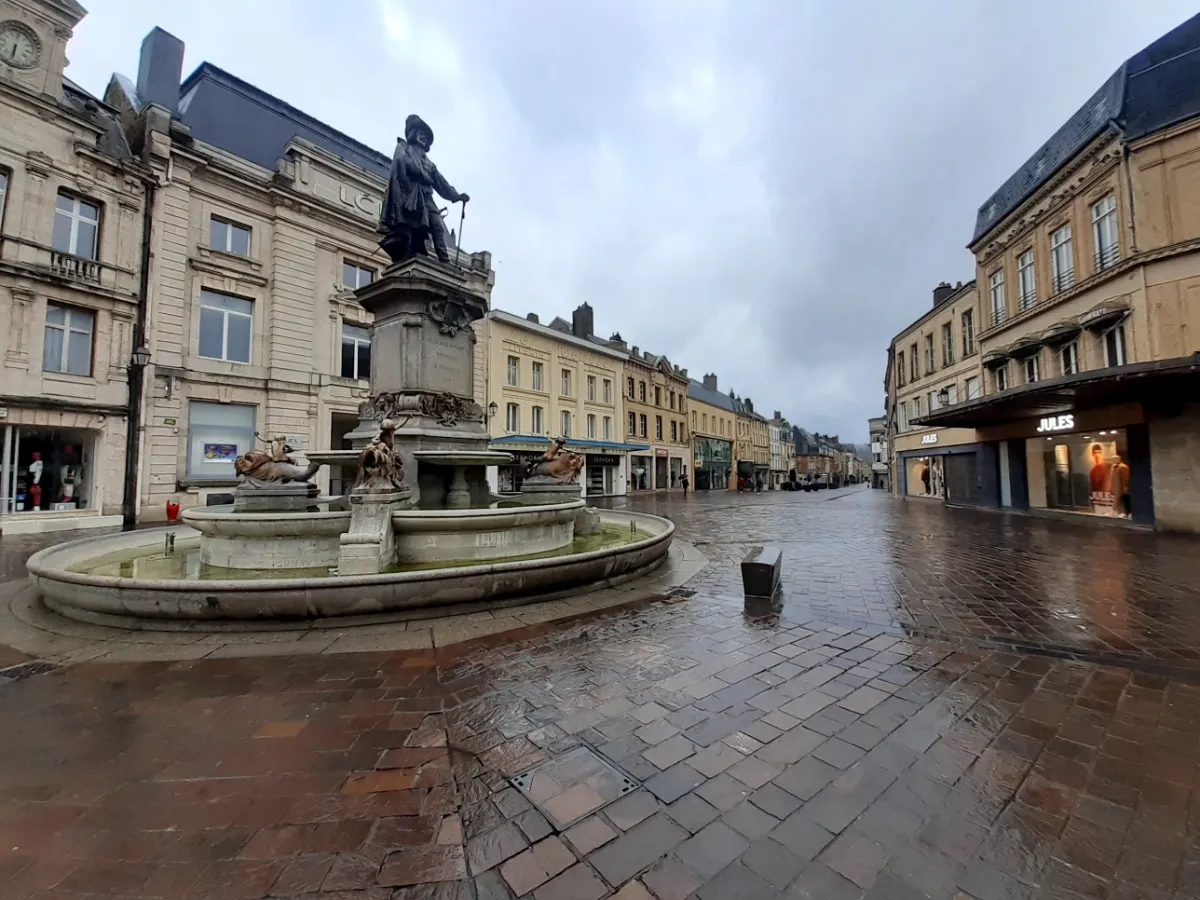
Charleville-Mézières has a character all its own, shaped by the merging of two towns with very different histories. Charleville, founded in the early 17th century, charms visitors with its harmonious architecture, while Mézières still preserves traces of its old fortifications. Together, they form an appealing town nestled among the bends of the River Meuse.
The historic heart of Charleville centres on the Place Ducale, surrounded by elegant pavilions built from red brick and pale stone. It brings to mind the famous Place des Vosges in Paris. With its arcades and perfectly balanced façades, the square is a beautiful example of 17th-century architecture.
Charleville is also the birthplace of Arthur Rimbaud, one of France’s greatest poets, and has a museum dedicated to his life and work. Another surprising feature is its international reputation for puppetry. The town hosts a world-famous festival devoted to the art of puppets, reflecting a wonderfully unusual artistic tradition in a place where culture plays such an important role.
COASTAL TOWNS
| Name | Top+ | Top |
|---|---|---|
| Boulogne-sur-Mer | ||
| Le Touquet |
Boulogne-sur-Mer
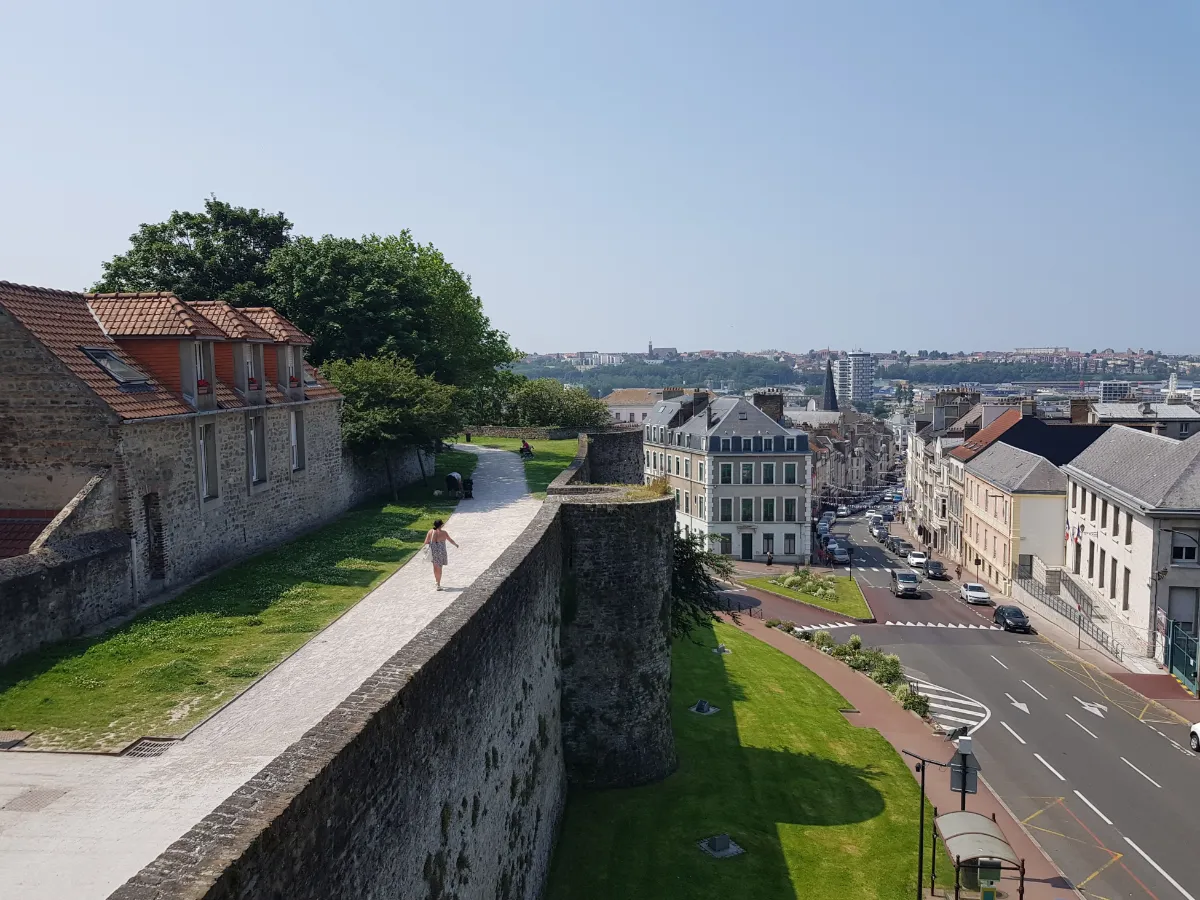
Boulogne-sur-Mer is a town of contrasts, combining a major fishing port, a seaside atmosphere and a rich historic past. Its fortified old town, perched above the English Channel, tells a story stretching back more than 2,000 years. Romans, English and French have all left their mark here, creating an exceptionally varied architectural heritage.
The upper town, surrounded by remarkably well-preserved medieval ramparts, is the historic heart of Boulogne. Behind its walls, cobbled lanes lead to Notre-Dame Basilica, instantly recognisable by its enormous dome. Beneath the building lies an impressive crypt, while the medieval castle houses a museum with a wide-ranging collection.
Down by the harbour, the atmosphere changes completely, with maritime activity still part of everyday life. Boulogne is now one of Europe’s leading centres for seafood processing. Another must-see is Nausicaá, a huge ocean discovery centre whose aquariums are home to an extraordinary variety of marine species.
Le Touquet
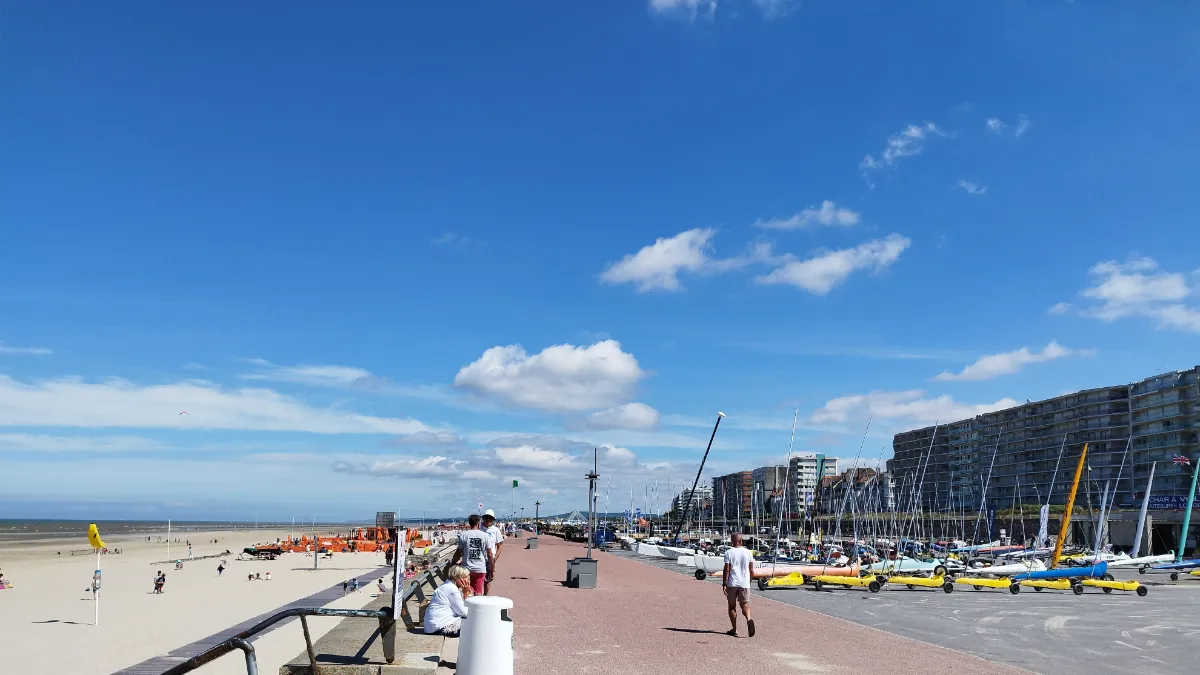
Le Touquet-Paris-Plage has maintained its own special kind of elegance for more than a century. Developed in the late 19th century as a holiday destination for wealthy visitors, this seaside resort has preserved magnificent villas surrounded by pine trees, wide leafy avenues and wonderfully imaginative architecture. It feels stylish and sophisticated, but never stuffy.
The beach is its biggest attraction, a huge stretch of fine sand that seems to go on forever when the tide goes out. Strong winds are common here, making land sailing one of the resort’s signature activities. And at low tide, the sheer amount of open space is almost unbelievable.
But there’s much more to Le Touquet than its beach. Behind the seafront, residential streets reveal an impressive collection of Anglo-Norman villas and Art Deco buildings. Further inland, walking trails wind through pine forests, offering a lovely alternative to seaside strolls. The Canche Lighthouse rises above this distinctive landscape.
SMALL TOWNS
| Name | Top+ | Top |
|---|---|---|
| Bergues | ||
| Noyon | ||
| Givet |
Bergues
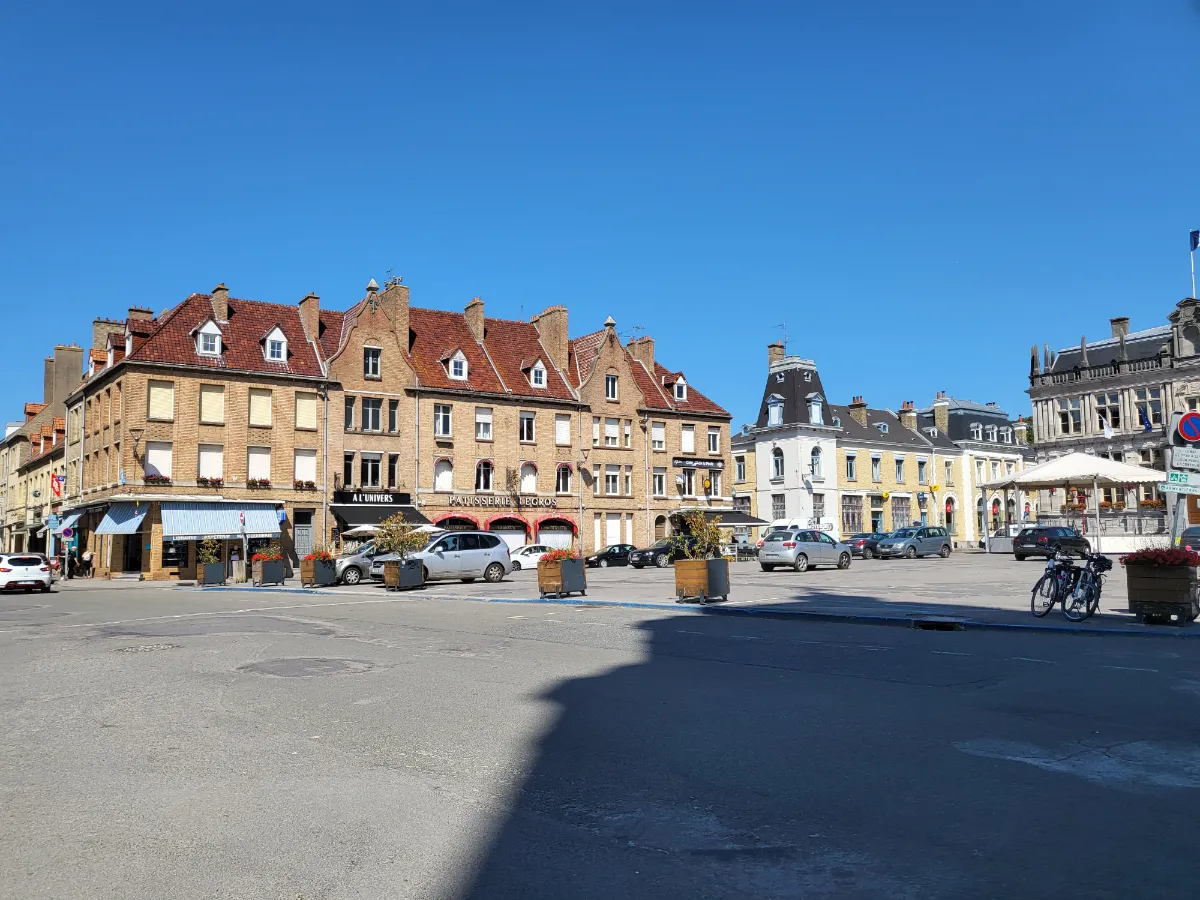
Bergues is a delightful little fortified town that became hugely popular thanks to the 2008 French film Welcome to the Sticks (Bienvenue chez les Ch’tis). Surrounded by ramparts, canals and moats, it has a wonderfully Flemish feel, with brick houses and peaceful little streets. It’s a lovely place for a relaxed stroll.
In the centre, the belfry, a tall watchtower housing a carillon, rises above the rooftops. The old fortified gateways and the remains of the abbey are reminders of the town’s rich history. Take your time walking along the remarkably well-preserved ramparts to discover a quieter, more peaceful side of Bergues.
Noyon
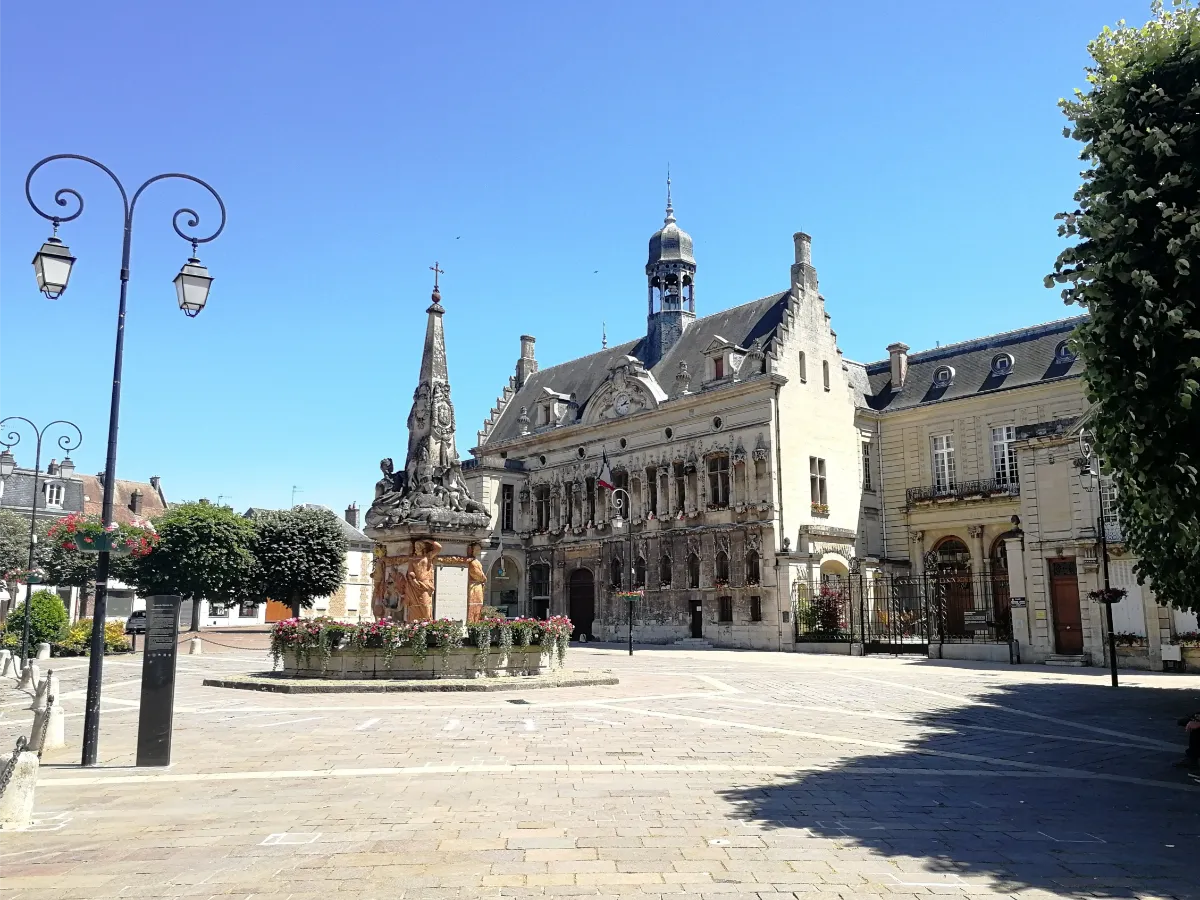
Noyon is a small town with a prestigious past, having served as an important religious and political centre for centuries. Its greatest treasure is Notre-Dame Cathedral, begun in the 12th century and considered one of the earliest major examples of Gothic architecture in France.
Around the cathedral, former clergy houses and quiet streets create a charming historic setting. The town is also known as the birthplace of John Calvin, a leading figure of the Protestant Reformation in the 16th century. It’s an impressive amount of history for such a small, easygoing town.
Givet
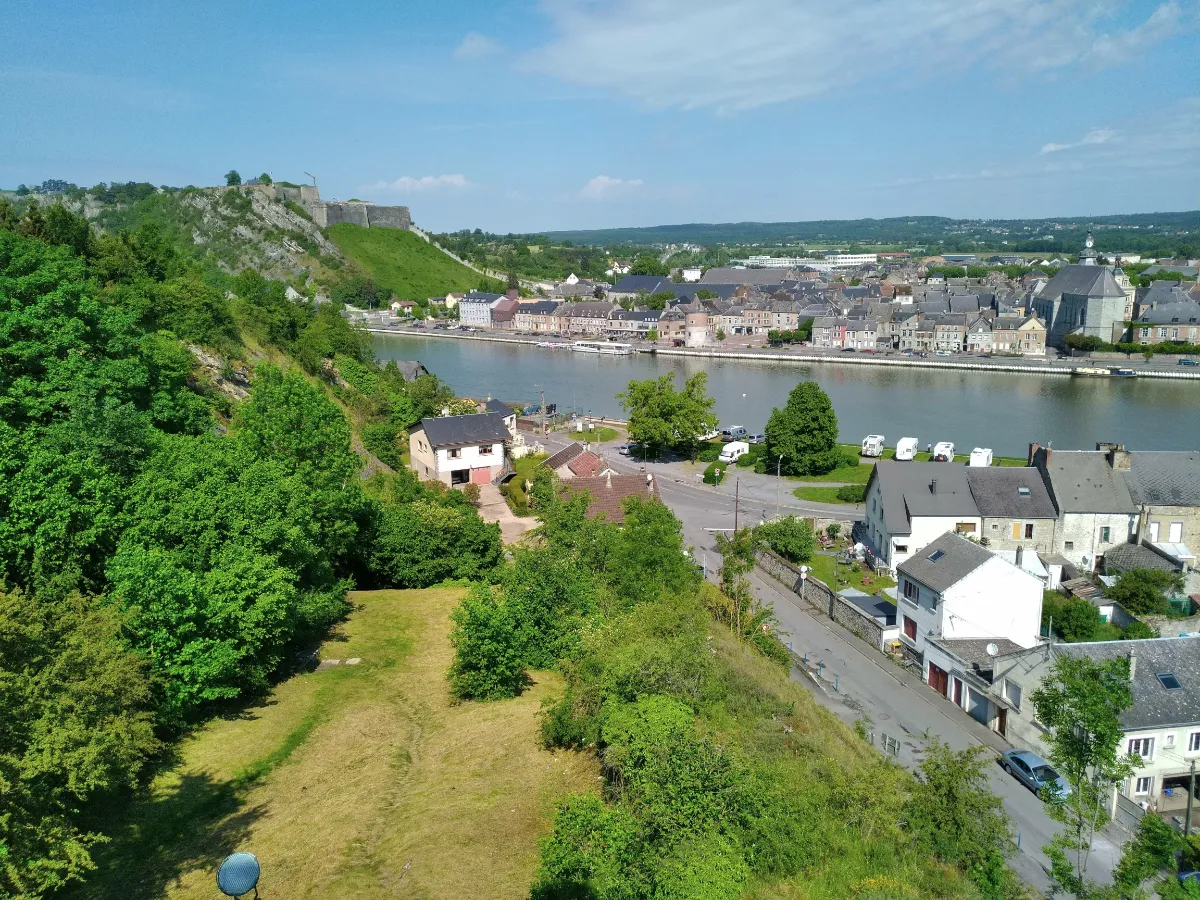
Just a stone’s throw from Belgium, Givet occupies a beautiful spot on the banks of the River Meuse, surrounded by wooded hills and rocky cliffs. The town stretches along both sides of the river, overlooked by the imposing Charlemont Fortress, built in the 16th century to guard this strategically important border.
The old town still has attractive stone houses and several religious buildings. A walk along the quays gives you lovely views of the façades reflected in the water, with the fortress rising in the background. The surrounding hills are also great for hiking through lush green countryside.