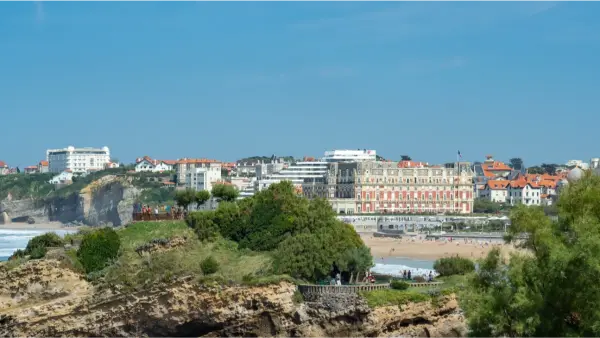



MAP
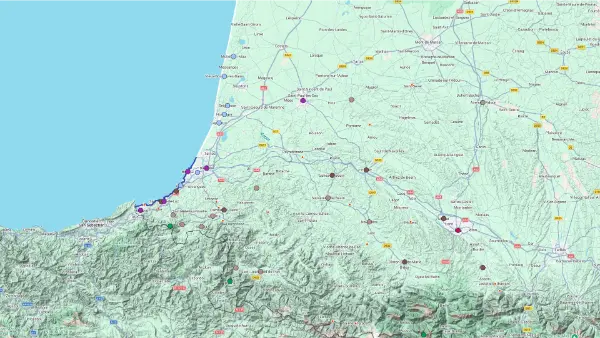
Basque Country
Interactive Map
Basque Country
Interactive Map
Click on the icon  in the top-left corner to display the map legend.
Show/Hide layers as needed.
Click on the arrow icons (v) to display the sublayers.
TOP (12)
| Name | Type | Top+ |
|---|---|---|
| Bayonne | Town | ✅ |
| Biarritz | Town | ✅ |
| Saint-Jean-de-Luz | Town | ✅ |
| La Rhune | Mountain | |
| Sare | Village | |
| Ainhoa | Village | |
| Espelette | Village | |
| Bastide-Clairence | Village | |
| Saint-Jean-Pied-de-Port | Village | ✅ |
| Pau | City | |
| La Verna | Cave | |
| Parc National des Pyrénées | Mountain | ✅ |
Bayonne
In Our Top+ ✅
Type Bayonne
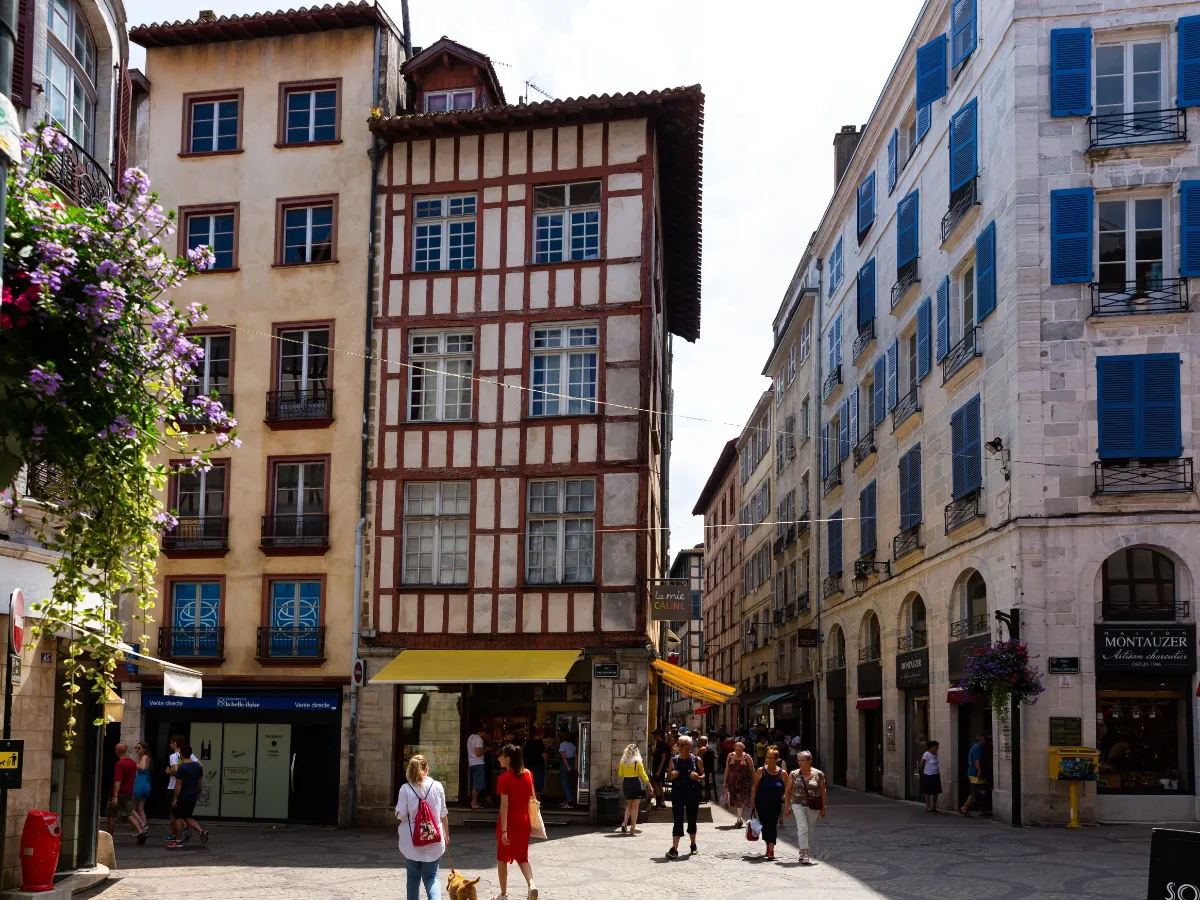
In Bayonne, the rivers have shaped the city. The Adour and Nive meet between neighbourhoods with plenty of character, connected by bridges you’ll find yourself crossing again and again. Along the quays, tall houses with colourful timber framing are reflected in the water. Behind them, the streets grow narrower, stairways hide around corners, and the old town gradually reveals its little details. Rising above it all is Sainte-Marie Cathedral, with its soaring spires and cloister surrounded by covered galleries.
But Bayonne is far from being a pretty town frozen in time. Basque culture is alive and well here, from the language and traditional songs to games of pelota, the traditional sport played against a wall. Its fortifications are a reminder of its past as a military stronghold, while its working-class neighbourhoods remain full of life. And when the famous summer festivals arrive, it feels as though the whole city comes together in the streets, dressed in white and red and celebrating late into the night.
Biarritz
In Our Top+ ✅
Type Town
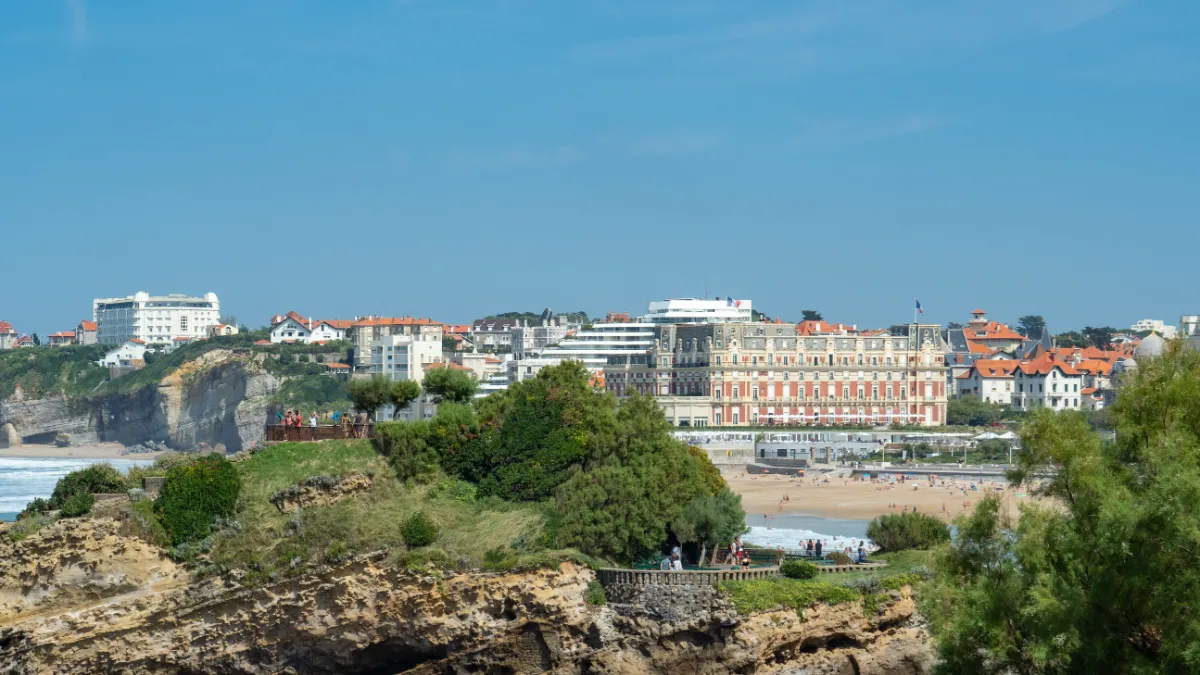
For a long time, Biarritz saw the ocean through the eyes of a queen. In the 19th century, Empress Eugénie brought Napoleon III’s court here, followed by a whole fashionable crowd who built villas, palaces and seaside promenades. The grand buildings facing the sea still retain something of that era, even if surfboards have long since replaced many of the parasols. Here, the waves put on a constant show, especially when they crash against the rocks below the seafront.
From the Grande Plage to the Rocher de la Vierge, reached by a footbridge, the scenery keeps changing with the tides. Further south, the Côte des Basques is a reminder that Biarritz was one of the birthplaces of European surfing back in the 1950s. Surfers wait for the perfect wave while walkers enjoy views of the mountains. And at sunset, the cliffs take on ever-changing colours.
Saint-Jean-de-Luz
In Our Top+ ✅
Type Town
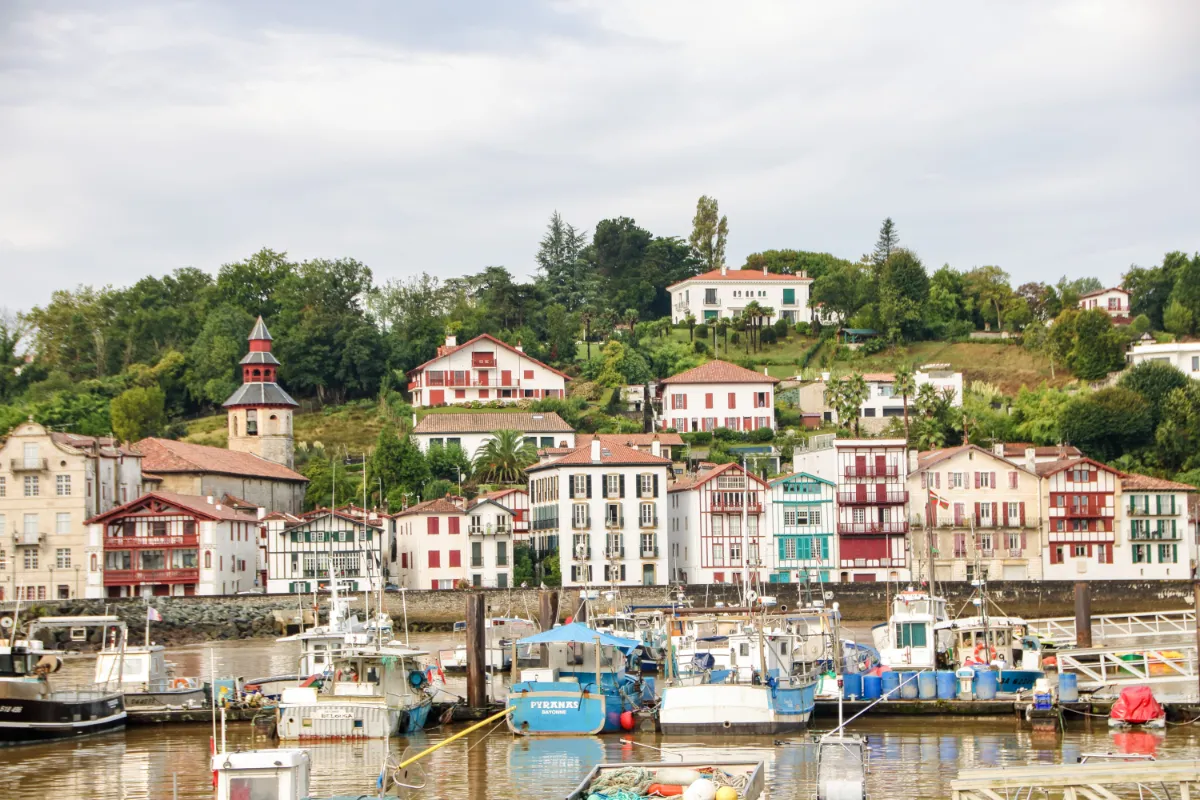
Saint-Jean-de-Luz has kept a lively harbour from its seafaring past, along with memories of the privateers who once struck fear into enemy ships. Today, fishing boats bob behind the sea walls protecting the bay, where the long sandy beach is popular for its generally calmer waters compared with other beaches along the coast.
Head into the town centre and you’ll find traditional Basque houses with colourful shutters and narrow streets clustered around the Church of Saint-Jean-Baptiste. It was here that Louis XIV married Maria Theresa of Spain in 1660, an event that gave this fishing port a place in the history books.
La Rhune
Type Mountain
Full Names
La Rhune
Larrun
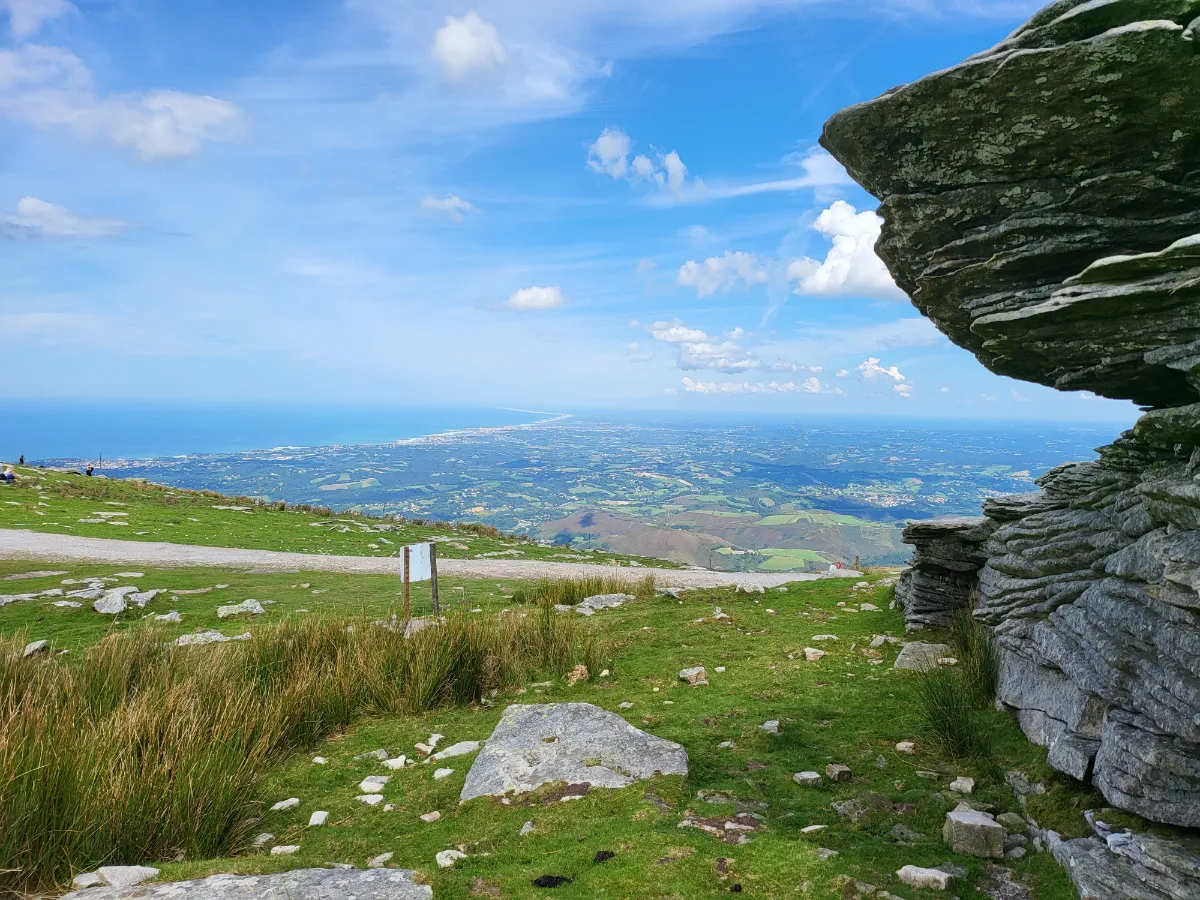
You can spot it from almost anywhere along the coast. Standing 905 metres tall, La Rhune is the most iconic mountain in the Basque Country. There are two ways to reach the top. The adventurous take the hiking trails winding through ferns and mountain pastures, while everyone else hops aboard the little rack railway that first opened in 1924.
The train makes its way up at a leisurely pace, giving you plenty of time to enjoy the scenery. At the summit, the Spanish border is just a stone’s throw away, and the views stretch from the Atlantic to the Pyrenees, as long as the clouds cooperate. You might also spot pottoks grazing on the slopes, the hardy little horses native to the Basque Country.
Sare
Type Village
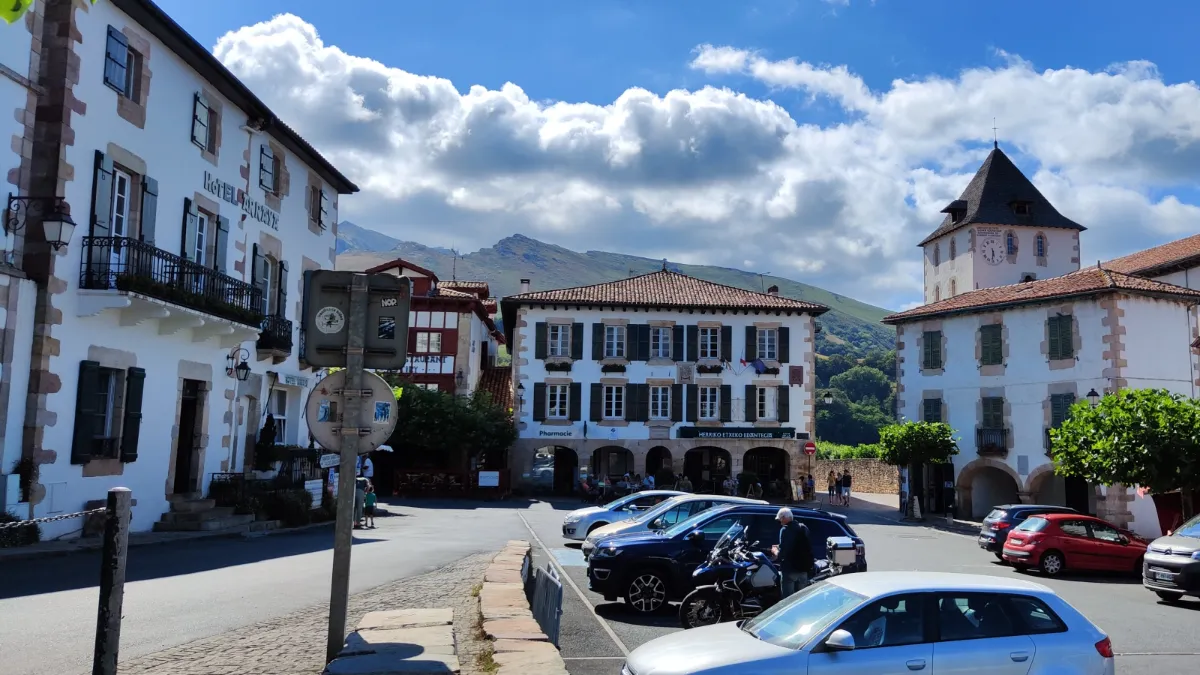
The traditional Basque houses in Sare are a beautiful sight, with their broad white façades, colourful shutters and roofs extending well beyond the walls. The village sits in a green valley, almost at the foot of La Rhune and close to the Spanish border. Just a few kilometres from the centre, the Caves of Sare reveal impressive underground galleries that were already inhabited by humans in prehistoric times. Between forests, meadows and rocky landscapes, the scenery changes surprisingly quickly.
Ainhoa
Type Village
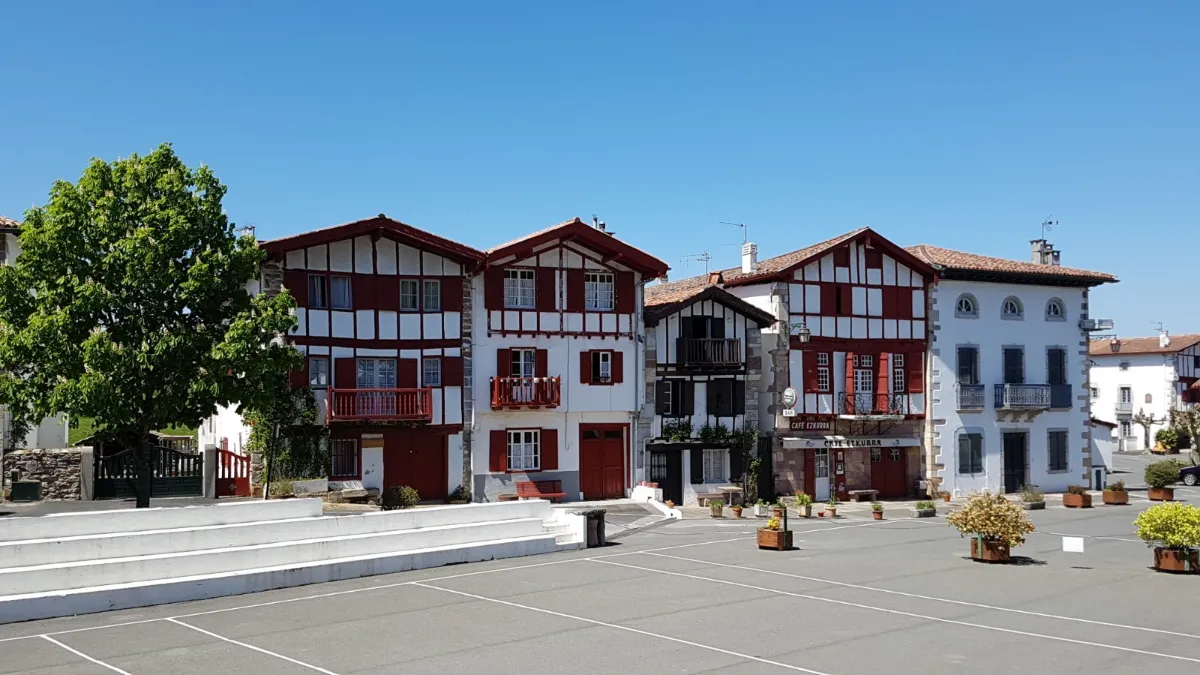
Just one main street, more or less, and what a sight! Ainhoa is lined with beautiful white houses, their red or green timber framing and shutters creating a remarkably harmonious row of façades. Behind these lovely buildings, the gardens and hills remind you that this is a real farming village, not a film set.
Founded in the 13th century along a route into Spain, Ainhoa also welcomed pilgrims heading to Santiago de Compostela. Its church, surrounded by old graves with carved stones, tells part of that long story. Take a closer look at the inscriptions on the houses. Some still display the dates and names of the people who built them.
Espelette
Type Village
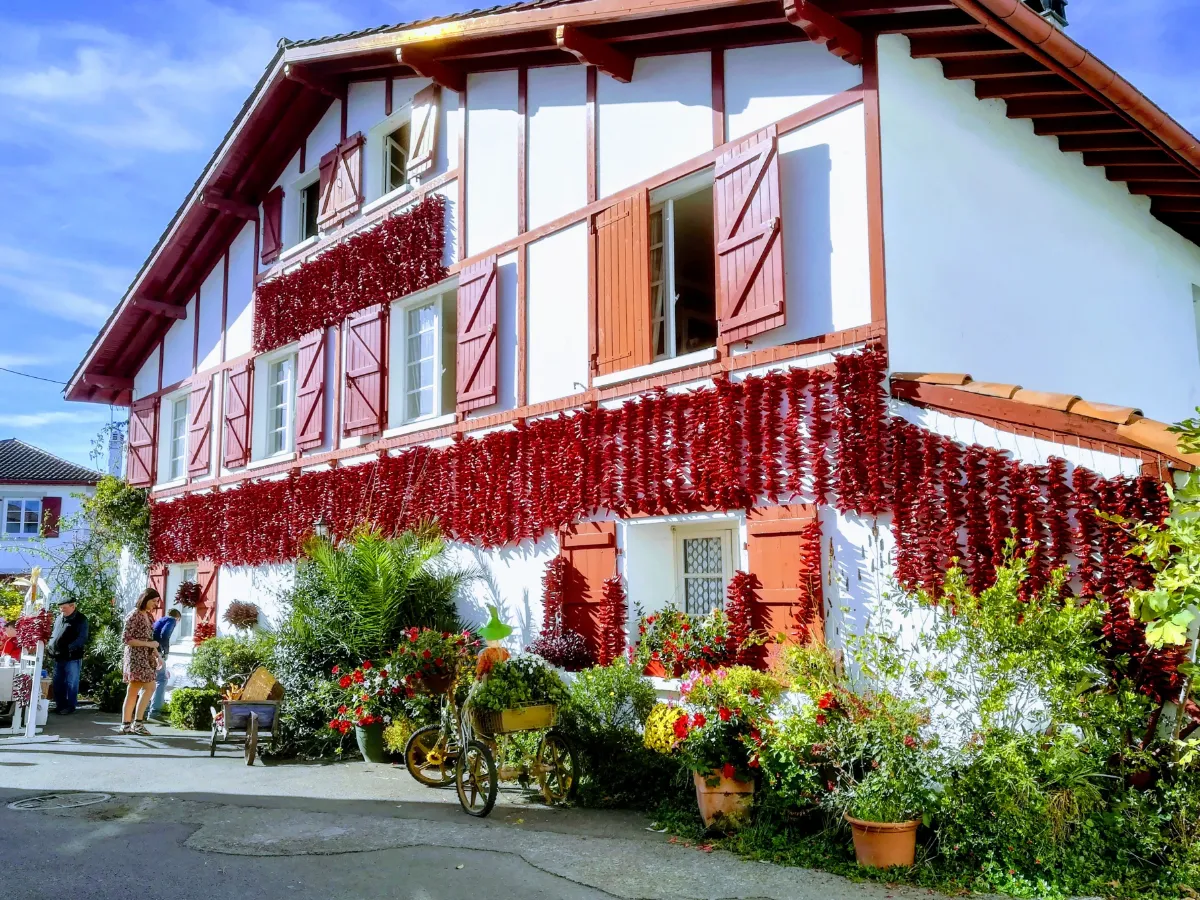
In Espelette, even the walls have a bit of a kick! From late summer onwards, strings of red peppers hang out to dry on the white façades, adding another splash of colour to the traditional Basque houses. Grown in the surrounding countryside, these fragrant peppers have become a real source of local pride, celebrated with a big festival at the end of October.
But there’s more to the village than its famous peppers. Streets lined with traditional houses lead towards an old castle, while green hills peek out between the rooftops. On festival days, songs and dancing are a reminder that Basque culture is much more than something for tourists to photograph.
Bastide-Clairence
Type Village
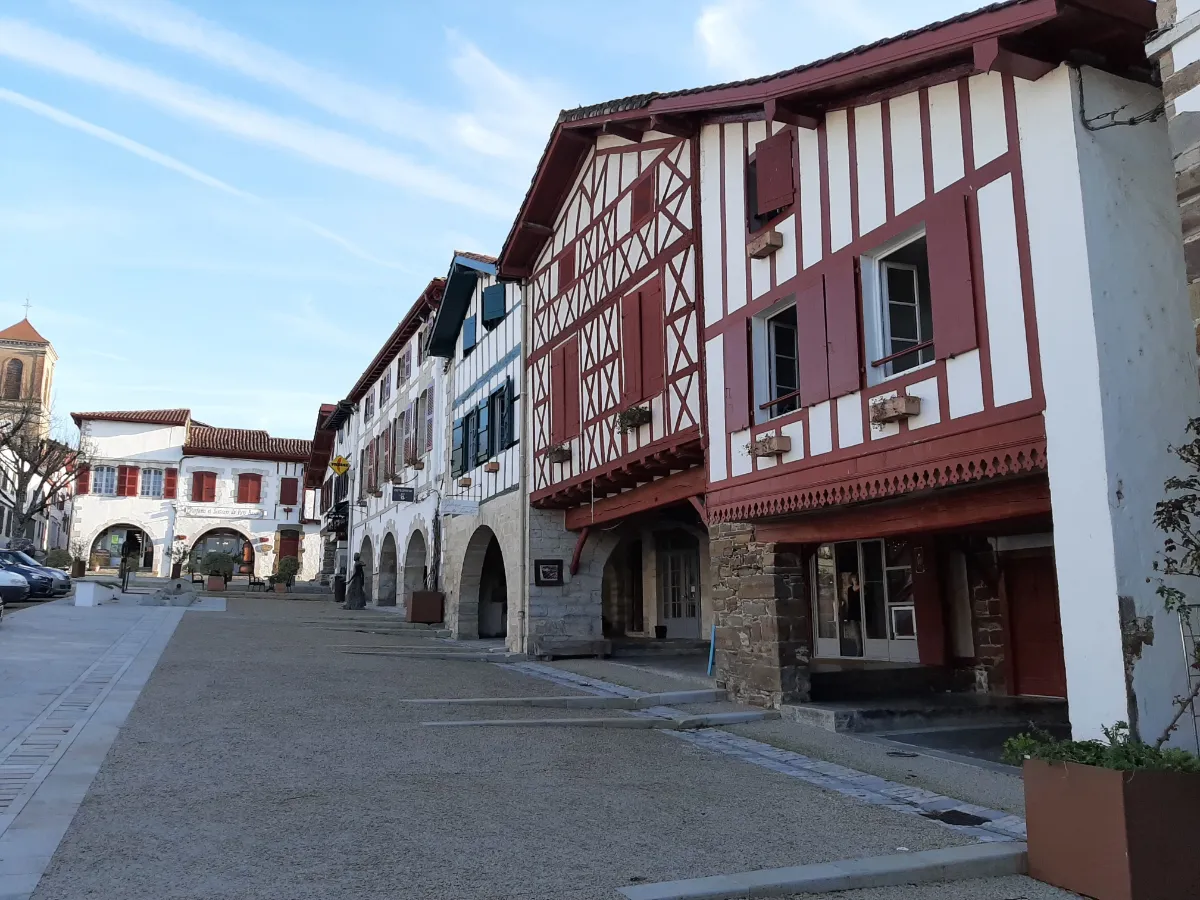
La Bastide-Clairence looks a little different from other Basque villages. Founded in the 14th century, it’s laid out around an arcaded square, with streets branching off in a fairly regular pattern. Its large timber-framed houses, covered passageways and gardens give it an understated charm that’s especially noticeable when the streets are quiet.
Over the centuries, the village was home to a Jewish community, whose old cemetery can still be seen today. The church, with its wooden galleries, tells another part of the story. Despite these different layers of history, the old buildings retain a lovely sense of harmony, while the village still feels like a place where people actually live.
Saint-Jean-Pied-de-Port
In Our Top+ ✅
Type Village
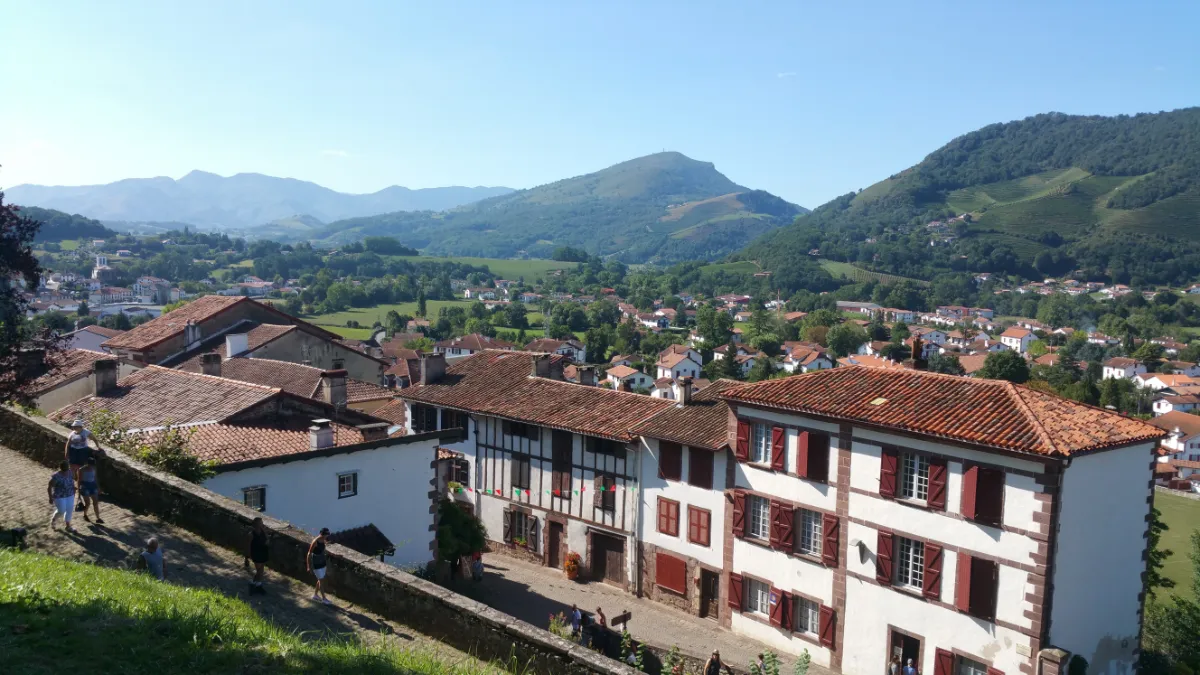
Quiet mornings are something of a rarity in Saint-Jean-Pied-de-Port. Pilgrims prepare to cross the Pyrenees while visitors make their way up cobbled streets lined with flower-covered houses. The Nive River flows below the town, crossed by an old stone bridge, and the fortified gateways of this former border stronghold are never far away.
Above the rooftops, a citadel recalls the town’s military past. From its ramparts, you can take in the tightly packed streets below and the mountains stretching towards Spain.
Pau
Type City
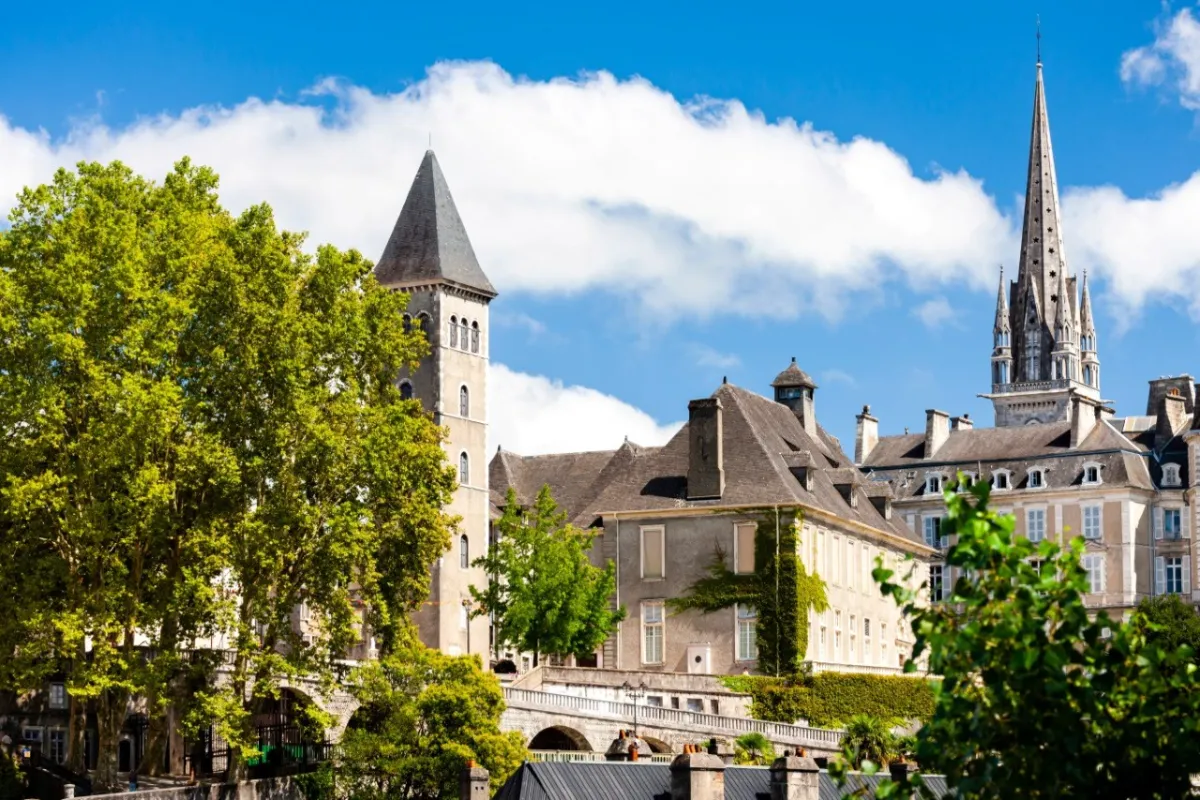
Pau has a knack for making you forget you’re in a city. Just head to Boulevard des Pyrénées, a long terrace overlooking the valley, and you’ll soon understand why the British were so fond of the place in the 19th century. On a clear day, the mountain peaks stand out on the horizon, beyond the palm trees and gardens. And when they disappear behind the clouds? The walk is just as lovely, with its elegant buildings and the constant coming and going of people out for a stroll.
The city also owes much of its fame to Henry IV, who was born in its castle in 1553. Altered and extended several times over the centuries, the castle eventually became a royal residence, and its rooms tell the turbulent story of Béarn and France. All around it, the streets of old Pau are full of little surprises: small squares, stairways, narrow passageways and charming old houses, a world away from the grander feel of the main avenues.
But there’s much more to Pau than that. The villas surrounded by gardens are a reminder of the days when spending the winter here was fashionable, and the mild climate attracted wealthy visitors from across Europe. A funicular still connects the upper town to the train station. It’s a quirky little contraption that saves you the uphill climb and, in its own way, recalls the city’s rather elegant ambitions.
La Verna
Type Cave
Price from €19 – Guided Visit only
Full Name
Grotte de La Verna
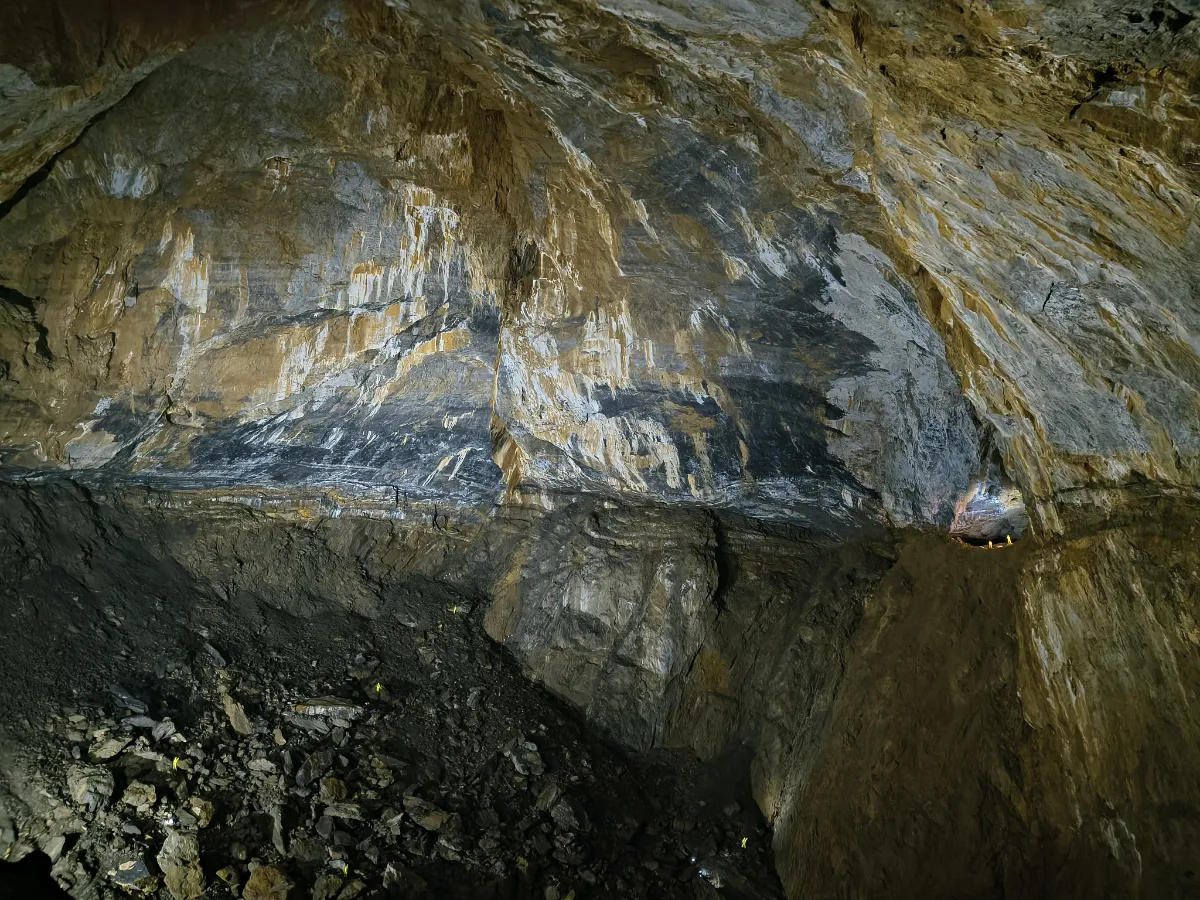
In Sainte-Engrâce, La Verna has quite a surprise in store. You enter through a 660-metre tunnel carved into the rock. Then, little by little, the light reveals an enormous cavern, one of the largest underground chambers open to the public. Beneath its vast ceiling, disappearing into the darkness, you feel absolutely tiny.
Don’t expect forests of stalactites and stalagmites. Here, it’s the sheer size of the place that takes your breath away. Over time, an underground river has carved its way through the rock and now flows along the bottom of the chamber. Depending on the conditions, the roar of a waterfall adds to the atmosphere. And it’s cold, around 5 to 6°C all year round.
The story of its exploration reads like an adventure novel. In 1953, explorers reached the chamber after travelling through several kilometres of underground passages and descending some extraordinary vertical shafts. A few years later, the access tunnel was dug as part of a hydroelectric power project, before the cave eventually opened to visitors.
Today, you can explore it with a guide along a specially prepared route, while more adventurous tours take you down towards the river or off the easier paths into the cave system.
Parc National des Pyrénées
In Our Top+ ✅
Type Mountains
Full Name
Parc National des Pyrénées
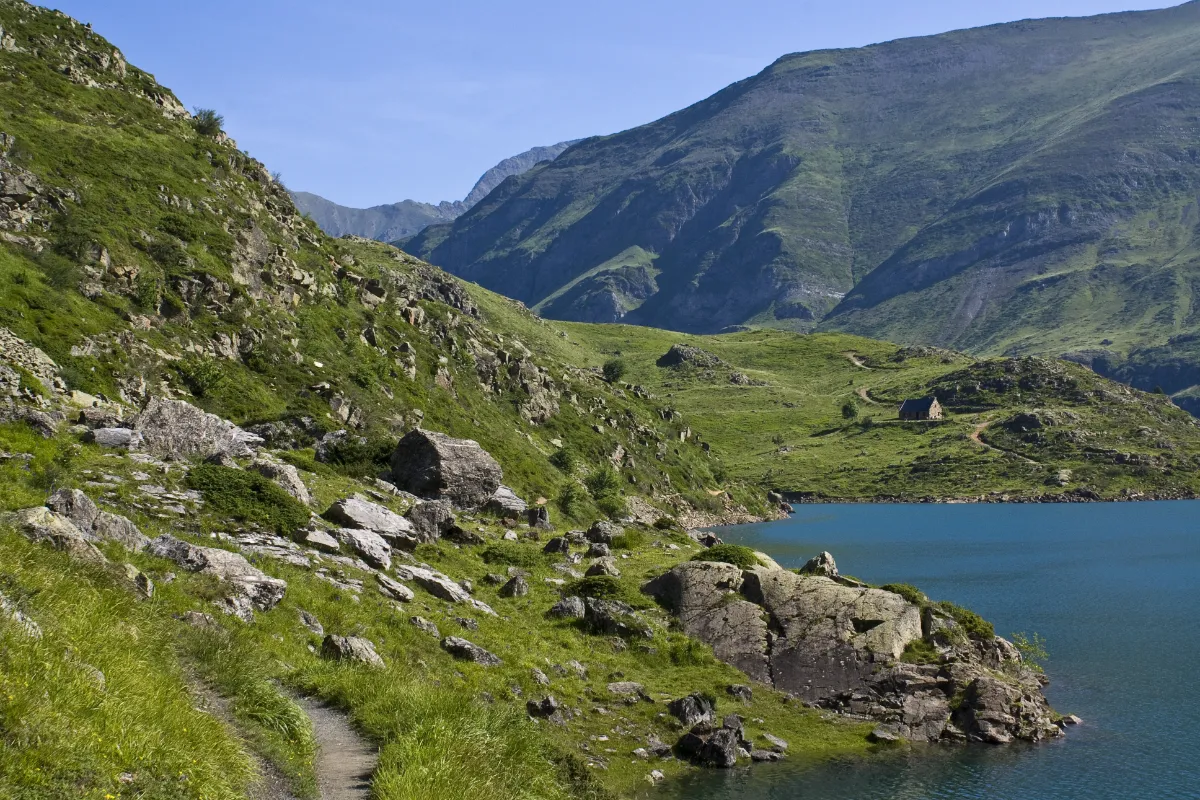
You don’t have to be a mountaineer to be blown away by the scenery. Since 1967, Pyrenees National Park has protected a vast stretch of high mountain landscapes, from deep valleys and rushing streams to mountain lakes and rocky peaks. The scenery changes from one valley to the next, with lush forests and pastures in the west, and more rugged rock faces and lingering snow higher up. In the Pyrenees, distances are measured less in kilometres than in hairpin bends and steep climbs.
To the west, the Aspe Valley offers wild scenery, villages tucked between the mountains and towering cliffs frequented by vultures. Next door, the Ossau Valley is dominated by the spectacular outline of Pic du Midi d’Ossau, the remains of an ancient volcano. Trails wind through woods, meadows and rocky terrain before reaching mountain lakes or high-altitude viewpoints. Some walks are short, while others definitely call for strong legs.
The mountains are also home to plenty of wildlife. Pyrenean chamois, known locally as izards, make their way across steep slopes, marmots whistle when walkers approach, and large birds of prey soar above the valleys. In summer, sheep are taken up to the high mountain pastures, watched over by shepherds and sometimes livestock guardian dogs, which are best given a wide berth.