


INTERACTIVE MAP
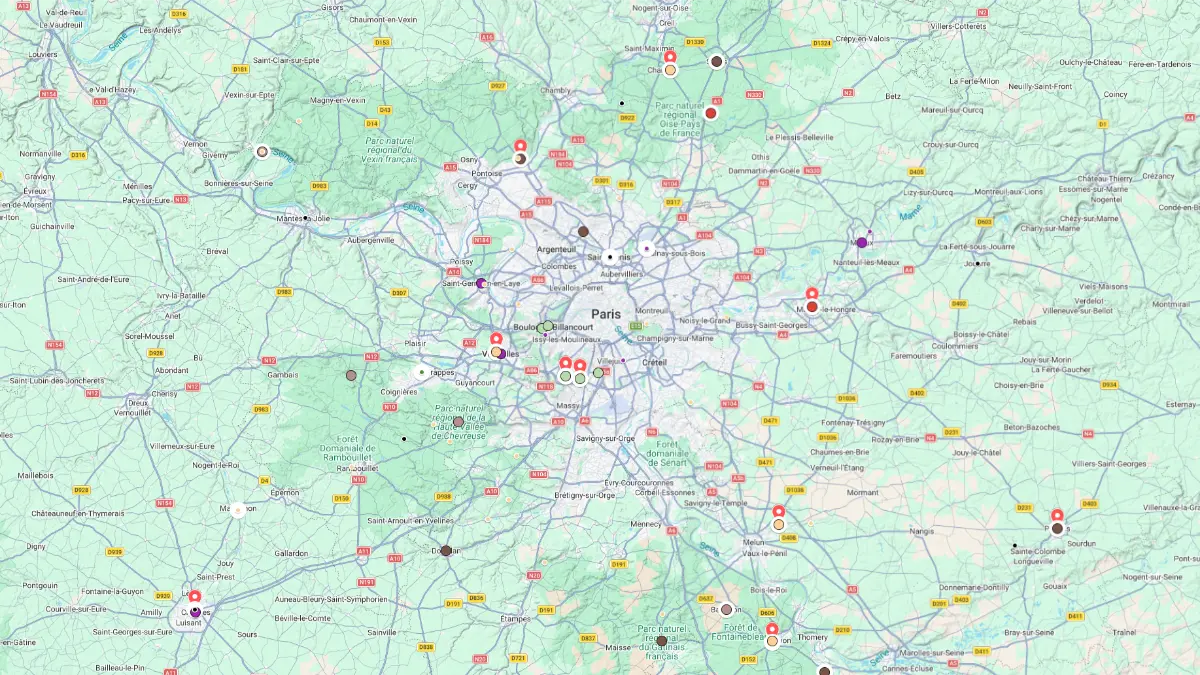
Click on the icon  in the top-right corner to view the map in full screen.
Show/Hide layers as needed.
After clicking on the image,
click on the icon  in the top-left corner to display the map legend.
Show/Hide layers as needed.
WEST
Overview Table
| Name | Top+ | Top |
|---|---|---|
| Chevreuse | ||
| Montfort-l'Amaury | ||
| La Roche-Guyon | ☑️ |
Chevreuse
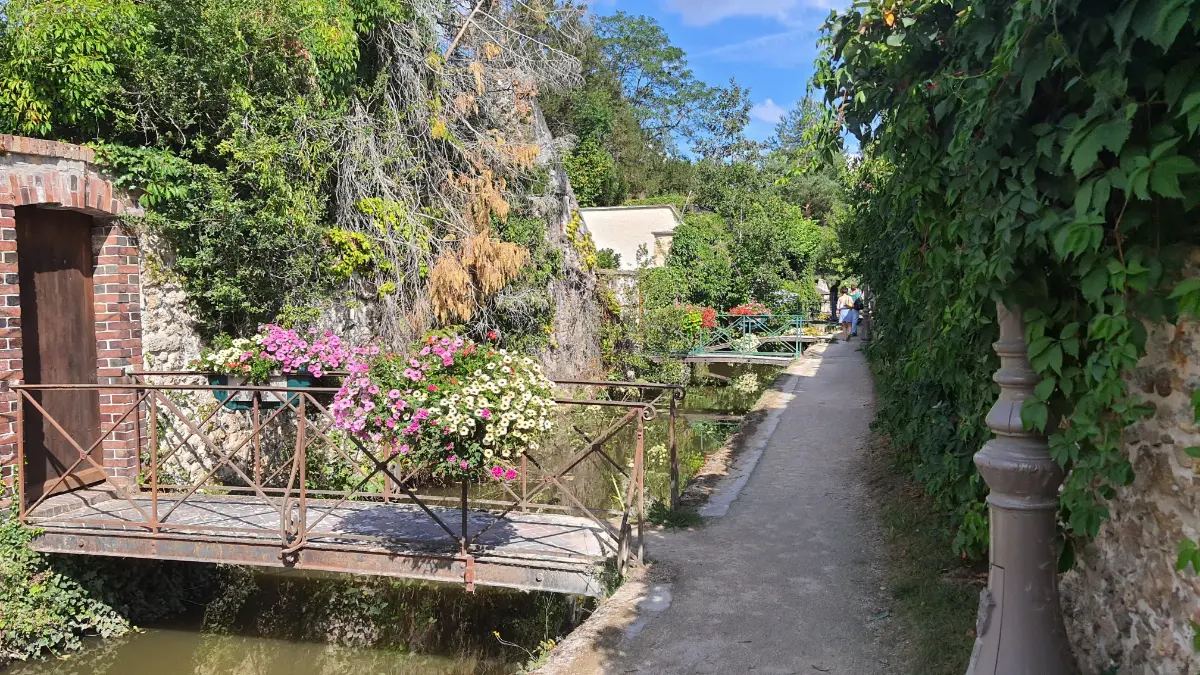
Chevreuse lies at the bottom of a green valley, surrounded by a small river, open meadows, and wooded hillsides. The town center has preserved its old houses, cobbled squares, and narrow streets that gradually climb toward higher ground. Overlooking the rooftops, the Château de la Madeleine is a reminder of the village’s defensive role since the Middle Ages.
One of the most pleasant walks follows the river. A footpath links small stone bridges, old washhouses, and canals that were once used by local craftsmen. Together, they create an intimate landscape where gardens, low stone walls, and lush vegetation line the water.
As you make your way up to the château, the views open onto the village rooftops and the surrounding countryside. Chevreuse remains closely connected to the forest and the trails that cross the valley, making it easy to leave the historic streets behind and reach the woodland within minutes.
Montfort-l'Amaury
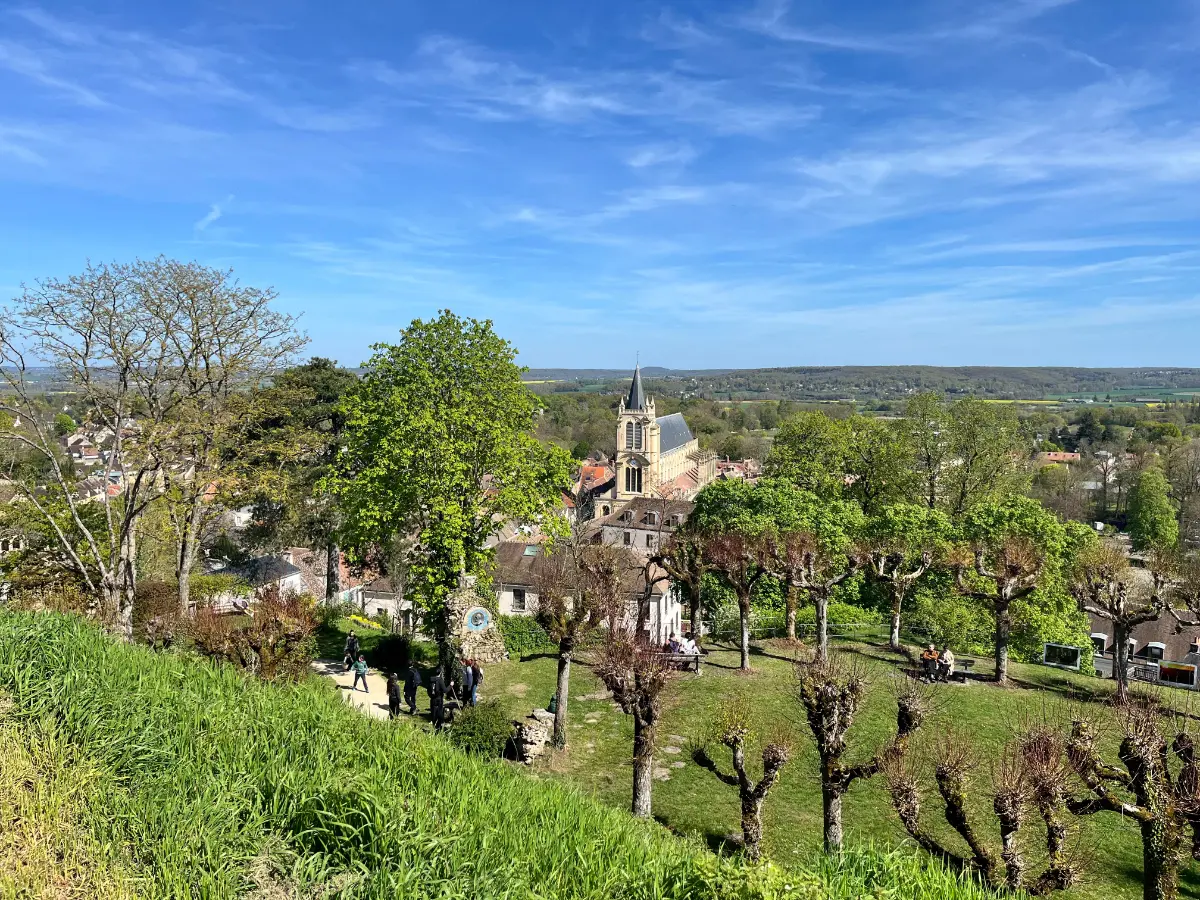
Montfort-l’Amaury grew at the foot of a hill crowned by the ruins of a medieval castle. The village has kept its historic layout, with sloping streets, stone houses, and narrow passageways leading toward the center. Sitting on the edge of the forest, it has a peaceful atmosphere that feels pleasantly tucked away.
The remains of the old town walls recall a time when Montfort was protected by several fortified gates. Above the village, the Anne of Brittany Tower overlooks the rooftops and the surrounding landscape. Below, the church, historic houses, and the cemetery enclosed by covered galleries form an exceptionally harmonious historic ensemble.
La Roche-Guyon
In Our Top ☑️
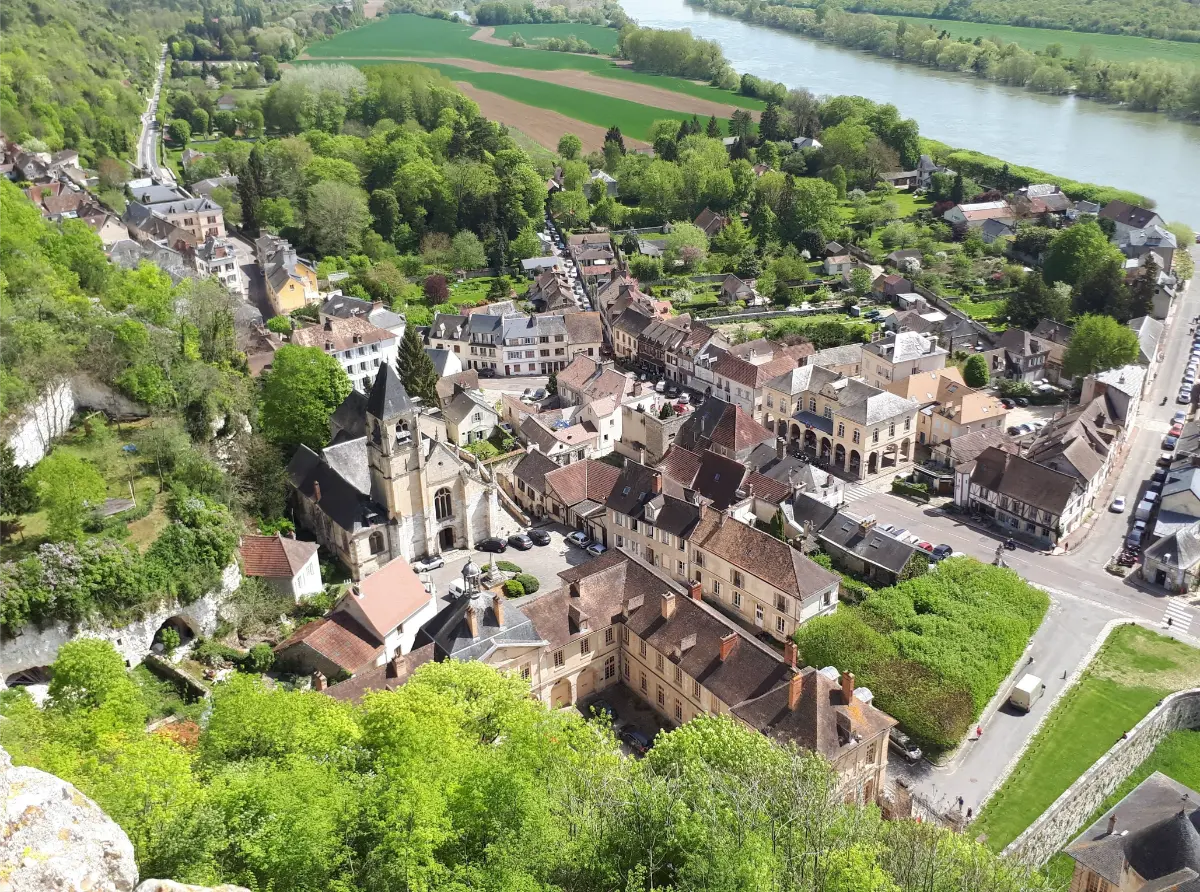
La Roche-Guyon occupies a spectacular setting between the Seine River and a towering chalk cliff. The village developed on a narrow strip of land, which explains its tightly packed streets, houses built against the hillside, and the constant feeling of being overshadowed by the rock face.
The château dominates the landscape. Its buildings were expanded over the centuries, while an ancient keep still stands high on the cliff above. Passageways and rooms carved directly into the rock recall the homes and storage spaces that once occupied the hillside.
From the lower streets, your view constantly shifts between the river, historic facades, and the surrounding slopes. Walking paths lead up to higher ground, where you can enjoy sweeping views of the broad curve of the Seine, the château gardens, and the farmland surrounding the village.
SOUTH
Overview Table
| Name | Top+ | Top |
|---|---|---|
| Barbizon | ☑️ | |
| Yèvre-le-Châtel | ☑️ | |
| Château-Landon |
Barbizon
In Our Top ☑️
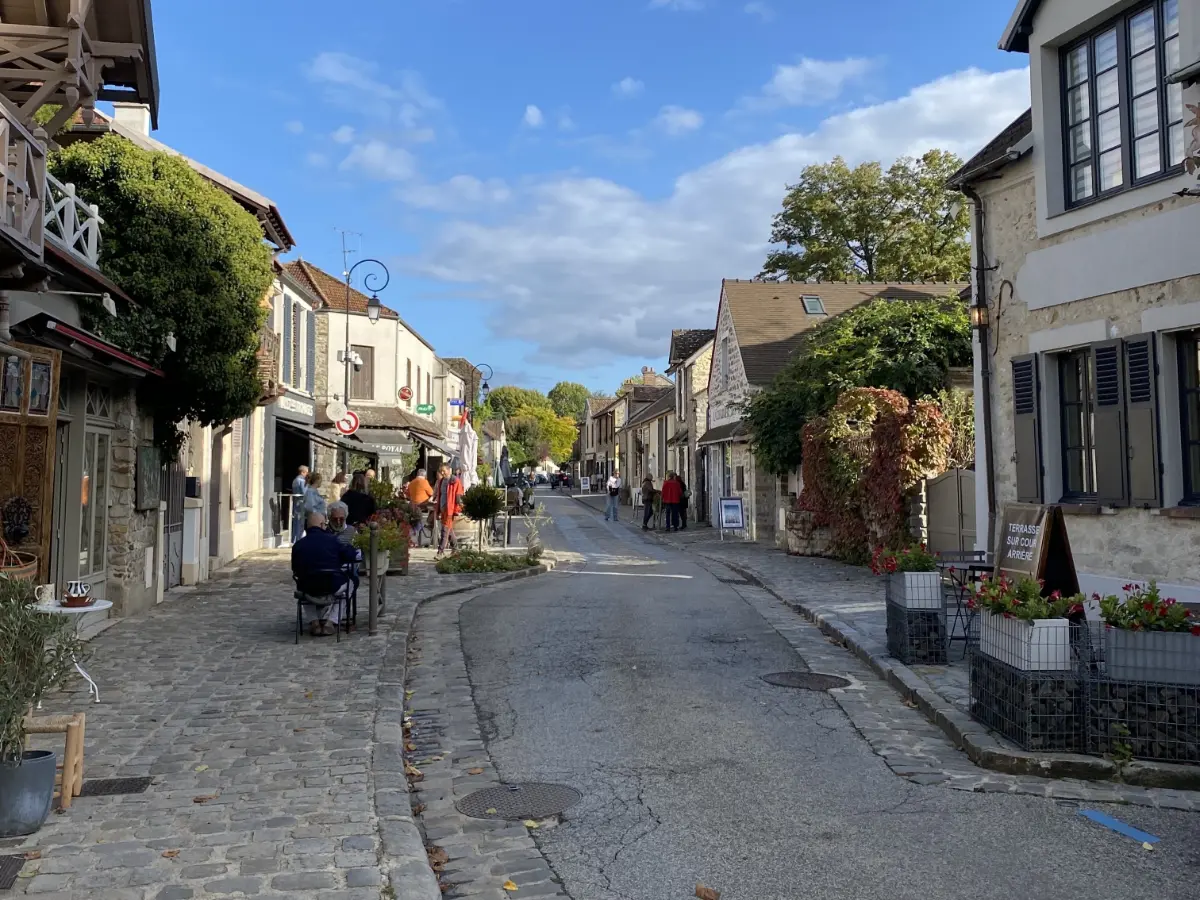
For centuries, Barbizon was simply a small village on the edge of the Forest of Fontainebleau. In the 19th century, its rural houses, sandy lanes, and surrounding landscapes attracted painters who wanted to work directly in nature. Many artists settled here, giving rise to a movement that became a turning point in the history of landscape painting.
The main street still features several former homes, studios, and buildings linked to this artistic period. Reproductions of famous paintings allow you to compare the landscapes, trees, and rural scenes with the places that inspired them.
At the end of the village, the streets almost immediately give way to the forest. Walking trails wind between sandstone boulders, oak trees, and sandy clearings that provided the painters with many of their favorite subjects. Barbizon is best experienced as a place where art and nature blend seamlessly together.
Yèvre-le-Châtel
In Our Top ☑️
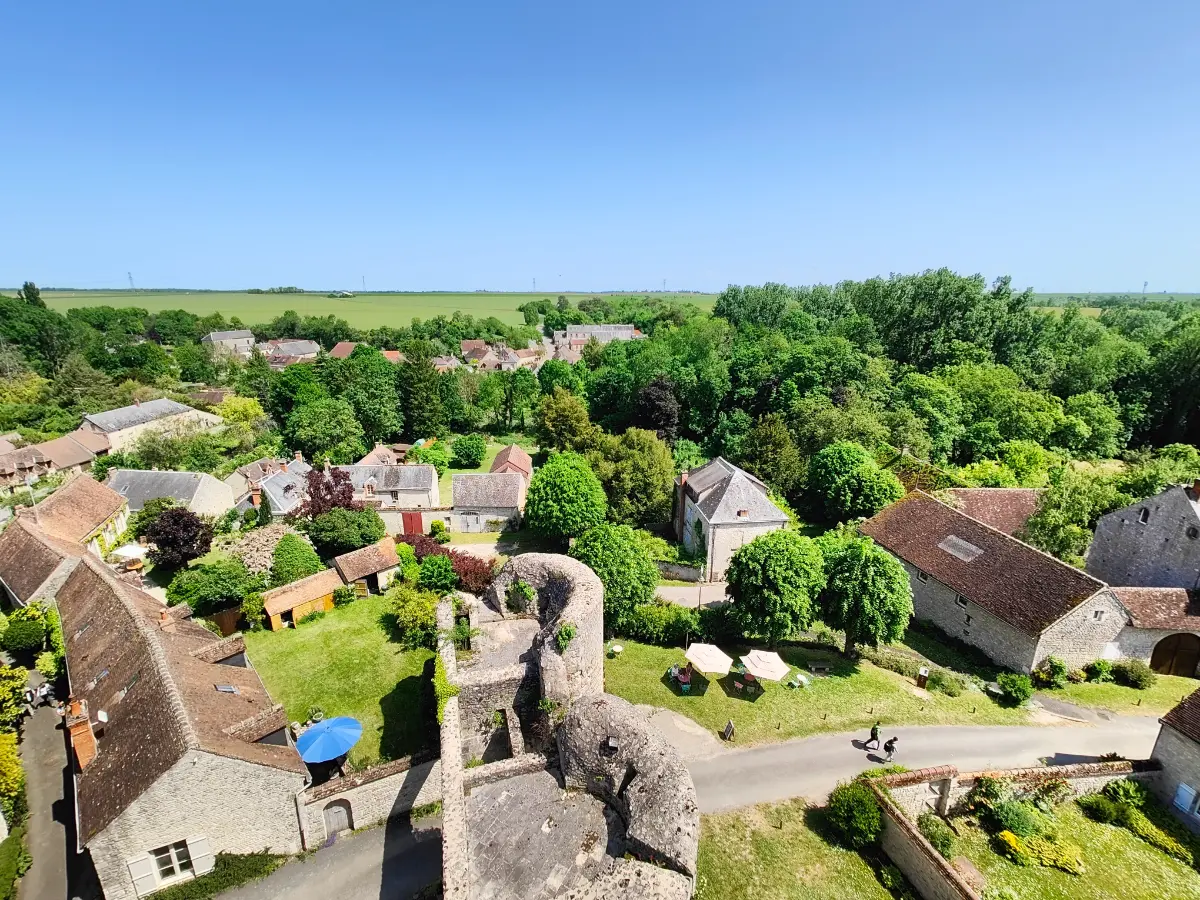
Yèvre-le-Châtel stands on a rocky hill overlooking the surrounding countryside. Within its ancient walls, small limestone houses, flower filled gardens, and winding lanes create an exceptionally well preserved village. The whole site is compact enough to explore at a leisurely pace without following any particular route.
The fortress, built in the early 13th century, has four imposing towers and walls forming a large rectangular enclosure. From the top, the views stretch across farmland, woodlands, and the distant edge of the Forest of Orléans.
Away from the ramparts stand the ruins of a Gothic church whose construction was abandoned during the Middle Ages. Its roofless walls open to the sky, giving the village a striking silhouette that’s both monumental and romantic.
Château-Landon
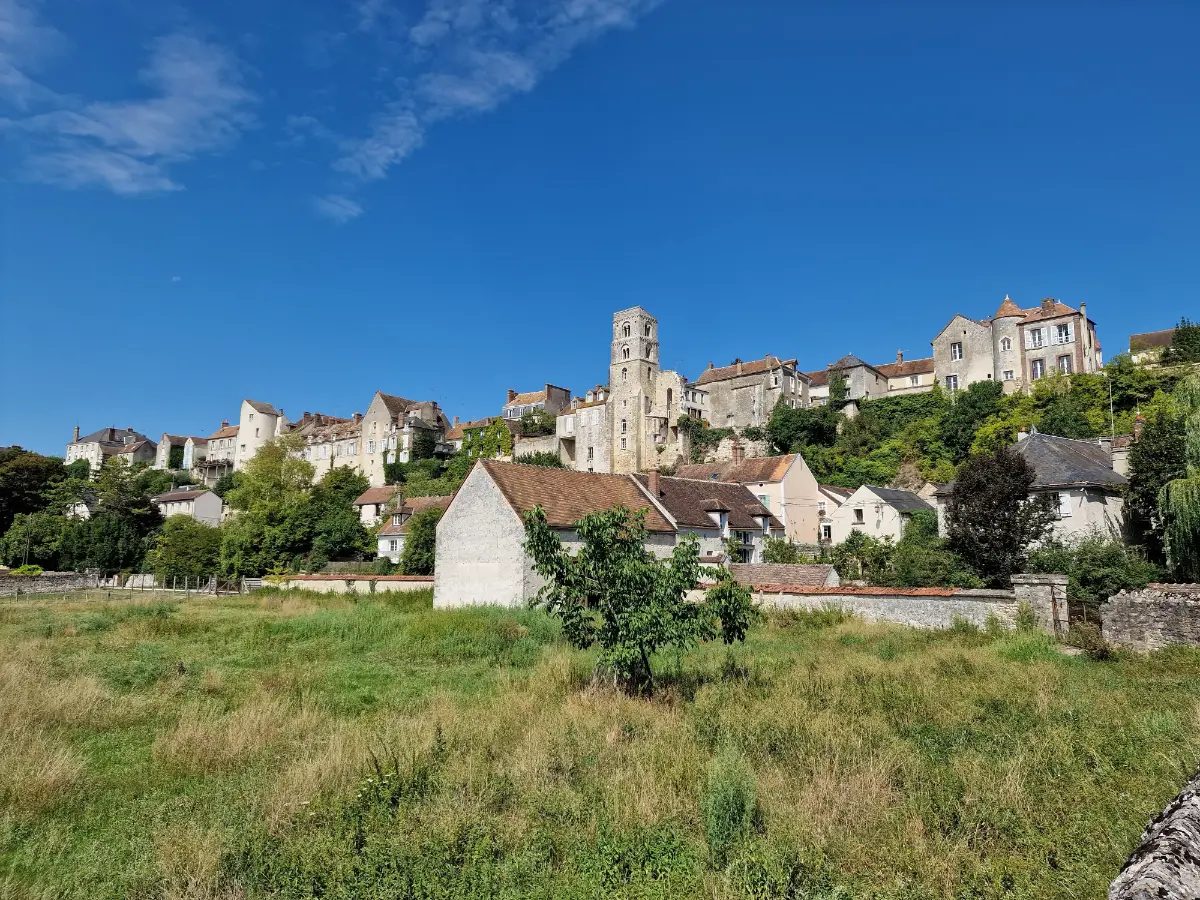
Château-Landon overlooks the Fusain Valley from a long rocky ridge. Seen from below, the town appears as a succession of walls, towers, terraced gardens, and historic buildings clinging to the hillside. This dramatic layout gives it an almost fortified appearance.
In the upper town, narrow streets connect stone houses, former religious buildings, and several remains of the medieval defenses. Thanks to its strategic position on important travel routes, Château Landon became a significant regional center during the Middle Ages.
Stairways and footpaths descend into the valley, where the Fusain River flows through a greener landscape. From the riverbanks, you’ll enjoy views of the old stone facades rising above the vegetation and the gardens nestled at the foot of the walls. The contrast between the hilltop town and the peaceful river below is one of Château Landon’s greatest charms.