


INTERACTIVE MAP
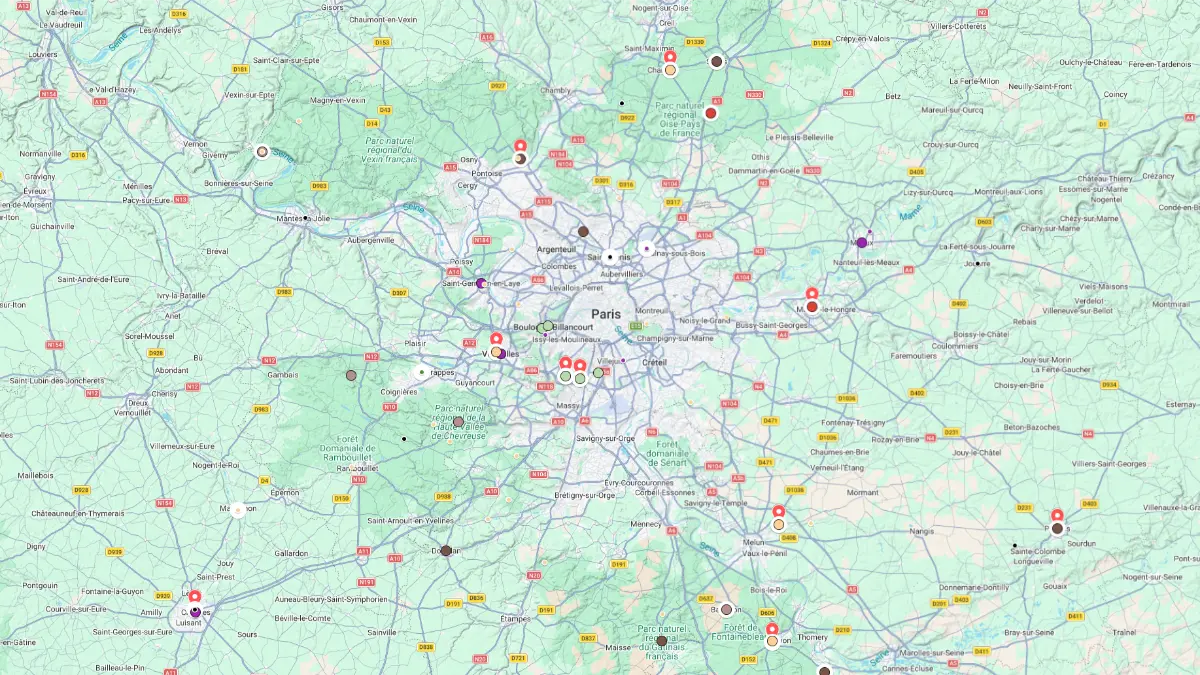
Click on the icon  in the top-right corner to view the map in full screen.
Show/Hide layers as needed.
After clicking on the image,
click on the icon  in the top-left corner to display the map legend.
Show/Hide layers as needed.
TOWNS
Overview Table
| Name | Top+ | Top | Area |
|---|---|---|---|
| Versailles | West | ||
| Saint-Germain-en-Laye | West | ||
| Chartres | West | ||
| Meaux | East |
Versailles
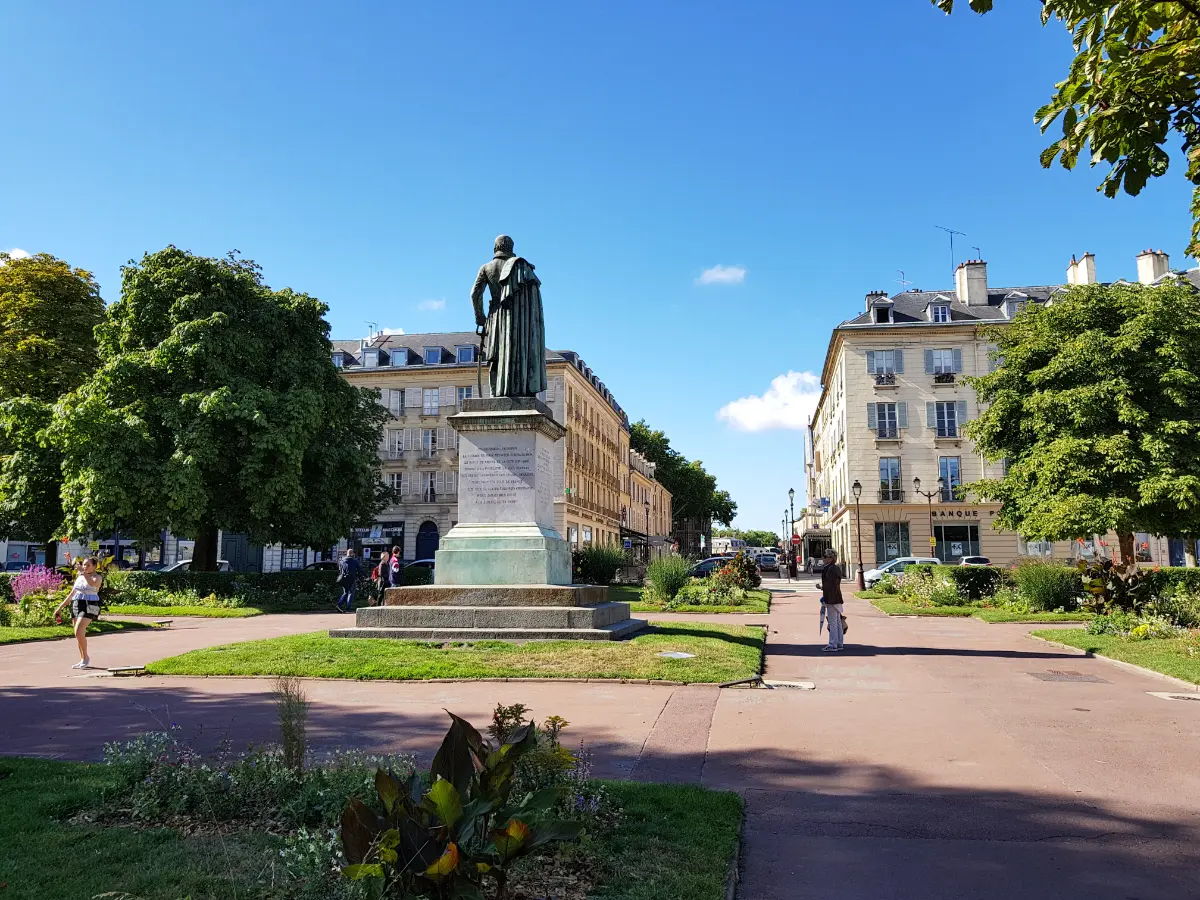
Versailles is much more than its huge palace. The whole city reflects the vision of Louis XIV, who turned a small village into a town built around the royal residence. From the large square in front of the palace, wide avenues spread out like a fan and still shape the city center today. This remarkably symmetrical layout gives Versailles a grand, almost theatrical feel.
Take some time to explore the city’s two main historic districts. To the north, straight streets lined with elegant facades create a lively yet orderly neighborhood. To the south, the atmosphere becomes quieter, with cobbled streets, small squares, and houses dating from the 17th and 18th centuries.
Versailles was also the setting for major political events, from the 1789 meeting that paved the way for the French Revolution to the events of 1871. Behind its royal appearance, you’ll discover a real historic town that’s compact enough to explore on foot.
Saint-Germain-en-Laye
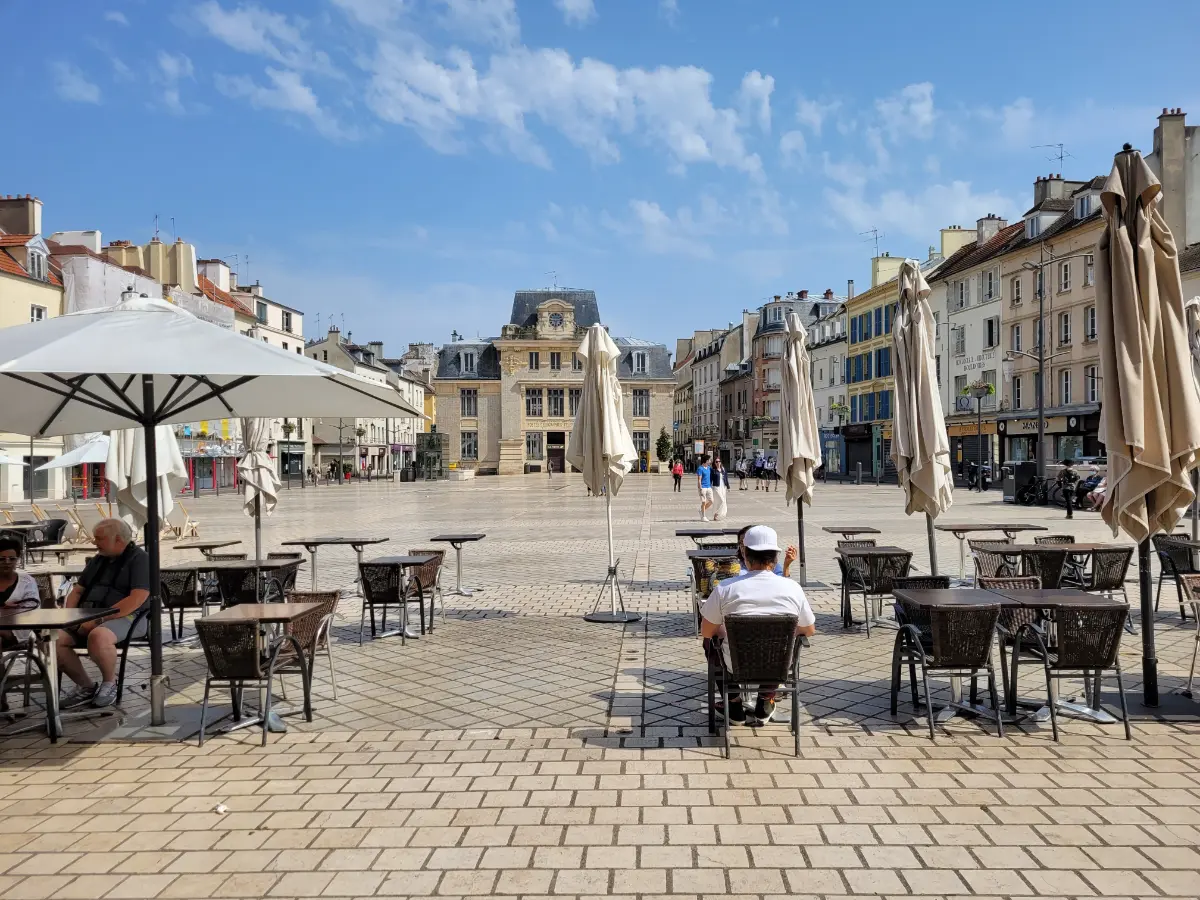
Set on a plateau overlooking the Seine Valley, Saint Germain en Laye combines an elegant old town with one of the largest forests near Paris. The town grew around a royal residence that was used for several centuries, until the court moved permanently to Versailles in 1682. This long royal presence explains why so many historic buildings and old houses are concentrated around the center.
The streets are lively while still feeling pleasantly human in scale, with narrow passageways, hidden courtyards, and facades from different periods. Just a short walk away, the scenery changes completely. The open spaces around the château lead to a 2.4 kilometer terrace, created in the 17th century and offering sweeping views toward Paris.
The forest extends naturally from the town. Its shaded paths recall the former royal hunting grounds and make it easy to go from the lively streets to the peaceful woodland in just a few minutes.
Chartres
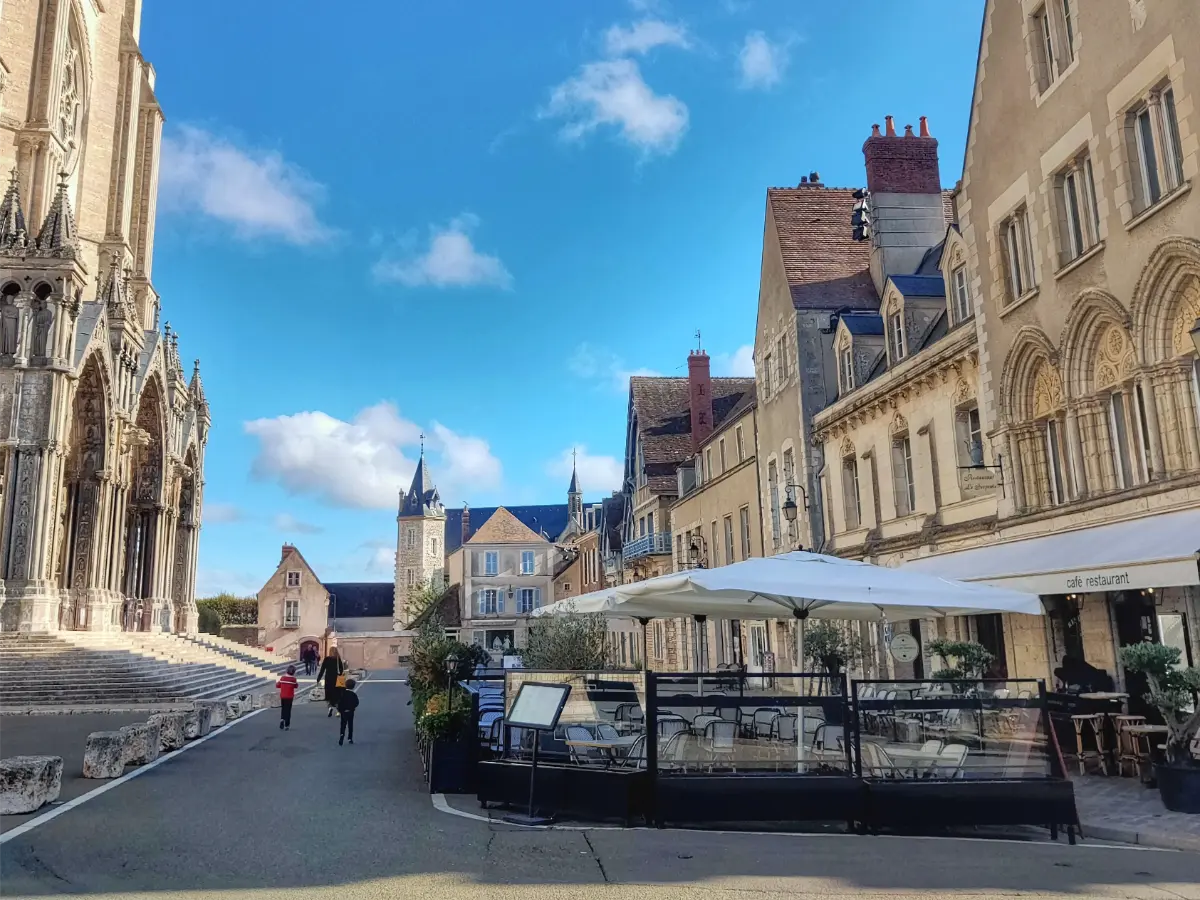
Chartres is instantly recognizable thanks to its cathedral, rising above the plains that surround the city. While the cathedral stands at the highest point, the historic center is just as rewarding to explore. Around it, old streets follow the hillside, linking the upper town with the lower town beside the river.
In the upper town, you’ll find open squares, historic shopping streets, and areas once connected to religious institutions. Lower down, the atmosphere becomes more intimate. Stairways, narrow passageways, small bridges, and old houses line the riverbanks. During the Middle Ages, this part of Chartres was the city’s main center for trade and craftsmanship.
This dramatic change in elevation gives the walk much of its charm. The cathedral appears between the rooftops, disappears behind a building, then rises above the city once again from a sloping street or a green riverside path.
Meaux
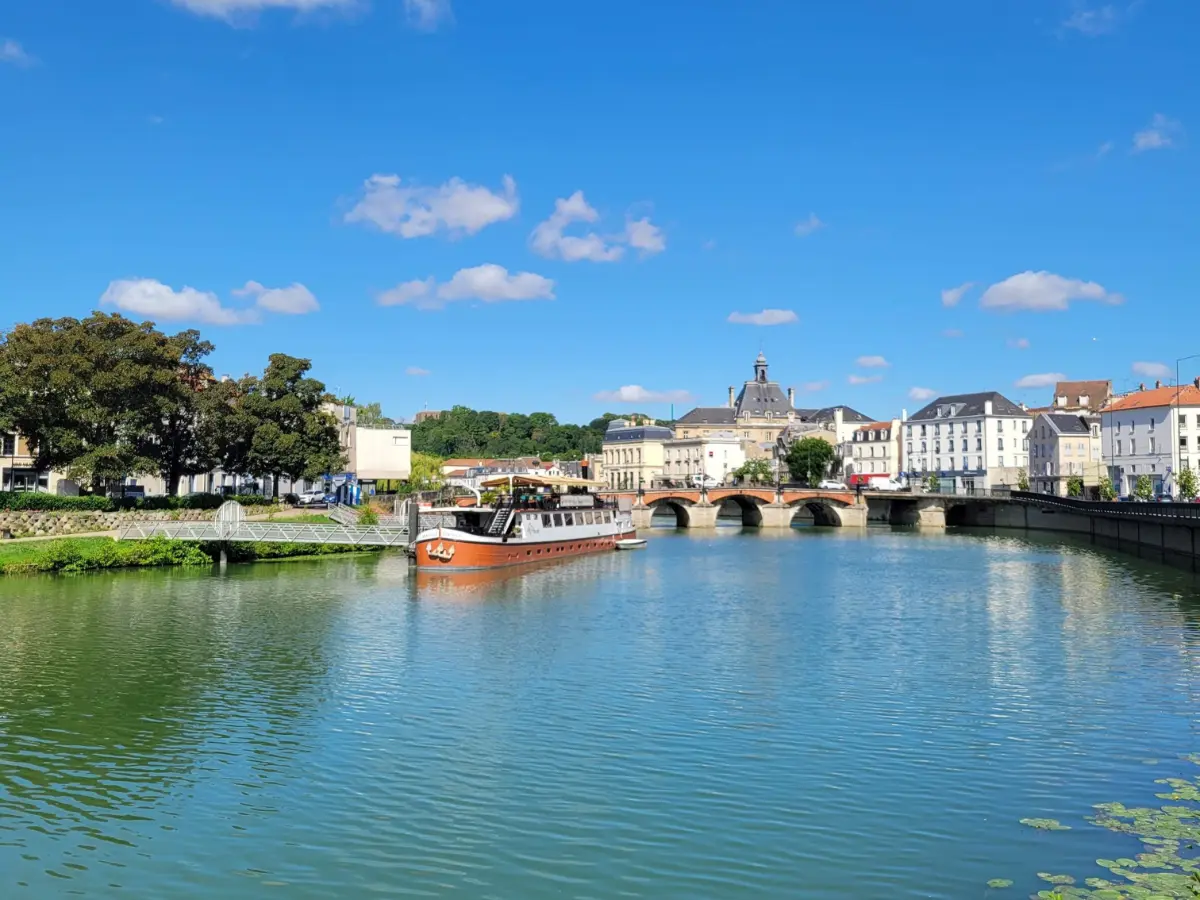
Built within a bend of the Marne River, Meaux has a compact historic center clustered around its cathedral and the former palace of the local bishops. Together, they form the city’s historic heart, with buildings from different periods, formal gardens, and remains of the old defensive walls.
As you move away from this area, you’ll discover a town shaped by its riverside setting. The quays, bridges, and green spaces open up the landscape, while the streets in the center keep a more intimate feel. For centuries, Meaux was an important trading hub between Paris and the farming regions farther east.
The town is also closely linked to the fighting of 1914, when nearby battles stopped the German advance toward Paris. That history remains an important part of Meaux’s identity today, without overshadowing its older heritage or its character as a charming riverside town.
SMALL TOWNS (Village Feel)
Overview Table
| Name | Top+ | Top | Area |
|---|---|---|---|
| Enghien-les-Bains | North | ||
| Auvers-sur-Oise | ✅ | ☑️ | North |
| Senlis | ☑️ | North | |
| Dourdan | South | ||
| Milly-la-Forêt | South | ||
| Nemours | South | ||
| Moret-sur-Loing | ☑️ | South | |
| Provins | ✅ | ☑️ | South |
Enghien-les-Bains
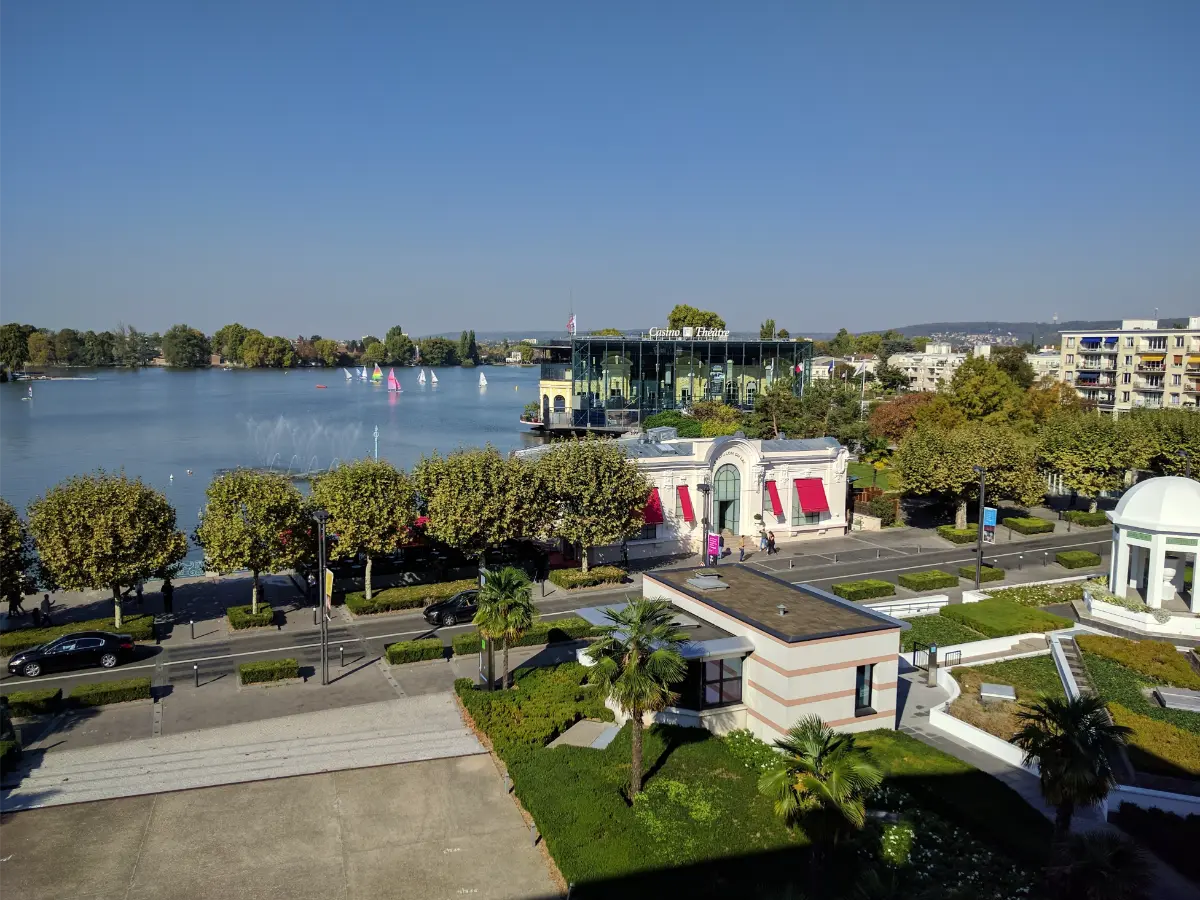
Enghien-les-Bains is built around a lake that gives this small residential town an unusual character just outside Paris. It really began to grow in the 19th century, when the healing properties of its mineral waters turned it into an elegant spa destination. Walkways, gardens, and grand homes soon appeared along the shoreline, attracting wealthy visitors looking for relaxation and entertainment.
From the town center, you can quickly reach the pier extending out over the lake. The scenery alternates between mature trees, elegant residential facades, and wide views across the water. Several richly decorated villas still reflect the town’s prosperity during the late 19th and early 20th centuries.
The casino is at the heart of Enghien’s identity. Standing on the lakeshore, it continues the town’s long tradition of leisure and entertainment and remains one of its most iconic landmarks. Around it, the landscaped promenades have a peaceful atmosphere that almost feels like a seaside resort.
Auvers-sur-Oise
In Our Top+ ✅
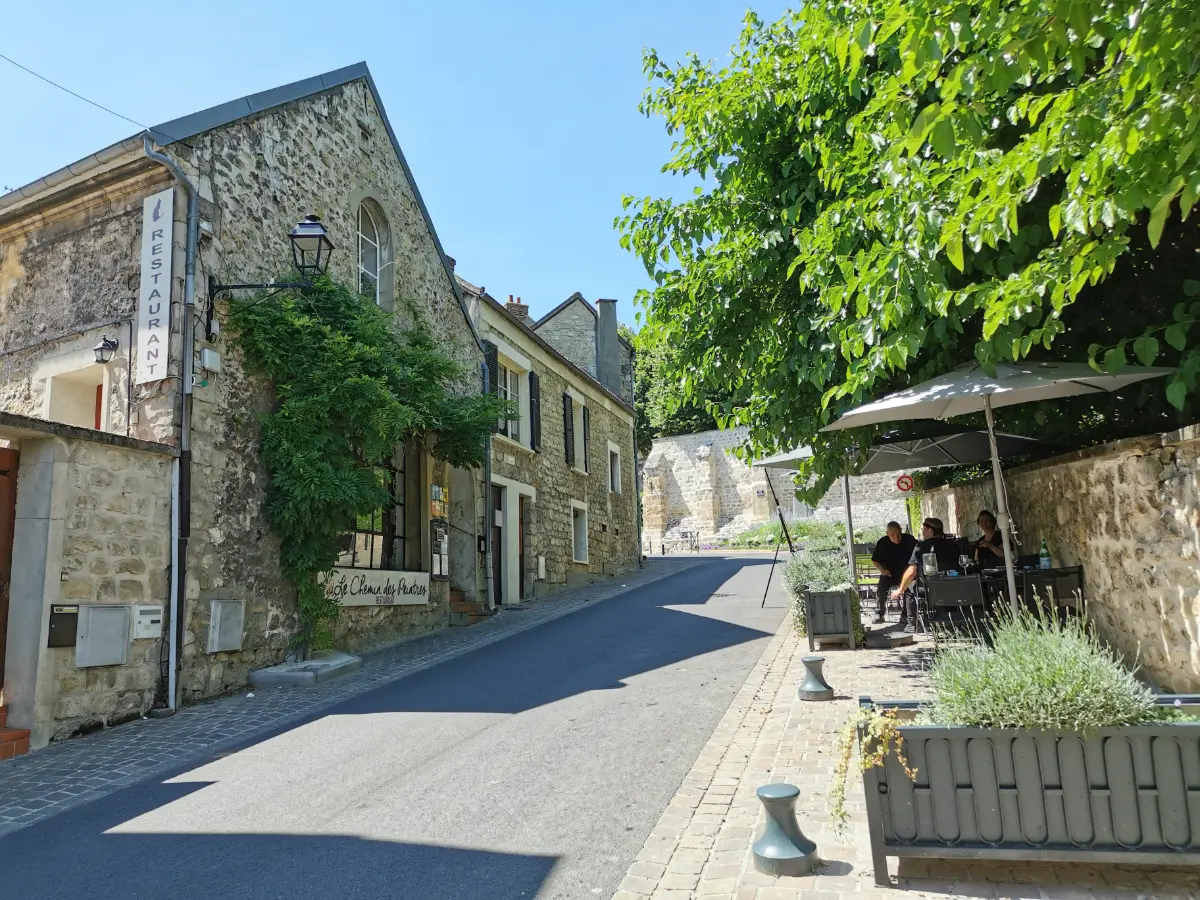
Auvers-sur-Oise stretches between the river, green hillsides, and the farmland above the village. This long, linear layout gives it a very different feel from the small towns built around a central square. As you explore, you’ll move from streets lined with old houses to steep paths, gardens, and sweeping views across the valley.
In the 19th century, these landscapes attracted many painters, including Paul Cézanne, Vincent van Gogh, and others. Reproductions displayed throughout the village let you compare their paintings with the very scenes that inspired them.
Even so, Auvers is far more than an open air museum. The church overlooking the rooftops, the château, the stone walls, and the houses surrounded by greenery still create the feeling of a lived in, peaceful small town with a slightly melancholic atmosphere that’s best discovered on foot.
Senlis
In Our Top ☑️
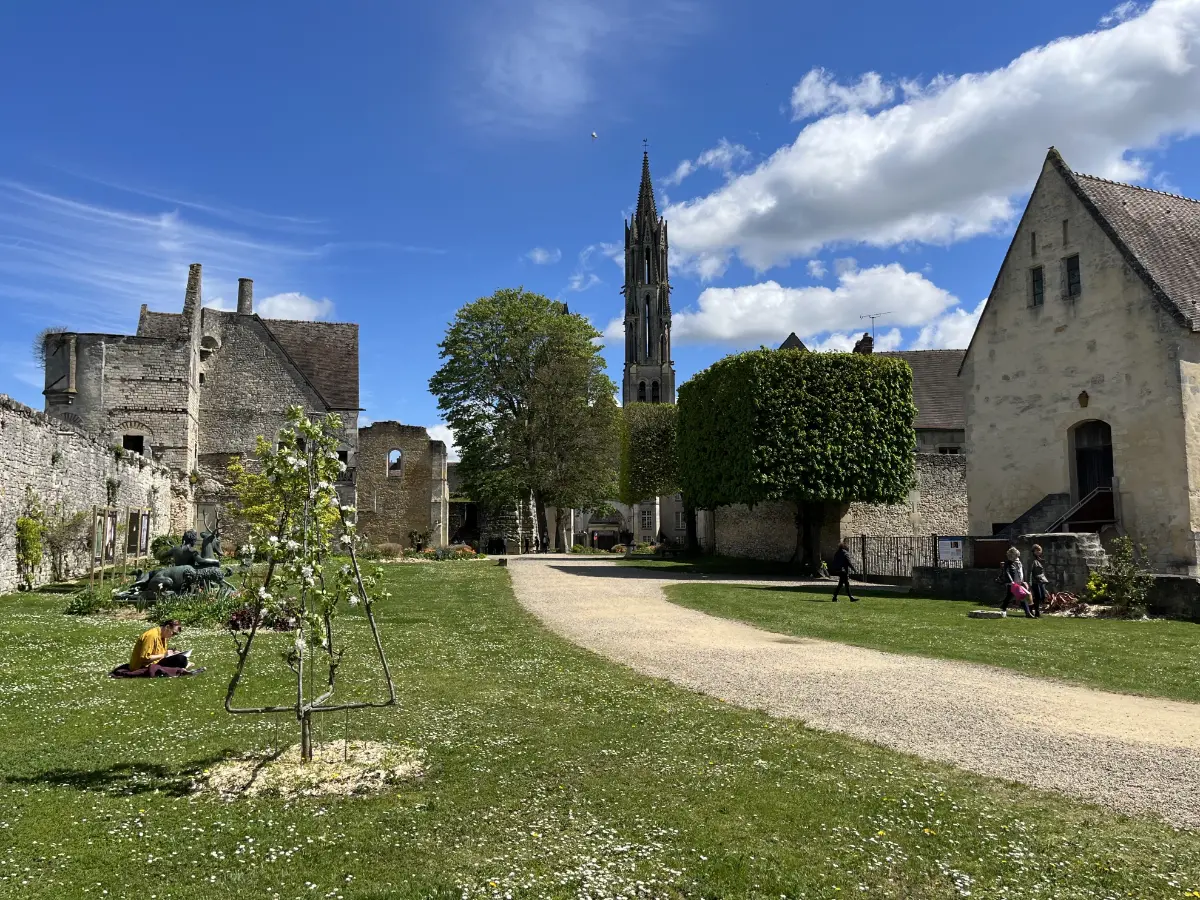
Senlis has one of the best preserved historic centers north of Paris. Behind its old walls, cobbled streets, stone houses, and historic mansions are packed into a compact area that’s easy to explore without any particular route. The cathedral’s tall spire rises above the rooftops and serves as a constant landmark as you wander through town.
The town preserves nearly two thousand years of history. Sections of the Roman walls still surround part of the center, while the remains of the royal castle recall Senlis’ political importance during the Middle Ages. It was here that Hugh Capet was elected king in 987.
As you follow the ramparts, you’ll come across gardens, meadows, and small streams at the foot of the ancient walls. This close connection between historic streets and natural surroundings gives Senlis a peaceful atmosphere that feels surprisingly removed from the busy roads nearby.
Dourdan
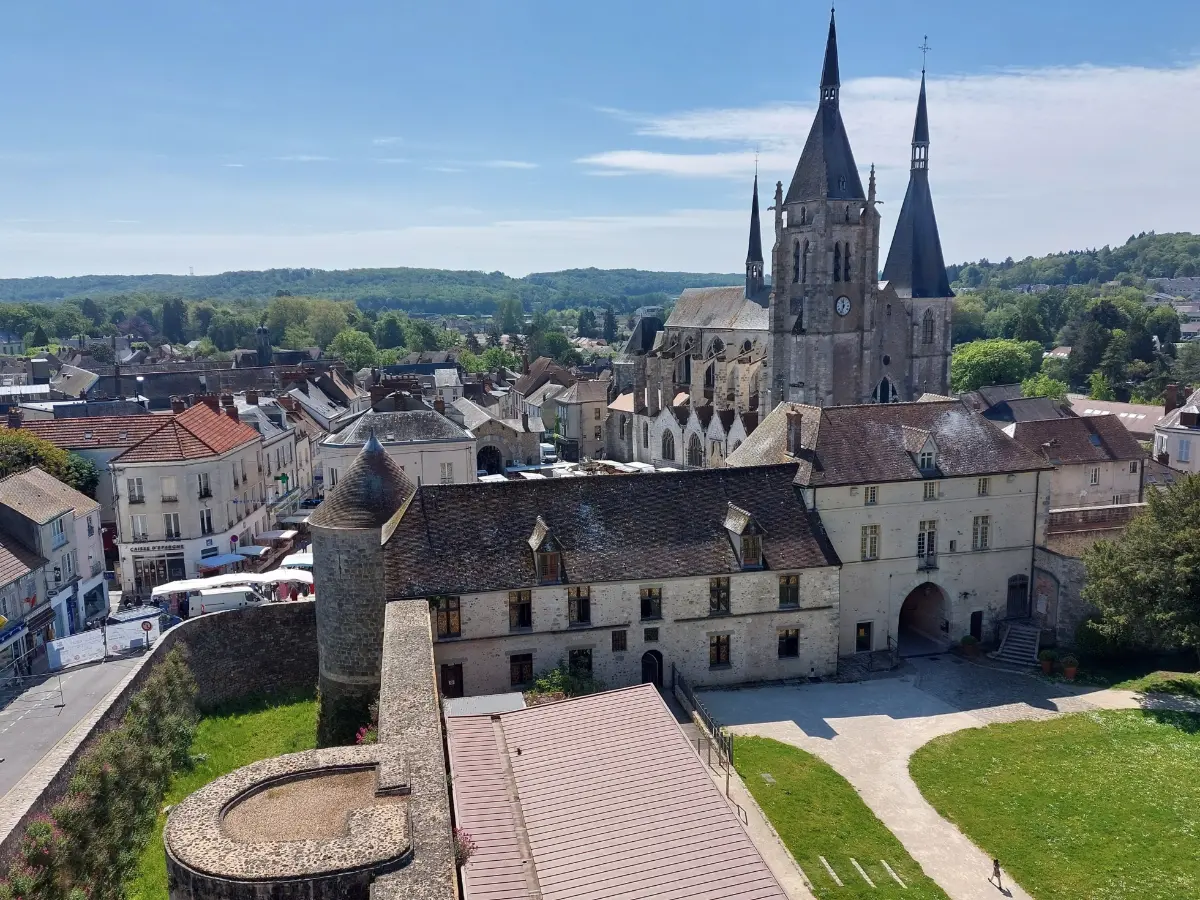
Dourdan has kept the compact layout of a small town that grew around its castle and historic market square. Built in the early 13th century, the castle still stands at the center with its towers, moat, and massive circular keep. It reflects the town’s strategic importance on the route linking Paris with the regions farther south.
Around the fortress, the town center combines old houses, 19th century facades, and quiet streets. The church overlooks an open square that still reflects Dourdan’s long commercial tradition, once supported by agricultural trade and the roads that crossed the region.
The town is surrounded by wooded hills, farmland, and lightly developed valleys. The quick transition from the historic streets to the countryside gives Dourdan a strong sense of independence, far from the continuous urban landscape found elsewhere around Paris.
Milly-la-Forêt
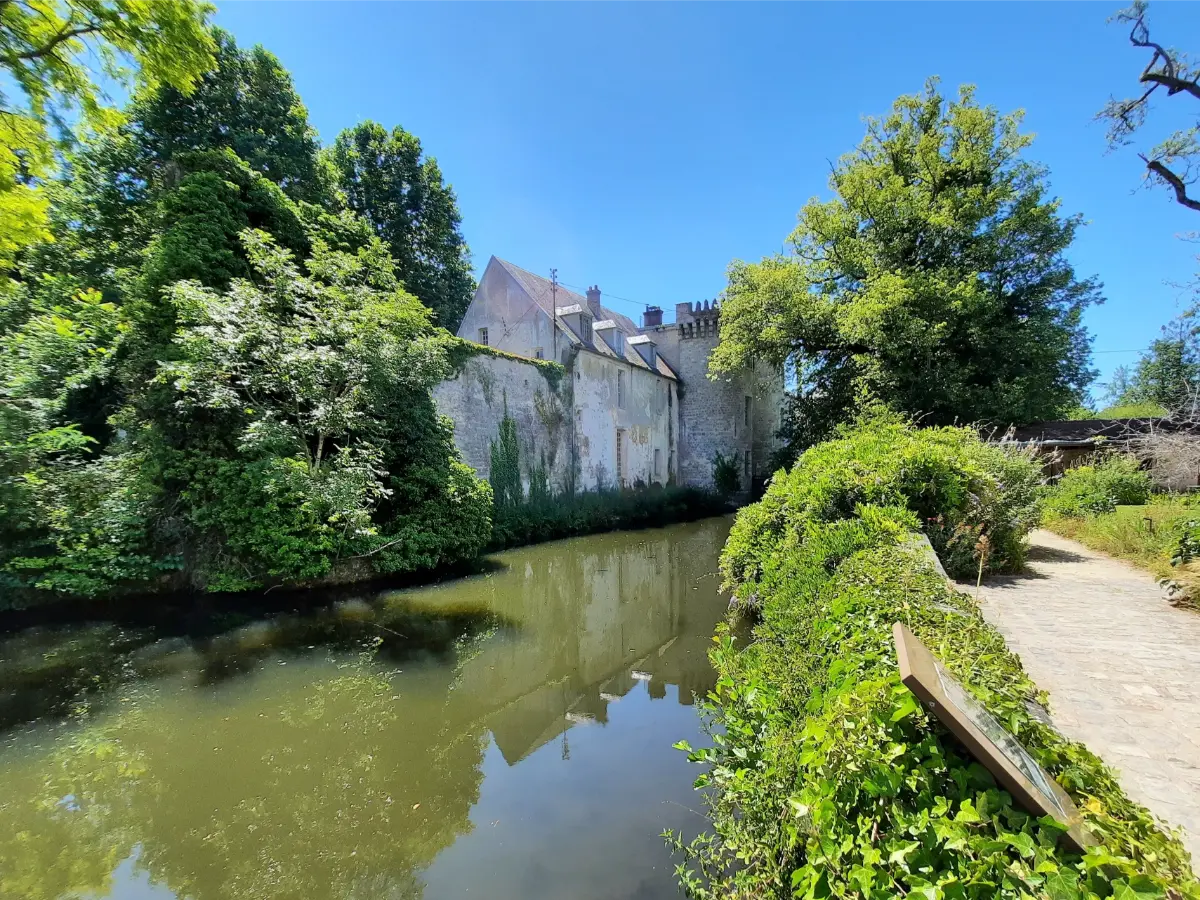
Milly-la-Forêt has the peaceful feel of a small market town set between farmland and forests. Its center is built around a large wooden market hall dating from the late 15th century, where grain, livestock, and local produce were once traded. The surrounding streets are lined with low houses, stone walls, and several historic buildings.
The surrounding area is well known for growing aromatic and medicinal plants, a tradition made possible by the sandy soil and the local climate. Just beyond the town center, the scenery changes quickly, with open fields, small woodlands, and rocky outcrops announcing the vast natural landscapes that stretch toward the Forest of Fontainebleau.
Nemours
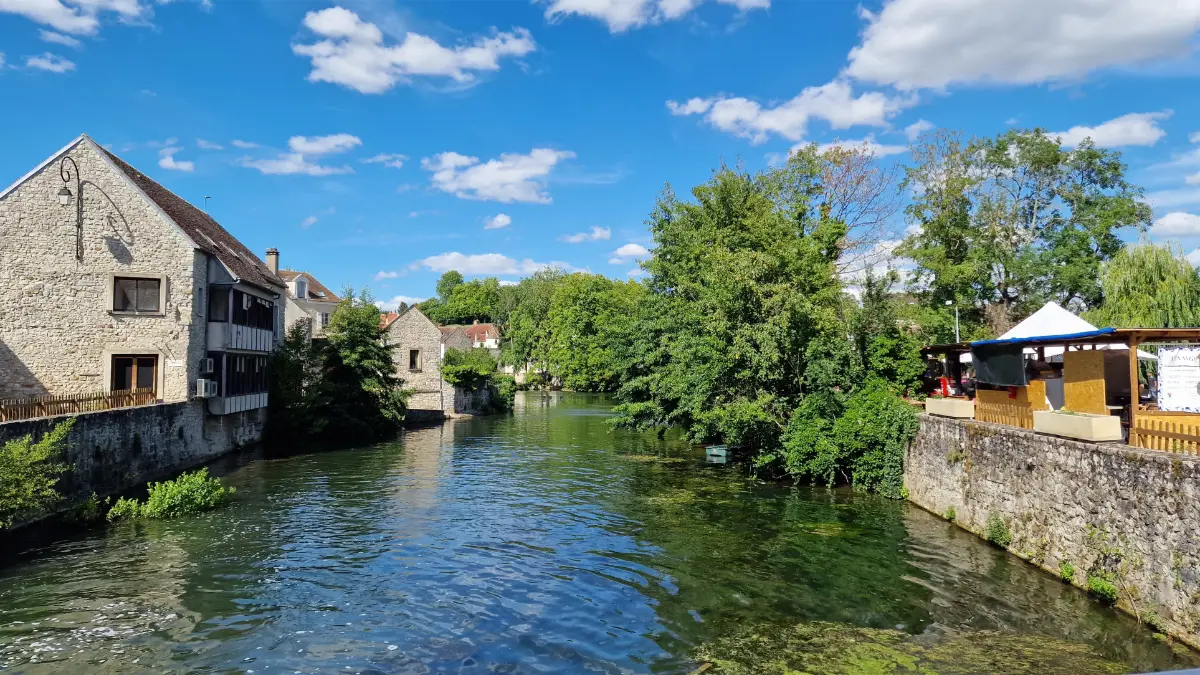
Nemours grew along both banks of the Loing River around a castle built in the 12th century. Standing right beside the water, the castle, together with the church and the old houses, forms the historic heart of the town. Bridges, canals, and former mills are reminders of the river’s importance to both the town’s layout and its economy.
The center has kept its medieval street plan, with narrow, winding lanes that regularly open onto the Loing. A wooded island in the middle of town offers beautiful views of the castle from across the river and adds a strong natural element to the landscape.
Once the capital of an agricultural region, Nemours enjoyed several periods of prosperity despite the destruction of the Hundred Years’ War. Today, its character comes from the contrast between its historic stone buildings, its newer neighborhoods, and the calm waters flowing through the center.
Moret-sur-Loing
In Our Top ☑️
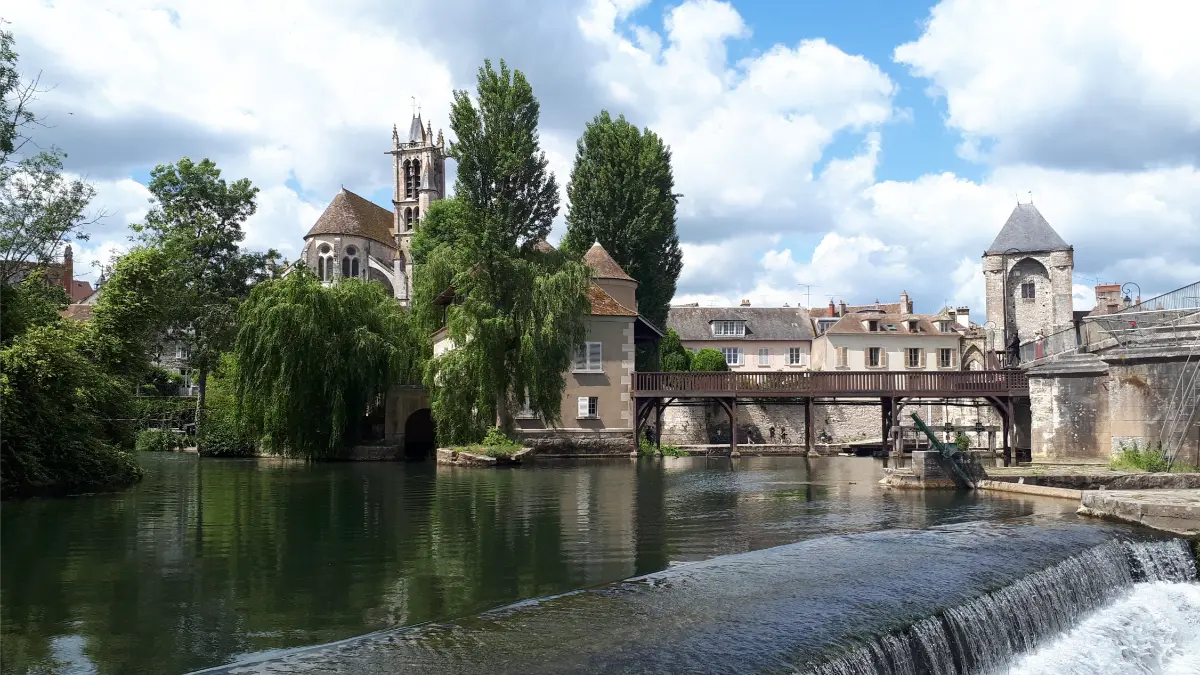
Moret-sur-Loing still feels like a small fortified town beside the river. Two medieval gates frame the main street, while the remaining walls, the keep, and the church recall its defensive role during the Middle Ages. Inside the walls, tightly packed houses and historic facades create a remarkably well preserved town center.
The Loing is the other defining feature of the landscape. From the bridge, you’ll see old mills, riverside houses, and trees reflected in the calm water. These views inspired Alfred Sisley, who spent many years here and painted the town’s bridges, gates, and ever changing light countless times.
Moret is easy to explore in a short visit, but its streets, narrow passageways, and riverbanks invite you to slow down. Here, stone and water create an almost untouched setting that’s especially peaceful early in the morning or toward the end of the day.
Provins
In Our Top+ ✅
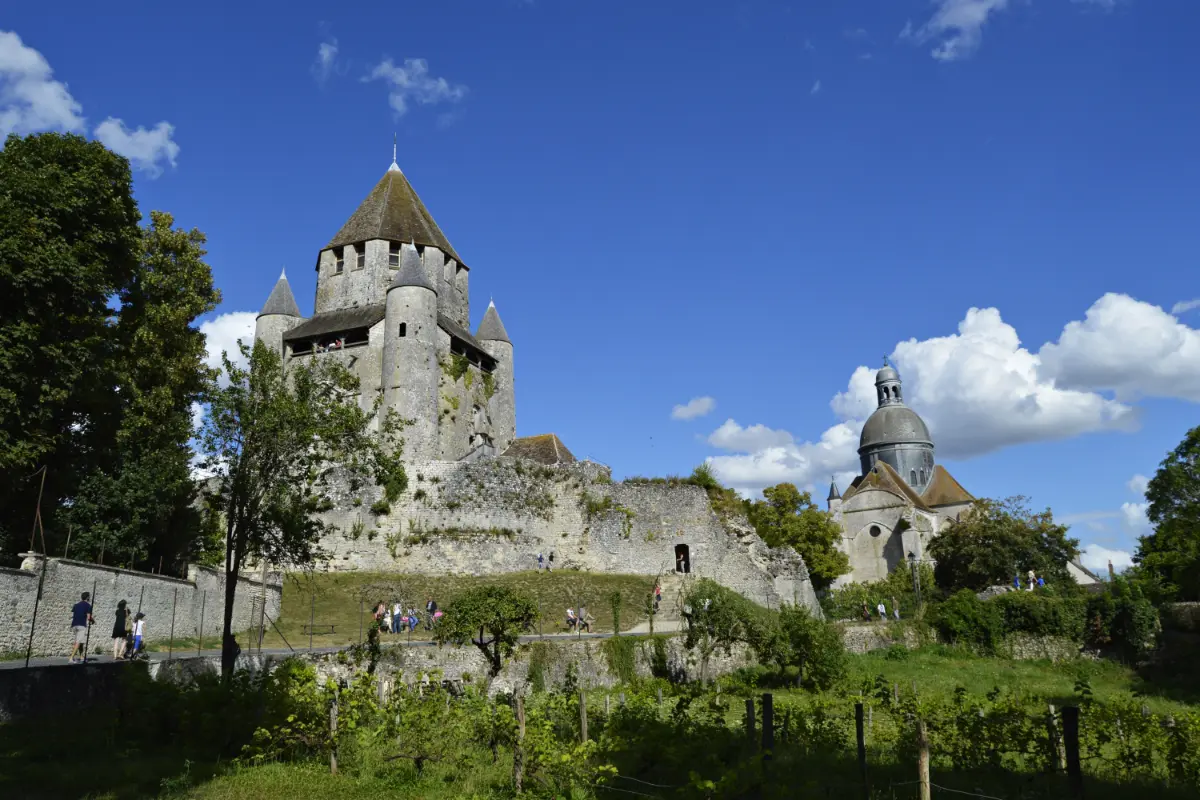
Provins is divided into two very different areas. On the hilltop, the medieval town has preserved its walls, fortified gates, winding streets, and large stone houses. Below, the lower town developed around former trading areas and religious buildings. This clear division between the upper and lower town makes its history easy to understand.
The town reached its peak during the 12th and 13th centuries thanks to the famous trade fairs that attracted merchants from across Europe. Warehouses, underground cellars, passageways, and large halls still bear witness to this thriving commercial past.
Today, the ramparts overlook open fields and wide rural landscapes. Inside the walls, the central tower, the old houses, and the sloping streets form one of the most complete medieval townscapes in France, recognized as a UNESCO World Heritage Site since 2001.