


MAP
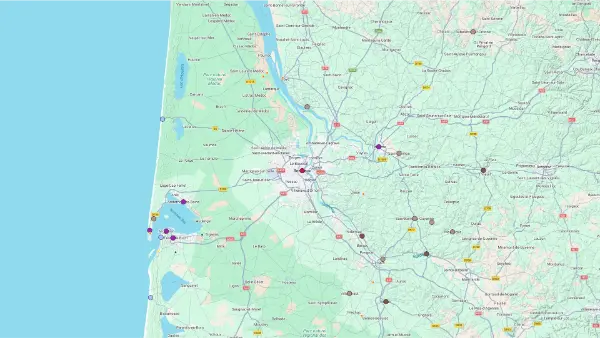
Bordeaux Region
Interactive Map
Bordeaux Region
Interactive Map
Click on the icon  in the top-left corner to display the map legend.
Show/Hide layers as needed.
Click on the arrow icons (v) to display the sublayers.
TOP (10)
| Name | Type | Top+ |
|---|---|---|
| Phare de Cordouan | Lighthouse | |
| Soulac-sur-Mer | Town | |
| Saint-Émilion | Village | ✅ |
| Bordeaux | City | ✅ |
| L'Herbe | Village | |
| Arcachon | Town | ✅ |
| Dune du Pilat | Sand Dune | ✅ |
| Castelmoron-d'Albret | Village | |
| Écomusée de Marquèze | Village-Museum | |
| Labastide-d'Armagnac | Village | ✅ |
Phare de Cordouan
Type Lighthouse
Price €44 + €15 (Ferry + Entrance)
Full Name
Phare de Cordouan
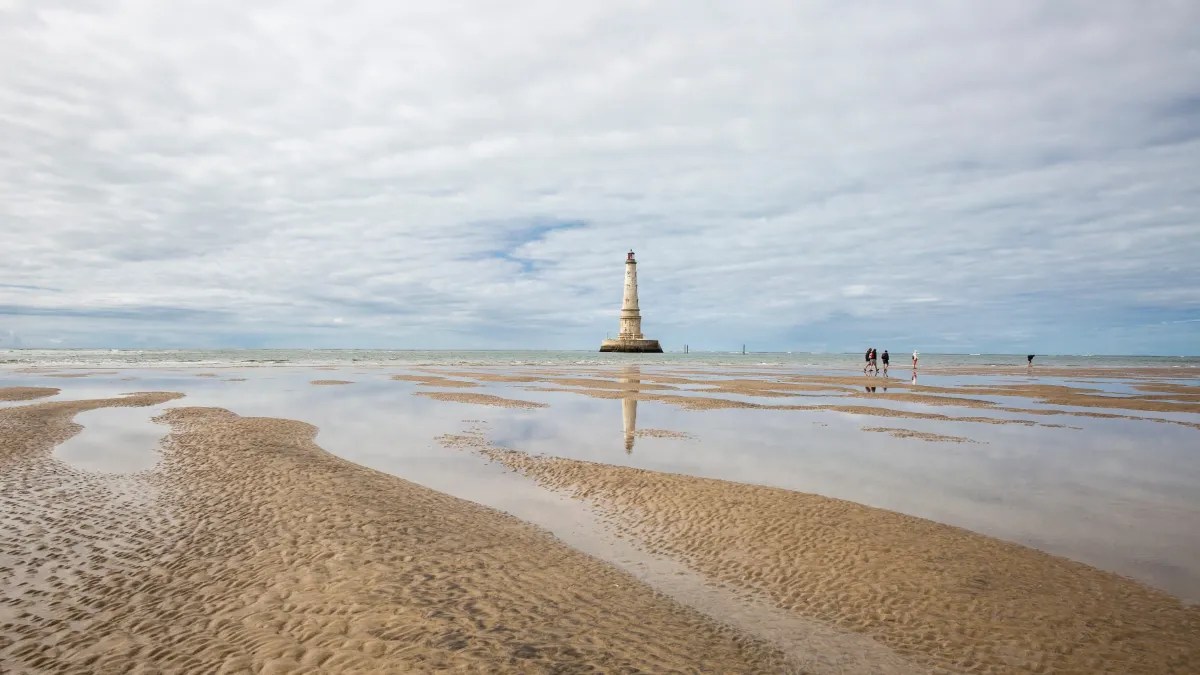
Standing on a rocky islet at the mouth of the Gironde Estuary, Cordouan Lighthouse looks almost unreal, isolated among the waves. Construction began in the late 16th century and was completed in 1611, with the aim of making access to the port of Bordeaux safer. Its elegant silhouette earned it the nickname “the King of Lighthouses.”
Inside, it feels more like a royal monument than a simple maritime structure. A grand staircase, vaulted rooms, and a richly decorated chapel reflect the ambitions of the French kings. After climbing 300 steps, you’re rewarded with sweeping views of the ocean and the coastline. Cordouan is also unusual because lighthouse keepers still live there, and it’s listed as a UNESCO World Heritage Site.
Visits depend on the tides. You reach the lighthouse by boat, then may have to walk through water across the rocky platform. Make sure you wear suitable shoes, as the rocks are uneven and can be slippery.
Soulac-sur-Mer
Type Town
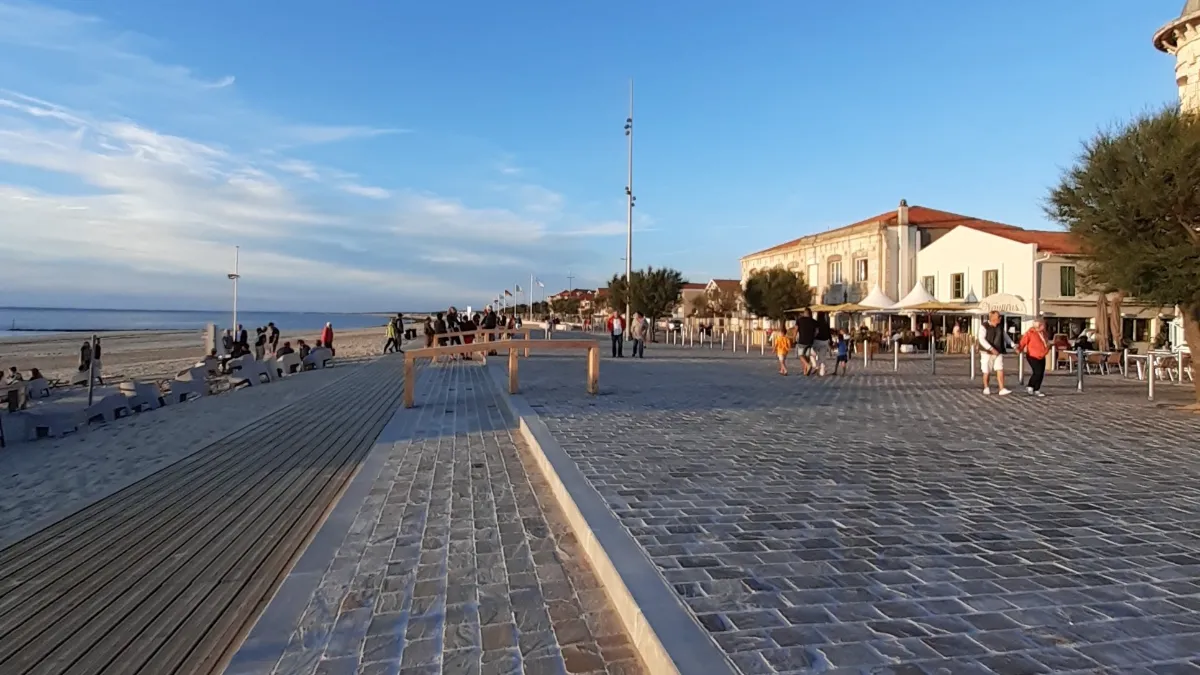
At the northern tip of the Atlantic coast, Soulac-sur-Mer has a wonderfully old-fashioned seaside feel. Behind its wide, wave-swept beaches, the resort reveals streets lined with villas from the 19th and early 20th centuries. Wooden balconies, colorful facades, turrets, and verandas create a surprisingly varied architectural landscape, dating back to the days when seaside holidays were becoming fashionable.
Wander away from the seafront and you’ll discover an even older side of Soulac. The Basilica of Notre-Dame-de-la-Fin-des-Terres, once threatened and partly buried by shifting sands, recalls the pilgrims who passed through on their way to Spain. Its solid, historic architecture makes a striking contrast with the lighter style of the holiday villas.
Here, the ocean is very much in charge. Powerful waves, winds, and tides set the rhythm of the day. Dunes and pine forests provide the backdrop for long walks and bike rides. In the evening, the low sunlight picks out the details of the villas and casts warm colors across the beach.
Saint-Émilion
In Our Top+ ✅
Type Village
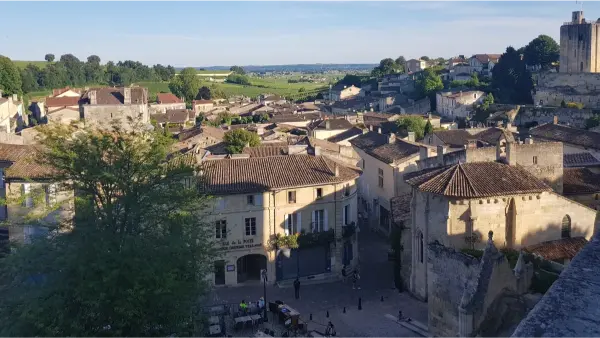
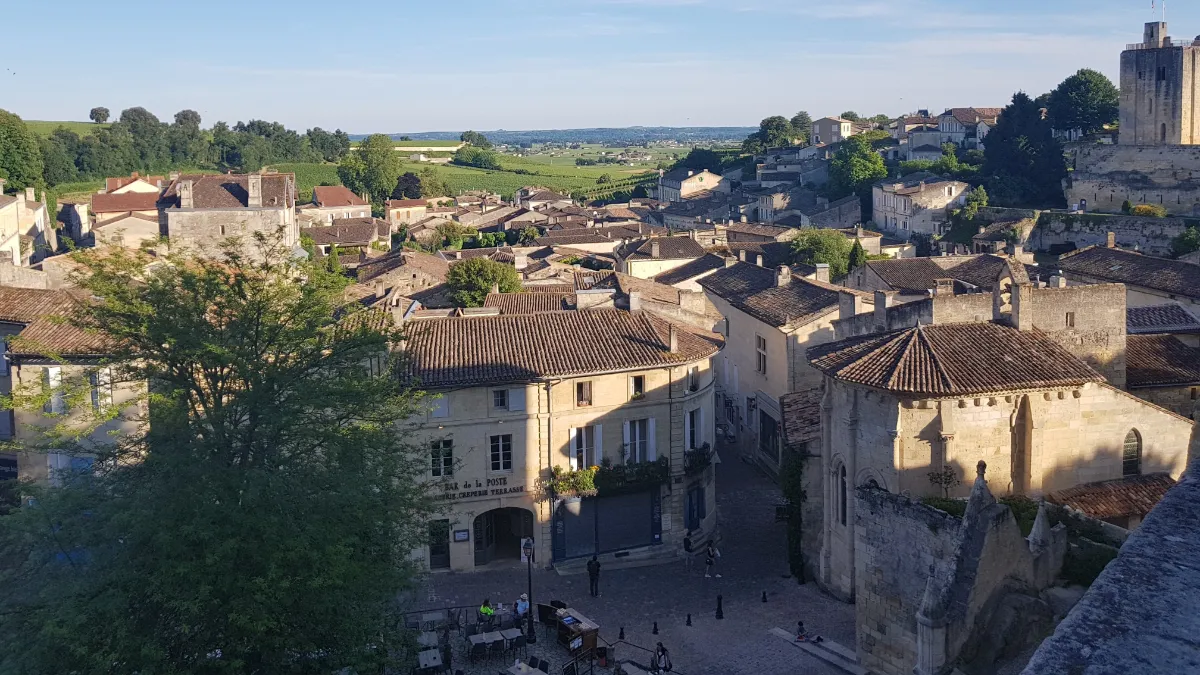
Saint-Émilion feels like a place from another time. Set on a hill surrounded by vineyards, this golden-stone village is a maze of cobbled lanes, steep stairways, and red-tiled houses. Its old ramparts, little shaded squares, and views over the vineyards create a beautiful setting, especially when the evening sun warms the facades.
Its history goes back to the 8th century, when a hermit named Émilion is believed to have settled here. The town later became an important religious and trading center. The quarries dug beneath the village supplied the stone used to build its houses and monuments.
The most spectacular sight is the monolithic church. Rather than being built stone by stone, it was carved directly into the rock. Its enormous underground space and bell tower rising above the rooftops are still incredibly impressive. Beneath the houses, old wine cellars extend deep into the limestone, staying pleasantly cool in summer.
All around, vineyards have shaped the landscape for centuries. Rows of vines trace the contours of the hills, dotted with old stone walls. This unique combination of medieval village and wine-growing heritage has earned the area UNESCO World Heritage status. Toward the end of the day, the crowds thin out and the narrow streets become peaceful again.
Bordeaux

In Our Top+ ✅
Type City
Bordeaux has a way of winning you over without trying too hard. Nestled in a broad bend of the Garonne River, this former port city stretches out for miles with its honey-colored facades, grand squares, and streets you’ll love getting lost in. The limestone, sometimes golden, sometimes darkened by time, gives the whole city an elegance all its own.
Much of Bordeaux’s wealth came from wine. As early as the Middle Ages, trade with England helped its port thrive. In the 18th century, wealthy wine merchants financed grand mansions and monumental riverfront buildings.
The city’s most beautiful scenery unfolds along the river. The buildings of Place de la Bourse are reflected in the famous Miroir d’eau, while the quays, once bustling with port activity, have been transformed into one long waterfront promenade. Whether you’re walking or cycling, you get sweeping views of the bridges and the old city skyline.
Head into the historic center and the atmosphere changes. The narrow lanes of Saint-Pierre open onto lively squares, while farther south, Saint-Michel has held on to its down-to-earth, multicultural character. To the north, the Chartrons neighborhood recalls the golden age of the wine trade, with its former warehouses and elegant houses. Across the river, the neighborhoods take on a different look again, far removed from the classical architecture of the grand boulevards.
But Bordeaux is far from stuck in the past. The tram network has transformed the way people get around, former industrial areas are finding new life, and the Cité du Vin brings a bold contemporary silhouette to the riverfront. With its heritage, creative energy, and wine culture, Bordeaux has rediscovered the pleasure of simply strolling around, from its gardens to its riverbanks, where locals, cyclists, and visitors all cross paths.
L'Herbe
Type Village
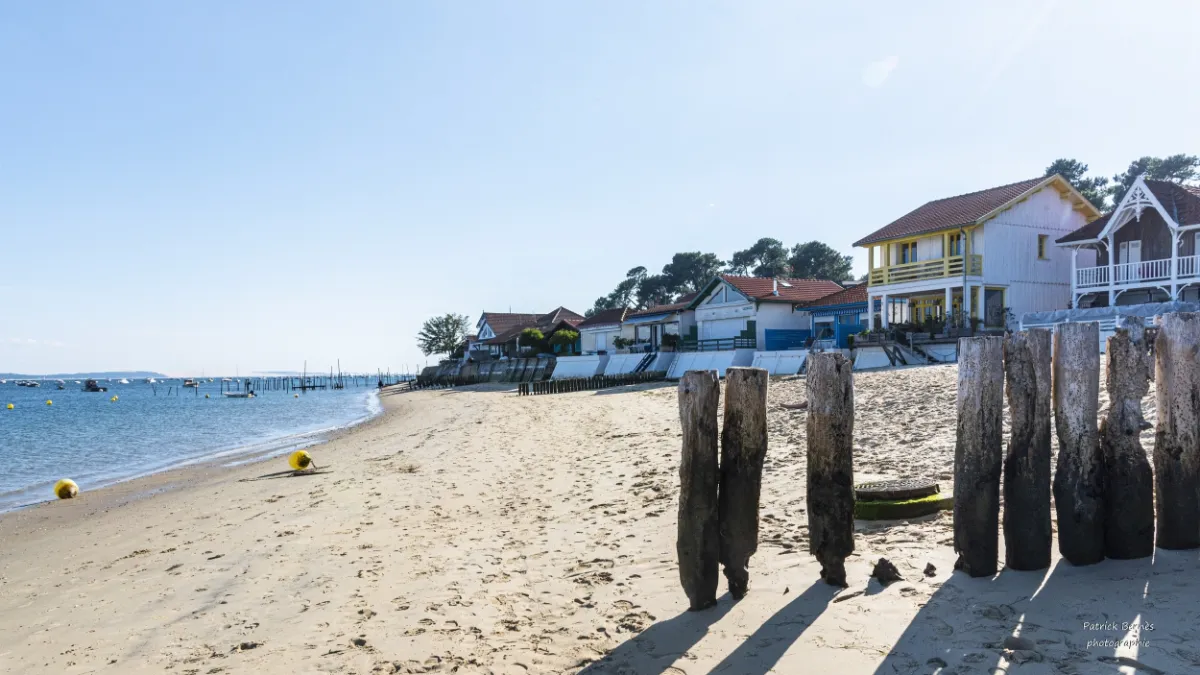
Tucked between a wooded dune and the waters of Arcachon Bay, L’Herbe is one of the most picturesque villages on the Cap Ferret peninsula. Its fishermen’s and oyster farmers’ cabins are packed together along narrow, sometimes sandy passageways. Colorful shutters, little terraces, and fishing nets make the place look like a movie set, although it’s still very much a working village.
Down by the water, the boats change appearance with the tides. A little farther away stands a surprising 19th-century chapel decorated with designs inspired by North African architecture. Its arches and patterned tiles stand out beautifully among the wooden cabins.
Arcachon
In Our Top+ ✅
Type Town
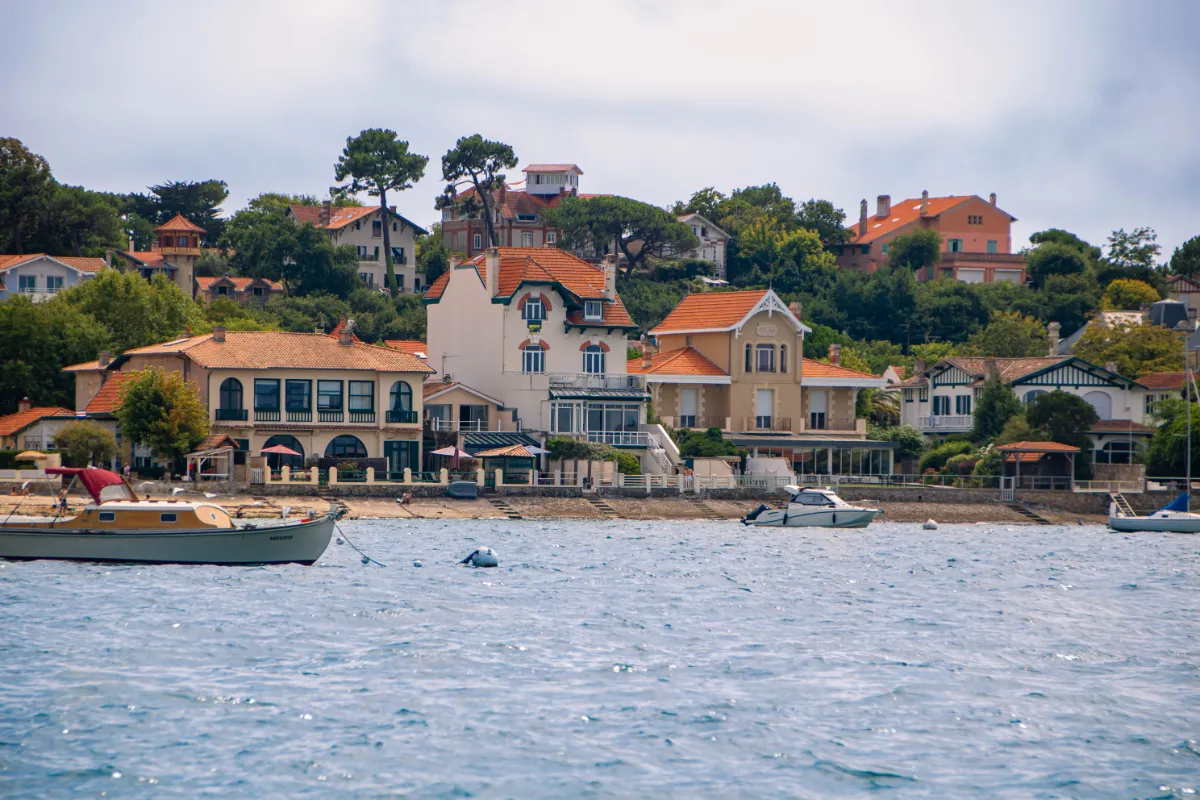
Arcachon grew out of the 19th-century craze for seaside holidays. The railway brought wealthy visitors looking for fresh sea air and a mild climate, and the town has held on to a slightly theatrical sense of elegance ever since.
Up on the hills, the Ville d’Hiver, or Winter Town, is filled with extravagant villas mixing all kinds of architectural styles. Swiss, English, and Oriental influences come together in turrets, bay windows, and beautifully carved balconies. You can wander along winding lanes shaded by tall trees, far from the bustle of the seafront. Down below, beaches and piers face out toward the bay.
Arcachon is also a gateway to a remarkable natural landscape. At low tide, sandbanks emerge, channels become visible, and Île aux Oiseaux, Bird Island, almost seems to float in the middle of the water. Whether you’re watching from the shore or exploring by boat, you quickly see just how much the tides shape the scenery. Boats glide between oyster beds and shallow waters.
Dune du Pilat
In Our Top+ ✅
Type Sand Dune
Full Name
Dune du Pilat
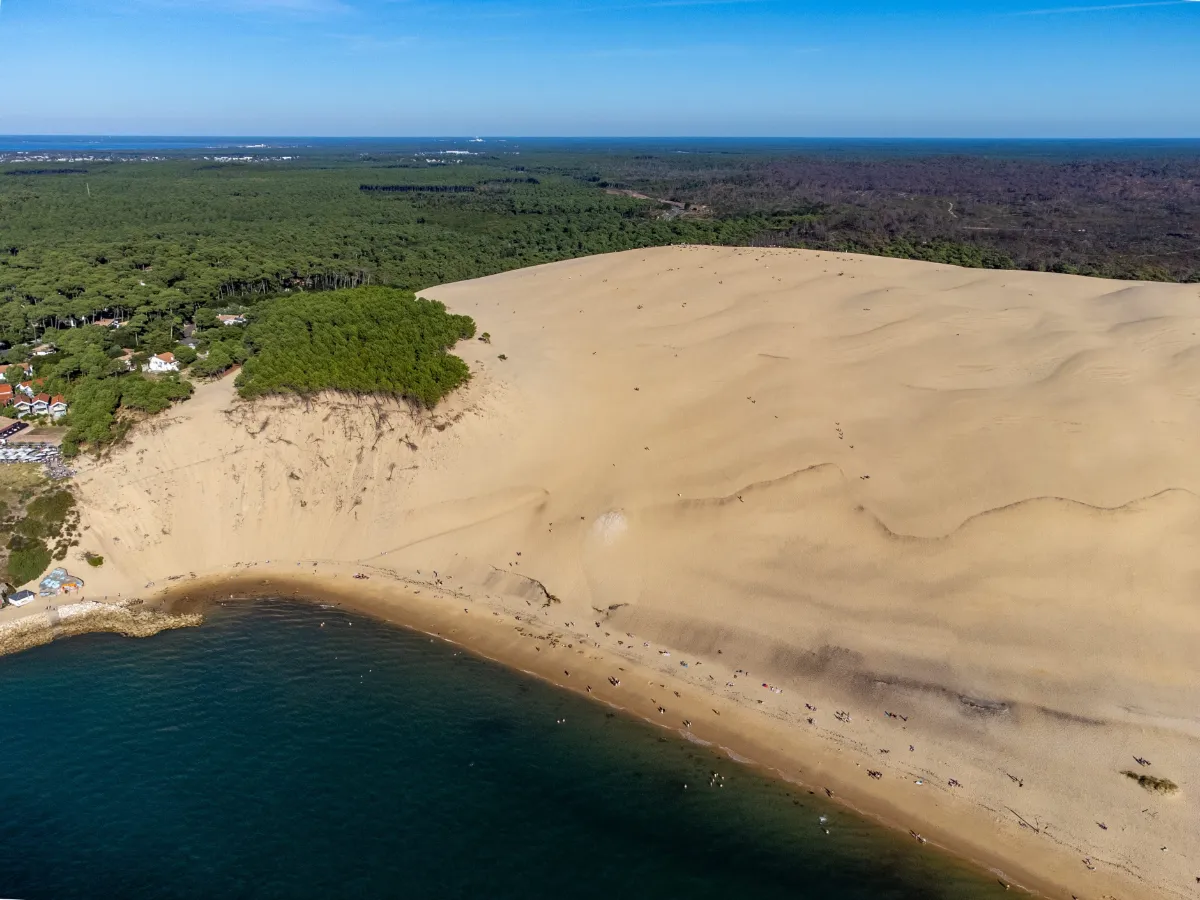
Facing the Atlantic Ocean, the Dune du Pilat rises like an enormous mountain of sand between the forest and the sea. Nearly three kilometers long and around 100 meters high, it’s the tallest sand dune in Europe. Its dimensions are constantly changing, as the wind shifts the sand and slowly pushes the dune toward the pine forest.
Climbing to the top takes a bit of effort, especially in the soft sand. But once you reach the ridge, the view is breathtaking. On one side, you have the ocean, the Banc d’Arguin sandbank, and the entrance to Arcachon Bay. On the other, an endless sea of pine trees stretches toward the horizon. The changing light transforms the colors of the landscape throughout the day.
At sunset, long shadows bring out the contours of the dune and the sand takes on beautiful golden shades. Winds can be strong at the top, so keep an eye on access conditions and make sure you respect protected areas.
Parking
Castelmoron-d'Albret
Type Village
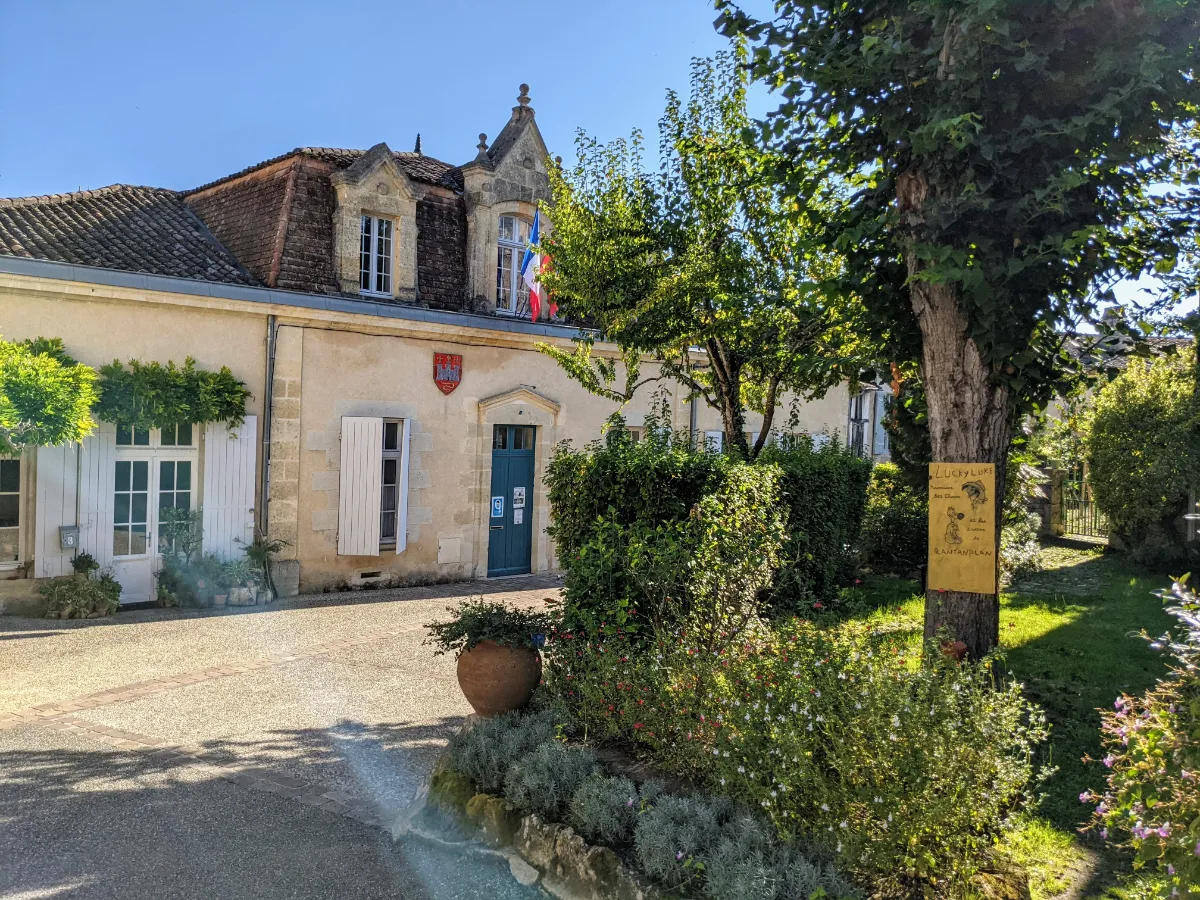
Covering just 3.5 hectares, Castelmoron-d’Albret is the smallest village in France by area. Perched on a rocky spur, this tiny village looks as though its stone houses are huddled together. A handful of flower-filled lanes, stairways, and ancient walls are all it takes to create an incredibly charming setting.
In the Middle Ages, the village was far more important than its size might suggest today. It still has a fortified gateway, historic houses, and traces of its administrative past. Follow its narrow passages and you’ll come across overhanging balconies and lovely views of the rolling countryside.
Écomusée de Marquèze
Type Village-Museum
Price €15.50
Full Name
Écomusée de Marquèze
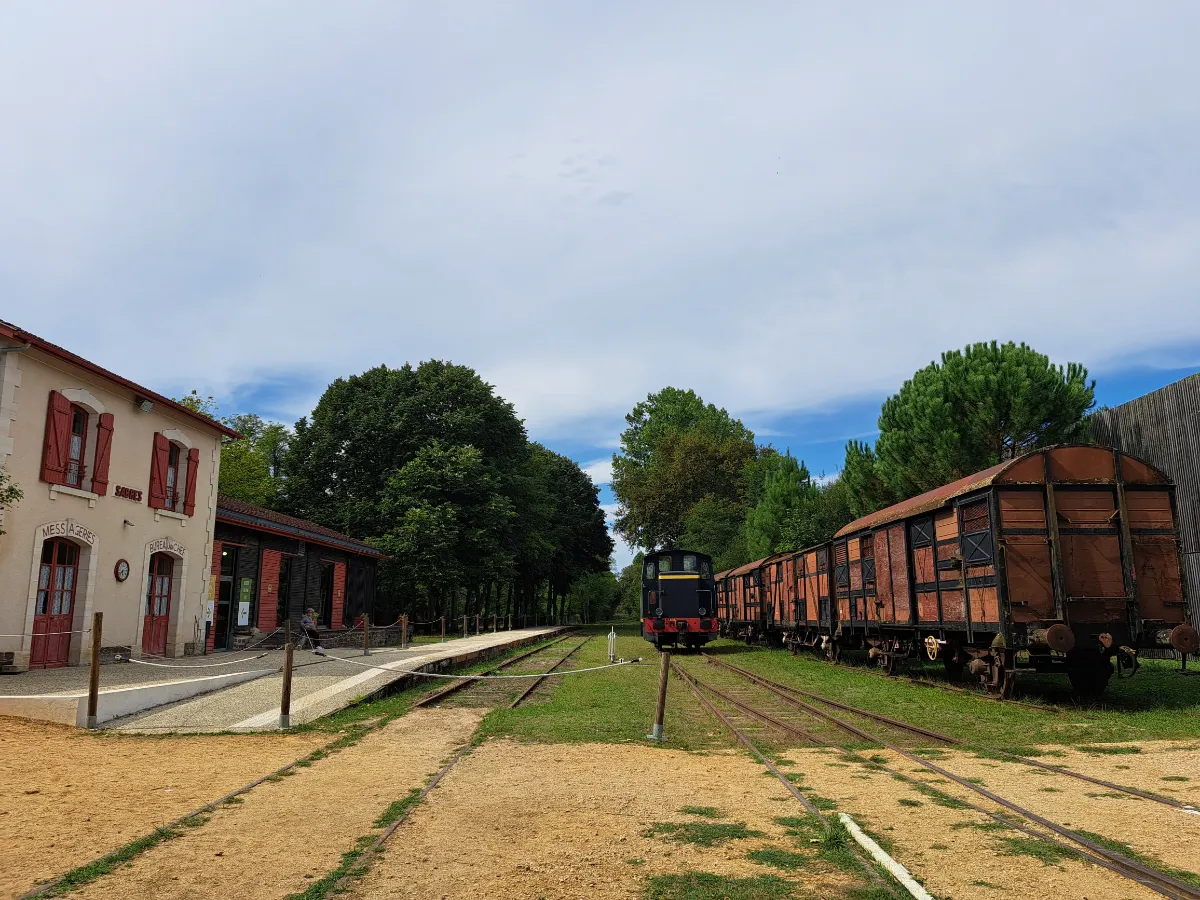
At Marquèze, you travel back to rural life in the 19th century, right in the heart of the Landes region. The adventure begins in Sabres, where a historic train takes you through the pine forest to a preserved hamlet. The journey lasts just ten minutes or so, but it feels like leaving the modern world behind.
Once there, you’ll find traditional houses scattered around wide grassy spaces, complete with barns, gardens, and farm animals. You can discover how families lived, cultivated the land, raised livestock, and collected resin from pine trees. Demonstrations of traditional crafts and activities help bring this demanding everyday life to life.
Marquèze also tells the story of a major transformation of the landscape. Before pine trees were planted on a massive scale in the 19th century, much of the region was open, wet, and sparsely populated. Walking through the old buildings and natural surroundings helps you understand just how dramatically the area has changed.
Labastide-d'Armagnac
In Our Top+ ✅
Type Village
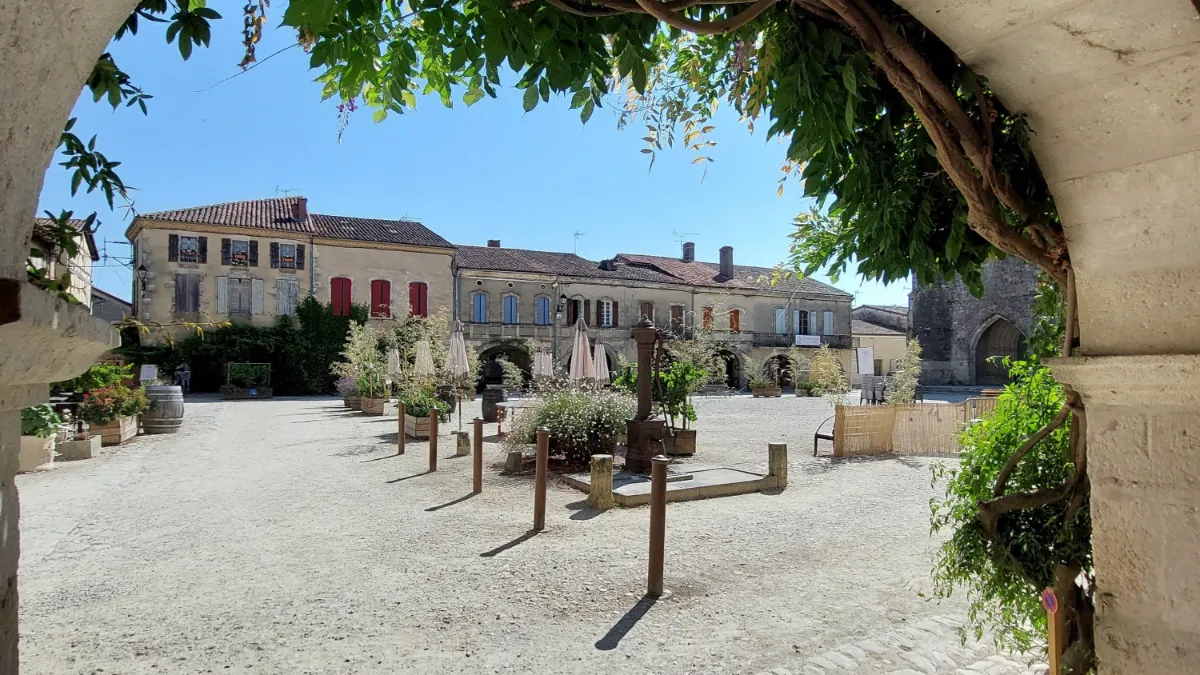
Founded in 1291, Labastide-d’Armagnac has the quiet elegance of a small medieval town in southwestern France. Place Royale, surrounded by covered galleries and timber-framed houses, forms a particularly beautiful and harmonious ensemble. Beneath the arcades, old stonework and wooden structures tell more than seven centuries of history.
The village is linked to King Henry IV, who stayed here before becoming King of France. According to local tradition, the square may have inspired the famous Place des Vosges in Paris. In the surrounding lanes, stairways, old doorways, and a fortified church help create a wonderfully timeless atmosphere.